Zum Hirschen
Zum Hirschen occupies a central address on Dreifaltigkeitsgasse in Zell am See, placing it within easy reach of the lake and the town's compact historic core. The restaurant sits within Austria's Salzburger Land dining tradition, where alpine ingredients and regional cooking techniques shape menus across price points. For visitors working through the town's dining options, it represents a grounded local option worth understanding in context.
Pearl is the En Primeur Club membership app — saves, bookings, and concierge access live there. Same editors, same standards.
- Address
- Dreifaltigkeitsgasse 1, 5700 Zell am See, Austria
- Phone
- +43436542774
- Website
- hotel-zum-hirschen.at
- Directions
- Get directions
 Saves & bookings on Pearl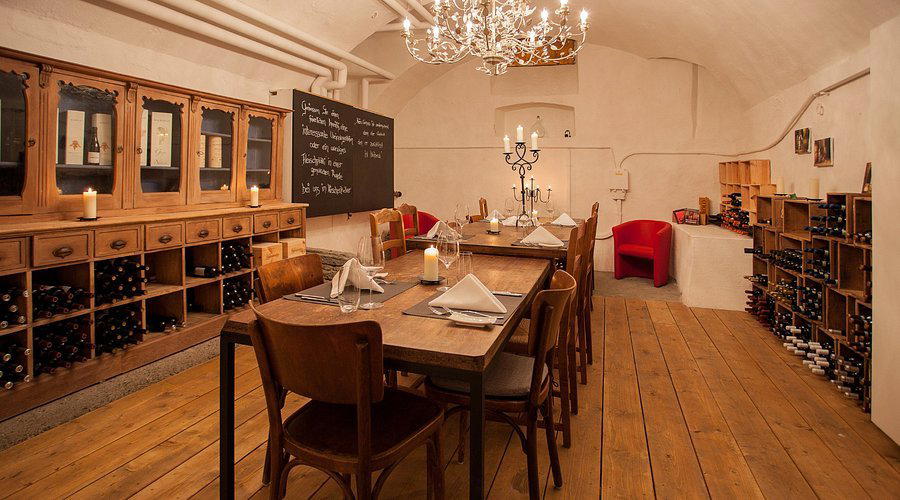
A Town Built Around the Lake, a Restaurant Built Around the Region
Zell am See is the kind of alpine town where the dining scene divides fairly cleanly between venues serving the ski-and-hike visitor trade and those with a more considered relationship to regional cooking. The distinction matters because it shapes everything: what ends up on the plate, where ingredients come from, how menus are sequenced, and what the kitchen thinks its job actually is. Zum Hirschen, at Dreifaltigkeitsgasse 1, is a Traditional Austrian restaurant in Zell am See. The address places it within walking distance of the lake shore and the main pedestrian zones, which means it draws from a broad mix of locals and visitors rather than capturing a single narrow demographic. That mix tends to produce menus that have to work harder to satisfy a range of expectations.
The broader Salzburger Land tradition that Zum Hirschen operates within has real depth. This is a region where Tafelspitz, Wiener Schnitzel, and roasted freshwater fish from alpine lakes are not retro affectations but structural elements of a living culinary identity. Kitchens across the province, from Obauer in Werfen at the summit of the critical register to more modest Gasthäuser in smaller villages, tend to organise their menus around these traditions even when individual chefs bring their own interpretive pressure. The question for any restaurant in this category is less whether to engage with regional tradition and more how honestly and specifically it does so.
How the Menu Speaks to Where You Are
Menu architecture in alpine Austrian restaurants tends to follow a legible logic: cold starters drawing on cured meats and dairy, soups anchored by beef broth or regional variations, main courses structured around meat roasts, freshwater fish, and occasionally game, and desserts that lean on Mehlspeisen, the flour-based pastry and dumpling tradition that runs through Austrian cooking from Vienna to the western valleys. This sequencing is not accidental. It reflects a kitchen's understanding of the environment it operates in, the ingredients that are physically available, and the guests who walk through the door after a day on the slopes or the lake.
At a venue like Zum Hirschen, that structure is the editorial statement. Restaurants in Zell am See that are angling toward a more cosmopolitan guest often soften or fragment this architecture, introducing international influences that can make menus feel shapeless. The more instructive comparison is with venues like Erlhof, which operates in the regional cuisine tier at €€€, or the Salzburgerstube, where the menu framing also speaks to local tradition. Each of these represents a different interpretation of what regional commitment looks like in practice.
For context on what regional Austrian cooking looks like when it reaches its most articulated form, Döllerer in Golling an der Salzach provides a useful reference point. The kitchen there has built a reputation around Salzburger Küche at a level that has drawn serious critical attention, and its menu architecture, structured around local provenance and seasonal specificity, sets a benchmark against which other kitchens in the province can be read. Similarly, Kräuterreich by Vitus Winkler in Sankt Veit im Pongau demonstrates how herb-forward, hyper-local sourcing can give a regional kitchen a distinct identity without abandoning the structural logic of alpine cooking.
Zell am See's Dining Tier and Where This Fits
Within Zell am See itself, the restaurant offer spans a meaningful range. MAYER's Restaurant operates at the €€€€ tier in the classic cuisine category, representing the town's upper bracket. Speisenmeisterei and Steinerwirt occupy adjacent positions with their own distinct formats. Understanding where the restaurant sits in relation to these options requires reading the town's dining map as a whole rather than evaluating any single venue in isolation.
For visitors who have arrived from cities with more stratified dining scenes, the alpine restaurant tier can look compressed. But the compression is partly illusory. The difference between a kitchen that sources its beef from a named farm in the Pinzgau valley and one that does not shows up clearly on the plate, even if the menu price gap is modest. At the better end of the mid-market in towns like Zell am See, seasonal specificity and honest regional sourcing tend to be more reliable signals of kitchen quality than any single award or headline.
Austria's wider fine dining register, represented by venues like Steirereck im Stadtpark in Vienna or Ikarus in Salzburg, operates with a different set of formal ambitions. That context is worth holding in mind not because the restaurant is competing in that tier, but because understanding the full range of Austrian cooking helps clarify what the mid-market alpine restaurant is actually doing and why it matters in its own right. Other alpine comparison points, including Gourmetrestaurant Tannenhof in Sankt Anton am Arlberg and Griggeler Stuba in Lech, show how ski-resort dining at the premium end approaches the same regional ingredient set with significantly more formal execution.
Planning Your Visit
The restaurant is located at Dreifaltigkeitsgasse 1 in the centre of Zell am See, a walkable position from the main rail station and the lake promenade. The town itself is accessible by direct train from Salzburg in under two hours, making it a realistic base for visitors arriving by rail. For those combining a meal here with broader exploration of the Salzburger Land dining scene, the region rewards planning: venues like Landhaus Bacher in Mautern an der Donau, Ois in Neufelden, and Restaurant 141 by Joachim Jaud in Mieming each represent different points on the Austrian regional cooking spectrum and are worth building into a wider itinerary.
Reputation Context
Comparable venues nearby, for context on price, style, and recognition.
| Venue | Cuisine | Price | Awards | Notes |
|---|---|---|---|---|
| Zum HirschenThis venue — the venue you are viewing | Traditional Austrian | $$ | Not listed | Not listed |
| Salzburgerstube | Modern Austrian Fine Dining | $$$$ | Not listed | Zell am See |
| Steinerwirt | Modern Austrian | $$ | Not listed | Zell am See center |
| Flos Restaurant | Dining | Not listed | Michelin Plate | Zell am See |
| Two Timez | Alpine Austrian with International Options | $$$ | Not listed | Zell am See city center |
| Erlhof | Traditional Austrian Regional Cuisine | $$$ | Michelin Plate | Thumersbach |
Continue exploring
More in Zell am See
Restaurants in Zell am See
Browse all →
Bars in Zell am See
Browse all →


Hotels in Zell am See
Browse all →
Wineries in Zell am See
Browse all →
At a Glance
- Cozy
- Rustic
- Classic
- Elegant
- Special Occasion
- Family
- Historic Building
- Hotel Restaurant
- Terrace
- Extensive Wine List
- Local Sourcing
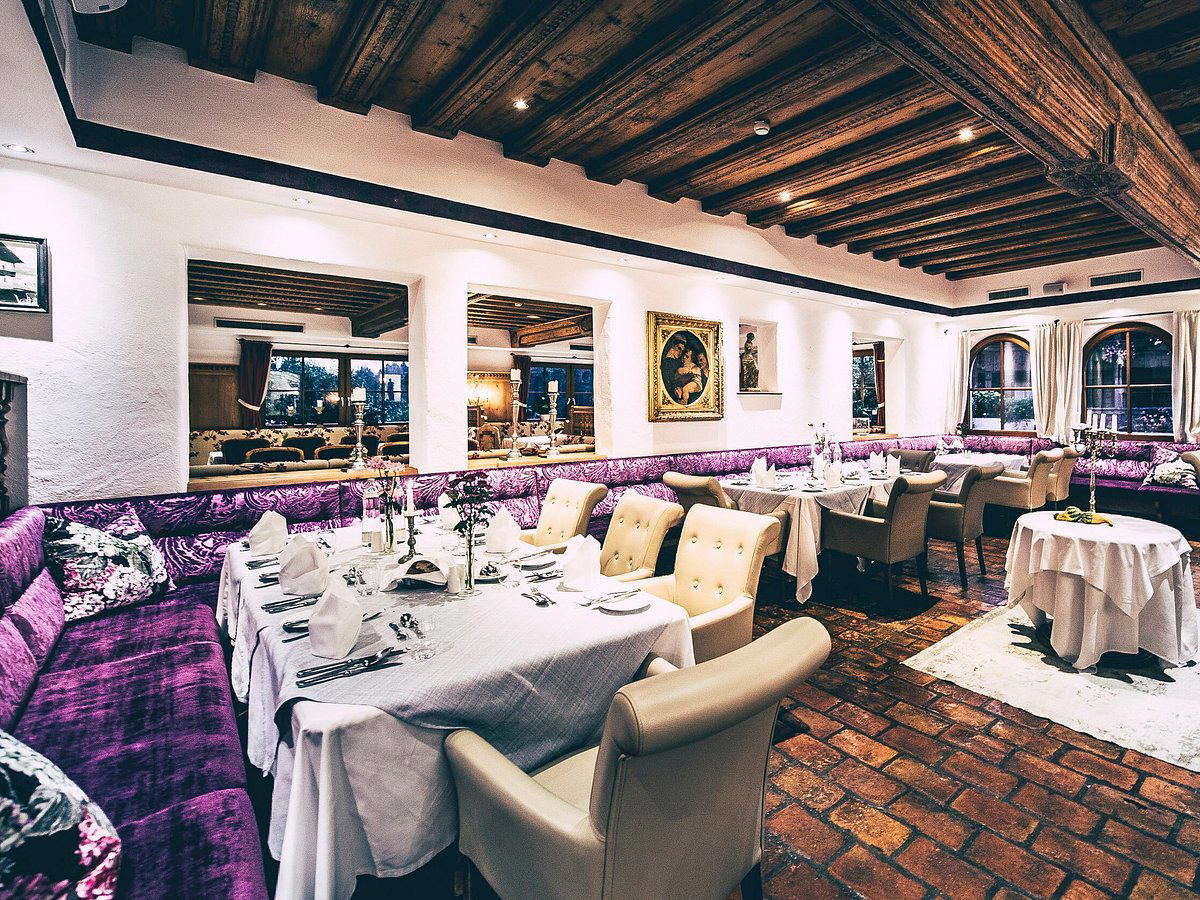
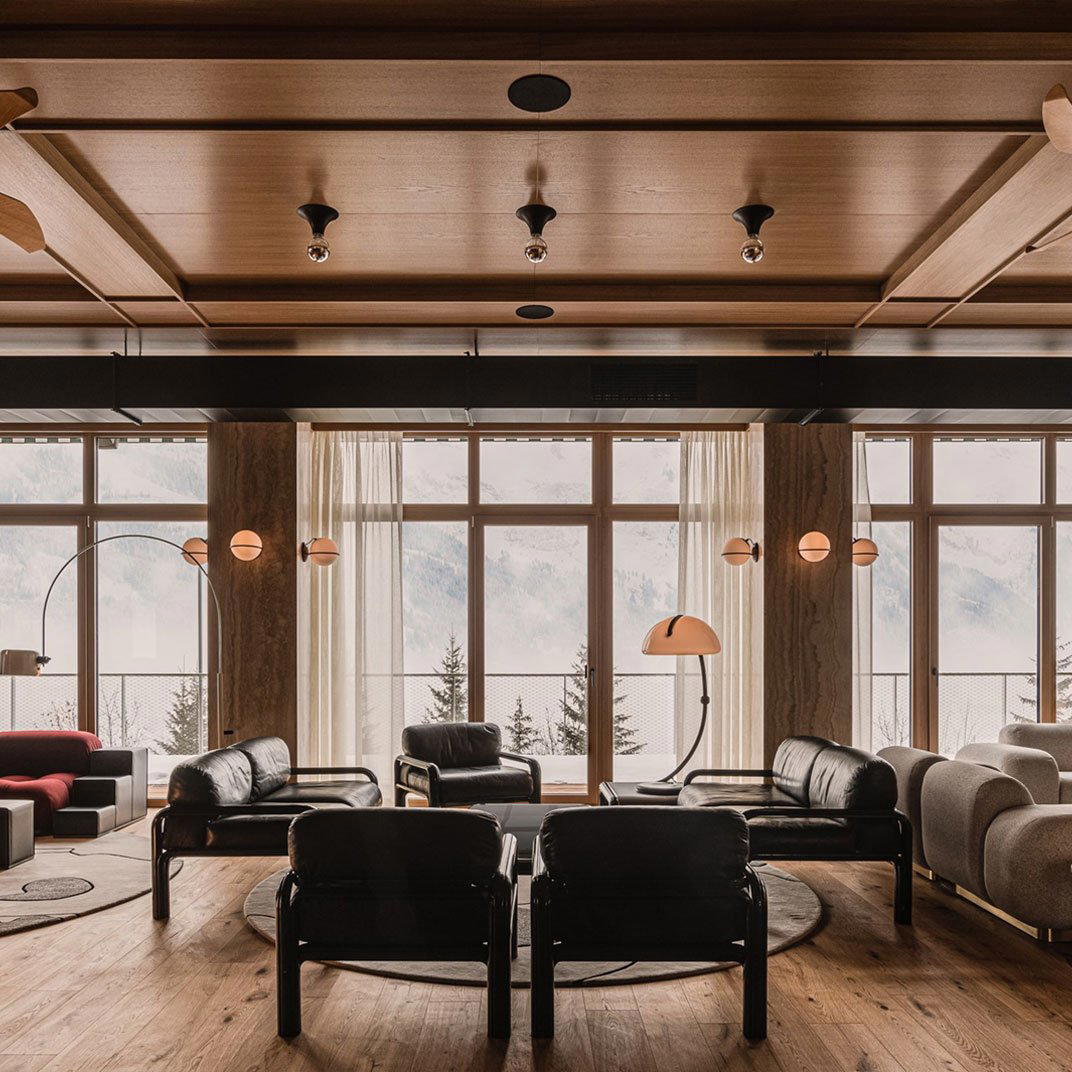
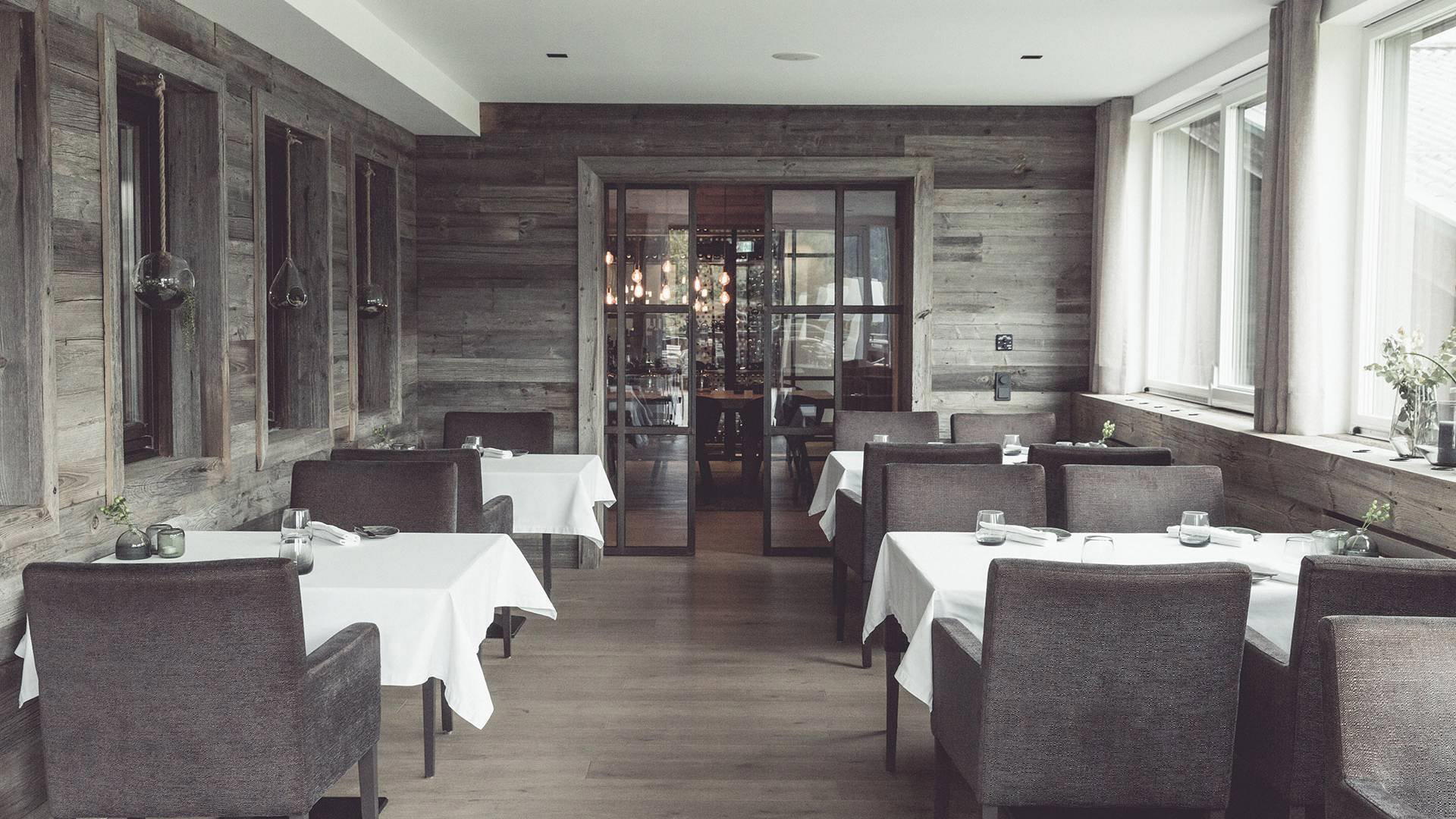
Timbered warmth with crackling fireplaces, golden glow over wooden beams and stag motifs, blending familial energy and alpine elegance.