A mountain hut above Kössen in Tirol's Kaiserwinkl region, Taubenseehütte sits in the tradition of Alpine Hütten culture, simple shelter, local food, and elevation-earned atmosphere. For travellers moving through the Austrian Alps between Bavaria and Salzburg, it represents the kind of unassuming stop that the region's more formal dining circuit rarely captures. Check our full Kossen guide for context on the broader area.
Pearl is the En Primeur Club membership app — saves, bookings, and concierge access live there. Same editors, same standards.
- Address
- Mühlbergweg 54, 6345 Kössen, Austria
- Phone
- +436641246925
- Website
- taubensee.at
- Directions
- Get directions
 Saves & bookings on Pearl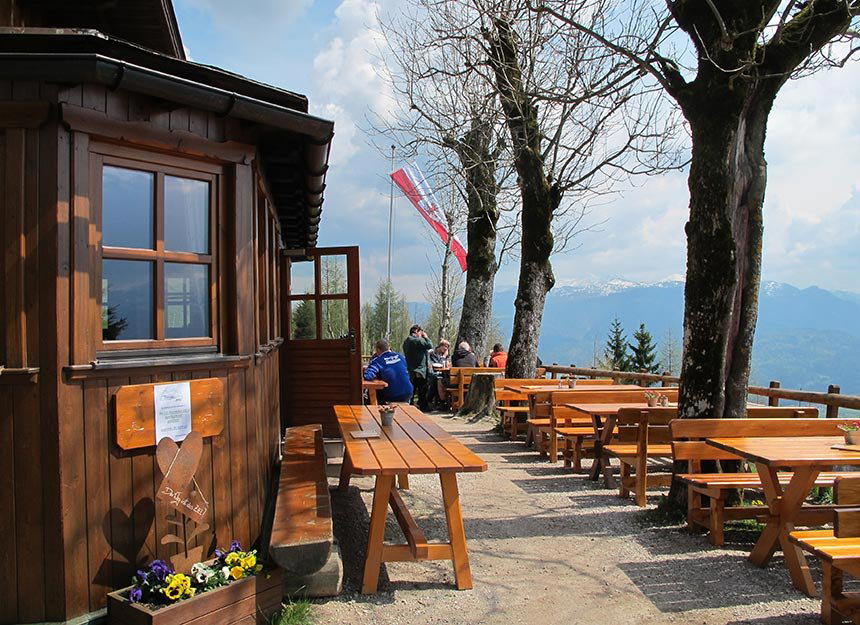
Where the Alps Eat Plainly
There is a particular register of eating in the Austrian Alps that no Michelin listing captures: the mountain hut at altitude, where the food arrives without ceremony and the view does most of the work. Taubenseehütte is a restaurant in Kössen, Austria, serving Traditional Tyrolean Alpine Cuisine at Mühlbergweg 54. Taubenseehütte, located at Mühlbergweg 54 on the slopes above Kössen in Tirol's Kaiserwinkl corner, belongs to that tradition. Approaching from the valley, the hut sits in the way that Alpine shelters have for generations, above the treeline noise, oriented toward the lake and the Kaisergebirge ridgeline, framing the kind of stillness that the region's more polished restaurants spend considerable effort trying to recreate indoors.
Kössen itself sits at Austria's northern edge, just inside the border from Bavaria, in a corridor that connects the Inn Valley to the Chiemsee lowlands. The Kaiserwinkl area has historically functioned as a crossroads, less fashionable than Kitzbühel to the southwest, less discovered than the Bregenzerwald to the west, but consistent enough in its Alpine character to attract a steady rotation of walkers, families, and cyclists who prefer the absence of a scene.
The Hütte as Cultural Form
To understand a venue like Taubenseehütte, it helps to understand what the Hütte means as a cultural institution in German-speaking Alpine regions. The mountain hut is not a rustic restaurant with a view bolted on. It is, at its core, a rest point embedded in the logic of mountain travel: you earn your arrival by foot or by lift, and the food reflects that compact. The Austrian Alpine Club (Österreichischer Alpenverein) has maintained a network of huts for over 150 years, and the culture of stopping, eating simply, and continuing has shaped how the region thinks about elevation dining in ways that sophisticated urban restaurants in Vienna or Salzburg, places like Steirereck im Stadtpark in Vienna or Ikarus in Salzburg, deliberately draw from even as they move far beyond it in technique and price.
Hütten cooking has always prioritised shelf-stable and locally sourceable ingredients: Tiroler Gröstl (a pan-fry of potato, onion, and leftover meat, often topped with a fried egg), Kaiserschmarrn (the shredded pancake that traces back to Austro-Hungarian court kitchens but which found its most democratic expression in mountain huts), and Gulasch that has been simmering since morning. These dishes are not simplified versions of grander cooking. They are a distinct register entirely, calibrated for altitude appetite and limited kitchen logistics. Compared to the contemporary Austrian cuisine practiced at Döllerer in Golling an der Salzach or the herb-driven precision of Kräuterreich by Vitus Winkler in Sankt Veit im Pongau, Hütten food operates on a completely different logic, and that is the point.
Positioning in the Regional Dining Tier
Austria's Alpine dining circuit has developed a clear split over the past two decades. At one end sits a concentration of serious kitchens applying fine-dining technique to regional ingredients: Gourmetrestaurant Tannenhof in Sankt Anton am Arlberg, Griggeler Stuba in Lech, Stüva in Ischgl, kitchens that command Michelin attention and price accordingly. At the other end sits the Hütte economy, which runs on volume, weather, and the appetite generated by several hours of hiking. Taubenseehütte occupies that second tier, and makes no claim to the first.
That positioning is not a weakness. For travellers who have done the Gourmet circuit, Obauer in Werfen, Landhaus Bacher in Mautern an der Donau, or further afield, the bistronomic precision of Taubenkobel in Schützen am Gebirge, a stop at a functional mountain hut operates as a deliberate gear-change. The contrast is the experience. What the hut format offers that no amount of restaurant skill can reproduce is the legitimacy of arrival: you are there because you walked there, and the beer or the Gulasch tastes different for it.
The Kaiserwinkl Setting
The Taubensee itself is a small Alpine lake above Kössen, reached by a walking trail that draws from the village in under two hours at a moderate pace. The surrounding terrain is the kind of mid-altitude Tirolean landscape, meadow, conifer, open ridge, that is characteristic of the Kaisergebirge foothills rather than the higher drama of the Central Alps. It is accessible to families with older children and to walkers who want a day route rather than a multi-day undertaking. That accessibility shapes the crowd at any working Hütte: a mix of day-trippers, trail runners, and the occasional through-hiker, rather than the specialist alpinist crowd that gravitates to higher-altitude shelters.
The proximity to the German border means the visitor mix at Taubenseehütte skews partly Bavarian, particularly in summer and during the autumn hiking season. Visitors from Munich can reach Kössen in under two hours, and the Kaiserwinkl's combination of lower prices compared to Kitzbühel and comparable landscape quality makes it a regular destination for that audience. Austrian guests more typically come from Salzburg or Innsbruck, given the geography.
Planning a Visit
Access to Taubenseehütte is on foot from Kössen village, following the marked trail network toward the Taubensee. Trail conditions vary significantly between seasons: the summer months (June through September) represent the primary operating window for most Kaiserwinkl huts, while winter access depends on snow conditions and whether the hut maintains winter operations, which varies year to year. Visitors planning around a specific date should verify current opening status locally or through Kössen's tourism infrastructure before committing to the route. Nearby valley-level dining, including Hotel Gasthof Post, provides a fallback for days when weather closes the higher routes.
Cost and Credentials
Comparable venues nearby, for context on price, style, and recognition.
| Venue | Cuisine | Price | Notes |
|---|---|---|---|
| TaubenseehütteThis venue — the venue you are viewing | Not listed | $$ | Not listed |
| Hotel Gasthof Post | Kössen, Traditional Austrian Tyrolean | $$ | Not listed |
| Seidlalm | Ried, Traditional Tyrolean Austrian | $$ | Not listed |
| Wildseeloderhaus | Fieberbrunn, Modern Tirolean | $$ | Not listed |
| Hornköpflhütte | Not listed | $$ | Kitzbüheler Horn, Traditional Tyrolean Alpine Cuisine |
| Kühberg Alm | Wagrain, Traditional Austrian | $$ | Not listed |


At a Glance
- Rustic
- Cozy
- Scenic
- Classic
- Casual Hangout
- Family
- Group Dining
- Terrace
- Panoramic View
- Standalone
- Local Sourcing
- Mountain
Current opening hours
- Monday
- 9 AM–4 PM
- Tuesday
- Closed
- Wednesday
- Closed
- Thursday
- 9 AM–4 PM
- Friday
- 9 AM–4 PM
- Saturday
- 9 AM–4 PM
- Sunday
- 9 AM–4 PM
Hours can change for holidays and private events. Last verified .
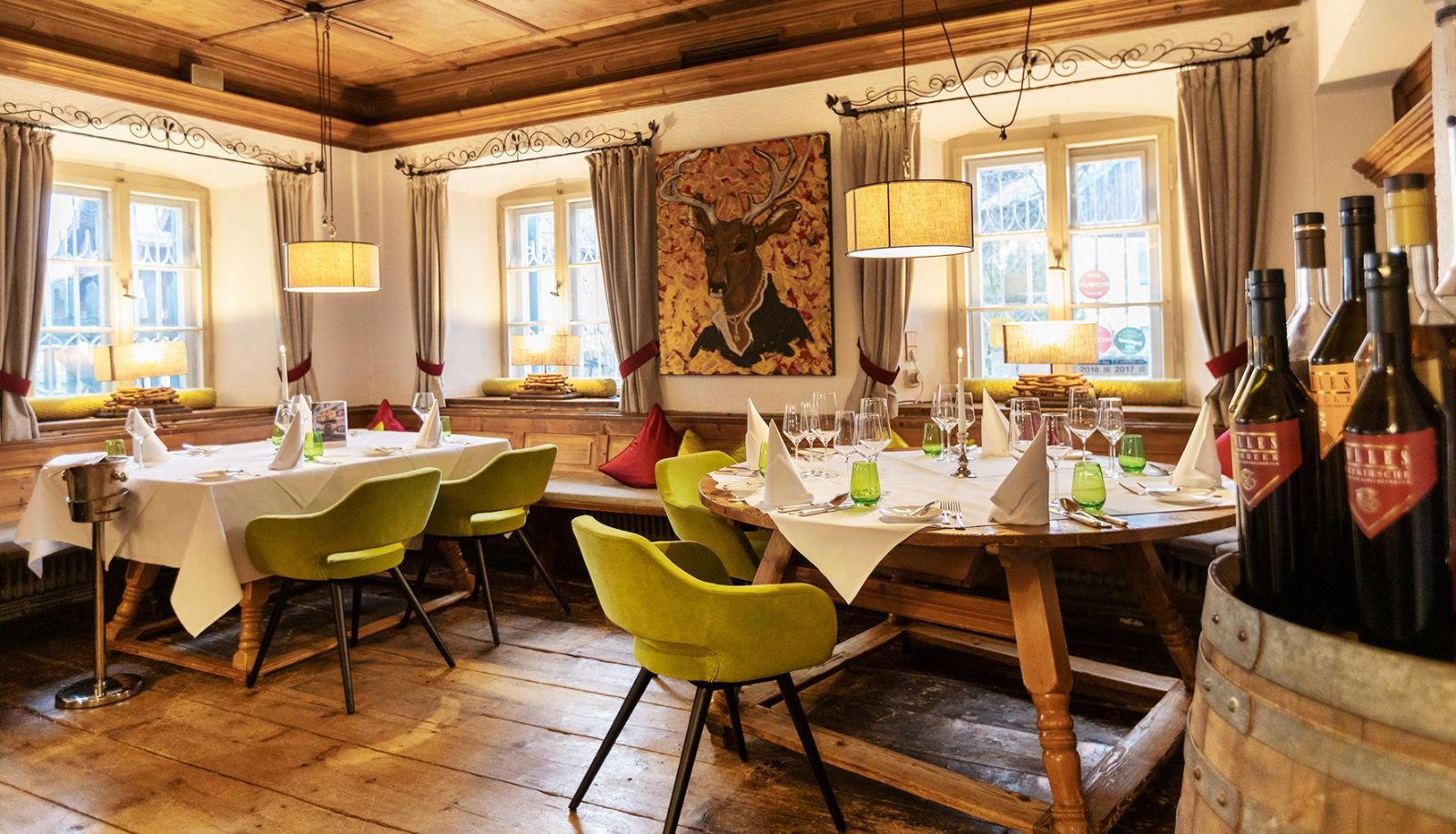
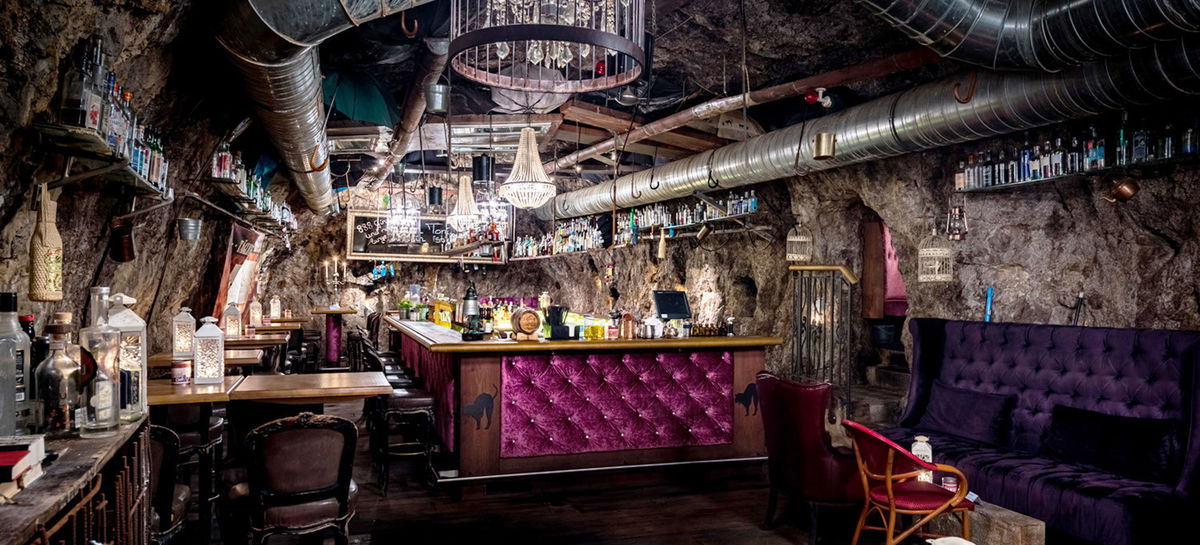
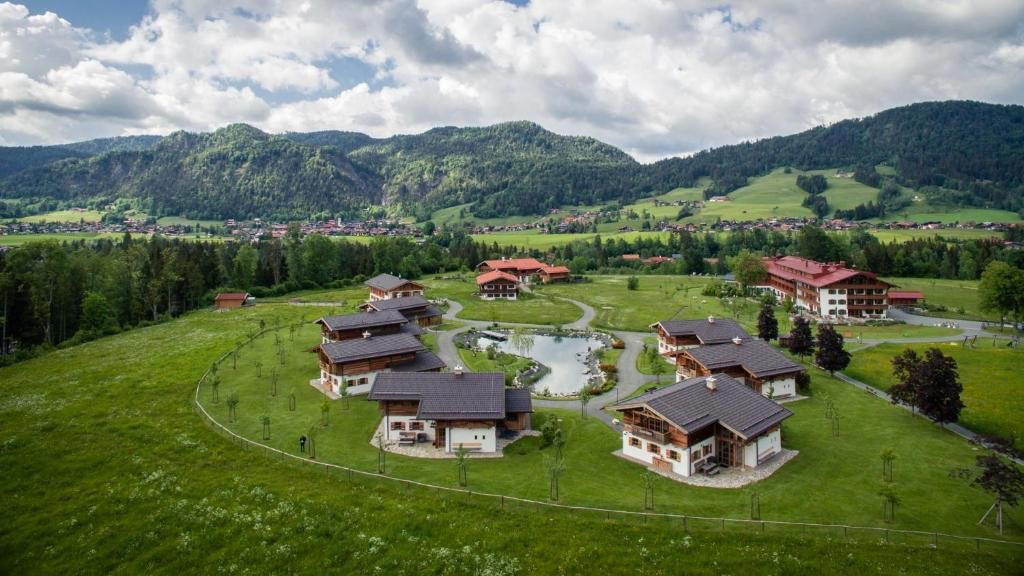
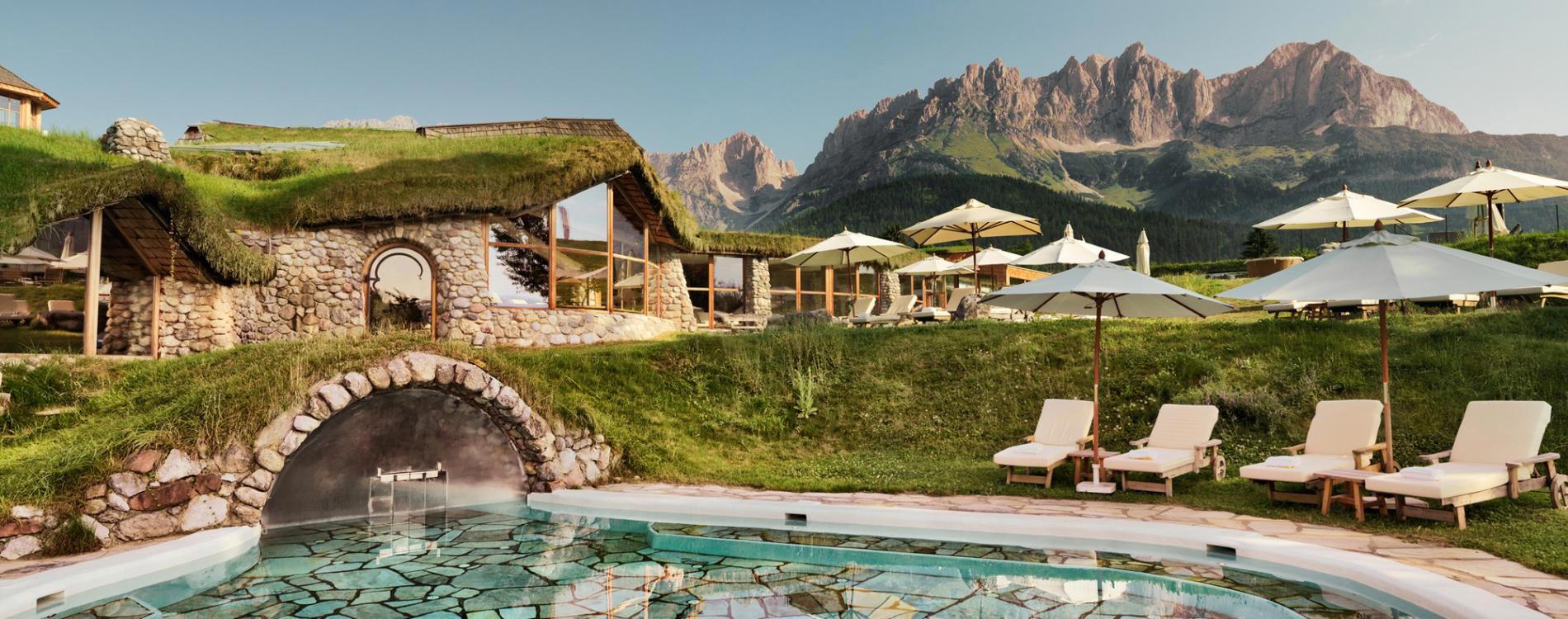
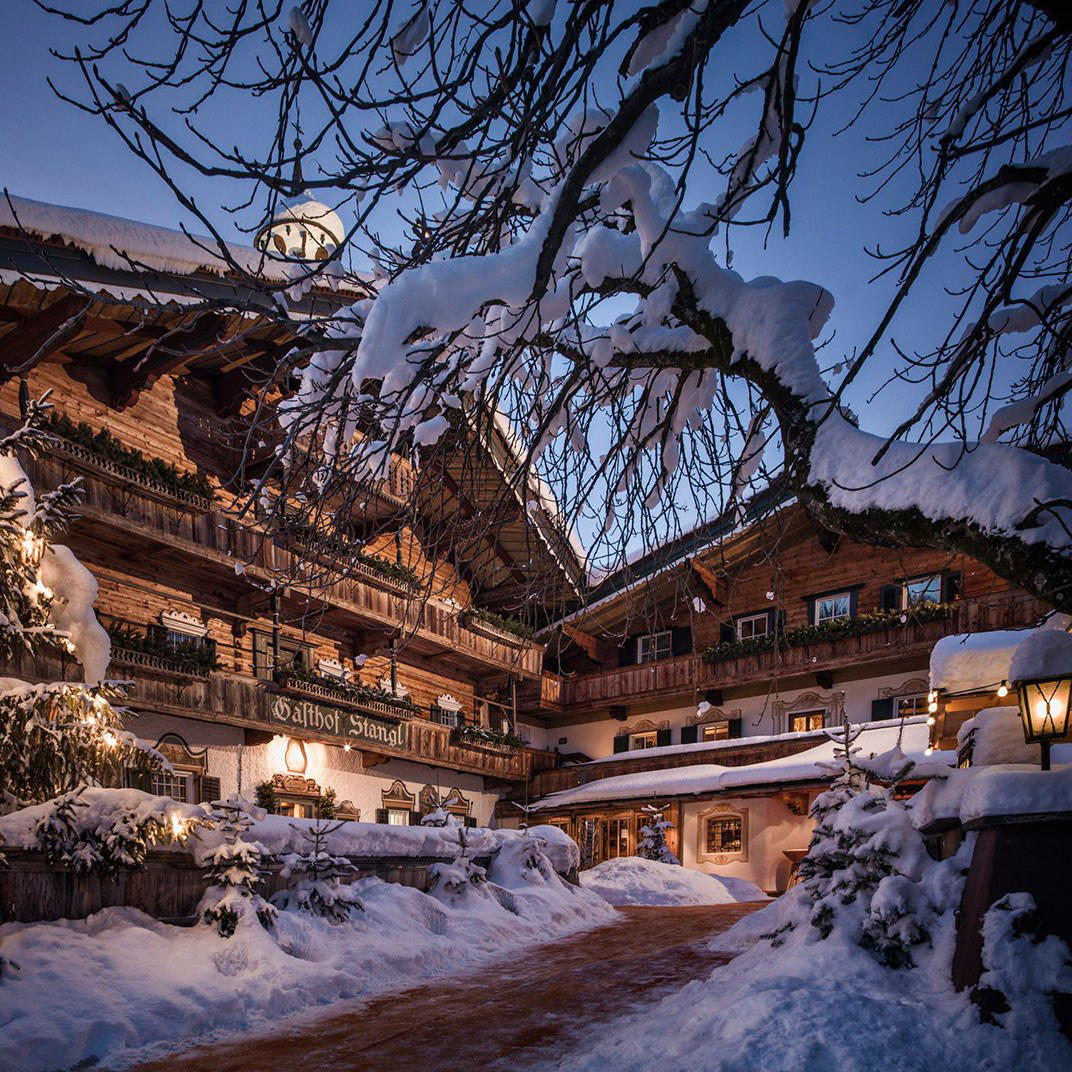
Rustic alpine setting with warm, welcoming service; cozy interior with terrace seating offering dramatic mountain vistas of the Zahmen and Wilder Kaiser peaks.