


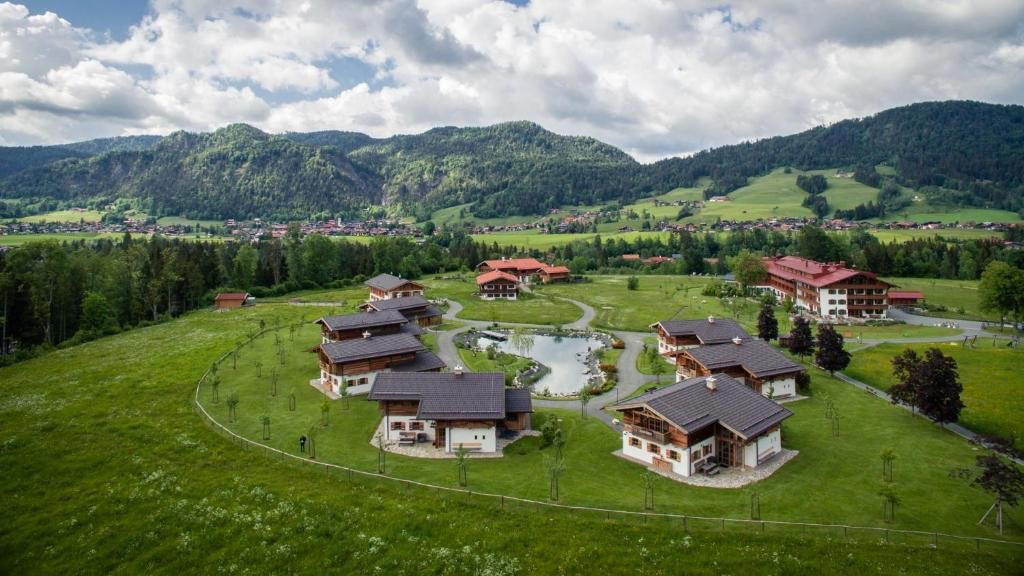
A 179-room resort in Bavaria's Chiemgau region, Das Achental sits between Lake Chiemsee and the Kampenwand mountains, roughly equidistant between Munich and Salzburg. It earned two Michelin Keys in 2024 and houses restaurant es:senz, where three-Michelin-star chef Edip Sigl leads the kitchen. An 18-hole golf course and a dedicated wellness facility round out the property's offer.
Pearl is the En Primeur Club membership app — saves, bookings, and concierge access live there. Same editors, same standards.
- Address
- Mietenkamer Str. 65, 83224 Grassau
- Phone
- +49 8641 4010
- Website
- das-achental.com
- Directions
- Get directions
 Saves & bookings on Pearl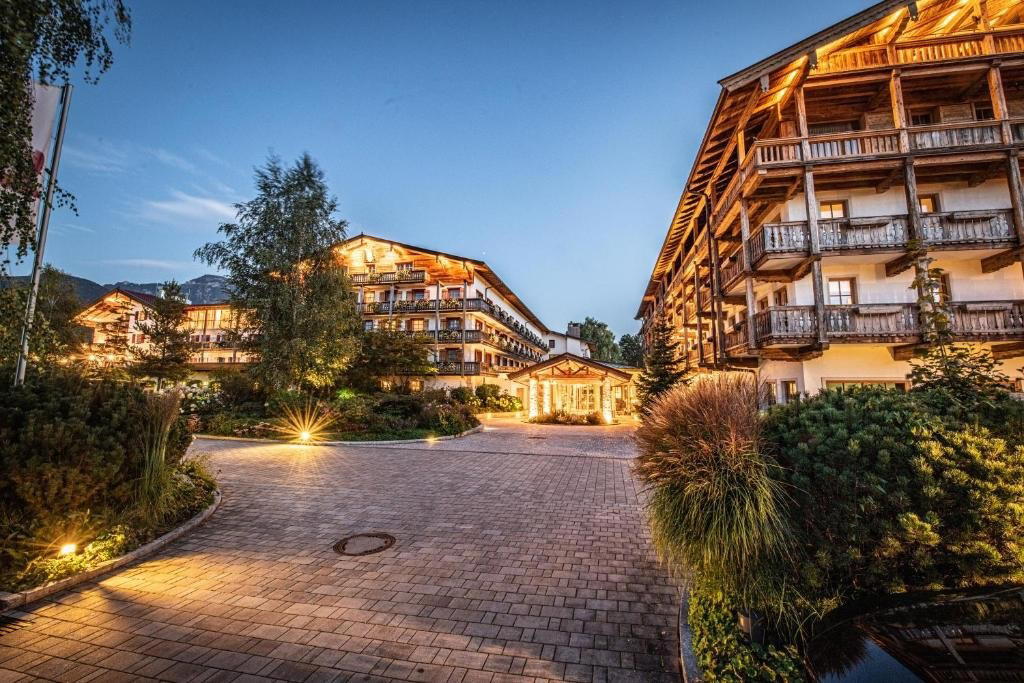
Where the Chiemgau Sets the Terms
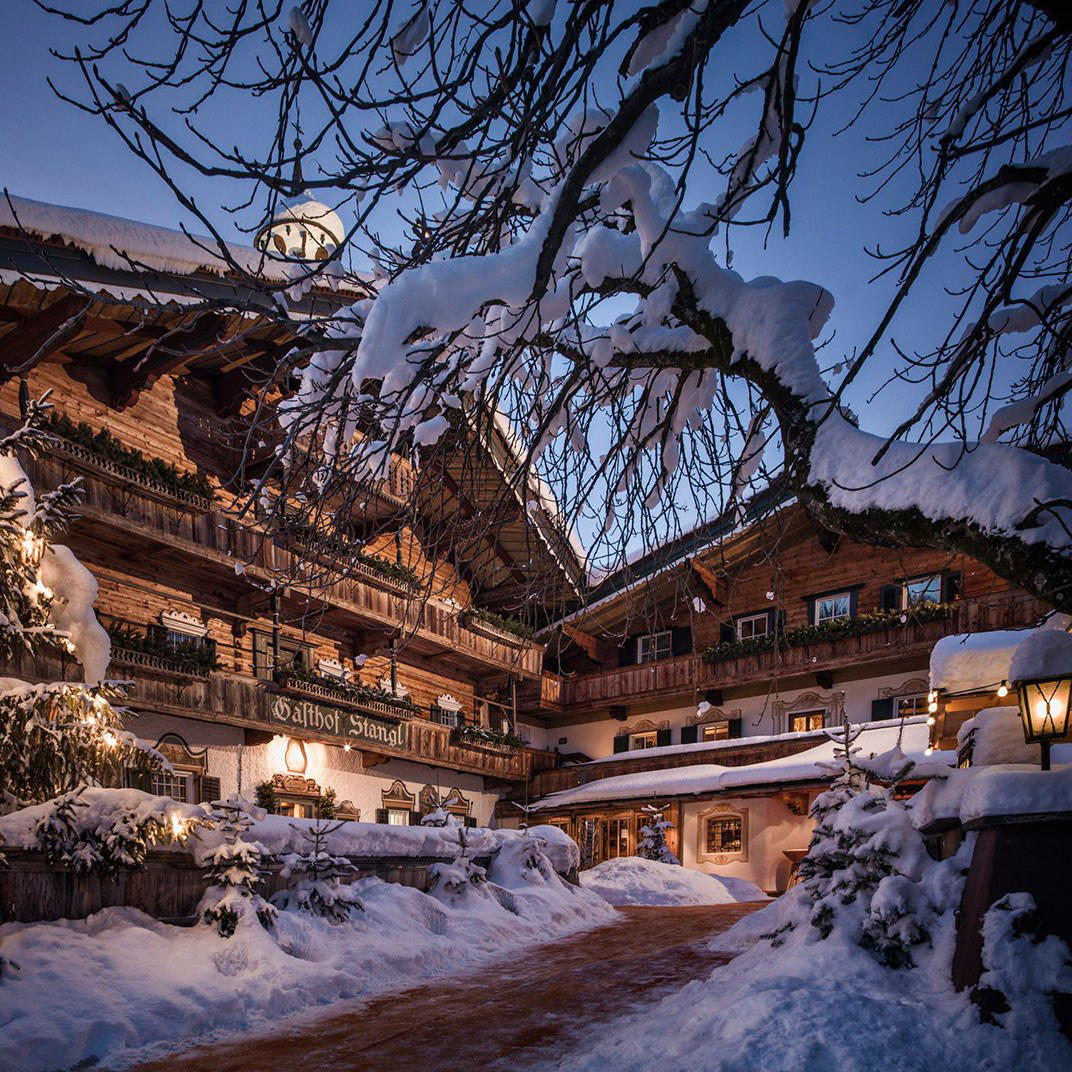
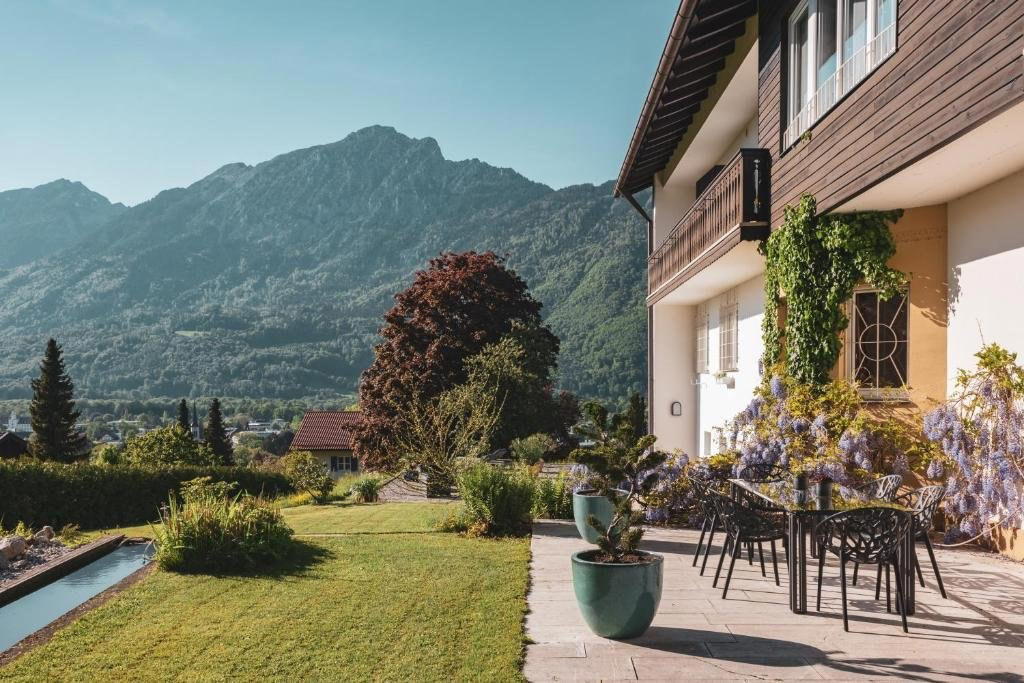
The approach to Grassau tells you something about what kind of resort Das Achental is before you reach the door. The Chiemgau, that broad alpine foothills basin southeast of Munich, does not announce itself with dramatic vertical scenery in the manner of the Berchtesgadener Land further east. It builds gradually: flat farmland giving way to gentle hills, the Kampenwand ridge sharpening against the sky, and then Lake Chiemsee opening out to the west like a pause in the landscape. This is a region where the leisure tradition runs deep, lakeside boathouses, trail networks that connect villages, a pace that resists urgency. Das Achental, on Mietenkamer Strasse in Grassau, was designed to work with that character rather than against it. The architecture reads as alpine without theatrics: a resort-scale footprint that uses pitched rooflines, warm timber tones, and local materiality to stay in conversation with its surroundings rather than dominating them.
At 179 rooms, the property operates at a scale that separates it from the intimate, low-key retreats that define another tier of German alpine accommodation. Properties like Das Kranzbach Hotel & Wellness Retreat in Kranzbach or Gut Steinbach Hotel Chalets Spa in Reit im Winkl operate with a fraction of the keys and a deliberately quieter profile. Das Achental competes on breadth instead: a resort that can absorb families, couples, golf guests, and serious dining visitors simultaneously without any one group feeling like an afterthought. The Michelin 2 Keys recognition in 2024 confirms that the property's ambitions are being read correctly at the category level.
The Physical Logic of the Space
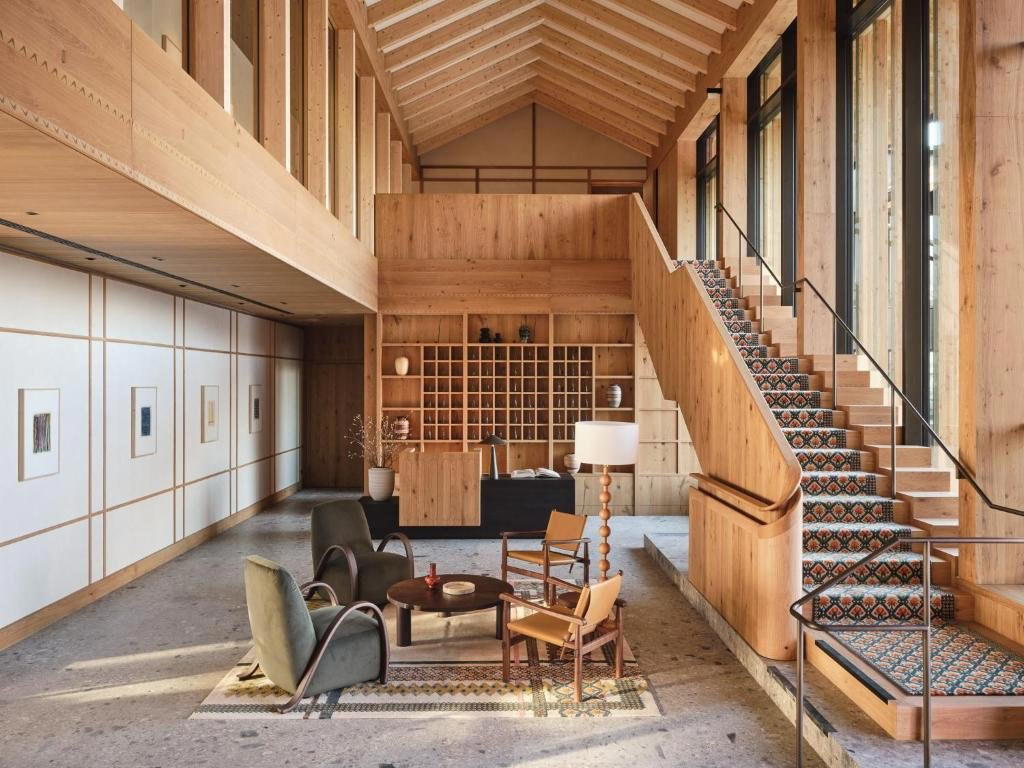
German alpine resort design in this price tier tends to face a consistent tension: how much contemporary language can a building carry before it loses the warmth that draws visitors to the region in the first place? Too much glass and steel and the property reads as a spa hotel that could be anywhere. Too much rustic vocabulary and it tips into the kind of themed Gemütlichkeit that international guests find confusing. Das Achental's design resolves this through material discipline rather than stylistic compromise. The public spaces use natural stone and timber as load-bearing aesthetic decisions, not decorative surface treatments. Lighting is kept warm and localized rather than broad and ambient, which means fireside seating in the restaurant area reads as genuinely intimate rather than staged. The overall effect is a resort that feels calibrated to the valley it occupies.
For context on how this compares across the German luxury hotel spectrum: properties like the Kempinski Hotel Berchtesgaden bring a grand-hotel formality shaped by their brand architecture, while Schloss Elmau Luxury Spa Retreat & Cultural Hideaway in Elmau operates around a cultural programming identity that makes the design choices legible against a broader concept. Das Achental's identity is more directly tied to place: the Chiemgau as framework, the Kampenwand as borrowed scenery, the valley agriculture and lake culture as aesthetic source material. That rootedness shows in how the property presents itself,
Restaurant es:senz and the Case for Alpine Fine Dining
Particularly significant single fact about Das Achental in the current German dining conversation is that it houses restaurant es:senz, with chef Edip Sigl holding three Michelin stars. That places es:senz in a small cohort: there are fewer than fifteen three-star restaurants across Germany, and locating one inside a resort property in the Chiemgau foothills rather than in Munich, Hamburg, or Berlin is an editorial statement about what alpine gastronomy can achieve when it is taken seriously at the technical level.
The broader context matters here. Germany's alpine and lake-district hotel restaurants have historically occupied a secondary position in the national fine-dining conversation, overshadowed by the urban flagship tables. The Michelin three-star recognition for es:senz shifts that framing. It confirms that the Chiemgau can sustain a dining operation that competes on equal terms with the highest-rated urban tables. For comparison, Althoff Seehotel Überfahrt in Rottach-Egern, also on the Tegernsee-to-Chiemsee corridor, has long been cited as a reference for lake-district luxury dining, and the two properties now define a comparable set that has made this stretch of Bavarian lakeland more serious as a fine-dining destination than it was even a decade ago.
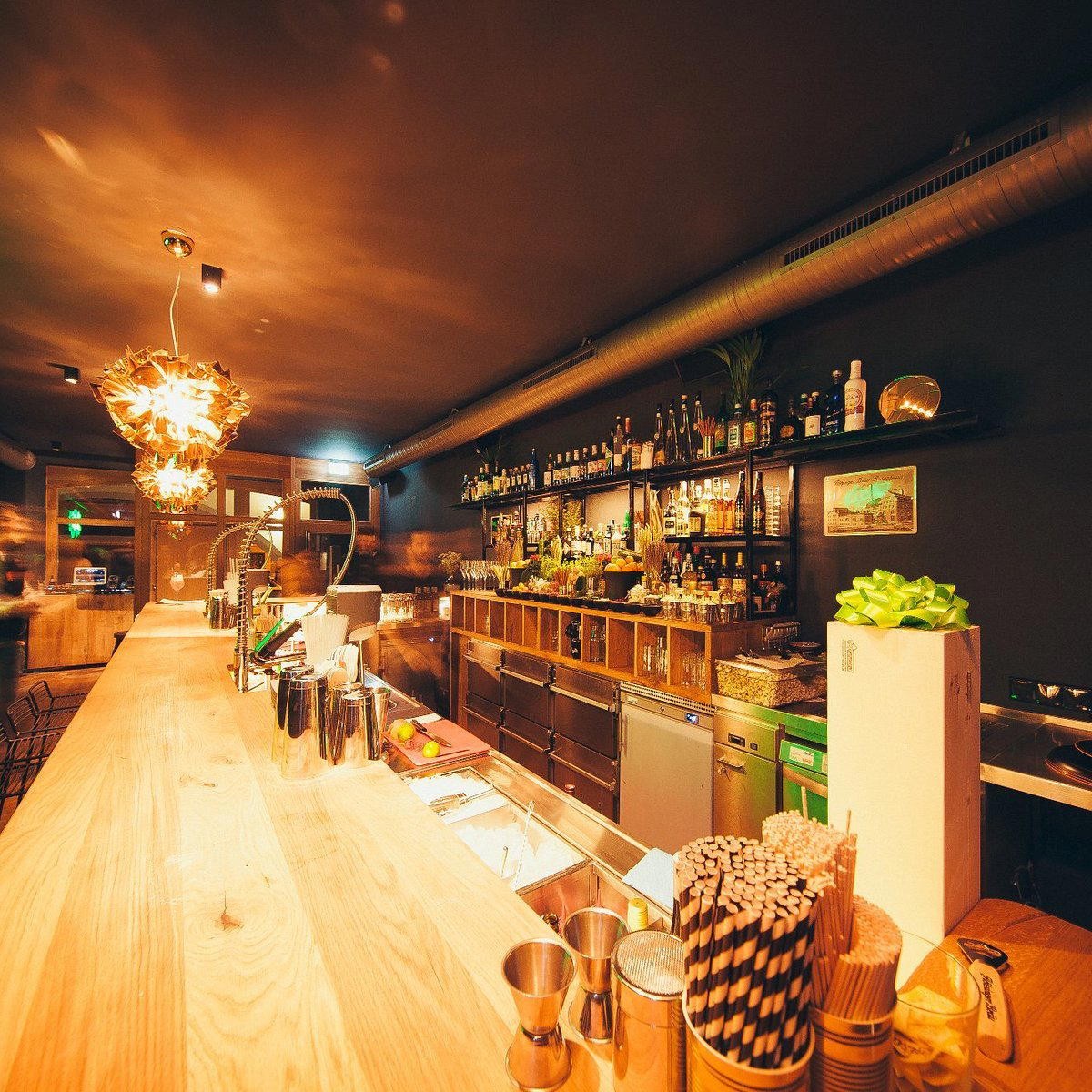
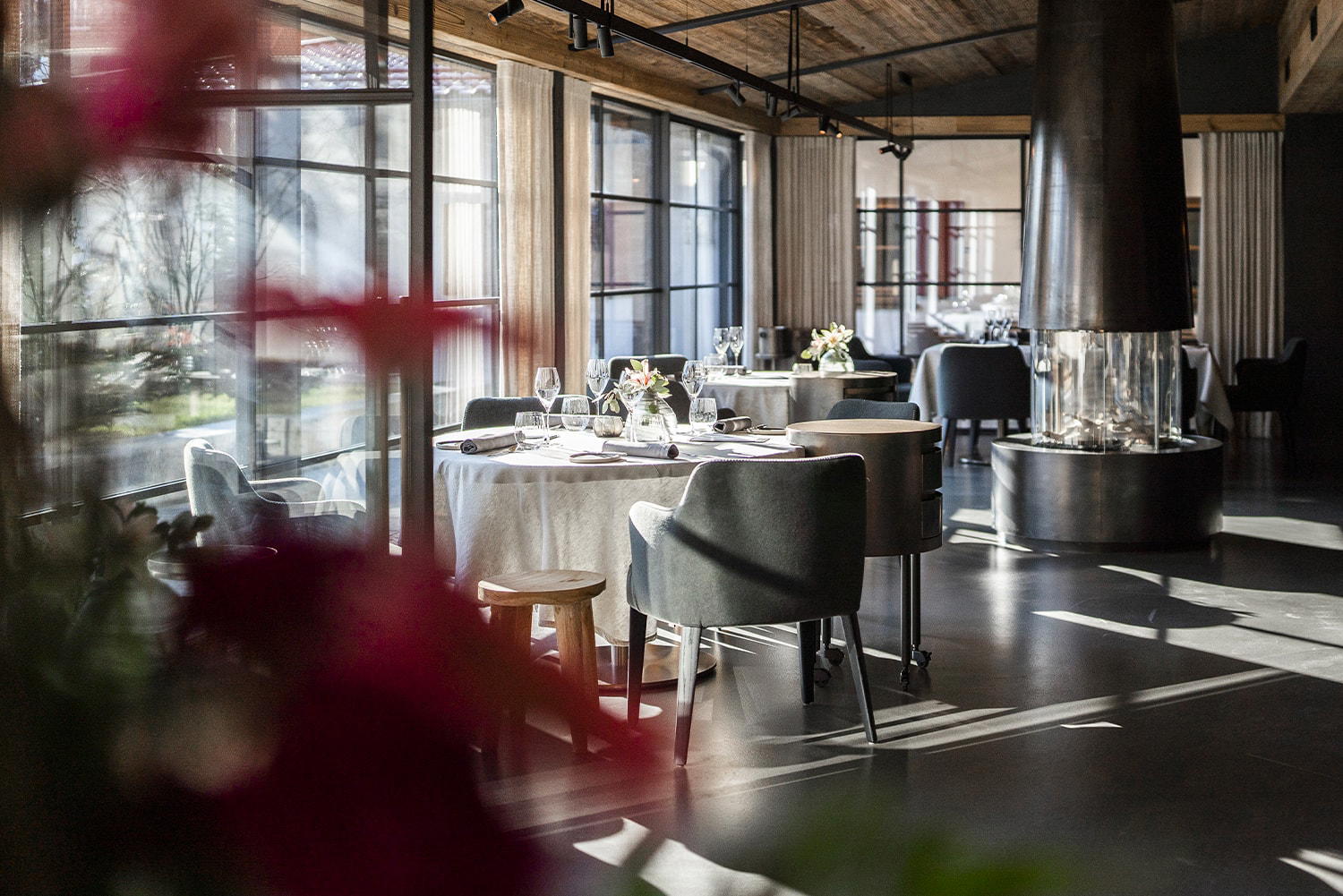
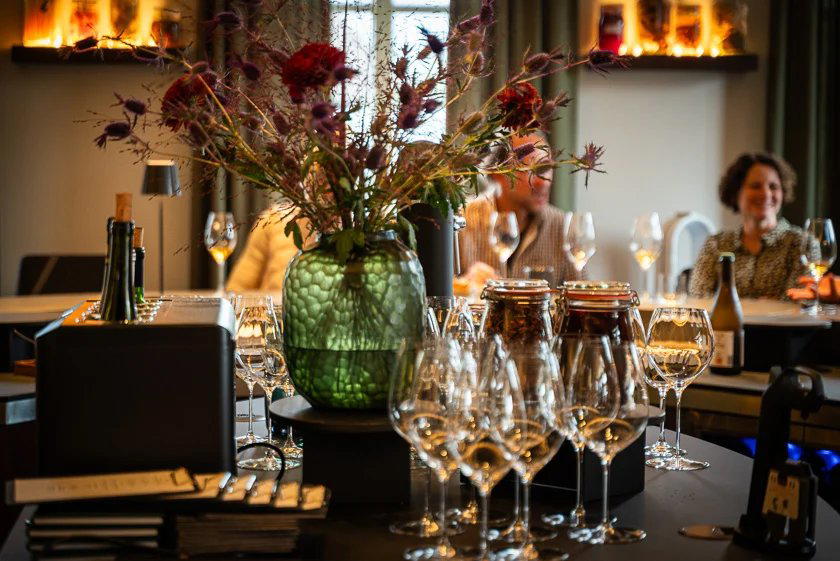
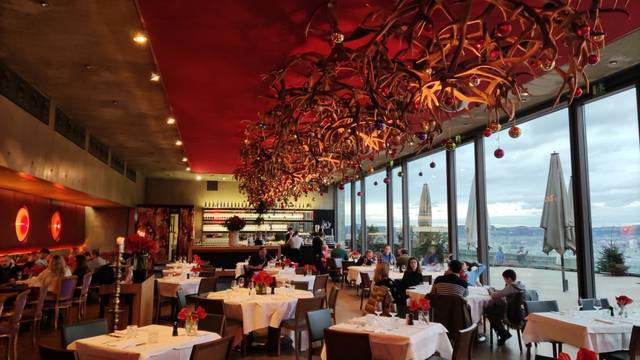
Es:senz dining room design reinforces what the kitchen is doing. Intimate seating, warm lighting, a fireplace presence, and formal but not stiff service create an environment that matches the technical ambition of the cooking without producing the chilly formality that sometimes accompanies three-star rooms in urban settings. The physical space is doing editorial work: it tells guests that precision and comfort are not mutually exclusive in an alpine setting.
Golf, Wellness, and the Resort's Full Width
Beyond the dining program, Das Achental's 18-hole golf course carries its own recognition as an award-holding facility, which positions the property in a narrower sub-category of German resort hotels that can credibly address a golf audience. Properties like Der Öschberghof in Donaueschingen have built substantial reputations on this combination of golf infrastructure and hotel quality; Das Achental makes a comparable argument in the Bavarian southeast.
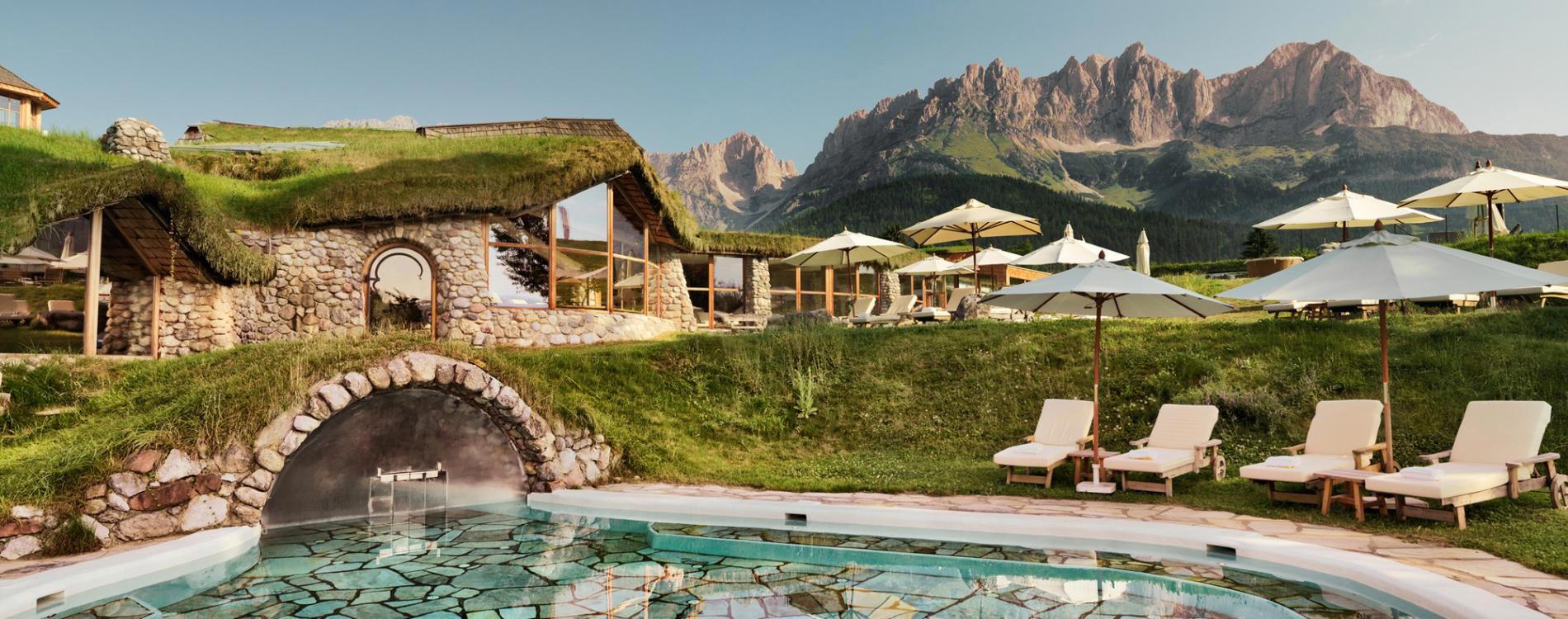
The wellness retreat at the property functions as the connective tissue between the dining and golf programs. German wellness culture in a resort context expects genuine spa depth: treatments calibrated to recovery, thermal facilities of sufficient scale, and programming that extends beyond a hotel gym with a sauna attached. At 179 rooms, Das Achental has the capacity to invest in wellness infrastructure at a level that smaller properties cannot justify, and that investment reinforces the resort's claim to being a complete destination rather than a hotel with supplementary amenities.
Getting There and Planning Your Stay
Grassau sits in the Chiemgau, accessible from Munich in under two hours by road, with the A8 motorway providing a direct connection. Salzburg is comparably close from the opposite direction, making Das Achental genuinely dual-gateway in the way that its positioning suggests. The nearest major rail hub is Rosenheim, with regional connections into the Chiemgau valley. Reservations are essential, particularly on weekends and during summer and early autumn.
Guests comparing Das Achental to other German resort properties with serious food programs might also consider Hotel Bareiss in Baiersbronn in the Black Forest, which carries its own multi-star dining credentials and similarly anchors a broader resort offer around a flagship restaurant. The two properties serve different landscapes and draw on different regional culinary traditions, but they operate in the same tier of the German hotel-and-dining market and represent a genuine alternative-or-complement decision for guests planning a longer itinerary in southern Germany.
For a fuller picture of what the Grassau area offers beyond the resort itself, Guests with time to extend their stay into Munich before or after will find further reference points at Mandarin Oriental Munich. Those building a wider European itinerary around comparable resort-and-dining combinations might also look at Aman Venice in Venice or, for an entirely different register of design-led alpine luxury, the programming at Schloss Elmau.
Side-by-Side Snapshot
Comparable venues nearby, for context on price, style, and recognition.
| Venue | Cuisine | Price | Awards | Notes |
|---|---|---|---|---|
| Das Achental ResortThis venue — the venue you are viewing | Modern-rustic Bavarian hospitality blending historical alpine architecture with contemporary design and ultra-modern amenities. | $$$ | Michelin 2 Key | Not listed |
| Hotel München Palace | Private family-owned luxury boutique hotel reflecting contemporary classical design with uncompromising attention to quality and beauty. | $$$$ | Michelin 1 Key | Haidhausen |
| Do & Co Hotel Munich | Luxurious boutique hotel blending modern design with central historic location | $$$$ | Michelin 1 Key | Altstadt |
| Maison Messmer | Luxury boutique hotel in historic building with modern comforts | $$$$ | Michelin 1 Key | City Center |
| RIVA - Das Hotel am Bodensee | Historic Art Nouveau villa blended with modern extensions | $$$$ | Michelin 1 Key | Petershausen |
| SO/ Berlin Das Stue | Contemporary luxury in historic building blending modern design with elegant heritage charm | $$$$ | Michelin 1 Key | Tiergarten |
Recognition history
Dated appearances from independent guides and award organizations, with the underlying list record or original source where available.
Virtuoso Luxury Hotel Partner
Virtuoso
Michelin 2 Keys
Michelin
Preferred Hotels L.V.X. Collection
Preferred Hotels
Michelin 2 Keys
Michelin


At a Glance
- Quiet
- Scenic
- Elegant
- Rustic
- Sophisticated
- Wellness Retreat
- Romantic Getaway
- Family Vacation
- Golf Course
- Destination Spa
- Garden
- Terrace
- Panoramic View
- Wi Fi
- Pool
- Spa
- Fitness Center
- Golf Course
- Sauna
- Restaurant
- Bar
- Bicycle Rental
- EV Charging
- Concierge
- Valet Parking
- Mountain
- Garden
- Wi Fi
- Pool
- Spa
- Fitness Center
- Golf Course
- Sauna
- Restaurant
- Bar
- Bicycle Rental
- EV Charging
- Concierge
- Valet Parking
Serene and refined with warm alpine hospitality; guests praise the immaculate property condition, excellent service, and peaceful mountain atmosphere enhanced by natural materials and contemporary design.