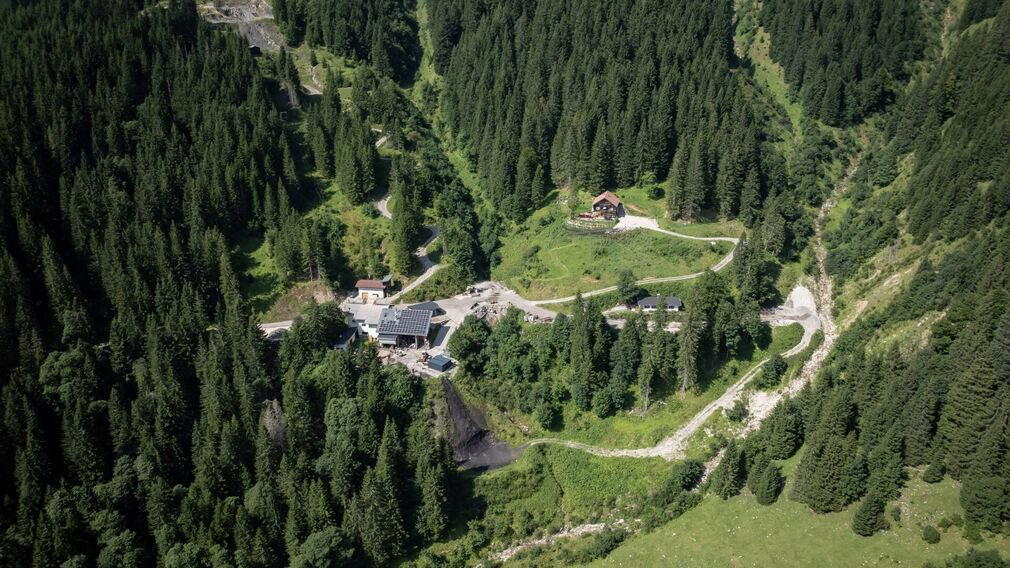
zur LINÄ sits in Schwoich, a small Tyrolean village in the Inn Valley east of Kufstein, where Austrian alpine dining traditions run deep. The address alone, Sonnendorf 27, at the edge of a quiet settlement, signals a dining room oriented around locality rather than urban visibility. For travellers exploring the Tyrolean restaurant scene, it represents the quieter, village-scale end of a region that also produces Michelin-level ambition.
Pearl is the En Primeur Club membership app — saves, bookings, and concierge access live there. Same editors, same standards.
- Address
- Sonnendorf 27, 6334 Schwoich, Austria
- Phone
- +436605490045
- Website
- linae.at
- Directions
- Get directions
 Saves & bookings on Pearl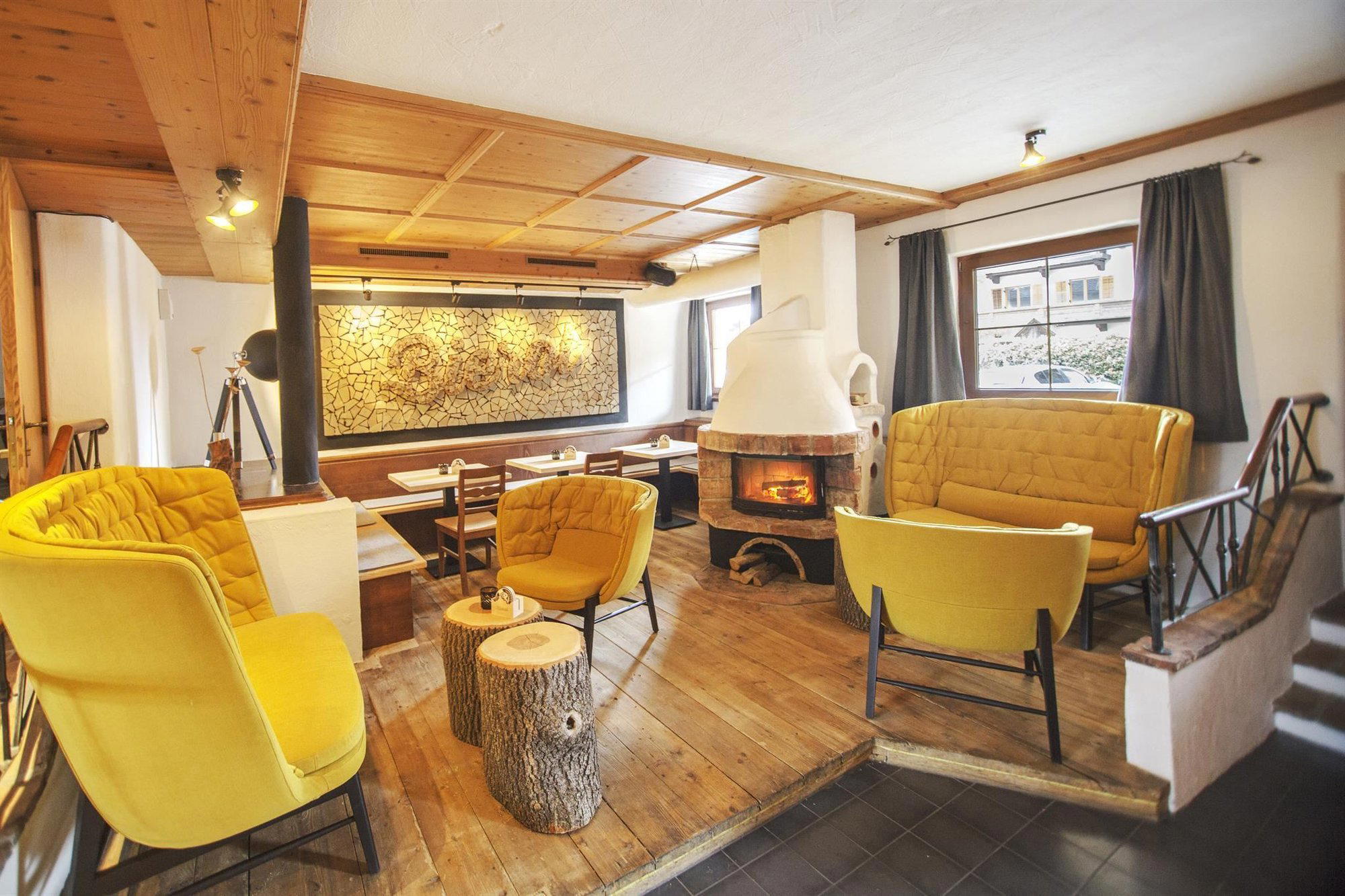
Village Dining in the Inn Valley: What zur LINÄ Tells Us About Tyrolean Hospitality
Austria's alpine restaurant scene has long operated on a distinction that urban dining culture rarely captures: the difference between a destination that draws guests from elsewhere and one that earns loyalty from within its own community. Schwoich, a compact settlement in the Inn Valley roughly 10 kilometres from Kufstein, sits well outside the circuits that feed Austria's most-discussed dining rooms. Venues like Steirereck im Stadtpark in Vienna or Döllerer in Golling an der Salzach operate within established gastronomy corridors, where critical infrastructure, awards bodies, food media, urban visitor flows, amplifies their reach. zur LINÄ, at Sonnendorf 27, operates without those tailwinds.
That is not a weakness. Across the Tyrolean and Salzburg regions, particularly compelling dining happens at this quieter register: places where the sourcing geography is short, the clientele largely local, and the kitchen's relationship with its surrounding landscape is something lived rather than marketed. The same pattern appears at Ois in Neufelden and, closer to Schwoich's alpine scale, at Schwarzer Adler in Hall in Tirol. Village-format dining rooms in this part of Austria tend to source from a radius that would seem impossibly tight to most metropolitan kitchens.
The Ingredient Geography of the Inn Valley
The Inn Valley's food geography is a direct consequence of its topography. High pasture above the valley floor produces dairy with distinct seasonal character, richer and more complex in summer, when cattle graze on alpine herbs, leaner and more mineral in late autumn. Below the pasture line, market gardens and small-scale producers occupy the valley floor between Kufstein and Innsbruck. This is the supply chain that shapes cooking at Schwoich's scale: not imported proteins or constructed tasting-menu components, but the ordinary agricultural output of a working alpine valley.
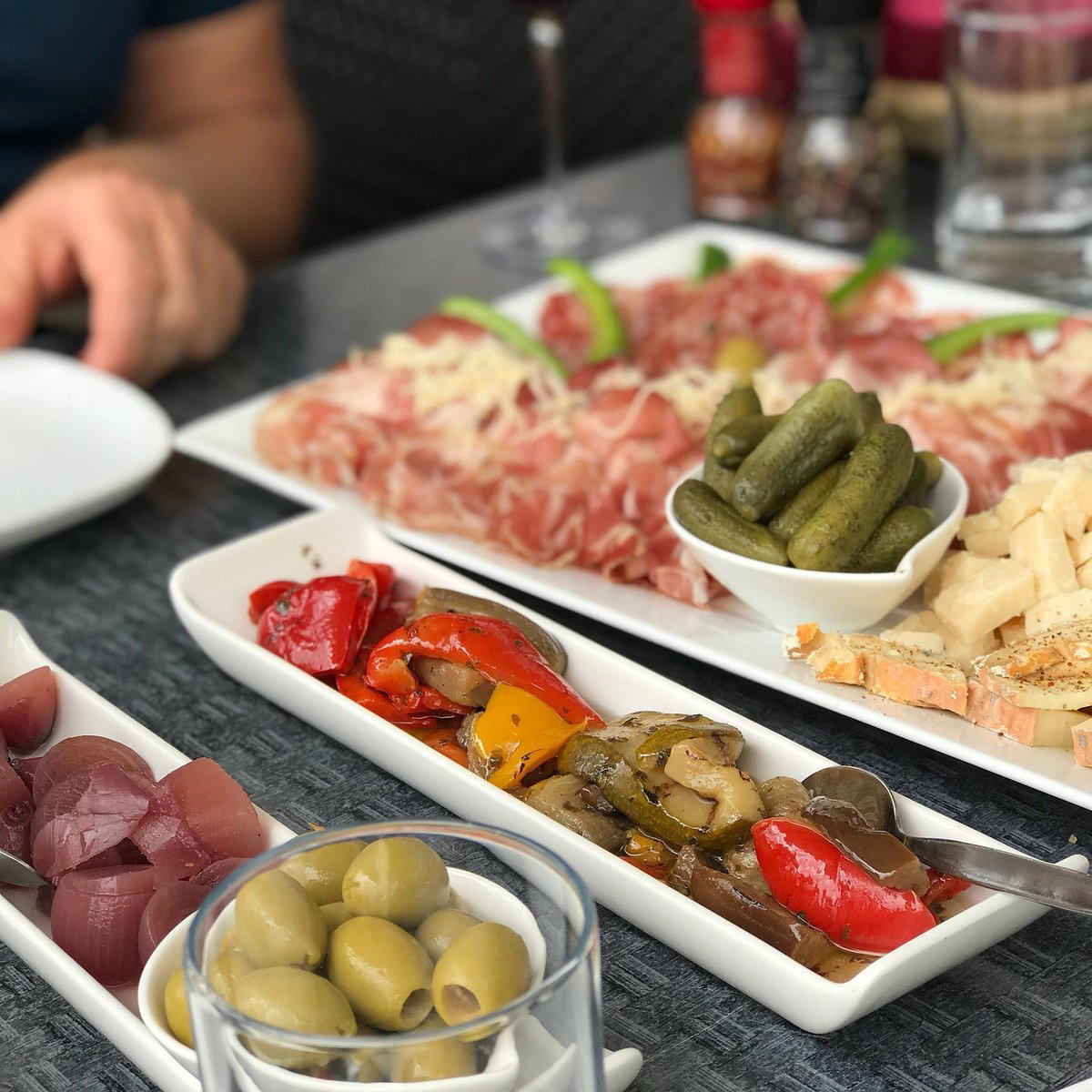
Austrian kitchens operating at this regional level tend to orient around a few anchoring ingredients: cured and fresh pork from local farms, freshwater fish from Tyrolean rivers and lakes, root vegetables and alliums grown in the valley, and dairy in forms ranging from fresh curd to aged mountain cheese. These are not novelty ingredients assembled for culinary effect, they are the structural building blocks of Tyrolean cooking, used by village restaurants as a matter of course rather than as a positioning statement. The contrast with how ingredient sourcing is framed at higher-profile venues, Ikarus in Salzburg or Gourmetrestaurant Tannenhof in Sankt Anton am Arlberg, is instructive. At award-level houses, provenance becomes narrative. At village scale, it remains simply practice.
Schwoich in the Tyrolean Dining Map
Visitors approaching Schwoich from Kufstein will pass through a stretch of the Inn Valley that feels remote relative to the tourist infrastructure concentrated around Innsbruck or the ski-resort corridors of Lech and Ischgl. That context matters for calibrating expectations. This is not a dining room packaged for seasonal visitor peaks, unlike Griggeler Stuba in Lech or Stüva in Ischgl, which operate within resort economies where high spend per cover and a compressed operating season define the business model. Schwoich operates in a different rhythm: the valley year, with its agricultural seasons and a local population that treats its restaurants as regular infrastructure rather than occasion dining.
For travellers building a broader Tyrolean itinerary, this means zur LINÄ fits leading alongside other off-circuit stops rather than as a detour from a ski-resort base. The Inn Valley east of Kufstein connects readily to the Bavarian border and to the Kaiserwinkl area, making Schwoich a logical point on a route that might also include Restaurant 141 by Joachim Jaud in Mieming to the west.
Austrian Regional Dining and Its Wider Context
Austria's restaurant culture divides more cleanly by geography than by cuisine category. The award-circuit venues, Obauer in Werfen, Landhaus Bacher in Mautern an der Donau, Taubenkobel in Schützen am Gebirge, share a commitment to Austrian produce but operate with the infrastructure of destination dining: wine programs, multi-course formats, advance booking requirements, and price points that position them as occasion experiences. Kräuterreich by Vitus Winkler in Sankt Veit im Pongau applies a similarly focused lens to alpine herbs and foraged ingredients within a high-end format. Artis in Graz occupies a different urban register entirely.
Village-scale dining rooms like zur LINÄ are an everyday expression of Austrian hospitality. They represent the part of the culture that the awards infrastructure is not built to capture: the everyday relationship between a kitchen and its immediate geography. Internationally, the parallel is instructive, just as Le Bernardin in New York City or Atomix in New York City define a particular tier of urban fine dining that tells only part of that city's food story, Austria's Michelin-flagged restaurants represent one register of a much wider hospitality culture.
Planning a Visit to zur LINÄ
Schwoich is accessible by road from Kufstein, which sits on the main rail line connecting Innsbruck to Munich, a practical entry point for travellers arriving from either direction. The village itself is small, and Sonnendorf 27 is a residential address rather than a commercial strip, which sets the register for what to expect: a dining room embedded in a working community rather than one designed for passing trade. The address places the restaurant in the quieter east of the Tyrolean Inn Valley.
Side-by-Side Snapshot
Comparable venues nearby, for context on price, style, and recognition.
| Venue | Cuisine | Price | Notes |
|---|---|---|---|
| zur LINÄThis venue — the venue you are viewing | Austrian Brewery Taproom | $$ | Not listed |
| Bierol | Austrian Craft Brewery Gastropub | $$$ | Schwoich |
| Gasthof Auwirt | Traditional Austrian & Tyrolean | $$ | Aurach bei Kitzbuhel |
| Taubenseehütte | Traditional Tyrolean Alpine Cuisine | $$ | Kössen, Tirol |
| Bayreuther Hütte | Traditional Tyrolean Alpine Cuisine | $$ | Münster, Rofan |
| Aualm | Traditional Tyrolean Alpine Cuisine | $$ | Söll |
Continue exploring
More in Schwoich
Restaurants in Schwoich
Browse all →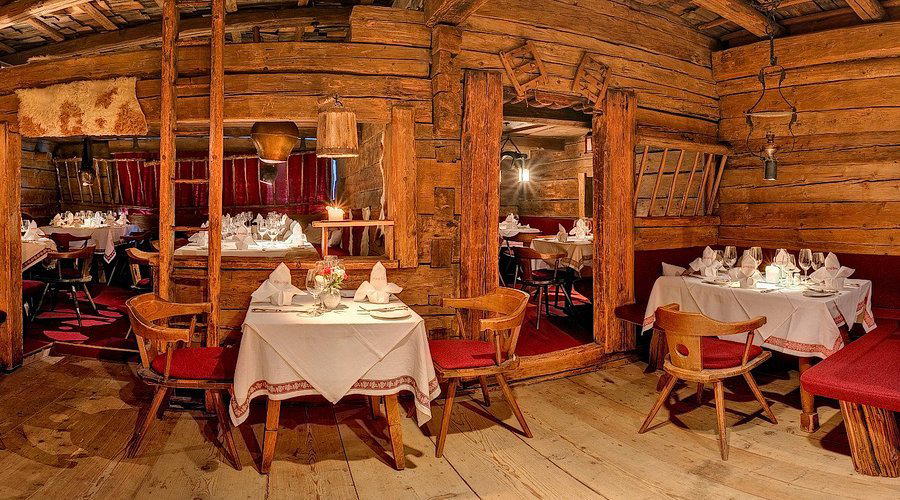
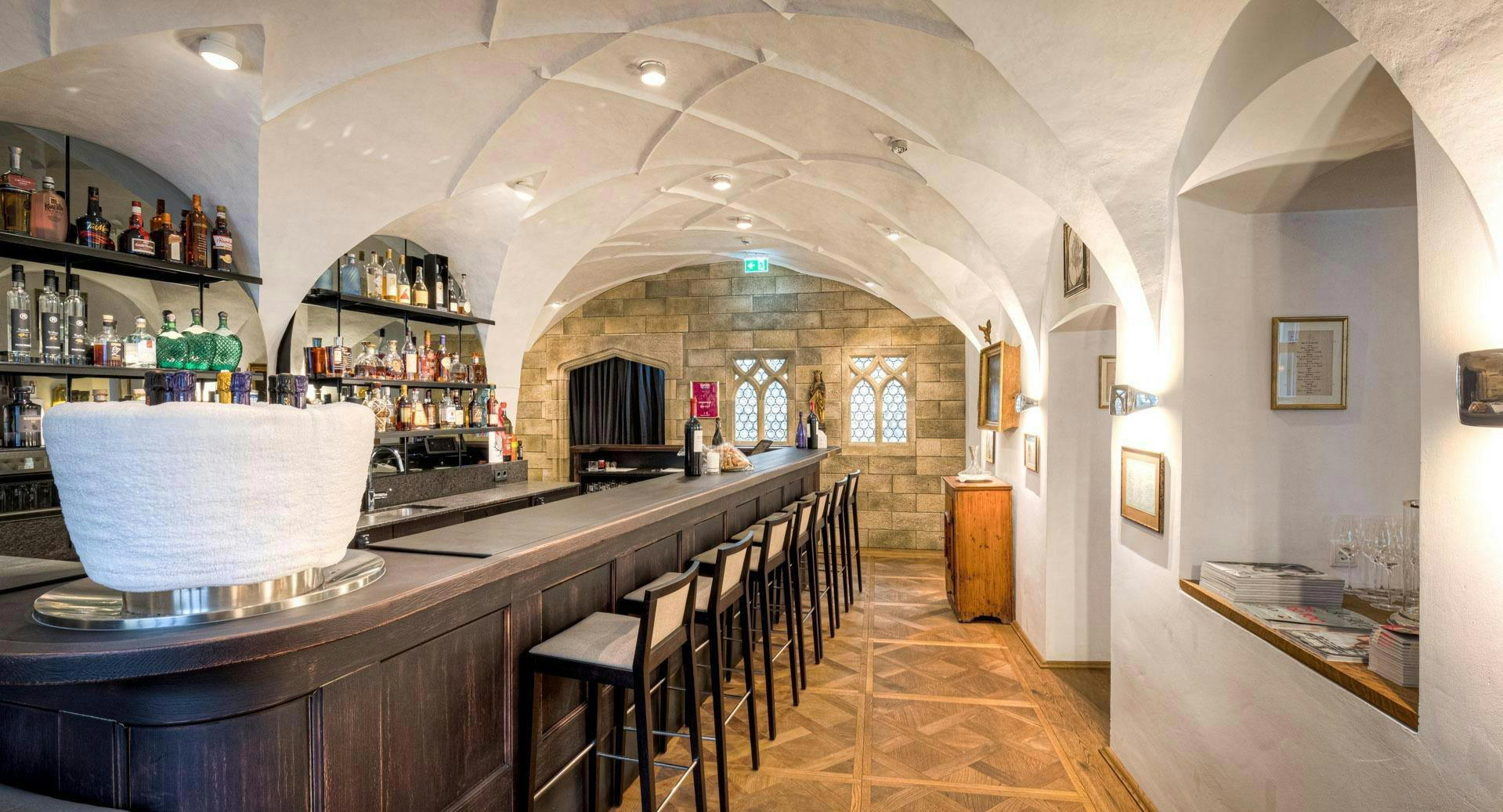
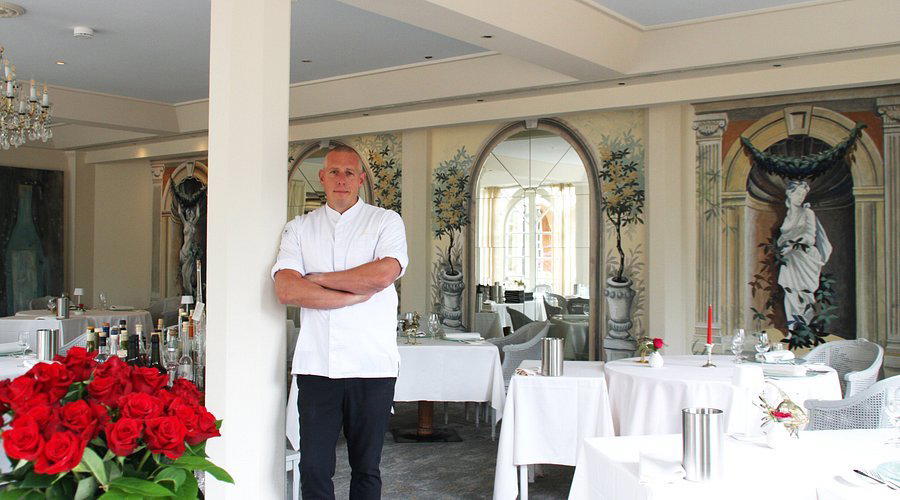
Bars in Schwoich
Browse all →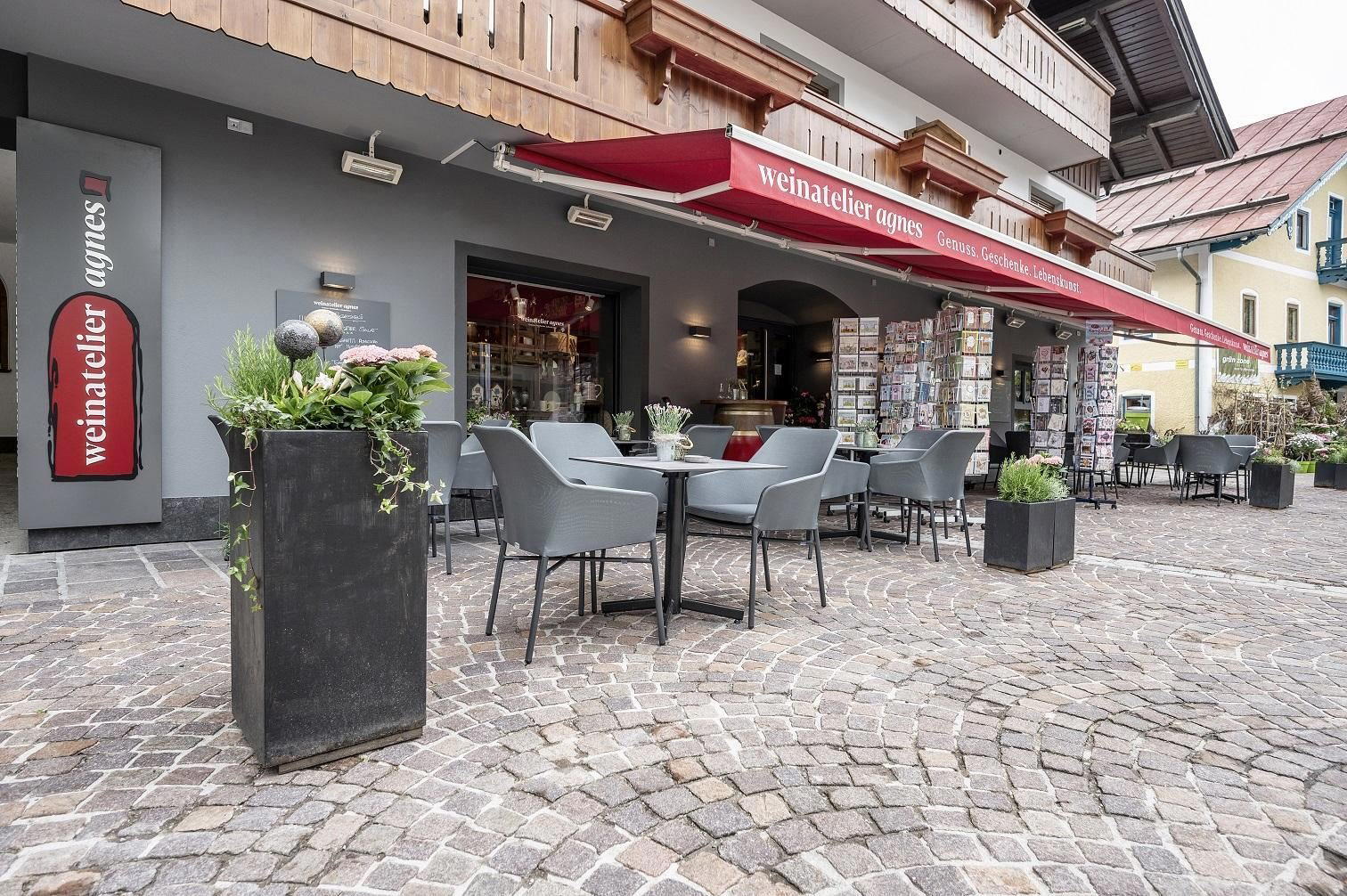
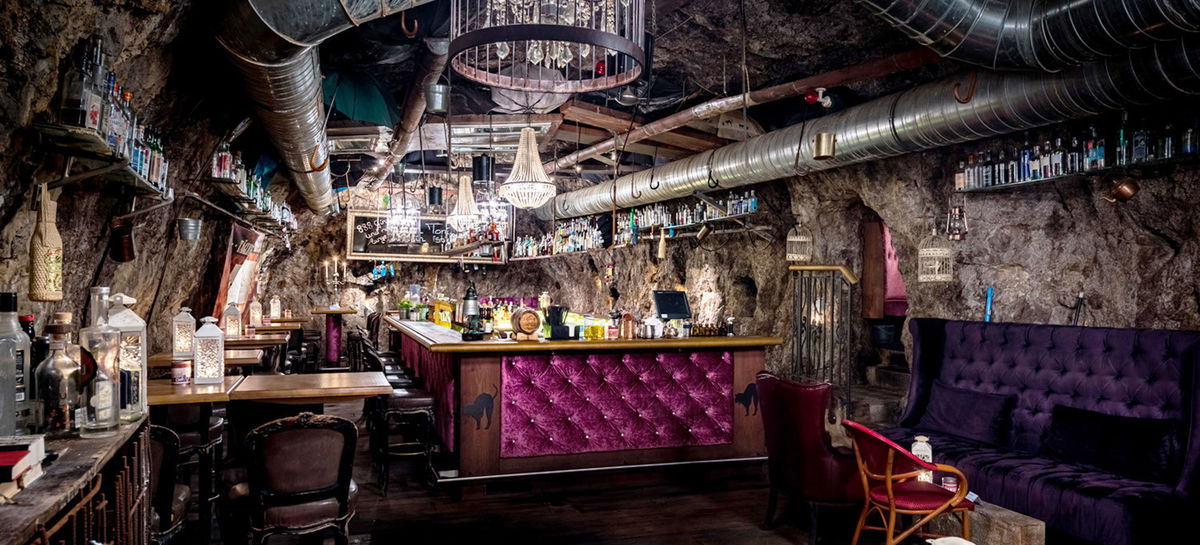
Hotels in Schwoich
Browse all →

At a Glance
- Rustic
- Cozy
- Casual Hangout
- Group Dining
- Open Kitchen
- Beer Program
- Local Sourcing
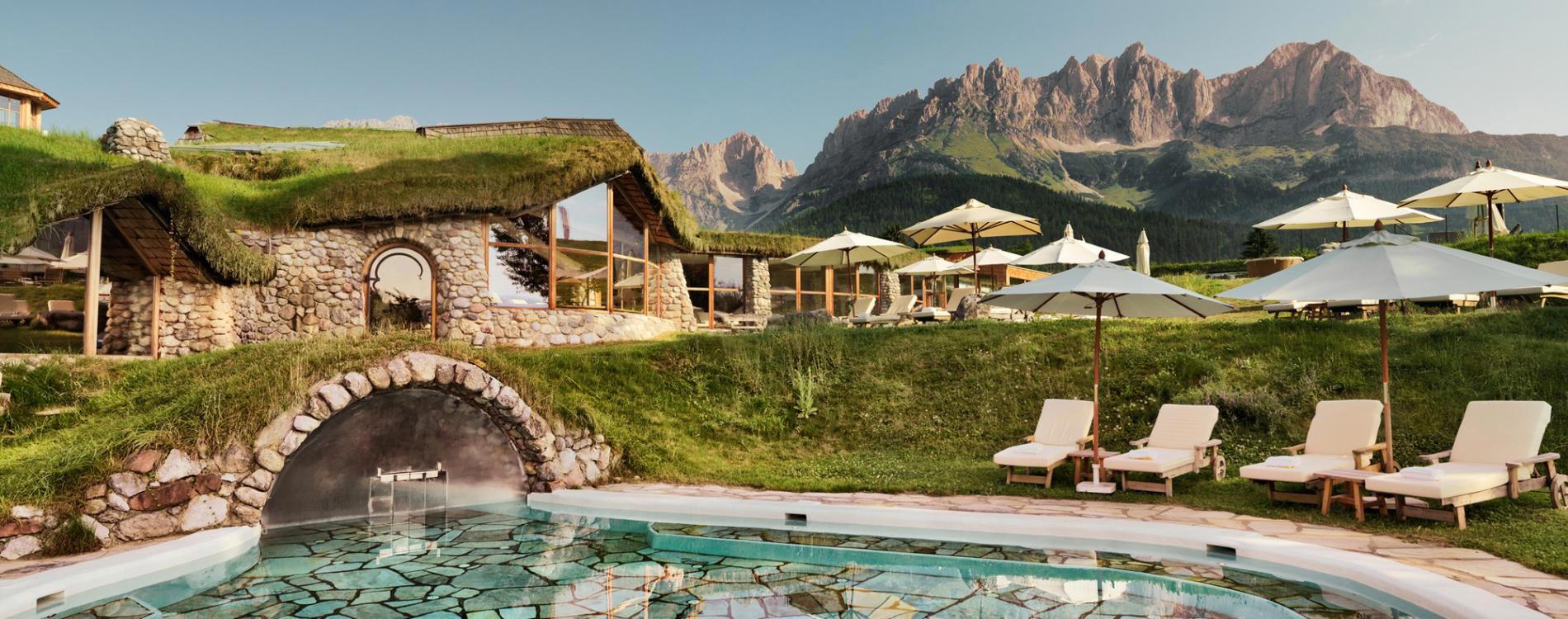
Gemütliche (cozy) atmosphere with rustikales (rustic) ambiance that invites lingering.