
A Michelin Bib Gourmand recipient in both 2024 and 2025, Gasthof Alpenrose brings country cooking to the Samerberg plateau at prices that sit firmly in the budget tier. Under chef Ernst Hunger, the kitchen holds to a regional tradition that the Michelin guide has consistently found worth flagging, not for fine-dining ambition, but for honest, well-executed food at fair value.
Pearl is the En Primeur Club membership app — saves, bookings, and concierge access live there. Same editors, same standards.
- Address
- Kirchpl. 2, 83122 Samerberg, Germany
- Phone
- +49 8032 8263
- Website
- alpenrose-samerberg.de
- Directions
- Get directions
 Saves & bookings on Pearl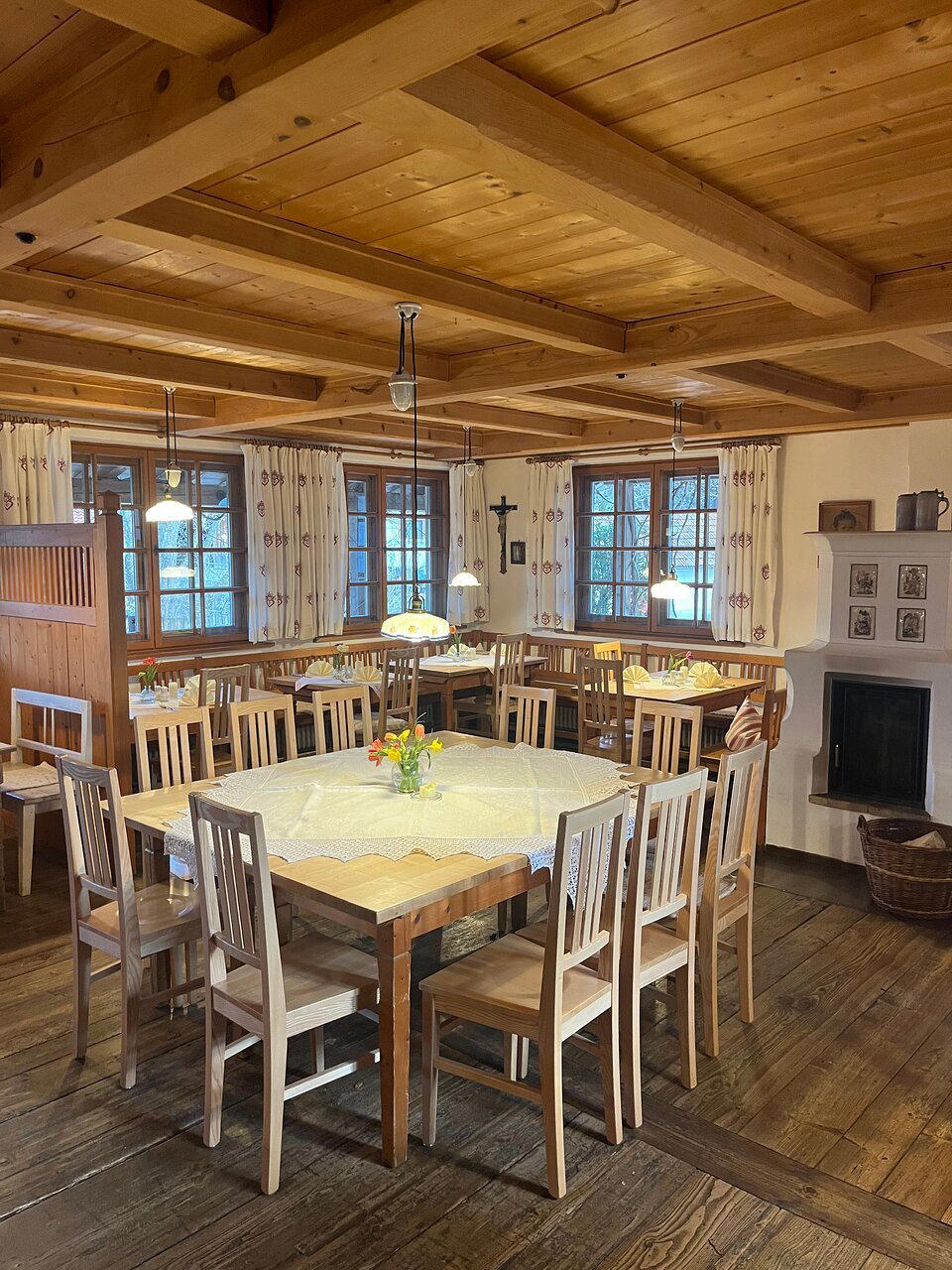
Where Bavarian Country Cooking Gets Its Bearings
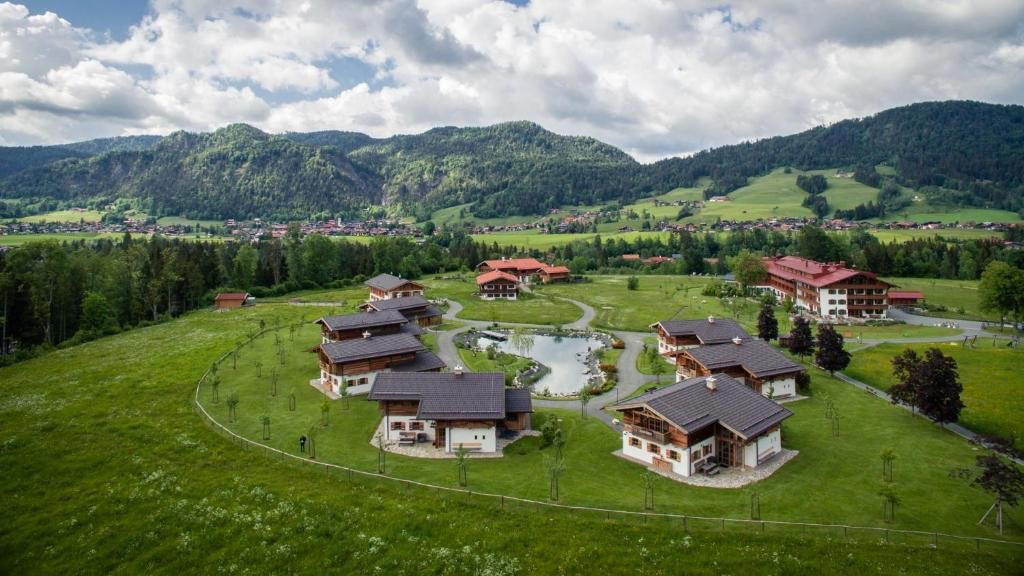
Approach Samerberg on any clear morning and the Chiemgau Alps fill the windscreen before the village does. Kirchplatz 2 sits at the centre of that village, a proper square address in a place where squares still function as the social hinge of daily life. The physical setting matters here because it shapes what the food is supposed to do: this is a gasthaus in the original sense, a place anchored to its location rather than performing for visitors passing through. That distinction carries more weight in a region where rural guesthouses have either converted into weekend-tourism operations or faded entirely.
Bavarian country cooking at this level is not a simplified version of something grander. It is its own tradition, built around seasonal produce from the Inn Valley and the broader Chiemgau, preparations that have been refined over generations rather than reinvented by each new kitchen, and a hospitality format that resists the separation of eating from everyday life. Gasthof Alpenrose operates inside that tradition, and the Michelin Bib Gourmand, awarded in both 2024 and 2025, is the clearest external confirmation that the kitchen is doing it well. The Bib Gourmand is awarded specifically for good food at moderate prices, it is not a consolation prize on the way to a star, but a distinct signal about value and quality together.
The Bib Gourmand in Rural Germany: What the Award Actually Means
It is worth pausing on what consecutive Bib Gourmand recognition means in the context of rural Bavaria. Michelin inspectors do not return to a venue year after year simply out of habit. Repeat recognition signals consistency, the kitchen is not riding a single good season or a recent renovation. For a single-euro-sign establishment in a village of this scale, back-to-back Bib Gourmand listings place Gasthof Alpenrose in a specific and small peer group: rural German kitchens that hold standards without the resources or the pricing of destination restaurants.
Compare that positioning to the upper end of the German fine-dining market. Aqua in Wolfsburg operates at three Michelin stars and a price tier four brackets above. Schwarzwaldstube in Baiersbronn sits at the same three-star level with classic French technique as its organizing principle. Vendôme in Bergisch Gladbach and CODA Dessert Dining in Berlin operate at two stars with creative formats and corresponding price points. The Bib Gourmand category that Alpenrose occupies is not competing with those rooms. It is recognized by the same institution for doing something categorically different: making the case that serious food does not require serious expenditure.
Closer geographically, ES:SENZ in Grassau represents the Chiemgau region's presence at the starred end of the spectrum. The contrast between the two is instructive for any reader planning time in this part of Bavaria: the region supports both a technically ambitious fine-dining operation and a village gasthaus holding a separate Michelin designation on entirely different terms.
Ernst Hunger and the Logic of Staying Put
The editorial angle on country cooking kitchens in rural Germany often revolves around chefs who trained in city fine-dining rooms and then returned to regional traditions. Chef Ernst Hunger's association with Gasthof Alpenrose fits a different pattern: the value of staying within a tradition long enough to understand it from the inside rather than translating it from the outside. The Michelin Bib Gourmand is not awarded for ambition or for departure from category norms. It is awarded for executing the category with clarity and consistency. Two consecutive years of that recognition, under a single-euro-sign price structure, implies a kitchen that has found its register and holds it.
That is a harder achievement than it appears. Rural Bavarian cooking requires sourcing relationships, seasonal discipline, and an understanding of the local palate that cannot be imported from a city training program. The gasthaus format also demands that the kitchen function across a range of occasions, a Tuesday lunch for locals, a weekend table for visitors from Munich or Rosenheim, without shifting its identity for either audience. Consistent Michelin recognition at this price tier suggests the restaurant manages that range without compromise.
Samerberg as a Dining Destination
Samerberg sits above the Inn Valley at an elevation that keeps it cooler and quieter than the lakeside towns of the Chiemsee to the north. It is not a primary tourist hub, which is part of what defines the dining character here. Restaurants in this position serve a community first and draw visitors secondarily. The social texture of a gasthaus lunch on Kirchplatz is different from the orchestrated experience of a destination restaurant, tables turn at a pace set by the guests, not by a tasting menu, and the room contains a cross-section of the area's population rather than a self-selecting audience of food-focused travellers.
Within the wider country cooking category, comparable kitchens operating in rural European settings with similar regional-cooking mandates include 21.9 in Piobesi d'Alba and Andrea Monesi at Locanda di Orta in Orta San Giulio, both of which share the positioning of serious regional cooking outside major urban centres.
Further afield in Germany, the broader Michelin landscape includes JAN in Munich, Restaurant Haerlin in Hamburg, Schanz in Piesport, Victor's Fine Dining by Christian Bau in Perl, Waldhotel Sonnora in Dreis, and Bagatelle in Trier, all operating at price tiers and format categories that define the upper end of the German dining spectrum. The restaurant is recognized by the same guide but answers a different question entirely: what serious cooking looks like when it stays rooted in place, tradition, and affordability.
Planning Your Visit
The restaurant is at Kirchplatz 2 in the centre of Samerberg village, accessible from Rosenheim via the B15 and the Samerberg road. The address is the village square, which means it is easy to locate without navigation precision. The price tier places this firmly in the accessible end of the German dining market, with an estimated $25 per person.
In Context: Similar Options
Comparable venues nearby, for context on price, style, and recognition.
| Venue | Cuisine | Price | Awards | Notes |
|---|---|---|---|---|
| Gasthof AlpenroseThis venue — the venue you are viewing | Seasonal Bavarian | $$ | Bib Gourmand | Not listed |
| das asam | Modern German | $$ | Bib Gourmand | Aldersbach |
| Kulturhof Stanggass - Gasthaus | Modern Bavarian Gastropub | $$$ | Bib Gourmand | Bischofswiesen |
| Landhaus Tanner | Modern Bavarian | $$$ | Bib Gourmand | Waging am See |
| Gasthaus Goldener Stern | Modern Bavarian Regional | $$ | Bib Gourmand | Rohrbach |
| Jägerwirt | Traditional Bavarian Country Cooking | $$ | Bib Gourmand | Kirchbichl |
Recognition history
Dated appearances from independent guides and award organizations, with the underlying list record or original source where available.
Michelin Bib Gourmand
Michelin
Michelin Bib Gourmand
Michelin
Michelin Bib Gourmand
Michelin
Continue exploring
More in Samerberg
Restaurants in Samerberg
Browse all →
Bars in Samerberg
Browse all →
At a Glance
- Rustic
- Cozy
- Classic
- Family
- Casual Hangout
- Beer Garden
- Historic Building
- Beer Program
- Local Sourcing
- Mountain
Current opening hours
- Monday
- Closed
- Tuesday
- Closed
- Wednesday
- 11:30 AM–11 PM
- Thursday
- 11:30 AM–11 PM
- Friday
- 11:30 AM–11 PM
- Saturday
- 11:30 AM–11 PM
- Sunday
- 11:30 AM–11 PM
Hours can change for holidays and private events. Last verified .
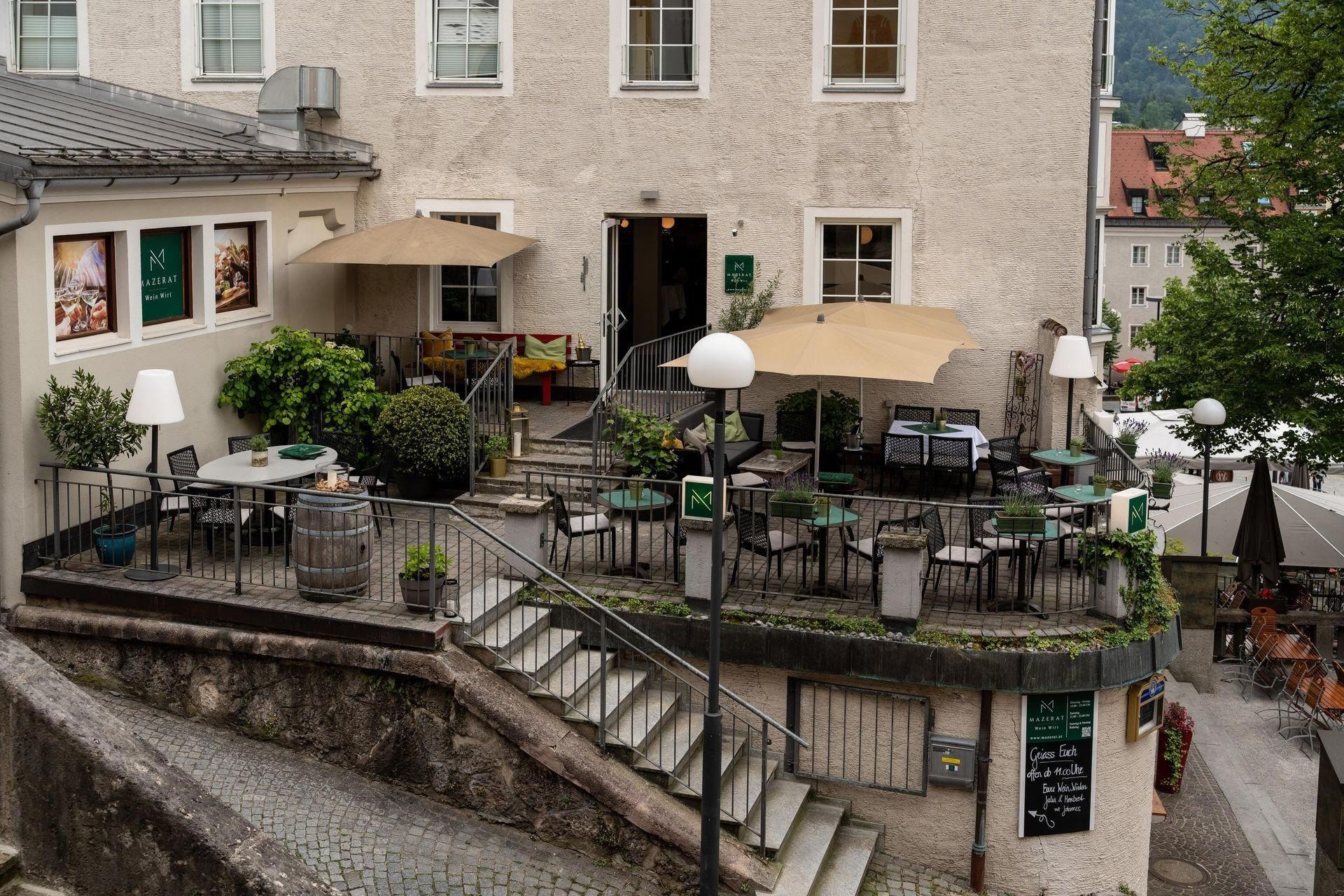
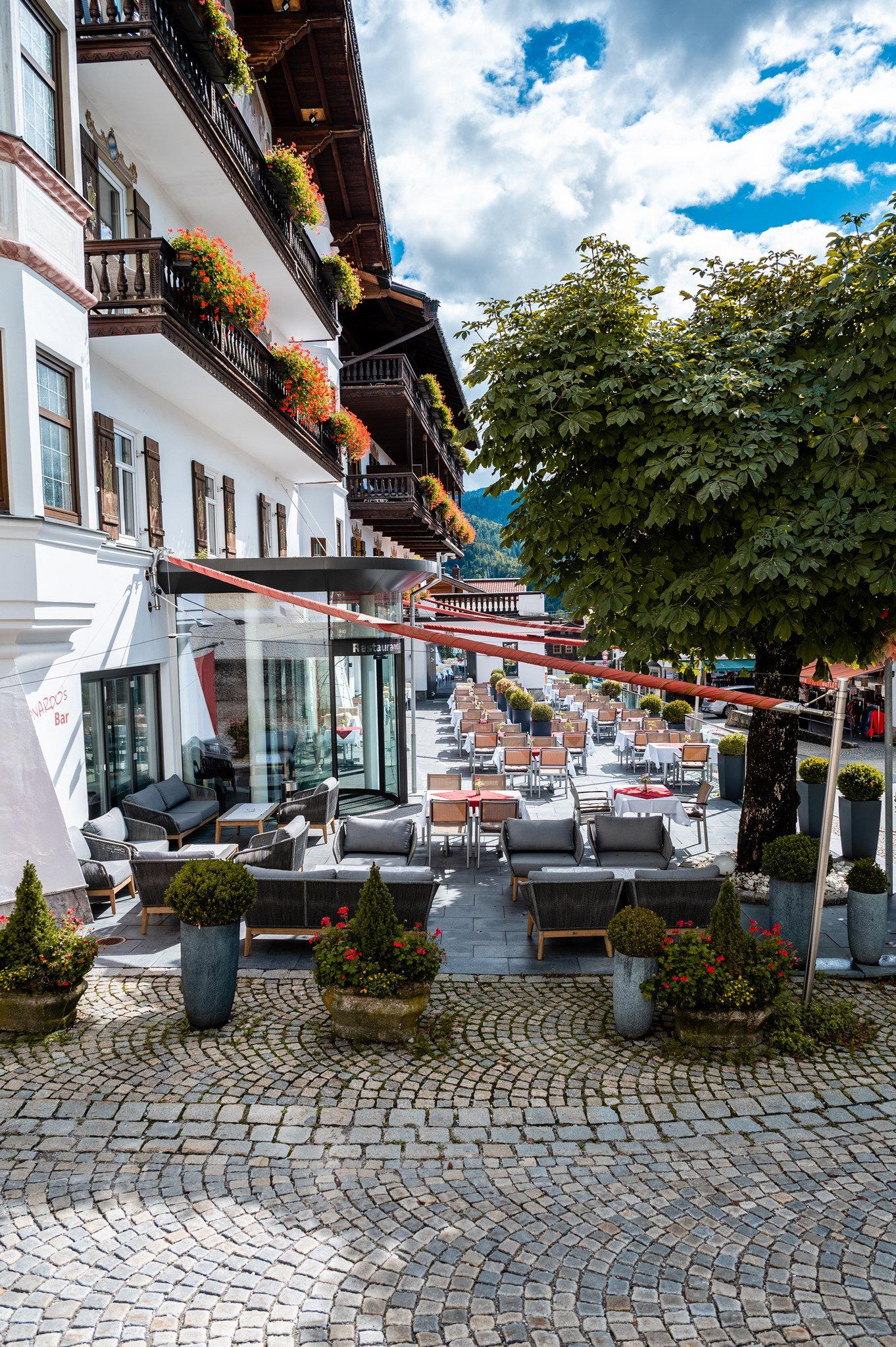
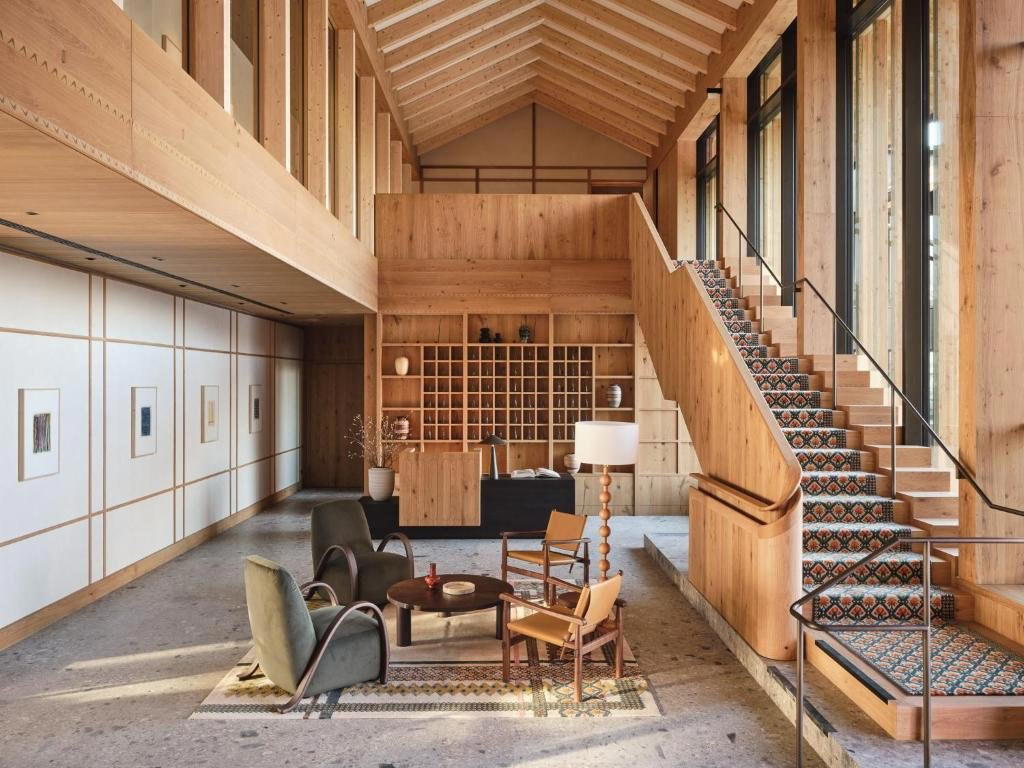
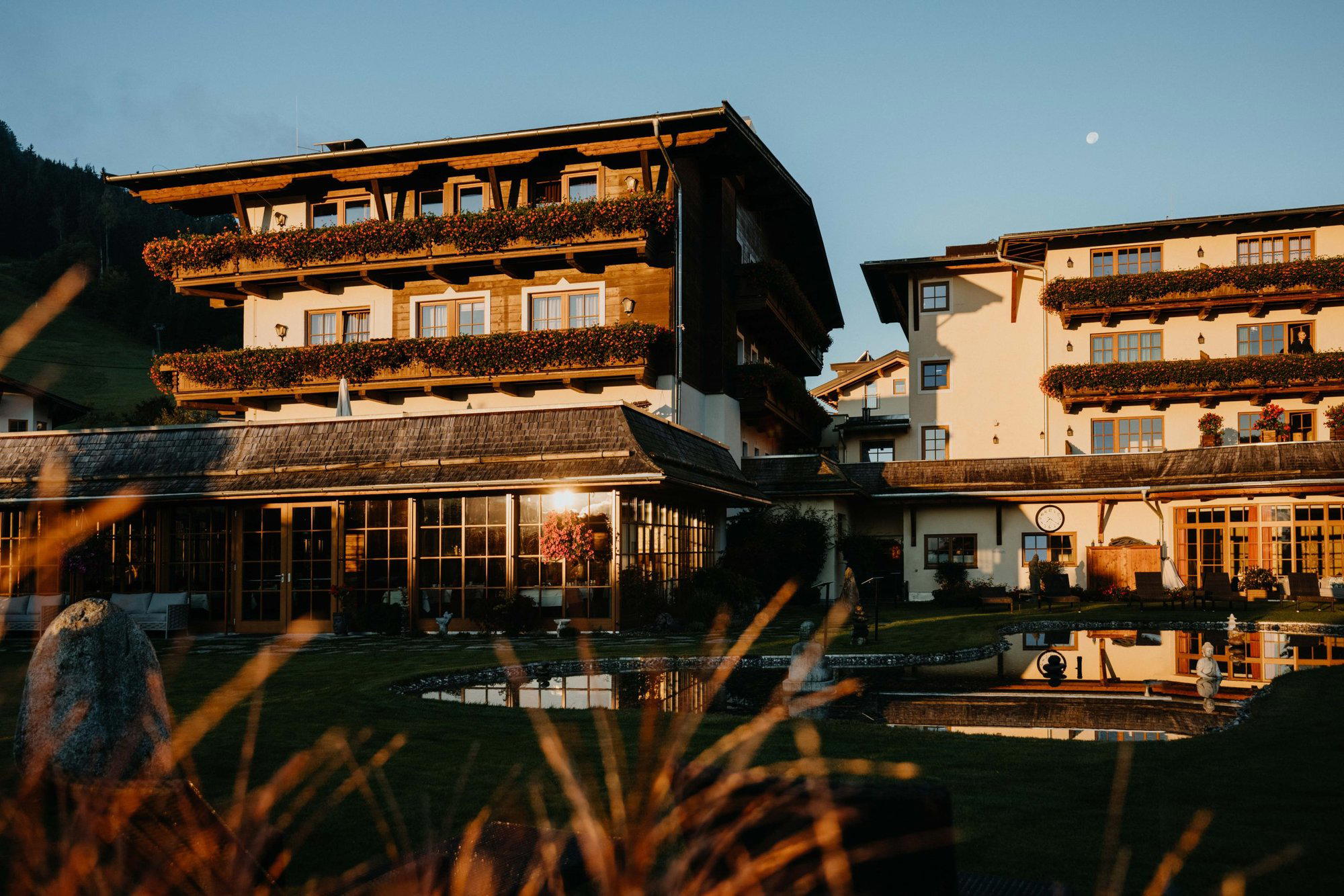
Comfortable dining nooks inside with a cozy, charming atmosphere; secluded beer garden and terrace outside in a quiet village setting.