Set in the hamlet of Casterino above Tende in the French Maritime Alps, Hotel Chamois d'Or sits at the edge of the Mercantour National Park, one of the last stretches of genuinely wild terrain in southern France. The property occupies a high-altitude position where the sourcing logic is dictated by the mountain itself, making it a reference point for anyone tracing where alpine France meets the Ligurian frontier.
Pearl is the En Primeur Club membership app — saves, bookings, and concierge access live there. Same editors, same standards.
- Address
- Casterino, 06430 Tende, France
- Phone
- +33617543809
- Website
- hotelchamoisdor.net
- Directions
- Get directions
 Saves & bookings on Pearl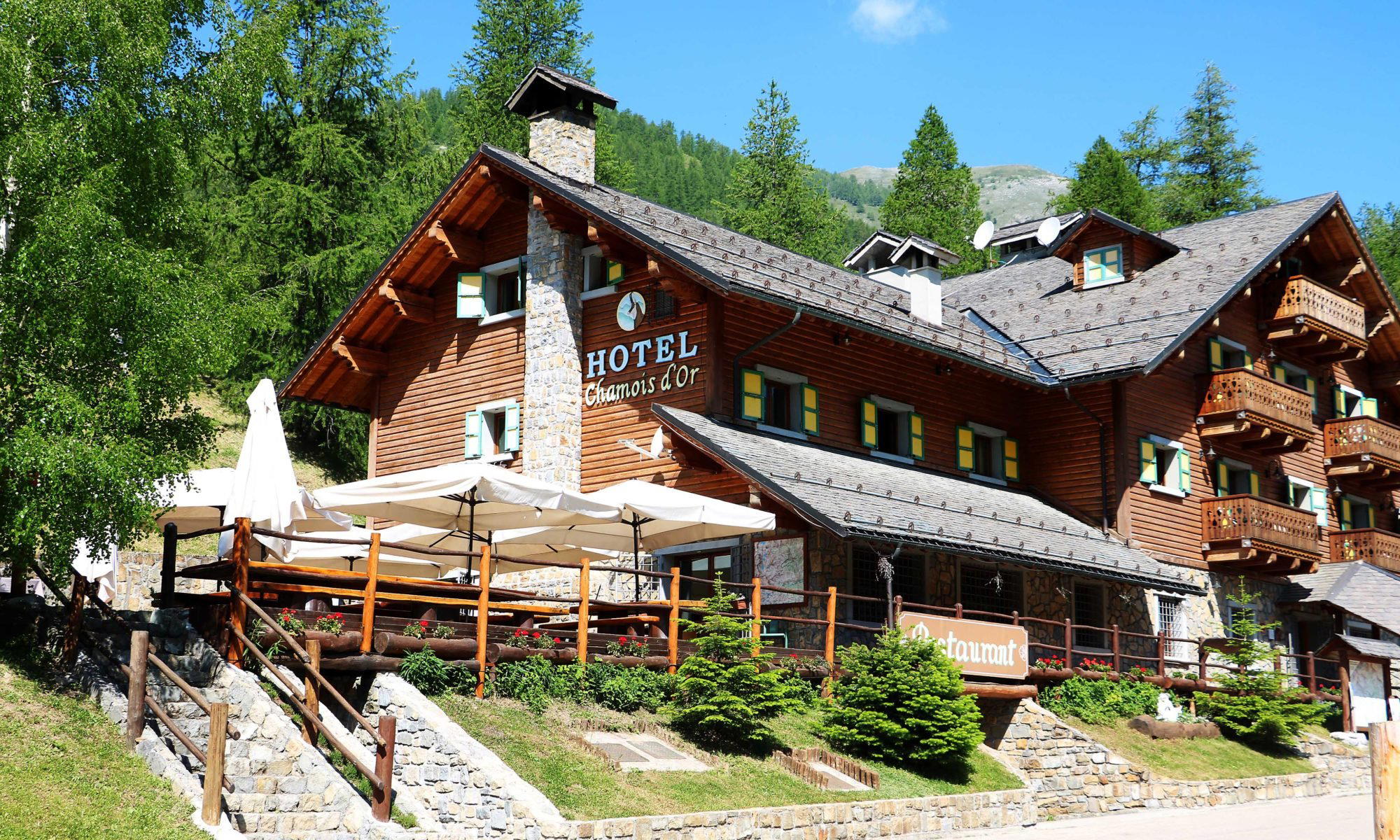
Where the Roya Valley Meets the High Alpine
The road into Casterino climbs past chestnut forests and dry-stone terracing before the valley narrows and the tree line thins. By the time you reach the hamlet, the Maritime Alps have closed in on three sides. This is the uppermost reach of the Roya Valley, the corridor that links coastal Menton with the high interior, and it is one of the least-visited corners of the French Riviera's hinterland. It sits within this geography, and the geography does most of the editorial work. You are in the Mercantour National Park buffer zone, close to the Valle delle Meraviglie, the prehistoric rock-engraving site that draws a specific, purposeful traveller rather than a passing tourist.
Properties like Flocons de Sel in Megève operate at the luxury end of groomed-resort alpine France, where a Michelin three-star kitchen and polished infrastructure are the draw. Casterino sits at the opposite pole: remote, ungroomed, with an identity shaped by access difficulty rather than amenity density. That contrast is not a deficit; it defines a different kind of proposition entirely.
The Sourcing Logic of the High Maritime Alps
In mountain hospitality at this altitude and latitude, the ingredient sourcing story writes itself through constraint. The Mercantour is one of France's strictest protected areas, which means foraging, hunting, and grazing operate within regulated limits that push kitchens toward relationships with small local producers rather than consolidated supply chains. Lamb from the high pastures of the Roya and Tinée valleys has a character shaped by altitude and wild herbs that lowland equivalents do not replicate. Wild mushrooms, juniper, and aromatic plants from the subalpine scrub appear in the kitchens of this region in ways that reflect genuine proximity rather than sourcing theatre.
This is a pattern visible across France's most geographically committed restaurants. Bras in Laguiole built its reputation on the Aubrac plateau's specific flora and the argument that terroir extends beyond wine into everything a kitchen touches. Auberge du Vieux Puits in Fontjoncouse made a comparable case in the Corbières, where isolation forced a hyper-local logic. In the Maritime Alps, the same argument applies with even greater force because the supply infrastructure is thinner and the biodiversity of the Mercantour is richer than most comparable protected areas in France.
The Ligurian influence is also relevant here. Tende was part of the County of Nice and administratively Italian until 1947. The cooking traditions of this valley show that history: chickpea preparations, dried pasta formats, and the use of olive oil alongside lard reflect a cuisine that sits between the French alpine and the Ligurian coastal, neither fully one nor the other. For a property in Casterino, that border-cuisine context shapes what appears on the table in ways that have nothing to do with trend and everything to do with geography and history.
Placing Hotel Chamois d'Or in the Regional Hospitality Picture
The southern French dining and hospitality scene concentrates its critical mass along the coast. Mirazur in Menton, ranked among the world's most recognised restaurants, operates at the coastal end of almost exactly the same latitude as Casterino, roughly forty kilometres south as the crow flies. AM par Alexandre Mazzia in Marseille represents the creative intensity that the coast's density of clientele can sustain. The interior, by contrast, supports a different hospitality model: smaller in scale, less polished in presentation, more dependent on repeat visitors and walkers who understand the terrain.
Within Tende itself, La MARGUERIA represents the town's restaurant offer, and our full Tende restaurants guide maps that offer in fuller detail. Casterino, three kilometres further up the valley from Tende, operates at a remove even from the town's limited infrastructure. The practical implication is that Hotel Chamois d'Or functions as a base for Mercantour hiking and the Valle delle Meraviglie rather than as one option among many in a competitive local dining scene.
For travellers calibrating expectations against France's broader luxury mountain addresses, the comparison points are instructive. Alléno Paris au Pavillon Ledoyen and Assiette Champenoise in Reims operate in a tier where investment in kitchen team and cellar is the primary hospitality signal. Casterino's proposition is different in kind: the investment here is environmental, and the return is access to a landscape that the coastal and urban properties cannot offer at any price point.
Getting There and Planning the Visit
Reaching Casterino requires commitment. The nearest rail connection is Tende, on the Cuneo-Nice line that threads through the Roya Valley via several tunnels and the Col de Tende. From Tende station, Casterino is accessible by road, though the route narrows considerably as it climbs. Nice is the nearest airport with regular international connections, and the drive from Nice through the Roya Valley takes approximately ninety minutes under normal conditions. Winter closures are a realistic consideration: the road to Casterino can be affected by snow and ice between November and March, which concentrates the viable visiting window in the warmer months.
The hiking season for the Mercantour and the Valle delle Meraviglie runs from June through September, and this is when Casterino-based accommodation makes most practical sense. Those coming specifically for the rock engravings at the Valle delle Meraviglie should note that guided access is required for the main engraving zones within the national park, and demand during July and August means arrangements should be made well ahead of arrival.
Anyone planning a stay in peak summer should treat advance booking as a logistical given rather than an optional precaution.
The Broader France Reference Set
For travellers building a France itinerary that includes Hotel Chamois d'Or, the property fits logically within a circuit that traces the country's mountain dining addresses. Auberge de l'Ill in Illhaeusern, Georges Blanc in Vonnas, and L'Oustau de Baumanière in Les Baux share the quality of being destination properties where the surrounding landscape is as relevant as the table. Troisgros in Ouches and Paul Bocuse's Auberge du Pont de Collonges represent the French rural tradition of the great maison that has organised a landscape around itself over generations. Casterino does not operate at that institutional scale, but it participates in the same underlying logic: that place, rather than city density, can be the foundation of a hospitality proposition.
For those whose France frame of reference is primarily urban or coastal, Au Crocodile in Strasbourg, Christopher Coutanceau in La Rochelle, and international reference points like Le Bernardin in New York City or Atomix in New York City offer the comparative calibration for what high-investment hospitality looks like when infrastructure is abundant. Casterino makes the opposite argument: that scarcity and difficulty of access are themselves a form of value, and that the Mercantour's protected wildness is a resource no urban address can purchase.
How It Stacks Up
Comparable venues nearby, for context on price, style, and recognition.
| Venue | Cuisine | Price | Notes |
|---|---|---|---|
| Hotel Chamois d'OrThis venue — the venue you are viewing | Traditional French-Italian Mountain Bistro | $$ | Not listed |
| La MARGUERIA | Italian Pizza and Mountain French | $$ | Village centre |
| Chez Thérésa | Traditional Niçoise | $$ | Nice Historique |
| La Cantine de Mémé | French-Mediterranean Bistro | $$ | Cœur de Nice |
| Comme Chez Soi | Portuguese-influenced French Bistro | $$ | Vence old town |
| La Table Alziari | Traditional Niçoise Bistro | $$ | Nice Historique |
Continue exploring
More in Tende
Restaurants in Tende
Browse all →
Bars in Tende
Browse all →
Hotels in Tende
Browse all →
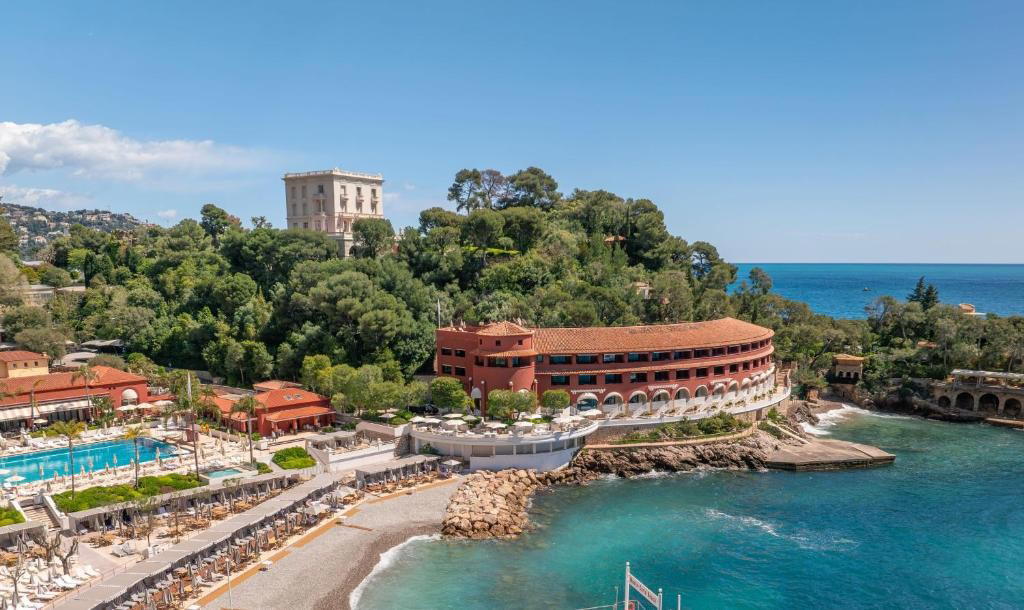
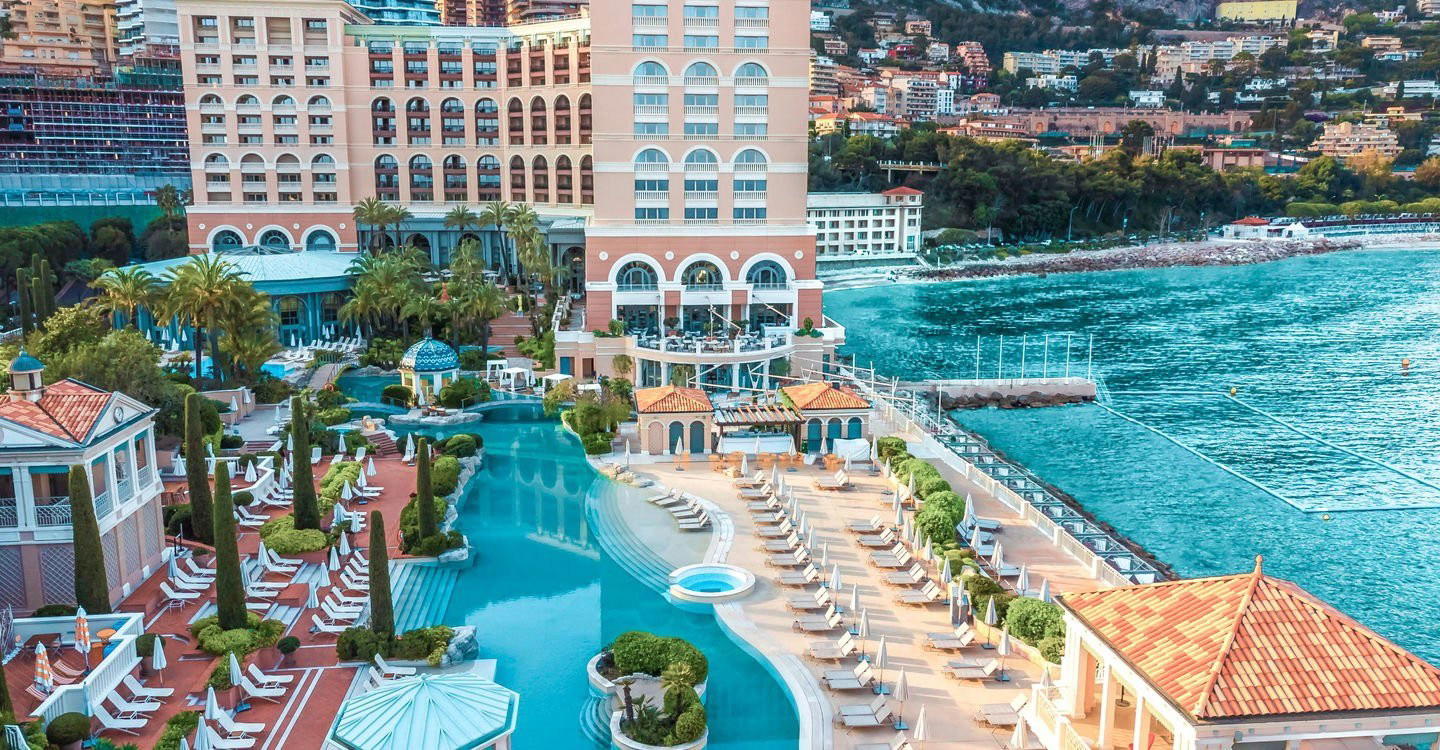
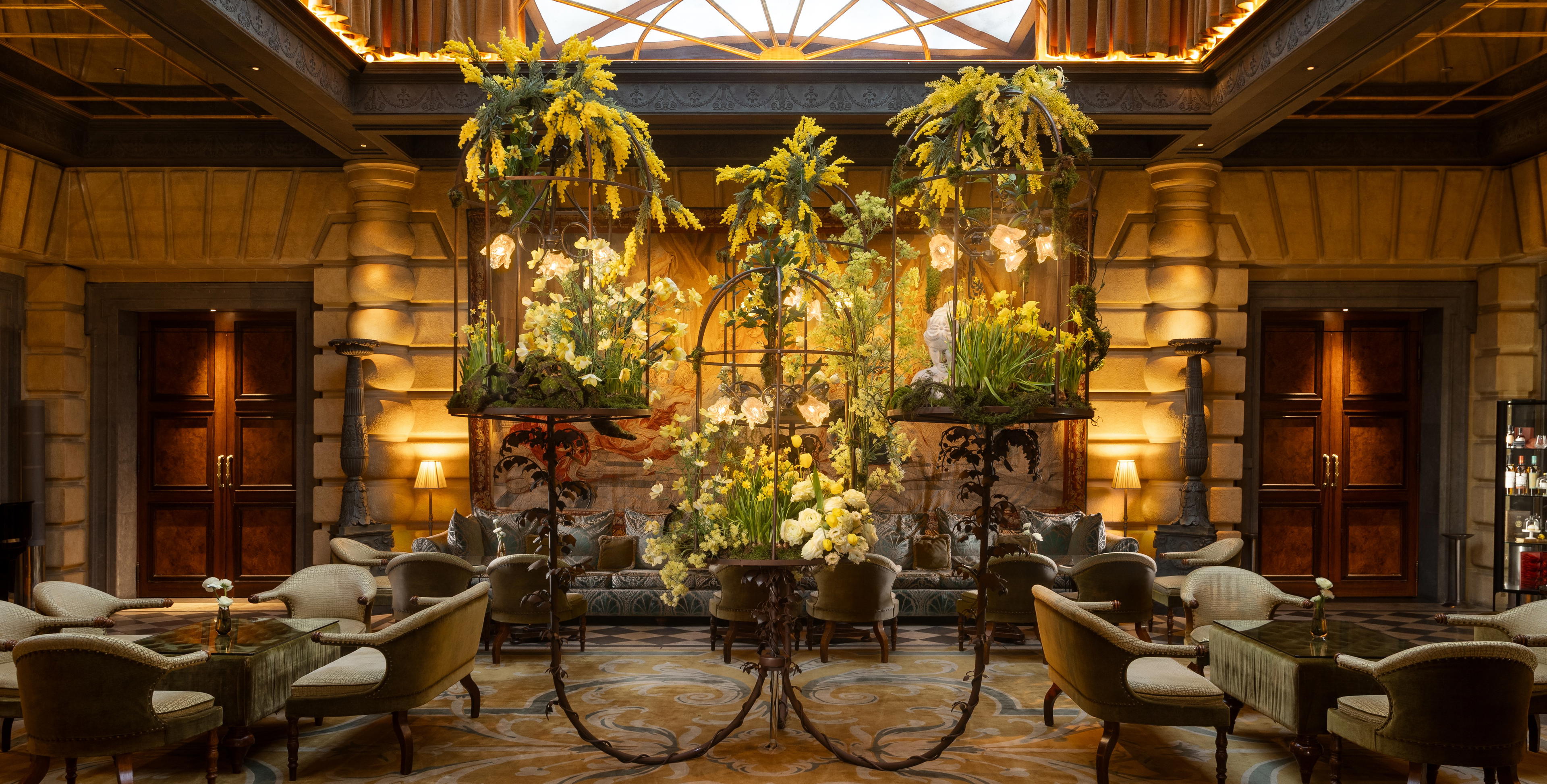
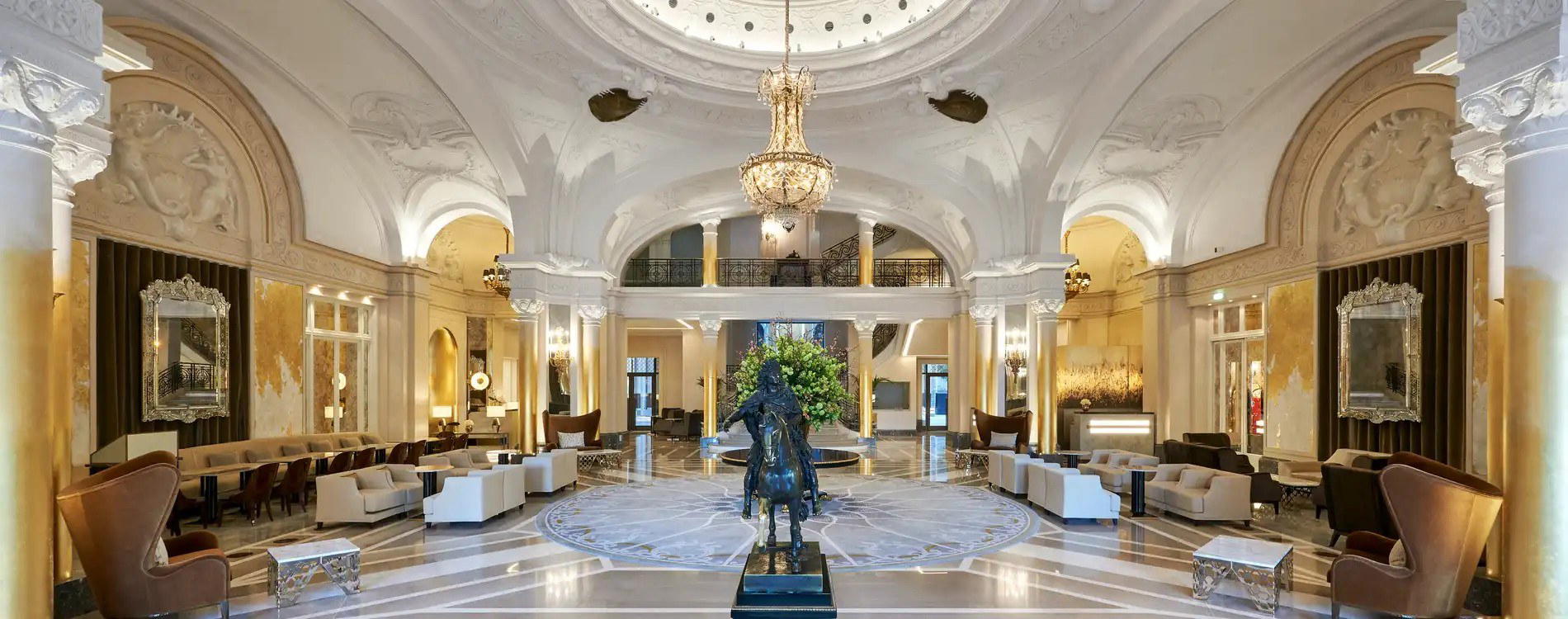

At a Glance
- Rustic
- Cozy
- Scenic
- Intimate
- Group Dining
- Family
- Celebration
- Special Occasion
- Hotel Restaurant
- Terrace
- Open Kitchen
- Extensive Wine List
- Mountain
Rustic Tirolean stube for intimate dinners and a large dining room with central fireplace, complemented by a cozy terrace amid mountain scenery.