
A Michelin Bib Gourmand holder since at least 2024, Hosteria Grappolo d'Oro occupies a corner of Piazza della Cancelleria, steps from Campo de' Fiori, serving Roman classics, amatriciana, cacio e pepe, carbonara, in a simple, always-busy dining room. The 'Percorso Romano' four-course tasting menu at just over €30 makes this among the more credible-value addresses in central Rome for traditional cucina romana.
Pearl is the En Primeur Club membership app — saves, bookings, and concierge access live there. Same editors, same standards.
- Address
- P.za della Cancelleria, 80, 00186 Roma RM, Italy
- Phone
- +39 06 689 7080
- Website
- hosteriagrappolodoro.it
- Directions
- Get directions
 Saves & bookings on Pearl
A Room That Earns Its Crowds
The approach through Piazza della Cancelleria sets a particular tone. The square is quieter than the Campo de' Fiori just a few steps away, its Renaissance palazzo forming a civic backdrop that filters out the tourist noise without fully removing you from it. When you arrive at Grappolo d'Oro, the dining room does not attempt to compete with that architecture. It is deliberately plain: rustic surfaces, close-set tables, a space that communicates function over fashion. In a neighbourhood where restaurants often dress up their interiors to match the surroundings, that restraint reads as confidence.
The room is busy. That is part of how the space works. Rome's trattoria tradition depends on a certain density, on the low ambient noise of occupied tables and the efficient rhythm of a kitchen that has been cooking the same dishes for decades. Grappolo d'Oro has settled into that rhythm. The physical container is modest by design, and the experience it produces is entirely consistent with that decision.
Where Grappolo d'Oro Sits in Rome's Value Tier
Rome's restaurant market at the upper end runs through venues like La Pergola, which holds three Michelin stars and prices accordingly, down through two-star creative addresses such as Enoteca La Torre and Il Pagliaccio. Grappolo d'Oro occupies a different bracket entirely. A single price band (€) places it in the city's recognised value tier. That distinction matters: the Bib Gourmand is not a consolation award. It reflects a deliberate editorial position from Michelin, one that acknowledges cucina romana executed at a consistently high level without the overhead of a fine-dining operation.
Among Roman-cuisine specialists in the city, the comparable set is instructive. Armando al Pantheon occupies a similar position near another landmark square, operating with comparable commitment to traditional dishes. Da Danilo and CiPASSO serve comparable cuisine at prices that sit in the same general range. Further along the tradition axis, Checchino Dal 1887 and Antica Pesa represent older, more institution-weighted addresses with different price structures. Grappolo d'Oro sits in the accessible middle of that spectrum, distinguished from the first group by its Bib Gourmand recognition and from the latter by its price point.
The Cuisine: What Rome Actually Eats
The menu at Grappolo d'Oro maps directly onto the Roman canon: pasta with amatriciana, carbonara, and cacio e pepe; meatballs; puntarelle; maritozzo with cream. These are not interpretations or updates, they are the dishes as they are meant to be cooked, without editorial intervention. That position is more difficult to maintain than it appears. The pressure on central Rome restaurants to adjust traditional recipes for international visitors is substantial, and many do. A Michelin Bib Gourmand signals that the kitchen here has not made those compromises.
The 'Percorso Romano' tasting menu organises four of these dishes into a structured sequence for about €30. That format is worth understanding as a choice, not just a deal. In a room that operates at this price point, offering a curated multi-course path through the Roman repertoire signals menu confidence. The kitchen is presenting an argument about which dishes represent the tradition at its clearest, and at that price, the barrier to testing that argument is low.
Chef Laurent Petit leads the kitchen, while the restaurant is operated by five partners. That distinction shows in the consistency of the output: the cuisine is the subject, not the individual behind it.
Location: Asset and Complication
Piazza della Cancelleria is one of the quieter squares in the historic centre, despite its position between Campo de' Fiori and Corso Vittorio Emanuele II. For a restaurant operating at this price point, the location functions as both an obvious draw and a logistical constraint. It places Grappolo d'Oro in the path of visitors who have spent the morning at Campo de' Fiori or are en route to Piazza Navona, two of the highest-traffic destinations in central Rome. That foot traffic explains the consistent occupancy.
It also complicates planning. The room is always busy, which in practical terms means arriving without a reservation during peak hours is a gamble. For visitors combining the restaurant with nearby sites, Campo de' Fiori, the Jewish Quarter, Largo di Torre Argentina, timing matters. Lunch rather than dinner may offer more flexibility. The combination of location, price, and Michelin recognition creates demand that the dining room, set up as it is for efficiency rather than scale, cannot easily absorb.
Roman Cuisine Beyond Rome
For those tracking the broader Italian fine-dining circuit, the contrast with Rome's upper register is sharp. Osteria Francescana in Modena, Enoteca Pinchiorri in Florence, Le Calandre in Rubano, Enrico Bartolini in Milan, and Atelier Moessmer Norbert Niederkofler in Brunico all operate in creative or contemporary registers where the distance from traditional Roman cuisine is intentional and complete. Dal Pescatore in Runate offers a different version of Italian regional tradition at a different price tier entirely. What Grappolo d'Oro represents is the Roman kitchen at its most literal, the dishes that define the city's culinary identity, cooked without reinterpretation, in a room built for the purpose.
The Roman tradition travels, too. Il Marchese in Milan and Osteria Romana in Brussels both carry versions of the cucina romana repertoire into other cities, which makes Grappolo d'Oro a useful point of reference for understanding what the original looks like when the geography and the Michelin validation align.
Planning Your Visit
The address is Piazza della Cancelleria, 80, in Rome, within walking distance of the Jewish Quarter and Largo di Torre Argentina. The price band (€) reflects a kitchen operating at the accessible end of the market by Roman standards. The 'Percorso Romano' tasting menu, at just over €30 for four courses, is one efficient way to move through the menu's core dishes.4 across 2,969 reviews indicates consistent delivery over a sustained period at high volume.
What to Order at Hosteria Grappolo d'Oro
What should I order at Hosteria Grappolo d'Oro?
'Percorso Romano' tasting menu is one direct answer: four courses for just over €30, structured to move through the restaurant's core Roman dishes. If ordering à la carte, the menu covers the canonical pasta sauces of Rome, amatriciana, carbonara, and cacio e pepe, alongside meatballs, puntarelle (the chicory-and-anchovy salad specific to Roman cuisine), and maritozzo with cream, the sweetened brioche bun that functions as Rome's most characteristic dessert. Michelin's Bib Gourmand recognition in both 2024 and 2025 is grounded in these dishes rather than any speculative or seasonal additions, so the core Roman repertoire is where the kitchen's consistency has been verified.
- Pasta Carbonara
- Pasta Amatriciana
- Pasta Cacio e Pepe
- Meatballs in Tomato Sauce
- Panzanella Salad
- Tiramisu
- Percorso Romano Tasting Menu
Reputation First
Comparable venues nearby, for context on price, style, and recognition.
| Venue | Cuisine | Price | Awards | Notes |
|---|---|---|---|---|
| Hosteria Grappolo d'OroThis venue — the venue you are viewing | Traditional Roman Cuisine | $$ | Bib Gourmand | Not listed |
| Pinocchio | Italian Trattoria with Pizza | $$ | Michelin Plate | Fiumicino |
| Domenico dal 1968 | Classic Roman Trattoria with Seafood | $$ | Bib Gourmand | Appio-Latino |
| Trattoria Pennestri | Modern Roman Trattoria | $$$ | Bib Gourmand | Ostiense |
| Romanè | Authentic Roman Trattoria | $$ | Bib Gourmand | Trionfale |
| Trattoria del Pesce | Modern Italian Seafood Trattoria | $$ | Michelin Plate | Gianicolese |
Recognition history
Dated appearances from independent guides and award organizations, with the underlying list record or original source where available.
Michelin Bib Gourmand
Michelin
Michelin Bib Gourmand
Michelin
Michelin Bib Gourmand
Michelin
Continue exploring
More in Rome
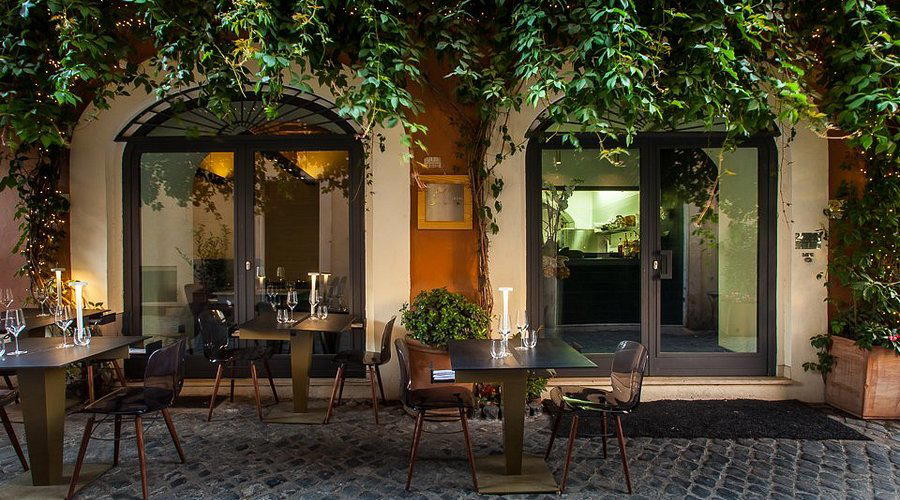
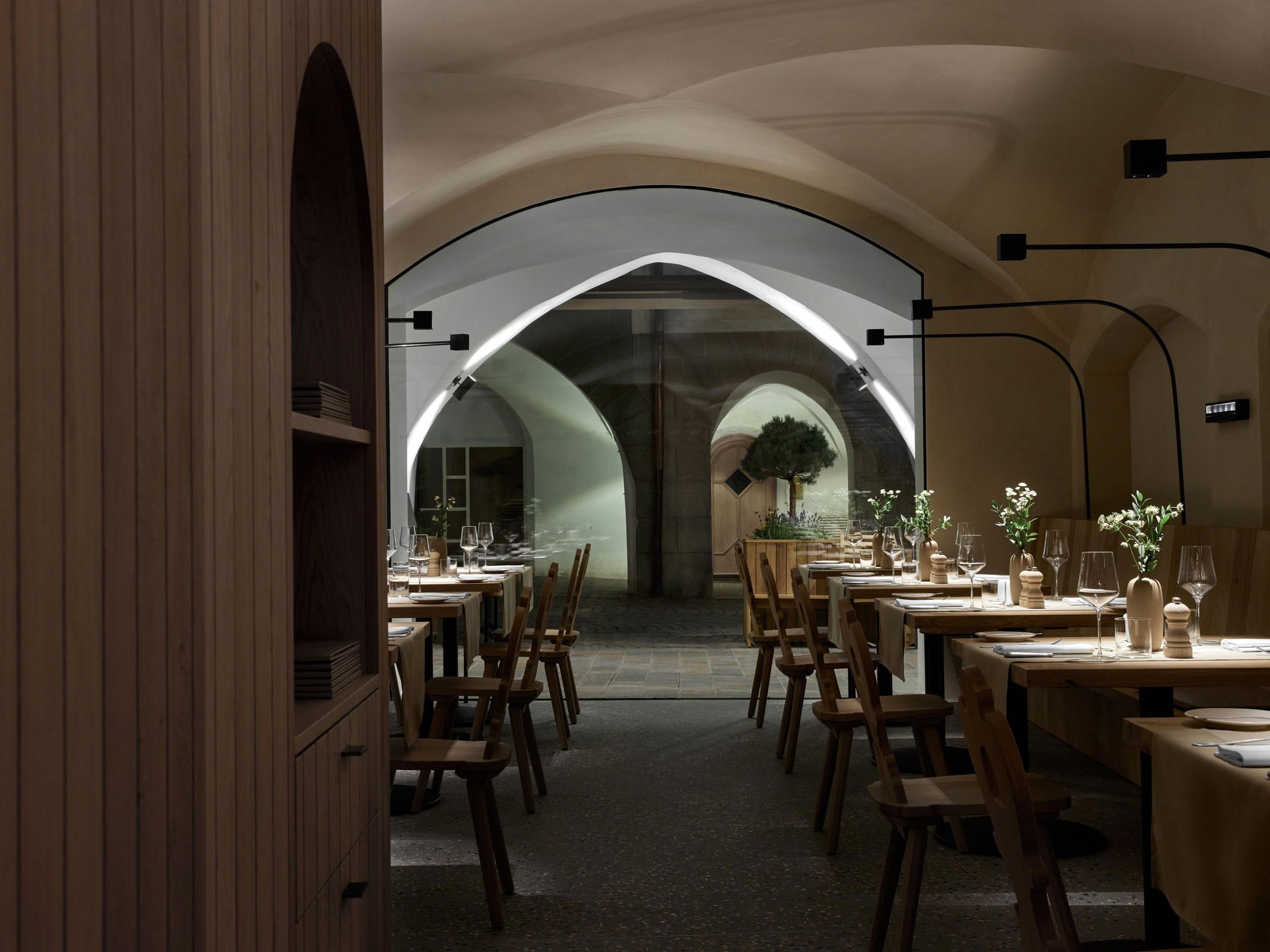
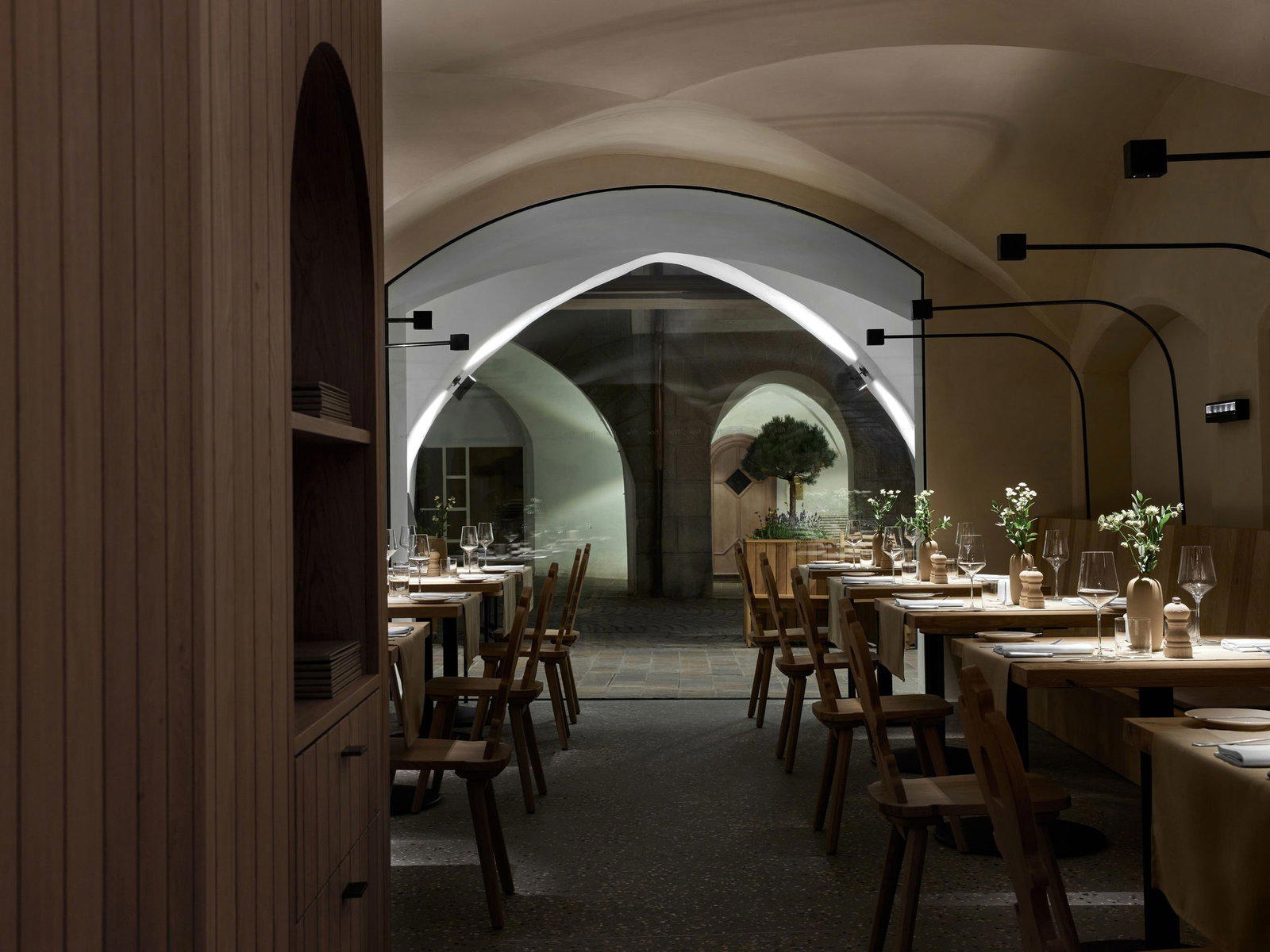
Restaurants in Rome
Browse all →
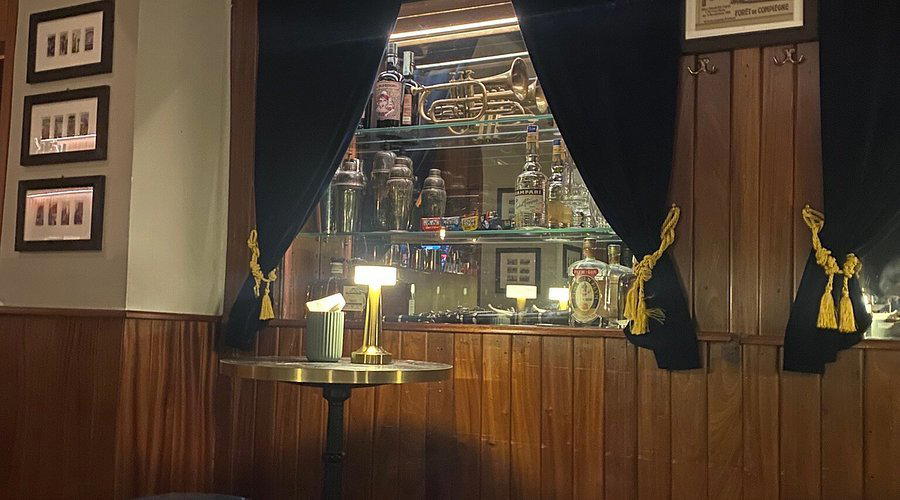
Bars in Rome
Browse all →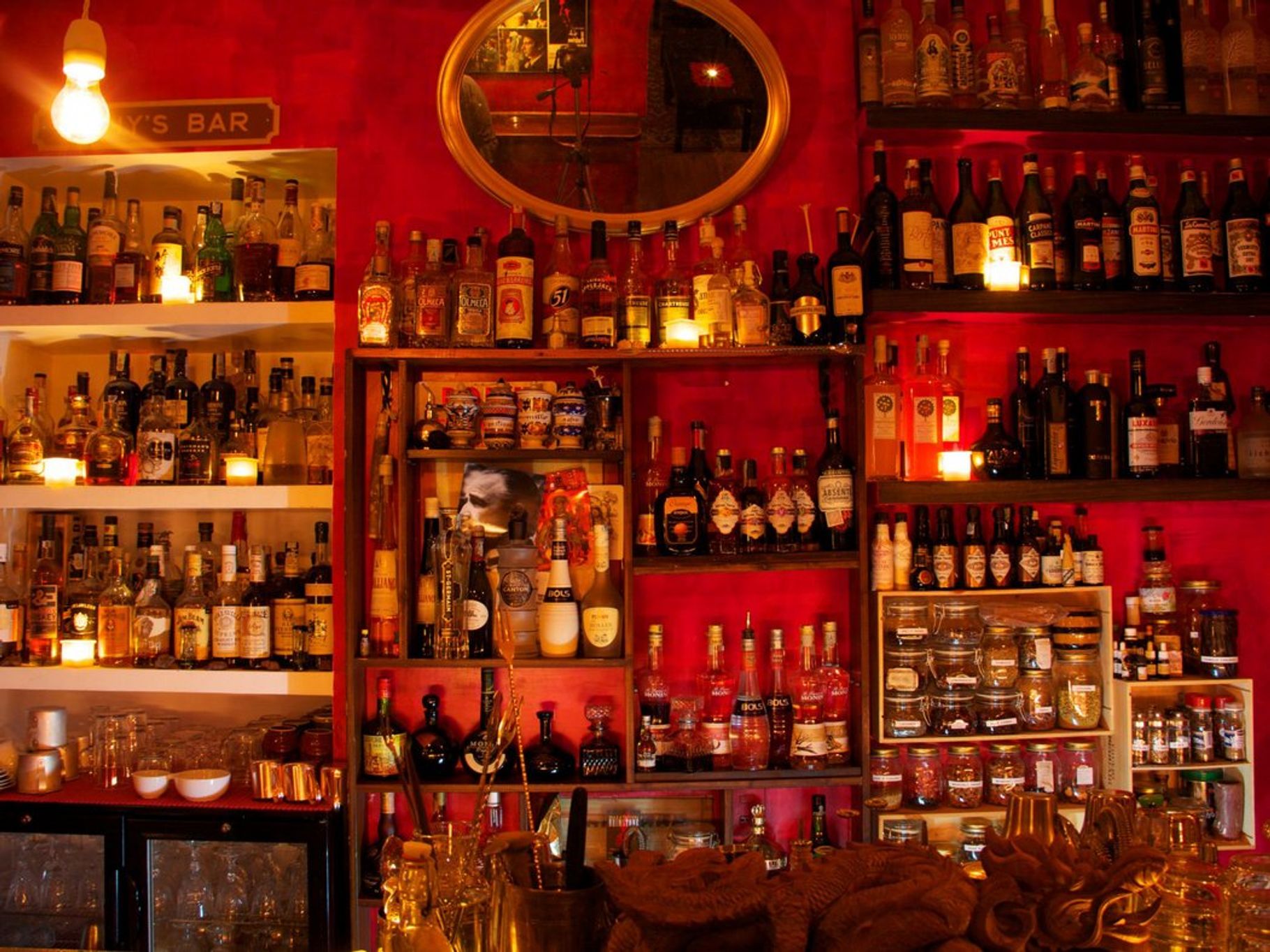
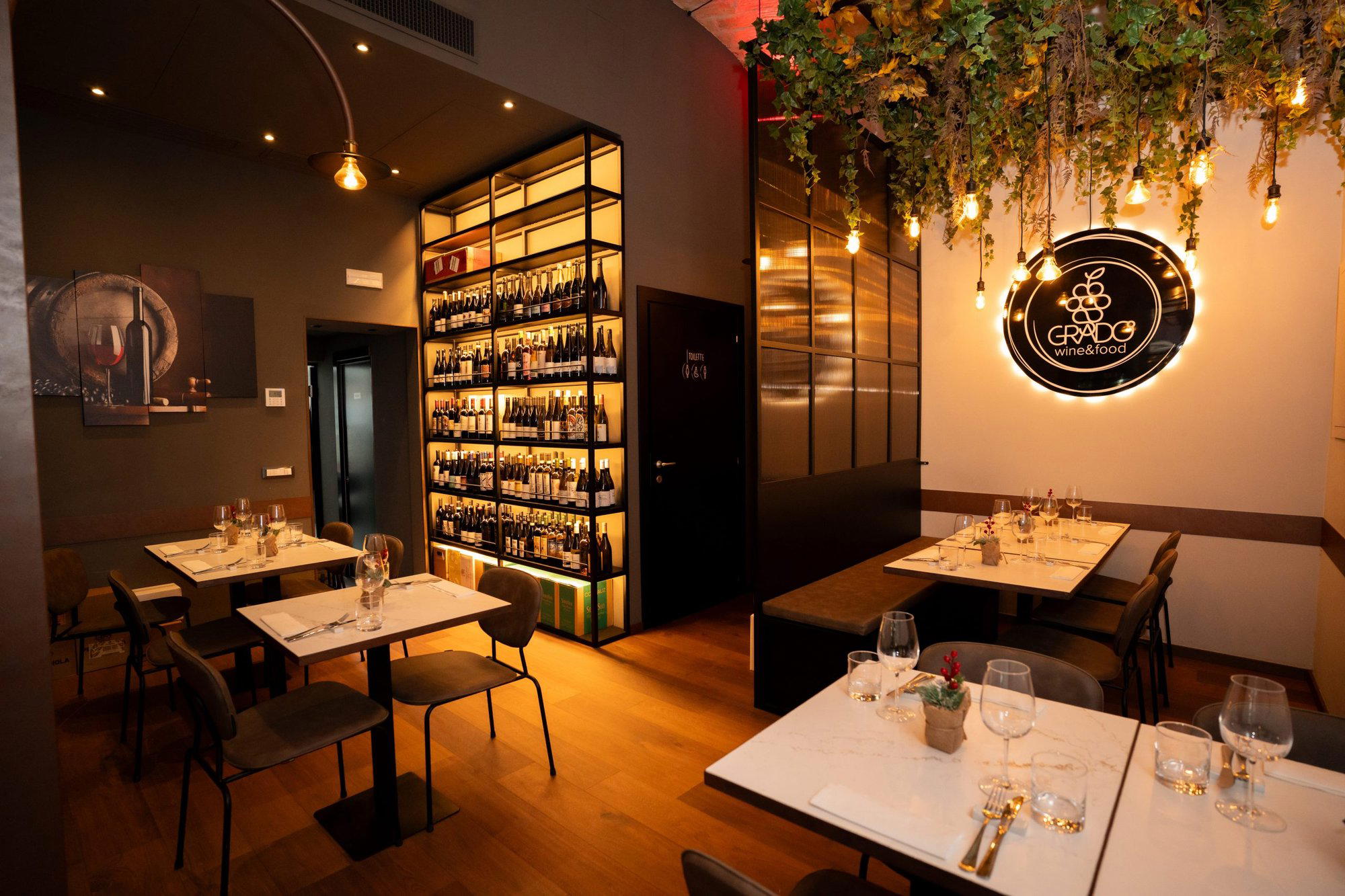
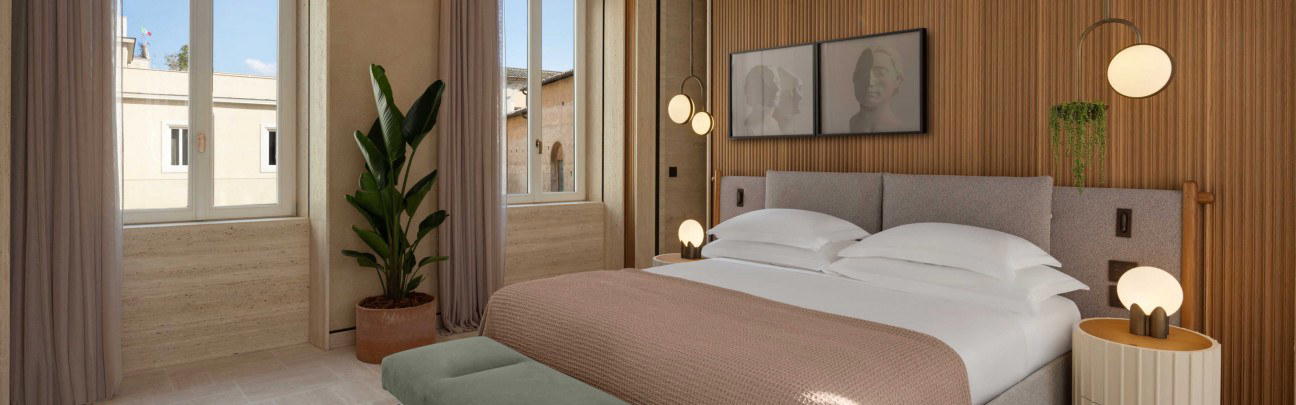
Hotels in Rome
Browse all →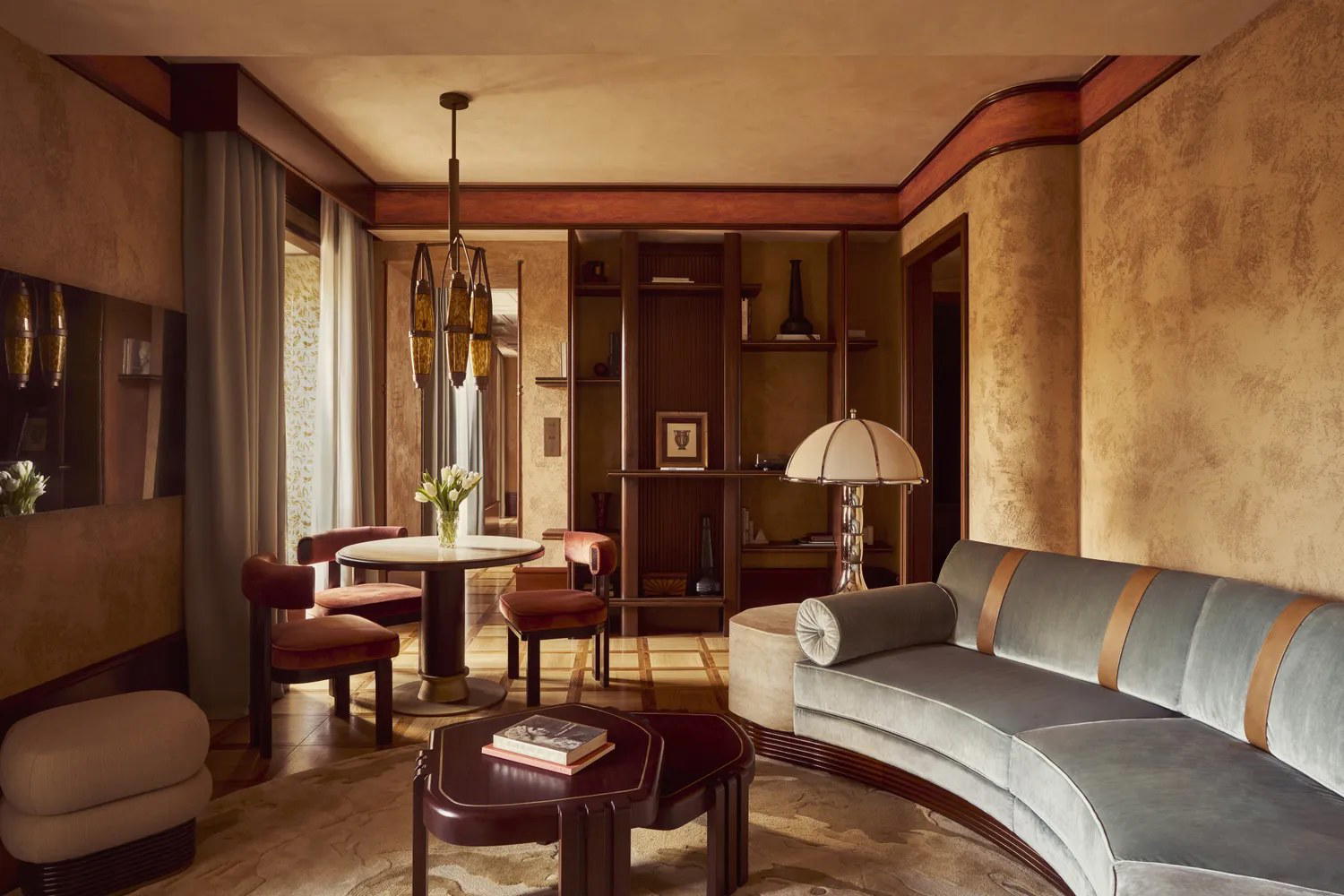

At a Glance
- Rustic
- Classic
- Cozy
- Lively
- Family
- Group Dining
- Casual Hangout
- Date Night
- Standalone
- Historic Building
- Extensive Wine List
- Local Sourcing
- Farm To Table
- Organic
Current opening hours
- Monday
- 12:30–3 PM, 6:30–10:30 PM
- Tuesday
- 12:30–3 PM, 6:30–10:30 PM
- Wednesday
- 6:30–10:30 PM
- Thursday
- 12:30–3 PM, 6:30–10:30 PM
- Friday
- 12:30–3 PM, 6:30–10:30 PM
- Saturday
- 12:30–3 PM, 6:30–10:30 PM
- Sunday
- 12:30–3 PM, 6:30–10:30 PM
Hours can change for holidays and private events. Last verified .