Shaburi & Kintan Buffet serves a Japanese shabu-shabu and yakiniku buffet in Central Jakarta, with a sake program and lunch-or-dinner scheduling that suits a casual meal.
Pearl is the En Primeur Club membership app — saves, bookings, and concierge access live there. Same editors, same standards.
- Address
- Jl. Asia Afrika No.19 Unit 4 - 82, RT.1/RW.3, Gelora, Tanah Abang, Central Jakarta City, Jakarta 10270, Indonesia
- Phone
- +6282110800289
- Website
- boga.id
- Directions
- Get directions
 Saves & bookings on Pearl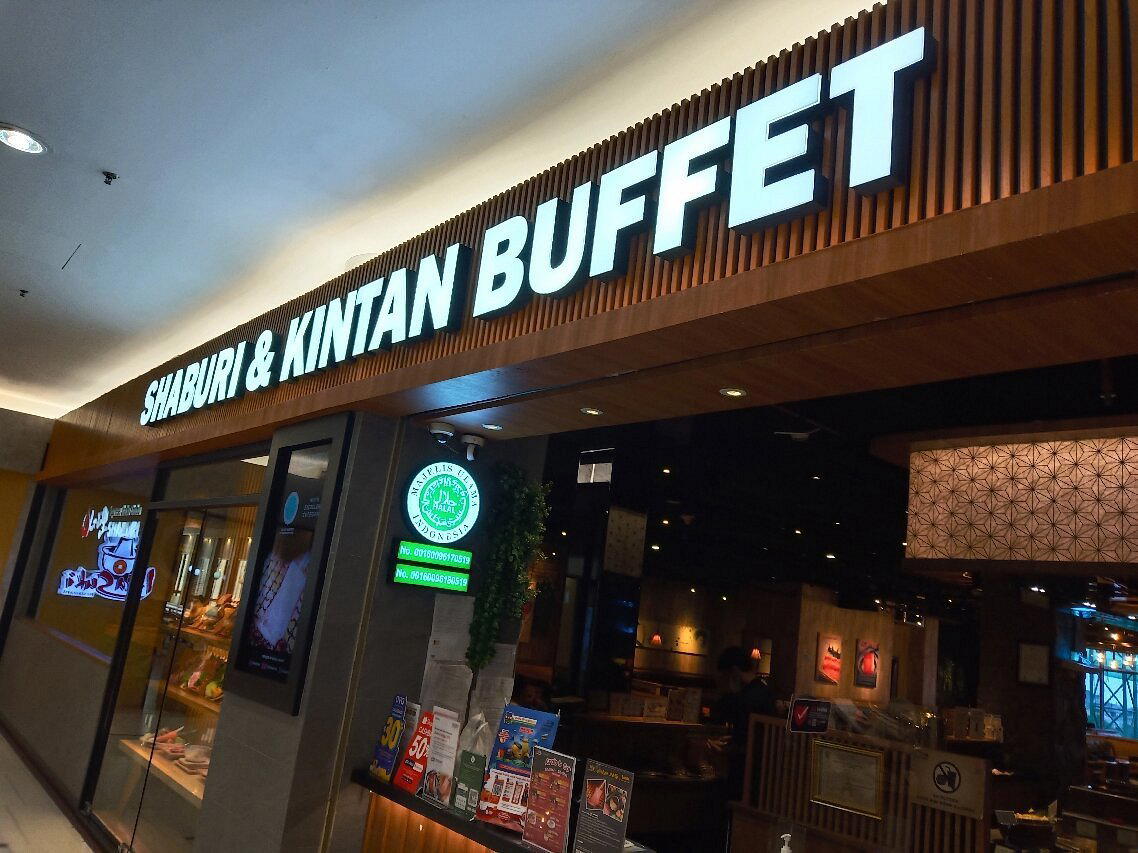
Jakarta's Hotpot and Yakiniku Buffet Circuit
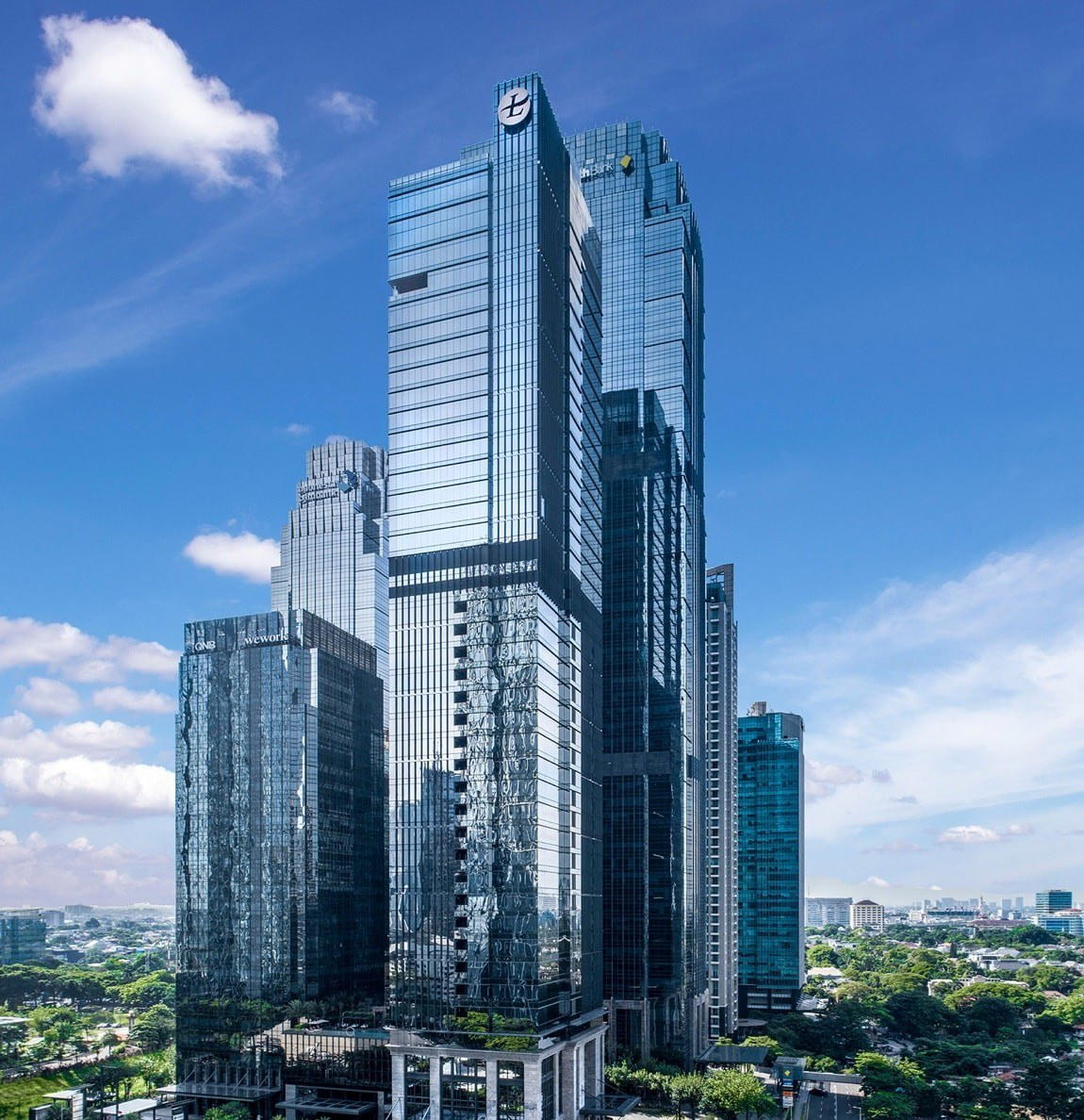
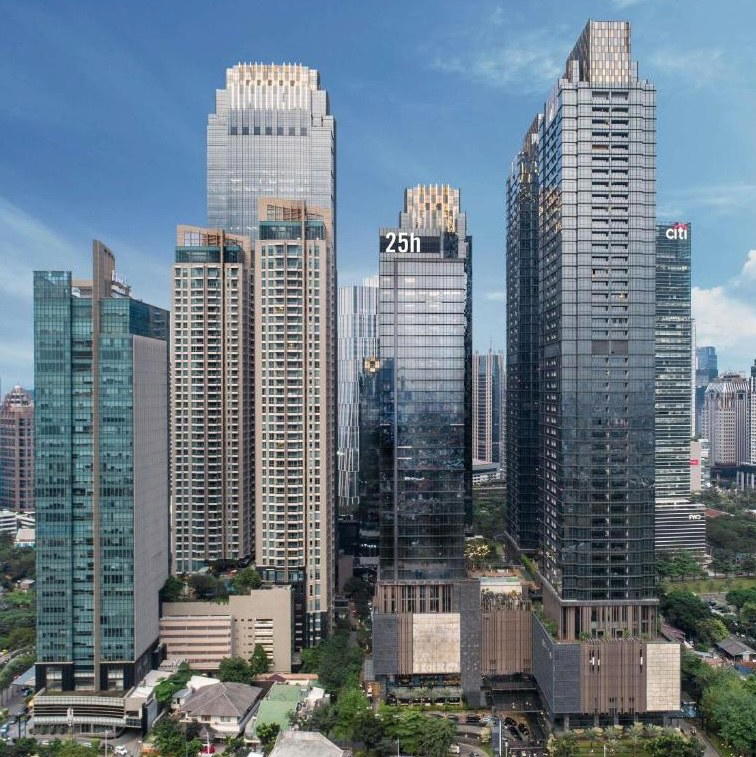
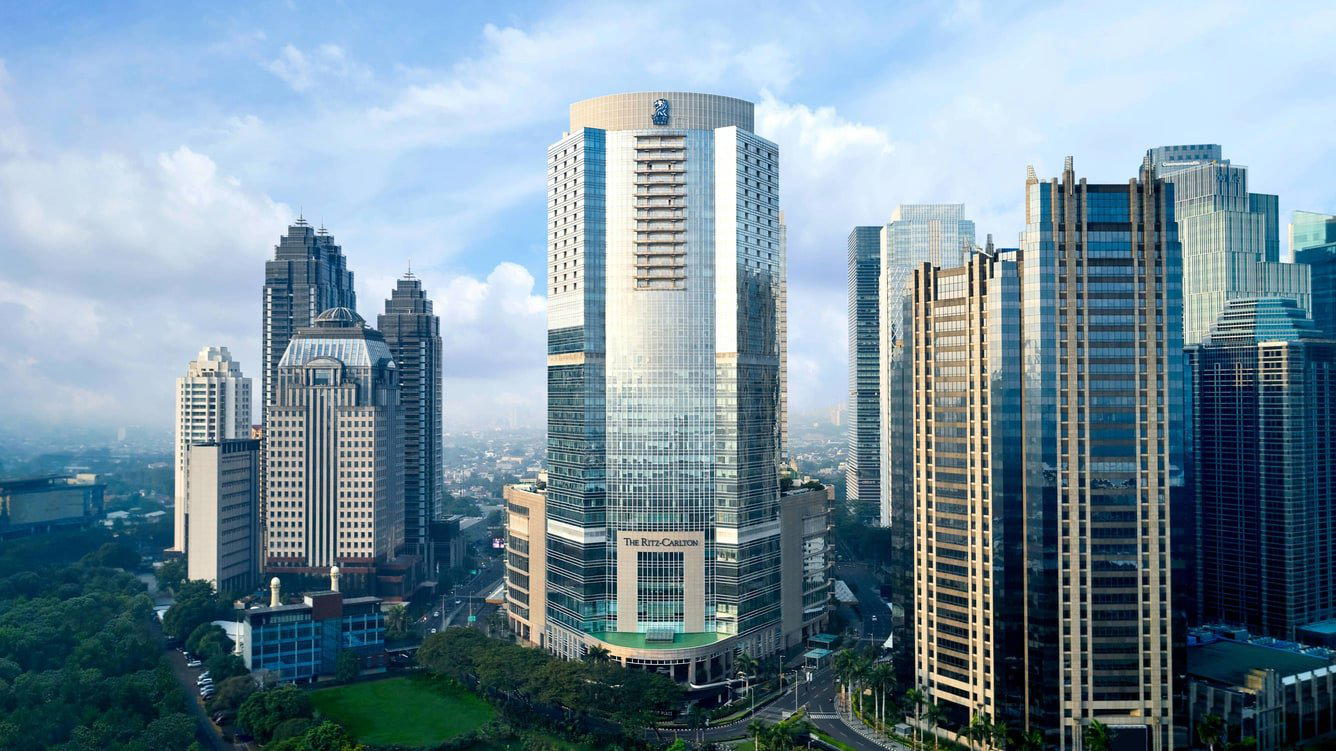
Jl. Asia Afrika near Gelora, Tanah Abang is a busy Central Jakarta dining corridor, where mall anchors and street-level dining compress into a single stretch. Foot traffic is constant, and lunchtime competition is shaped by format as much as reputation. In this context, the all-you-can-eat proposition occupies a specific and durable niche: it absorbs groups, accommodates varied appetites, and sidesteps the negotiation of shared plates. Shaburi & Kintan Buffet combines shabu-shabu hotpot and yakiniku grilling under one roof in a dual-concept format.
Two Formats, One Table
The shabu-shabu and yakiniku pairing is not an invention of this venue. Across Tokyo, Osaka, and increasingly across Southeast Asian cities with deep Japanese food influence, operators have found that combining the two formats reduces decision fatigue for large parties and maximises the kitchen's throughput efficiency. Each format demands a different relationship between diner and ingredient: shabu-shabu is low-intervention, relying on broth quality and the brief motion of thin-sliced meat through simmering liquid; yakiniku asks more of the guest, who controls the grill and manages the char. Offering both simultaneously within a buffet structure requires a floor team that can manage two distinct rhythms at the same table, which is where the coordination between service roles becomes central to whether the experience holds together.
In Jakarta's hotpot segment, the closest reference points sit at different ends of the market. Chongqing Liuyishou Hotpot in South Jakarta anchors the Sichuan-style end of the category, while Hai Di Lao in Central Jakarta has built its following around service theatrics and standardised broth quality. Shaburi and Kintan sits between those poles, with a Japanese-inflected format that appeals to diners who prefer the cleaner broths and tabletop discipline of Japanese hotpot over the numbing-spice intensity of Chinese-style alternatives.
The Service Coordination Question
In any dual-concept buffet, the pressure falls heavily on the floor team. The focus is the system they are asked to operate. When a table is simultaneously running a simmering hotpot and a live grill, the cadence of ingredient replenishment, broth top-ups, and grill-cleaning intervals has to be managed without the guest feeling that they are orchestrating the logistics themselves. This is where training shows in the experience. Venues that get this right tend to see stronger repeat visits and shorter queues at off-peak hours.
Jakarta's premium dining scene has increasingly separated into two tracks: the tasting menu and a la carte end, represented by venues like August and Bistecca, and the format-driven, group-oriented end where buffet and communal cooking concepts compete on value density and operational consistency. Shaburi and Kintan sits firmly in the second track, which is not a lesser category but a different one, with its own criteria for success.
What Jakarta's Buffet Culture Looks Like in Practice
Jakarta's appetite for the buffet format is not simply a price sensitivity story. The city's dining culture places significant weight on shared eating, and the buffet removes the friction of item-by-item ordering when the table has varied preferences. The format is also well-suited to Jakarta's traffic patterns: groups arriving from different parts of the city at slightly different times can settle in without the pressure of a set start time that tasting menu formats impose. In that sense, the buffet is a social infrastructure as much as a food delivery mechanism.
Venues operating in this format compete on three variables: ingredient range and perceived quality ceiling, service responsiveness under volume, and the physical environment's ability to accommodate groups without feeling chaotic. The Jl. Asia Afrika location places the venue within reach of the SCBD and Senayan cluster, where office-lunch and post-event group dining represent a reliable demand pool, particularly on weekday afternoons and weekend evenings. For context on how other group-format venues are evolving in adjacent Indonesian markets, Locavore NXT in Ubud and Jungle Fish Bali in Gianyar illustrate how Indonesian operators at the premium end are moving toward curated, controlled experiences, a trajectory that makes the high-volume buffet format's continued strength in Jakarta all the more telling about the city's distinct dining priorities.
Placing It in the Jakarta Map
Central Jakarta's Tanah Abang and Gelora subdistricts are not the city's primary fine-dining corridor, which clusters further south in Kemang and SCBD. But the area draws substantial footfall from the Senayan retail and sports complex, which makes it viable for mid-market dining concepts that depend on volume. For comparison, Abunawas Restaurant's Kemang Branch and Aged and Butchered Jakarta occupy the more established southern dining corridors, where the demographic skews toward resident expats and upper-middle-class local diners with a preference for a la carte. Shaburi and Kintan's address targets a different demand pattern: higher throughput, broader demographic range, and groups rather than pairs.
Diners approaching from the Semanggi interchange will find the Jl. Asia Afrika address accessible by vehicle, though parking logistics in the area follow Central Jakarta's general pattern of constrained supply during peak hours. Arriving outside the 12:00 to 14:00 and 18:30 to 20:30 windows can improve access and table availability. For those cross-referencing Jakarta's broader restaurant options, our full Jakarta restaurants guide maps the city by neighbourhood and cuisine type. Additional mid-market and group-dining references across the wider region include Hwang Fu Dimsum in Tangerang and Kita Restaurant and Bar in Kecamatan Menteng, both of which serve as data points for how group-oriented dining formats are distributed across the greater Jakarta metro.
Practical Planning
Shaburi and Kintan Buffet operates at Jl. Asia Afrika No.19, Unit 4-82, in Gelora, Tanah Abang, Central Jakarta. Pricing is about $15 per person, and reservations are recommended. For reference on how premium buffet pricing has shifted across the Jakarta market in the past two years, the entry-level all-you-can-eat tier and the premium-protein tier have increasingly diverged, with the gap widening as wagyu and A5 Japanese beef imports have become a standard differentiator at the upper end of the category.
Same-City Peers
Comparable venues nearby, for context on price, style, and recognition.
| Venue | Cuisine | Price | Notes |
|---|---|---|---|
| Shaburi & Kintan BuffetThis venue — the venue you are viewing | Japanese Shabu-Shabu & Yakiniku Buffet | $$ | Not listed |
| Hachi Grill Ampera | Japanese Yakiniku & Shabu-Shabu All-You-Can-Eat | $$ | Ragunan |
| Kinshamo Japanese Restaurant | Authentic Japanese Robata & Omakase | $$ | Grogol Utara |
| Kintaro Sushi Senopati | Modern Japanese Sushi | $$$ | Rawa Barat |
| Pancious Emporium Pluit | American Pancake House | $$ | Ploeit |
| Sushi Kawana | Traditional Japanese Sushi | $$$$ | Melawai |
At a Glance
- Modern
- Lively
- Group Dining
- Family
- Casual Hangout
- Open Kitchen
- Sake Program
Current opening hours
- Monday
- 10 AM–10 PM
- Tuesday
- 10 AM–10 PM
- Wednesday
- 10 AM–10 PM
- Thursday
- 10 AM–10 PM
- Friday
- 10 AM–10 PM
- Saturday
- 10 AM–10 PM
- Sunday
- 10 AM–10 PM
Hours can change for holidays and private events. Last verified .
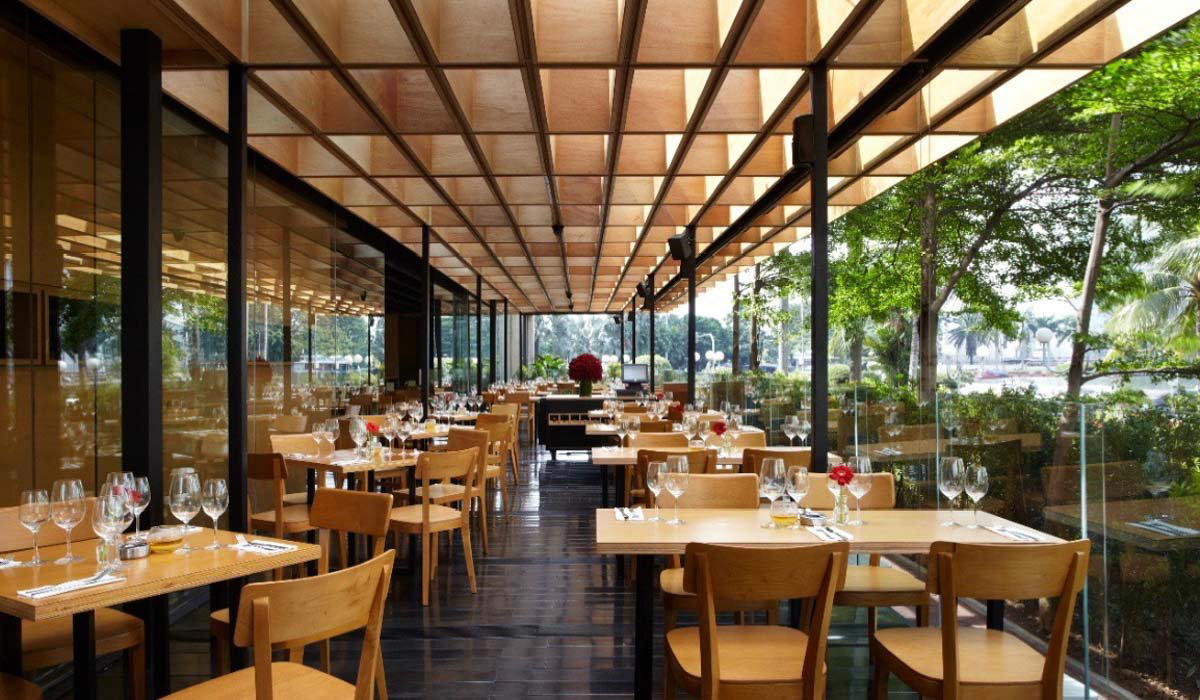
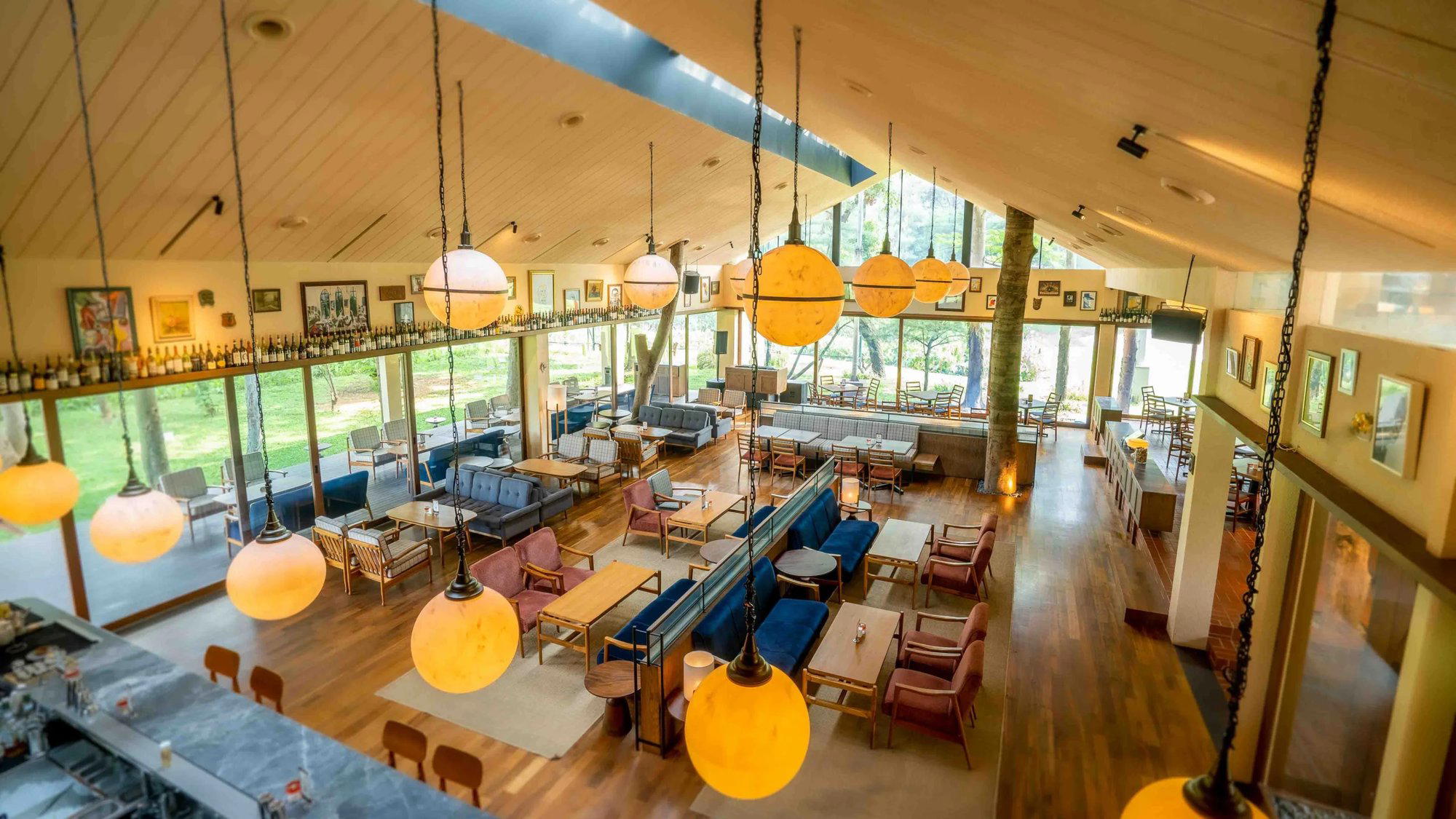
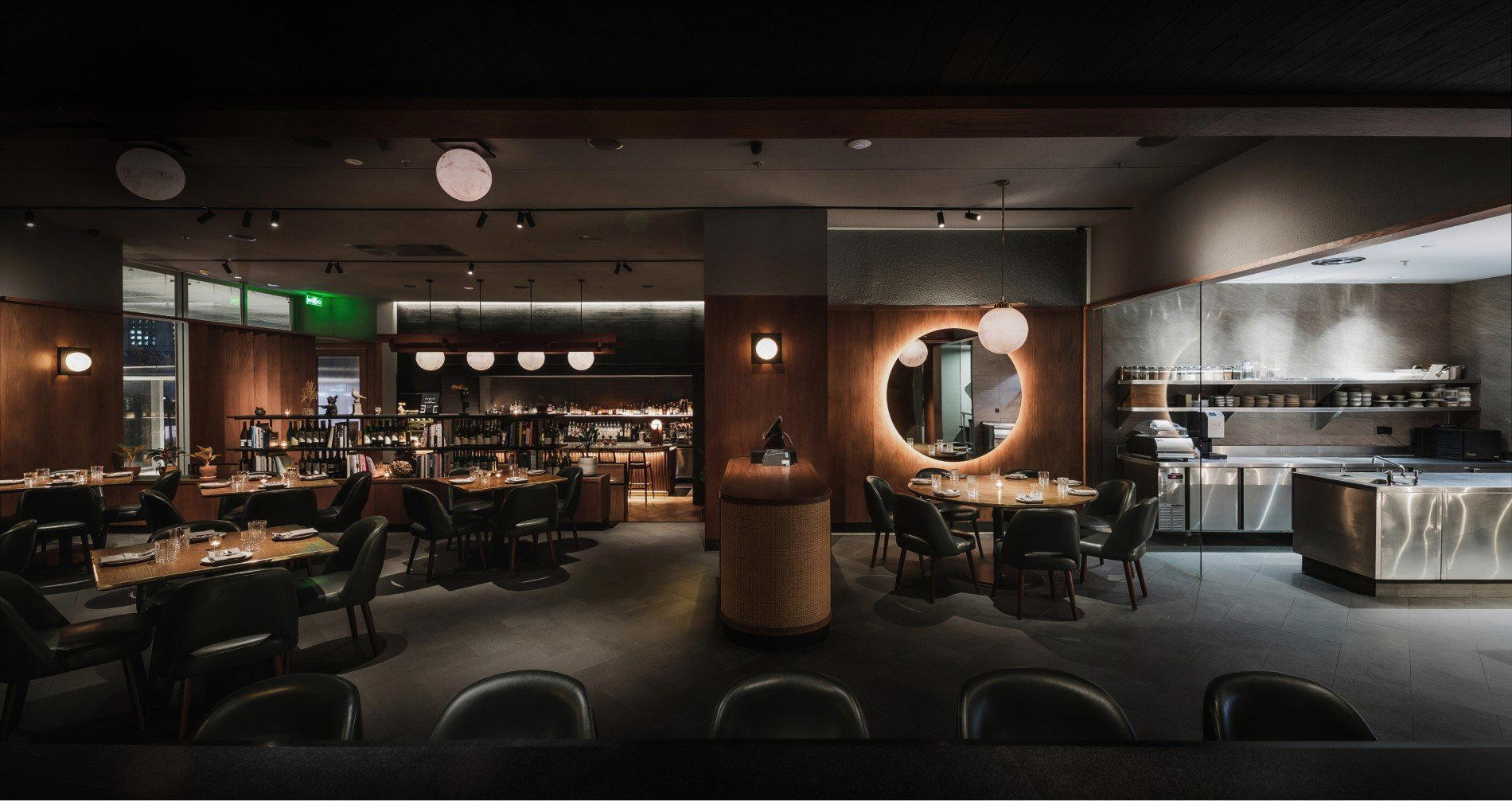
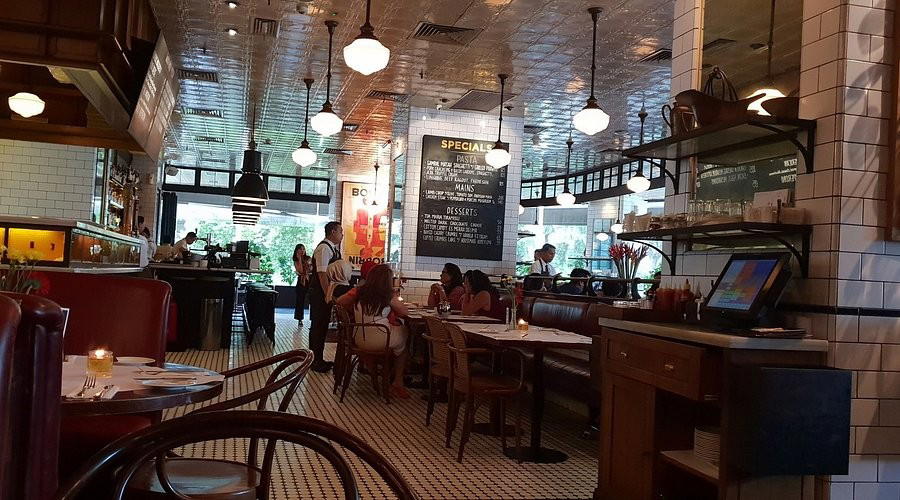
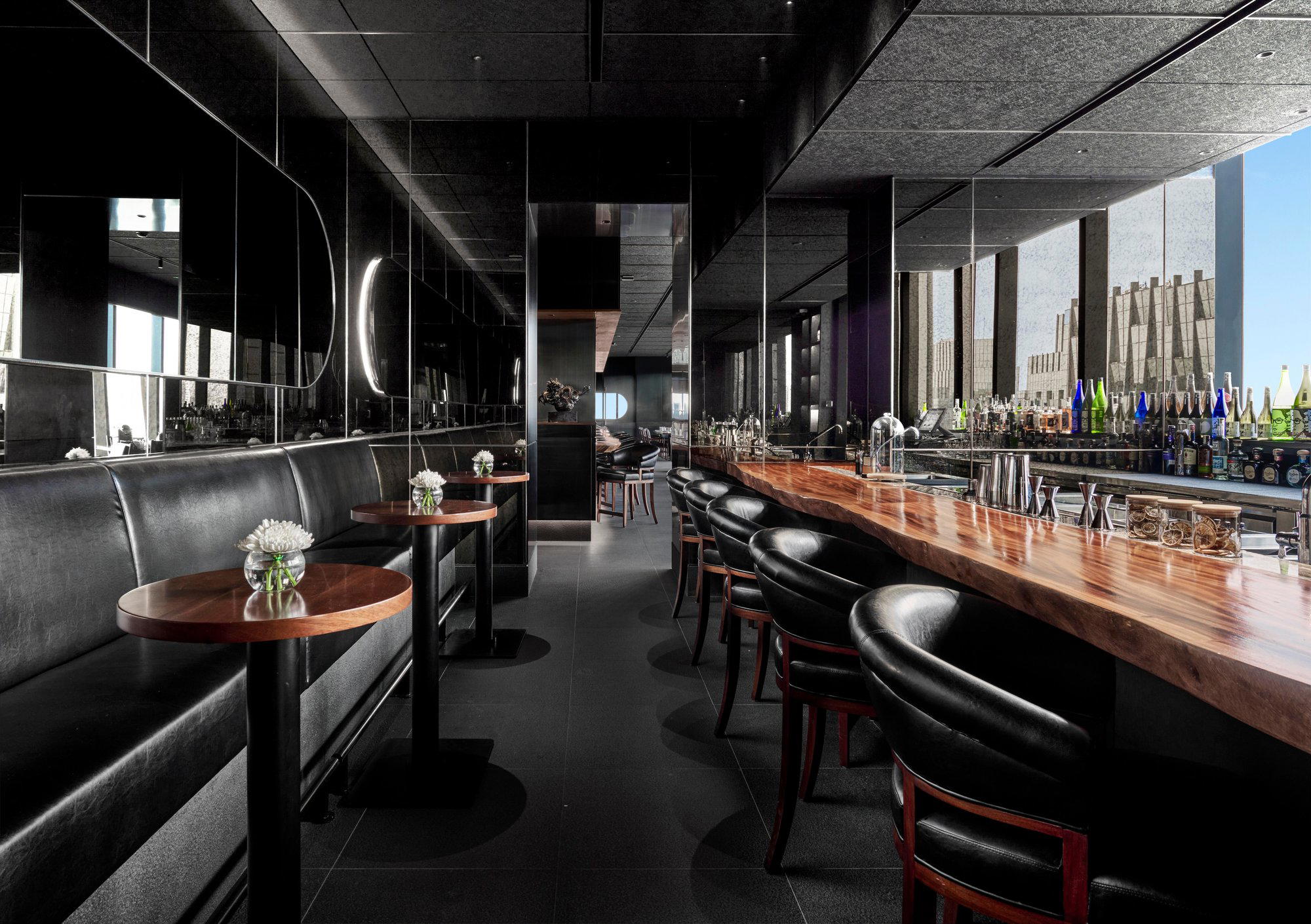
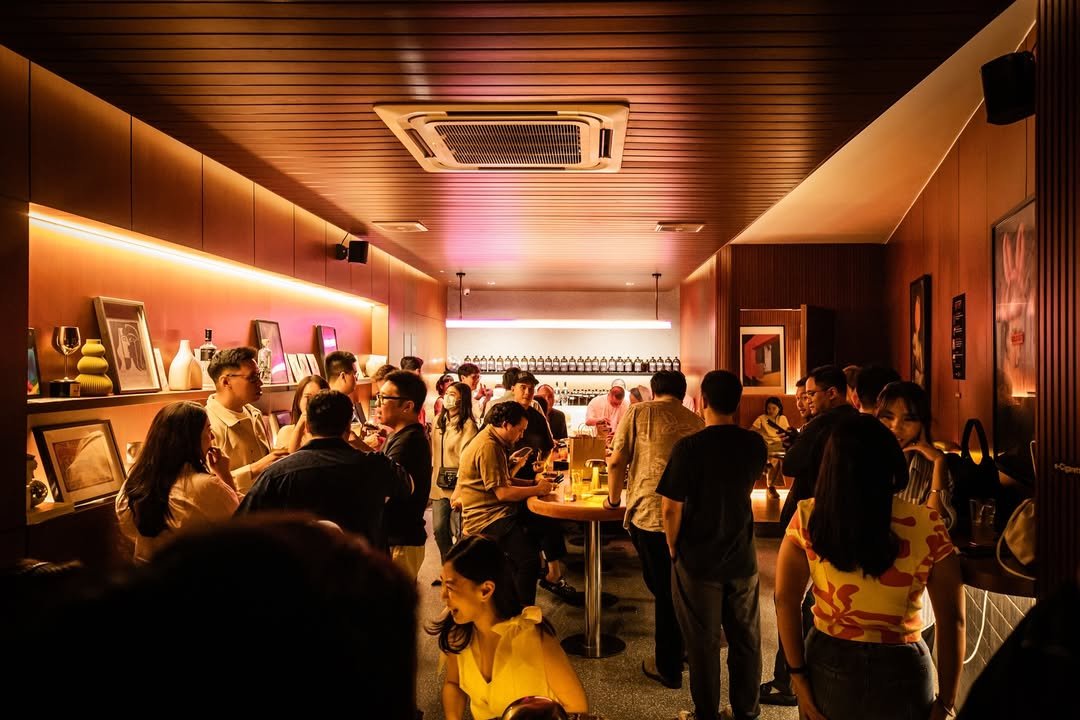
Classy, modern, and cozy environment ideal for interactive grilling and dining.