홍보각 - Hong Bo Gak

La Liste Top Restaurants
Our verdict
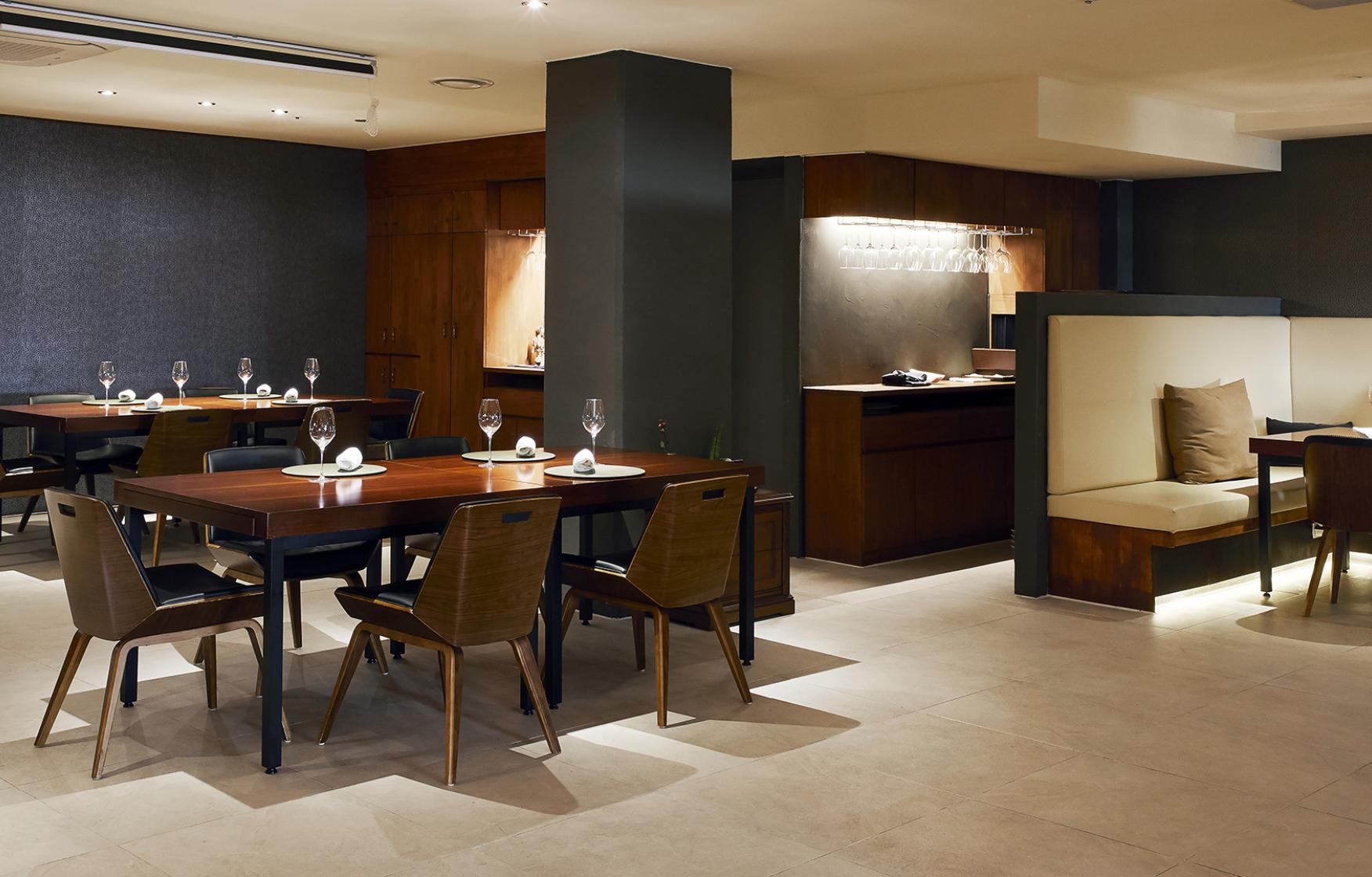
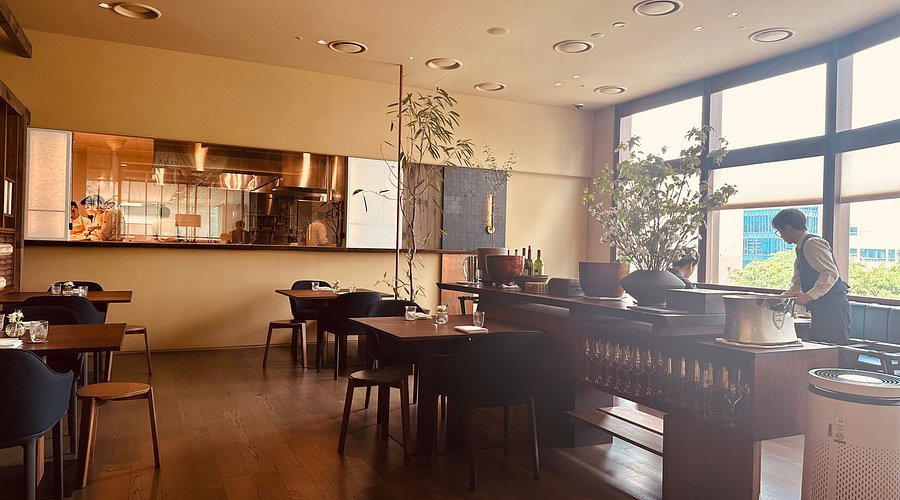
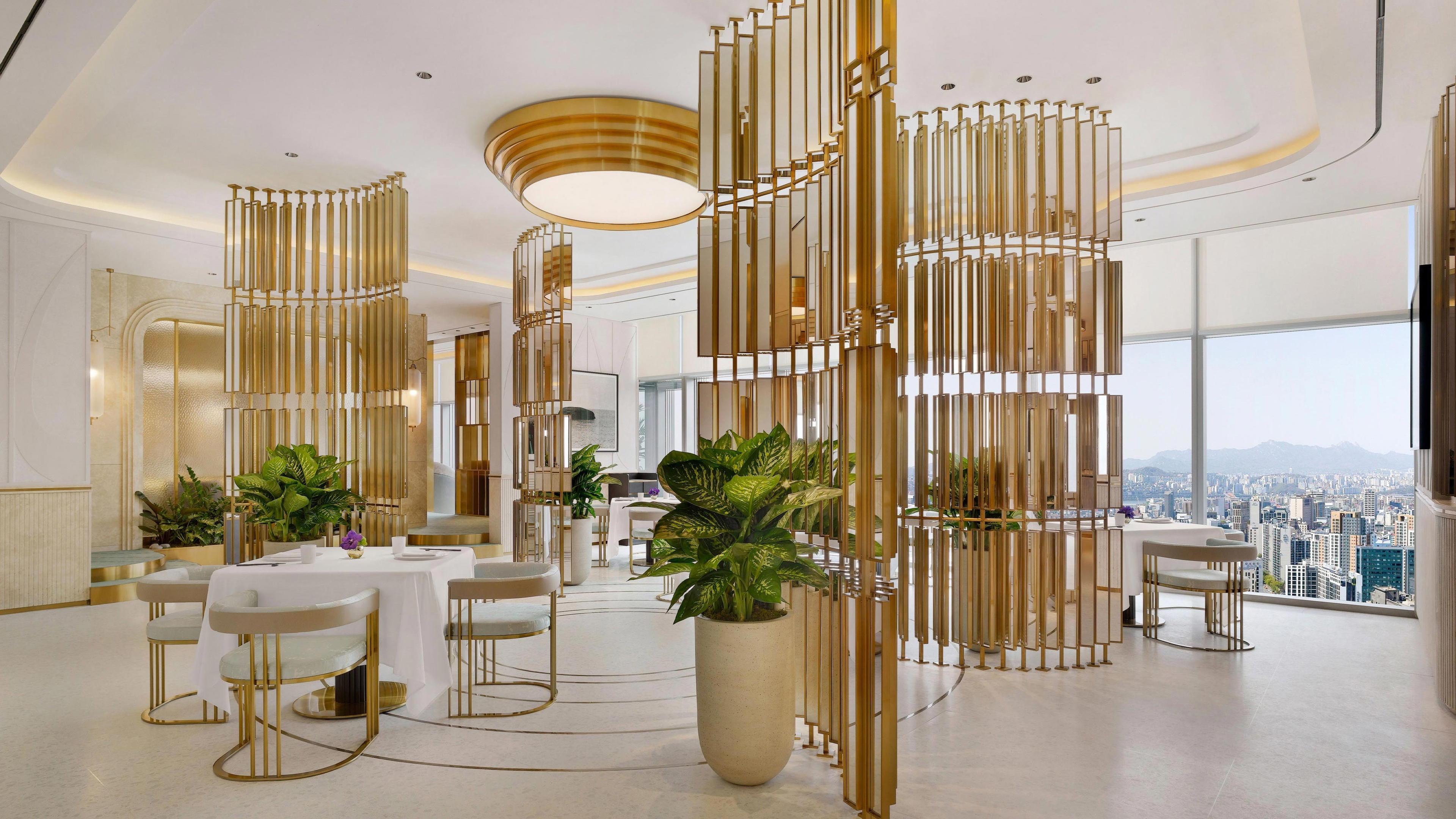
Hong Bo Gak brings Korean Chinese cuisine to Gangnam with a seriousness that the category rarely receives in Seoul. Holding 77 points on La Liste's Top Restaurants list in both 2025 and 2026, it occupies a recognised tier above the neighbourhood's casual jajangmyeon counters. The address on Bongeunsa-ro places it at the convergence of old-money Gangnam and the temple district.

Pearl is the En Primeur Club membership app, where members save venues, book tables and use the concierge.
Where Gangnam Meets an Overlooked Culinary Tradition
Korean Chinese cuisine, the local adaptation of Chinese cooking that arrived through Incheon's port communities in the late nineteenth century, has long occupied an ambiguous place in Seoul's dining hierarchy. Familiar enough to be comfort food, it rarely earns the kind of institutional respect that Michelin and La Liste extend to Korean fine dining or contemporary tasting menus. Hong Bo Gak (홍보각) is an exception, holding 77 points on the La Liste Leading Restaurants ranking in both 2025 and 2026, placing it on a global list that also features venues like Le Bernardin in New York City and Atomix in New York City. That sustained score across two consecutive editions is a signal of consistency rather than novelty.
The address, 130 Bongeunsa-ro in Gangnam District, situates Hong Bo Gak in a corridor that runs between the commercial density of Coex and the quiet grounds of Bongeunsa Temple. The neighbourhood carries a particular Gangnam character: composed, well-resourced, and less prone to trend cycles than areas further north. Restaurants that survive here for years tend to do so on the loyalty of a local clientele that returns because the food is reliable, not because the venue is new. For Seoul's broader restaurant scene, that kind of tenure carries its own authority.
The Lunch-Dinner Divide in Korean Chinese Dining
The distinction between lunch and dinner service in Korean Chinese restaurants is more pronounced than in most other categories. Lunch at venues in this tradition tends toward efficient, portion-focused eating: bowls of jajangmyeon, plates of jjamppong, quick tangsuyuk orders shared across a table. The pace is faster, the room louder, and the value proposition clearer. Dinner shifts the register. Larger groups gather for banquet-style meals, multi-course formats, and dishes that require more preparation time, roasted whole preparations, seafood that benefits from slower cooking, and service that accommodates longer sittings.
At a venue with Hong Bo Gak's La Liste standing, dinner is where the kitchen's capability is most visible. The banquet tradition in Korean Chinese cooking, influenced by the Chinese restaurant culture that took root in cities like Incheon and then migrated to Seoul's commercial districts, rewards the kind of group dining that gives a kitchen the chance to show range. Lunch remains an entry point, and for those exploring the category without committing to a full evening meal, it functions as a lower-stakes introduction to the kitchen's approach. That said, the formal reputation of the address and the consistency of its La Liste recognition suggest dinner is the more considered visit.
Gangnam's premium dining tier has diversified considerably over the past decade. Venues like Mingles and Jungsik anchor the contemporary Korean and international fine dining end, while Korean tasting formats at Kwonsooksoo and 권숙수 in Gangnam-gu serve an audience invested in the refinement of traditional Korean ingredients. Innovative formats at alla prima and Soigné occupy a different register again. What Hong Bo Gak represents in this context is a distinct category: Korean Chinese at a level of seriousness and recognition that has no obvious peer in Gangnam's current dining map.
Korean Chinese Cuisine as a Category in Seoul
The cuisine served at venues like Hong Bo Gak developed from the Shandong Chinese immigrant communities that settled in Korea from the late 1800s onward. Over generations, it was shaped by local ingredient availability and Korean palate preferences until it became a genuinely distinct culinary form, neither strictly Chinese nor a direct fusion. Jajangmyeon (black bean noodles), jjamppong (spicy seafood noodle soup), and tangsuyuk (sweet and sour pork or beef) became the genre's defining dishes, but the upper tier of the category extends into elaborate seafood preparations, aged vinegar sauces, and banquet formats that trace their lineage to formal Chinese banquet traditions.
The La Liste score places Hong Bo Gak in company with venues like Gaon in Seoul, which draws on a different stream of Korean culinary formality. The comparison is instructive: both venues occupy specialist niches within Korean dining that sit outside the tasting-menu innovation circuit, drawing on deep culinary traditions rather than contemporary technique. Elsewhere in Korea, venues like Mori in Busan and Baegyangsa Temple in Jangseong-gun show the range of specialised dining formats that earn La Liste recognition outside the Seoul fine dining mainstream. Hong Bo Gak's consistent scoring suggests it meets a comparable standard within its own category.
| Venue | Cuisine | Price Tier | Recognition |
|---|---|---|---|
| Hong Bo Gak | Korean Chinese | Not published | La Liste 77pts (2025 & 2026) |
| 7th Door | Korean, Contemporary | ₩₩₩₩ | Premium Gangnam tier |
| Onjium | Korean | ₩₩₩₩ | Traditional Korean specialist |
| Soigné | Innovative | ₩₩₩₩ | Contemporary Seoul circuit |
| Zero Complex | Korean-French, Innovative | ₩₩₩₩ | Hybrid format, Gangnam |
That specificity is part of its identity: it does not compete on the same terms as Soigné or Zero Complex, which belong to the contemporary innovation tier. Its La Liste points reflect sustained quality in a different register, one where culinary lineage and execution of established forms are the primary criteria. For visitors exploring Seoul's dining range beyond the tasting-menu format, it represents a category that the city's most recognised dining guides have been slow to document.
Planning Your Visit
The Bongeunsa-ro address is accessible from Samseong station on Metro Line 2, and the Gangnam District location places it within easy reach of the COEX area hotels and the broader Apgujeong-Sinnonhyeon corridor. For wider Seoul planning, the Seoul hotels guide, Seoul bars guide, Seoul experiences guide, and Seoul wineries guide provide broader context for building an itinerary. If Korean Chinese cuisine is new territory, pairing a lunch visit with a separate evening reservation elsewhere in Gangnam, at a venue like a reference point for sustained institutional restaurant operation or a contemporary Seoul format, makes for a more complete read of the city's range.
Frequently asked questions
What's 홍보각 - Hong Bo Gak's location?
홍보각 - Hong Bo Gak is located at 130 Bongeunsa-ro, Gangnam District, Seoul, Seoul.
What distinctions does 홍보각 - Hong Bo Gak have?
홍보각 - Hong Bo Gak has received recognition including: La Liste Top Restaurants (2026): 77pts; La Liste Top Restaurants (2025): 77pts.
What do people recommend at 홍보각 - Hong Bo Gak?
The kitchen works within the Korean Chinese canon, where the reference dishes are black bean noodle preparations (jajangmyeon), spicy seafood soups (jjamppong), and sweet-and-sour pork. These are the category benchmarks by which Korean Chinese restaurants are typically judged, and La Liste's consecutive 77-point ratings across 2025 and 2026 suggest Hong Bo Gak holds a credible position within that framework.
Should I book 홍보각 - Hong Bo Gak in advance?
La Liste recognition at 77 points for two consecutive years places Hong Bo Gak among the more formally regarded Korean Chinese venues in Seoul, which generally means dinner service fills ahead of walk-in availability. Advance booking is the safer approach, particularly on weekends, given the Gangnam District address draws both local regulars and visitors staying near the COEX corridor.
What makes 홍보각 - Hong Bo Gak worth seeking out?
Korean Chinese cuisine receives considerably less press attention in Seoul than contemporary Korean or international fine dining formats, which means La Liste's 77-point rating here carries more signal than the score alone suggests, it is applied against a category that most critical guides overlook entirely. The Bongeunsa-ro address in Gangnam also makes it accessible from Samseong station on Metro Line 2, placing it within straightforward reach of the city's central business and hotel district.
Peers You’d Cross-Shop
| Venue | Cuisine | Price | Awards | Notes |
|---|---|---|---|---|
| 홍보각 - Hong Bo GakThis venue (the venue you are viewing) | Modern Chinese | $50–100 | La Liste Top Restaurants | Not listed |
| 7th Door | Modern Korean Fermentation Fine Dining | $100–150 | 1 Michelin Star · World's 50 Best #49 | Korean, Contemporary |
| Solbam | Contemporary Neo-Classical Korean | $200–300 | 1 Michelin Star · World's 50 Best #55 | Contemporary |
| Onjium | Modern Korean Royal Court Cuisine | Not listed | 1 Michelin Star · World's 50 Best #41 | Korean |
| L'Amitié | Classic French Fine Dining | $100–150 | 1 Michelin Star · La Liste Top Restaurants | French |
| Zero Complex | Modern French Neo-Bistro | $100–150 | 1 Michelin Star · La Liste Top Restaurants | Korean-French, Innovative |
Recognition history
Dated appearances from independent guides and award organizations, with the underlying list record or original source where available.
La Liste Top Restaurants
La Liste
Full recognition history (2 entries)
La Liste Top Restaurants
La Liste