Reinhart
Our verdict
Reinhart sits on Erlenweg in Prien am Chiemsee, a Bavarian lakeside town whose proximity to Alpine farms, lake fisheries, and market gardens shapes the best local kitchens. While full details on format and menu remain limited, the address places it squarely within a regional dining culture defined by seasonal produce and the agricultural rhythms of the Chiemgau valley.

Pearl is the En Primeur Club membership app, where members save venues, book tables and use the concierge.

Where Chiemgau's Larder Meets the Lake
Prien am Chiemsee sits at the northern edge of the Bavarian Alps, where the flat meadows of the Chiemgau open onto Germany's largest lake. That geography is not incidental to the town's food culture. The farms supplying milk, cheese, and meat to local restaurants operate within a few kilometres of the waterfront. The lake itself feeds kitchens with whitefish, pike-perch, and freshwater crayfish at volumes that coastal towns rarely enjoy from a single inland source. Restaurants in this corner of Upper Bavaria that take ingredient sourcing seriously have almost no excuse not to: the raw material arrives faster and fresher than almost anywhere in the German south.
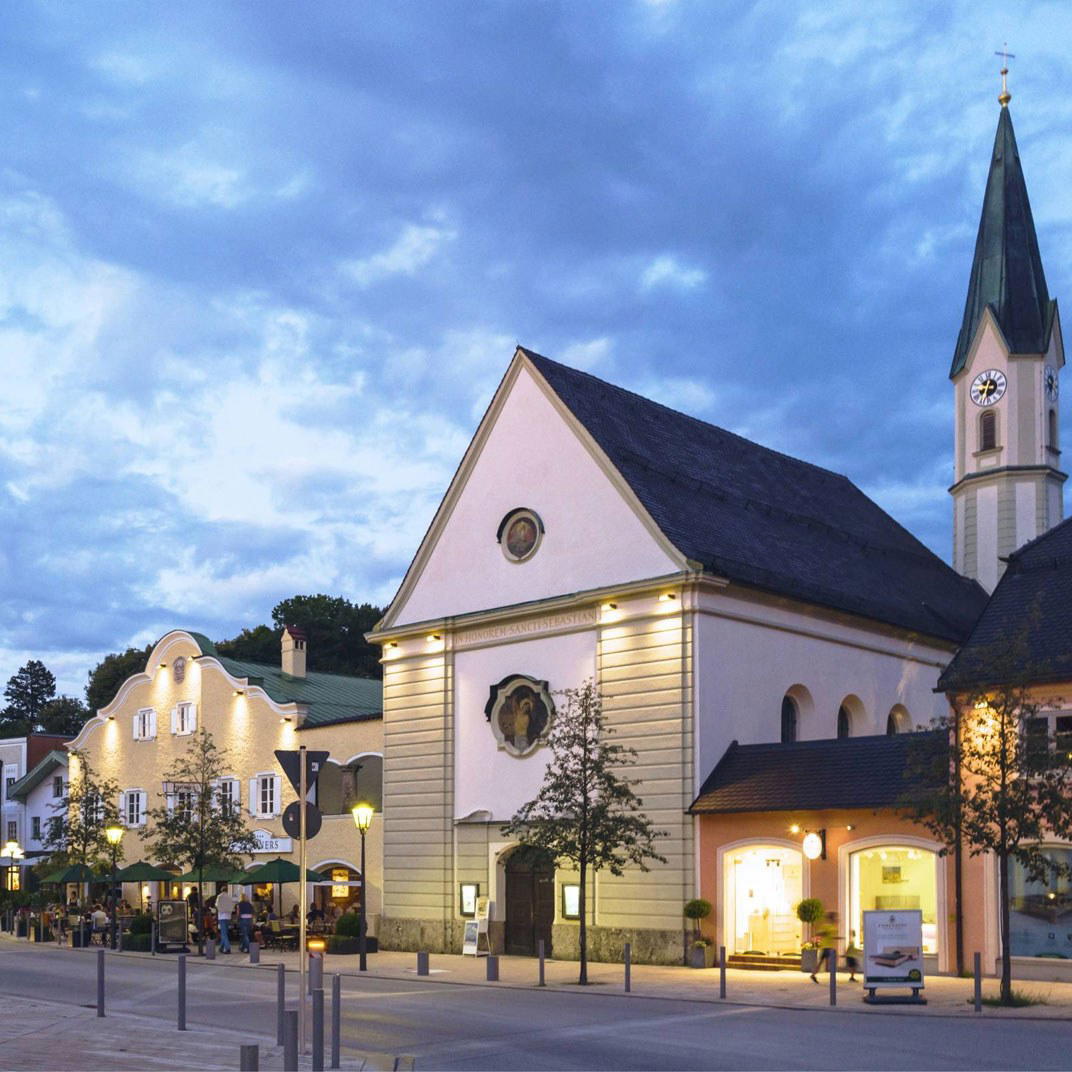
Reinhart, at Erlenweg 16, sits within that context. The address places it in a residential quarter of Prien, slightly removed from the tourist pressure of the lakefront promenade, a location that in towns like this tends to correlate with kitchens that rely more on word of mouth and repeat local trade than on passing foot traffic.
The Chiemgau Sourcing Tradition
Across southern Bavaria, the most considered restaurants have long structured their menus around what the Chiemgau's agricultural calendar makes available. That means Alpine dairy in late spring and summer, lake fish year-round but at their leanest and most flavourful in colder months, foraged ingredients from the forest slopes above the valley in autumn, and root vegetables and preserved goods carrying kitchens through winter. The pattern echoes what kitchens at ES:SENZ in Grassau, roughly 30 kilometres to the southeast, have made into a formal framework, with that restaurant's Michelin recognition signalling that the region can support cooking at high technical levels when the sourcing foundation is solid.
That regional benchmark matters when thinking about Prien's own dining scene. The town is not a fine-dining destination in the way that, say, Baiersbronn is, where Schwarzwaldstube anchors an entire culinary identity around a single hotel address. Prien operates instead as a well-provisioned lakeside town where several kitchens produce food whose quality is disproportionate to the town's profile. Wachter Foodbar and Zum Fischer am See sit within that cohort, each approaching the local larder from a different angle. Reinhart occupies the same general category: a local address whose draw is rooted in place rather than prestige.
Ingredient-Led Cooking in a Region Built for It
The logic of ingredient sourcing in Chiemgau is direct in geographic terms but demanding in culinary ones. Working with what the valley and lake produce means accepting seasonality as a structural constraint rather than a marketing position. A kitchen in this region that commits to that approach will change its menu more often than a kitchen importing year-round from consolidated suppliers, and will develop deeper relationships with a smaller number of farms, fishermen, and foragers. That operational model produces food that reads differently on the plate: the textures and flavours of produce harvested at correct maturity from nearby land are measurably different from those of produce that has travelled further or been picked early for transport.
Germany's broader fine-dining scene has moved strongly in this direction over the past decade. JAN in Munich, around 80 kilometres northwest, represents one version of this approach at high technical intensity. Further afield, Aqua in Wolfsburg and Vendôme in Bergisch Gladbach operate in the register where sourcing transparency combines with elaborate technique. What makes the Chiemgau version distinct is that the regional ingredient base is so specific, the lake, the Alpine pastures, the valley's microclimate, that even modest kitchens can produce food with a clear sense of place without requiring the technical apparatus of a three-Michelin-star operation.
Reading Prien's Dining Character
For visitors arriving by train from Munich, the journey takes just over an hour on the Meridian regional service, with Prien am Chiemsee Bahnhof a walkable distance from most of the town's restaurants. The town functions primarily as a summer resort, with ferry connections to Herrenchiemsee island and the Alps visible on clear days across the water. That seasonal concentration means the local restaurant trade peaks sharply between June and September, and kitchens that rely on steady local custom year-round tend to develop a regulars-first orientation that shapes both the menu and the room.
That orientation is common across the regional tier of German lakeside dining. The comparison set for a restaurant like Reinhart is not the ambitious destination restaurants of Restaurant Haerlin in Hamburg or Victor's Fine Dining by christian bau in Perl, nor even the creative formats of CODA Dessert Dining in Berlin or ATAMA by Martin Stopp in Sankt Ingbert.
Internationally, the model has clear analogues. The discipline of working close to the source, refusing imported produce when local alternatives exist, adjusting the menu to what arrived that morning rather than what the printer ran last season, is the same discipline that defines kitchens from Le Bernardin in New York City in its relationship to the sea to Atomix in New York City in its approach to Korean fermentation traditions. The scale and price tier differ enormously, but the underlying logic of letting the source material set the terms is consistent.
Planning a Visit
Given the address on Erlenweg, the practical approach is to contact the restaurant directly ahead of any visit, particularly during peak summer months when lakeside Prien fills quickly. For broader orientation, the EP Club guide to Prien am Chiemsee covers the town's full dining options with current availability and practical logistics. Visitors who want to combine a meal in Prien with a wider pass through Bavaria's fine-dining circuit should note that ES:SENZ in Grassau and Schanz in Piesport, though the latter requires a longer detour west toward the Mosel, represent the regional reference points for what Bavarian-adjacent sourcing-led cooking can achieve at its most focused.
Frequently asked questions
Is Reinhart a family-friendly restaurant?
Prien am Chiemsee is a resort town with a strong family orientation, and restaurants along the Chiemsee lakefront broadly reflect that character. Reinhart's address on Erlenweg places it within a residential quarter of the town rather than a formal dining strip, which typically signals a more relaxed, neighbourhood-style welcome. Confirmed details on seating format or dedicated children's provisions are not yet in EP Club's dataset, so contacting the restaurant directly before visiting with young children is advisable.
How would you describe the vibe at Reinhart?
Prien am Chiemsee operates at a different tempo from Munich, and restaurants here tend to reflect that: the pace is unhurried, the register is informal, and the connection to the surrounding countryside is usually worn openly. Reinhart's location on Erlenweg, a residential address rather than a commercial dining row, points toward a room that prioritises locality over performance. Beyond that geographic anchor, confirmed atmosphere details are not yet available in EP Club's dataset.
How far is Reinhart from Munich, and is it practical as a day trip destination?
Prien am Chiemsee sits roughly 85 kilometres southeast of Munich by road. The Meridian regional train service connects Munich Hauptbahnhof to Prien am Chiemsee Bahnhof in just over an hour, and Erlenweg, Reinhart's address, is within walking distance of the station. That makes an evening or weekend lunch visit from the city logistically straightforward without requiring a car.
What's the signature dish at Reinhart?
In the Chiemgau context, the region's strongest culinary assets are its lake fisheries, Chiemsee Renke (whitefish) and pike-perch appear regularly on regional menus, alongside Alpine dairy and Chiemgau beef from small farms within the valley. Whether Reinhart draws directly on those producers is not confirmed, but the regional framework gives any visiting cook strong material to work with.
Fast Comparison
| Venue | Cuisine | Price | Awards | Notes |
|---|---|---|---|---|
| ReinhartThis venue (the venue you are viewing) | Modern Bavarian Heimatküche | $50–100 | Not listed | Not listed |
| Aqua | Contemporary German, Italian/Japanese, Creative | Not listed | Michelin 3 Star | Not listed |
| Schwarzwaldstube | Modern French Fine Dining | $150–200 | 3 Michelin Stars · World's 50 Best #47 | French, Classic French |
| CODA Dessert Dining | Dessert-Inspired Fine Dining | $200–300 | 2 Michelin Stars · World's 50 Best #82 | Creative |
| Vendôme | Modern German Haute Cuisine | $200–300 | 2 Michelin Stars · World's 50 Best #47 | Modern European, Creative |
| Tantris | Modern French Fine Dining | $300–500 | 2 Michelin Stars · World's 50 Best #73 | Modern French, French Contemporary |
Continue exploring
More in Prien am Chiemsee
Restaurants in Prien am Chiemsee
All restaurants in Prien am Chiemsee →
Bars in Prien am Chiemsee
Browse all →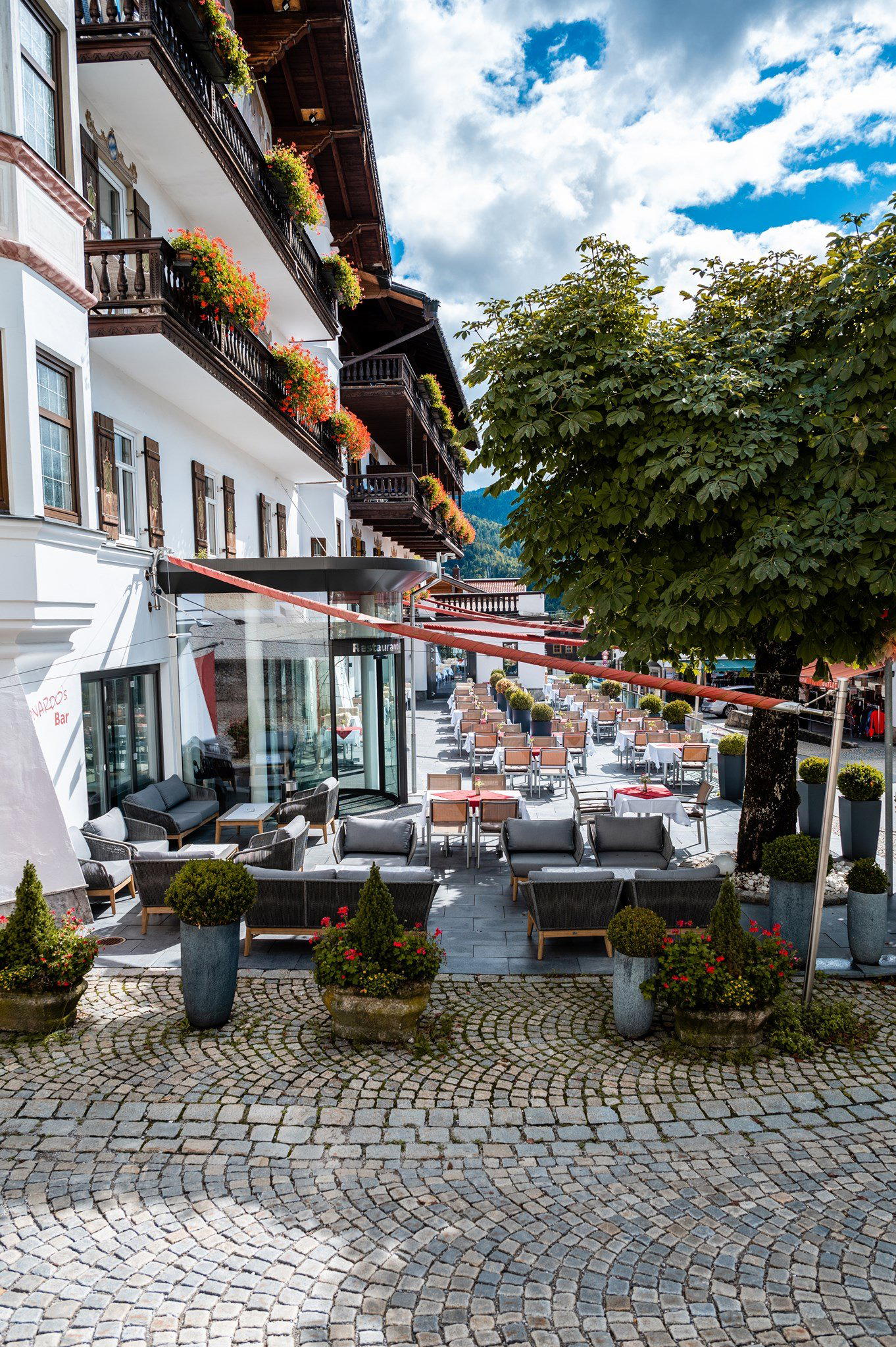
Details
- Classic
- Cozy
- Scenic
- Date Night
- Family
- Special Occasion
- Hotel Restaurant
- Garden
- Local Sourcing
- Garden
- A La Carte
- Vegetarian Friendly
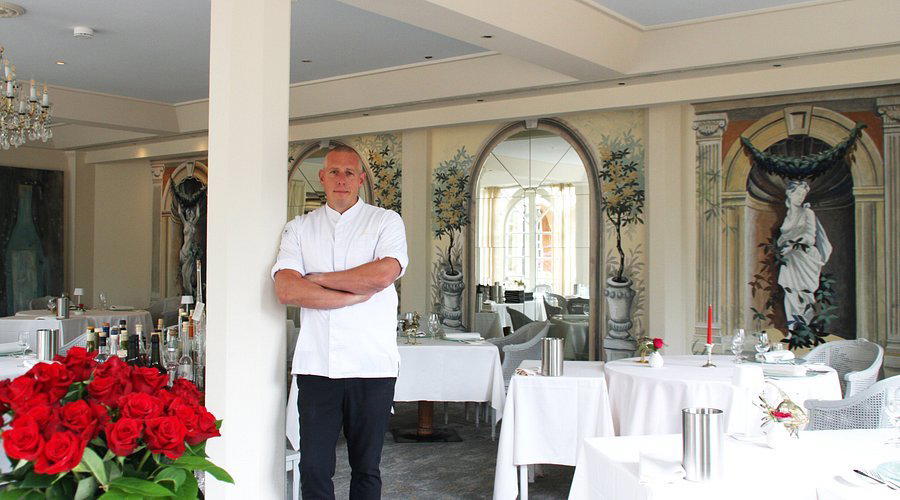
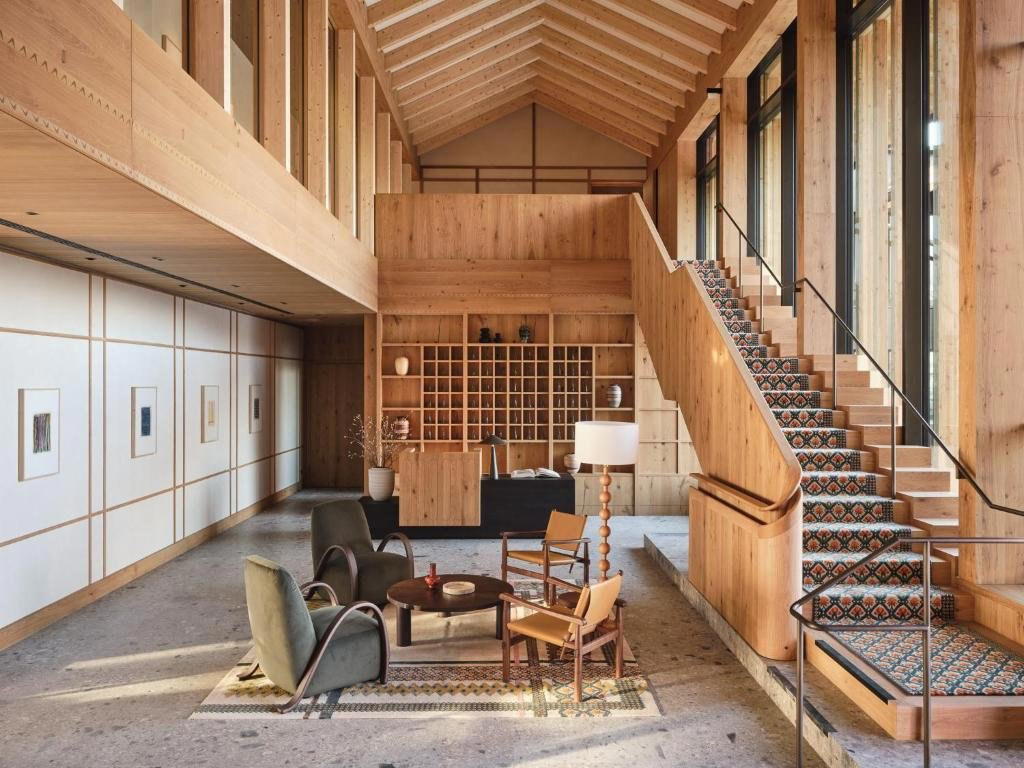
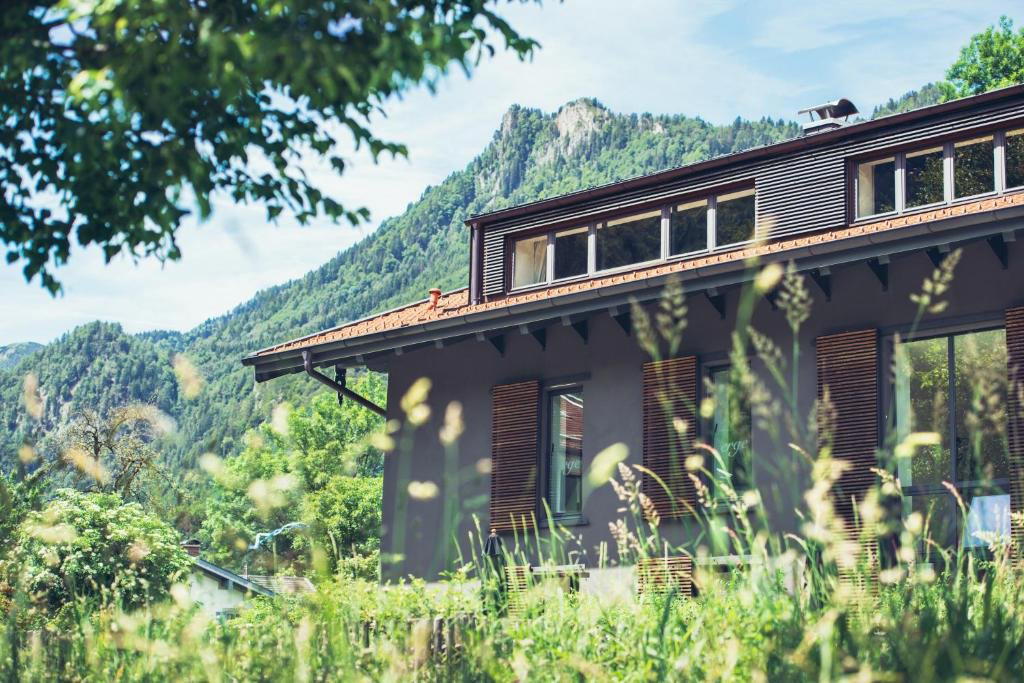
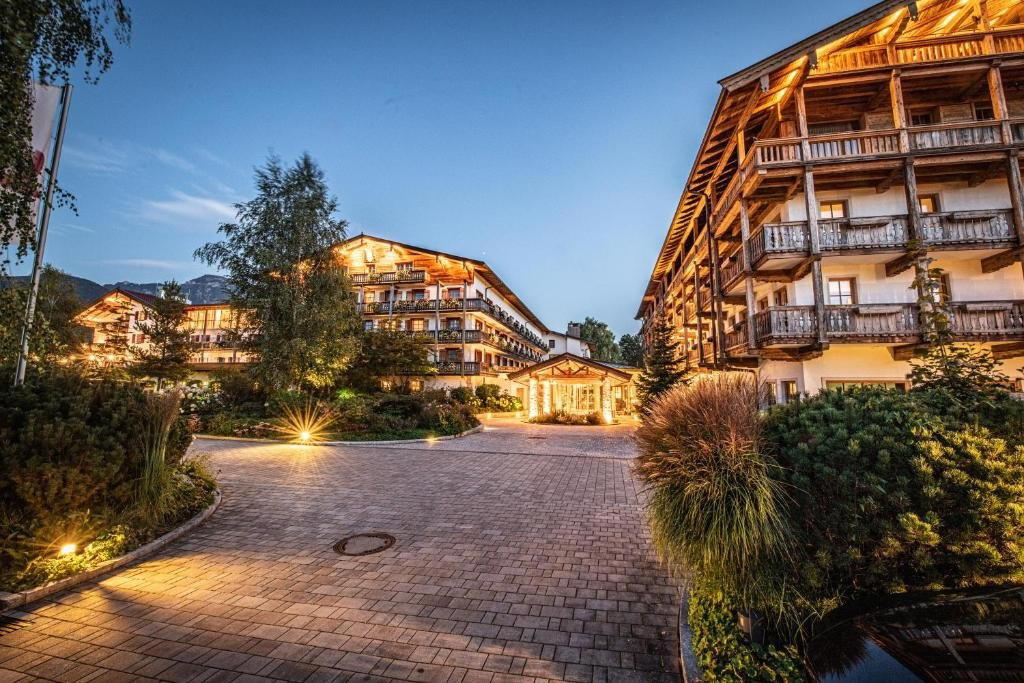
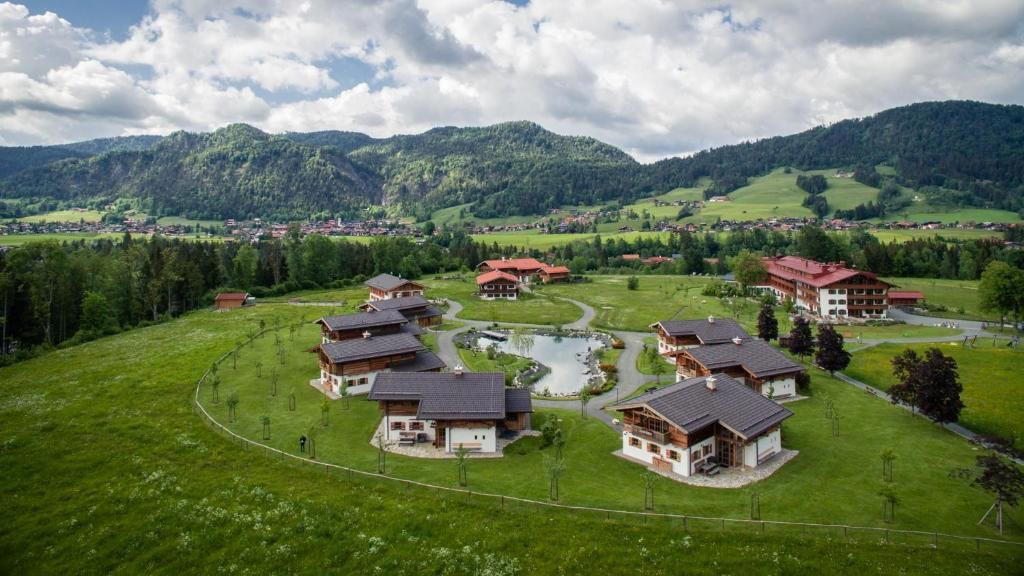
A relaxed hotel-garden setting with a traditional Bavarian country-house feel and an emphasis on calm, restorative hospitality.