Granárium
Where the Gemer Region Sets the Table Jablonov nad Turňou sits in the Gemer district of southern Slovakia, a stretch of countryside where agriculture and tradition have shaped the kitchen far more than any passing food trend. The village itself...
 Discover on Pearl
Pearl is the En Primeur Club membership app — saves, bookings, and concierge access live there. Same editors, same standards.
- Address
- Jablonov nad Turňou 137, 049 43 Jablonov nad Turňou, Slovakia
- Phone
- +421905981918
- Website
- granarium.sk
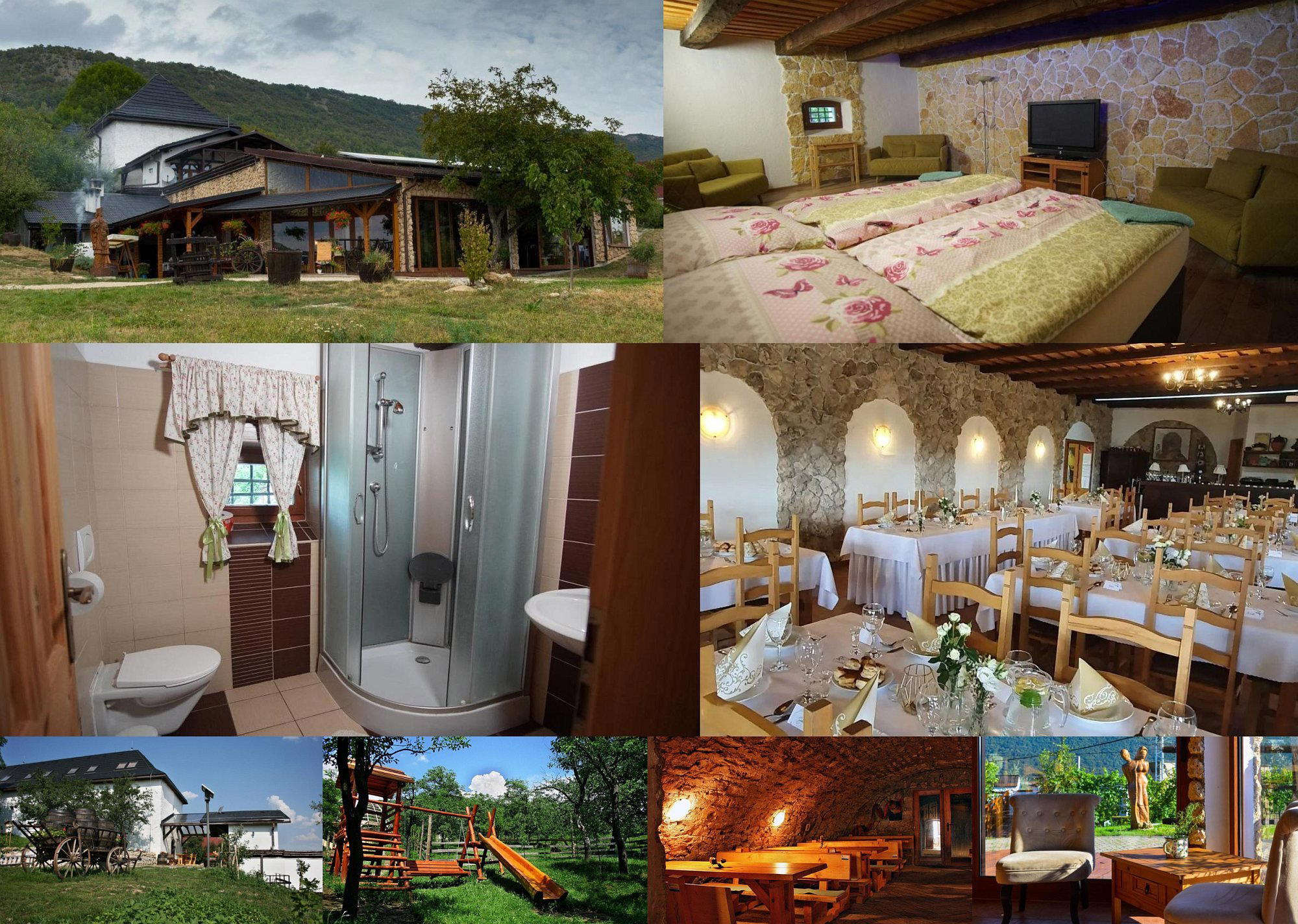
Where the Gemer Region Sets the Table
Granárium is a restaurant in Jablonov nad Turňou, Slovakia, serving Slovak home cooking with Mediterranean influences. The village itself is the kind of place you pass through on the way to the Slovak Karst, a UNESCO-listed cave system that draws geology enthusiasts and walkers rather than culinary tourists. That context matters: dining here is not a performance for visitors. It is an extension of how the region has always fed itself, with ingredients drawn from the surrounding land and prepared without much ceremony about it.
Granárium is at Jablonov nad Turňou 137 in Jablonov nad Turňou, Slovakia. The name itself, rooted in the Latin granarium, meaning granary, signals something about the building's history and the kitchen's orientation. Granaries were the infrastructure of agricultural life in this part of Central Europe, and a restaurant operating under that name carries at least an implicit argument about where its food comes from.
The Ingredient Logic of Rural Slovak Cooking
The Gemer region has historically been livestock and grain country, shaped by the Slovenské Rudohorie hills to the north and the Aggtelek-Karst borderland to the south. What grows and grazes here has always defined what goes on the plate: pork from village-scale production, dairy from upland pastures, mushrooms and game from managed forests, and root vegetables that keep well through the long Slovak winters. This is the sourcing tradition that rural Slovak restaurants in this tier draw from, and it produces a kitchen style that prioritizes preservation, fermentation, and slow cooking over rapid turnover of fashionable proteins.
In the broader Slovak dining context, the capital Bratislava has spent the past decade building a more international repertoire, with places like Don Saro Cucina Siciliana in Bratislava representing an imported Mediterranean tradition that would read as foreign in a Gemer village. Regional restaurants operating away from Bratislava tend to anchor themselves in local supply chains by necessity as much as philosophy, because the infrastructure for exotic imports simply does not exist at the same scale. That constraint, examined honestly, often produces better food than the alternative.
The koliba format, a traditional Slovak mountain lodge style of dining built around open fires and grilled meats, has a strong presence across rural Slovakia. Places like Koliba Patria in Strbske Pleso and KOLIBA na Vršku in Bytca operate in that tradition, leaning into the theatrics of wood smoke and communal eating. A venue with a granary identity is making a different argument: less about the hearth spectacle, more about what the land actually produces at the agricultural level.
Situating Granárium in the Regional Tier
Slovakia's rural dining scene, outside the High Tatras tourist circuit, does not receive systematic critical coverage. Michelin has not extended its Slovak guide into rural Gemer, and the international awards infrastructure stops well short of villages at this scale. That means the peer comparisons that matter here are practical rather than prestige-driven: how does a restaurant in Jablonov nad Turňou position itself against comparable offerings in nearby Rožňava or Košice, the nearest city of meaningful size?
Košice, about 50 kilometres northwest along the E571, has a more developed dining scene that includes casual spots like Bulli Kebab in Kosice, representing the urban fast-casual tier. The regional picture further north extends to Hotel and Restaurant Drak in Liptovsky Mikulas and, in the western regions, farm-anchored projects like Fatrabeef in Lubochna, which has built its identity explicitly around regional beef sourcing. The sourcing-forward model Fatrabeef represents is the logical comparison point for what a granary-named restaurant in agricultural Slovakia might be attempting.
For a broader survey of where Granárium sits within the local dining picture, our full Jablonov Nad Turnou restaurants guide maps the options in and around the village.
The Case for Eating Here
Rural Slovak restaurants that take their sourcing seriously occupy a small niche in a country where the dining conversation still tends to cluster around Bratislava and the High Tatras resort belt. Venues like Holotéch víška in Kosariska and Kaštieľ Čičmany in Cicmany demonstrate that the western Slovak countryside has developed a template for heritage-rooted dining with some critical traction. The Gemer region, less visited and less photographed, has not yet generated that level of external attention, which means restaurants operating here are still priced and paced for local use rather than tourist positioning.
That distinction is practically significant. A restaurant serving its own community rather than a passing visitor economy tends to operate with less theatrical markup. The food is cooked to the standards expected by people who will return next week, not to impress someone passing through once. In a region shaped by centuries of agricultural self-sufficiency, that orientation runs deep.
For context on what kitchen ambition looks like at the international level that Slovak rural cooking sits entirely outside, venues like Le Bernardin in New York City and Atomix in New York City represent the precision-technique end of the spectrum. The comparison is not competitive; it is calibrating. Rural Central European cooking answers different questions, about preservation, seasonality, and agricultural continuity, rather than technique for its own sake.
Planning Your Visit
Jablonov nad Turňou is most practically accessed by car; the village is served by regional roads connecting to Rožňava to the northeast and the E571 corridor toward Košice. Reservations are recommended. The Slovak Karst National Park, a short drive south, makes this area a viable half-day or full-day excursion from Košice, with a meal built into the return. Autumn, when the forest yields mushrooms and the harvest cycle closes, is the season when ingredient-driven kitchens in this part of Slovakia tend to show at their most coherent.
Other regional options worth noting for a broader itinerary include Focus Restaurant in Zilina and Cafe Sissi in Trencin for western Slovak stops, or Afrodita in Cerenany and Klára v GOYA vitality hotel in Voderady for the central and western corridor. For those building a western Slovak itinerary, Wild Kitchen Modra in Modra, Allora Fresh Pasta in Nitra, and Hotel & Restaurant Gino Park Palace in Povazska Bystrica round out a varied regional picture.
Quick Comparison
Comparable venues nearby, for context on price, style, and recognition.
| Venue | Cuisine | Price | Awards | Notes |
|---|---|---|---|---|
| GranáriumThis venue — the venue you are viewing | Slovak Home Cooking with Mediterranean Influences | $$ | , | |
| Krčma Letná | Traditional Slovak Cuisine | $$ | , | Staré Mesto |
| Slávia | Traditional Slovak with Modern Interpretation | $$ | , | city center |
| YellCousine | Modern Slovak Cuisine | $$ | , | Bystrická cesta |
| TERRA Jasová | Slovak Farm-to-Table | $$ | , | Jasova |
| Seven Restaurant Café by Villa Sandy, City Park Resort | New Cuisine of Slovakia | $$$ | 1 recognition | Staré Mesto |
Continue exploring
More in Jablonov Nad Turnou
Restaurants in Jablonov Nad Turnou
Browse all →
Hotels in Jablonov Nad Turnou
Browse all →
At a Glance
- Rustic
- Cozy
- Scenic
- Family
- Celebration
- Special Occasion
- Historic Building
- Garden
- Local Sourcing
- Garden
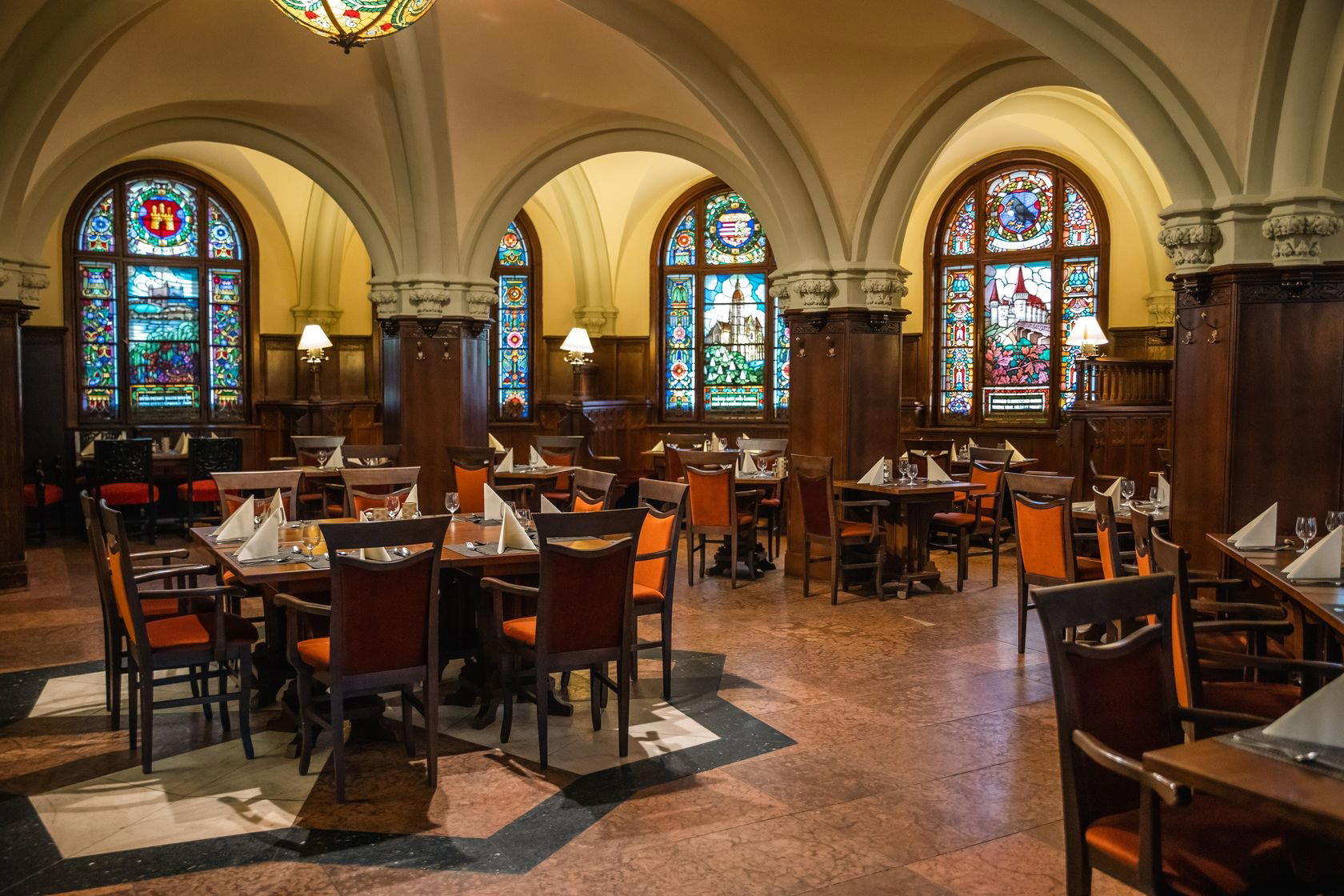
Pleasant atmosphere in a historic granary surrounded by beautiful utility and ornamental gardens.