
Tabelog 100 #62
Our verdict
Kyoto’s temple-side udon culture has a different rhythm from the city’s tasting-menu circuit: short hours, house-style broth, and queues that move around lunch rather than dinner. Hinode Udon belongs to that practical, local register near Nanzenji, with curry udon, udon, and soba in a 40-seat house-restaurant setting recognized by Tabelog 100 Udon WEST in 2024.

Pearl is the En Primeur Club membership app, where members save venues, book tables and use the concierge.
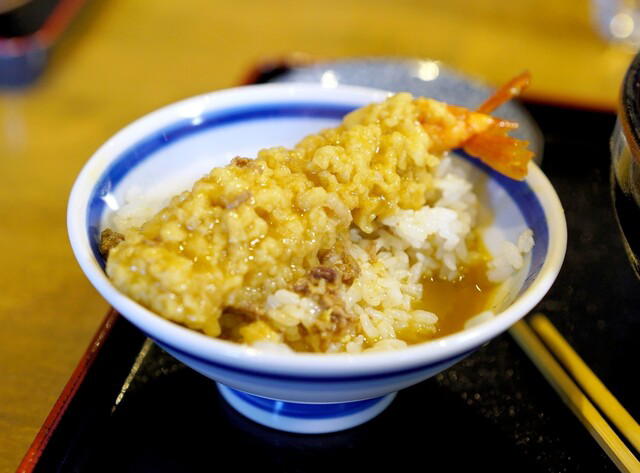
The menu
What to order
- Special curry udon
- Curry udon with meat
- Wakame curry udon
- Kuzu-kake udon
Approaching Hinode Udon in Kyoto, the city’s restaurant vocabulary shifts from formal dining rooms toward small lunch rooms, everyday counters, and specialist shops built around one decisive format. Here, noodles are not a fallback but a local category with its own hierarchy, timing, and regulars. Hinode Udon sits in that tradition, and its appeal depends on a focused noodle-shop identity as much as on the bowl.
Kyoto rewards travelers who distinguish ceremony from routine. Kaiseki may define the city internationally, but everyday Kyoto cooking is equally precise in quieter registers: sweets, bakeries, tofu shops, and noodle counters that compress lunch into a narrow, practical rhythm. Curry udon has a different character from sharper curry-rice idioms. Its broth must carry spice, wheat noodles, and dashi together, so balance matters more than heat.
Curry udon in Kyoto, not the station concourse
The relevant comparison is not luxury dining, but the split between Kyoto restaurants serving visitors a staged version of place and those embedded in the working lunch map. Hinode Udon’s compact categories are curry udon, udon, and soba, placing it in the noodle-shop lineage rather than the multi-genre casual field. Tabelog selected it for Tabelog 100 Udon WEST in 2024, a useful signal in a category where reputation comes from repeat custom, not spectacle.
The curry udon is best understood through that category logic rather than through elaborate claims about technique. Curry udon can become either curry with noodles or udon overwhelmed by spice. The better versions keep the broth legible, with spice and dashi working together rather than competing. At Hinode Udon, the appeal is the focused noodle-shop format: curry udon, udon, and soba set the frame, and the meal reads as a specific Kyoto lunch rather than a generic casual stop.
That focus explains why the room works for different kinds of diners. A noodle specialist with udon, soba, and curry udon can satisfy a visitor chasing a particular bowl and a local seeking a practical lunch. In Kyoto, this is often the difference between a good address and a useful one. The places that matter to neighborhoods absorb families, friends, solo lunches, and repeat orders without making every meal an event.
A Kyoto noodle shop with the city's lunch logic
The experience is best read as a compact Kyoto noodle-shop meal rather than a destination tasting. In the city’s everyday dining layer, the line between routine and craft often remains visible, especially outside the most formal restaurant categories. A focused lunch format changes the tempo: guests understand the practical rhythm, groups settle informally, and the meal reads as neighborhood-style dining rather than a staged culinary performance.
The Kyoto setting also shapes how to use it. This is the kind of restaurant that fits naturally into a walking day rather than a taxi-to-table plan. Kyoto draws visitors through temples, shops, gardens, and quiet streets; a noodle lunch fits that pattern better than a long multi-course reservation. Transit and walking remain the cleanest way to connect food with place, especially when lunch is meant to support the day rather than dominate it.
For travelers mapping Kyoto by category, this is a useful counterweight to the city’s formal dining image. Compare it with old-city and specialist formats such as Tsuruya, or with Kyoto’s casual specialist layer that includes Bäckerei Perkeo Alt Heidelberg and cheka in other everyday formats. These places do not compete directly; they show how Kyoto’s food culture is built from small, specific formats as much as famous counters and ryotei rooms. For a wider map, use Our full Kyoto restaurants guide, then place noodle lunches beside Our full Kyoto hotels guide, Our full Kyoto bars guide, Our full Kyoto wineries guide, and Our full Kyoto experiences guide rather than treating food as a separate itinerary.
How it fits into a serious Kyoto food day
The smart use case is a focused lunch in Kyoto. Kyoto itineraries often overload one day with temples, shopping streets, and a formal dinner, then leave lunch to chance. A curry udon specialist solves that without reducing the day to convenience food. It gives the day a culinary anchor that is specific, affordable by local restaurant standards, and recognized within the udon category, while preserving appetite and time for a more elaborate evening elsewhere.
Hinode Udon should not be read like Kyoto’s high-ritual dining rooms. Its value is narrower: a recognized udon shop in Kyoto, with curry udon, udon, and soba as the core categories, and a format suited to practical midday eating. That is different credibility from Michelin-style formality, but in Kyoto it is not lesser. It belongs to the city where daily repetition is the review system.
Broader-city comparisons sharpen the itinerary. Other Kyoto dining rooms and casual specialists point to different registers, while shrine and temple approaches across the city show how Kyoto supports long-running specialty formats. Beyond Kyoto, category-specific Japanese dining can be understood generically through noodle shops, curry specialists, casual counters, and sake bars, but Hinode Udon’s value is clearest when kept in its own Kyoto context: a focused udon address with Tabelog 100 Udon WEST 2024 recognition.
Frequently asked questions
Is Hinode Udon okay with children?
Hinode Udon is a Kyoto noodle shop with curry udon, udon, and soba listed as its categories. For family suitability and current service details, check the venue's official channels before going.
What's the vibe at Hinode Udon?
Expect a practical Kyoto noodle-shop setting rather than a formal dining room. The Tabelog 100 Udon WEST 2024 selection signals a place taken seriously for its udon category rather than for ceremony or decor.
What price level is Hinode Udon?
Pricing at Hinode Udon is listed as JPY 1,000 - JPY 1,999 JPY 1,000 - JPY 1,999 View spending breakdown.
Where is Hinode Udon?
Kyoto.
At a Glance
Comparable venues side-by-side for orientation.
| Venue | Cuisine | Price | Awards | Notes |
|---|---|---|---|---|
| Hinode UdonThis venue (the venue you are viewing) | Kyoto-style Curry Udon & Udon Noodles | $10–20 | Tabelog 100 #62 | Not listed |
| Bäckerei Perkeo Alt Heidelberg | Traditional German bakery & café | $10–20 | Tabelog 100 #98 | JPY 1,000 - JPY 1,999 View spending breakdown |
| Junsei | Authentic Japanese Yakitori | $50–100 | Not listed | Not listed |
| cheka | Japanese Sweets & Tea House | Not listed | Tabelog 100 #42 | JPY 1,000 - JPY 1,999 |
Recognition history
Dated appearances from independent guides and award organizations, with the underlying list record or original source where available.
Tabelog 100 #62 · No. 62
Tabelog · Tabelog 100 - Udon - WEST - 2024
Continue exploring
More in Kyoto
Restaurants in Kyoto
All restaurants in Kyoto →
Bars in Kyoto
All bars in Kyoto →
Hotels in Kyoto
All hotels in Kyoto →
Wineries in Kyoto
Browse all →
Details
- Cozy
- Classic
- Lively
- Casual Hangout
- Solo
- Family
- Group Dining
- Standalone
- Historic Building
- A La Carte
Current opening hours
- Monday
- 11 AM–3 PM
- Tuesday
- 11 AM–3 PM
- Wednesday
- 11 AM–3 PM
- Thursday
- 11 AM–3 PM
- Friday
- 11 AM–3 PM
- Saturday
- 11 AM–3 PM
- Sunday
- Closed
Hours can change for holidays and private events. Hours as of .