Cheonjee
Cheonjee sits in Seogwipo-si’s Jungmun resort belt, where Jeju dining is shaped by proximity to the sea, citrus groves, market produce, and hotel-driven demand. The appeal is less about a public awards narrative than context: this is a useful address for readers mapping the area’s restaurant options around regional sourcing and the practical rhythms of the south coast.
Pearl is the En Primeur Club membership app — saves, bookings, and concierge access live there. Same editors, same standards.
- Address
- 75 Jungmungwangwang-ro 72beon-gil, 특별자치도, Seogwipo, Jeju-do
- Directions
- Get directions
 Saves & bookings on Pearl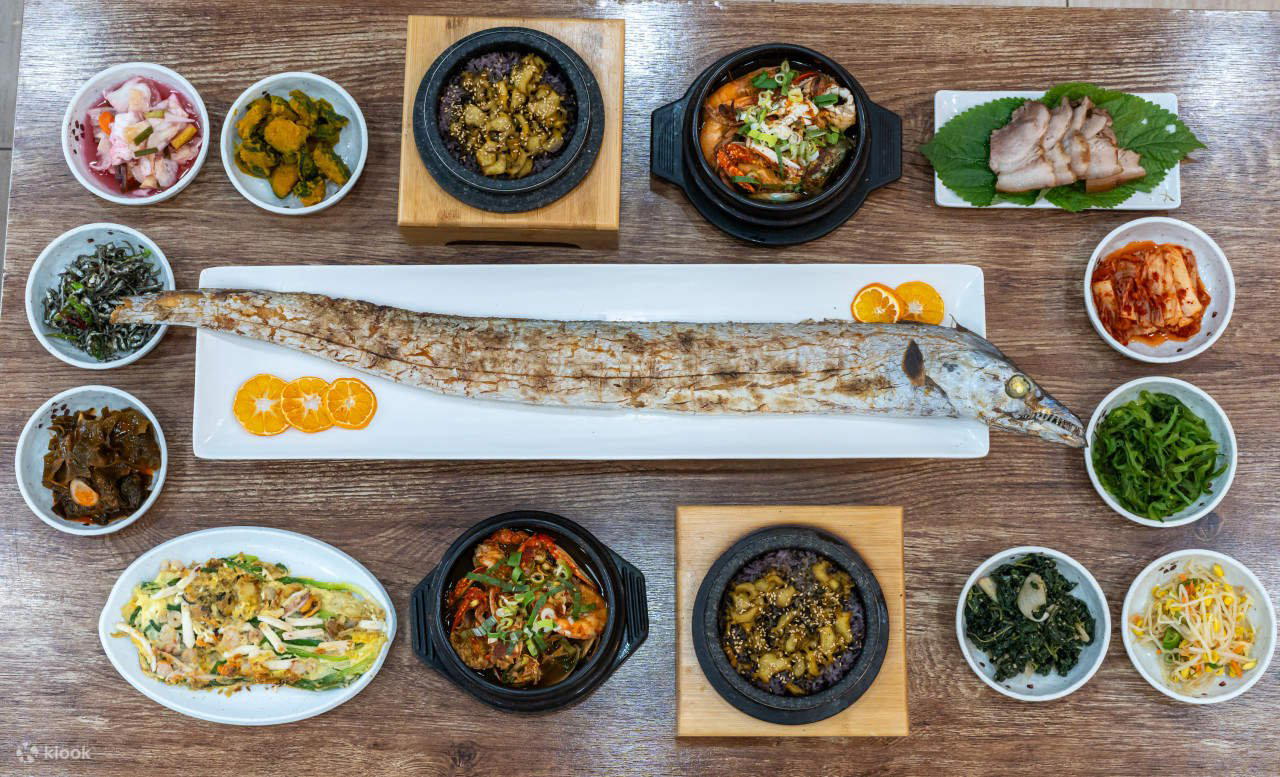
Approaching Jungmun, the mood changes from city dining to resort-edge Jeju: coastal roads, hotel traffic, volcanic stone walls, and the steady pull of the island’s produce calendar. In Seogwipo-si, restaurants are judged less by metropolitan spectacle than by how well they read the surrounding pantry. Seafood, citrus, field vegetables, pork, and fermentation do much of the cultural work here, and the stronger meals tend to understand that restraint matters more than decoration.
Cheonjee belongs to that Jungmun conversation. Its location places it inside one of Jeju’s busiest visitor corridors, but the better way to read the address is through supply rather than footfall. Southern Jeju has immediate access to fish landed along the coast, farms inland from the tourist strip, and a food culture that treats seasonality as a routine fact rather than a luxury claim. For a fuller scan of the local scene, start with Our full Seogwipo-si restaurants guide, then cross-check nearby dining rooms such as Hinode, Delica-Hans, Hanoru, Iidy, and ART CORDELIA.
Jungmun dining is strongest when Jeju ingredients set the terms
The south coast’s restaurant culture works on a different clock from Seoul’s tasting-menu circuit. Menus in resort districts often need to serve mixed groups, hotel guests, families, and visitors with limited time, yet the island’s sourcing gives even conventional formats a local register. Jeju’s citrus season, seafood supply, black-pork reputation, and vegetable farming around the volcanic interior all shape what diners expect before a dish reaches the table.
That context is useful for Cheonjee because there is no public awards platform or named chef narrative carrying the restaurant. The relevant question is practical and regional: does a Seogwipo-si table give the reader a clearer sense of Jeju than a generic resort meal would? In this part of the island, the answer usually depends on ingredient discipline. A restaurant does not need ceremony to be worthwhile; it needs to avoid treating Jeju produce as decoration.
Readers building a broader Korea itinerary should compare Seogwipo-si’s ingredient-led logic with colder, more urban, or more specialized formats elsewhere: 100.1. Pyeongnaeng in Busan for noodle culture, 10G in Seoul for capital-city dining, 88돼지 in 제주시 for another Jeju reference point, Abbeyroad in Sokcho-si for east-coast travel dining, and Baegyangsa Temple in Jangseong-gun for a different Korean food tradition built around discipline and place.
The appeal is regional clarity, not trophy dining
Seogwipo-si has a divided restaurant map. One side is resort convenience: hotel buffets, international menus, and polished rooms built for broad appeal. The other is Jeju specificity: seafood restaurants, pork specialists, market-driven kitchens, and quieter dining rooms that make sense only because of the island around them. Cheonjee is better assessed within that second question, even if its Jungmun location places it near the first.
That distinction matters. In a city with major awards attached to a venue, the award often tells the reader how to calibrate expectations. Here, the absence of a public award trail shifts attention to fit: where the restaurant sits, what kind of itinerary it serves, and whether it gives enough local texture to justify choosing it over a hotel meal. Nearby comparison points such as Hinode, Delica-Hans, and The Parkview show how wide the Jungmun spread can be, from independent restaurant choice to hotel-led dining formats.
For visitors staying in the area, the sensible approach is to treat Cheonjee as part of a Seogwipo-si cluster rather than a destination that defines a trip on its own. Pair restaurant planning with the wider city guides: Our full Seogwipo-si hotels guide, Our full Seogwipo-si bars guide, Our full Seogwipo-si wineries guide, and Our full Seogwipo-si experiences guide. For international contrast, Badang Lounge in Jeju, Jōdo Saké Bar in Los Angeles, and Onigiri Time in Pasadena show how coastal, Japanese, and Korean-adjacent formats can read differently once removed from their original supply chains.
How to place it in a Seogwipo-si plan
The useful reader decision is timing and intent. If the day is built around Jungmun, a meal here can sit naturally between resort schedules, coastal sightseeing, and a low-friction evening in Seogwipo-si. If the goal is a chef-driven room with a documented awards trail, this is not the strongest framing. The stronger case is geographic: a restaurant in the Jungmun corridor that belongs to a wider Jeju conversation about ingredients, proximity, and the difference between eating on the island and eating in a resort that happens to be on the island.
In Context: Similar Options
Comparable venues by cuisine and price in the same metro.
| Venue | Cuisine |
|---|---|
| Cheonjee | This venue |
Continue exploring
More in Seogwipo-si
Restaurants in Seogwipo-si
Browse all →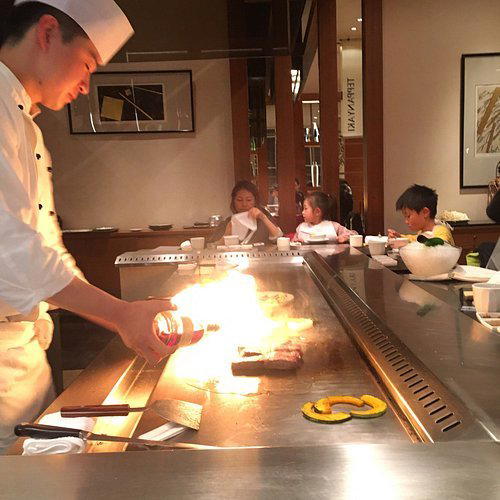
Bars in Seogwipo-si
Browse all →
At a Glance
- Elegant
- Classic
- Special Occasion
- Family
- Group Dining
- Date Night
- Hotel Restaurant
- Standalone
- Local Sourcing
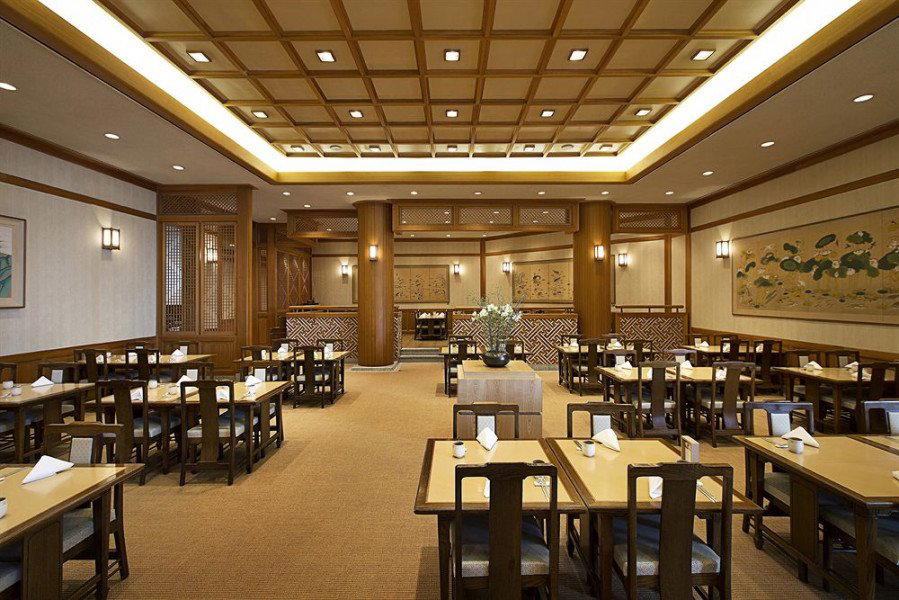
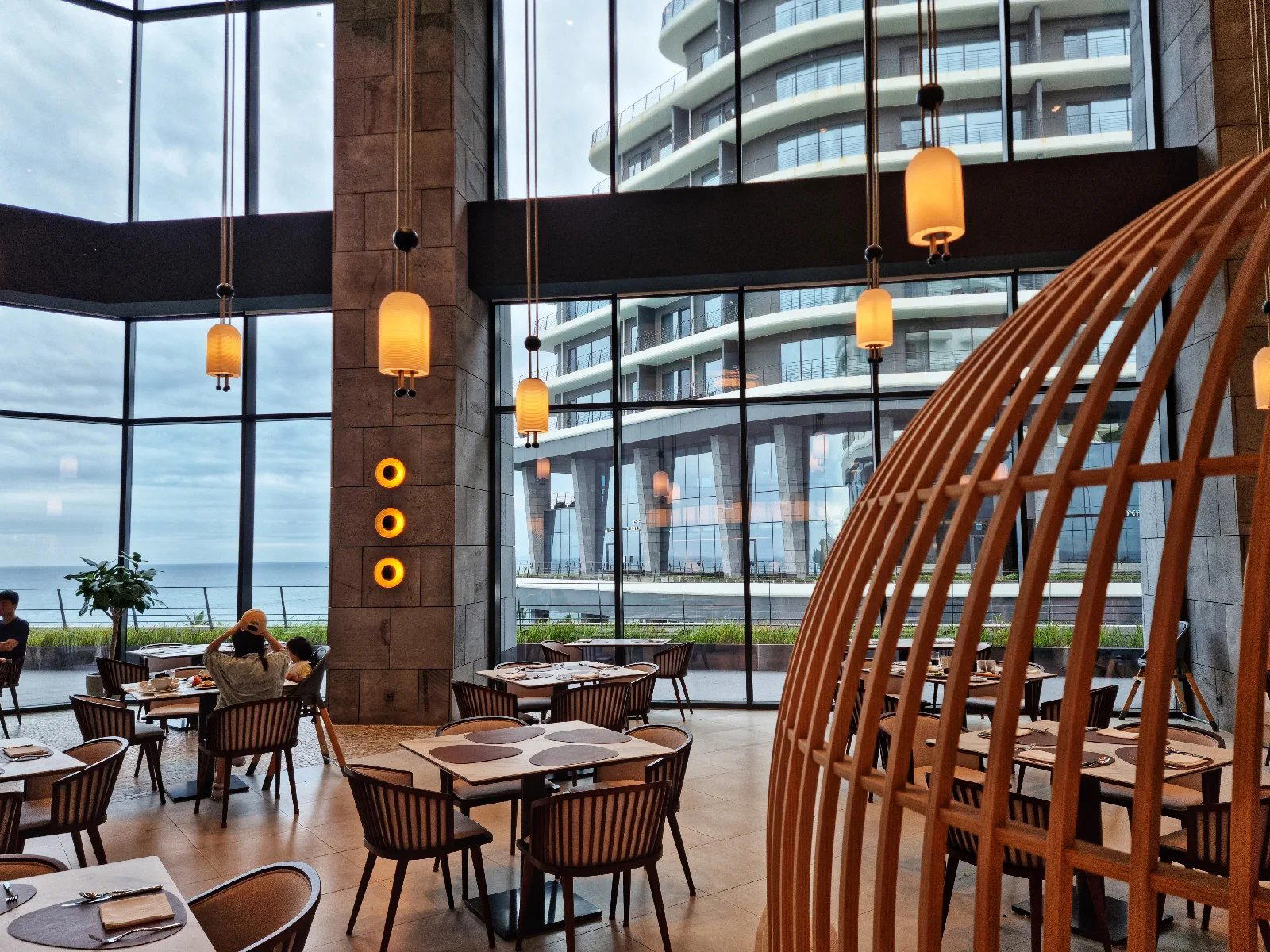
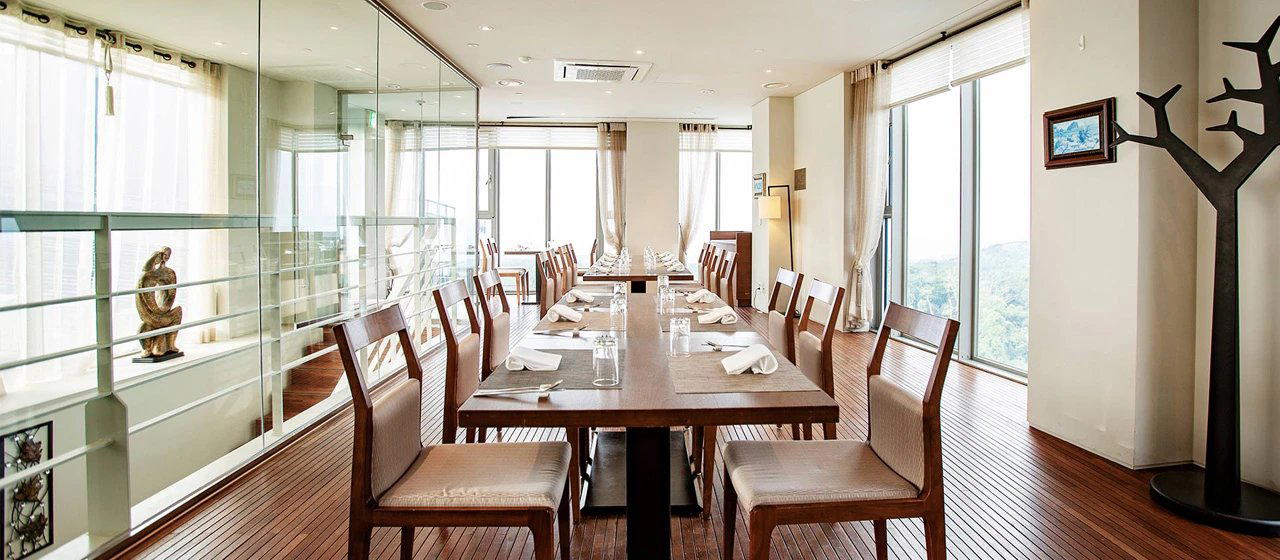
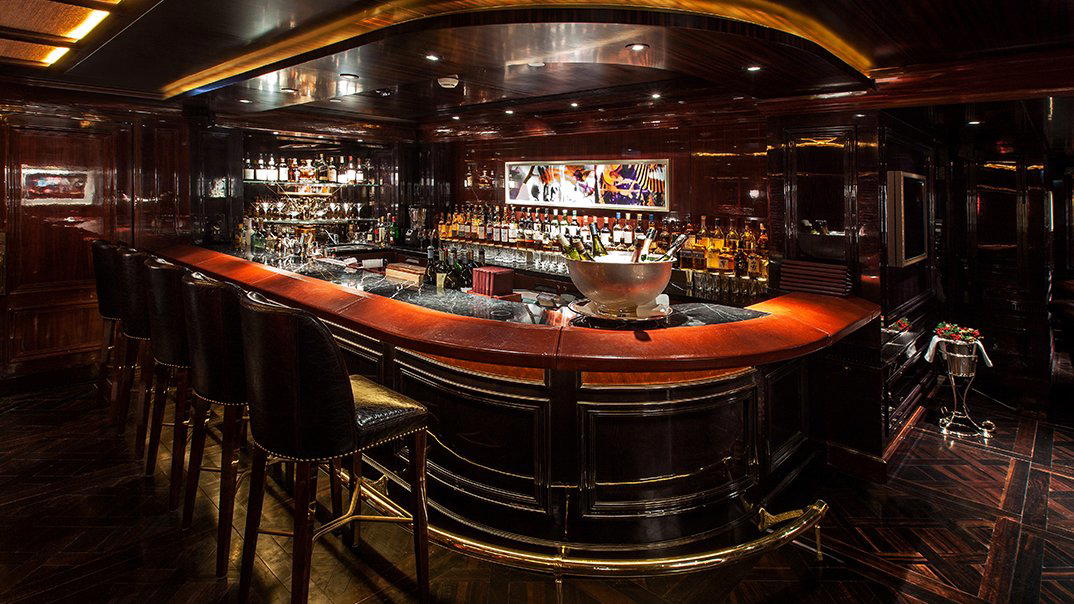
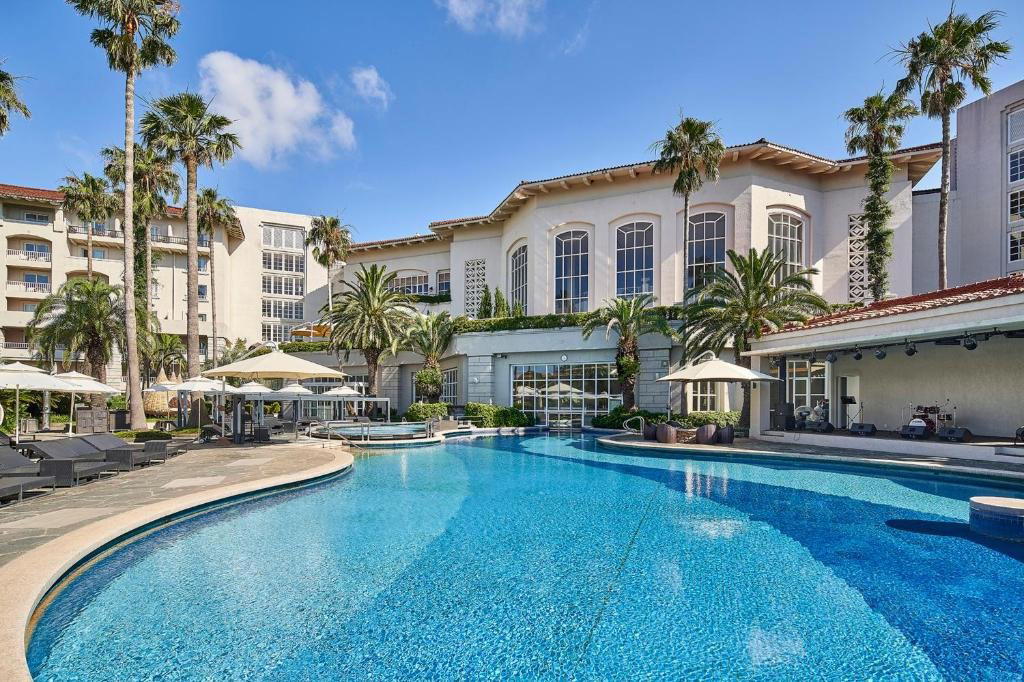
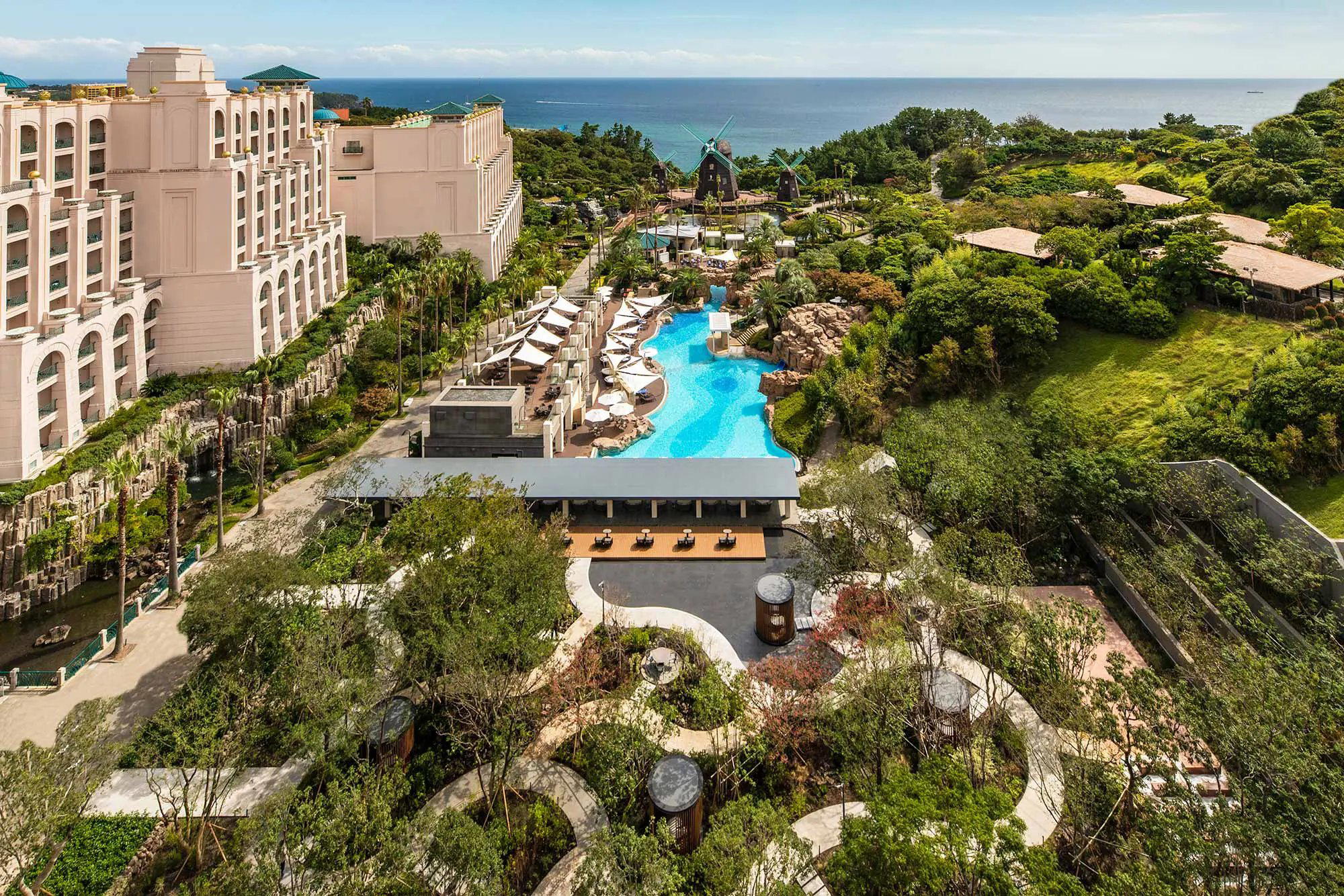
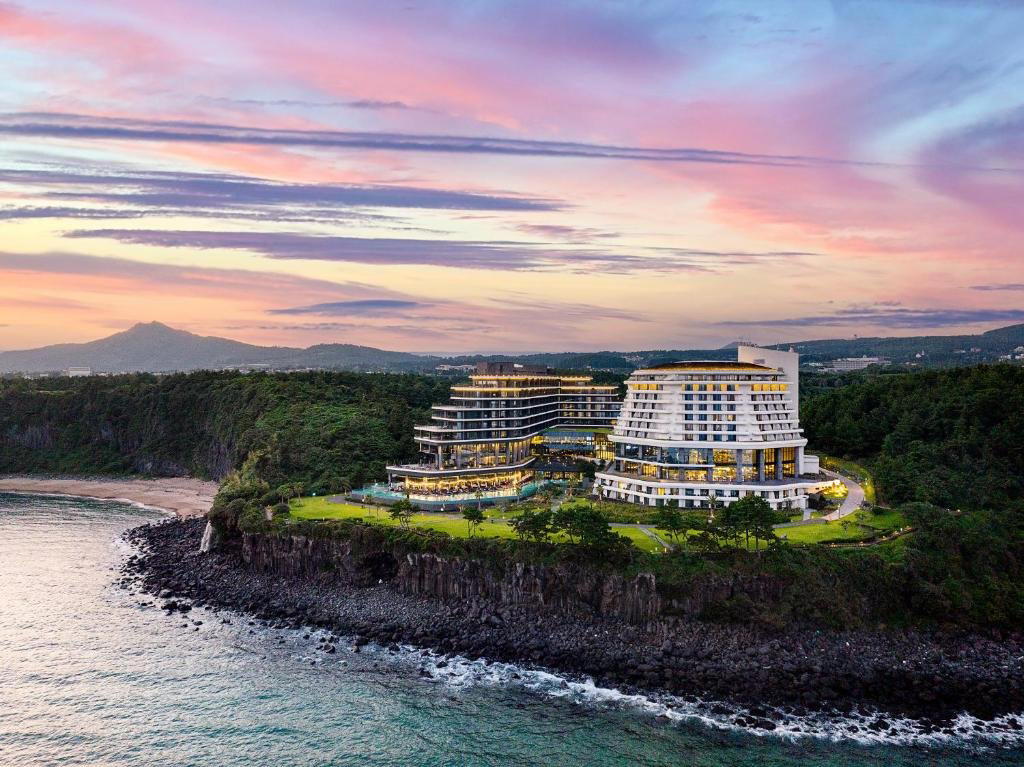
Upscale hotel-restaurant atmosphere with refined, traditional Korean decor and a calm, elegant feel suited to small gatherings and special meals.