Badang
Badang sits in Seogwipo-si’s Jungmun resort corridor, with an address inside a lobby rather than a street-facing drinking strip. The available record leaves the cocktail list, pricing, awards, and booking route unspecified, so the useful read is contextual: treat it as a hotel-lobby bar or lounge prospect in Jeju’s southern tourism zone, and verify current details before building an evening around it.
Pearl is the En Primeur Club membership app — saves, bookings, and concierge access live there. Same editors, same standards.
- Address
- 75 Jungmungwangwang-ro 72beon-gil, 특별자치도, Seogwipo, Jeju-do (Lobby)
- Directions
- Get directions
 Saves & bookings on Pearl
First read: a lobby address in Jeju’s resort belt
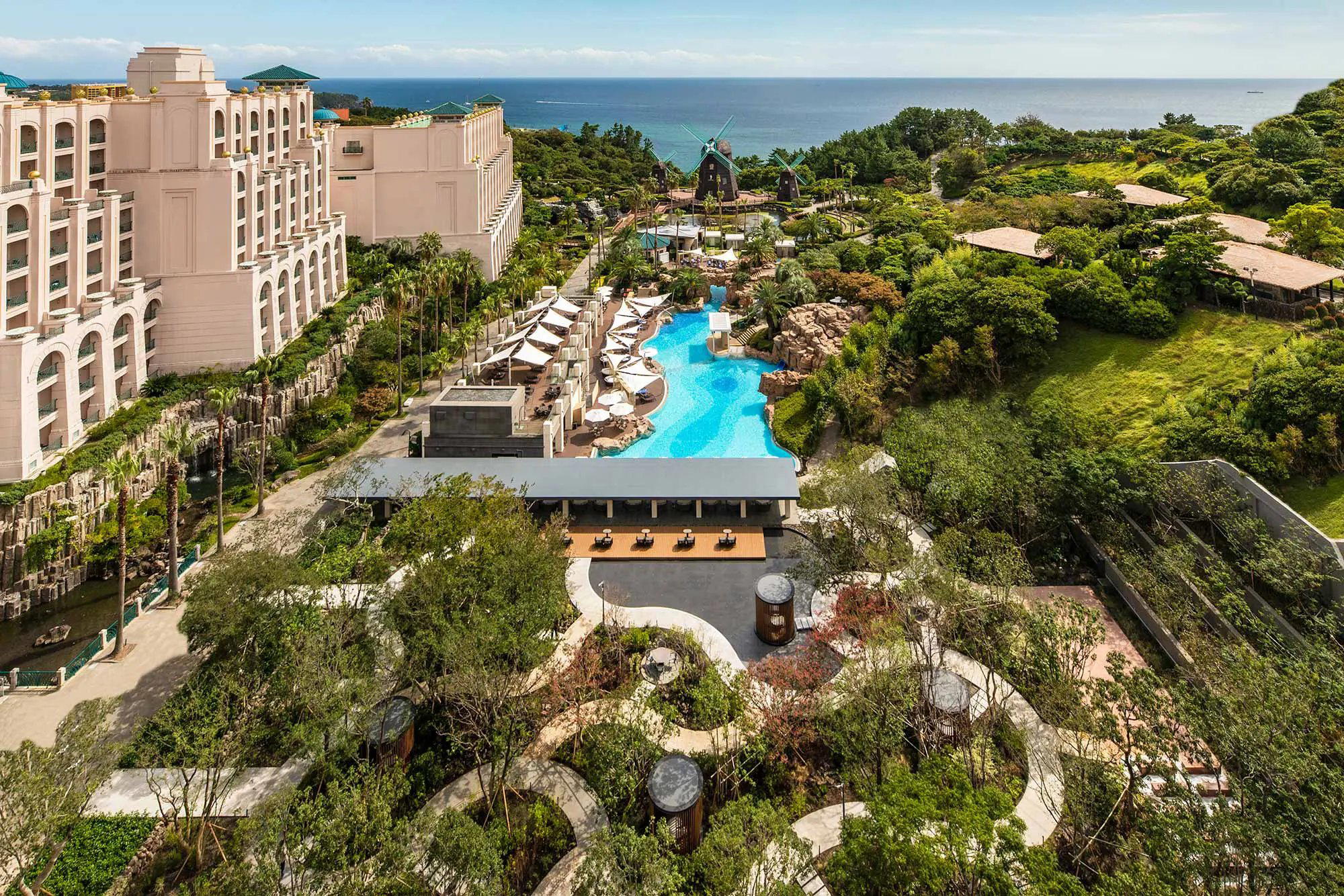
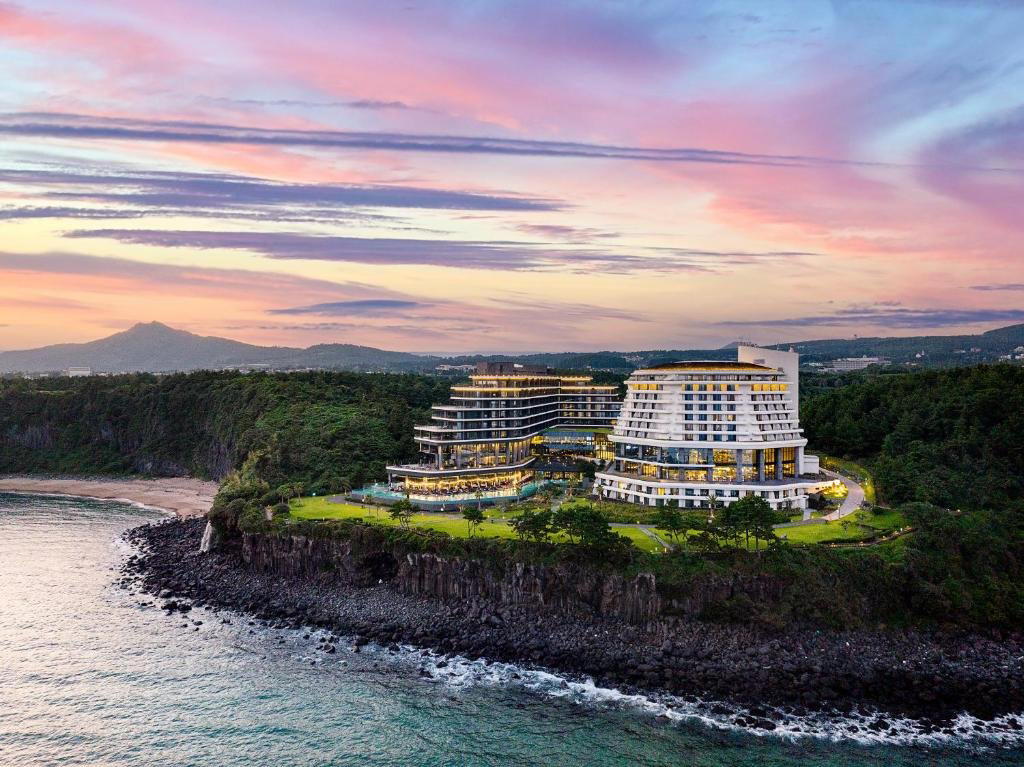
The first clue is not a menu, a bartender name, or an awards line. It is the address: 75 Jungmungwangwang-ro 72beon-gil, Seogwipo, Jeju-do, marked specifically as “Lobby.” In Seogwipo-si, that matters. Jungmun is not Seoul’s Cheongdam or Itaewon, where cocktail bars compete through street-level visibility, reservation friction, and bartender-led identity. It is a resort corridor, where drinking often folds into hotel circulation: arrivals, check-ins, post-dinner pauses, rain plans, and late conversations after the beach or conference schedule has finished.
That setting changes how a bar should be judged. A lobby bar in a leisure district is rarely about the speakeasy chase or the maximalist tasting-menu theatre that has shaped parts of Asia’s cocktail scene. The stronger question is whether the room can serve as a credible anchor for an evening in a city where visitors are often moving between hotels, coastal roads, and destination restaurants rather than bar-hopping on foot.
How Seogwipo-si changes the cocktail equation
Jeju’s drinking culture has several overlapping audiences. Domestic travellers often arrive with hotel packages, rental cars, and family schedules. International visitors are more likely to treat the island as a landscape destination than a late-night bar city. In that context, a cocktail programme has to solve a different problem from a capital-city bar. It must be legible to guests who may not want a long menu lecture, while retaining enough craft to avoid feeling like an afterthought beside wine, beer, and hotel-standard classics.
The Korean cocktail scene has developed a broad range of formats, from high-recognition Seoul rooms to smaller regional bars that use local produce, tea, fermentation, or pared-back service to define themselves. For comparison, Soko in Seoul sits in a capital-city context where a bar can build identity through neighbourhood density and repeat local traffic. On Jeju, Muyongdam in Jeju-si points toward the island’s northern urban side, where municipal life and visitor movement overlap differently. Seogwipo-si, by contrast, is more dispersed, and Jungmun’s resort geography tends to reward bars that are easy to understand, easy to reach from a room or dinner table, and capable of handling mixed groups.
That is why the lobby designation is a useful editorial signal even without a drinks list. It suggests a venue shaped by hospitality rhythms rather than standalone nightlife. For travellers, the decision is less “is this the city’s headline cocktail counter?” and more “does this location make sense within a Jungmun evening?” The answer depends on where dinner, transport, and accommodation sit. The available record supports the location; it does not yet support claims about signature drinks, house techniques, rare spirits, or bartender authorship.
The cocktail programme: what can be assessed, and what cannot
Contemporary cocktail writing often overreaches when data is thin. A serious assessment should not invent clarified highballs, local citrus infusions, or seaweed tinctures because Jeju makes those ideas tempting. The bar can be placed in Seogwipo-si’s resort-drinking context; its actual creative direction needs confirmation from the venue before ordering decisions are made.
What can be said with confidence is that hotel-lobby cocktail programmes usually live or die on execution and range. Guests may want a classic martini, a low-alcohol aperitif, a neat pour, a glass of sparkling wine, or a non-alcoholic drink across the same table. In dense cocktail cities, a bar can narrow its identity and ask guests to follow. In a lobby setting, especially in a leisure destination, flexibility carries more weight. If Badang publishes a current menu, the useful things to check are the number of original cocktails, whether classics are listed or available on request, whether Jeju ingredients are named with specificity, and whether non-alcoholic options receive the same care as the spirit-led drinks.
Global reference points show how varied this category can be. Café La Trova in Miami connects cocktails to music and Cuban-American hospitality. Jewel of the South in New Orleans reads through historic cocktail culture and dining-room depth. Superbueno in New York City shows how a bar can turn cultural specificity into a highly visible city address. Those are not direct peers to a Seogwipo-si lobby venue, but they clarify the spectrum: bars can be destinations, neighbourhood rooms, hotel amenities, or hybrid social spaces. Badang should be evaluated according to its actual role in Jungmun, not forced into a template borrowed from Seoul or New York.
Where it fits in a South Korea drinking itinerary
South Korea’s bar map is no longer a single-city conversation. Seoul remains the reference market for technique, media attention, and visiting bartenders, but regional drinking has become more relevant for travellers who do not want every serious cocktail to require a capital-city night. The better itinerary view is comparative. Anjuga in Ansan Si speaks to a different urban setting, while Wine Vin in Busan belongs to a port-city context where wine and dining patterns carry their own local logic. Regency Club in Incheon adds the airport and business-travel layer, and Seuwichi in Heungdeok broadens the field beyond the usual Seoul-first lens.
Seogwipo-si’s role is more resort-facing. That does not make it less serious, but it changes the criteria. A bar in this part of Jeju needs to work around weather, driving, hotel dining, and guests who may be splitting attention between the coast and the room key. For broader planning, Our full Seogwipo-si restaurants guide is the more useful starting point than treating a single lounge as the whole evening. A cocktail stop makes sense when it is paired with dinner geography, not when it requires a long transfer after a day of island touring.
Planning notes for Jungmun
The confirmed planning facts are limited but useful: the venue is in Seogwipo-si, South Korea, at 75 Jungmungwangwang-ro 72beon-gil, Jeju-do, with the location specified as a lobby. No official website, phone number, opening hours, price range, booking method, dress code, or seat count appears in the record. That means travellers should verify the current operating status through their hotel, concierge, or a live map listing before going, especially if the visit is tied to a late arrival or a post-dinner drink. In a resort zone, seasonal demand and private events can affect access more than in a street bar with published nightly hours.
Formality should be read from context rather than invented rules. Price should also be checked before committing to rounds, since the record does not list a range. Awards are not listed, so any claim of critical ranking would be unsupported. That does not make the venue irrelevant; it means the sensible visitor treats it as a situational bar option until a current menu and booking channel confirm more.
Travellers comparing hotel bars across the Pacific can also look at Bar Leather Apron in Honolulu, where island tourism and serious cocktails intersect in a different way, or Julep in Houston, where regional drinking identity is built around a deep American tradition. Those comparisons sharpen the decision in Jeju: a resort address should not be dismissed, but it should be judged on menu evidence, service rhythm, and how well it fits the night’s route.
Continue exploring
More in Seogwipo-si
Bars in Seogwipo-si
Browse all →
Restaurants in Seogwipo-si
Browse all →
At a Glance
- Scenic
- Cozy
- Quiet
- Casual Hangout
- Solo
- Date Night
- Waterfront
- Standalone
- Seated Bar
- Lounge Seating
- Classic Cocktails
- Waterfront
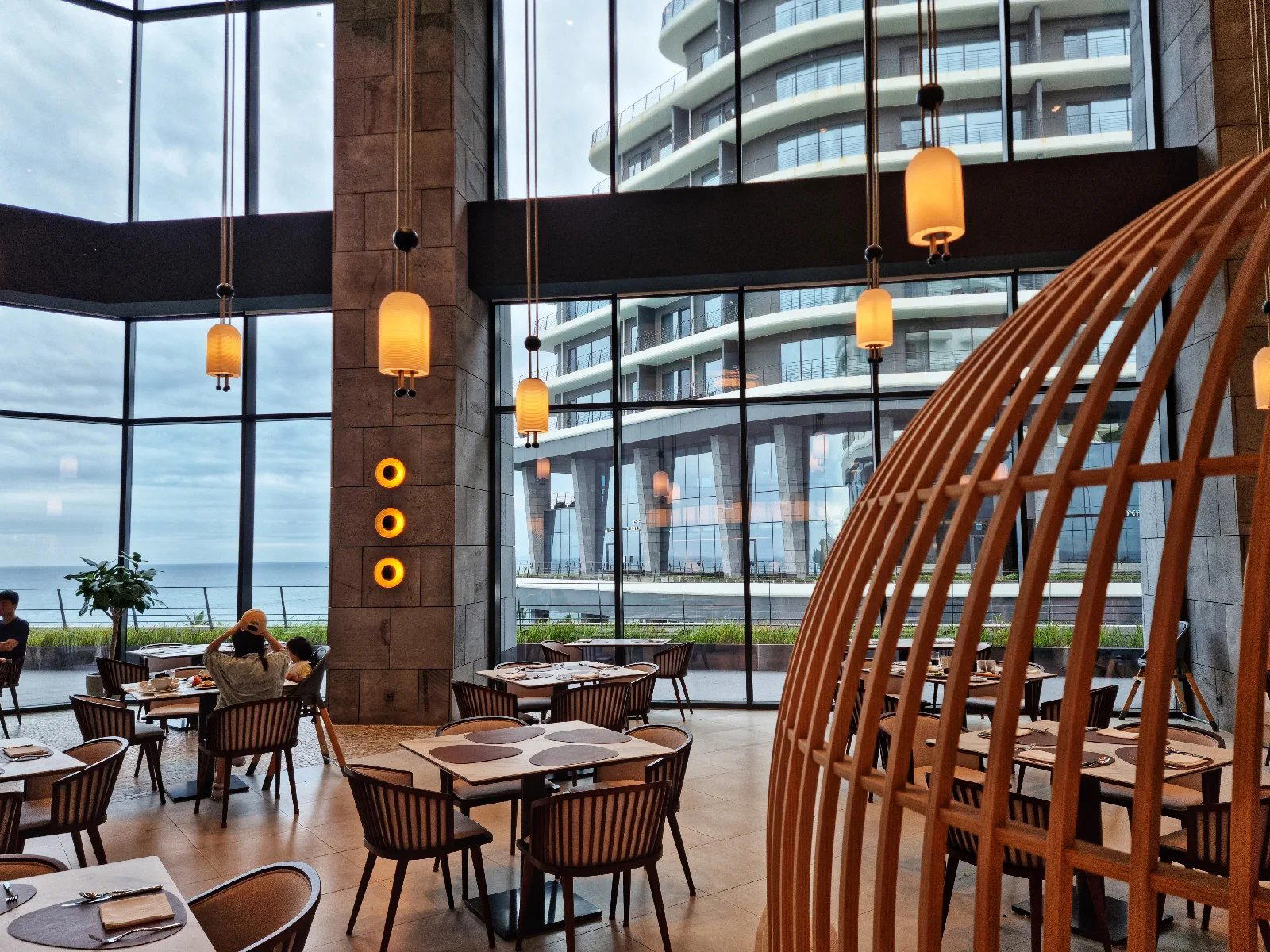
Clean, relaxed interior with wide glass windows overlooking the port; casual and unpretentious with natural lighting from expansive sea-facing windows.