ART CORDELIA
Our verdict
ART CORDELIA sits in Seogwipo-si, where Jeju dining is shaped less by spectacle than by island produce, coastal supply, and resort-district demand. With few public format signals attached, the useful read is contextual: treat it as part of the Jungmun-area restaurant map, then compare it against hotel dining rooms, Japanese counters, and Korean tables nearby before planning a night around it.

Pearl is the En Primeur Club membership app — saves, bookings, and concierge access live there. Same editors, same standards.
- Address
- 124 Saekdaljungang-ro 252beon-gil, 특별자치도, Seogwipo-si, Jeju-do, South Korea
- Phone
- +82 64-731-9000
- Website
- lotteresort.com
- Directions
- Get directions
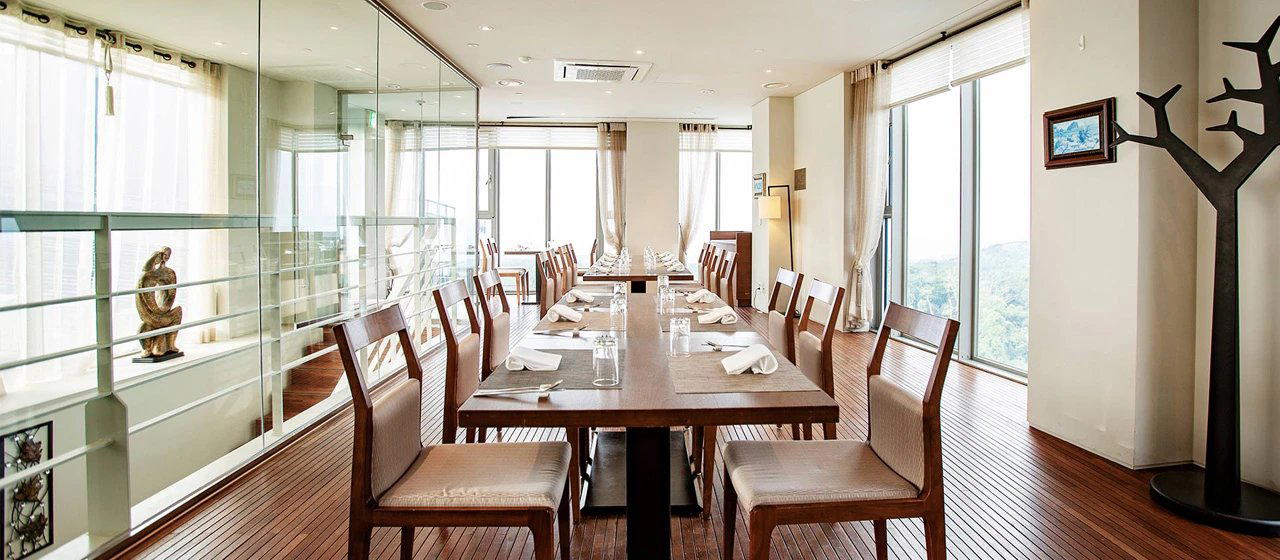
The approach to Seogwipo-si is defined by Jeju’s southern rhythm: volcanic slopes behind, citrus groves and greenhouse agriculture inland, and coastal travel pulling diners toward longer, more planned meals after beach or cliff walks. ART CORDELIA belongs to that Seogwipo-si pattern, where the question is not only what is on the plate, but how closely the kitchen feels tied to the island’s supply chain. In Jeju, ingredient sourcing is not a decorative claim. It determines whether a restaurant feels anchored to the island or merely placed on it.
Seogwipo-si rewards restaurants that understand proximity. The city sits closer to farms, fishing ports, and tangerine country than the denser dining districts of Seoul or Busan, so produce and seafood can carry more weight than elaborate technique. That is why a meal here should be judged against Jeju expectations rather than mainland restaurant categories. A polished room with no sense of local seasonality can feel generic; a simpler table that handles island ingredients with discipline can read as more convincing.
Jeju sourcing matters more than menu theatre
The stronger Seogwipo-si restaurants tend to work from the island outward: seafood, pork, citrus, greens, and fermented pantry elements often form the grammar. Without a public cuisine label attached to ART CORDELIA in the provided record, the safer editorial frame is the surrounding food culture rather than a claimed specialty. The area’s better meals often depend on whether the kitchen treats Jeju produce as a foundation rather than a garnish.
This is also where comparison helps. Resort dining in Seogwipo-si spans hotel restaurants, casual bakery-café formats, quieter dining rooms, and broader menus. Cheonjee points toward one set of dining expectations in the city, while Hinode represents another side of the local resort circuit. Delica-Hans broadens the map into a lighter, more flexible format. ART CORDELIA is best read within that spread: not as an isolated destination, but as one option in a city where meal choice often depends on whether the night calls for formality, hotel convenience, or a quieter room.
The Seogwipo-si decision: convenience, mood, and island context
Seogwipo-si dining is unusually shaped by geography. The city stretches along the south coast, and visitors often move between resorts, waterfalls, coastal paths, and inland roads rather than a single compact restaurant quarter. That makes location intelligence part of the meal. A restaurant in Seogwipo-si competes not only on cooking, but on how easily it fits into a day that may include the coast, museums, family travel, or hotel check-in times.
For readers building a fuller itinerary, the city guides are the cleaner way to separate formats: Our full Seogwipo-si restaurants guide for dining, Our full Seogwipo-si hotels guide for where to stay, Our full Seogwipo-si bars guide for after dinner, Our full Seogwipo-si wineries guide for wine-focused planning, and Our full Seogwipo-si experiences guide for non-restaurant days. That matters because Seogwipo-si does not behave like a late-night capital city. Meals here often work better when aligned with daylight movement, driving distances, and the pace of resort travel.
The broader Korean context is useful too. Other dining rooms across Korea show how different destinations lean into regional comfort food, coastal meals, quieter cooking styles, urban drinking culture, or resort formats. International examples underline the same point from outside Korea: format and sourcing shape expectations before any single dish arrives.
Who should put it on the Seogwipo-si shortlist
ART CORDELIA makes the most sense for travelers already based in Seogwipo-si who want a meal that fits the southern Jeju circuit rather than a cross-island detour. Without a public chef profile or a stated cuisine category in the provided record, it should not be planned only as a trophy reservation. It is better approached as a contextual choice: useful for readers comparing nearby rooms, watching for ingredient-led Jeju cooking, and deciding whether the night calls for a quieter local address instead of a large hotel dining room.
The editorial test is simple. If a Seogwipo-si meal should express the island, look for signs of local produce, seafood seasonality, and restraint in format. If the priority is guaranteed structure, externally stated recognition, or a clearly published tasting-menu identity, choose a venue with those signals attached. ART CORDELIA is best evaluated through Jeju’s sourcing culture and the practical geography of Seogwipo-si.
Frequently asked questions
Is ART CORDELIA a family-friendly restaurant?
ART CORDELIA’s address in Seogwipo-si places it in a part of Jeju where dinner plans often skew relaxed rather than child-focused. For families, that usually means a sit-down meal works better than an outing built around kids’ amenities.
Is ART CORDELIA better for a quiet night or a lively one?
ART CORDELIA suits a quieter evening more naturally than a loud one. Its Seogwipo-si setting points to a dinner stop where the meal matters more than the scene.
How do I find ART CORDELIA?
Seogwipo-si.
Do they take walk-ins at ART CORDELIA?
For walk-ins at ART CORDELIA, use the same practical approach you would for other Seogwipo-si dining rooms: check the latest venue information before going, and time the visit with the pace of the city.
What's the defining dish or idea at ART CORDELIA?
The clearest idea is place: ART CORDELIA in Seogwipo-si reads as a Jeju dining address rather than a chef-driven destination with a named signature dish. The public record gives the city, not a fixed menu theme, so the focus is the setting and the meal format around it. Check the venue's official channels for the latest details.
At-a-Glance Comparison
Comparable venues by cuisine and price in the same metro.
| Venue | Cuisine | Price | Awards |
|---|---|---|---|
| ART CORDELIAThis venue — the venue you are viewing | Resort restaurant with sea and golf course views | Not listed | Not listed |
| Delica-Hans | Modern Korean bakery & café | $10–20 | Not listed |
| THE CANVAS | Vegan & Halal-Friendly Fusion Buffet | Not listed | Not listed |
| Cheonjee | Traditional Korean fine dining with Jeju specialties | Not listed | Not listed |
| Hinode | Matsuyama-style okonomiyaki & teppan counter | $10–20 | Tabelog 100 #56 |
| The Parkview | Not listed | $50–100 | Not listed |
Continue exploring
More in Seogwipo-si
Restaurants in Seogwipo-si
Browse all →
Bars in Seogwipo-si
Browse all →
Details
- Modern
- Scenic
- Elegant
- Sophisticated
- Date Night
- Business Dinner
- Group Dining
- Family
- Special Occasion
- Waterfront
- Panoramic View
- Design Destination
- Hotel Restaurant
- Local Sourcing
- Waterfront
- Garden
- A La Carte
- Set Menu
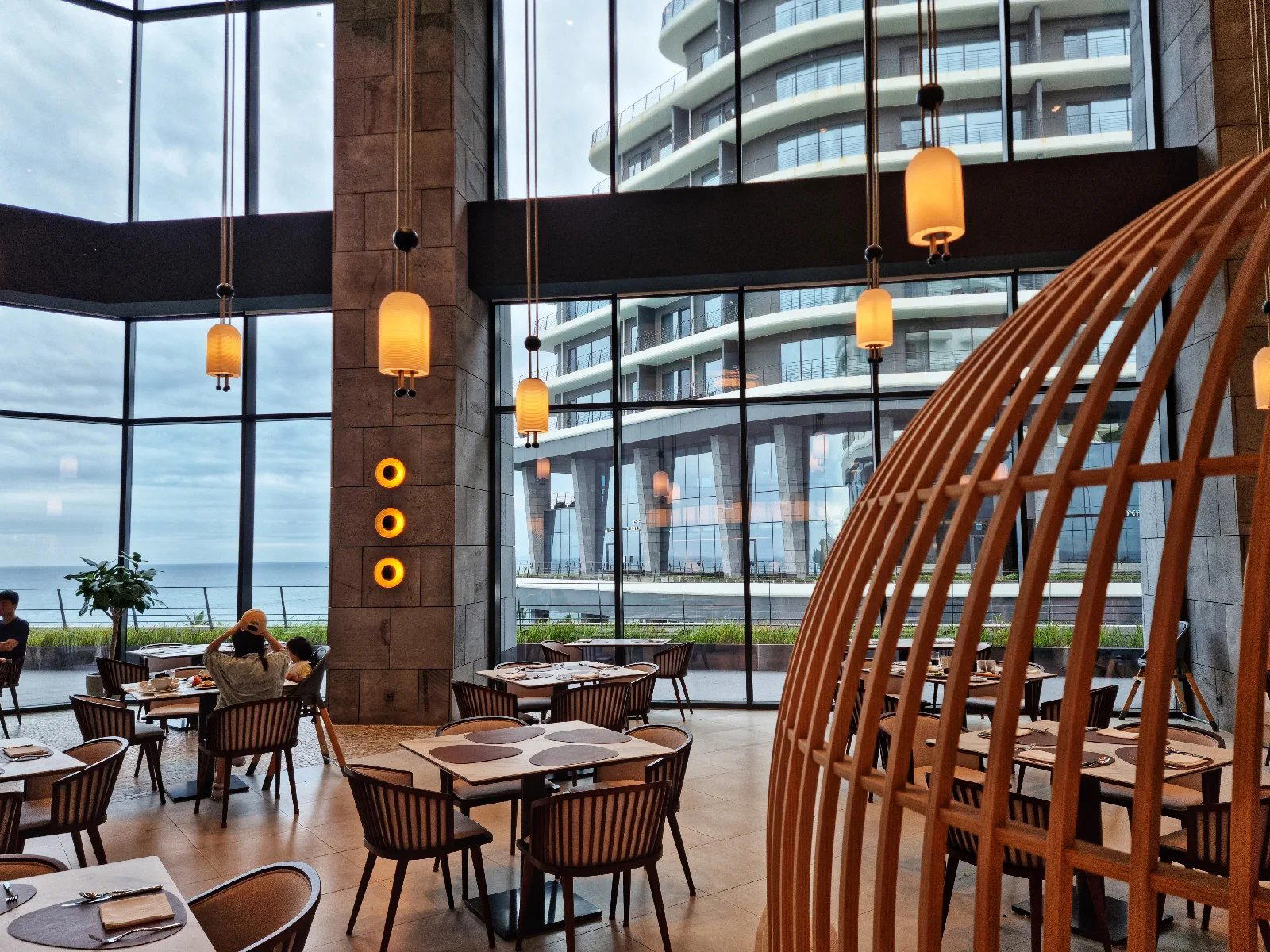
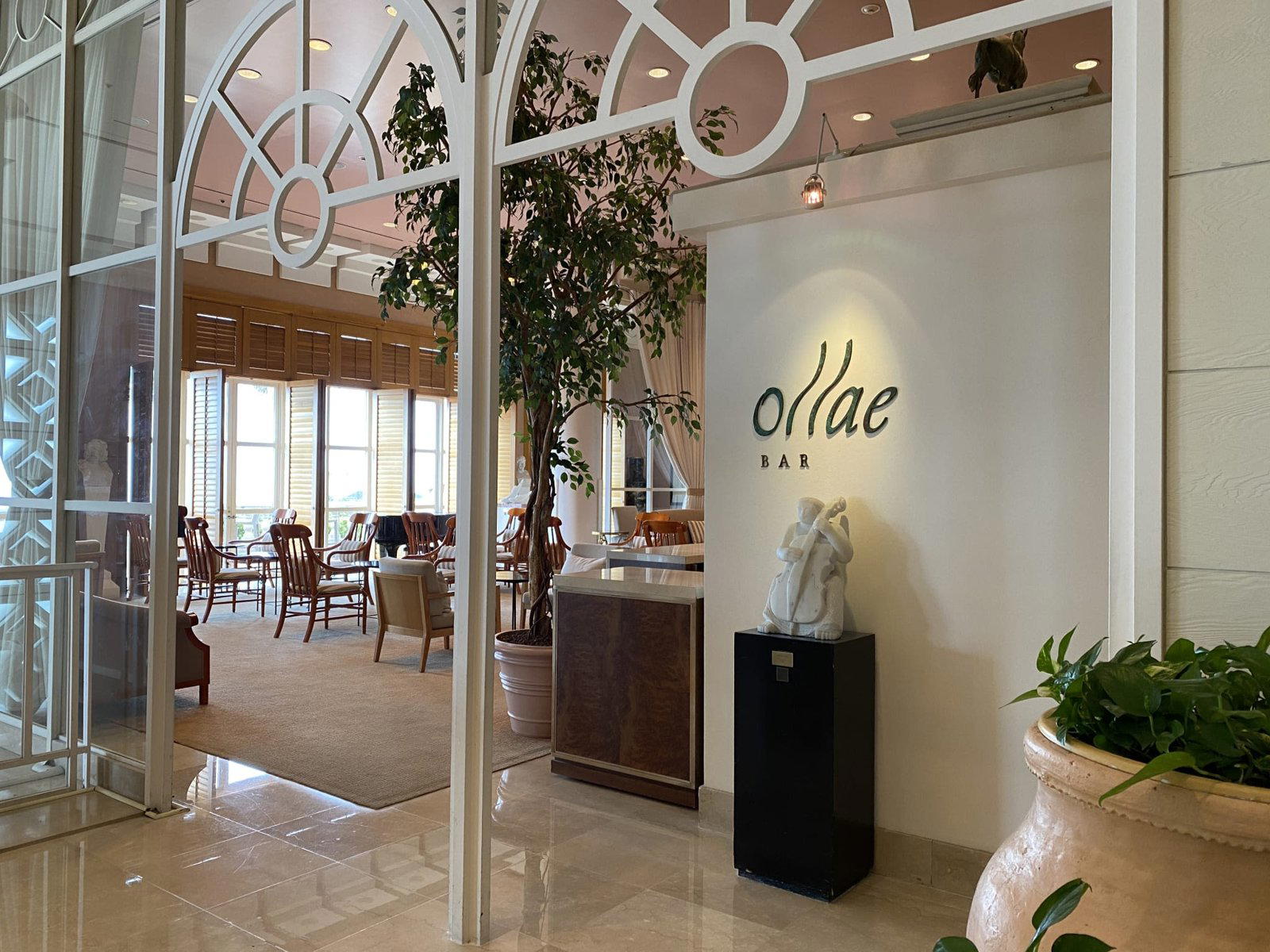
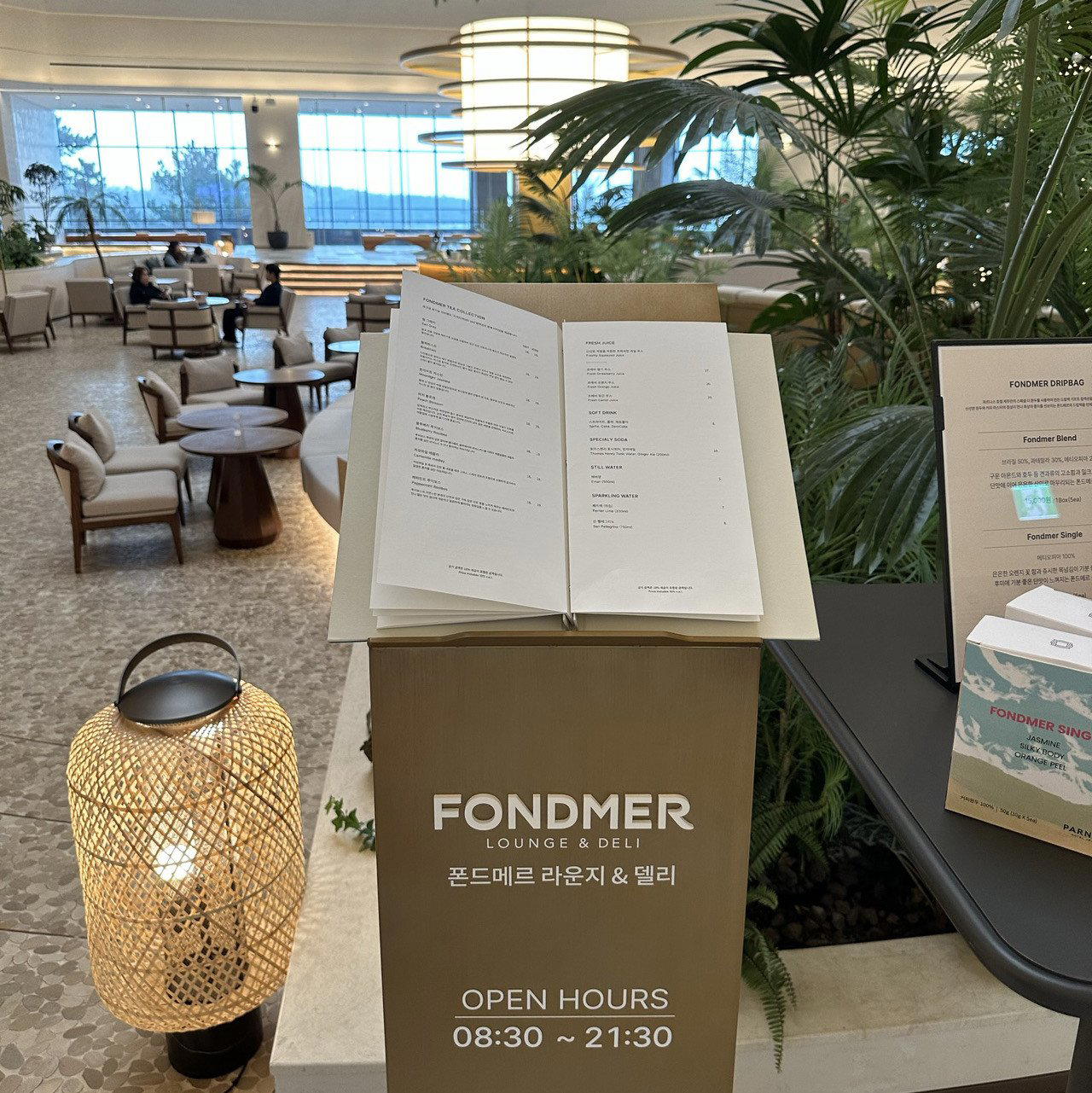
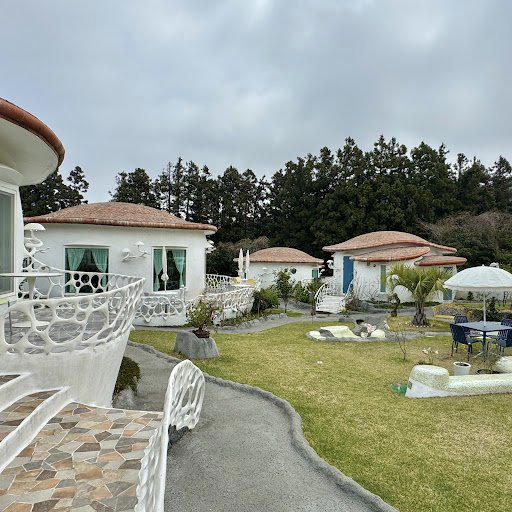
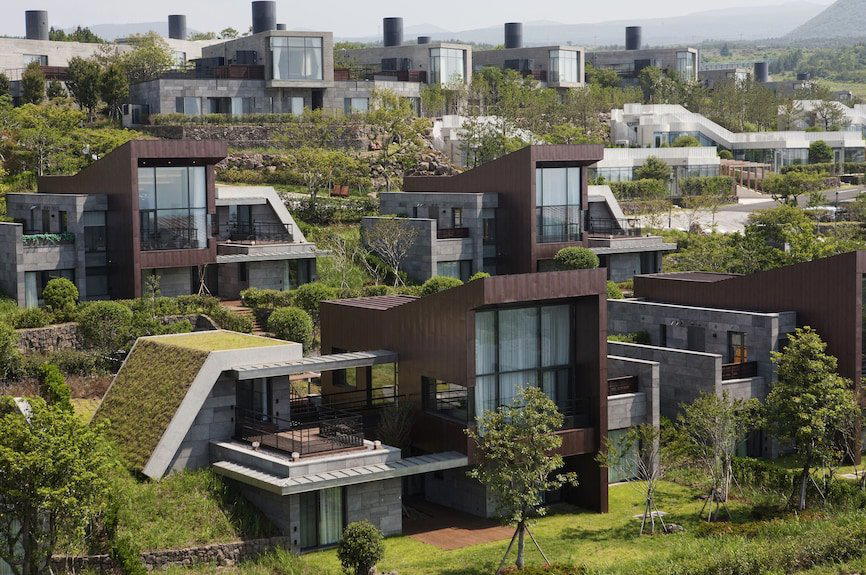
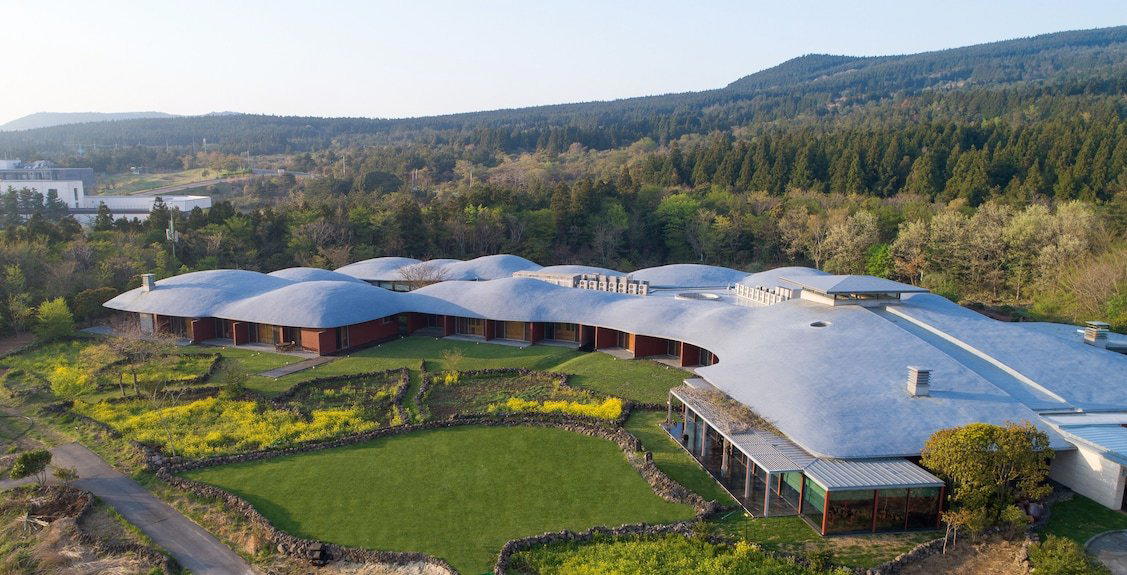
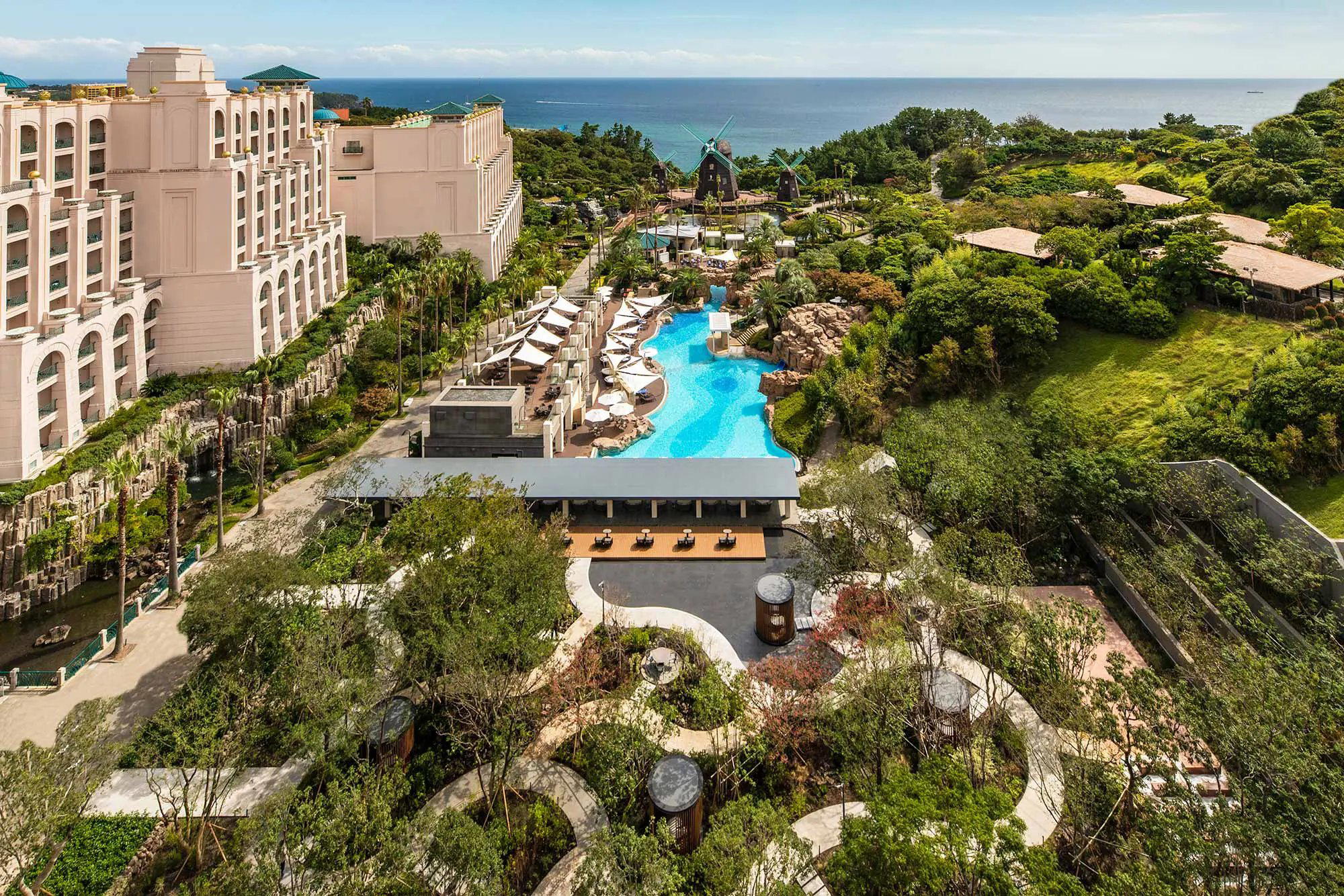
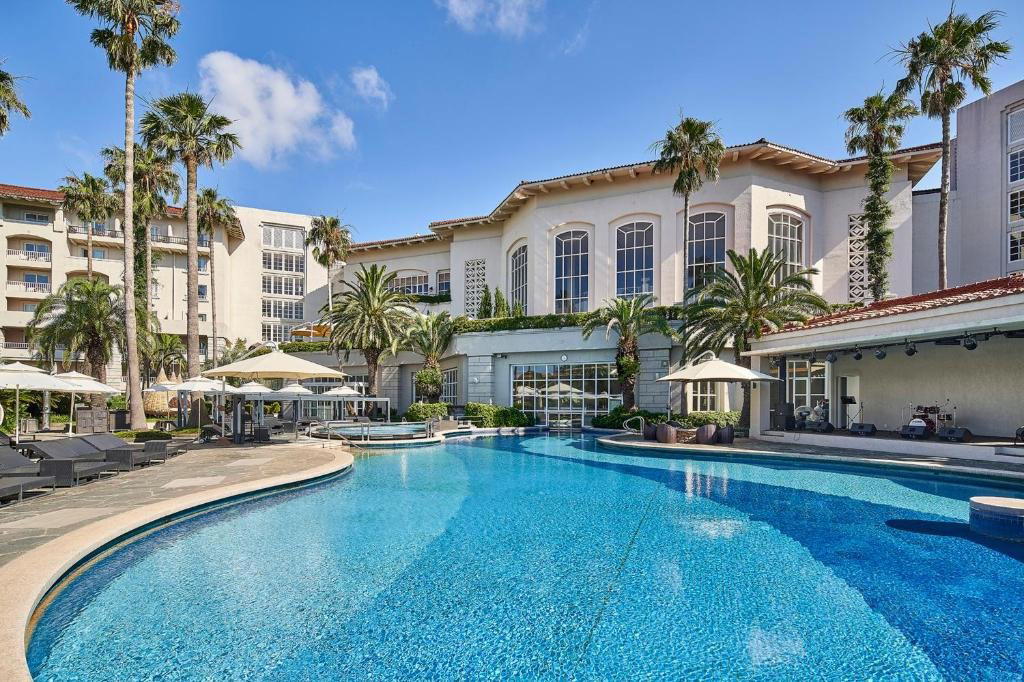
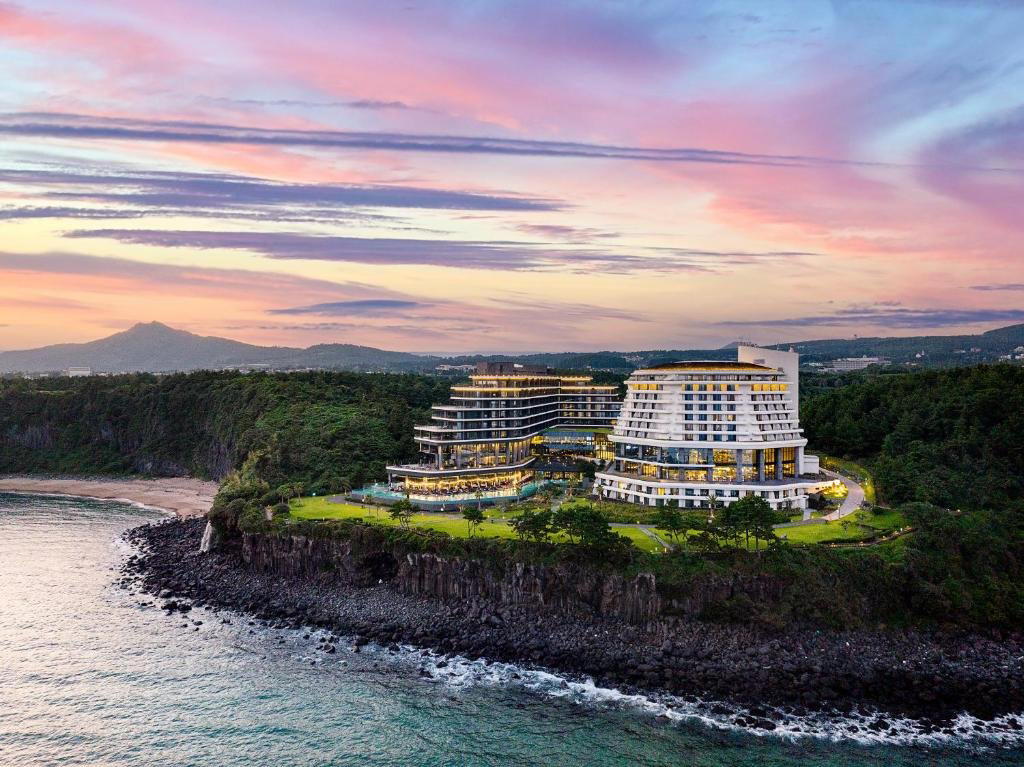
Upscale resort-restaurant atmosphere with wide open views over the ocean and greens, modern architectural setting, and a calm, relaxed dining room suited to quiet conversations and leisurely meals.