Michelin Plate
Our verdict
The kitchen centres on the kind of herb-forward, texturally layered cooking that defines northern Vietnamese tradition, with pricing that places it firmly in the accessible end of Hanoi's recognised dining tier.

Pearl is the En Primeur Club membership app, where members save venues, book tables and use the concierge.
The menu
What to order
- Catfish spring roll
- Oxtail stew
Hang Tre Street and the Logic of the Old Quarter Table
Hoàn Kiếm's restaurant streets operate on a different register from the glossy new-build dining rooms appearing elsewhere in Hanoi. On Hàng Tre, a short lane running close to the eastern edge of the Old Quarter, the architecture is narrow-fronted, the noise level rises and falls with motorbike traffic outside, and the food arrives fast and without ceremony. This is the natural habitat of Vietnamese cooking as it has always been practised in the capital: direct, herb-heavy, and priced for regulars rather than occasions. Highway4 at number 5 fits that context.
The Fresh-and-Raw Principle in Northern Vietnamese Cooking
Understanding what Highway4 does well requires some grounding in what northern Vietnamese cooking actually prioritises. Unlike the sweeter, more complex sauces common in southern Vietnamese cuisine, the Hanoi tradition tends toward cleaner, lighter flavour profiles, with a pronounced reliance on raw and semi-raw elements served alongside cooked dishes. The idea is balance through contrast: warm broth or grilled protein alongside cold, crunchy herb plates, uncooked vegetables, and rice paper for wrapping. Nothing is drowned in sauce. The diner builds each bite.
This herb-and-fresh-vegetable doctrine is not decorative. The plate of raw accompaniments, perilla, mint, banana blossom, bean sprouts, sliced green banana, is structural to the dish. Remove it and you remove half the flavour logic. At accessible-tier restaurants like Highway4, this tradition remains intact in a way that sometimes gets edited out at higher price points, where presentation can overtake function. The Michelin Plate recognition here speaks to a kitchen that keeps the fundamentals in order: the fresh elements arrive genuinely fresh, the balance holds.
Comparing Highway4 against the broader Hanoi Michelin set is instructive. Tầm Vị sits at a ₫₫ price tier and carries a full Michelin star, positioning it above Highway4 in both cost and formal recognition. Gia, at ₫₫₫₫ with a star, operates in Vietnamese Contemporary territory, a different category entirely. Highway4's single ₫ tier places it at the most accessible end of Hanoi's Michelin-recognised pool, which is a meaningful distinction: Michelin Plate status at this price point is relatively rare, and it signals that the guide's inspectors found the cooking worth flagging without qualification about cost.
What the Dining Format Looks Like
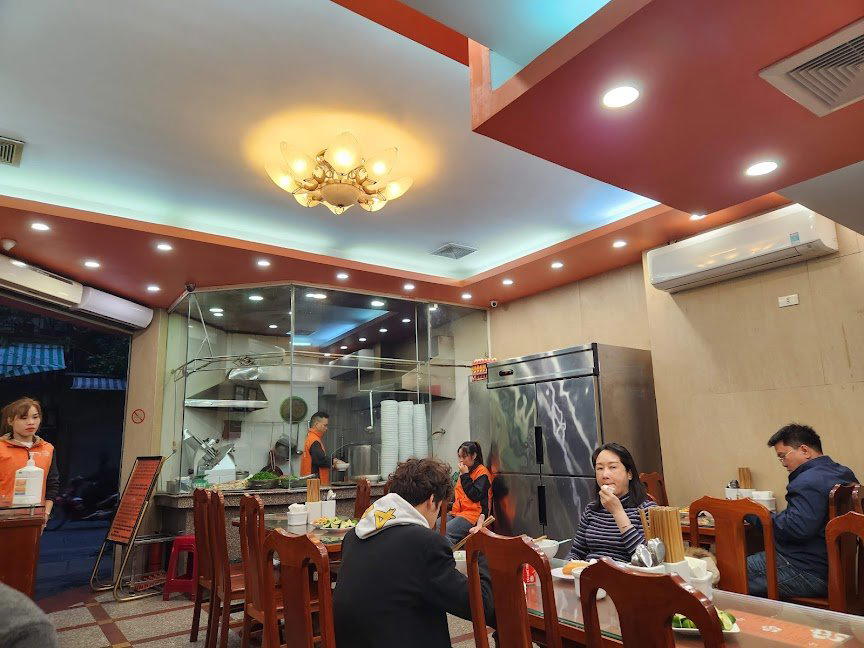
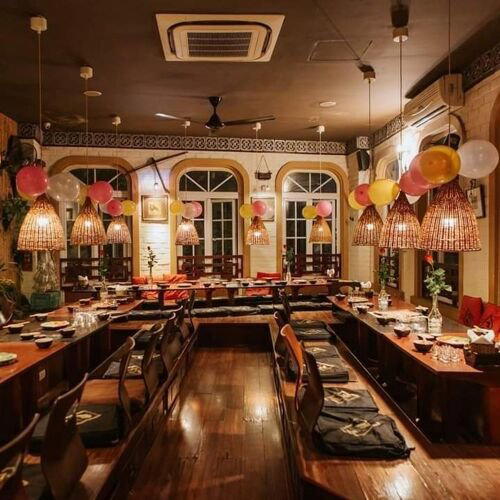
Old Quarter Vietnamese restaurants in this price bracket typically run a high-turnover format: shared tables or small two-tops, dishes arriving as they are ready rather than in a choreographed sequence, and an ambient noise level that reflects a full room. That model suits the food. Dishes built around fresh herbs, rice paper, and dipping sauces are designed for an immediate, hands-on approach. You are not waiting for a composed plate to cool; you are assembling each mouthful as you go.
For visitors comparing options in the neighbourhood, 1946 Cua Bac represents another accessible Vietnamese option in Hanoi worth considering, though with a different menu orientation. Cau Go sits further toward the lake and pitches at a slightly broader tourist-facing crowd. A Bản Mountain Dew and Bếp Prime extend Hanoi's wider Vietnamese dining picture if your appetite for the city's range goes beyond the Old Quarter's core streets.
Vietnamese Cooking Across Borders
Highway4's Plate recognition is one data point in a wider international reckoning with Vietnamese cuisine. In Vietnam itself, regional contrasts remain sharp: the herb-and-fresh-vegetable approach dominant in Hanoi differs noticeably from what you find further south. Akuna in Ho Chi Minh City reflects that southern register, and Ăn Thôi in Da Nang sits in central Vietnamese territory where the flavour palette shifts again. For a high-end central Vietnamese reference point, La Maison 1888 in Da Nang represents a completely different tier and format.
The diaspora picture is equally varied. Berlu in Portland and Camille in Orlando adapt Vietnamese frameworks for American markets. Ăn Chơi in Hong Kong and An Nam in Singapore occupy the Southeast Asian regional Vietnamese niche, while Agave in Ubon Ratchathani represents an outlier case entirely. None of these replicates what you find on Hàng Tre. The fresh-herb, assemble-at-table logic of northern Vietnamese cooking is harder to export intact than it might appear, which gives the source city a particular advantage.
Planning Your Visit
Highway4 on Hàng Tre Street sits in Lý Thái Tổ ward, Hoàn Kiếm district, the address is 5 P. Hàng Tre, placing it within walking distance of Hoàn Kiếm Lake and the core of the Old Quarter's restaurant and bar streets. At a single ₫ price tier, the cost-per-head is low by any international standard, which makes it a practical choice for either a standalone meal or one stop across a longer evening of eating in the neighbourhood.
For a fuller picture of where Highway4 sits within Hanoi's wider eating and drinking options, see our full Hanoi restaurants guide. Planning around accommodation can be usefully cross-referenced with our full Hanoi hotels guide. Those extending an evening into the city's bar scene will find options mapped in our full Hanoi bars guide, and our full Hanoi experiences guide covers the wider cultural picture. Wine-specific planning is covered separately in our full Hanoi wineries guide.
What Regulars Order
What do regulars order at Highway4 (Hang Tre Street)?
Highway4's Michelin Plate recognition and its place within the northern Vietnamese cooking tradition point toward the herb-forward, wrap-and-dip format dishes that define the restaurant's category. In practical terms, that means dishes built around fresh herb plates, rice paper, and proteins designed for self-assembly at the table, the structural logic of Hanoi cooking at its most functional. The Michelin inspectors awarded the Plate across two consecutive years, 2024 and 2025, which implies the core cooking is reliable rather than occasion-dependent.
Frequently asked questions
Where is Highway4 (Hang Tre Street) located?
Highway4 (Hang Tre Street) is located at 5 P. Hàng Tre, Lý Thái Tổ, Hoàn Kiếm, Hà Nội, Vietnam, Hanoi.
What style of cooking does Highway4 (Hang Tre Street) do?
What awards or recognition does Highway4 (Hang Tre Street) have?
Highway4 (Hang Tre Street) has received recognition including: Michelin Plate (2025); Michelin Plate (2024).
What do regulars order at Highway4 (Hang Tre Street)?
Highway4's two consecutive Michelin Plates (2024 and 2025) were earned on northern Vietnamese cooking, a style built around fresh herbs, wrap-and-dip presentations, and clean, savoury broths rather than the sweeter profiles found further south. The ordering logic at this price tier (₫) follows the Old Quarter format: multiple shared dishes arriving as they're ready, with herb plates, dipping sauces, and rice paper central to the table. Dishes rooted in that herb-forward, assemble-at-the-table tradition are the reliable core of what the kitchen does.
Is Highway4 (Hang Tre Street) expensive?
Pricing at Highway4 (Hang Tre Street) is listed as ₫.
Quick Comparison
| Venue | Cuisine | Price | Awards | Notes |
|---|---|---|---|---|
| Highway4 (Hang Tre Street)This venue (the venue you are viewing) | Northern Vietnamese Tavern | Not listed | Michelin Plate | Not listed |
| Hibana by Koki | Michelin-Starred Japanese Teppanyaki | $200–300 | 1 Michelin Star · La Liste Top Restaurants | Teppanyaki, ₫₫₫₫ |
| Tầm Vị | Northern Vietnamese Home-Style | $10–20 | 1 Michelin Star | Vietnamese, ₫₫ |
| Gia | Modern Vietnamese Fine Dining | $100–150 | 1 Michelin Star · La Liste Top Restaurants | Vietnamese Contemporary, ₫₫₫₫ |
| 1946 Cua Bac | Northern Vietnamese | $10–20 | Michelin Bib Gourmand | Not listed |
| Bun Cha Ta (Nguyen Huu Huan Street) | Authentic Vietnamese Bun Cha | $1–10 | Michelin Bib Gourmand | Not listed |
Recognition history
Dated appearances from independent guides and award organizations, with the underlying list record or original source where available.
Michelin Plate
Michelin
Full recognition history (3 entries)
Michelin Plate
Michelin
Michelin Plate
Michelin