Hidden Dimsum
Our verdict
Copenhagen's fine-dining conversation is dominated by New Nordic tasting menus, which makes Hidden Dimsum at Nytorv 19 a different kind of proposition entirely. Dim sum in the Danish capital occupies a narrow, underserved niche, and this address in the city's historic centre places it against a backdrop of civic architecture rather than the harbour warehouses and meatpacking districts that house most of the city's ambitious restaurants.

Pearl is the En Primeur Club membership app — saves, bookings, and concierge access live there. Same editors, same standards.
- Address
- Nytorv 19, 1450 København, Denmark
- Phone
- +4581758228
- Hours
- Daily 12–4 PM, 5–10 PM
- Website
- dimsum.dk
- Directions
- Get directions
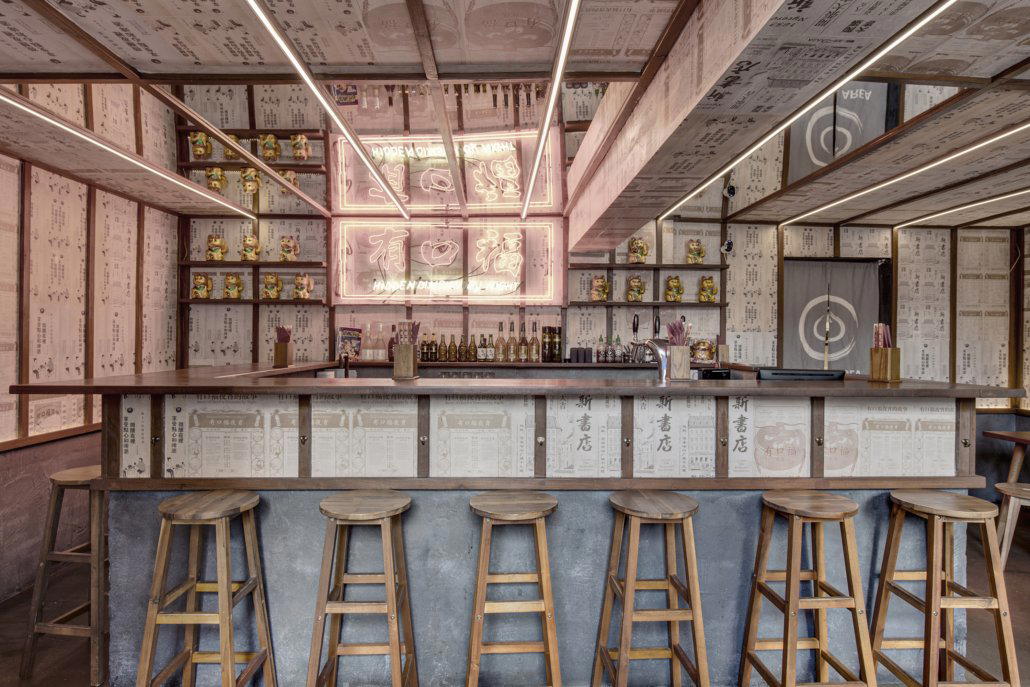
Nytorv and the Question of Where Dim Sum Belongs in Copenhagen
The square at Nytorv sits at the edge of Strøget, Copenhagen's pedestrian axis, with the old courthouse on one side and a steady current of foot traffic on the other. It is not where you would expect to find a dim sum kitchen. The neighbourhood's dining offer skews toward Scandinavian smørrebrød, tourist-facing brasseries, and the occasional wine bar. That positioning, slightly against the grain of both its immediate surroundings and the city's broader fine-dining identity, is precisely what makes Hidden Dimsum worth understanding on its own terms.
Copenhagen's restaurant reputation rests almost entirely on New Nordic cuisine and its derivatives. Geranium, three Michelin stars and consistently placed at the top of the World's 50 Best rankings, defines one pole of that tradition. Noma defined the movement's intellectual framework before its closure and reinvention. Alchemist pushes the progressive-creative register further still, while Koan draws on kaiseki discipline to complicate the New Nordic frame. Against that backdrop, a dim sum kitchen is not simply a different restaurant category — it is a different conversation entirely.
Dim Sum in a Nordic City: What the Category Actually Means Here
Dim sum, in its Cantonese origins, is a daytime eating tradition built around shared small plates, tea service, and the rhythm of the trolley or the order card. In cities with large Cantonese diaspora populations — Hong Kong, Vancouver, Sydney, San Francisco, it functions as a community institution as much as a restaurant format. In Copenhagen, that context is largely absent, which means any dim sum kitchen here is working without the cultural scaffolding that gives the format its deepest meaning elsewhere.
That is not necessarily a disadvantage. European cities with smaller Chinese communities have sometimes produced dim sum of serious technical quality precisely because the format is being approached as a craft discipline rather than a volume operation.
For comparison, the wider Danish dining scene beyond Copenhagen includes addresses such as Jordnær in Gentofte, Frederikshøj in Aarhus, and Henne Kirkeby Kro in Henne, all operating in the tasting-menu register that has come to define Danish ambition at the table. Dim sum sits outside that register almost by definition, which is part of what gives it a distinct place in the market.
The Nytorv Address and What It Signals
Location in Copenhagen carries meaningful information. The harbour-adjacent districts, Vesterbro's meatpacking quarter, and Nørrebro's Jægersborggade corridor each carry specific associations about price point, format, and audience. Nytorv, sitting at the junction of the old city and the commercial centre, is neither a destination dining neighbourhood nor a particularly experimental one. It draws a mixed crowd: office workers at lunch, tourists in the afternoon, locals in the evening.
For a dim sum kitchen, that position has practical advantages. Lunch-format dim sum, the format closest to the Cantonese original, benefits from proximity to daytime foot traffic. Evening dim sum, which operates more like a conventional restaurant service, can draw from the broader city. The Nytorv location gives Hidden Dimsum access to both patterns without committing fully to either the destination-dining posture of, say, a Kadeau in its Bornholm-referencing New Nordic mode, or the neighbourhood-regulars dynamic of a local bistro.
Internationally, the trajectory of dim sum in non-traditional markets has tended toward one of two outcomes: either the format is absorbed into a broader pan-Asian restaurant concept, losing its specificity, or it is treated as a serious craft focus worthy of a dedicated kitchen. Cities like New York have seen both, Atomix illustrates how Korean fine dining carved out a serious specialist niche in that market, and the same dynamic is possible for Cantonese dim sum. In European terms, London's Chinatown and its satellite dim sum kitchens provide the clearest reference point, though the scale of Copenhagen's Chinese community is a fraction of London's.
How Hidden Dimsum Fits the Wider Copenhagen Dining Picture
For visitors building an itinerary around Copenhagen's dining, the choice between the city's New Nordic fine-dining tier and its more casual or ethnically diverse restaurants is a genuine one. The full Copenhagen restaurants guide maps that decision across neighbourhoods and price tiers. Hidden Dimsum sits in a gap that the Nordic tasting-menu circuit does not fill: a shorter meal, shared plates, and a format that does not require the two-to-three-hour commitment of a full omakase or tasting progression.
Denmark's broader fine-dining circuit, from Alimentum in Aalborg and ARO in Odense to LYST in Vejle, Domæne in Herning, MOTA in Nykøbing Sjælland, Frederiksminde in Præstø, and Dragsholm Slot Gourmet in Hørve, operates almost uniformly in the tasting-menu format. Dim sum's shared, self-directed eating structure is a different proposition, closer in spirit to the way Le Bernardin in New York operates within the French seafood tradition: a format with its own internal logic that doesn't need to justify itself against tasting-menu norms.
Planning a Visit
Frequently asked questions
Where is Hidden Dimsum located?
Hidden Dimsum is located at Nytorv 19, 1450 København, Denmark, Copenhagen.
Is Hidden Dimsum one of the few dedicated dim sum venues in Copenhagen?
Copenhagen's Chinese restaurant offer is modest relative to cities like London or Amsterdam, and venues specialising specifically in the dim sum format — shared small plates, traditionally served daytime — are scarce in the city. Hidden Dimsum at Nytorv 19 occupies that gap in the historic centre, distinct from the broader Chinese restaurants operating elsewhere in Copenhagen.
What's the best thing to order at Hidden Dimsum?
EP Club does not hold confirmed dish-level records for Hidden Dimsum at this time. Across the dim sum format, the benchmark plates are har gow, siu mai, and char siu bao — the three that most kitchens are judged against. The Nytorv address puts the venue in Copenhagen's historic centre, where the dining offer is broad but Cantonese specialists remain few.
Is Hidden Dimsum reservation-only?
Copenhagen's dining culture generally runs on advance reservations, and smaller specialist venues in the city centre tend to fill quickly, particularly at weekends.
What's Hidden Dimsum best at?
What the Nytorv 19 location signals is a venue operating in Copenhagen's central dining corridor, where the competition skews toward New Nordic and broad-menu casual rather than Cantonese specialists — a positioning that gives a focused dim sum address a clear niche. Check the venue's official channels for the latest details.
The Essentials
Comparable venues nearby, for context on price, style, and recognition.
| Venue | Cuisine | Price | Notes |
|---|---|---|---|
| Hidden DimsumThis venue — the venue you are viewing | Cantonese Dim Sum | $20–30 | Not listed |
| Restaurant Komplet | Danish | $50–100 | Indre By, Danish |
| KILDEN i haven | Modern Danish Bistro | $30–50 | Indre By, Modern Danish Bistro |
| ItalGastro | Authentic Italian Pizza & Pasta | $20–30 | Indre By, Authentic Italian Pizza & Pasta |
| Ristorante Buono | Authentic Italian | $30–50 | Vesterbro-Kongens Enghave, Authentic Italian |
| El Viejo Mexico | Authentic Mexican | $30–50 | Indre By, Authentic Mexican |
Continue exploring
More in Copenhagen
Restaurants in Copenhagen
Browse all →
Bars in Copenhagen
Browse all →
Hotels in Copenhagen
Browse all →

Details
- Cozy
- Trendy
- Intimate
- Date Night
- Group Dining
- Casual Hangout
- Historic Building
- Craft Cocktails
- Street Scene
- A La Carte
- Small Plates
- Vegetarian Friendly
- Gluten Free Options
Current opening hours
- Monday
- 12–4 PM, 5–10 PM
- Tuesday
- 12–4 PM, 5–10 PM
- Wednesday
- 12–4 PM, 5–10 PM
- Thursday
- 12–4 PM, 5–10 PM
- Friday
- 12–4 PM, 5–10 PM
- Saturday
- 12–4 PM, 5–10 PM
- Sunday
- 12–4 PM, 5–10 PM
Hours can change for holidays and private events. Last verified .
Chic and hygge atmosphere in a historical building with neon lights and cozy hygge fashion, described as nice but sometimes small and with slightly loud music.