ItalGastro
Our verdict
The kitchen works at the intersection where Italian culinary structure meets the seasonal produce rhythms of the Danish larder — a pairing that positions it differently from the New Nordic orthodoxy that defines the city's flagship fine-dining tier. For visitors working through the city's mid-range Italian options, it offers a focused reference point.

Pearl is the En Primeur Club membership app — saves, bookings, and concierge access live there. Same editors, same standards.
- Address
- Nørre Voldgade 25, 1358 København, Denmark
- Phone
- +4531471780
- Hours
- Mon–Thu 12–9 PMFri–Sat 12–10 PMSun 12–9 PM
- Website
- italgastro.dk
- Directions
- Get directions
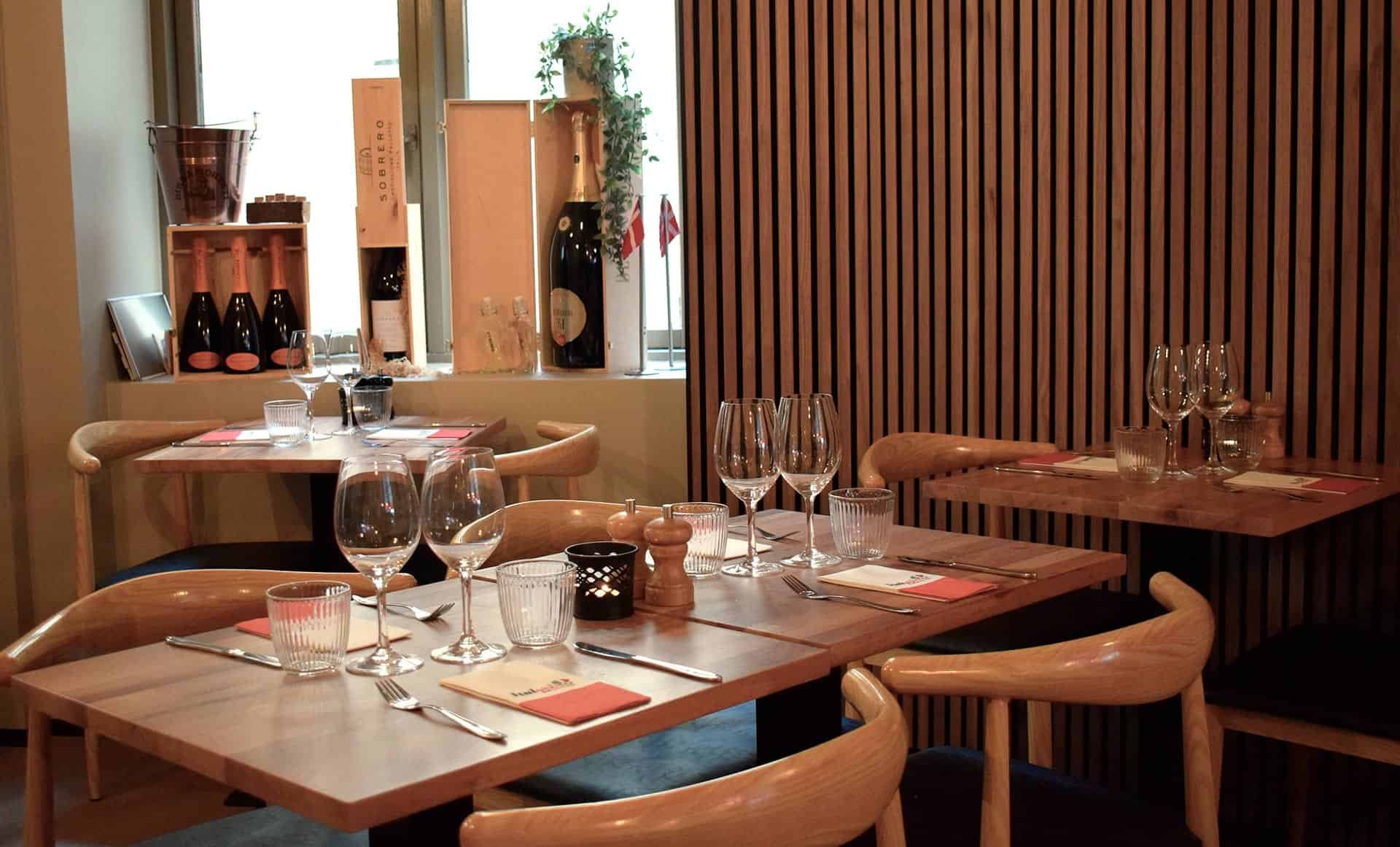
Italian Technique in a Nordic City
Copenhagen's fine-dining identity has been shaped so thoroughly by the New Nordic movement, the foraging logic, the hyper-seasonal ingredient sourcing, the fermentation-forward preservation techniques, that Italian cooking in the city occupies an interesting counterposition. Places like Geranium, Noma, and Alchemist have established a dominant paradigm: indigenous Scandinavian ingredients treated through conceptually rigorous technique. Italian kitchens working in this environment face a structural choice, import the ingredient logic wholesale and compete as a direct Italian trattoria, or absorb some of the Nordic season-awareness and apply it through an Italian technical frame. The more compelling version of Italian cooking in Copenhagen tends toward the latter, using the structure of Italian cuisine (its sauce traditions, its pasta logic, its approach to cured and preserved proteins) as a framework that can accommodate the short, intense Danish growing seasons and the excellent cold-water seafood that the region produces.
This intersection, imported methods applied to indigenous products, is where the most interesting mid-tier dining in Copenhagen often happens. It sits away from the €€€€ omakase-style tasting menus of Koan or the New Nordic small-plates format of Kadeau, and instead occupies a space where technical ambition is expressed through recognisable, approachable format rather than theatrical progression.
The Seasonal Argument for Timing Your Visit
Italian cooking's relationship with seasonality is structurally different from the New Nordic model. Where New Nordic kitchens treat the season as the primary creative constraint, building menus around what the forager or the coastal supplier brings in, Italian tradition tends to treat seasonal produce as a variable inside a more stable technical repertoire. The pasta exists regardless of season; what changes is what goes on top of or inside it. In Copenhagen, that logic is further complicated by the particularly compressed Danish summer, when local vegetables, berries, and herbs are available in volume for a relatively short window, and the colder months lean toward root vegetables, preserved goods, and the cold-water fish that the North Sea and Baltic produce year-round.
Visiting in late spring through early autumn gives the leading alignment between the Nordic produce calendar and a kitchen applying Italian technique to local ingredients. The Danish summer, roughly June through August, is when the contrast between the method and the material is most vivid, Italian pasta structure meeting the short-season vegetables and berries that Copenhagen kitchens have built their reputations around. That said, winter visits have their own logic: the preserved, cured, and slow-cooked registers of Italian cooking fit naturally with the darker months, and Danish cold-water fish in winter is arguably at its most expressive.
Where ItalGastro Sits in the City's Italian Tier
Copenhagen's Italian restaurant scene is not as stratified as its fine-dining tier. The city does not have a strong tradition of destination Italian in the way that, say, London or New York does, markets where Italian cooking has its own prestige hierarchy complete with tasting menus and wine programs built around Italian regional depth. What Copenhagen has instead is a spread of neighbourhood Italian places operating at different price points, with quality differentiation driven more by sourcing discipline and technical consistency than by format ambition.
For comparison, the upper tier of Copenhagen dining is anchored by places like Geranium and Alchemist at the progressive end, and extends regionally to Jordnær in Gentofte and Frederikshøj in Aarhus.enprimeurclub.com/restaurants/henne-kirkeby-kro-henne-restaurant">Henne Kirkeby Kro, LYST in Vejle, Alimentum in Aalborg, ARO in Odense, Domæne in Herning, Dragsholm Slot Gourmet, Frederiksminde in Præstø, and MOTA in Nykøbing Sjælland define how fine dining plays outside the capital. ItalGastro operates in a different register entirely, closer to the accessible, repeatable dining that a city's residents use regularly rather than the occasion-dining that draws international visitors to book months in advance.
The global technique-meets-local-ingredient formula also has international reference points worth keeping in mind. In New York, Le Bernardin represents the high end of French technique applied to American seafood sourcing, while Atomix shows what Korean technical tradition can produce when it engages seriously with the New York ingredient market. The Copenhagen version of this conversation is less formalised but no less real, and Italian cooking, with its deep technical structure and strong regional identity, is a reasonable vehicle for it. For visitors building a broader Copenhagen itinerary that takes in the city's full dining range, from the New Nordic tasting-menu tier down through the neighbourhood mid-market, our Copenhagen guide provides the framework.
Frequently asked questions
Is ItalGastro good for families?
ItalGastro's address on Nørre Voldgade 25 puts it on one of Copenhagen's more accessible central boulevards, a short walk from Nørreport station.
What kind of setting is ItalGastro?
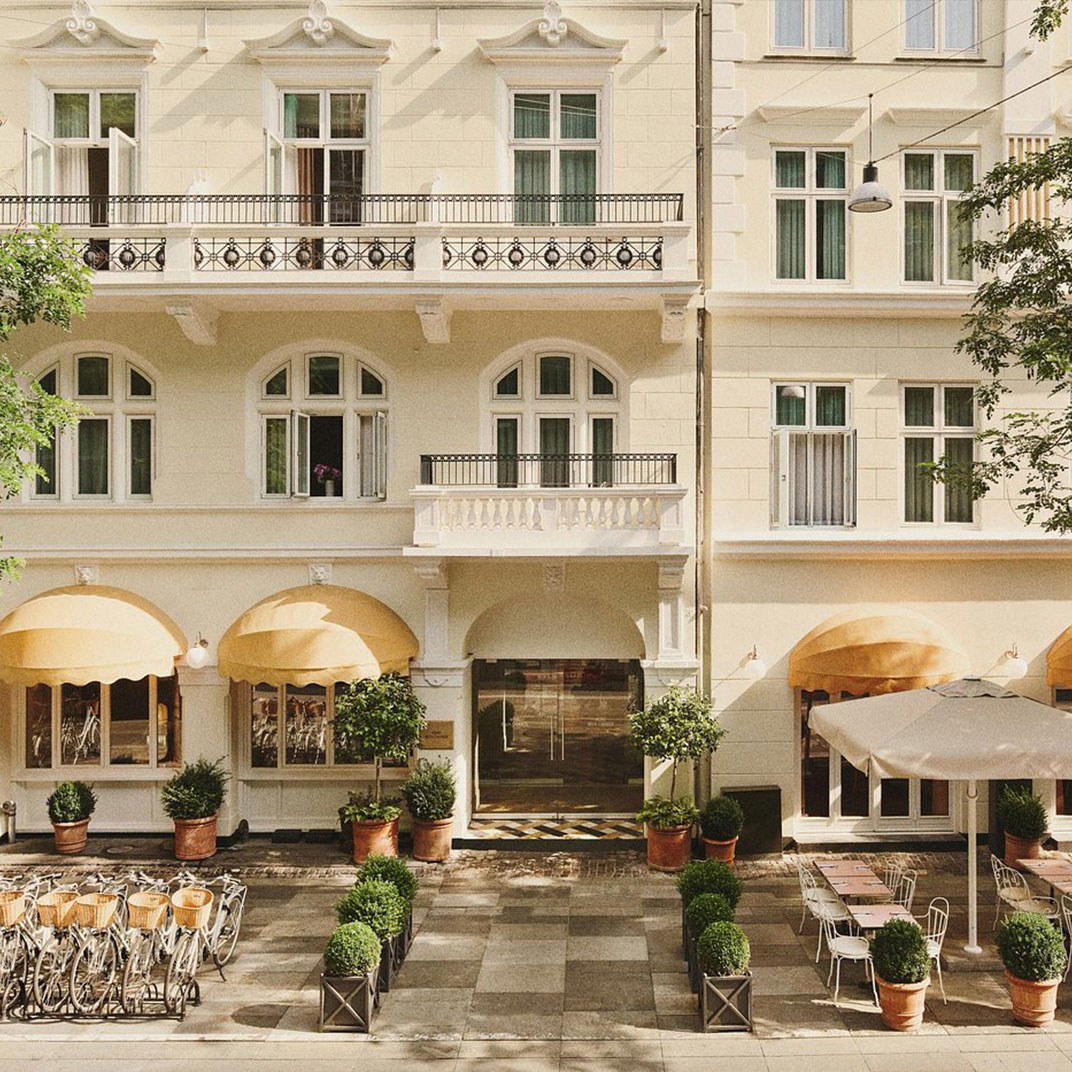
ItalGastro sits on Nørre Voldgade, a long boulevard tracing Copenhagen's old medieval city wall line between the Inner City and the Nørreport transit hub. The street has a quieter, residential-adjacent character compared to the denser restaurant corridors around Vesterbro or Nørrebro.
How does ItalGastro fit into Copenhagen's Italian restaurant scene?
Copenhagen does not have a deep tradition of destination Italian dining in the way that London or New York do, which means a focused Italian kitchen on Nørre Voldgade occupies a relatively open field. ItalGastro's position in the 1358 postal district places it in the Inner City, closer to the city's institutional and cultural core than the neighbourhood restaurant clusters in Vesterbro or Frederiksberg where much of Copenhagen's casual Italian offer is concentrated. For travellers specifically seeking Italian technique in a Nordic city, ItalGastro's central address makes it the most logistically convenient option in this part of the city.
What should I eat at ItalGastro?
Confirmed menu details are not available in current documentation, so specific dish recommendations cannot be made here. Italian restaurants operating in Copenhagen's fine-dining adjacent tier typically anchor their offer around seasonal Italian technique applied to local Scandinavian produce, a combination that Copenhagen diners have come to expect. Contact ItalGastro directly or check their current menu before visiting.
How do I find ItalGastro?
ItalGastro is located at Nørre Voldgade 25, 1358 København, Denmark, Copenhagen.
Can I walk in to ItalGastro?
The venue is at Nørre Voldgade 25, within easy reach of Nørreport station, which makes a speculative visit logistically simple, but calling ahead or checking their booking channel before arrival is the practical approach for a restaurant at this Copenhagen address.
Same-City Peers
Comparable venues nearby, for context on price, style, and recognition.
| Venue | Cuisine | Price | Awards | Notes |
|---|---|---|---|---|
| ItalGastroThis venue — the venue you are viewing | Authentic Italian Pizza & Pasta | $20–30 | Not listed | Not listed |
| Madbaren Marmorkirken | Casual Pizza and Sandwiches | $10–20 | Not listed | Indre By |
| Il_mattarello | Authentic Roman Pasta Lab | $20–30 | Not listed | Indre By |
| Fabro | Authentic Italian Pasta | $20–30 | Not listed | Indre By |
| Trattoria Fiat | Authentic Italian Trattoria | Not listed | Star Wine List | Indre By |
| MaMeMi | Authentic Roman-Style Pizza | $20–30 | 50 Top Pizza Europe #22 | Vesterbro-Kongens Enghave |
Continue exploring
More in Copenhagen
Restaurants in Copenhagen
Browse all →
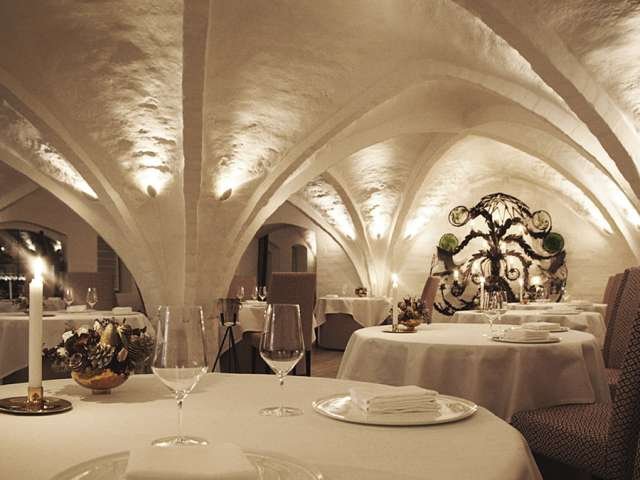
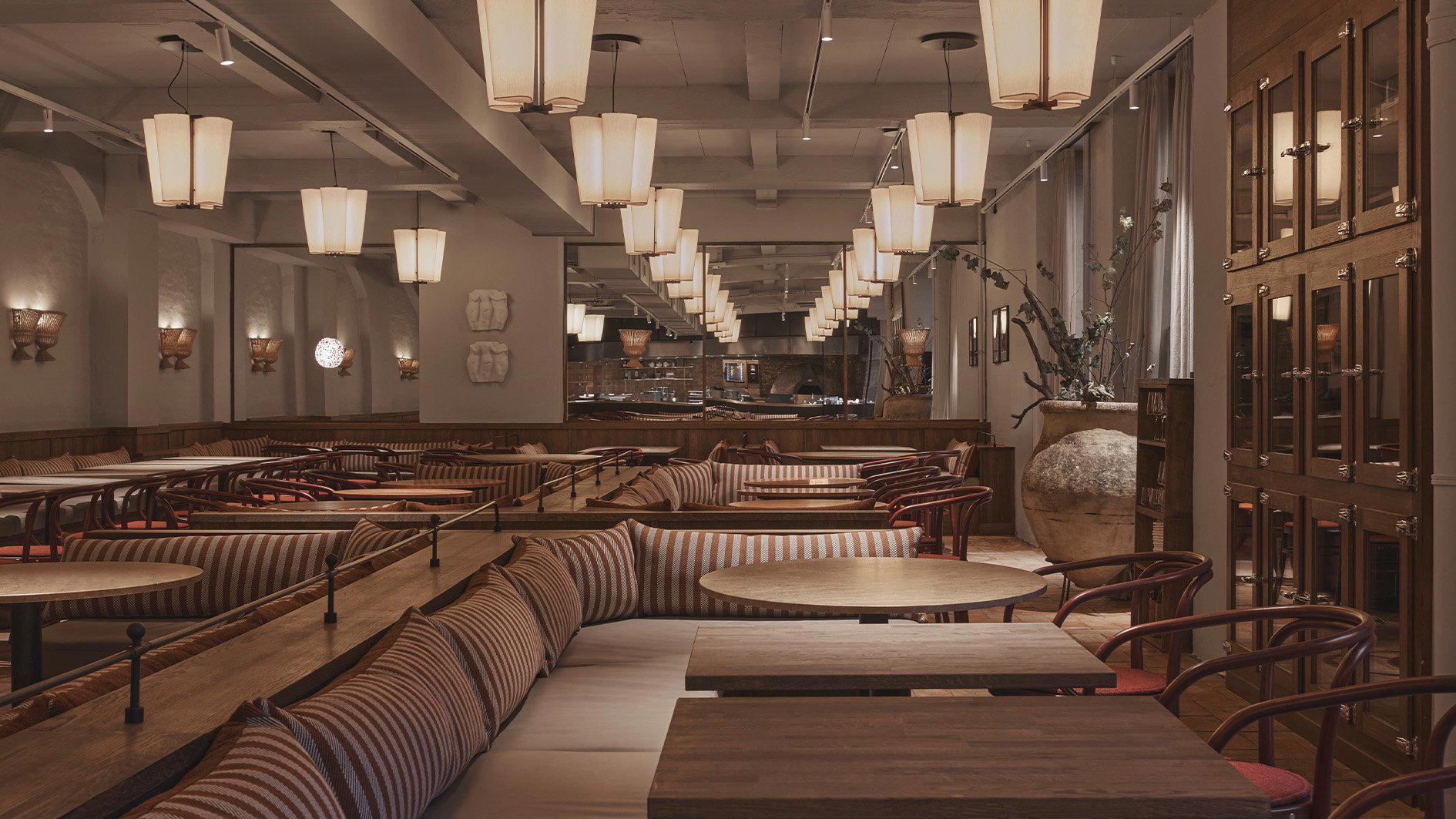
Bars in Copenhagen
Browse all →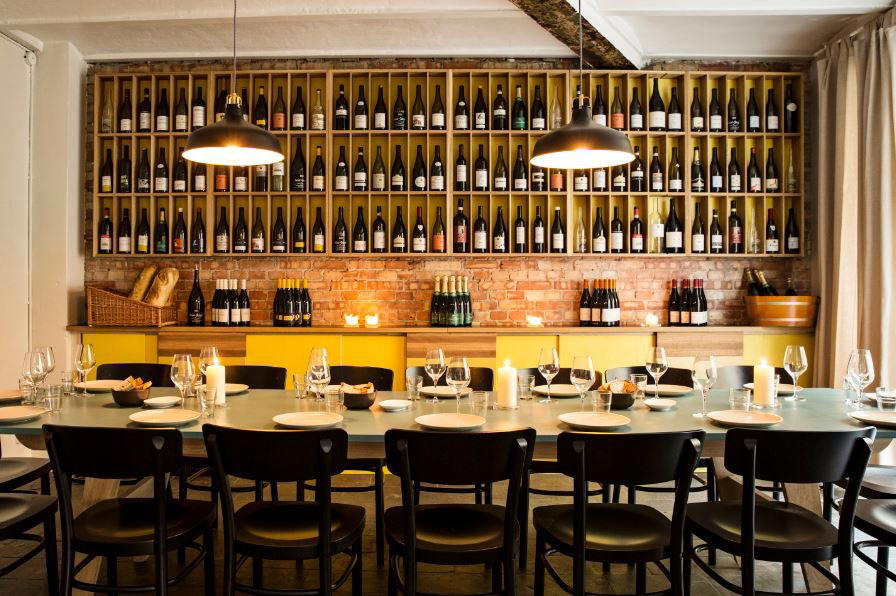
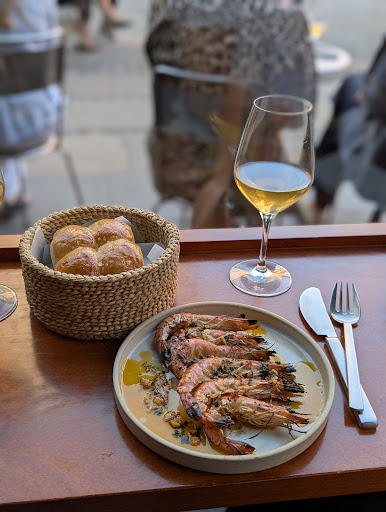
Hotels in Copenhagen
Browse all →

Details
- Cozy
- Intimate
- Classic
- Casual Hangout
- Date Night
- Open Kitchen
- A La Carte
- Vegetarian Friendly
- Vegan Options
Current opening hours
- Monday
- 12–9 PM
- Tuesday
- 12–9 PM
- Wednesday
- 12–9 PM
- Thursday
- 12–9 PM
- Friday
- 12–10 PM
- Saturday
- 12–10 PM
- Sunday
- 12–9 PM
Hours can change for holidays and private events. Last verified .
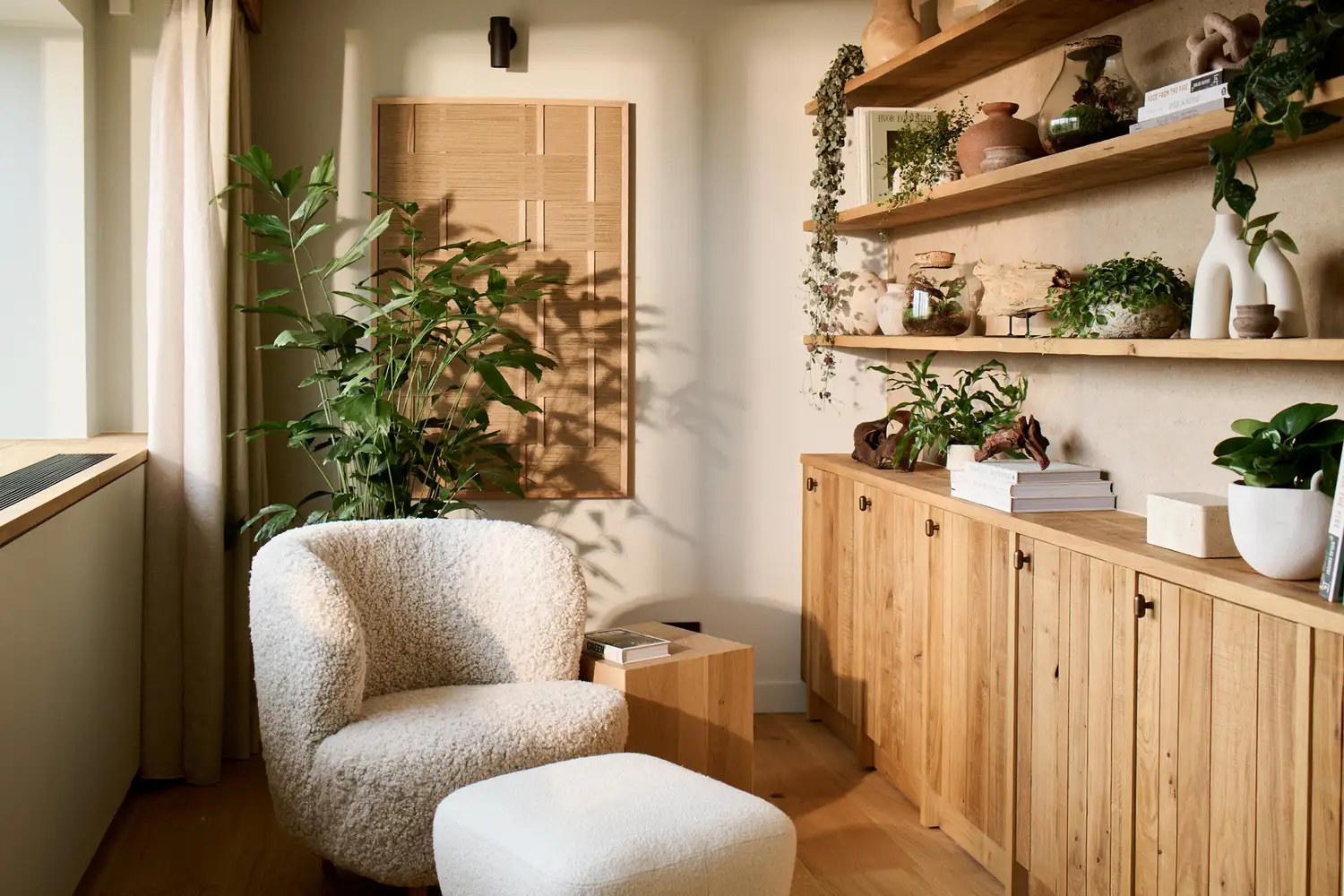
Cozy and homely Italian atmosphere with an open kitchen view.