El Viejo Mexico
Our verdict
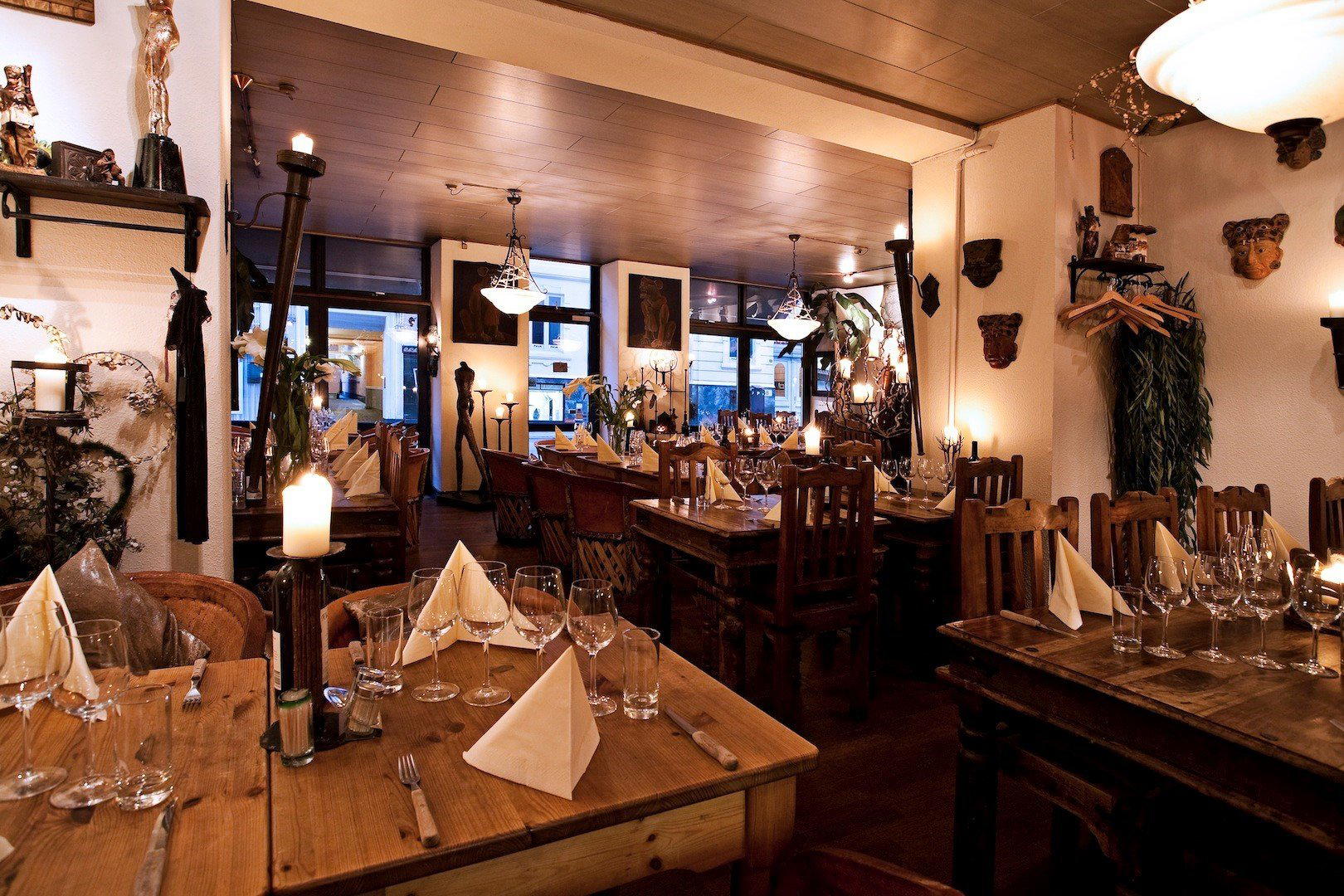
El Viejo Mexico occupies a quiet stretch of Store Kongensgade in Copenhagen's inner city, bringing Mexican cooking into a dining scene built almost entirely around Nordic restraint. In a city where tasting menus and foraged ingredients dominate the upper tier, this address offers a different register — one rooted in the tradition and architecture of Mexican cuisine rather than the Scandinavian canon.

Pearl is the En Primeur Club membership app — saves, bookings, and concierge access live there. Same editors, same standards.
- Address
- Store Kongensgade 61, 1264 København K, Denmark
- Phone
- +4560151668
- Hours
- Mon ClosedTue–Wed 5:15–10:30 PMThu 5:15–11 PMFri 4:15–11:45 PMSat 1–11:45 PMSun Closed
- Website
- elviejomexico.dk
- Directions
- Get directions
- Booking
- Book on the venue's website
A Different Register on Store Kongensgade
Copenhagen's restaurant culture has spent two decades consolidating around a single dominant grammar: New Nordic, tasting menu format, foraged and fermented ingredients, muted tones. Walk through the inner city on any given evening and the menus at the leading end tell a coherent, recognisable story. Venues like Geranium, Noma, and Alchemist have made Copenhagen one of the most scrutinised dining cities in the world, but that scrutiny has also produced a kind of monoculture at the premium tier. The restaurants that sit outside that tradition — the ones building their menus on entirely different culinary logic — are easier to overlook precisely because they are not competing for the same awards or the same diner profile.
El Viejo Mexico, at Store Kongensgade 61 in the Kongens Nytorv neighbourhood, occupies that alternative space. Mexican cooking in Copenhagen is not a crowded category. The city's appetite for non-Nordic cuisines tends to get satisfied by Japanese, Italian, and French kitchens, with Latin American cooking represented thinly at the upper end. That scarcity gives this address a particular weight: it is not one entry in a competitive field, but a largely singular point of reference for a cuisine that deserves the same seriousness Copenhagen applies to its own traditions.
How the Menu Is Built
Mexican cuisine is one of the most architecturally complex in the world, and the way a kitchen chooses to present it tells you a great deal about its intentions. A lazy reading of the tradition reaches for tacos and guacamole and stops there. A more serious one acknowledges that Mexico's culinary geography is as varied as France's, that Oaxacan mole negro, Yucatecan cochinita pibil, and Veracruz-style seafood preparations belong to distinct regional traditions with their own ingredient logic, technique history, and cultural weight. UNESCO recognised Mexican cuisine as an Intangible Cultural Heritage in 2010, a designation that reflects the depth of that tradition rather than its surface familiarity.
The structure of a menu that takes this seriously will reflect those regional distinctions rather than collapsing them into a generalised pan-Mexican offering. Where dishes are sourced from matters: whether the kitchen signals Oaxacan or Poblano or northern norteño influences tells a reader which parts of Mexico's cooking tradition it is drawing on. Similarly, the treatment of corn, whether the kitchen works with masa from scratch, uses nixtamalisation, or relies on pre-processed flour, is a reliable signal of technical commitment. These are the markers that separate a menu built on knowledge from one built on appetite for familiarity.
Because the venue data available here does not include the specific menu format or dish list for El Viejo Mexico, EP Club does not speculate on individual items. What can be said is that the address exists in a city where the competition for this culinary register is thin, which means the kitchen is not being measured against a dozen local peers but against a broader understanding of what Mexican cooking can and should be.
Where It Sits in Copenhagen's Dining Structure
Copenhagen's dining structure at the premium end is heavily weighted toward progressive Nordic formats. Koan fuses Nordic and kaiseki traditions. Kadeau operates within a strict seasonal and sourcing discipline. The tasting menu format dominates above a certain price threshold, and the city's critics and awards infrastructure has been built largely to evaluate that format. A Mexican kitchen operates under different criteria: the question is not whether the ingredients are locally foraged but whether the chile selection is considered, whether the cooking techniques honour regional specificity, and whether the flavour architecture balances heat, acid, fat, and depth in the proportions those traditions require.
This distinction matters for how a visitor approaches the reservation. Diners arriving with expectations shaped by Geranium or Alchemist, where the experience is rigidly sequenced, wine-paired, and conceptually framed, will find a different kind of evening here. El Viejo Mexico answers to a different set of questions. That is not a caveat; it is the point.
For context on how Copenhagen compares to other cities EP Club covers: Mexican restaurants operating at a serious level in cities with larger Latin American communities, think New York or San Francisco, where venues like Le Bernardin and Lazy Bear operate inside dense competitive fields, tend to be measured against immediate local peers.
The Kongens Nytorv Context
Store Kongensgade runs northeast from Kongens Nytorv, one of Copenhagen's principal squares, through a neighbourhood that mixes residential buildings with embassies, design studios, and a range of restaurants that skew toward the quieter end of the city's dining register. It is not the area of the city associated with Nordic fine dining's most visible addresses, those cluster further south and in the meatpacking district. This part of the inner city has a more settled, less touristic character, which suits a kitchen that is not positioning itself through spectacle.
Visitors building a wider Danish itinerary can use Copenhagen as a base and extend outward: Jordnær in Gentofte and Frederikshøj in Aarhus represent the Nordic fine dining tradition at its most disciplined outside the capital. Further afield, Henne Kirkeby Kro, Frederiksminde, Ti Trin Ned, Dragsholm Slot Gourmet, LYST, Tri, Pearl by Paul Proffitt, and Syttende map the full scope of serious Danish cooking beyond the capital. Our full Copenhagen restaurants guide covers the city's dining structure in more detail.
Know Before You Go
Treat all unconfirmed details as requiring direct verification.
Frequently asked questions
What's the address for El Viejo Mexico?
El Viejo Mexico is located at Store Kongensgade 61, 1264 København K, Denmark, Copenhagen.
How does El Viejo Mexico compare to other non-Nordic restaurants in Copenhagen?
Copenhagen's dining structure at the premium end is heavily Nordic in orientation, which makes any kitchen working in a fully distinct culinary tradition relatively uncommon at this address tier. For diners seeking an alternative to the tasting-menu Nordic format that dominates the Kongens Nytorv quarter, it represents a genuinely different proposition.
What should I eat at El Viejo Mexico?
Mexican cuisine is one of the most architecturally layered in the world, built around corn, chile, and slow-cooked proteins that require real technical commitment from a kitchen. At El Viejo Mexico on Store Kongensgade 61, the menu reflects that structural complexity rather than flattening it into accessible approximations. Specific current dishes are best confirmed directly before visiting, as seasonal availability shapes what any kitchen in this format can consistently deliver.
How hard is it to get a table at El Viejo Mexico?
El Viejo Mexico sits on Store Kongensgade in Copenhagen's Kongens Nytorv quarter, a neighbourhood that draws both residents and visitors. Checking availability directly with the venue will give the clearest picture.
What has El Viejo Mexico built its reputation on?
El Viejo Mexico has built its position in Copenhagen on offering a cuisine that sits entirely outside the tasting-menu, New Nordic grammar that defines the city's premium dining conversation. In a restaurant culture shaped by kitchens like Koan and Kadeau, a kitchen committed to the structural logic of Mexican cooking occupies genuinely different ground. That differentiation, sustained on Store Kongensgade 61, is the foundation of its standing.
Is El Viejo Mexico good for vegetarians?
Mexican culinary tradition includes a substantial body of vegetable-forward dishes rooted in corn, legumes, chiles, and squash, which gives kitchens working in this idiom real material to draw on beyond meat-centred plates. Whether El Viejo Mexico maintains a dedicated vegetarian section or accommodates requests on request is best confirmed with the venue directly at Store Kongensgade 61, Copenhagen, before booking.
Comparable Venues
Comparable venues nearby, for context on price, style, and recognition.
| Venue | Cuisine | Price | Notes |
|---|---|---|---|
| El Viejo MexicoThis venue — the venue you are viewing | Authentic Mexican | $30–50 | Not listed |
| Fabro | Authentic Italian Pasta | $20–30 | Indre By |
| Cafe Oscar | Danish Comfort Food & Cafe | $20–30 | Indre By |
| Charm | Authentic Thai Cuisine | $20–30 | Indre By |
| La Vecchia Signora | Authentic Italian Pizza and Pasta | $20–30 | Indre By |
| Slotskælderen Gitte Kik | Traditional Danish Smørrebrød | $20–30 | Indre By |