KILDEN i haven
On Vesterbrogade, one of Copenhagen's busiest arterial streets, KILDEN i haven occupies a position that sits outside the city's most-covered fine dining corridor yet remains within easy reach of the centre. The name — roughly translated as 'the source in the garden' — signals a kitchen oriented toward seasonal, grounded cooking in a city that has made that tradition its principal export.
Pearl is the En Primeur Club membership app — saves, bookings, and concierge access live there. Same editors, same standards.
- Address
- Vesterbrogade 3, 1553 København, Denmark
- Phone
- +4528797058
- Website
- kildenihaven.dk
- Directions
- Get directions
 Saves & bookings on Pearl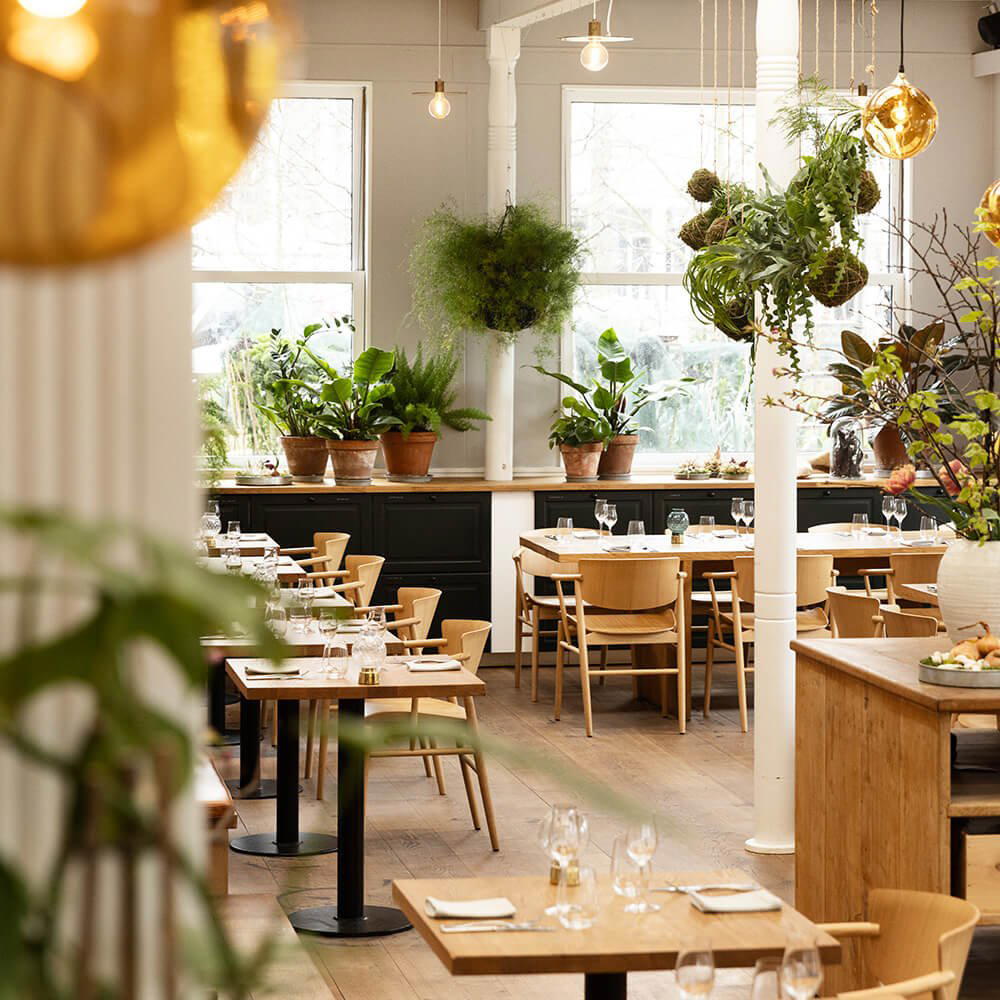
Copenhagen's Dining Evolution and Where KILDEN i haven Fits
Copenhagen has spent the better part of two decades building a dining identity that other cities now reference as a benchmark. The trajectory is well documented: Noma reframed what Nordic ingredients could do, Geranium followed with a more classical structure applied to the same seasonal logic, and a wave of mid-tier restaurants absorbed those lessons and applied them at lower price points and with less ceremony. Alchemist pushed the format further toward theatrical multi-act dining, while Koan introduced a Kaiseki cross-reference that placed the city's ingredient culture inside a Japanese structural frame. The result is a dining scene with genuine range, from 50-course conceptual experiences to neighbourhood spots that carry the same seasonal seriousness without the apparatus.
KILDEN i haven, addressed at Vesterbrogade 3 in the inner city, sits in that broader pattern of Copenhagen restaurants that have absorbed the New Nordic influence without necessarily competing in the Michelin bracket. Vesterbrogade runs west from the city's main station through Vesterbro, a district that has shifted steadily from its older working-class identity toward a concentration of independent restaurants, wine bars, and food-forward cafes. That neighbourhood context matters: venues on this street operate in a competitive local environment where the reference points are other serious small restaurants, not hotel dining rooms or flagship tasting-menu destinations.
The Garden-Source Framework: What the Name Signals
The name KILDEN i haven — 'the source in the garden' — belongs to a category of Copenhagen restaurant naming that arrived alongside the New Nordic movement's emphasis on provenance and place. This is a deliberate language shift from the abstract or personality-driven names common in French-influenced fine dining toward names that describe a relationship with ingredients or landscape. It positions the kitchen before a guest even arrives: the source matters, the garden matters, and the cooking is built around both. Whether the execution follows that framing closely is the more interesting question, and one that the limited available record on this venue makes difficult to answer with precision.
What can be said with confidence is that Copenhagen has developed a market for exactly this kind of mid-register, values-led restaurant. The city's dining evolution has produced not just headline destinations but a deeper layer of restaurants that carry the same seasonal seriousness at more accessible price points and in less formal settings. Kadeau represents one version of this, with its Bornholm-sourced larder translated into a tasting format. KILDEN i haven, based on its address and naming alone, appears to occupy an adjacent space, though with less documentation available to confirm the specifics of its current format.
Reinvention as the Default Mode in Copenhagen Dining
The evolution angle is worth considering carefully in the Copenhagen context. The city's restaurant culture has been through multiple cycles of reinvention in a short period. Venues that opened in the early post-Noma wave adapted as tasting menus became over-represented and diners began pushing back on the format's rigidity. Many shifted toward shorter menus, à la carte options, or hybrid formats that allow more flexibility. Others pivoted toward natural wine programs, small-plates structures, or lunch-only formats to differentiate on both value and experience type.
KILDEN i haven's position on Vesterbrogade suggests it is operating in the part of the market where these adaptations happen most visibly. The street's restaurant density creates constant pressure to clarify what a venue does and why someone would choose it over alternatives within walking distance. The garden-source identity is one answer to that question, but sustained operation in this neighbourhood typically requires iterative adjustment to format, pricing, and offer as the competitive environment shifts around you. Copenhagen's dining scene rewards specificity, and venues that remain too broadly defined tend to lose ground to those with a clearer proposition.
For a point of comparison beyond Copenhagen, the same dynamic plays out in cities like New York, where restaurants such as Le Bernardin have maintained identity through decades of menu evolution without abandoning their foundational logic, and Atomix has redefined its format progressively while keeping its core Korean-inflected tasting structure intact. Longevity in competitive urban dining markets almost always involves a willingness to change the surface while preserving the underlying point of view.
Copenhagen Beyond the Headlines
Visitors assembling a Copenhagen dining itinerary often concentrate on the city's most-awarded addresses and miss the layer of restaurants that reflects how locals actually eat on a regular basis. The headline venues, Geranium, Alchemist, Koan, are essential reference points for understanding where the city's cooking has arrived, but they represent the tip of a much larger ecosystem. The Vesterbro area in particular has generated a concentration of neighbourhood-scale restaurants that apply the same seasonal and sourcing logic without the tasting-menu price tag or the booking difficulty.
Denmark's serious dining culture extends well beyond Copenhagen's city limits. Jordnær in Gentofte operates just outside the city with a two-Michelin-star kitchen. Further afield, Frederikshøj in Aarhus, Henne Kirkeby Kro in Henne, Alimentum in Aalborg, ARO in Odense, Domæne in Herning, Dragsholm Slot Gourmet in Hørve, Frederiksminde in Præstø, LYST in Vejle, and MOTA in Nykøbing Sjælland all demonstrate that the country's appetite for serious, produce-led cooking is not confined to the capital. For anyone building a broader Danish dining itinerary, these destinations extend the conversation considerably. See our full Copenhagen restaurants guide for a structured overview of where the city's dining sits by format, price, and neighbourhood.
Planning a Visit
KILDEN i haven is located at Vesterbrogade 3, within easy walking distance of Copenhagen Central Station and accessible by multiple bus routes along Vesterbrogade itself. The address places it at the eastern end of Vesterbro, close to Tivoli and the Rådhuspladsen area, which makes it a practical option for visitors staying in the city centre who want to eat in a neighbourhood rather than a tourist zone. Given the Vesterbro dining environment, walk-in availability on quieter weeknights is plausible, but any venue operating a fixed-format menu will require advance reservation.
How KILDEN i haven Copenhagen compares with similar nearby venues.
| Venue | Cuisine | Price |
|---|---|---|
| Restaurant Glassalen | Modern Cuisine | €€ |
Continue exploring
More in Copenhagen
Restaurants in Copenhagen
Browse all →
Bars in Copenhagen
Browse all →
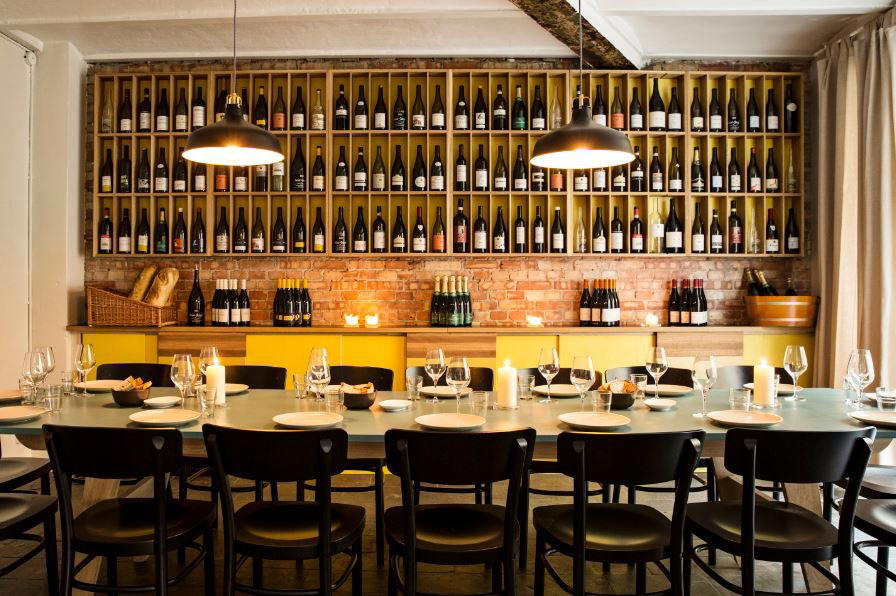
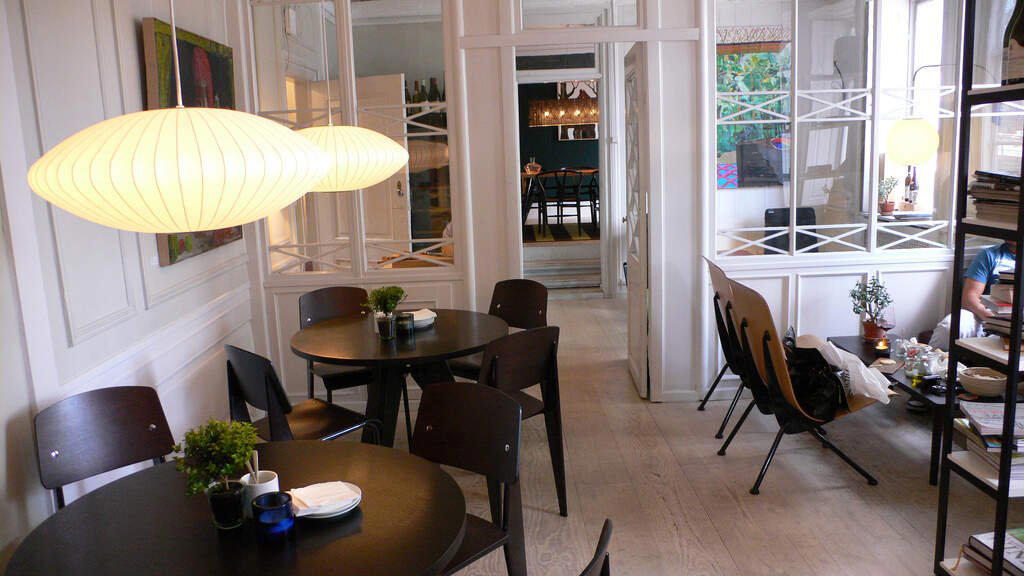
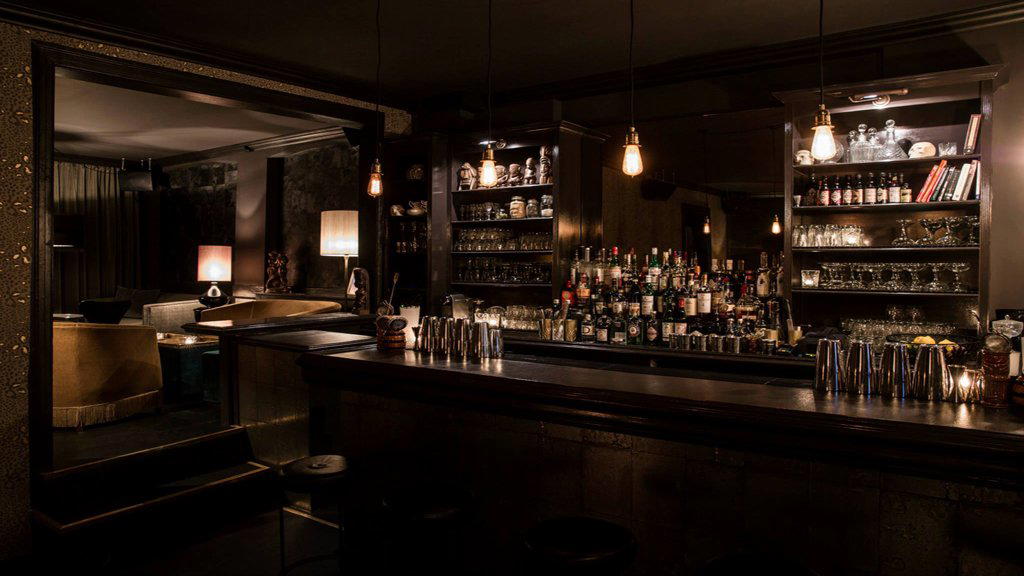
Hotels in Copenhagen
Browse all →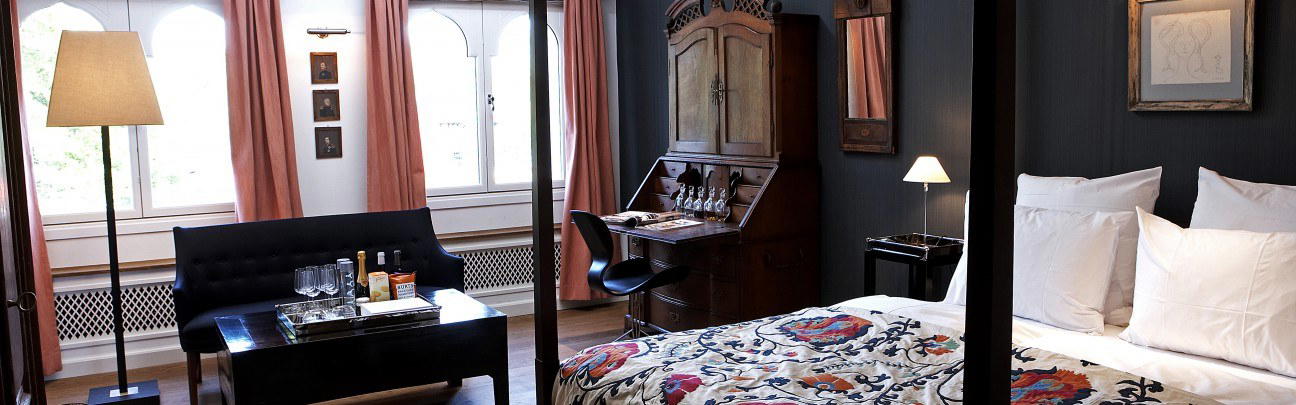

At a Glance
- Cozy
- Modern
- Scenic
- Elegant
- Date Night
- Family
- Celebration
- Casual Hangout
- Garden
- Open Kitchen
- Extensive Wine List
- Craft Cocktails
- Local Sourcing
- Organic
- Garden
Current opening hours
- Monday
- 12–11 PM
- Tuesday
- 12–11 PM
- Wednesday
- 12–11 PM
- Thursday
- 12–11 PM
- Friday
- 12–11:30 PM
- Saturday
- 12–11:30 PM
- Sunday
- 12–11 PM
Hours can change for holidays and private events. Last verified .
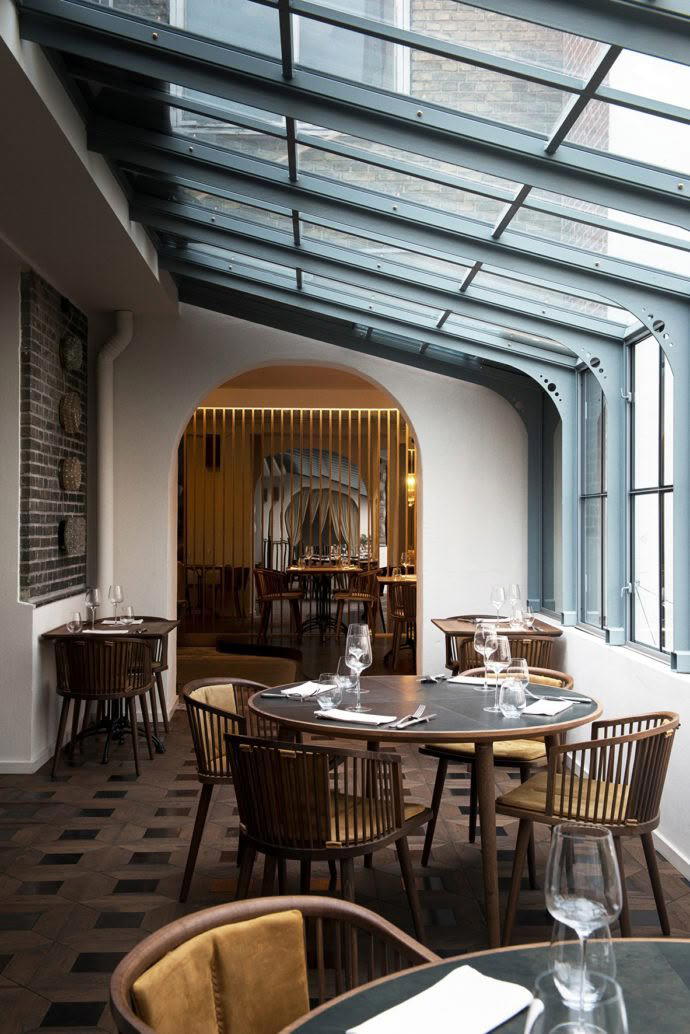
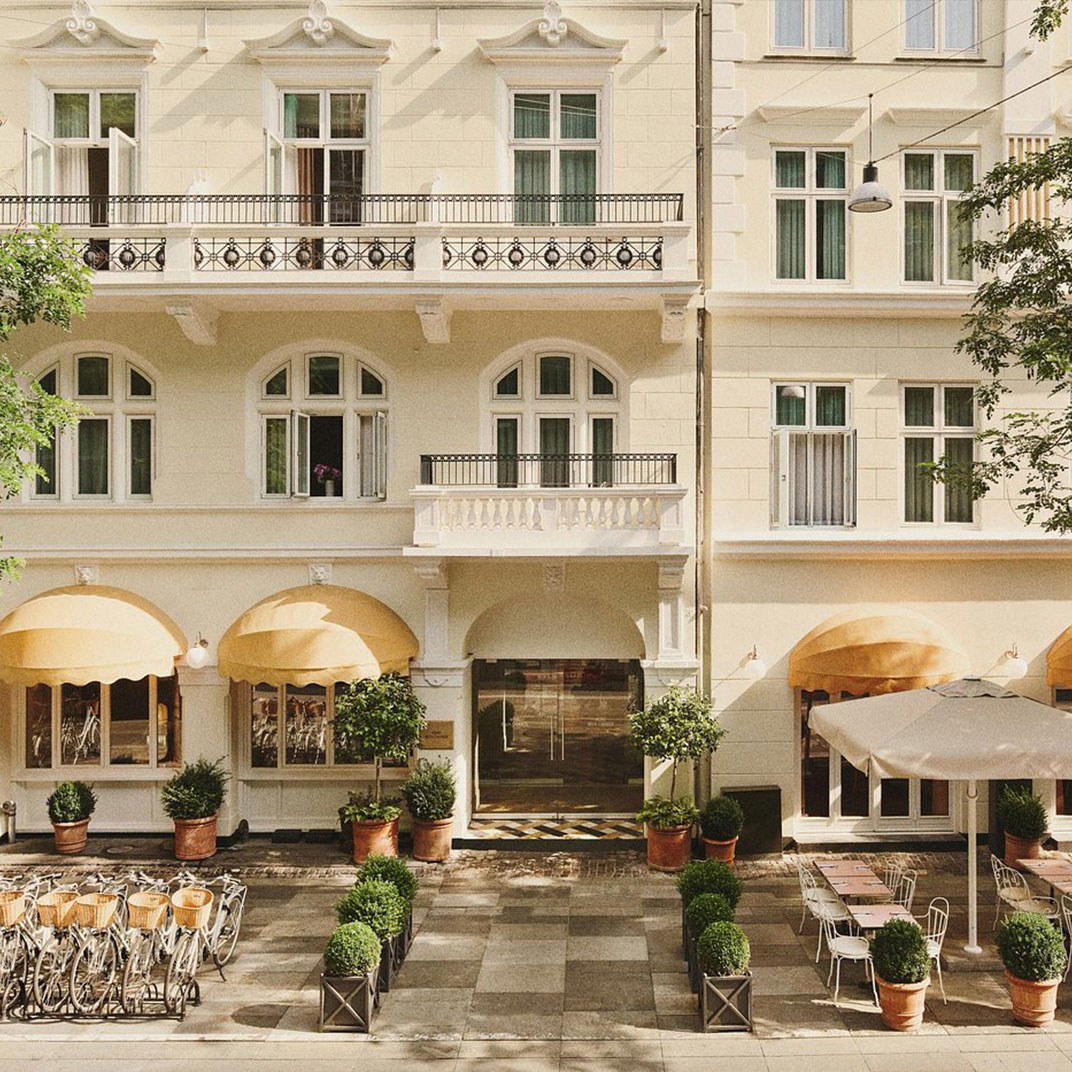
Tranquil garden oasis with lush greenery, bright airy spaces, and a serene atmosphere surrounded by Tivoli's charm.
Know Before You Go
- Getting there
- Vesterbrogade 3, 1553 København, Denmark