Our verdict
Plant-Based Dining in Xinyi: Where Ritual Meets Restraint Civic Boulevard in Taipei's Xinyi District is better known for its glass-tower corporate addresses and department-store dining floors than for quiet plant-based counters. That tension is...
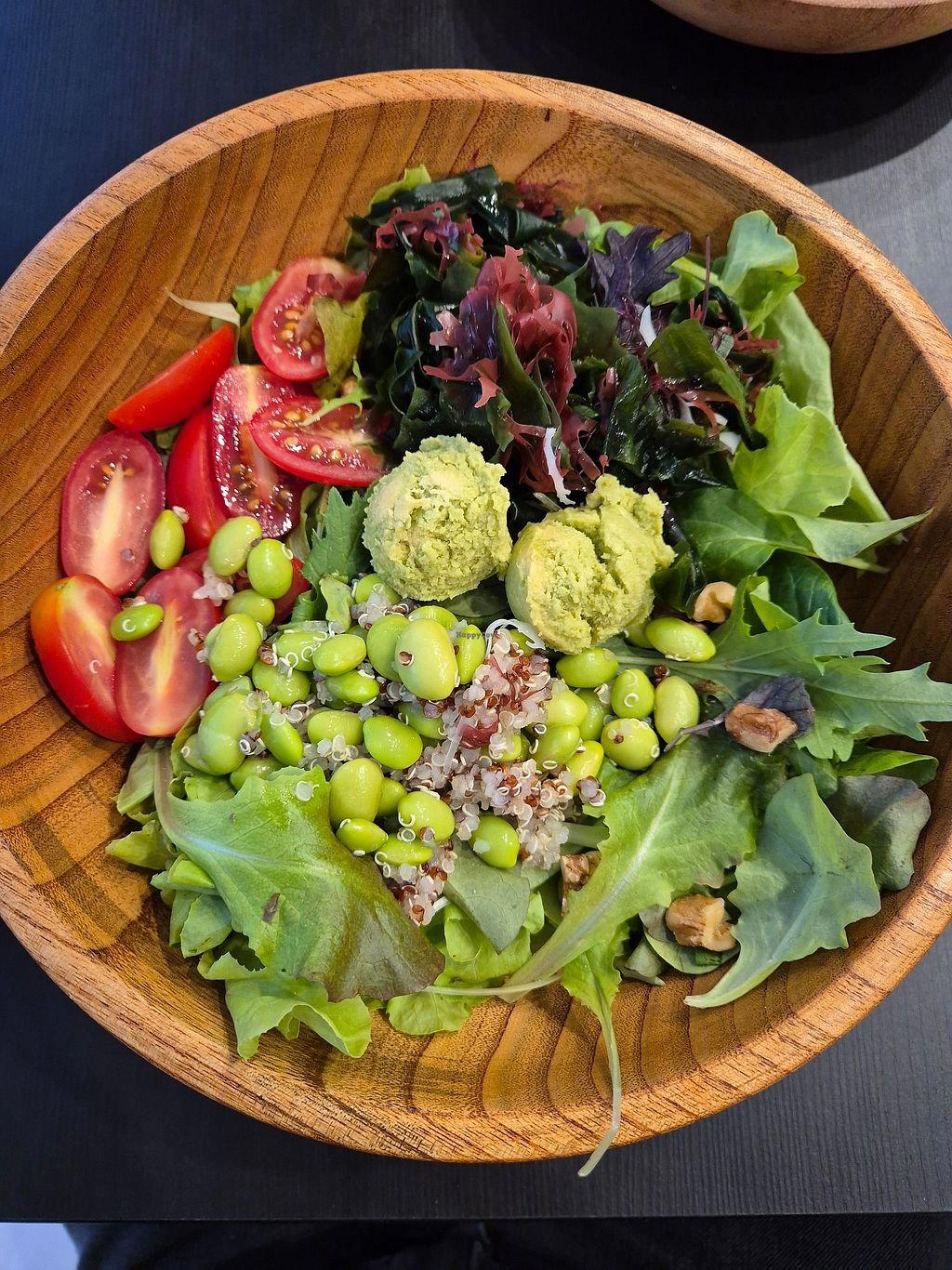
Plant-Based Dining in Xinyi: Where Ritual Meets Restraint
Civic Boulevard in Taipei's Xinyi District is better known for its glass-tower corporate addresses and department-store dining floors than for quiet plant-based counters. That tension is, in itself, a useful frame. Vegan and vegetarian restaurants in Taiwan occupy an unusual position in the broader dining culture: the country has one of the highest rates of vegetarian restaurant density in Asia, shaped by a long Buddhist culinary tradition that treats the meatless meal not as a lifestyle statement but as a daily ritual with its own grammar of flavour, pacing, and purpose. The zoo vegan food and beverage sits within that tradition while occupying a neighbourhood that tilts decidedly toward the international and the contemporary.
The Architecture of a Plant-Based Meal in Taipei
To understand how a vegan restaurant functions in Taipei, it helps to understand what plant-based dining has historically meant here. Taiwan's vegetarian (素食, sùshí) culture runs deeper than trend cycles. Temple kitchens and Buddhist monasteries have been refining tofu, fermented vegetables, gluten-based proteins, and layered broths for generations, producing a culinary vocabulary that bears no resemblance to the substitution-led approach common in Western plant-based menus. The meal, in that tradition, is not about absence. It is structured around presence: the presence of technique, of fermentation depth, of slow-cooked stocks that draw complexity from kombu, shiitake, and dried citrus rather than bone.
Contemporary vegan venues in Taipei increasingly bridge that monastic tradition with a more global frame. The format at places like The zoo vegan food and beverage in Xinyi points toward a dining ritual that is neither temple canteen nor trendy avocado-forward cafe, but something operating in the space between: ingredient-serious, technique-conscious, and priced for an audience that eats across the full spectrum of the city's dining scene. For context, Taipei's fine-dining tier includes Michelin-starred counters like logy (Modern European with Asian Contemporary inflection) and Taïrroir (Taiwanese-French), both of which frame the local-ingredient argument in tasting-menu format. A vegan venue that wants to be taken seriously by that same audience has to make a similar case for its own cooking logic.
Xinyi as a Dining Address
The Xinyi District is Taipei's most commercially dense quadrant, home to Taipei 101, the city's main luxury retail corridors, and a concentration of hotel restaurants that draw expense-account and tourist traffic in roughly equal measure. Section 6 of Civic Boulevard, where The zoo vegan food and beverage is addressed, sits at the district's eastern edge, where the tower density thins slightly and the street-level texture shifts toward smaller operators. Dining in this part of Xinyi tends to attract a mix of office workers at lunch and deliberate evening diners who have made a specific choice rather than stumbled in from the mall. That footfall pattern matters for a specialist plant-based venue: the audience is self-selecting.
For broader context on eating across the district and the city, our full Taipei restaurants guide covers the range from Michelin-recognised tasting counters to neighbourhood specialists across all price tiers. Taipei's dining scene has developed a regional reputation for technical ambition, and venues like Le Palais (Cantonese, operating at the top of its category) and L'Atelier de Joël Robuchon Taipei anchor the fine-dining conversation, while the city's vegan and vegetarian tier has been quietly deepening its own argument in parallel.
The Ritual of the Meatless Table
The dining ritual at a thoughtfully run plant-based venue differs from omnivore tasting formats in one structurally significant way: the kitchen cannot rely on the automatic register of animal protein to carry a dish across the finish line. Every course has to earn its weight through something else, whether that is textural contrast, fermentation complexity, temperature play, or the kind of umami depth that comes from long reduction and layered seasoning. This raises the stakes on pacing. A well-run plant-based progression tends to move from light and acid-forward through increasingly dense and savoury, mirroring the logic of a classical European tasting menu but drawing from an entirely different larder.
Taiwan's plant-based kitchens have particular access to ingredients that most Western vegan restaurants can only approximate: fresh tofu pulled the same morning, house-fermented doubanjiang, aged soy products with the complexity that time and controlled humidity produce, and seasonal mountain vegetables from the island's central ranges that have no direct equivalent elsewhere. When a kitchen in Taipei works with these materials seriously, the result is not a compromise version of something else. It is its own cuisine.
Placing The Zoo in Taiwan's Wider Restaurant Map
Plant-based dining in Taiwan is not confined to Taipei. Tainan has a long vegetarian tradition rooted in its temple culture, and venues like Chenggong Douhua show how deeply soy-based foods are embedded in the island's food identity at every price point. In Taichung, JL Studio makes the case for Taiwanese-adjacent cooking at a Michelin-starred level. Kaohsiung's GEN and Tainan's A Xia reflect how the island's appetite for serious cooking extends well beyond the capital.
Within Taipei's immediate surroundings, venues like GARDENh in Yonghe District and operators in Sanchong District fill out the mid-tier dining picture across the greater metro area. At the fine-dining end of the Spanish contemporary spectrum, Molino de Urdániz shows how international culinary frameworks have taken serious root in Taipei, a point relevant to understanding why the city's plant-based venues increasingly frame themselves in a global culinary idiom rather than purely a local one. Internationally, the argument for ingredient-led, technique-serious plant-based cooking is being made at venues like Atomix in New York, where the broader project of challenging what a tasting menu can be runs parallel to conversations happening in Taipei's own dining rooms.
Planning a Visit
The zoo vegan food and beverage is addressed at 108, Section 6, Civic Boulevard, Xinyi District, Taipei. The Xinyi District is accessible via the Taipei Metro's Xinyi line, with Taipei City Hall station serving as the main interchange for the eastern part of the district. Visitors coming from the central hotel corridor around Da'an or Zhongzheng will find the location a direct MRT journey. Given the venue's specialist positioning, it is worth contacting ahead to confirm current service formats, hours, and any reservation requirements, as plant-based venues at this address tier often operate with limited daily covers and specific service windows. For broader dining decisions in the surrounding region, venues in Zhubei City and Hsinchu City offer additional reference points for northern Taiwan's dining range.
Frequently asked questions
What dish is The zoo vegan food and beverage famous for?
What the venue's plant-based positioning implies, within the broader context of serious vegan kitchens in Taipei, is a focus on soy-based preparations, fermented components, and seasonal Taiwanese produce rather than Western-style protein substitutes. For current menu details, contacting the venue directly is the only reliable route.
Do they take walk-ins at The zoo vegan food and beverage?
Walk-in availability at specialist plant-based venues in Taipei's Xinyi District varies considerably depending on the service format and time of day. Xinyi addresses in this category tend to draw a mix of planned and opportunistic diners, but given the neighbourhood's office and commercial density, lunch slots particularly can fill quickly on weekdays. Taipei's serious dining culture across all price tiers, from Michelin counters to neighbourhood specialists, has normalised advance booking even at informal addresses.
Is The zoo vegan food and beverage suitable for diners who follow Buddhist dietary restrictions?
Taiwan's vegetarian dining culture has deep roots in Buddhist practice, and many plant-based venues in the country distinguish between general vegan menus and menus that exclude alliums (onion, garlic, scallion, leek, and chive) as required by certain Buddhist traditions.
In Context: Similar Options
Comparable options at a glance, pulled from our tracked venues.
| Venue | Cuisine | Price | Awards | Notes |
|---|---|---|---|---|
| The zoo vegan food and beverageThis venue (the venue you are viewing) | Vegan Cafe | Not listed | Not listed | Not listed |
| logy | Modern Japanese-Taiwanese Fusion Omakase | $100–150 | 2 Michelin Stars · World's 50 Best #22 | Modern European, Asian Contemporary |
| Le Palais | Fine Dining Cantonese | $150–200 | 3 Michelin Stars · La Liste Top Restaurants | Cantonese |
| Taïrroir | Taiwanese-French Fusion Fine Dining | $150–200 | 3 Michelin Stars · La Liste Top Restaurants | Taiwanese/French, Taiwanese contemporary |
| Mudan Tempura | Michelin-Starred Tempura | Not listed | 2 Michelin Stars · La Liste Top Restaurants | Tempura |
| Golden Formosa | Traditional Taiwanese | $20–30 | 1 Michelin Star | Taiwanese |
Continue exploring
More in Taipei
Restaurants in Taipei
All restaurants in Taipei →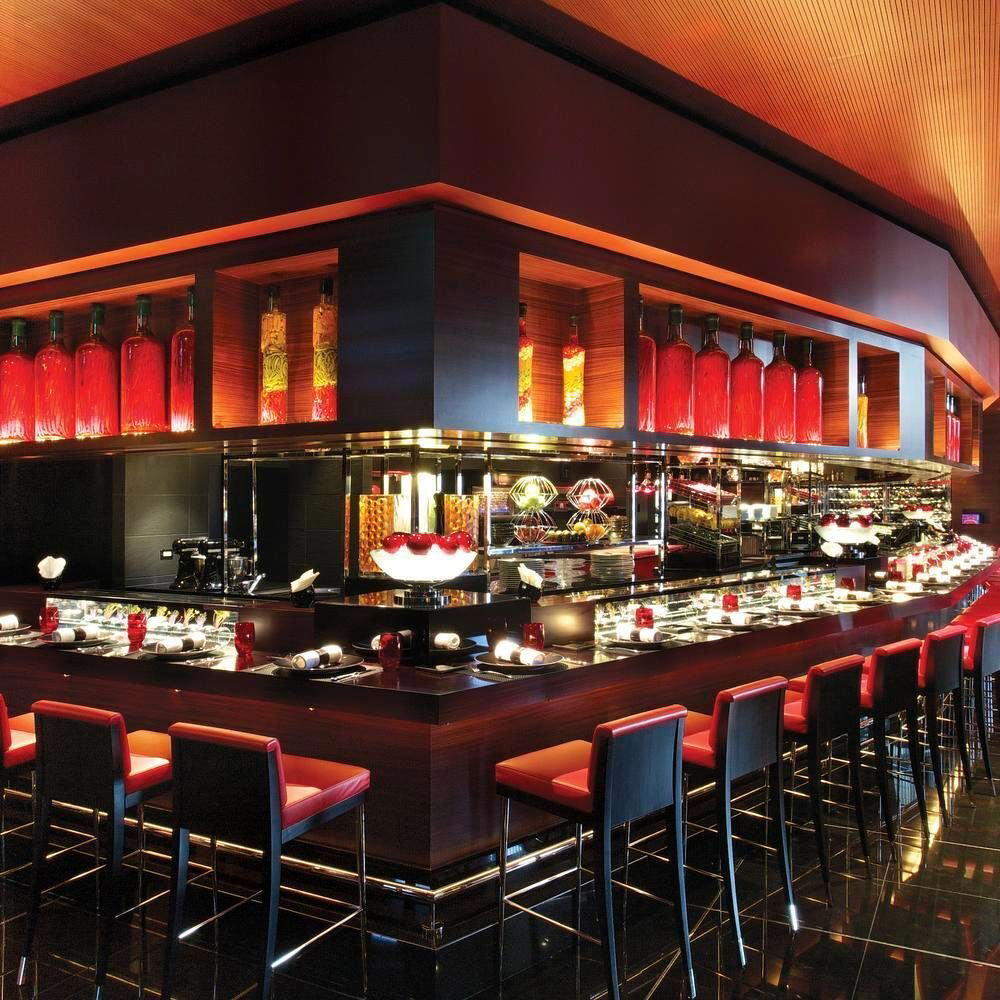
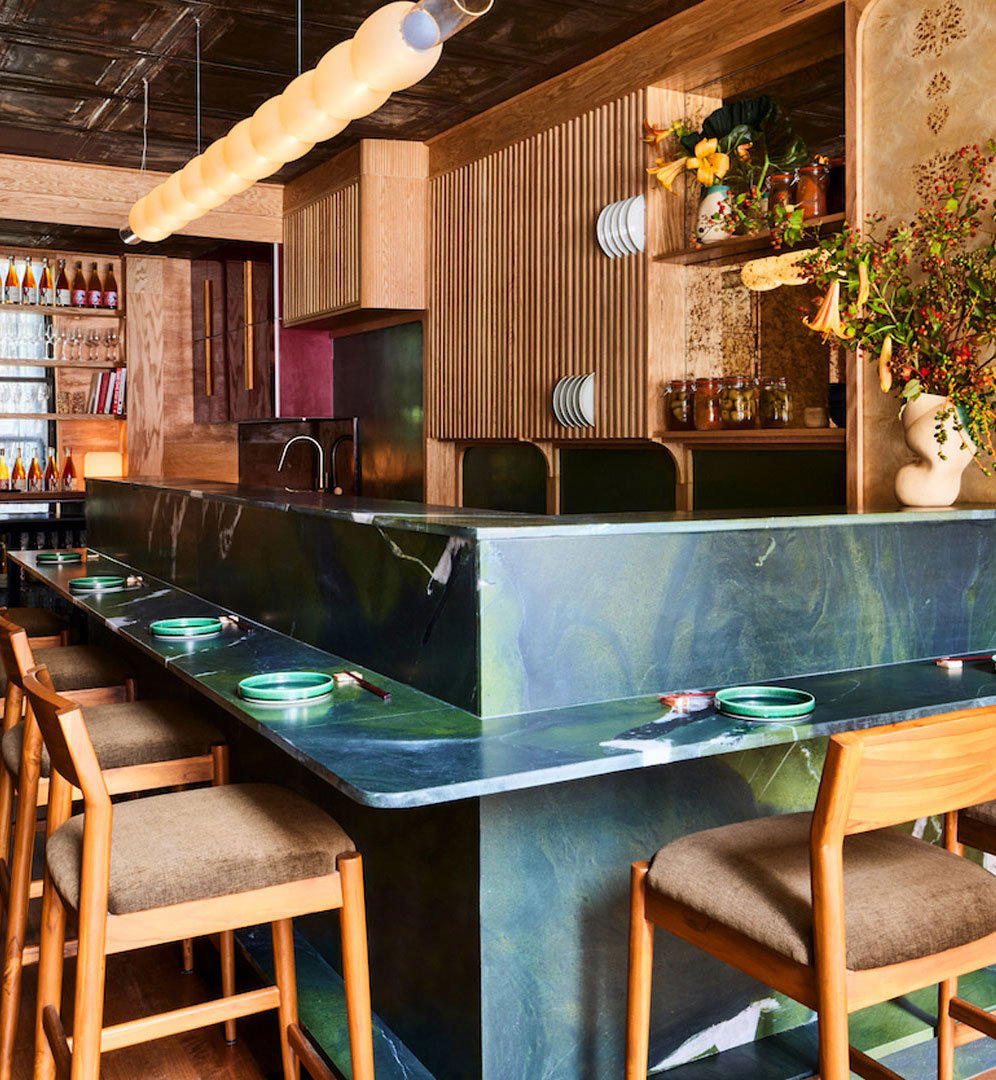
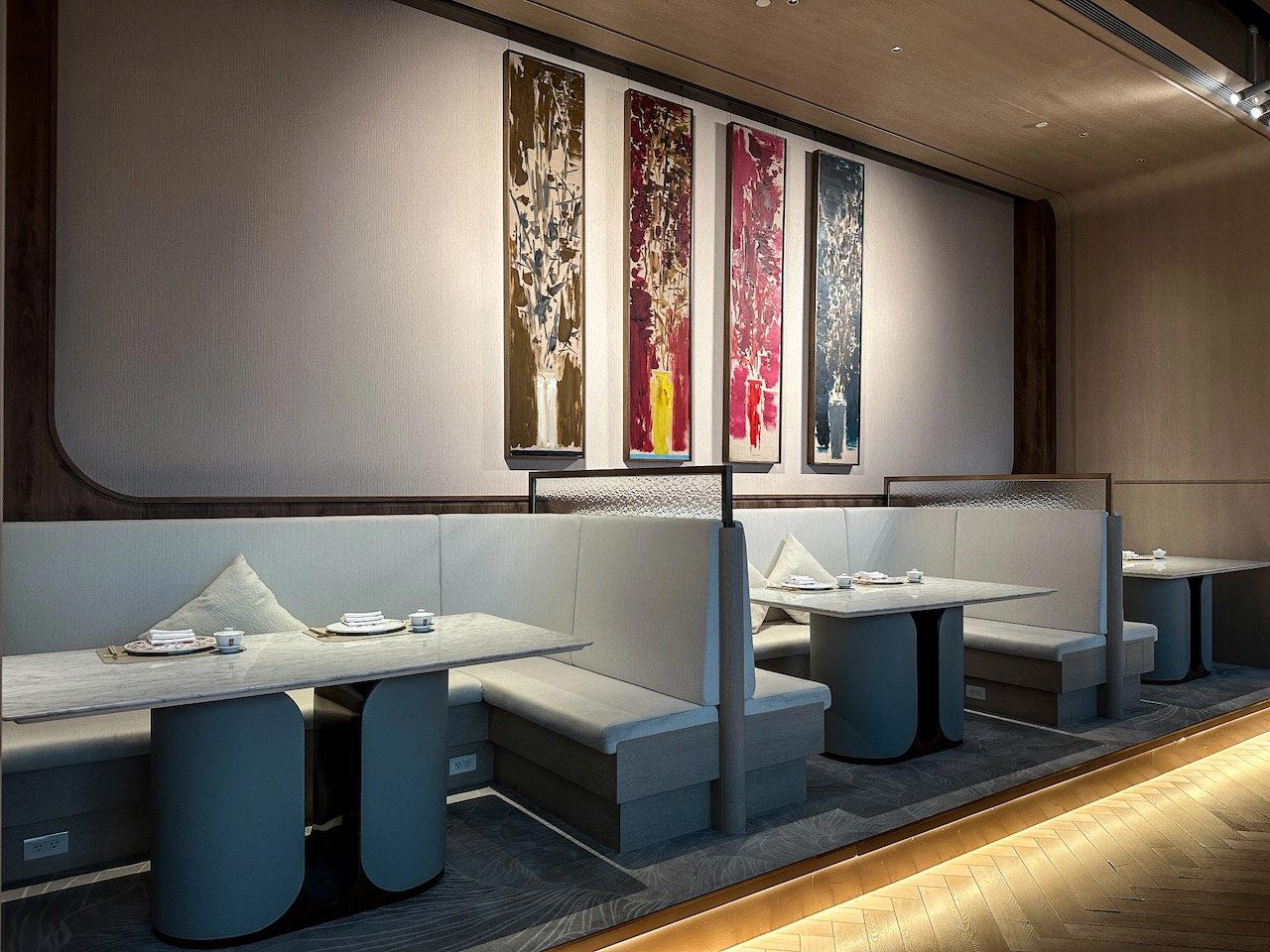
Bars in Taipei
All bars in Taipei →
Hotels in Taipei
All hotels in Taipei →
Wineries in Taipei
Browse all →
Details
- Cozy
- Modern
- Trendy
- Casual Hangout
- Brunch
- Open Kitchen
- Craft Cocktails
- A La Carte
- Vegan Options
Lively and welcoming atmosphere emphasizing respect for life and nature.