Our verdict
Kanom Beung Bang Mae Prapa keeps one of Bangkok's most specific street food traditions alive: the crisp, folded Thai crepe known as kanom beung, made at the source in the Bang Mae Prapa area. This is ingredient-led street cooking at its most direct, where the distance between raw material and finished bite is measured in minutes rather than supply chains.

Pearl is the En Primeur Club membership app — saves, bookings, and concierge access live there. Same editors, same standards.
- Address
- 27 Pramuan Rd, Si Lom, Bang Rak, Bangkok 10500, Thailand
- Phone
- +66 2 238 4002
- Website
- kalpapruekrestaurants.com
- Directions
- Get directions
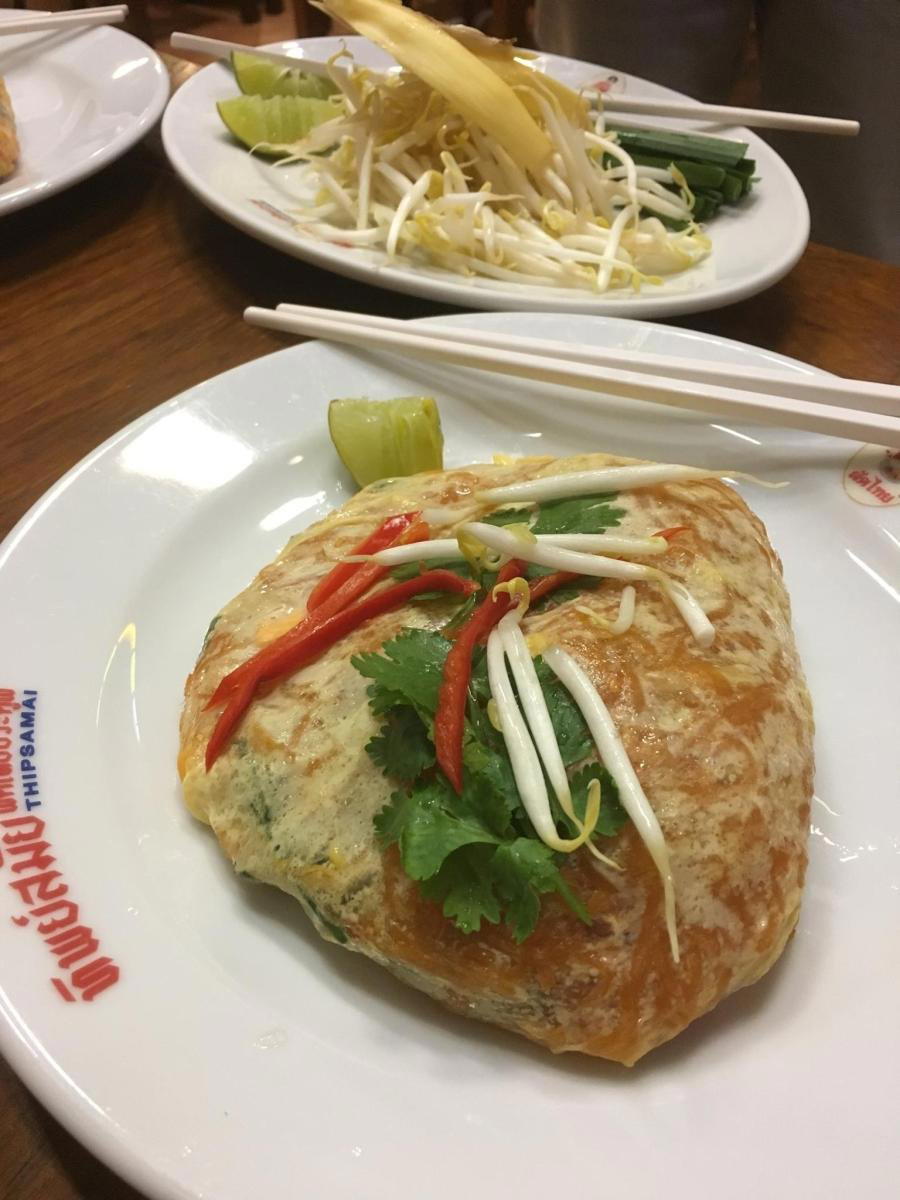
The menu
What to order
- Kanom bueang
- Thai crispy pancakes
- Thai crispy crepes with sweet coconut topping
- Thai crispy crepes with savory topping
A Street Crepe and Its Geography
Bangkok's street food map rewards specificity. Pad thai varies block by block; boat noodles taste different depending on whether you're near a canal or deep in a shophouse row. Kanom beung, the thin, crisp Thai crepe traditionally filled with sweet coconut cream or foi thong egg yolk threads, has its own geography too, and Kanom Beung Bang Mae Prapa is located in a part of Bangkok where the name of the vendor is inseparable from the name of the neighbourhood. That kind of address is rare: it signals a vendor so embedded in local food culture that the place and the product have become synonymous.
Bangkok's relationship with traditional Thai sweets and snacks has grown more complicated as the city's food scene expands in multiple directions simultaneously. Tasting-menu Thai cuisine at Sorn (Southern Thai) and Baan Tepa (Thai contemporary) sits at one end of a very wide spectrum. Kanom beung vendors sit at the other: no reservations, no tasting notes, no service choreography. What they offer is something those fine-dining rooms spend considerable effort trying to reference: an unbroken line to a Thai culinary tradition that predates the restaurant format entirely.
The Ingredient Logic Behind the Crepe
Kanom beung is a study in Thai ingredient sourcing at its most traditional. The batter for the crisp shell relies on rice flour and mung bean flour, both staples of Central Thai snack-making that have been in continuous use for centuries. The sweet version, the one most closely associated with this style of vendor, is finished with foi thong, the delicate strands of egg yolk that were historically associated with royal palace cooking and later spread outward into street food through generations of home cooks and market vendors.
The sourcing logic matters here because foi thong's quality depends almost entirely on freshness and technique. The egg yolks are drawn through a fine sieve into simmering sugar syrup and lifted quickly; there is no way to accelerate or industrialise the process without destroying the texture. A vendor operating with this kind of traditional filling is, by definition, working with ingredients prepared close to service time. That proximity between preparation and consumption is precisely what separates street-level kanom beung from the packaged versions that have proliferated in Bangkok's convenience stores and mall food courts.
The coconut cream used in the savoury version, if prepared traditionally, follows similar logic: fresh-pressed coconut cream behaves differently from shelf-stable alternatives, with a lighter body and a more immediate sweetness that cooks into the filling rather than sitting on top of it. This is the kind of ingredient distinction that rarely makes it into descriptions of Thai street food but accounts almost entirely for the difference in eating experience between a vendor like Kanom Beung Bang Mae Prapa and a generic street-fair stall.
Where This Fits in Bangkok's Wider Vendor Culture
Bangkok's street food scene has been contracting in some ways and deepening in others. The city has seen pressure on long-standing vendors from rising rents, changing land use, and the gradual generational shift away from labour-intensive traditional preparations. Kanom beung, which requires significant manual skill and real-time ingredient attention, sits squarely in the category of preparations that are harder to pass on and harder to maintain at volume. Vendors who have survived this pressure tend to have either extremely loyal local followings or a distinctive address identity, and often both.
For context, this is the same dynamic playing out at the ingredient-sourcing level that Thailand's destination dining scene engages with conceptually. Gaa (Modern Indian, Indian) and Sühring (German) both operate in Bangkok's premium tier where provenance and sourcing narrative are explicit parts of the dining proposition. At the street level, provenance is implicit in the address: a vendor named after its neighbourhood is making a claim about rootedness that no amount of fine-dining sourcing language quite replicates.
Across Thailand, this kind of hyper-local food identity appears in different forms. Cherng Doi Roast Chicken (ไก่ย่างเชิงดอย) in Chiang Mai and Loet Rot in Mueang Chiang Mai operate on a similar principle: the name carries geographic weight, and the food carries the credentials of a specific place and method. Hoy Tord Chao Lay (หอยทอดชาวเล) in วัฒนา represents the same pattern for oyster omelette in Bangkok's Wattana district. These are not interchangeable; their identity is precisely their specificity.
For Thai street food operating at a different scale and format, AKKEE in Pak Kret offers a point of comparison in the greater Bangkok area, while Krua Laew Tae R-Rom in Pattaya shows how Thai coastal ingredient sourcing plays out in a different regional context. Further afield, PRU in Phuket has built a fine-dining model around southern Thai ingredient sourcing that sits at the opposite end of the format spectrum from what Kanom Beung Bang Mae Prapa represents, but draws on the same underlying logic: the food is defined by where its ingredients come from.
Planning Your Visit
Street vendors of this type in Bangkok typically operate during morning or late afternoon hours, when foot traffic from local residents is highest and ingredients are freshest. The Bang Mae Prapa area is accessible via Bangkok's broader road network, though public transport specifics depend on current service. Given the limited data available for this vendor, the most reliable approach is to seek current location confirmation from Bangkok food communities or local guides before making a dedicated trip. This is a neighbourhood vendor, not a tourist-facing operation, and its address and hours may shift seasonally. Visitors exploring Bangkok's traditional Thai sweets in depth should treat this as one stop within a wider food walk rather than a standalone destination, pairing it with other canal-adjacent areas where similar snack traditions persist. Our full Bangkok restaurants guide covers the broader dining context across price tiers and neighbourhoods.
Frequently asked questions
What makes kanom beung different from other Thai street snacks found in Bangkok?
Kanom beung is one of the few surviving Thai street preparations that uses a dual-flour batter — rice flour combined with mung bean flour — to achieve a shell that is crisp rather than chewy or soft. This places it in a distinct category from khanom krok or roti, which rely on different bases and textures. In Bangkok, finding a vendor who maintains the traditional batter ratio and coconut topping method, rather than a simplified commercial version, is increasingly rare as the street food scene consolidates.
What's the must-try dish at Kanom Beung Bang Mae Prapa?
Kanom beung is the entirety of the menu here — a crisp-shelled Thai crepe made from rice flour and mung bean flour batter, typically topped with sweetened coconut cream and shredded coconut. The shell's texture, brittle and thin, is what distinguishes a skilled vendor from a routine one. Bangkok has dozens of kanom beung stalls, but the specific batter ratios and topping balance vary meaningfully between them.
Do I need a reservation for Kanom Beung Bang Mae Prapa?
Street vendors of this format in Bangkok do not take reservations. Kanom Beung Bang Mae Prapa operates on a walk-up basis, and timing your visit to morning or late afternoon hours — when local foot traffic is highest — gives you the best chance of catching the stall during active service.
What has Kanom Beung Bang Mae Prapa built its reputation on?
The stall's standing comes from consistency in a preparation that Bangkok's contracting vendor culture has made increasingly scarce. Kanom beung as a format depends on sourcing quality rice flour and mung bean flour and maintaining the right batter consistency for a properly brittle shell — execution details that separate long-standing vendors from short-lived ones.
Can Kanom Beung Bang Mae Prapa adjust for dietary needs?
Kanom beung in its traditional form is typically plant-based, relying on rice flour, mung bean flour, coconut cream, and coconut — making it naturally suitable for many vegetarian diets.
Is Kanom Beung Bang Mae Prapa worth it?
For anyone mapping Bangkok's traditional street food beyond the tourist circuit, a kanom beung vendor operating with genuine ingredient fidelity represents exactly what Bangkok's food culture rewards: specificity over spectacle. Street crepe pricing in Bangkok puts this category among the most accessible snacks in the city, typically a few baht per piece.
Fast Comparison
Comparable venues nearby, for context on price, style, and recognition.
| Venue | Cuisine | Price | Awards | Notes |
|---|---|---|---|---|
| Kanom Beung Bang Mae PrapaThis venue — the venue you are viewing | Traditional Thai Crispy Crepes | $1–10 | Not listed | Not listed |
| Eat Pad Thai | Michelin Bib Gourmand Pad Thai | $1–10 | Michelin Bib Gourmand | Wat Bawon Niwet |
| Weng | Thai-Chinese Crab Fried Rice | $1–10 | Not listed | Chinatown |
| Wattana Panich | Legendary Thai Beef Noodle Soup | $1–10 | Not listed | Watthana Khwaeng |
| Polo Fried Chicken | Thai Street Fried Chicken | $1–10 | Not listed | Suan Lumphini |
| Nai Mong Hoi Thod | Thai Crispy Oyster Omelette | $1–10 | Not listed | Samphanthawong Khwaeng |



Details
- Classic
- Solo
- Casual Hangout
- Family
- Standalone
- Street Scene
- Counter Dining
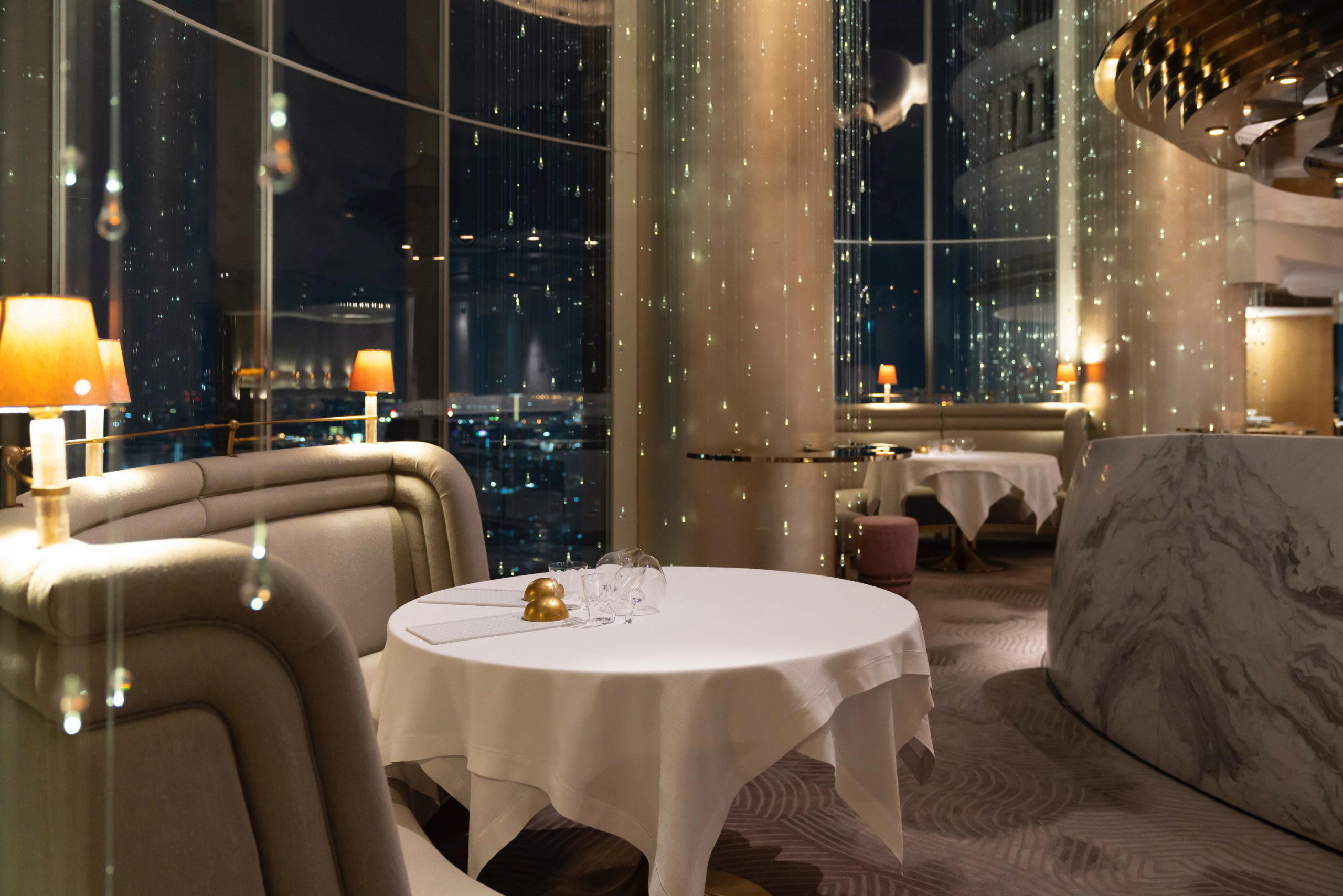
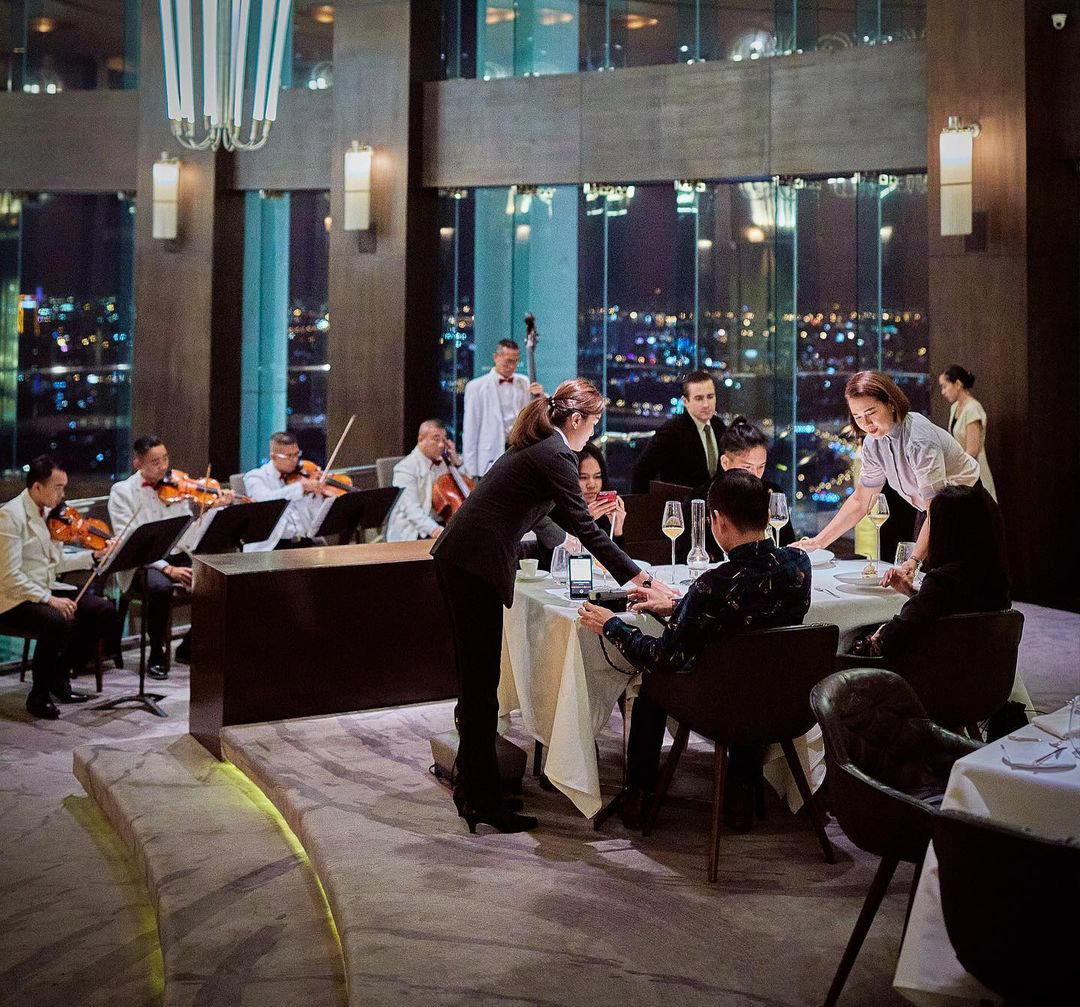
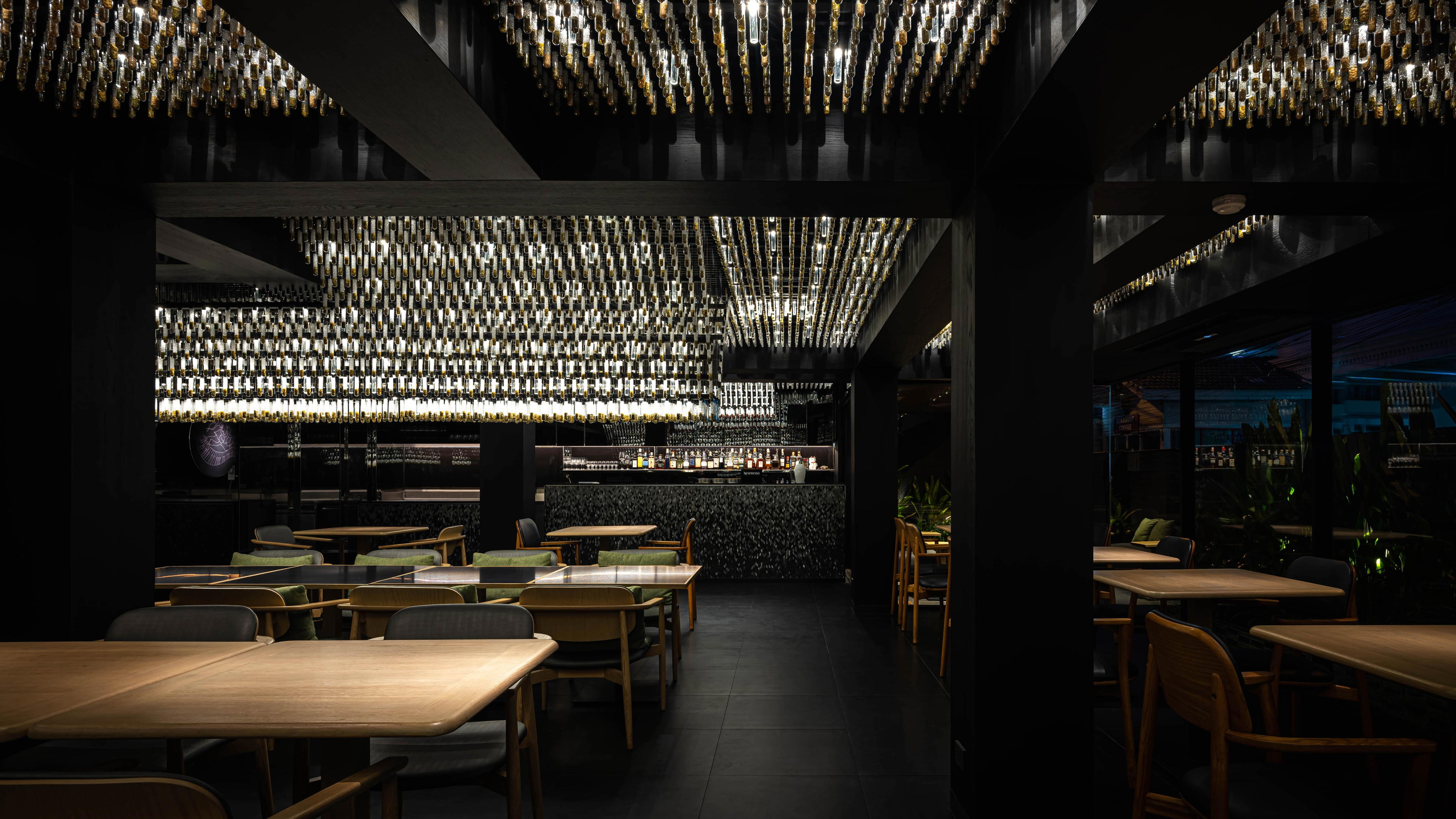
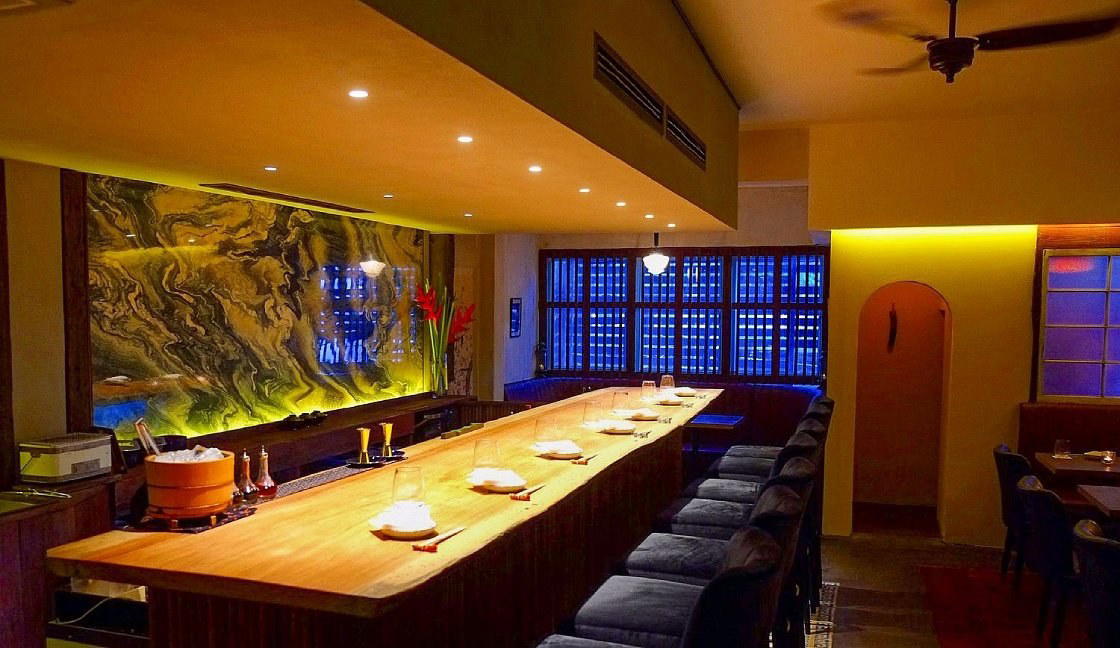
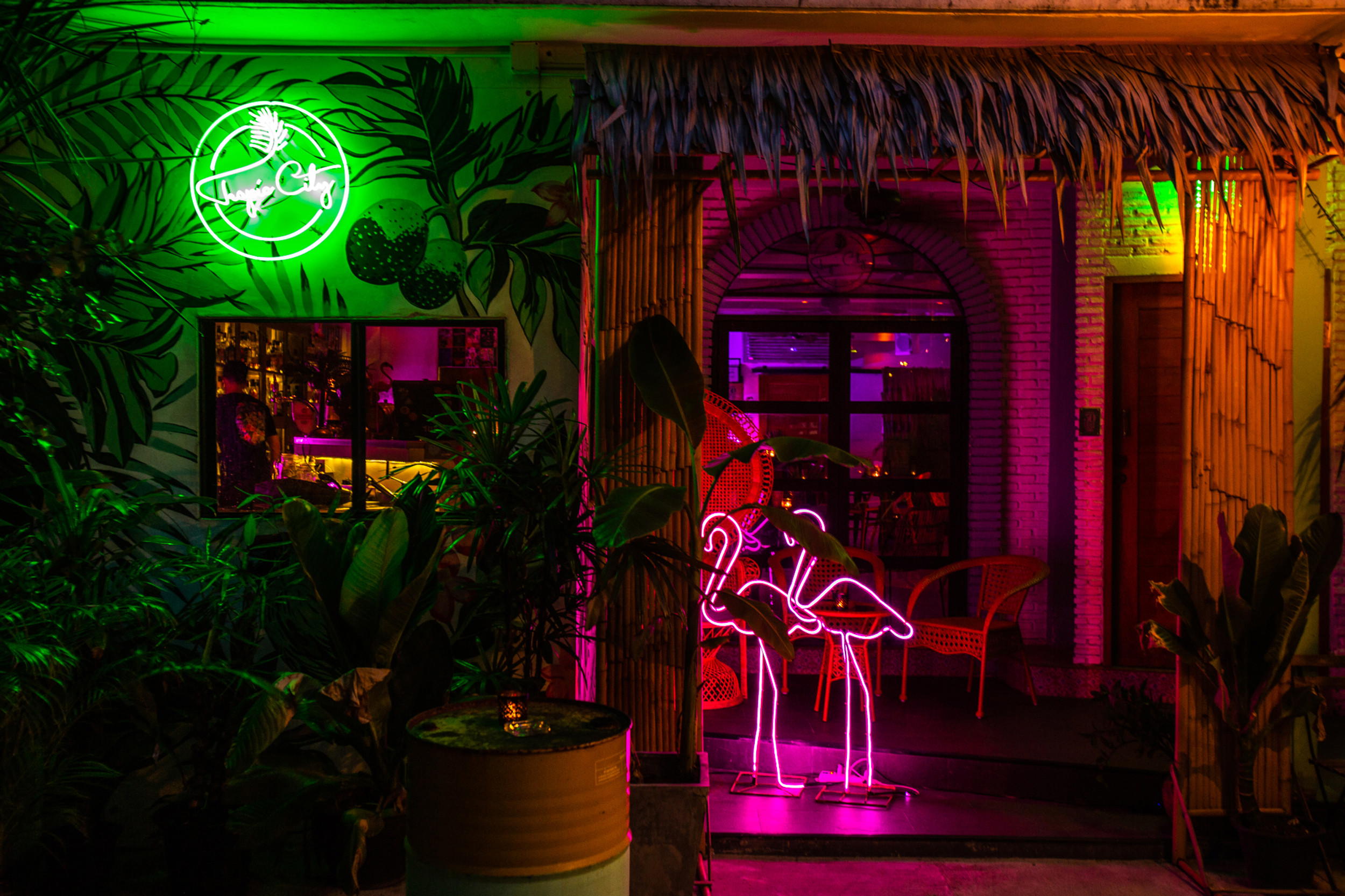
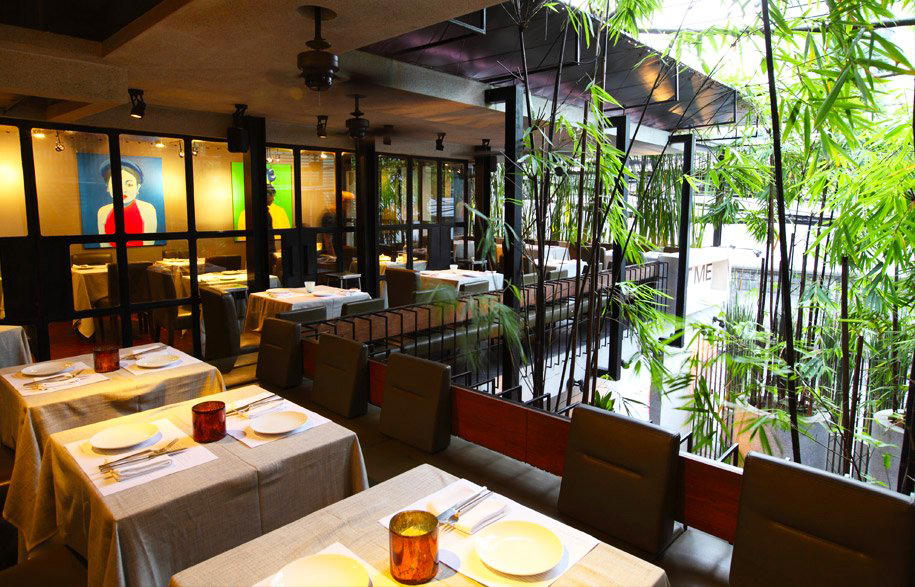
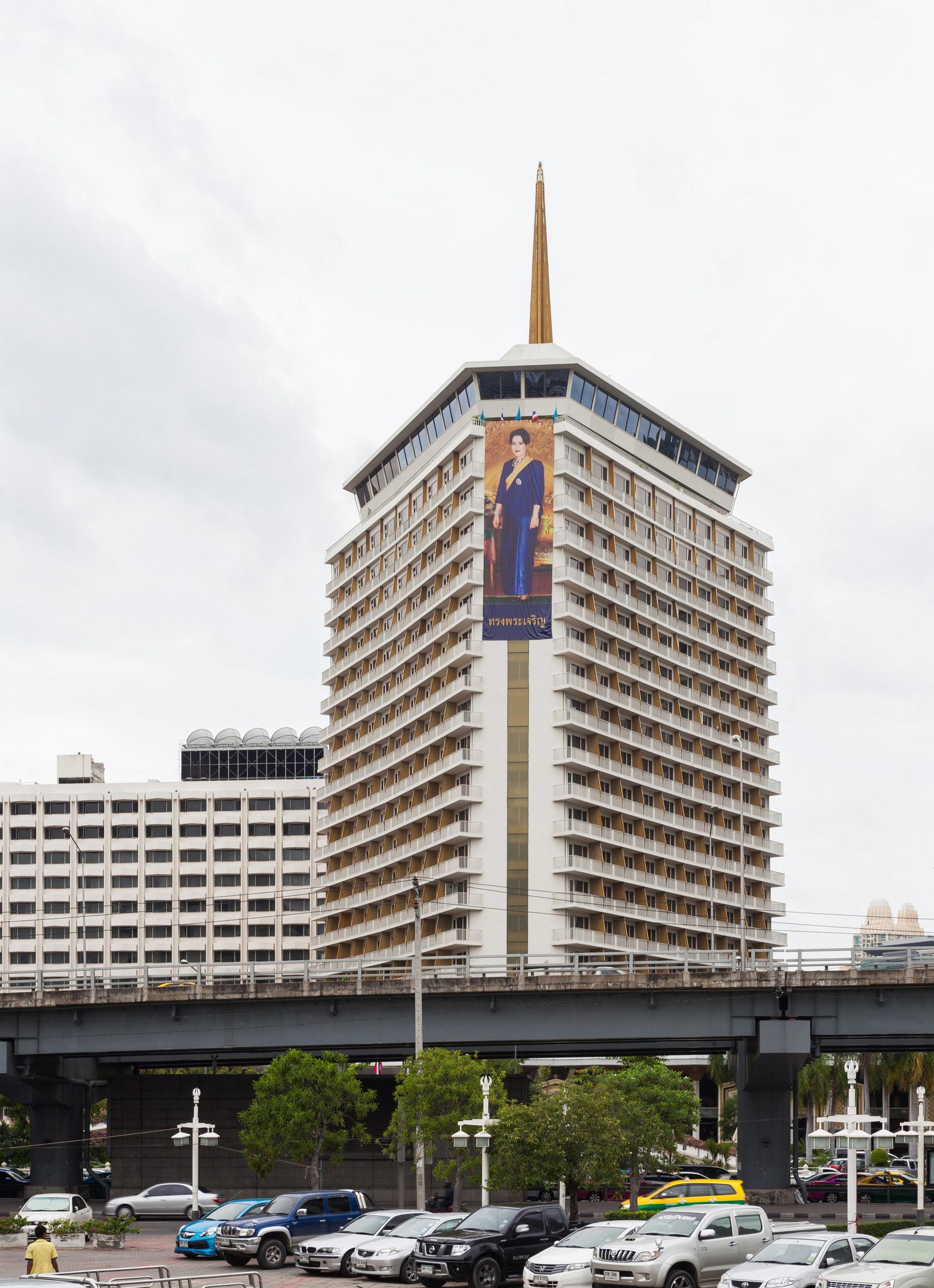
A casual Bangkok street-snack setting focused on freshly made traditional Thai crispy pancakes rather than a formal dining atmosphere.