Hi-Collar



Infatuation Coffee Guide · Eater Coffee Guide
Our verdict
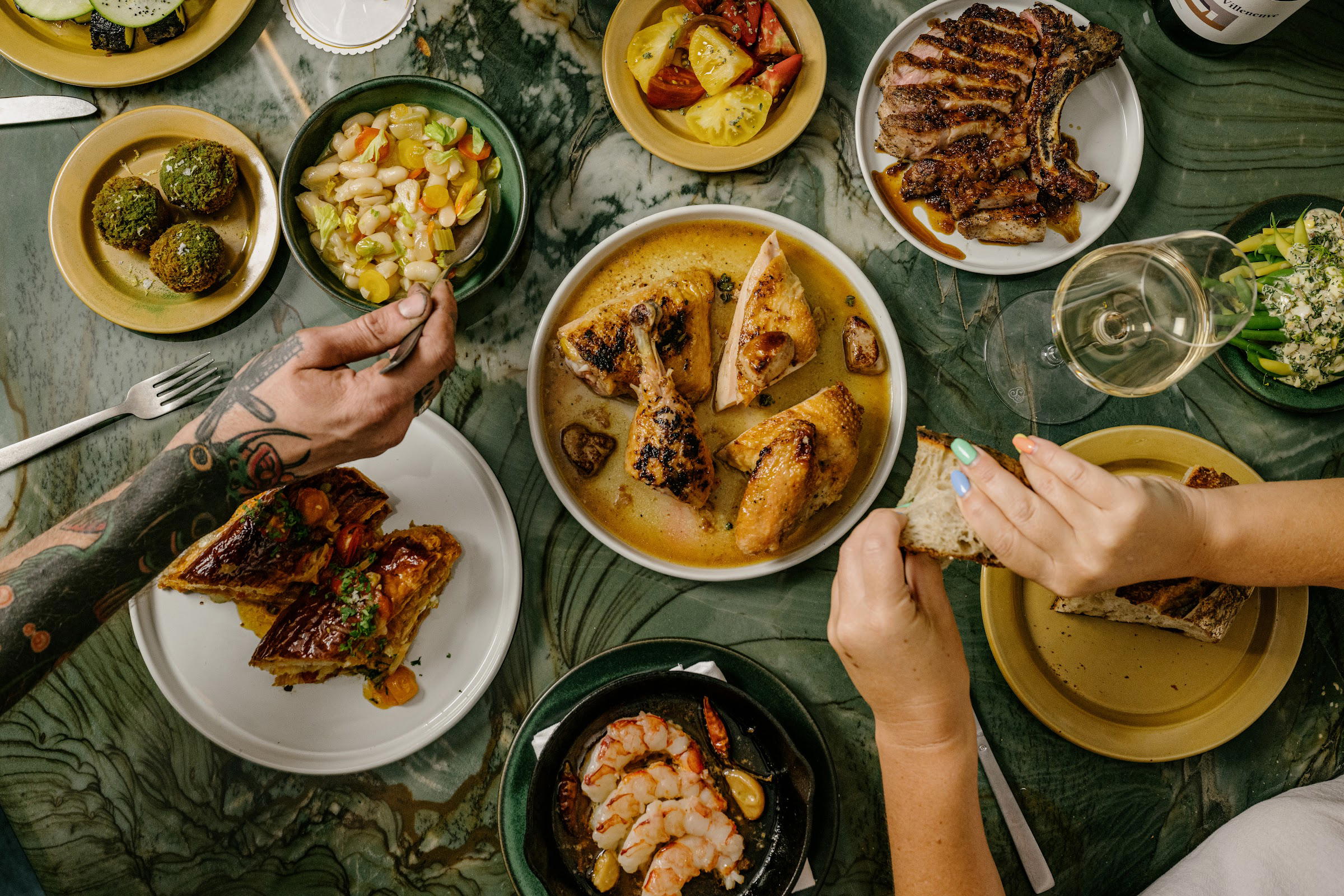
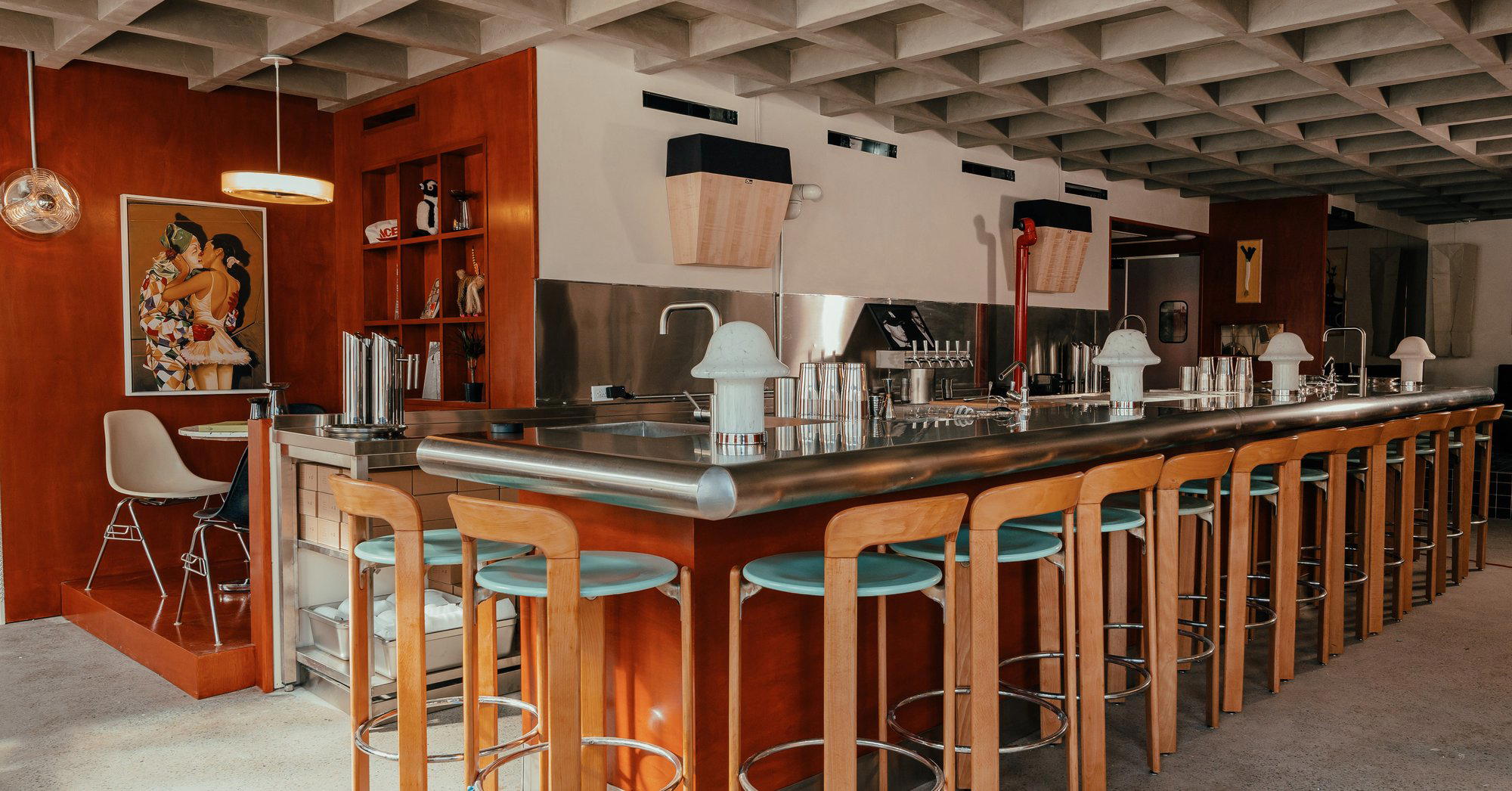
Hi-Collar occupies a specific and underserved niche on the East Village dining map: a Japanese café format that moves between daytime kissaten service and evening bar programming. Ranked on Opinionated About Dining's Cheap Eats list in both 2024 and 2025, it draws a crowd that understands the tradition behind the format, not just the aesthetic.

Pearl is the En Primeur Club membership app, where members save venues, book tables and use the concierge.
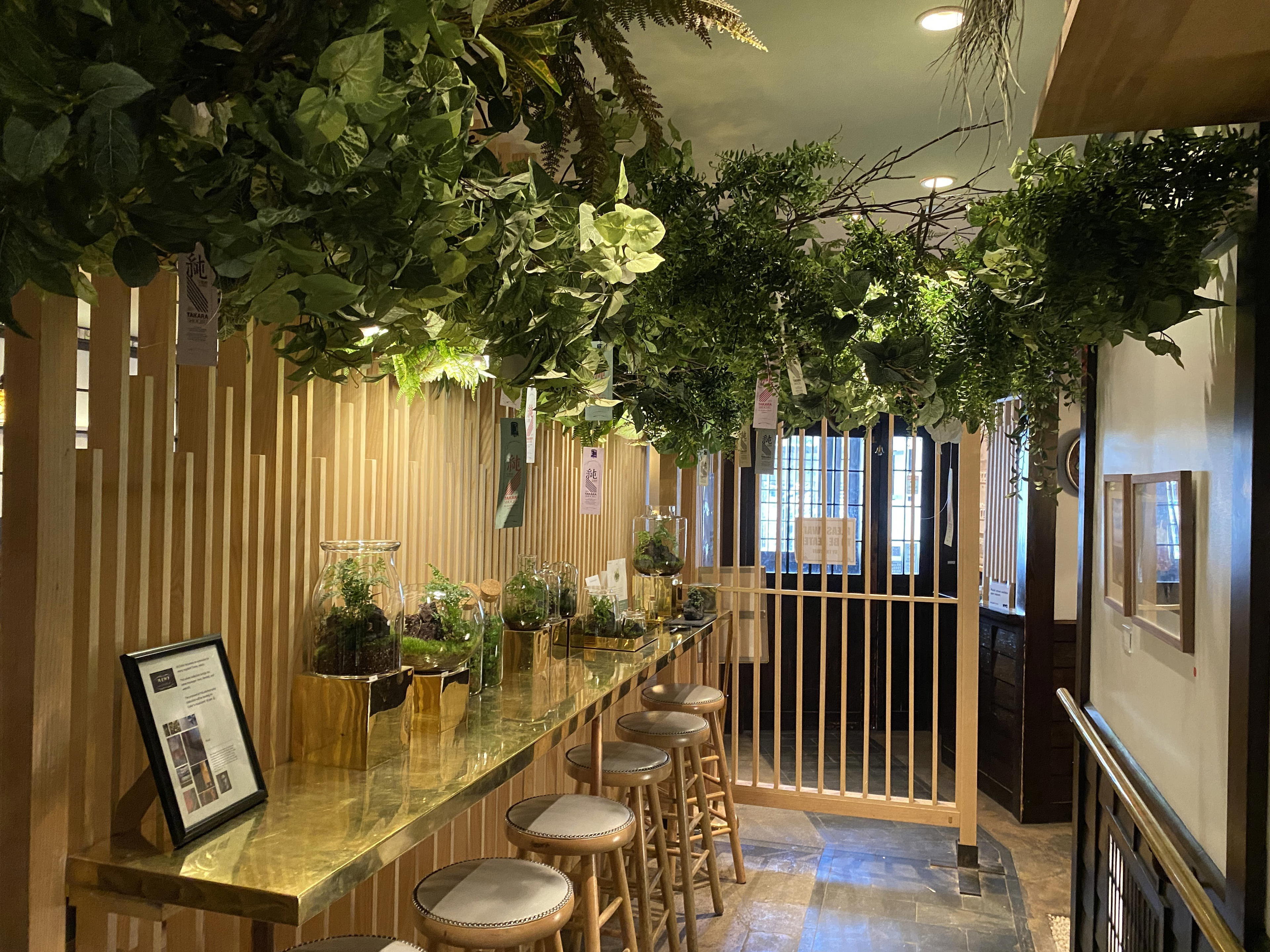
A Kissaten in the East Village
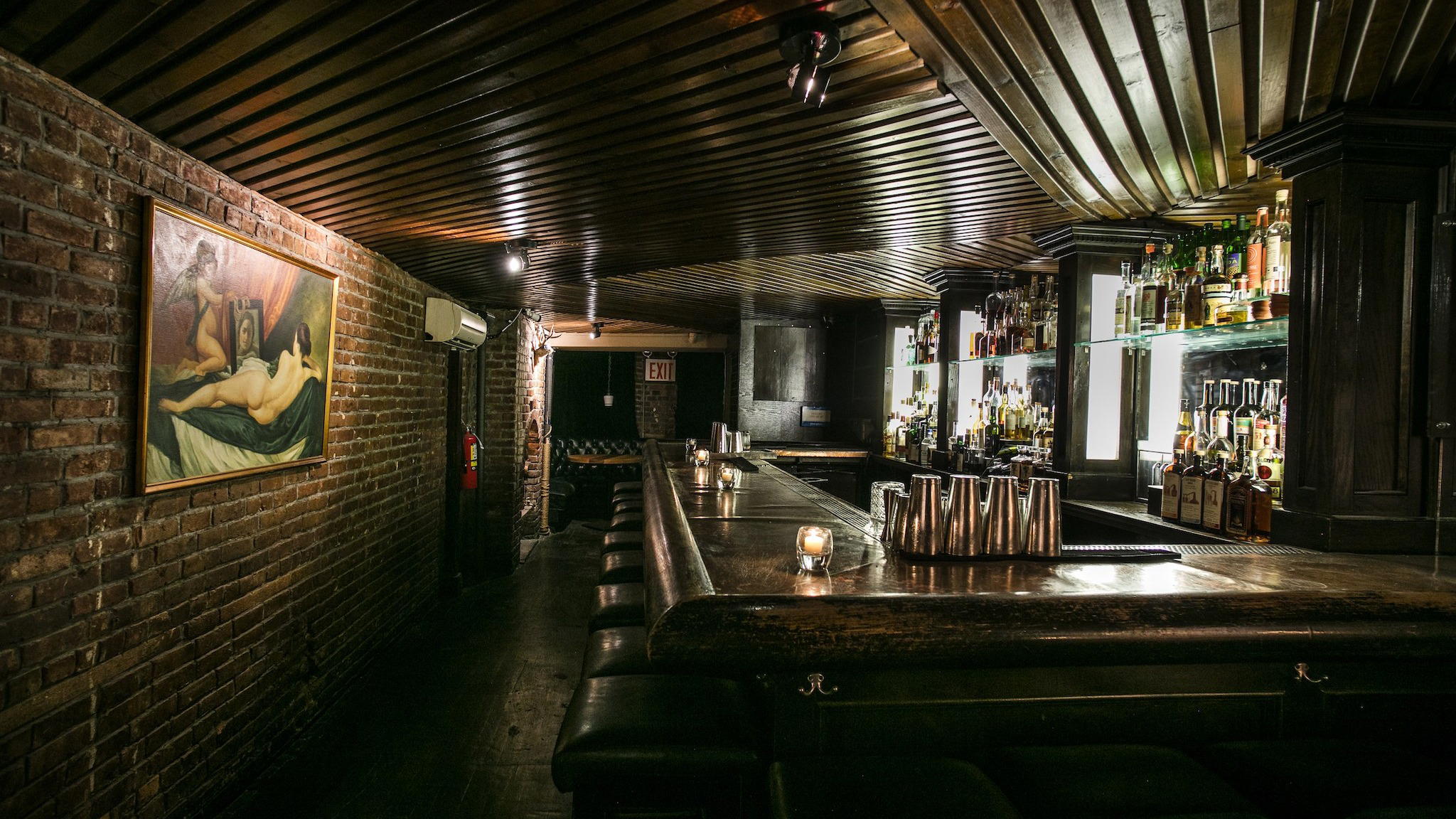
East 9th Street in the East Village sits at a remove from the neighborhood's louder restaurant corridors, and Hi-Collar reads as exactly the kind of address that rewards knowing where to look. The format here draws from the Japanese kissaten tradition: a deliberate, low-volume café culture that developed in postwar Japan as a counterpoint to the pace of urban life. In Tokyo and Osaka, kissaten have spent decades operating as a category apart from coffee chains and izakayas, defined by careful coffee preparation, light food, and an understanding that sitting quietly is the point. Hi-Collar transplants that ethos to Manhattan with enough fidelity that regulars treat it as their reference point for the form in New York.
The café's operating structure itself signals intent. Lunch service runs from 11:30 am to 3:30 pm daily, with evening sessions Wednesday through Saturday extending to 11 pm or midnight. Sunday runs a longer afternoon through 5 pm. The split format is not incidental: daytime belongs to the café register, while evening shifts the room toward a bar sensibility without abandoning the quieter character that defines the place. New York has many spaces that describe themselves as Japanese-influenced, but the kissaten format specifically remains rare at this level of execution.
Where Hi-Collar Sits in New York's Japanese Dining Spectrum
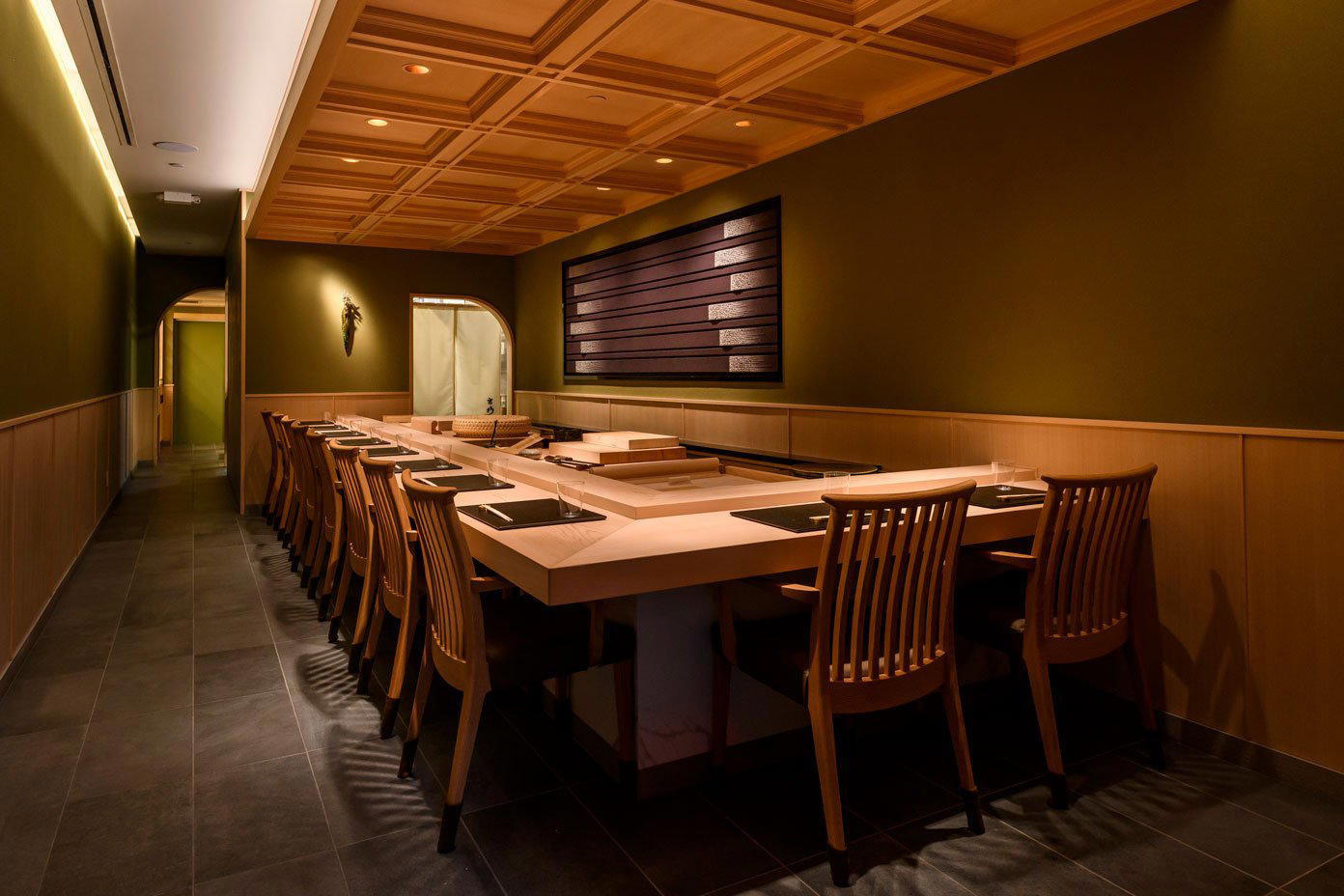
New York's Japanese dining scene is segmented by price tier and format in ways that have sharpened over the past decade. At one end, omakase counters at venues like Masa operate at $$$$ price points with Michelin recognition and allocation-style booking. The broader Michelin tier includes two- and three-star destinations across French, Korean, and contemporary formats, from Atomix to Eleven Madison Park. Hi-Collar operates at neither extreme. It belongs instead to the Opinionated About Dining Cheap Eats tier, a ranking cohort that emphasizes value-to-quality ratio and consistency over ceremony. Its consecutive appearances on that list in 2023, 2024 (ranked #344), and 2025 (ranked #340) indicate a stable, improving trajectory rather than a one-season anomaly.
That Cheap Eats ranking context matters for understanding who comes here and why. Hi-Collar draws the East Village regular, the Japanese expat community, and the category-aware diner who treats a well-executed kissaten the same way they might approach a specific natural wine bar or a focused ramen specialist: as evidence that the format has been thought through.
The Sustainability Angle: Low-Intervention, Format-Faithful Sourcing
Sustainability in dining has migrated from a marketing claim to a structural question: what a kitchen buys, how much of it gets used, and whether the supply chain holds up to scrutiny. The kissaten format, by design, works against excess. The menu is focused rather than sprawling, the kitchen does not turn over at the pace of a full-service restaurant, and the nature of the offering, precise preparation over volume throughput, reduces the category of waste that larger operations generate. This is not a venue with a multi-course tasting menu producing elaborate mise en place from a forty-line procurement list. The café register aligns naturally with a lower-waste operating model.
Across American cities, the restaurants that have made the clearest environmental commitments tend to cluster at the farm-to-table or hyper-local sourcing end of the spectrum. Operations like Single Thread Farm in Healdsburg and Lazy Bear in San Francisco have built sustainability into their format architecture rather than treating it as a separate initiative. At the other end of the price scale, small-format venues that stay within a narrow ingredient set and operate deliberately slow service achieve similar outcomes without the same infrastructure. Hi-Collar's format places it closer to that second model.
Evening at Hi-Collar: The Bar Shift
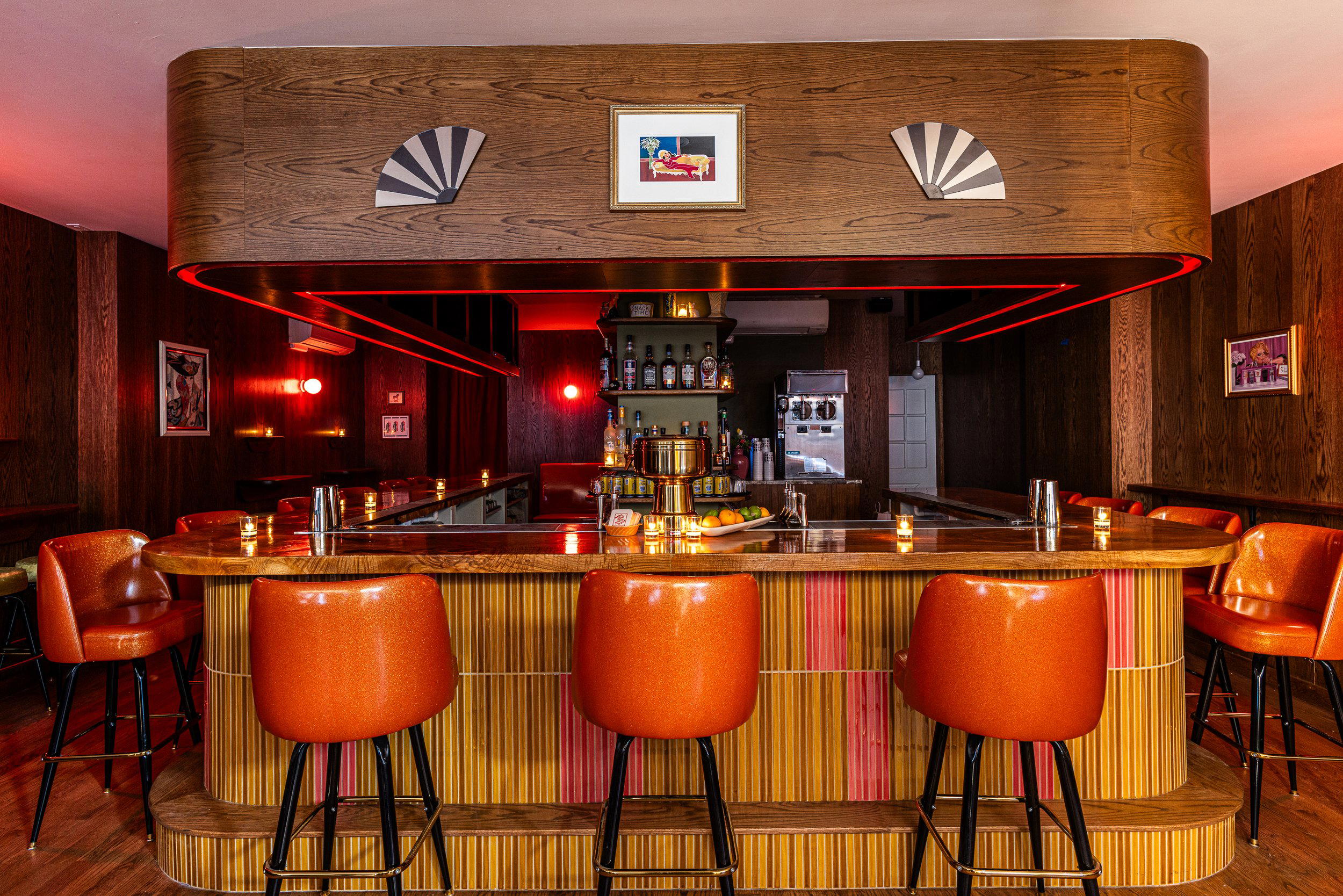
The transition from daytime café to evening bar is a format that requires discipline to execute. Many venues attempt it and find that the two modes fight each other. The challenge is atmospheric and logistical: the same physical space must sustain different pacing, different drink orders, and a different social register without a hard reset between services. Hi-Collar's Wednesday-through-Saturday evening hours, running to 11 pm and midnight respectively, suggest a room that handles the transition without wholesale transformation. The kissaten baseline, lower volume, deliberate service, no obligation to turn tables at pace, actually makes the evening bar mode more coherent than it would be in a noisier format. Japanese whisky, craft cocktails, and sake-forward bar programs have expanded across New York's East Village and Lower East Side over the past several years, and Hi-Collar's evening offer sits within that broader movement.
For comparison, New York's high-end dining spectrum runs wide enough to encompass everything from the tasting-menu ambition of Providence-tier operations to street-level specialists that compete on precision rather than production. Internationally, the pressure on fine dining formats from 8 1/2 Otto e Mezzo Bombana in Hong Kong to Alain Ducasse at Louis XV in Monte Carlo has created more space for smaller, format-specific venues to occupy credible cultural ground. Hi-Collar is evidence of that dynamic in New York. For a broader view of where it sits in the city's restaurant ecosystem, see our full New York City restaurants guide.
What Emeril's and the American Café Tradition Get Wrong
American café culture has historically defaulted to volume and comfort over precision. The kissaten tradition inverts that priority. Where a venue like Emeril's in New Orleans anchors itself in Southern generosity and scale, the Japanese café format operates through reduction: fewer items, slower pace, more attention paid to what ends up in the cup and on the plate. Hi-Collar holds that line in a city where the pressure to expand, diversify, or hybridize a successful format is constant. Staying small and format-faithful is its own kind of editorial statement in New York's restaurant market.
Planning Your Visit
Hours: Monday through Friday 11:30 am–3:30 pm (lunch); Wednesday and Thursday evenings 5:30–11 pm; Friday and Saturday evenings 5:30 pm–midnight; Sunday 11:30 am–5 pm. Address: 231 E 9th St, New York, NY 10003. Awards: Opinionated About Dining Cheap Eats in North America, ranked #340 (2025) and #344 (2024). Booking: Planning resources: For hotels nearby, see our New York City hotels guide. For bars and drinks programming in the area, see our New York City bars guide. Additional guides: wineries and experiences.
Frequently asked questions
Where do I go for Hi-Collar?
Hi-Collar is located at 231 E 9th St, New York, NY 10003, New York City.
What's Hi-Collar known for in terms of accolades?
Hi-Collar has received recognition including: Opinionated About Dining Cheap Eats in North America Ranked #340 (2025); Opinionated About Dining Cheap Eats in North America Ranked #344 (2024); Opinionated About Dining Cheap Eats in North America in Recommended (2023).
What dish is Hi-Collar famous for?
Hi-Collar's reputation rests on format execution rather than a single dish. Chef Yuki Izumi operates the space as a kissaten, a Japanese-style café tradition that prioritizes precision over volume, and the kitchen's consistency across that format is what earned Hi-Collar ranked placement on Opinionated About Dining's Cheap Eats in North America list in both 2024 and 2025.
What cuisine category does Hi-Collar fall under?
When is Hi-Collar open?
Hours at Hi-Collar: Hours: Monday 11:30 am–3:30 pm Tuesday 11:30 am–3:30 pm Wednesday 11:30 am–3:30 pm, 5:30–11 pm Thursday 11:30 am–3:30 pm, 5:30–11 pm Friday 11:30 am–3:30 pm, 5:30 pm–12 am Saturday 11:30 am–3:30 pm, 5:30 pm–12 am Sunday 11:30 am–5 pm.
Is there a head chef associated with Hi-Collar?
The chef associated with Hi-Collar is Yuki Izumi.
Peers You’d Cross-Shop
| Venue | Cuisine | Price | Awards | Notes |
|---|---|---|---|---|
| Hi-CollarThis venue (the venue you are viewing) | Japanese Kissaten & Izakaya | $20–30 | Infatuation Coffee Guide · Eater Coffee Guide | Not listed |
| Le Bernardin | French Seafood Fine Dining | $300–500 | 3 Michelin Stars · World's 50 Best #13 | French, Seafood |
| Atomix | Modern Korean Tasting Menu | $300–500 | 2 Michelin Stars · World's 50 Best #7 | Modern Korean, Korean |
| Masa | Seasonal Hokkaido Tempura Omakase | $150–200 | Tabelog 100 #34 | Sushi, Japanese |
| Per Se | French Fine Dining Tasting Menu | $300–500 | 3 Michelin Stars · World's 50 Best #40 | French, Contemporary |
| Eleven Madison Park | Contemporary Plant-Based Fine Dining | $300–500 | 3 Michelin Stars · World's 50 Best #4 | French, Vegan |
Recognition history
Dated appearances from independent guides and award organizations, with the underlying list record or original source where available.
Infatuation Coffee Guide
Infatuation
Opinionated About Dining Cheap Eats in North America Recommended
Opinionated About Dining
Eater Coffee Guide
Eater
Full recognition history (6 entries)
Opinionated About Dining Cheap Eats in North America Ranked #340
Opinionated About Dining
Opinionated About Dining Cheap Eats in North America Ranked #344
Opinionated About Dining
Opinionated About Dining Cheap Eats in North America in Recommended
Opinionated About Dining