
Michelin Plate
Our verdict
Set on a working estate outside Albernoa, Herdade dos Grous earns its Michelin Plate recognition through a kitchen anchored to what the land actually produces: Alentejo veal, merino lamb, Iberian pork, and organic vegetables from the estate itself. The result is traditional Alentejo cooking with a coherence that comes from source, not styling. Twenty-four guestrooms and structured wine-tasting packages round out a visit that makes sense to extend overnight.

Pearl is the En Primeur Club membership app — saves, bookings, and concierge access live there. Same editors, same standards.
- Address
- Herdade dos Grous, 7800-601 Albernoa, Portugal
- Phone
- +351 284 960 000
- Website
- herdade-dos-grous.com
- Directions
- Get directions
- Booking
- Book on TheFork
The menu
What to order
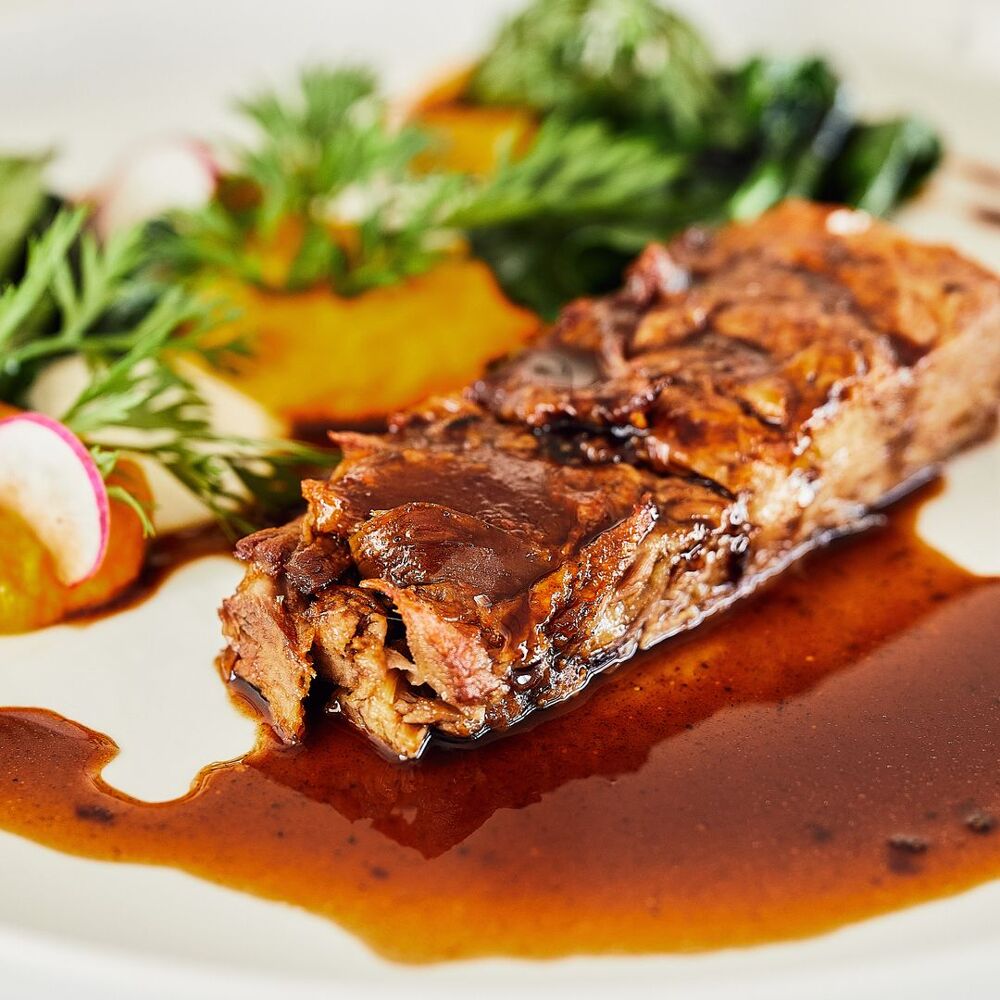
- Rack of Lamb from our Farm
- Black Pork
- Lamb Stew
Where the Food Comes From
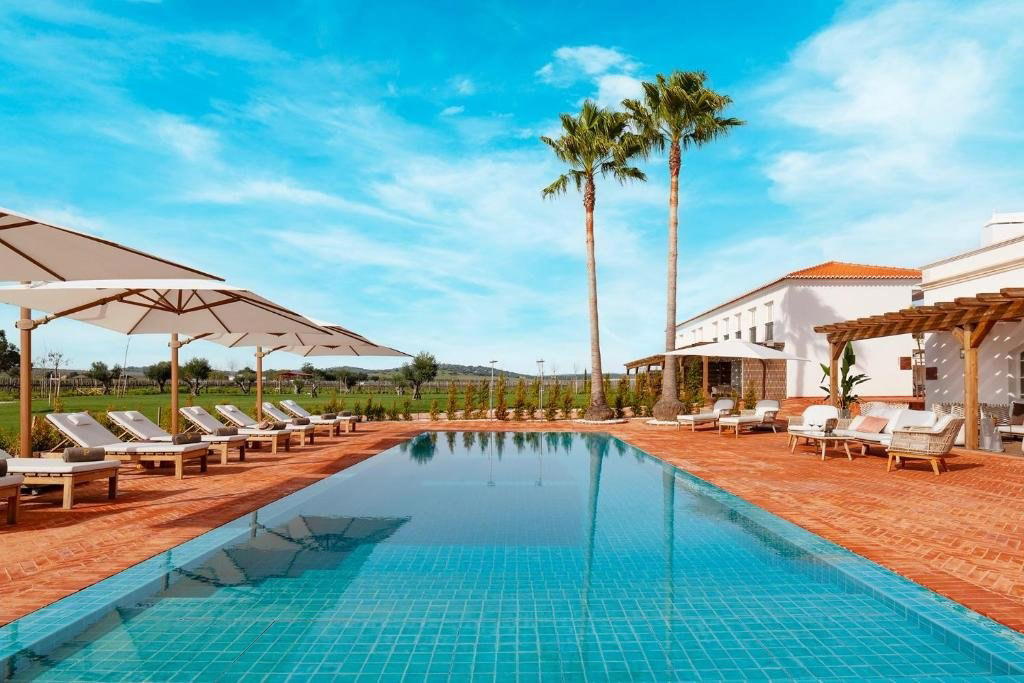
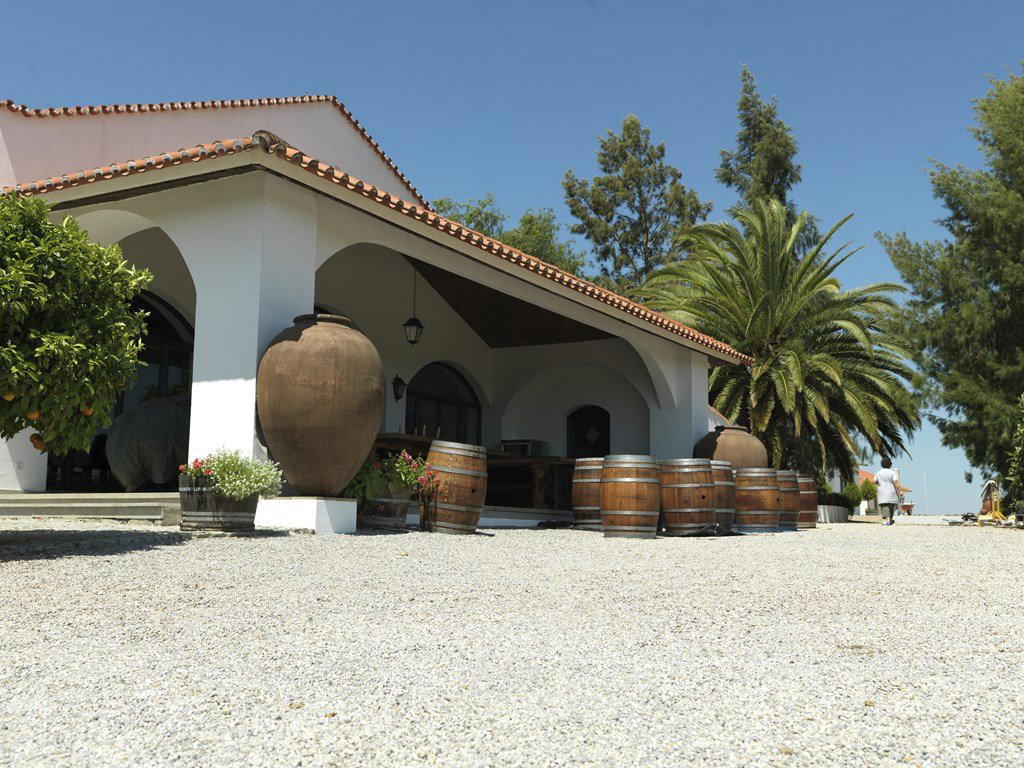
The Alentejo has always cooked from the land rather than the market, and nowhere makes that principle more legible than the estates where the kitchen and the farm share the same soil. Herdade dos Grous sits on a quinta outside Albernoa, reached via a private road well signposted from the village, surrounded by trees and vineyards that supply not just the setting but a direct portion of what ends up on the plate. The estate raises its own Alentejo veal, merino lamb, and Iberian pork, and the kitchen draws on organic ingredients grown on-site. That circuit, from field and pasture to table, is not a marketing position here, it is a structural fact of how the restaurant operates.
In a regional context where traditional Alentejo cooking has long been defined by this kind of self-sufficiency, Herdade dos Grous represents a relatively transparent example of the tradition at work. The recognition it has held through both 2024 and 2025 signals a kitchen that executes that tradition with consistency, even if it is not chasing the creative distance of, say, Belcanto in Lisbon or Ocean in Porches. The ambition here is fidelity to the ingredient, not transformation of it.
The Estate as Ingredient System
Across Portugal's premium dining scene, the relationship between a restaurant and its raw material increasingly defines its tier. At Casa de Chá da Boa Nova in Leça da Palmeira or The Yeatman in Vila Nova de Gaia, that relationship runs through the sourcing of the leading regional produce and pairing it with creative kitchen technique. At Herdade dos Grous, it runs more directly: the estate is effectively a closed-loop system, with livestock, organic vegetables, and wine production all feeding back into the dining experience.
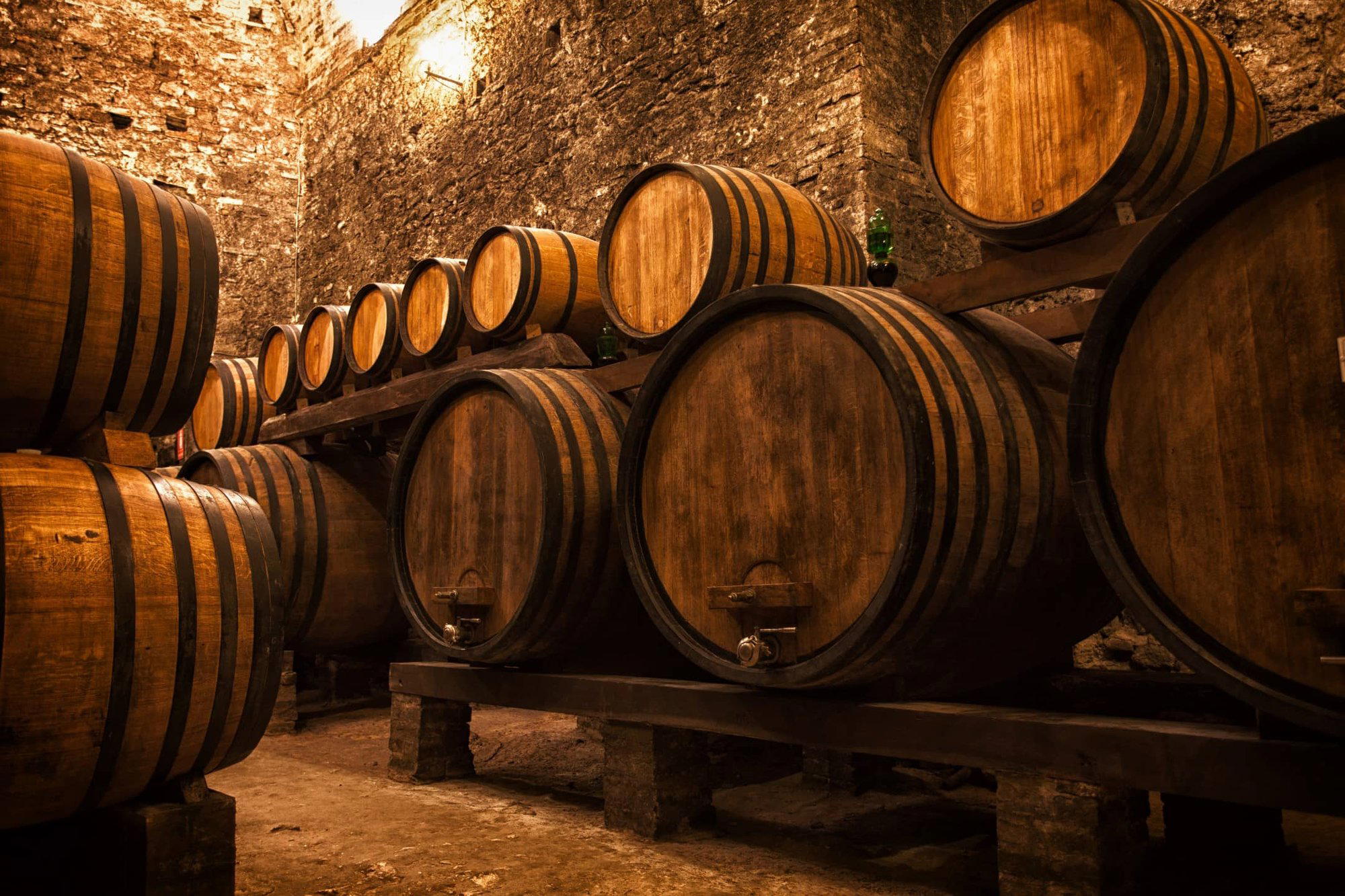
The wines grown on the property are available through structured tasting packages. The Basic package covers three wines; the Flight pairing extends to six, with tapas included. This isn't incidental. The Alentejo is one of Portugal's most productive wine regions, and an estate that grows its own grapes has a natural argument for pairing dinner with wines that have never left the property. For visitors treating the restaurant as part of a broader estate visit, this layered offer, food plus wine plus vineyard setting, is more coherent than anything assembled from separate venues.
The nearest comparable estate experience in the area is Malhadinha Nova, which operates a similar country-cooking model with its own agricultural and wine-production base. The two addresses represent the core of what Albernoa offers as a dining destination, and seeing them together makes clear that this corner of the Alentejo has developed a small but serious cluster of estate-based cooking. For a broader view of what the area has to offer, our full Albernoa restaurants guide maps the wider scene.
What the Kitchen Produces
Traditional Alentejo cuisine is built around slow cooking, pork fat, bread-thickened soups (açordas and migas), game, and offal preparations that reflect a culture of using every part of an animal. At Herdade dos Grous, the kitchen works within this framework but draws on ingredient quality that is harder to replicate when sourcing externally. Merino lamb from the estate carries a particular flavour profile shaped by grazing conditions specific to this stretch of the Baixo Alentejo. Iberian pork raised on the property has a different fat composition and texture from industrially reared alternatives. Alentejo veal, slower-grown on open pasture, produces cuts with more depth than confined equivalents.
These are not abstract distinctions. They are the reason a kitchen that holds to traditional technique can still produce food worth a detour, without needing to apply the creative re-framing that defines the two-star tier at addresses like Antiqvvm in Porto or A Cozinha in Guimarães. Michelin's Plate designation, which the restaurant holds for consecutive years, acknowledges cooking that is good without the overlay of innovation. Here, the innovation is in the supply chain, not the plate.
The price range sits at the €€ tier, which places it well below the destination-dining cost of starred Portuguese restaurants. That gap is relevant to how you approach a visit. This is not the occasion for the extended dégustation format common at Vila Joya in Albufeira or Il Gallo d'Oro in Funchal. It is the occasion for direct, ingredient-led cooking priced to reflect its regional rather than metropolitan ambitions.
Staying On-Site
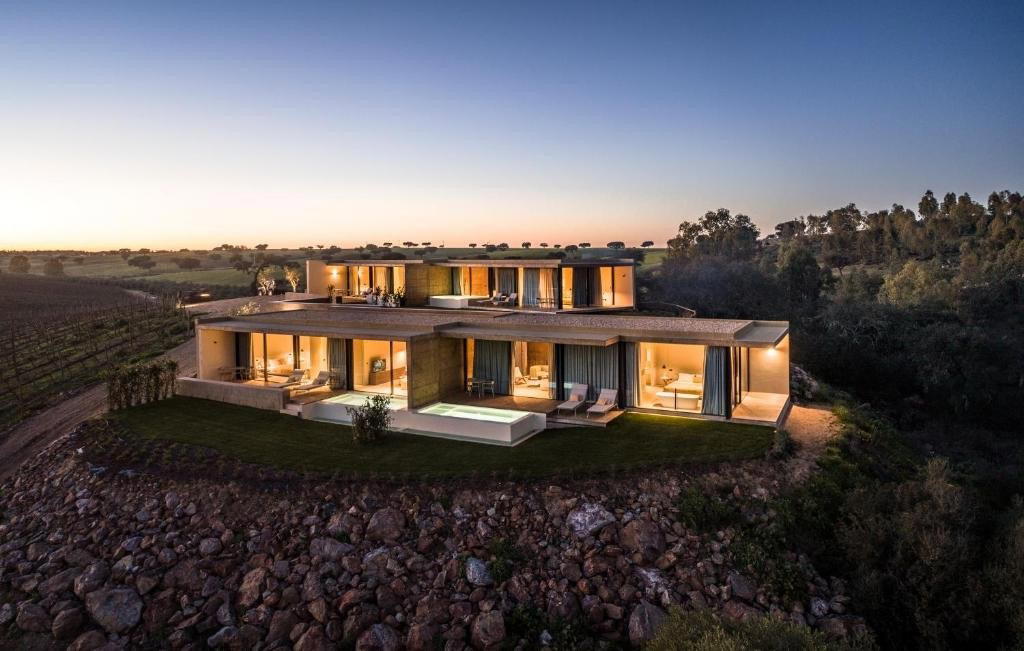
With twenty-four guestrooms on the property, the restaurant functions as a full stay rather than a meal stop. This matters logistically: the estate sits outside Albernoa, which itself has limited accommodation alternatives, and the wine-tasting packages are better experienced without the constraint of driving afterwards. The combination of overnight accommodation, dinner, and structured wine tasting across the estate's own production gives a visit genuine depth that a single meal cannot fully replicate.
For visitors building an Alentejo itinerary, the estate format also distributes well across time. The region's interior moves slowly by design, and the quinta's wooded grounds and vineyard access make it a base with internal logic rather than merely a convenient address. Guests planning a broader stay in the area will find relevant context in our full Albernoa hotels guide, as well as bars, wineries, and experiences across the area.
In the broader context of traditional-cuisine addresses across Iberia and beyond, the restaurant belongs to a recognisable type: the estate restaurant where provenance is the argument and the setting provides a frame that urban kitchens cannot replicate. Comparable positioning appears in addresses like Auberge Grand'Maison in Mûr-de-Bretagne or Auga in Gijón, where regional tradition and local sourcing carry the weight that technique does elsewhere. For visitors to the Algarve coastal strip, A Ver Tavira in Tavira and Al Sud in Lagos represent the southern equivalent in a different register.
Planning a Visit
The estate is accessed via a private road that is well signposted from Albernoa village, making arrival direct by car. The price tier at €€ means dinner is accessible without the advance financial commitment of Portugal's upper-tier starred houses. Wine-tasting packages run from a three-wine Basic option to the six-wine Flight with tapas, and these can be built into the visit at the booking stage. For stays, twenty-four guestrooms are on the property.
Frequently asked questions
Is Herdade dos Grous child-friendly?
The estate format works naturally for families: a working quinta with vineyards, livestock, and open grounds outside Albernoa gives children context that a city restaurant cannot. The €€ price tier keeps the outing accessible, and twenty-four on-site guestrooms mean an overnight stay is a direct option rather than a long drive back.
What should I expect atmosphere-wise at Herdade dos Grous?
You arrive via a private road signposted from Albernoa village, passing through trees and vineyards before reaching the quinta. The setting is a working estate rather than a polished resort, with Michelin Plate recognition for 2024 and 2025 confirming that the cooking matches the surroundings in seriousness. Expect a rural, unhurried pace that is grounded in the rhythms of the land rather than the theatre of a city dining room.
Has Herdade dos Grous won any awards?
Herdade dos Grous has received three awards.
What should I eat at Herdade dos Grous?
The kitchen focuses on meat raised directly on the estate: Alentejo veal, merino lamb, and Iberian pork, supplemented by organic produce grown on-site. This is traditional Alentejo cooking with a supply chain most restaurants cannot replicate, which is part of what earned the venue consecutive Michelin Plate recognition in 2024 and 2025. Pair the meal with one of the wine-tasting packages, which range from a three-wine selection to a six-wine flight with tapas.
How would you describe the cuisine at Herdade dos Grous?
Herdade dos Grous serves Traditional Alentejo cuisine.
What price level is Herdade dos Grous?
Pricing at Herdade dos Grous is in the €€€ tier.
How do I find Herdade dos Grous?
Herdade dos Grous is located at Herdade dos Grous, 7800-601 Albernoa, Portugal.
How It Stacks Up
Comparable venues nearby, for context on price, style, and recognition.
| Venue | Cuisine | Price | Awards | Notes |
|---|---|---|---|---|
| Herdade dos GrousThis venue — the venue you are viewing | Traditional Alentejo | Not listed | Michelin Plate | Not listed |
| Malhadinha Nova | Modern Alentejo Fine Dining | $100–150 | Michelin Plate · Wine Enthusiast Best Winery Restaurant 2026 | Albernoa |
| Hibrido | Modern Portuguese with Local Seasonal Ingredients | $50–100 | Michelin Plate | Centre of Évora |
| À Mesa | Modern Portuguese Mediterranean | Not listed | Michelin Plate | historic center |
| A Velha | Modern Portuguese | $20–30 | Michelin Plate | Abrantes |
| Café de São Bento | Traditional Portuguese Steakhouse | Not listed | Not listed | Bairro Alto |
Recognition history
Dated appearances from independent guides and award organizations, with the underlying list record or original source where available.
Michelin Plate
Michelin
Full recognition history (3 entries)
Michelin Plate
Michelin
Michelin Plate
Michelin


Details
- Rustic
- Elegant
- Scenic
- Cozy
- Special Occasion
- Date Night
- Group Dining
- Terrace
- Panoramic View
- Wine Cellar
- Extensive Wine List
- Sommelier Led
- Farm To Table
- Local Sourcing
- Organic
- Vineyard
- A La Carte
- Wine
- Vegetarian Friendly
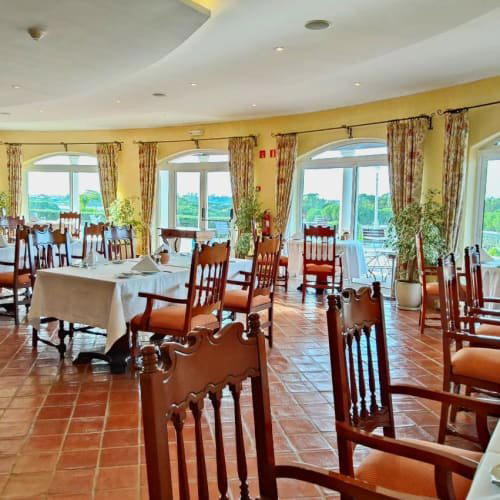
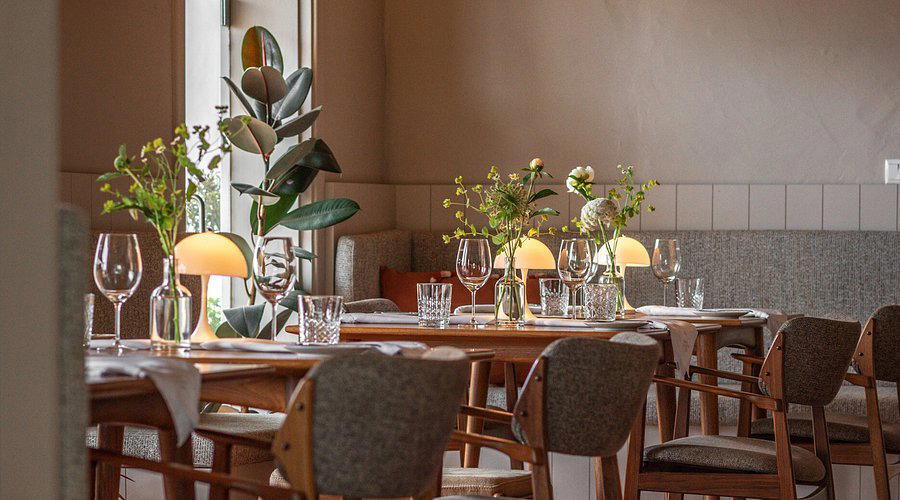
Rustic yet elegant with wood furniture on terracotta floors, sparkling crystal tableware, and dramatic panoramic views of vineyards and lake.