What the Lagoa Appellation Actually Means
Within the broader Algarve DOC, Lagoa is one of four sub-regional denominations — alongside Lagos, Portimão, and Tavira, each defined by soil type and mesoclimate. Lagoa's limestone bedrock is the geological fact that underpins the local style: whites here tend toward mineral tension, and reds carry a structural firmness that distinguishes them from fruit-forward wines made on richer soils further inland. Native varieties such as Negra Mole and Crato Branco have been grown in this specific pocket of the Algarve for centuries, sitting alongside more recently planted international varieties that, when handled carefully, take on local character rather than erasing it.
The calcário also affects vine stress in a way that viticultural theory and on-the-ground experience both confirm: vines that work harder for water produce smaller berries with higher skin-to-juice ratios, which translates into wines with more concentration relative to yield. Estates working this terroir honestly, rather than irrigating to volume, produce wines that read as distinctly Lagoa rather than generically Algarvian. That distinction matters when you're tasting, and it's worth holding onto as a frame when approaching Morgado do Quintão's range.
For context on how Portuguese estates elsewhere manage comparable limestone or schist conditions, Adega Regional de Colares in the Atlantic-facing vineyards north of Lisbon offers a reference point: another appellation where geological specificity drives a wine identity that resists easy categorisation by variety or price tier alone.
The Estate in Its Setting
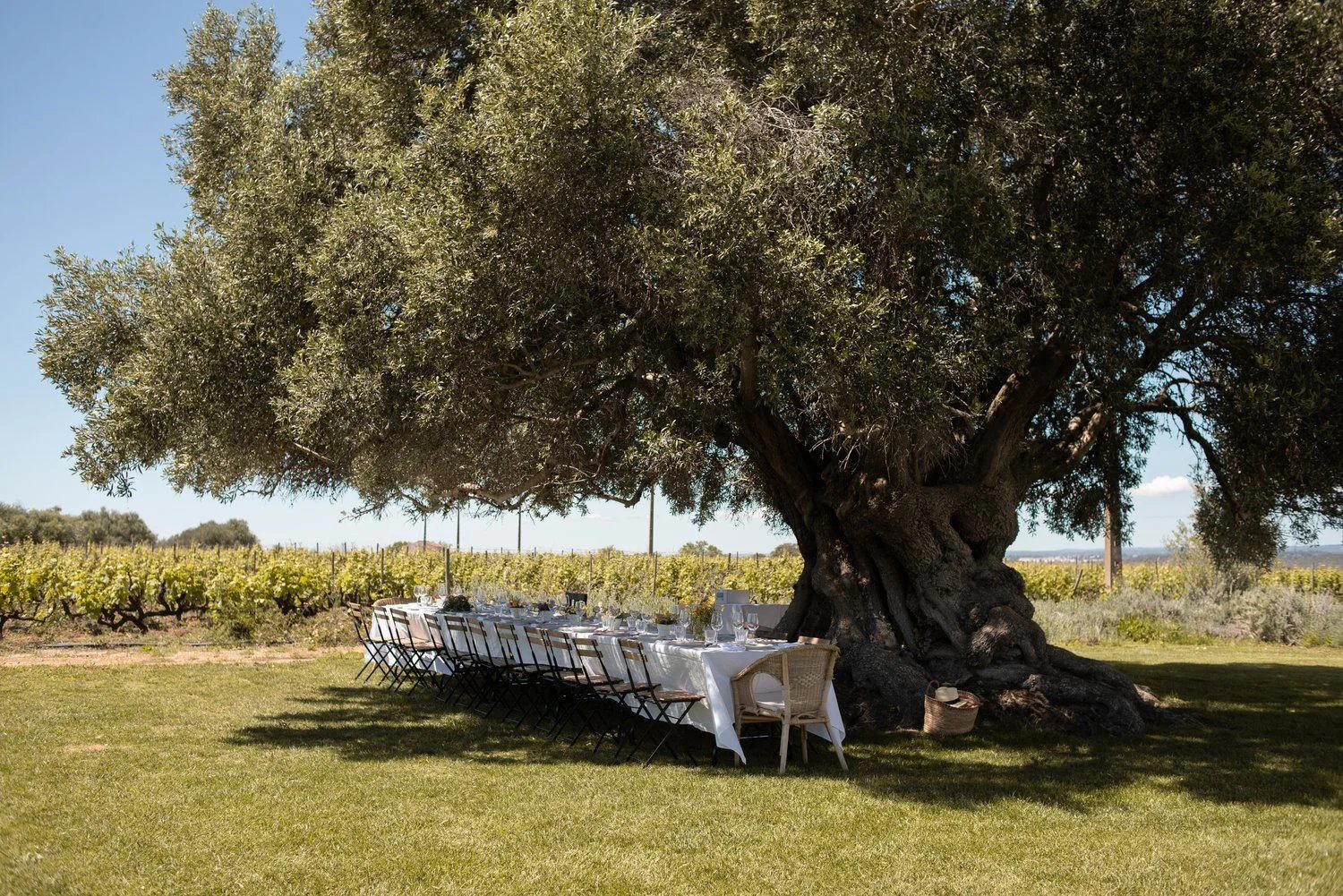
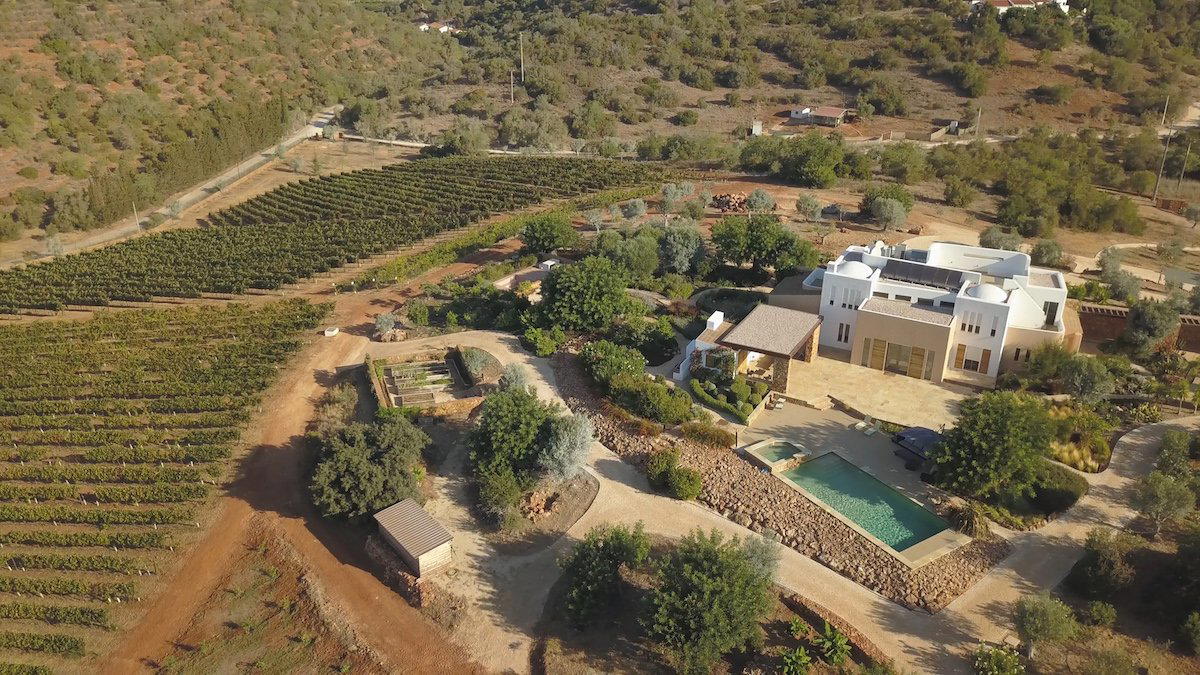
Morgado do Quintão occupies an address within the 8400-000 postal zone of Lagoa, territory that sits inland enough from the coast to retain agricultural character while remaining accessible from the main Algarve transit corridor. Estate wineries in this part of Portugal tend to sit within working agricultural land: vineyard blocks, carob trees, and the kind of organised quiet that signals a property oriented around production rather than hospitality theatre.
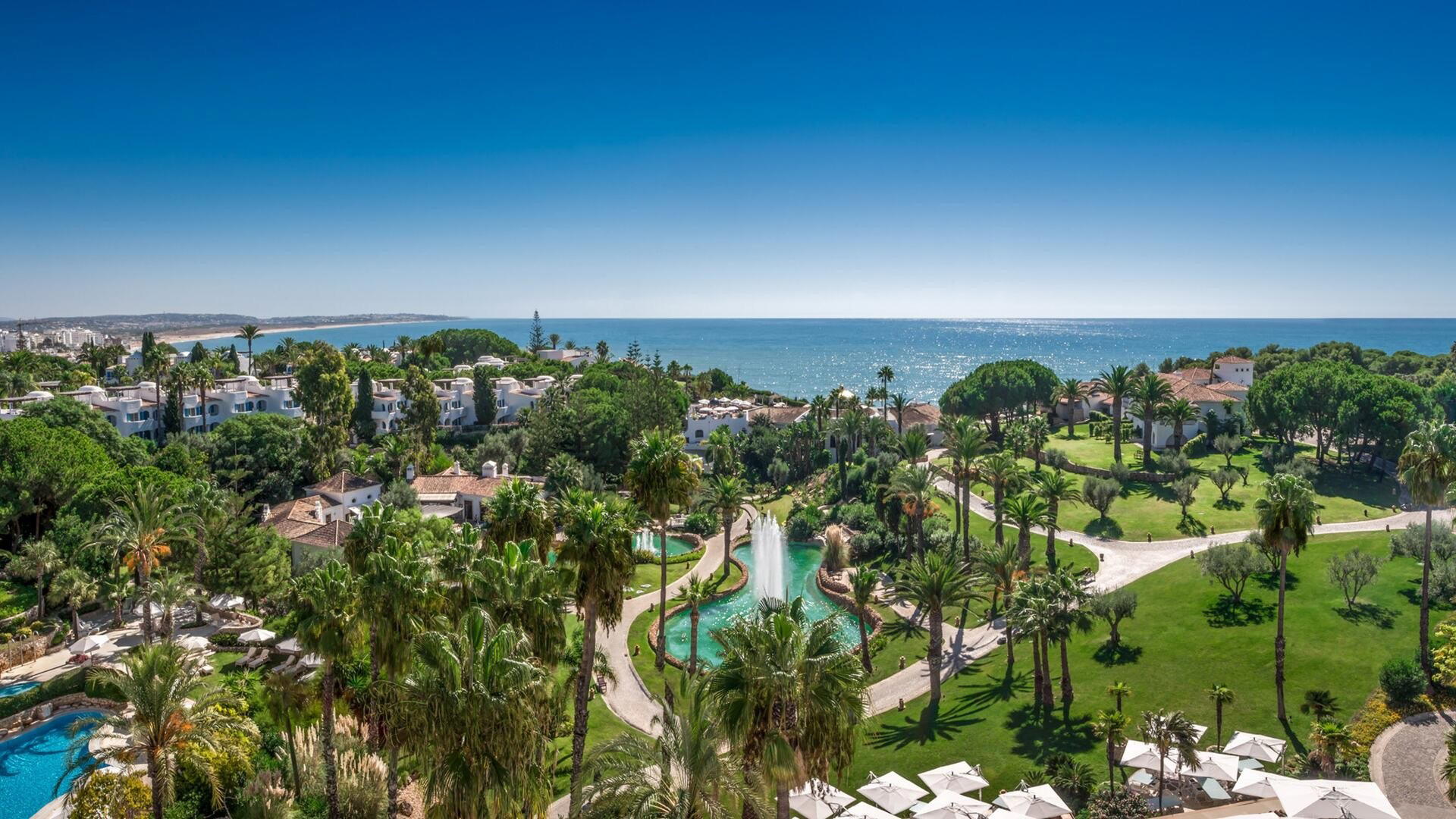
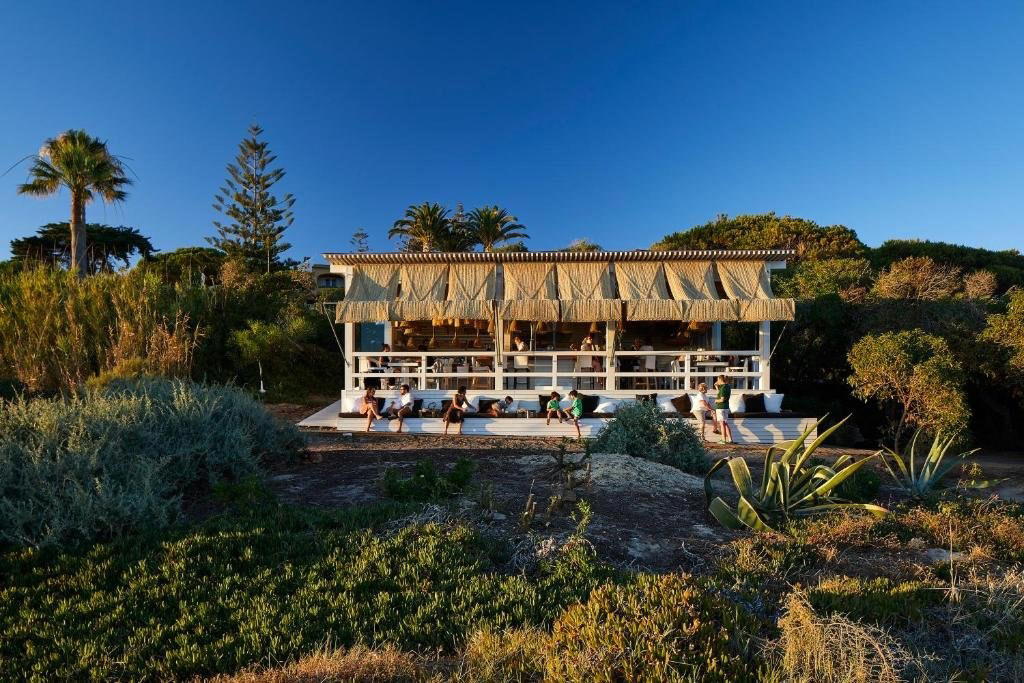
Approaching the estate, the visual register is typical of the Algarve's quieter agricultural interior: whitewashed structures, terracotta, the flat-to-rolling terrain that defines the region between the serra and the coast. It is not a dramatic landscape in the way that the Douro's terraced schist slopes are dramatic, but it has a concentrated, sun-bleached calm that is entirely its own. The atmosphere for visitors is that of a working estate rather than a designed destination experience, an important distinction for anyone used to the more visitor-centric formats found at Quinta do Bomfim in Pinhão or Quinta do Seixo in Tabuaço.
Portugal's wine tourism infrastructure has developed unevenly: the Douro Valley now hosts a full range of experience formats, from boat-and-lodge itineraries to cellar-door tastings pitched at casual visitors. In the Algarve, the equivalent infrastructure is thinner, which means estate visits often require direct contact and a degree of planning that the Douro or Alentejo no longer demands. Confirm specific hours, booking arrangements, and tasting formats before arrival.
How the 2025 Prestige Rating Positions Morgado do Quintão
In a region where many estates operate below the threshold of specialist critical attention, a tiered prestige recognition marks a meaningful separation from the broader Algarve production pool. It places Morgado do Quintão in the company of estates that are being assessed against national and international standards rather than regional ones only.
That positioning matters for visitors calibrating expectations. Portuguese wine has a long tradition of estate producers earning recognition quietly, without the marketing infrastructure that surrounds, say, Bacalhôa Vinhos in Azeitão or the deep export visibility of Aliança Vinhos in Sangalhos. The 2025 rating suggests Morgado do Quintão belongs in a considered itinerary of serious Portuguese wine estates, not merely as an Algarve curiosity visited because it is geographically convenient.
For comparison, estates in other parts of Portugal at equivalent recognition levels, such as Casa de Santar in Nelas in the Dão, or Quinta do Vallado in Peso da Régua, tend to attract wine-focused visitors who plan around them specifically rather than including them as an add-on. Morgado do Quintão operates in a region where that level of purposeful visitation is less common, which gives visitors who do make the effort a quieter, less processed experience than they might find at more established stops on Portugal's wine tourism circuit.
Planning a Visit: What to Know Before You Go
Lagoa sits along the EN125 corridor in the central Algarve, accessible from Faro airport (roughly 45 kilometres east) and from the main coastal resort towns of Portimão and Carvoeiro. The estate address falls within the municipality proper, making it reachable by car in under an hour from most Algarve accommodation bases. Public transport options to working estates in this part of Portugal are limited; a hire car remains the practical choice for anyone building a wine-focused day.
Plan a visit in advance before travelling to the estate. Our full Lagoa restaurants guide covers the wider food and drink context of the area, which pairs well with an estate visit for a complete picture of what Lagoa's producers are doing with the region's agricultural identity.
Visitors benchmarking costs against other Portuguese estate experiences might reference the general range for Alentejo or Douro tastings, while noting that Algarve estates at this prestige level tend to price competitively relative to their northern counterparts. For those building a wider Portuguese wine itinerary, Churchill's in Vila Nova de Gaia and Blandy's Wine Lodge in Funchal offer reference points for estate-visit formats at the premium end of the Portuguese wine tourism market, though both operate in significantly more visitor-developed regions. For a broader view of Portugal's spirit of estate winemaking outside the mainstream, Adega Cooperativa de Borba in Borba shows what collective production at the Alentejo level looks like, a useful contrast with the single-estate model Morgado do Quintão represents. And for those curious about how single-estate ambition translates across entirely different terroirs internationally, Accendo Cellars in St. Helena and Aberlour in Aberlour illustrate the range of what prestige-level estate production looks like globally.