Herberg Stadt Stevenswaert
Herberg Stadt Stevenswaert occupies a quiet address on Veldstraat Oost in the fortified village of Stevensweert, one of the smallest municipality centres in the Dutch province of Limburg. The herberg format, a tradition of inn-style hospitality with food and lodging under one roof, places it within a category of destination dining that rewards the detour. For travellers working through the southern Netherlands dining circuit, it offers a grounded, place-specific counterpoint to the region's more formally decorated tables.
Pearl is the En Primeur Club membership app — saves, bookings, and concierge access live there. Same editors, same standards.
- Address
- Veldstraat Oost 1, 6107 AS Stevensweert, Netherlands
- Phone
- +31475552376
- Website
- herberg-stevensweert.nl
- Directions
- Get directions
 Saves & bookings on Pearl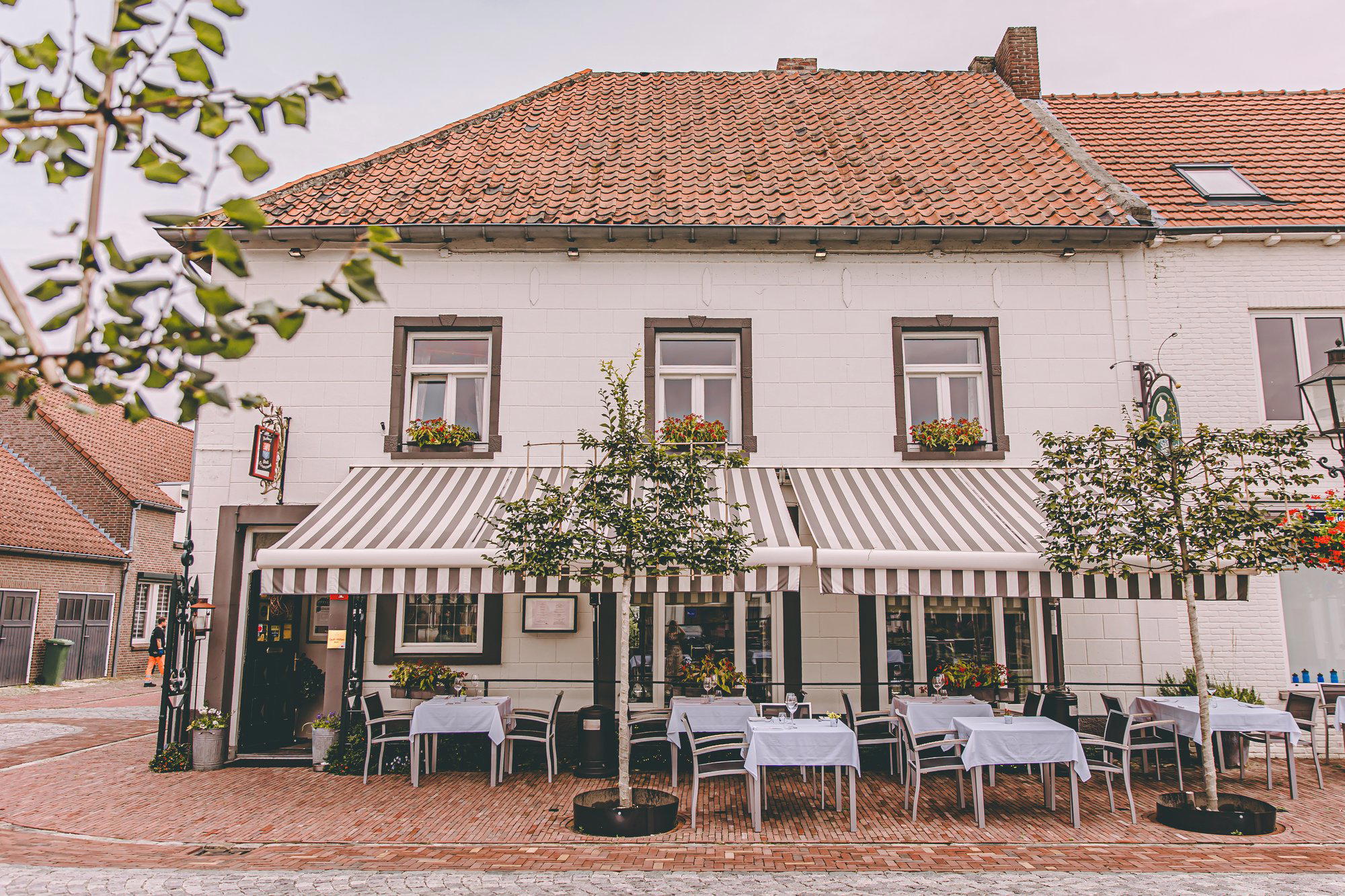
A Village Inn at the Edge of the Maas
Stevensweert sits on a small river island in the Maas, connected to the broader province of Limburg by bridges that most travellers cross without stopping. The village is enclosed by the geometry of its original fortification walls, and the streets inside that perimeter are narrow enough that arriving on foot from a parked car takes under five minutes regardless of where you leave the vehicle. Herberg Stadt Stevenswaert is on Veldstraat Oost 1, which places it at the eastern edge of this compact centre, close enough to the water that the atmosphere on still evenings carries a quality particular to low-lying river landscapes in the southern Netherlands: quiet in a way that feels geographic rather than simply absent of noise.
The herberg as a building type carries specific associations in Dutch and Flemish culture. Unlike a restaurant that happens to offer rooms, or a hotel that runs a dining room as an amenity, the traditional herberg treats hospitality as a unified act, the table, the bed, and the place itself are inseparable from one another. That format has largely disappeared from urban centres, where the economics of land and the segmentation of hospitality into specialist verticals have made it impractical. What survives in smaller settlements like Stevensweert tends to be more authentic to the original model, precisely because the surrounding village has not been reconfigured around tourism at scale.
Limburg's Ingredient Geography and Why It Matters Here
The southern Netherlands, and Limburg in particular, occupies a distinct position in the country's food supply geography. The province borders both Belgium and Germany, and its agricultural character reflects that transitional position: asparagus from the sandy soils around Venlo and Arcen, river fish from the Maas itself, lamb from the river meadows that line the floodplain, and soft fruit from the orchards concentrated in the hills south of Valkenburg. This is not a region that needs to import its primary materials to cook well, and the herberg tradition historically reflected that self-sufficiency, the kitchen drew from what the land immediately outside provided.
That sourcing logic is worth understanding as context for any destination dining decision in this part of the country. The Michelin-decorated circuit in the Netherlands has moved steadily toward premium imported product over the past two decades, and venues like De Librije in Zwolle or Ciel Bleu in Amsterdam operate at price points and with product philosophies that are deliberately cosmopolitan. The inn-scale format in a village like Stevensweert exists in a different register: the argument for eating here is rooted in locality rather than global sourcing ambition. Elsewhere in the region, Brut172 in Reijmerstok represents one expression of how Limburg's smaller settlements are engaging with contemporary cooking; Stevensweert occupies a quieter position on that same map.
For comparison, the Dutch organic and land-first movement has found its most decorated expression at venues like De Nieuwe Winkel in Nijmegen, where the sourcing framework is explicit and the tasting menu is built around it. The herberg model in Limburg doesn't typically articulate its sourcing in those programmatic terms, but the geographic logic is often identical: short supply chains, seasonal availability as a constraint rather than a marketing decision, and a kitchen that cannot rely on next-day delivery from a metropolitan wholesaler.
Placing Herberg Stadt Stevenswaert in the Southern Netherlands Circuit
Travellers assembling a serious eating itinerary through the southern Netherlands tend to anchor on the province's Michelin-recognised tables first. De Treeswijkhoeve in Waalre, De Lindehof in Nuenen, and Tribeca in Heeze form a cluster in Noord-Brabant that sits within reasonable driving distance of Limburg's river corridor. Inter Scaldes in Kruiningen pulls in a different direction, toward Zeeland and the coast, while 't Nonnetje in Harderwijk and Aan de Poel in Amstelveen represent the Randstad's high-end dining density. Against that backdrop, Stevensweert is a deliberate detour, a place chosen for the village itself as much as for the table.
That is not a disadvantage. Particularly satisfying eating in the Netherlands happens at this scale and in this register, where the room is not performing for a Michelin inspector and the kitchen is not working through a ten-course architecture designed to demonstrate technique. De Groene Lantaarn in Staphorst and De Lindenhof in Giethoorn occupy a similar position in their respective regions, village-scale hospitality that operates outside the decorated tier but draws visitors who understand what they're choosing.
Planning a Visit
Stevensweert is most practically reached by car. The village sits between Roermond and Maaseik on the Belgian border, and the drive from Maastricht takes approximately forty minutes via the N278. There is no train station in the village itself; the nearest rail connection is at Roermond. The island position of the settlement means that arrival by bicycle along the Maas river cycling routes is a legitimate option in the warmer months, and the flat terrain of the floodplain makes the approach manageable even on a loaded touring bike.
Comparison Snapshot
Comparable venues nearby, for context on price, style, and recognition.
| Venue | Cuisine | Price | Notes |
|---|---|---|---|
| Herberg Stadt StevenswaertThis venue — the venue you are viewing | Modern French Bistro | $$$ | Not listed |
| Pastory | Classic French Fine Dining | $$$ | Cadier en Keer |
| De Portier | Modern French Fine Dining | $$$ | Stadscentrum |
| In de Heerlyckheid | French-Dutch Regional Fine Dining | $$$ | Deurne |
| Bouchot | Classic French Seafood | $$$ | Nuenen |
| Florent le Bistro | Modern French Bistro | $$$ | Binnenstad |
Continue exploring
More in Stevensweert
Restaurants in Stevensweert
Browse all →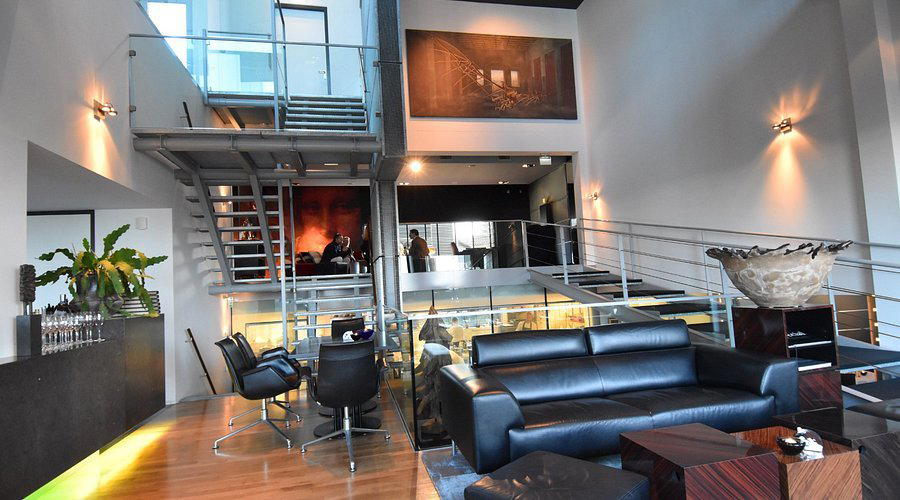
Bars in Stevensweert
Browse all →
Hotels in Stevensweert
Browse all →
Wineries in Stevensweert
Browse all →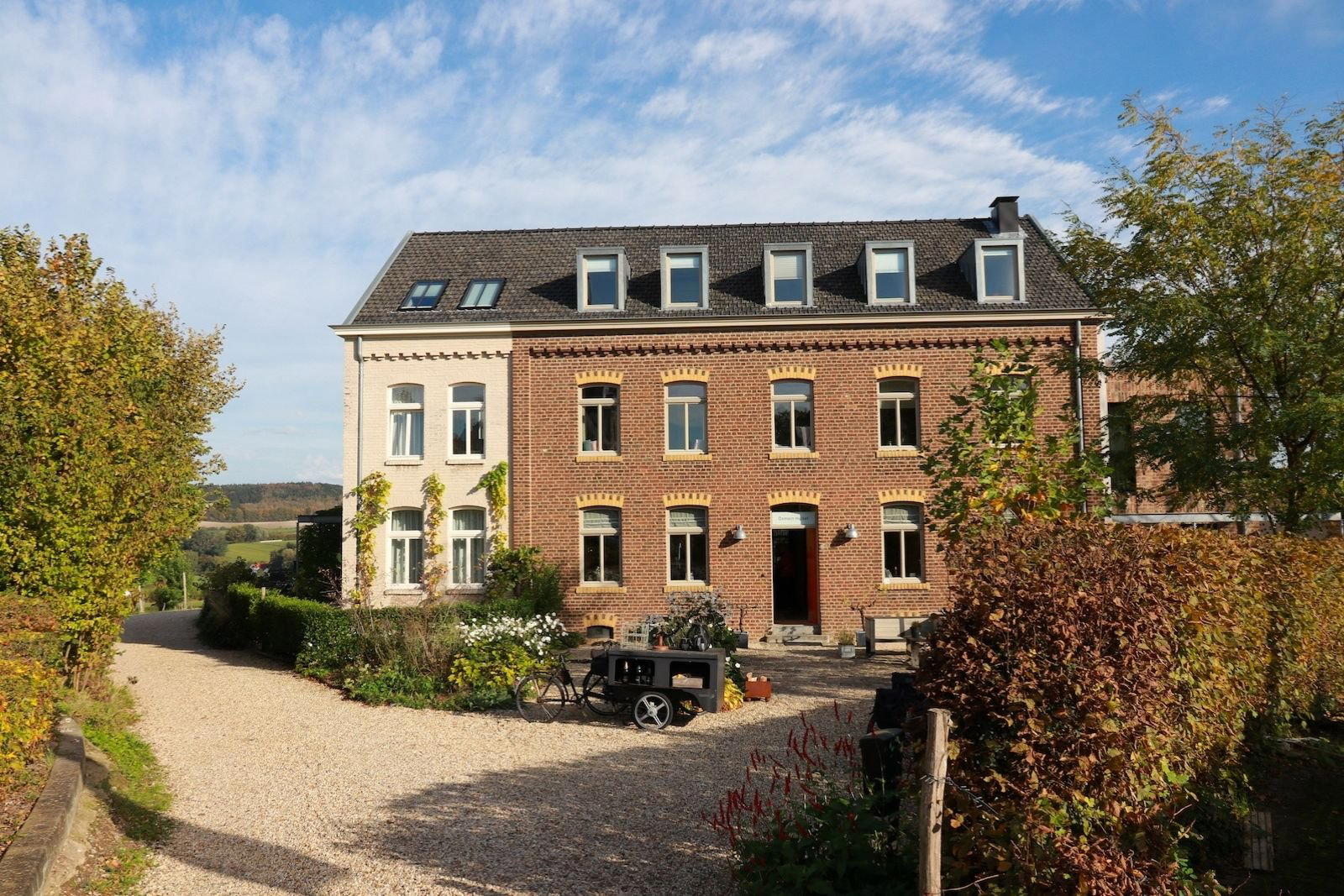

At a Glance
- Cozy
- Elegant
- Rustic
- Date Night
- Special Occasion
- Historic Building
- Local Sourcing
- Farm To Table
Current opening hours
- Monday
- Closed
- Tuesday
- Closed
- Wednesday
- Closed
- Thursday
- 5:30–10 PM
- Friday
- 5:30–10 PM
- Saturday
- 5:30–10 PM
- Sunday
- 12–1:30 PM, 5:30–7:30 PM
Hours can change for holidays and private events. Last verified .
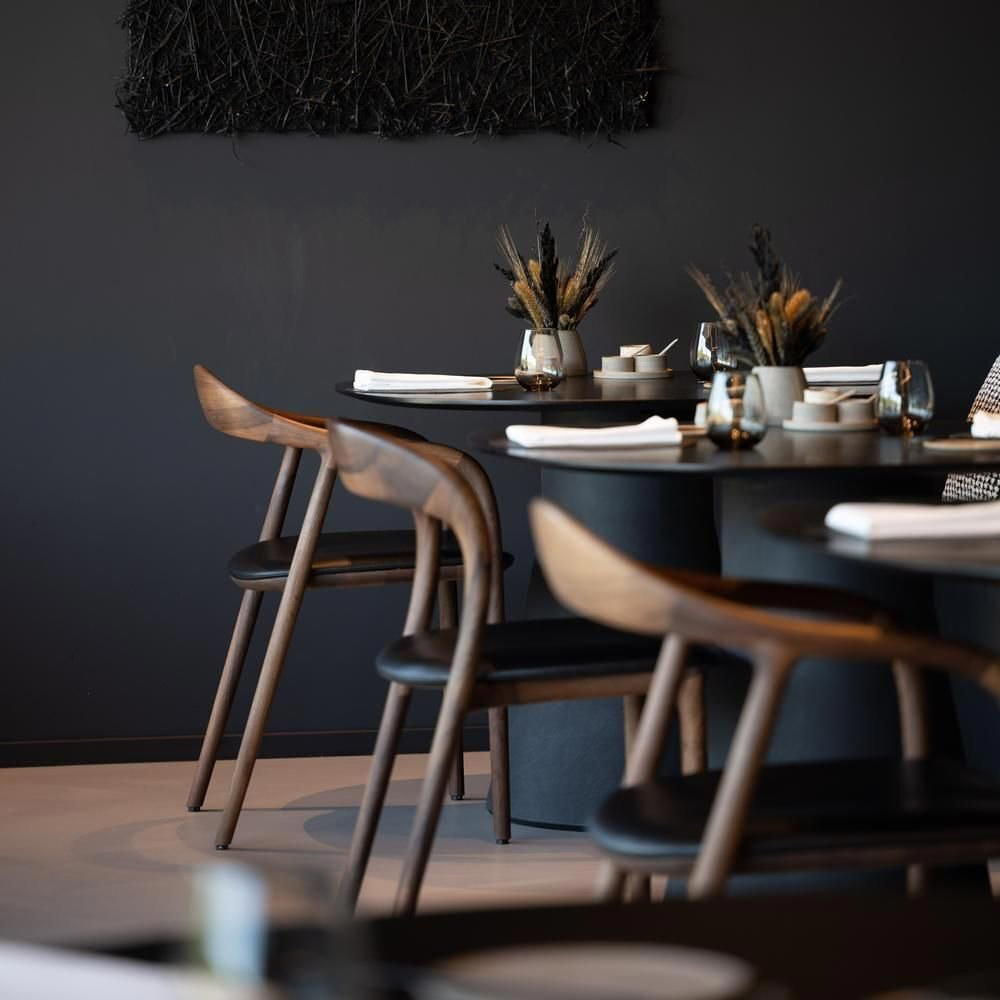
Warme sfeervolle omgeving with inviting atmosphere, attentive service, and the gentle hum of conversation.