ONE


Housed in Roermond's oldest industrial building, ONE holds a Michelin star (2024) and a rare 5 Radishes rating from We're Smart Green Guide, placing it among the Netherlands' most serious vegetable-forward kitchens. Chef Edwin Soumang draws on a 1,000 m² urban kitchen garden and hyper-local sourcing to build creative menus where vegetables are the structural core, not a supporting act.
Pearl is the En Primeur Club membership app — saves, bookings, and concierge access live there. Same editors, same standards.
- Address
- ECI 17, 6041 MA Roermond, Netherlands
- Phone
- +31 475 600 262
- Website
- restaurantone.nl
- Directions
- Get directions
 Saves & bookings on Pearl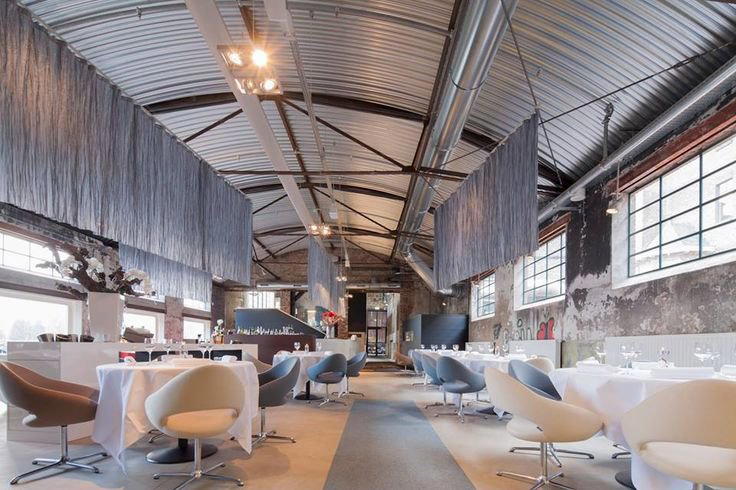
An Industrial Shell, a Garden-Driven Kitchen
Converted factory spaces have become a familiar backdrop for ambitious cooking across northern Europe, but Roermond's ECI building carries a specific weight: it is the oldest industrial structure in the city, and its raw architectural bones, exposed brick, high ceilings, the residue of former manufacturing, frame a dining experience that sits at some distance from the Dutch fine-dining mainstream. The contrast between setting and plate is part of the point. Where the building speaks in hard materials, the kitchen at ONE answers with produce pulled from a 1,000 m² urban kitchen garden that begins the meal long before the first course arrives.
The terrace overlooking the Roer River extends the spatial logic outward. In warmer months, the boundary between the garden's supply chain and the guest's experience becomes almost literal: the river view and the garden are not decorative additions but functional parts of what chef Edwin Soumang has built. Few restaurants in Limburg, or indeed in the broader Dutch south, operate with this degree of physical integration between growing space and kitchen output.
Vegetable-Forward Cooking as a Structural Position
The phrase "plant-based" has accumulated a great deal of marketing noise in recent years, attaching itself to everything from fast-casual chains to high-concept tasting menus. The more useful frame for ONE is the We're Smart Green Guide's 5 Radishes rating, the organisation's highest recognition, awarded alongside membership in the 5 Radishes Chefs club. That designation places ONE in a small cohort of European kitchens where vegetables function as the architectural core of a menu, not as a concession to dietary preference.
This distinction matters when positioning ONE within Roermond's dining options. At the €€ tier, Waers and Rura by Naomi & Joey offer modern cooking with accessible price points. Damianz at €€€ works within the French contemporary tradition. ONE, priced at €€€€ and now Michelin-starred, occupies a different register entirely: it asks the guest to accept vegetables not as accompaniment but as protagonist, and it has the credential base to make that argument seriously.
The We're Smart recognition is not incidental. The organisation audits kitchens specifically on how they source, grow, and deploy plant ingredients, and a 5 Radishes score represents a multi-year evolution of kitchen philosophy, supply chain discipline, and technical execution. ONE's upgrade to that tier reflects what the We're Smart team described as an evolution on "pure plant", the restaurant did not arrive at this position fully formed but has moved toward it with observable purpose.
The Michelin Star in Context
ONE's 2024 Michelin star situates it within a broader Dutch conversation about where serious cooking is happening outside the Randstad. The concentration of Dutch Michelin recognition in Amsterdam and its immediate surroundings has historically made outliers in Limburg, Overijssel, and Zeeland worth tracking. Restaurants like De Librije in Zwolle, Aan de Poel in Amstelveen, De Bokkedoorns in Overveen, De Groene Lantaarn in Staphorst, De Lindehof in Nuenen, De Lindenhof in Giethoorn, Fred in Rotterdam, and Inter Scaldes in Kruiningen define a geography of Dutch fine dining that extends well beyond the capital. ONE now belongs to that map.
7 across 336 reviews adds a separate data point: sustained guest satisfaction at this price and ambition level, in a city not primarily associated with destination dining, indicates a kitchen and front-of-house operation that function as a coherent unit rather than a technically accomplished but alienating experience.
Sourcing as Cultural Argument
The Limburg region carries a specific agricultural identity. The Geuldal valley, running through the hilly south of the province, produces suckling lamb and supports fruit cultivation including the Wellant apple variety. Both appear in ONE's documented output, and their presence is not merely local colour. Using Geuldal suckling lamb neck alongside a lamb jus, a yoghurt dressing with mint oil, and vegetable elements reflects a kitchen that treats its regional terroir as an active ingredient rather than a point of marketing differentiation.
The Wellant apple in soufflé form, prepared in classical tradition with vanilla ice cream and apple compote, shows the same logic applied to fruit: the regional product anchors a technically grounded preparation rather than serving as an exotic flourish. This approach places ONE in a European lineage of kitchens that treat hyper-local sourcing as a culinary discipline with specific constraints and specific rewards, comparable in spirit to what drives similarly credential-heavy kitchens like Brut172 in nearby Reijmerstok or, further afield, Platán Gourmet in Tata, where creative kitchens in non-capital cities build serious reputations on regional ingredient depth.
What the garden provides that a supplier relationship cannot is immediacy and specificity. A 1,000 m² growing space within the city produces ingredients at a scale and variety that shapes menu architecture from the ground up. The kitchen's seasonal range is defined not by what distributors stock but by what is ready to harvest, which produces a menu calendar with genuine seasonal pressure rather than a notional nod to the seasons.
The Room and the Service Register
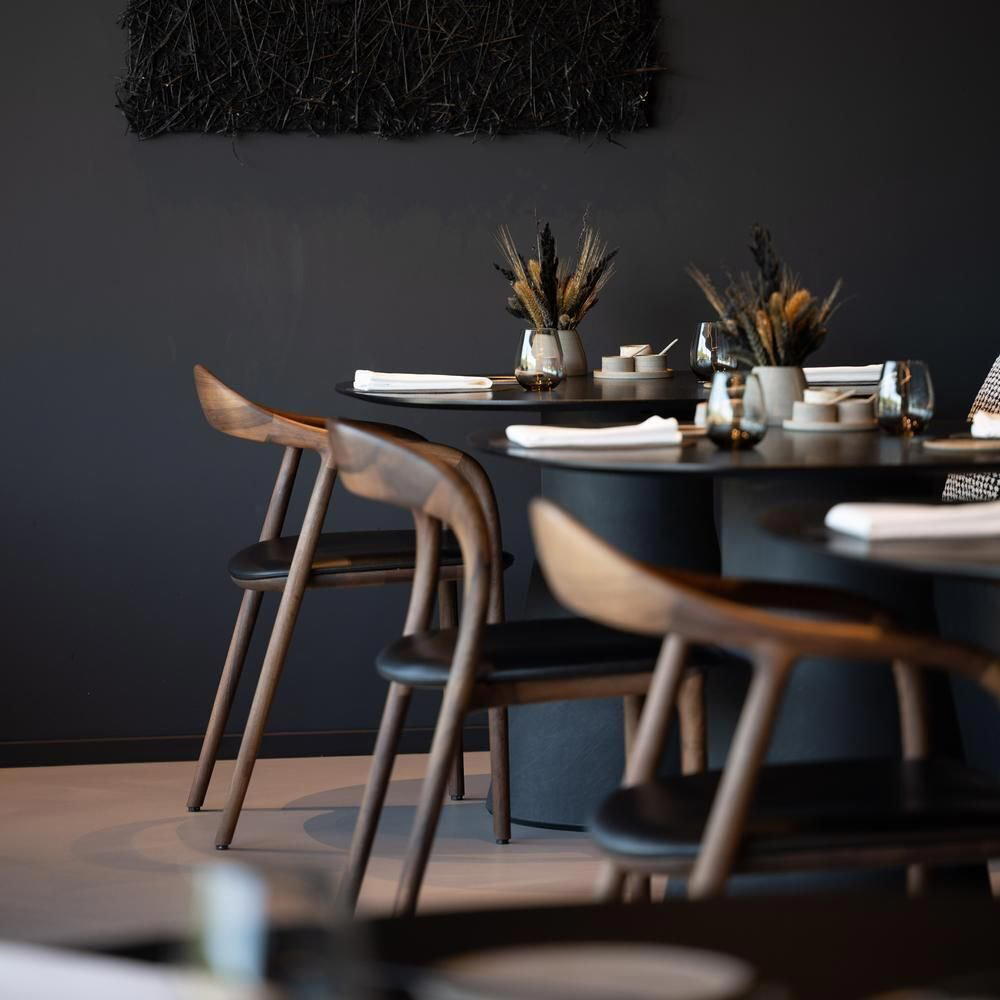
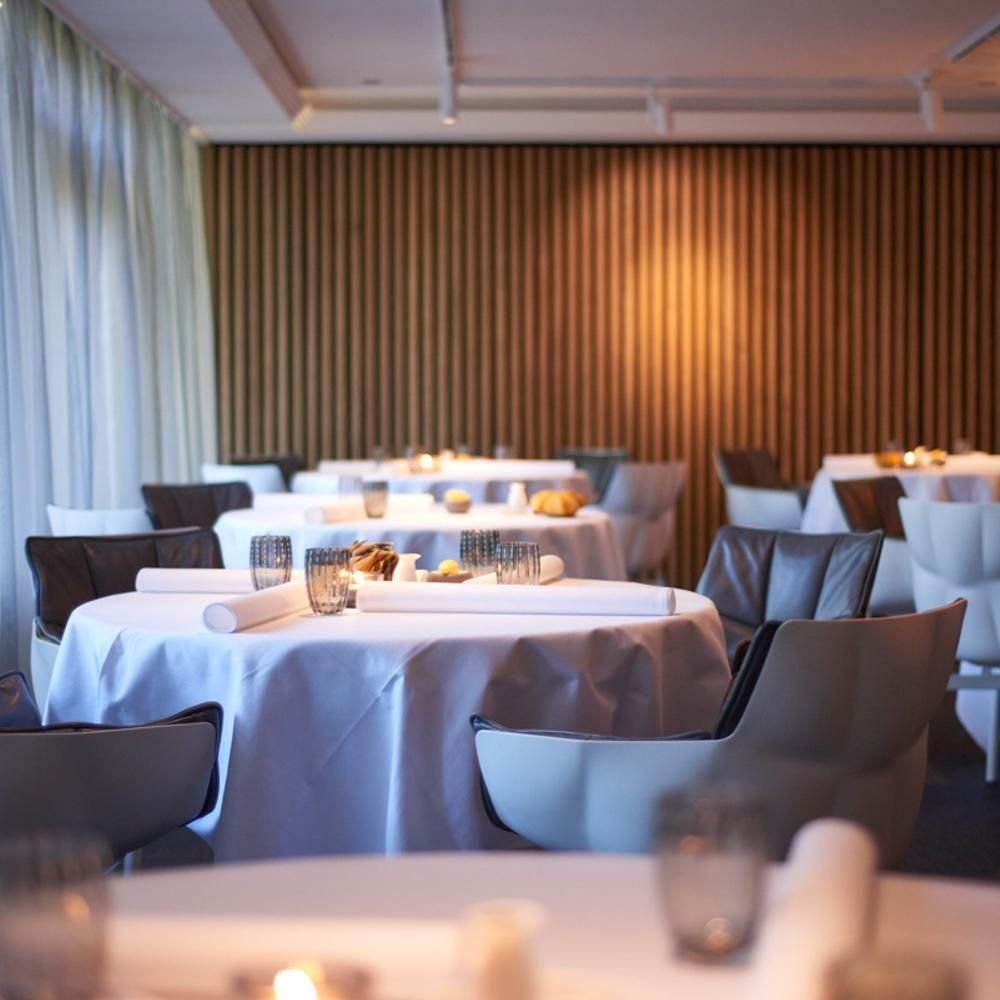
The building's industrial character is not treated as ironic contrast to fine dining but as a genuine aesthetic position. Murals and unusual art sit within the raw factory shell, producing a visual register that positions the restaurant outside the conventional formal dining script. The Roer River terrace amplifies this: river-adjacent outdoor seating in a post-industrial setting is a spatial proposition that reads differently from a hotel terrace or a manicured garden restaurant.
The front-of-house approach, led by the Canadian hostess described in documented guest accounts, functions as a navigational service: guests are guided through the menu's logic and sourcing rather than simply presented with dishes. In a kitchen where the vegetable-forward philosophy requires some explanation to be fully legible, this service posture is practically necessary. It also prevents the meal from feeling like a lecture; the expertise is deployed in conversation rather than performance.
Planning a Visit
ONE is located at ECI 17, 6041 MA Roermond, in the ECI cultural complex that houses the oldest industrial building in the city. The €€€€ price point reflects a multi-course creative menu format; guests should approach this as a full evening commitment rather than a quick dinner. Given the 2024 Michelin star, booking well in advance is advisable.
Price and Recognition
Comparable venues nearby, for context on price, style, and recognition.
| Venue | Cuisine | Price | Awards | Notes |
|---|---|---|---|---|
| ONEThis venue — the venue you are viewing | Creative | $$$$ | Michelin 1 Star | Not listed |
| Waers | Not listed | $$$ | Bib Gourmand | city centre, Scandinavian-Inspired Modern European |
| Rura by Naomi & Joey | Not listed | $$$$ | Michelin Plate | old town, Modern French with Global Influences |
| Damianz | Not listed | $$$$ | Michelin Plate | Binnenstad, French Contemporary with Asian Influences |
| Bistro TWO | Dining | Not listed | Bib Gourmand | Not listed |
| Kasteeltje Hattem | Not listed | $$$ | Not listed | Roermond city park, Modern French with Mediterranean influences |
Recognition history
Dated appearances from independent guides and award organizations, with the underlying list record or original source where available.
Michelin 1 Star
Michelin
We're Smart World Top 100 #89
We're Smart World
We're Smart World 5 Radishes
We're Smart World
Michelin 1 Star
Michelin
Continue exploring
More in Roermond
Restaurants in Roermond
Browse all →
Bars in Roermond
Browse all →
Hotels in Roermond
Browse all →
Wineries in Roermond
Browse all →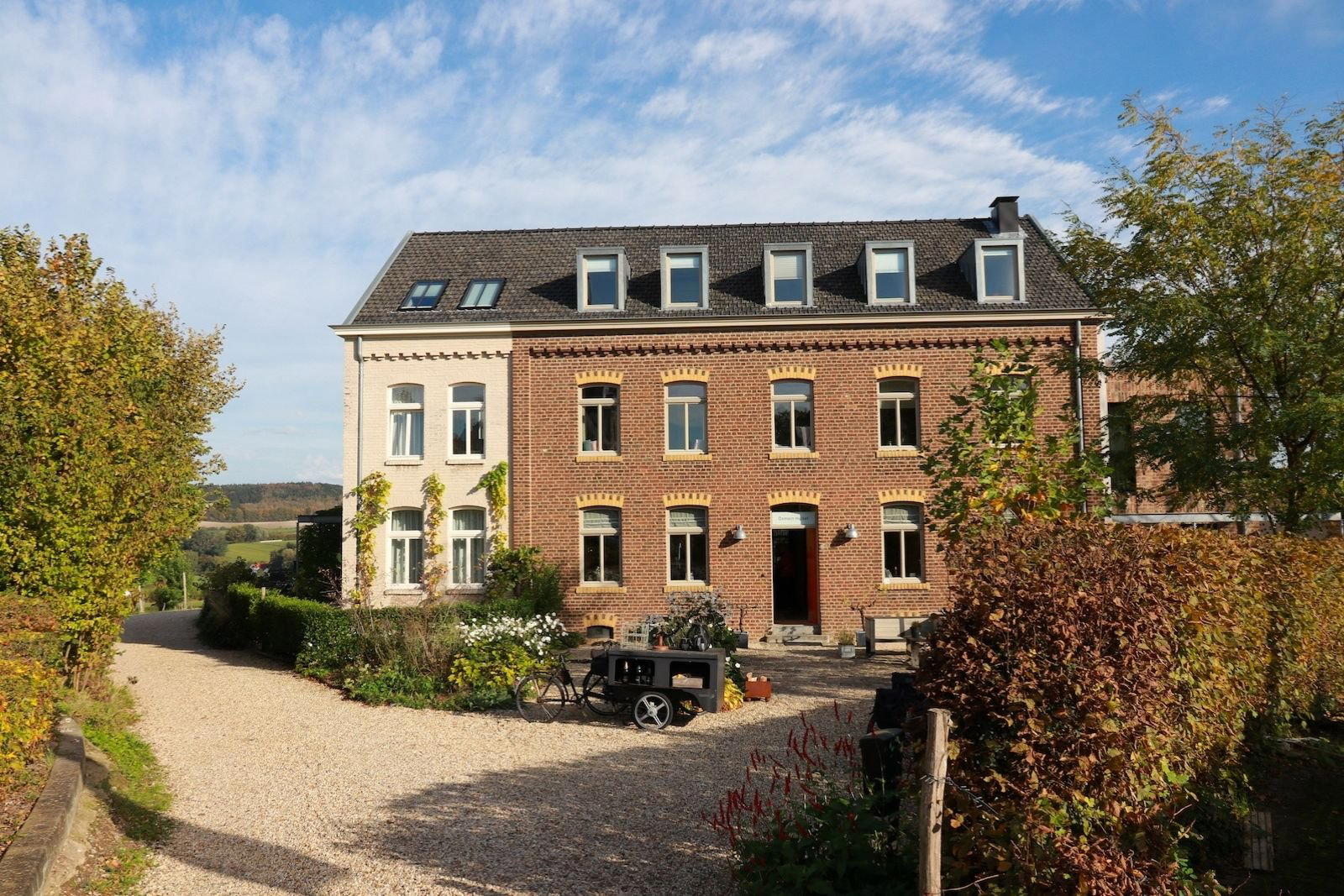

At a Glance
- Elegant
- Industrial
- Modern
- Romantic
- Sophisticated
- Date Night
- Special Occasion
- Celebration
- Business Dinner
- Terrace
- Waterfront
- Garden
- Open Kitchen
- Historic Building
- Design Destination
- Extensive Wine List
- Sommelier Led
- Farm To Table
- Local Sourcing
- Organic
- Waterfront
- Garden
Current opening hours
- Monday
- Closed
- Tuesday
- Closed
- Wednesday
- 5:30–10 PM
- Thursday
- 5:30–10 PM
- Friday
- 12:30–4 PM, 5:30–10 PM
- Saturday
- 12:30–4 PM, 5:30–10 PM
- Sunday
- Closed
Hours can change for holidays and private events. Last verified .
Industrial yet warm and inviting, with high ceilings and contemporary art including murals; soft lighting creates an elegant atmosphere despite the raw factory setting; riverside terrace provides serene outdoor ambiance.