In de Heerlyckheid
In de Heerlyckheid occupies a quieter corner of Noord-Brabant's dining scene, on Stationsstraat in Deurne, a town that sits within one of the Netherlands' most agriculturally expressive provinces. The restaurant draws from the region's farming heritage and seasonal produce rhythms, placing it inside a broader Dutch tradition of ingredient-led cooking that has gained sustained critical attention over the past decade.
Pearl is the En Primeur Club membership app — saves, bookings, and concierge access live there. Same editors, same standards.
- Address
- Stationsstraat 113, 5751 HD Deurne, Netherlands
- Phone
- +31493321654
- Website
- indeheerlyckheid.nl
- Directions
- Get directions
 Saves & bookings on Pearl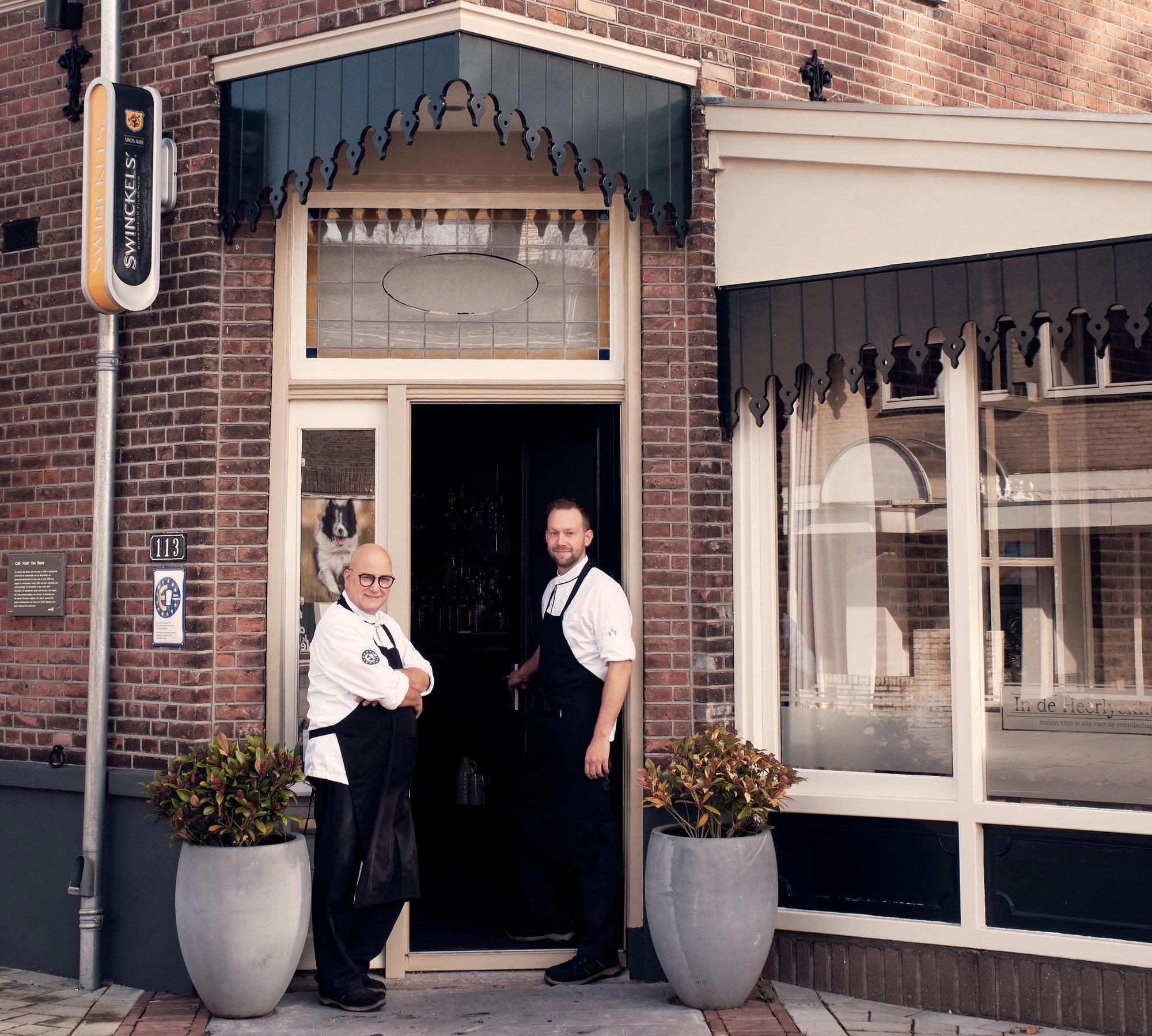
Noord-Brabant's Ingredient Tradition and Where Deurne Fits
The southern Netherlands has spent the last two decades quietly building one of Europe's more compelling cases for regional-produce-driven fine dining. Noord-Brabant in particular sits in fertile terrain: its sandy soils and small-scale farming operations supply kitchens across the country with asparagus, mushrooms, game, and dairy that rarely make it onto supermarket shelves. This agricultural specificity has given the province a culinary identity distinct from the more cosmopolitan registers of Amsterdam or Rotterdam. Restaurants in towns like Nuenen, Waalre, and Heeze, see De Lindehof in Nuenen, De Treeswijkhoeve in Waalre, and Tribeca in Heeze, have leveraged proximity to local growers as a genuine differentiator rather than a marketing posture. In de Heerlyckheid on Stationsstraat in Deurne belongs to this tradition, operating in a small provincial town where the relationship between kitchen and surrounding farmland is geographic fact rather than aspirational branding.
Deurne itself sits roughly equidistant between Eindhoven and Venlo, close to the Belgian border and the Peel region, a historically peat-rich landscape whose agricultural character still shapes what grows nearby. For the Dutch fine-dining scene, this kind of rural grounding has proved productive: some of the country's most closely watched restaurants operate at a remove from the major cities, drawing guests willing to travel specifically for the food. For context on what that tier looks like nationally, the programs at De Librije in Zwolle and 't Nonnetje in Harderwijk have demonstrated that destination dining outside the Randstad cities sustains genuine demand.
The Appeal of Ingredient-First Cooking in a Provincial Setting
Across the Netherlands, the restaurants that have attracted sustained critical attention over the past decade tend to share a common orientation: they treat sourcing as the structural logic of the menu rather than as a layer applied over classical technique. De Nieuwe Winkel in Nijmegen, for instance, has built its reputation around organic and plant-led sourcing so completely that the provenance of each ingredient is effectively the menu's architecture. Brut172 in Reijmerstok operates from a similarly rooted premise in Limburg. In de Heerlyckheid occupies a comparable position in the Noord-Brabant context, a restaurant whose address in Deurne is itself a signal about the kind of sourcing relationships the kitchen can maintain.
What this means practically is that guests eating in this part of the Netherlands encounter ingredients at a different point in their journey than they would at comparable restaurants in Amsterdam or Rotterdam. The white asparagus season in Noord-Brabant, for example, runs from late April through June, and kitchens this close to production can receive product harvested the same morning. Game from the Peel region, seasonal mushrooms, and regional dairy follow similar logic. For a restaurant operating at this address, the question of ingredient sourcing is partly answered by geography before the kitchen makes a single decision.
This is a materially different dynamic from what you find at, say, Ciel Bleu in Amsterdam or FG in Rotterdam, where extraordinary technique operates at a greater remove from primary producers. It is also distinct from internationally framed programs like Le Bernardin in New York City or Atomix in New York City, where sourcing is global and highly curated. The Noord-Brabant model is narrower and more rooted, which is precisely its editorial interest.
Deurne's Dining Character
Deurne is not a dining destination in the way that Giethoorn draws visitors for its canal scenery or Kruiningen draws them for Inter Scaldes. It is a working provincial town, and restaurants that operate well there do so by serving a local community with genuine intent rather than positioning for tourist traffic. This tends to produce a particular atmosphere: less performative than city-centre fine dining, more direct in its hospitality, and more likely to reflect local seasonal rhythms because those rhythms are what the surrounding community actually experiences.
The address at Stationsstraat 113 places In de Heerlyckheid on one of the town's main commercial streets, accessible by train from Eindhoven (roughly 30 minutes on the Eindhoven-Venlo line, with Deurne station a short walk from the restaurant) and by car from across the region.
How In de Heerlyckheid Sits Within Its comparable set
The comparison set for a restaurant in Deurne is partly defined by geography and partly by the ambition of comparable provincial operations. De Bokkedoorns in Overveen and Aan de Poel in Amstelveen both operate in provincial or suburban settings while maintaining standards that draw guests specifically for the food. De Groene Lantaarn in Staphorst and De Lindenhof in Giethoorn similarly demonstrate that Dutch fine dining functions effectively at a distance from metropolitan centres. 't Amsterdammertje in Loenen aan de Vecht offers another reference point for what a well-run provincial Dutch restaurant looks and feels like.
Within that context, the restaurant's position in Deurne is coherent. The restaurant operates in a town small enough that its relationship to local producers and the regional community is structural, not decorative. That is the clearest editorial argument for it: not scale or celebrity, but the kind of specificity that only comes from genuinely local operation.
Planning Your Visit
Reaching Deurne by public transport is direct: direct trains run from Eindhoven Centraal to Deurne station, with Stationsstraat within easy walking distance of the platform. Drivers from Eindhoven follow the N270 east, a journey of around 25 kilometres. Reservations are recommended, and the restaurant is open Wednesday through Sunday, with Monday and Tuesday closed. The broader Noord-Brabant fine-dining circuit makes this area worth combining with visits to De Lindehof in Nuenen or De Treeswijkhoeve in Waalre if you are making the journey from further afield.
A Quick Peer Check
Comparable venues nearby, for context on price, style, and recognition.
| Venue | Cuisine | Price | Notes |
|---|---|---|---|
| In de HeerlyckheidThis venue — the venue you are viewing | French-Dutch Regional Fine Dining | $$$ | Not listed |
| Cuisson | Modern International Fine Dining | $$$ | Arnhem city center |
| Jan & Ellen bistro | French Bistro | $$$ | Moergestel |
| Koetshuis by Rhederoord | French-Dutch Contemporary | $$$ | De Steeg |
| Brasserie Bruis | Seasonal French Brasserie | $$$ | Haarlem city centre |
| Ons Jongens | French-Dutch Fine Dining | $$$ | Someren-Eind |
At a Glance
- Cozy
- Elegant
- Intimate
- Sophisticated
- Date Night
- Special Occasion
- Private Dining
- Extensive Wine List
- Local Sourcing
Current opening hours
- Monday
- Closed
- Tuesday
- Closed
- Wednesday
- 5:30 PM–12 AM
- Thursday
- 5:30 PM–12 AM
- Friday
- 5:30 PM–12 AM
- Saturday
- 5:30 PM–12 AM
- Sunday
- 1 PM–12 AM
Hours can change for holidays and private events. Last verified .
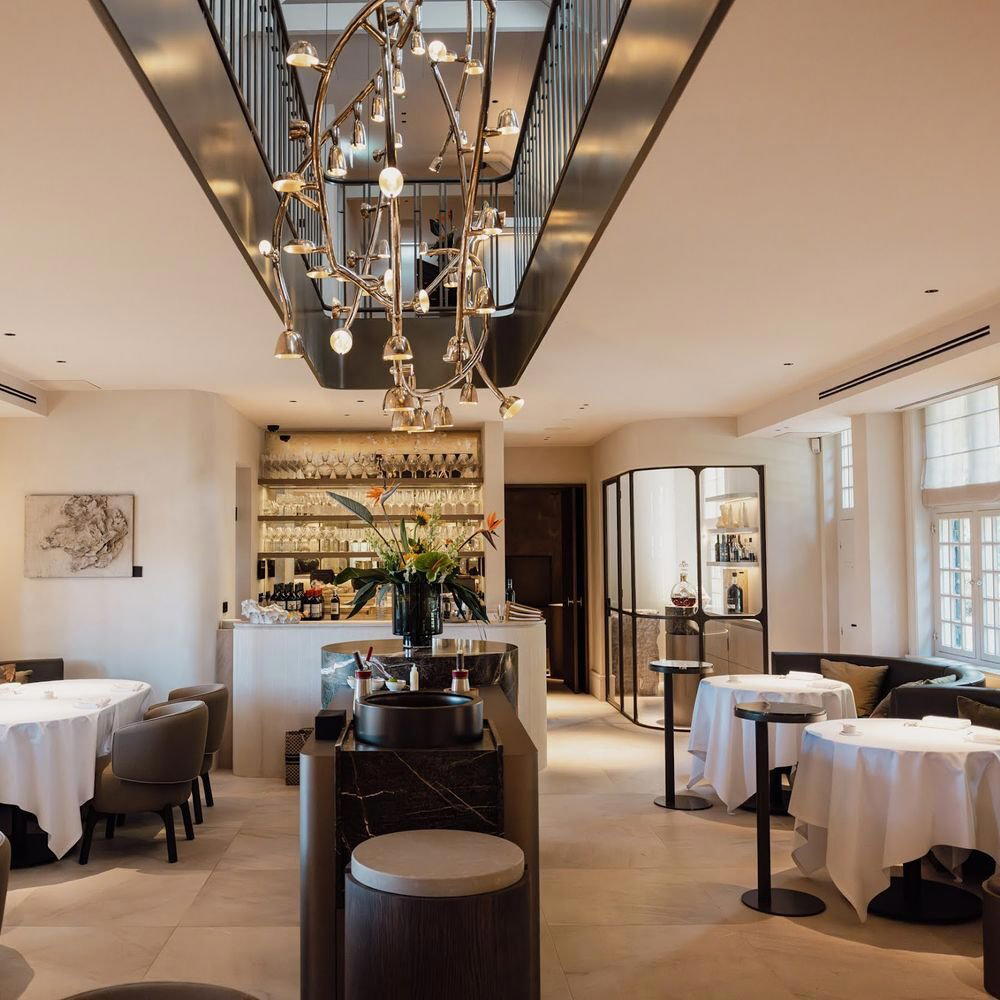
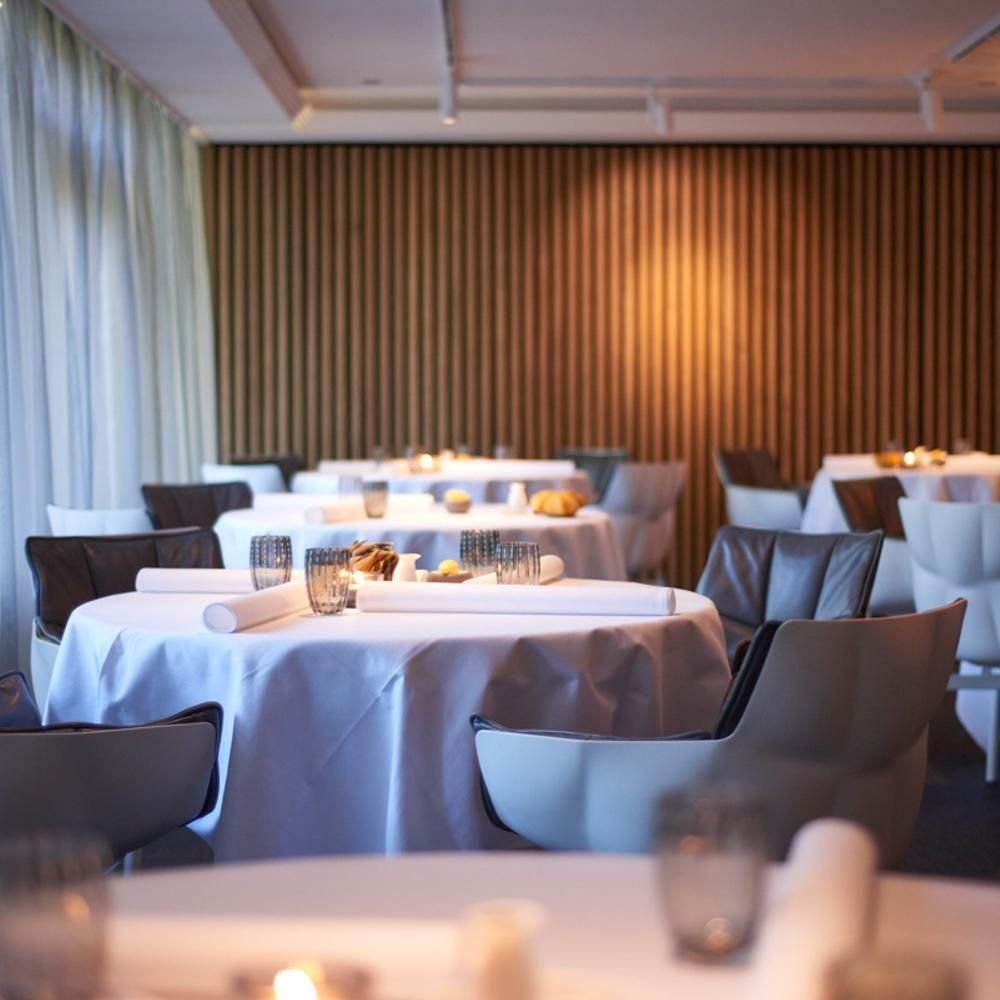
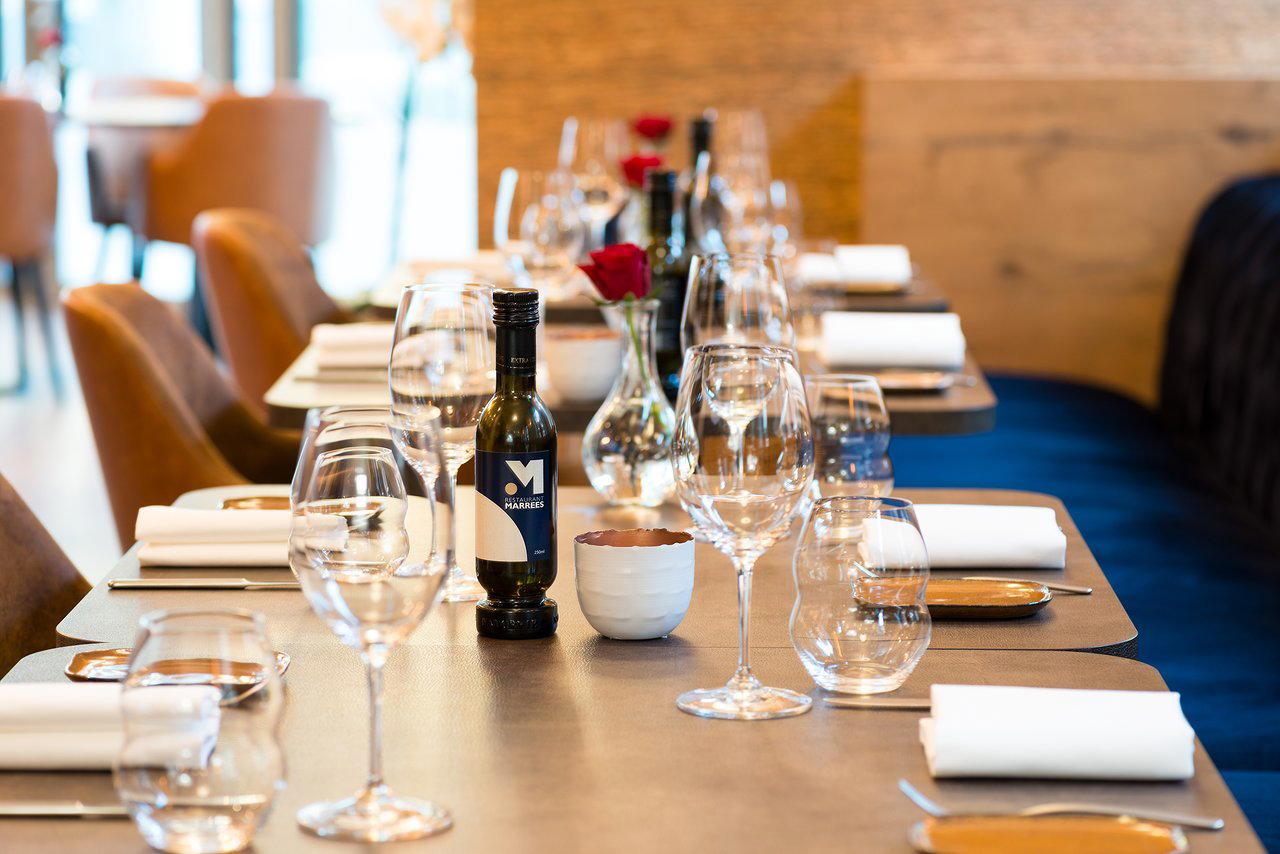
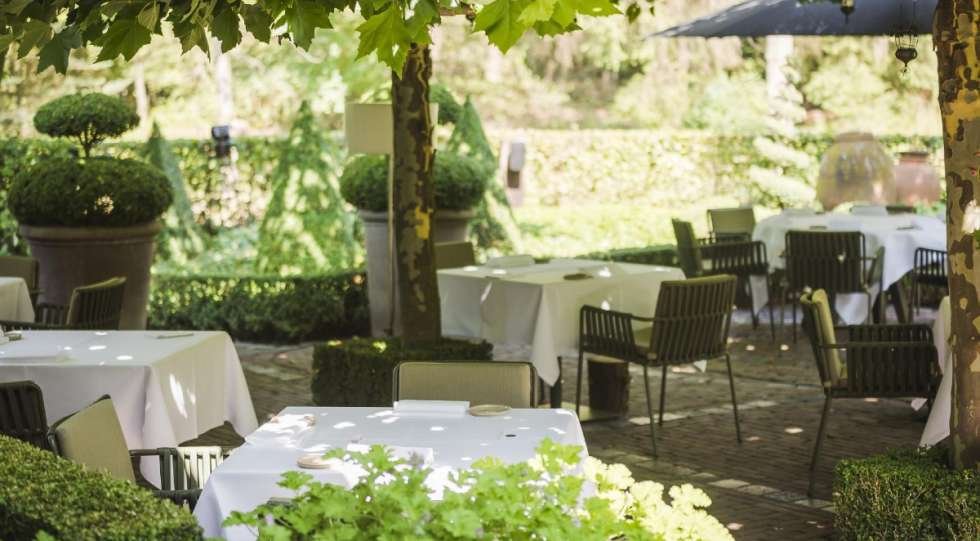
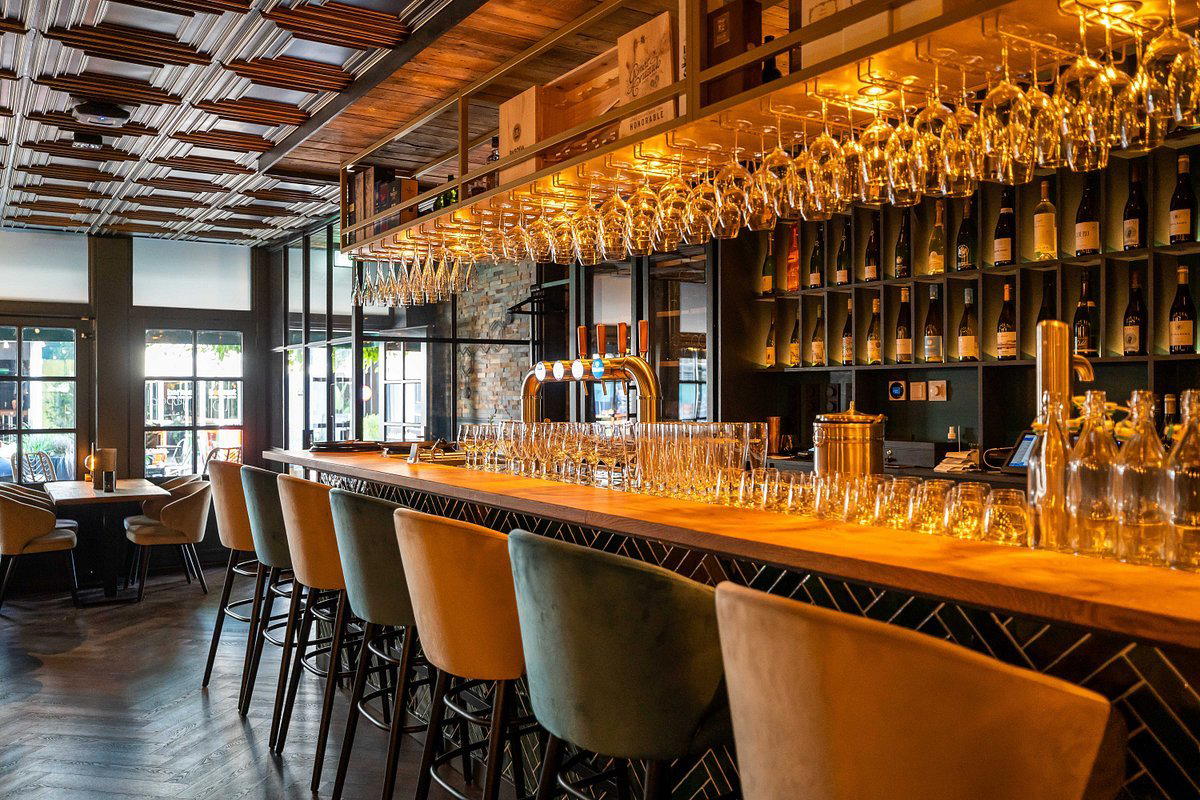
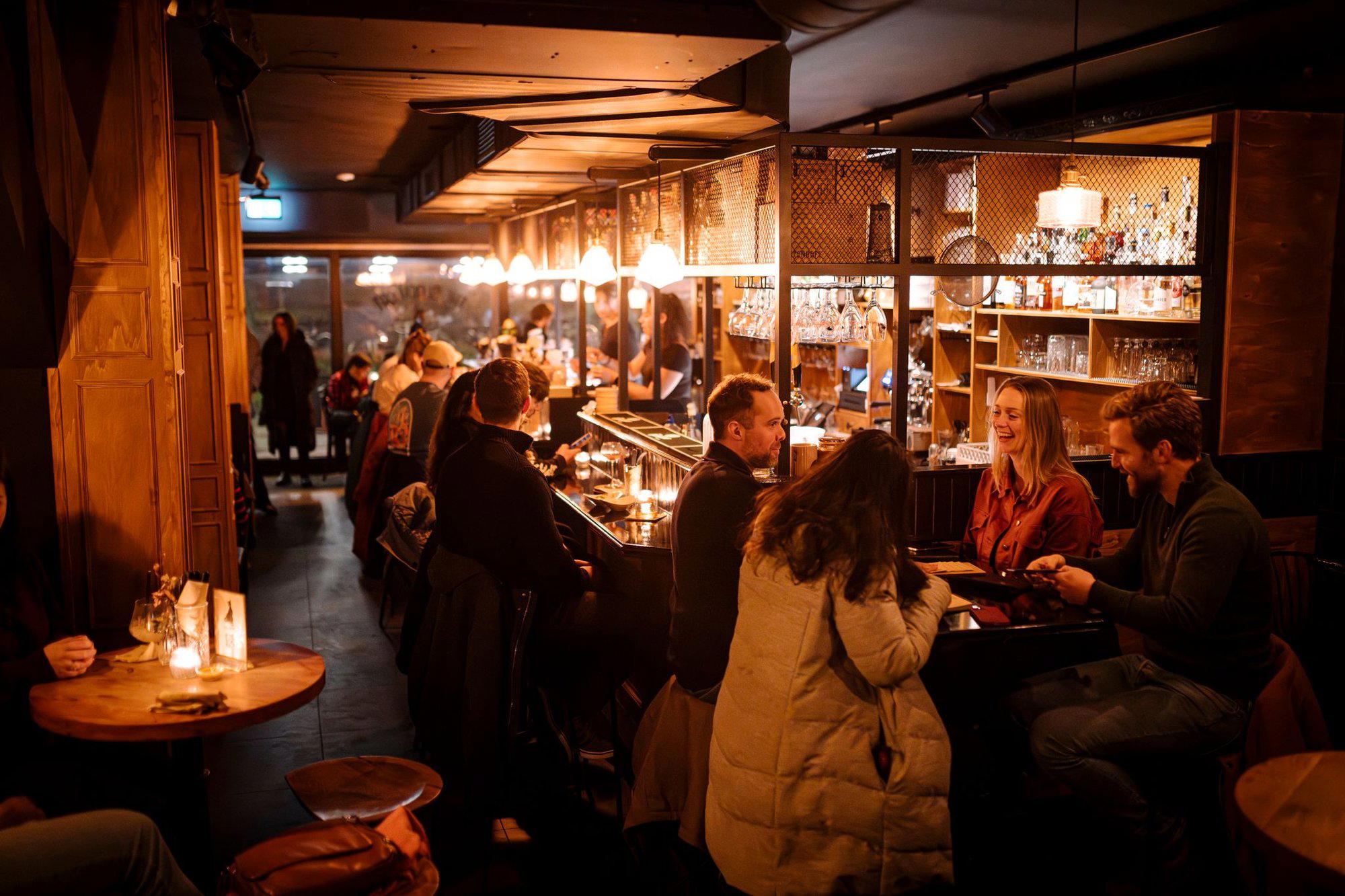
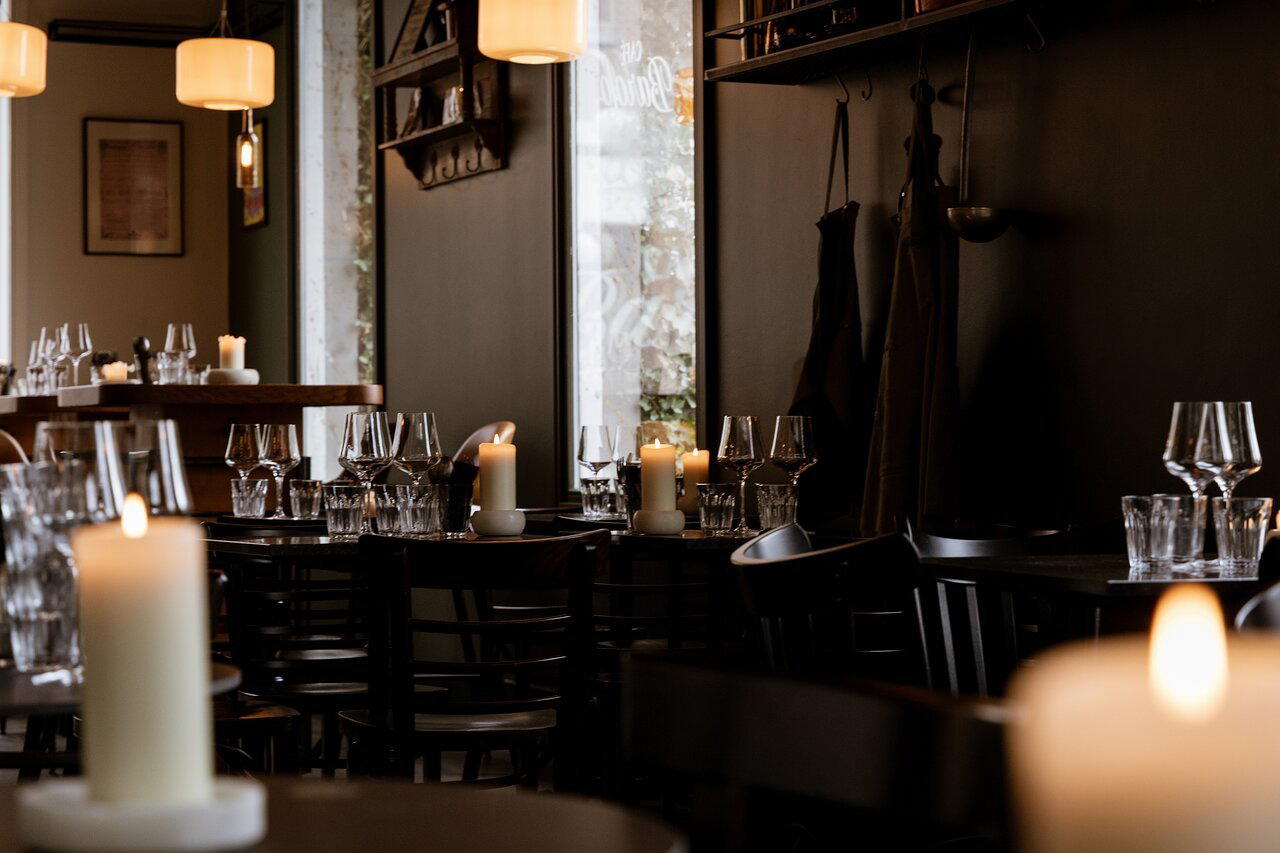
Cozy, atmospheric interior with warm hospitality and focus on culinary enjoyment.