Our verdict
Helsen Sushi & Wine pairs traditional Japanese omakase with a sommelier-led wine list, set for a quiet, leisurely dinner in an open-kitchen standalone room.

Pearl is the En Primeur Club membership app, where members save venues, book tables and use the concierge.
The menu
What to order
- Tuna Tataki
- Sashimi platter
- Shrimp Tempura
Sushi in a Small Belgian City: What Mol's Dining Scene Signals
Belgium's provincial restaurant scene has been quietly diversifying for years. In cities like Antwerp, the shift toward Japanese formats, omakase counters, sake lists, wine-paired nigiri, has followed patterns visible in London, Paris, and Amsterdam. That same movement, slower and more deliberate, has reached smaller Flemish towns. Mol, a municipality in the Antwerp province better known for its heathlands than its dining, now carries a sushi and wine address on Lakenmakersstraat. The existence of a venue like Helsen Sushi & Wine in a town of this scale says something about where Belgian dining appetite is heading, outside the established Michelin corridors of the big cities.
The Sushi-Wine Pairing Tradition and Its Belgian Expression
The pairing of Japanese fish preparations with European wine is no longer experimental, it is a format with genuine critical and commercial traction. Counters in Tokyo began integrating Burgundy and Champagne into omakase sequences a generation ago, partly driven by the preferences of international clientele, partly because the mineral and acid profiles of certain French whites hold their own against the fat of aged tuna or the delicacy of flounder. In Belgium, that conversation has followed a different path. The country's wine culture skews heavily toward French and occasionally German producers, and that sensibility translates naturally into pairing frameworks for Japanese food. A sushi venue that positions wine alongside fish in a Flemish town is drawing on that broader European palate literacy, not just replicating a trend from Tokyo or New York.
For reference points at the international tier, venues like Le Bernardin in New York City and Atomix in New York City demonstrate how seriously the crossover between European wine culture and Japanese-influenced fish cookery can be taken at the highest level. The Belgian provincial version operates at a different scale, but the underlying logic, that precise, clean fish preparations need precise, structured wines, holds across price points.
Mol's Dining Context
Mol is not a city where diners expect a saturated restaurant market. The town's dining addresses are scattered across a handful of distinct registers. Bouffard, operating in the modern French register at the €€€ tier, anchors one end of the market. Others in the local mix, Hippocampus, La Cuenta, Nobilis, and Omen, fill out a scene that, while modest in size, covers meaningful range. Against that backdrop, a sushi and wine address occupies a distinct niche. Japanese cuisine, particularly in formats that take fish sourcing and rice temperature seriously, requires supply-chain commitments that are genuinely difficult outside metropolitan centers. That Helsen has established itself at this address in Mol places it in a small peer group of provincial Belgian venues attempting cuisines that demand urban-level ingredient access.
For a broader map of the Mol dining scene, the full Mol restaurants guide provides context across all categories currently active in the city.
Belgium's Wider Fine Dining Frame
Understanding a provincial sushi address requires some sense of the broader Belgian restaurant ecology. Belgium punches significantly above its geographic weight in formal dining recognition. Venues like Hof van Cleve in Kruishoutem, Boury in Roeselare, and Zilte in Antwerp operate at the top of the European recognition tier. Coastal addresses like Bartholomeus in Heist and Willem Hiele in Oudenburg have built reputations around North Sea produce that now attract international attention. Further inland and across the linguistic border, L'air du temps in Liernu, d'Eugénie à Emilie in Baudour, and Castor in Beveren demonstrate that serious cooking operates well beyond Brussels and Antwerp. In that context, a sushi venue in Mol is part of a general Belgian pattern: serious food addresses establishing themselves in places that would not have supported them two decades ago.
Brussels itself, through places like Bozar Restaurant and De Jonkman in Sint-Kruis, shows how the capital and its near neighbors maintain a parallel track of ambition. Mol sits at a comfortable distance from that gravitational pull, which historically limited what could be sustained there. The emergence of a wine-focused sushi address suggests that calculus is shifting.
What the Sushi-Wine Format Asks of the Diner
Japanese fish preparations demand a different mode of eating than European cuisine. The sequence matters: lighter, more delicate fish before richer cuts; temperature of rice at the moment of consumption; the restraint required to let seasoning do its work without additions. Pairing wine into that sequence adds a second set of decisions, when acidity helps, when tannin intrudes, which styles of Champagne or white Burgundy hold through multiple courses of raw fish without overwhelming the kitchen's choices. These are not trivial questions, and the sushi-wine format, done thoughtfully, requires the venue to have considered them for the diner. That editorial work, done well, is what separates a wine list bolted onto a sushi menu from a coherent pairing program.
In the Belgian context, where wine knowledge among diners is relatively broad and where the French influence on taste is strong, the sushi-wine format has a natural audience. Diners comfortable with thinking about Chablis alongside oysters are not far from thinking about it alongside flounder. Helsen Sushi & Wine, at Lakenmakersstraat 33 in Mol, sits in that emerging space.
Planning Your Visit
Mol is accessible by rail from Antwerp, with regular direct connections that place the town within practical reach for a meal-driven trip from the city. Lakenmakersstraat 33 is the address; specific opening hours, pricing, and booking requirements are best confirmed directly with the venue, as this information was not available at time of publication. Given the specialist nature of the format and the limited dining pool in Mol, advance contact before visiting is advisable regardless of whether the venue operates a formal reservation system.
Frequently asked questions
Where is Helsen Sushi & Wine located?
Helsen Sushi & Wine is located at Lakenmakersstraat 33, 2400 Mol, Belgium, Mol.
Is Helsen Sushi & Wine in Mol accessible from Antwerp for a day trip?
Mol sits on a direct rail line from Antwerp, placing it within practical reach for a meal-driven trip from the city. The address, Lakenmakersstraat 33, 2400 Mol, is a provincial sushi-wine counter of a kind rarely found outside major Belgian cities, which makes the journey a deliberate one rather than a casual detour. Checking current train schedules via NMBS before travel is recommended.
What dish is Helsen Sushi & Wine famous for?
Helsen Sushi & Wine is built around the intersection of Japanese fish preparations and European wine, a format that defines its menu identity at Lakenmakersstraat 33 in Mol. The sushi-wine pairing format, rather than any single dish, is the signature. Specific menu details are best confirmed directly with the venue before visiting.
Is Helsen Sushi & Wine reservation-only?
Sushi formats paired with wine in a provincial Belgian city like Mol typically draw a concentrated, repeat-visit audience, which makes advance booking advisable. Whether the restaurant operates strictly by reservation or accepts walk-ins is best confirmed directly with the venue, as no public booking policy is currently documented.
What makes Helsen Sushi & Wine worth seeking out?
Mol is not a city with a saturated restaurant market, which means a dedicated sushi-wine address at Lakenmakersstraat 33 represents a genuine outlier in the provincial Belgian dining scene. Belgium as a country punches well above its size in restaurant quality, and Helsen fits within that tradition by bringing a format, Japanese fish with European wine pairings, more commonly found in Antwerp or Brussels to a smaller city.
Can Helsen Sushi & Wine accommodate dietary restrictions?
Japanese sushi formats centre on fish and seafood, which is central to the kitchen's identity at Helsen in Mol. Guests with specific dietary requirements, shellfish allergies, pescatarian needs, or otherwise, should check the venue's official channels ahead of their visit to confirm what accommodations are possible.
Booking and Cost Snapshot
Comparable venues nearby, for context on price, style, and recognition.
| Venue | Cuisine | Price | Awards | Notes |
|---|---|---|---|---|
| Helsen Sushi & WineThis venue (the venue you are viewing) | Traditional Japanese Omakase & Fine Wine | $50–100 | Not listed | Not listed |
| Nobilis | Modern French-Belgian Bistro | $50–100 | Not listed | Mol, Modern French-Belgian Bistro |
| Hippocampus | Refined French Fine Dining | $100–150 | Not listed | Mol-Wezel, Refined French Fine Dining |
| Bouffard | Modern French-Belgian Fine Dining | $50–100 | Michelin Plate | Mol, Modern French-Belgian Fine Dining |
| Omen | Nordic-Japanese Fusion Tasting Menu | $50–100 | Not listed | Mol, Nordic-Japanese Fusion Tasting Menu |
| La Cuenta | Gastronomic French with Belgian Influences | Not listed | Not listed | Mol, Gastronomic French with Belgian Influences |
Helsen Sushi & Wine
Featured Guides

Continue exploring
More in Mol
Restaurants in Mol
All restaurants in Mol →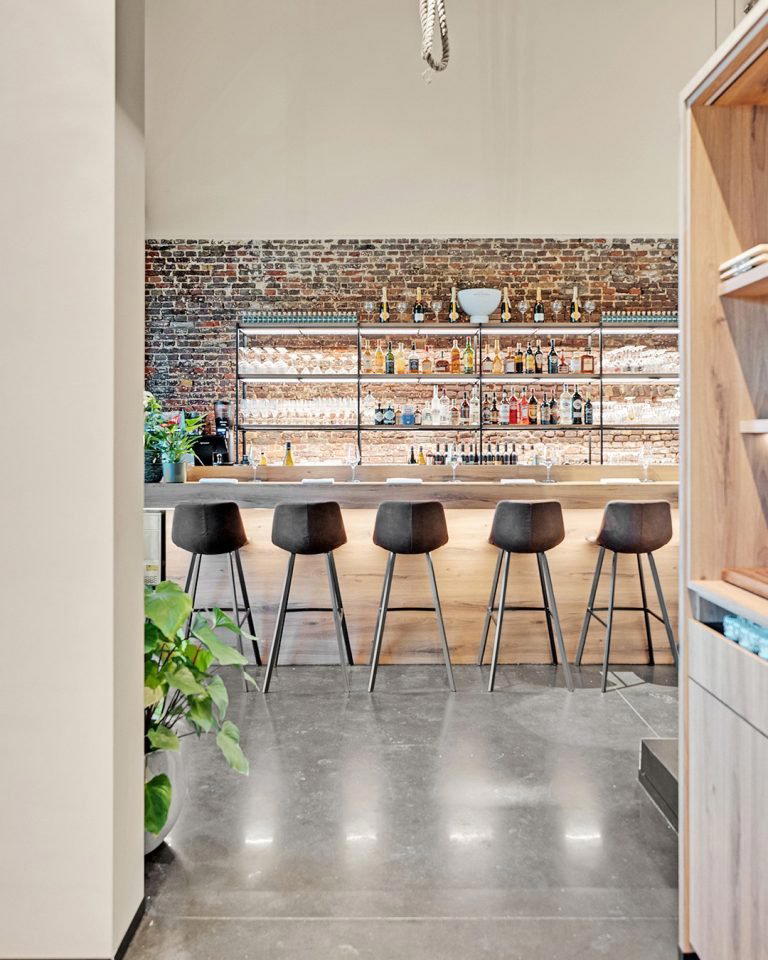
Bars in Mol
Browse all →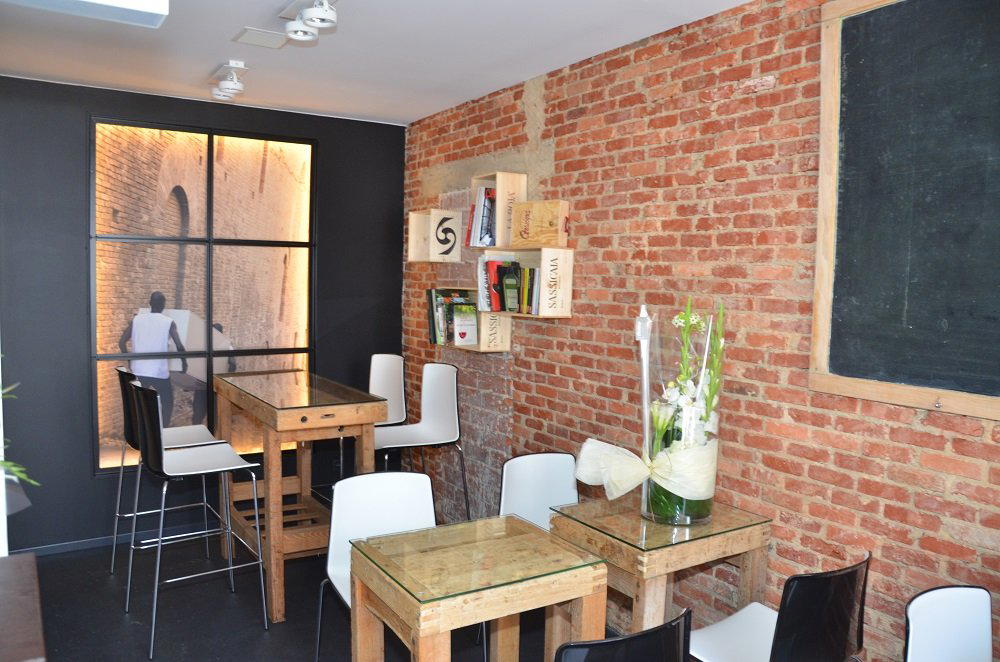


Details
- Elegant
- Intimate
- Modern
- Quiet
- Date Night
- Special Occasion
- Open Kitchen
- Standalone
- Extensive Wine List
- Sommelier Led
- Sustainable Seafood
- Omakase
- Tasting Menu
- A La Carte
- Wine
- Sake
- Vegetarian Friendly
Current opening hours
- Monday
- Closed
- Tuesday
- Closed
- Wednesday
- Closed
- Thursday
- Closed
- Friday
- 6–10 PM
- Saturday
- 6–10 PM
- Sunday
- Closed
Hours can change for holidays and private events. Hours as of .
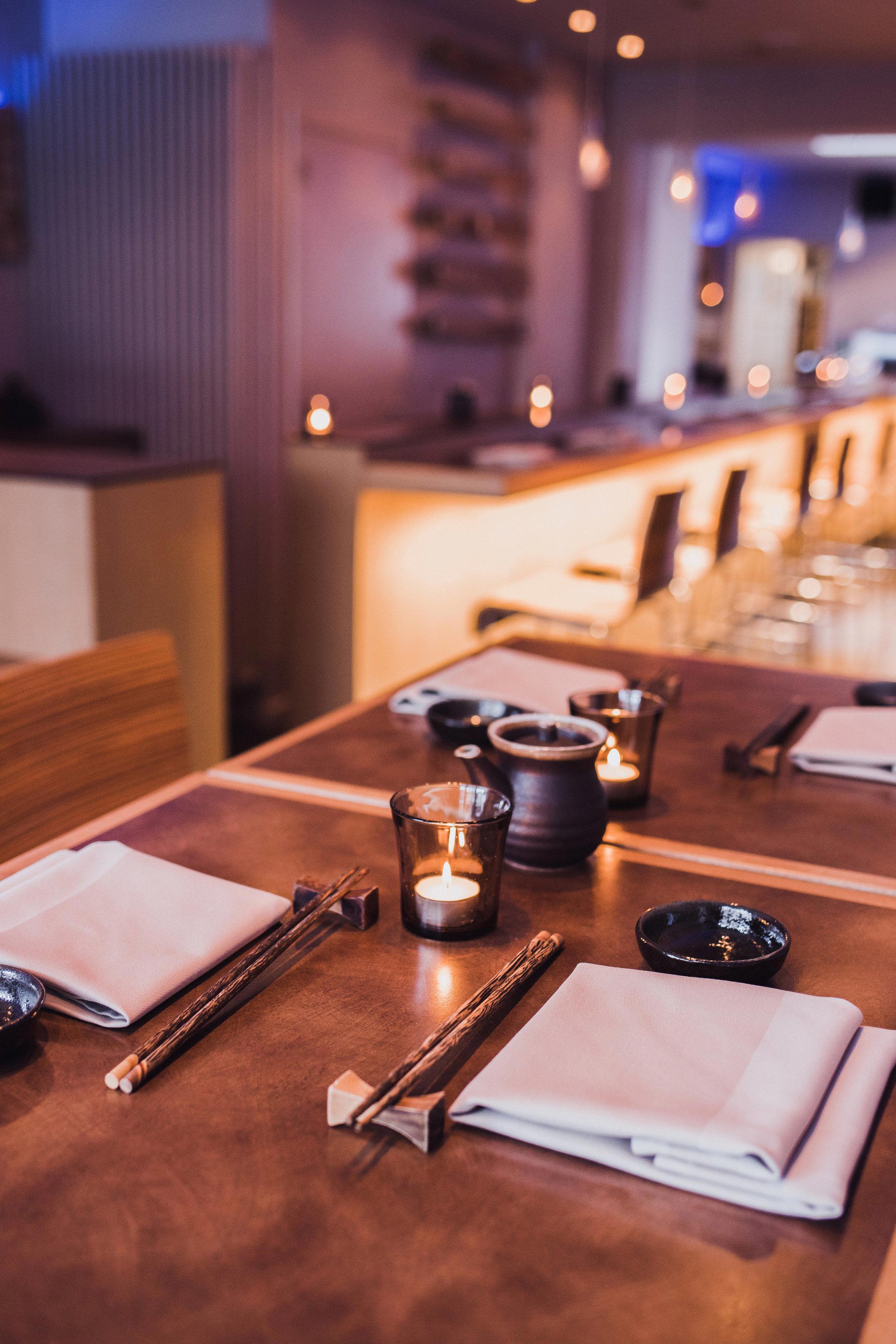
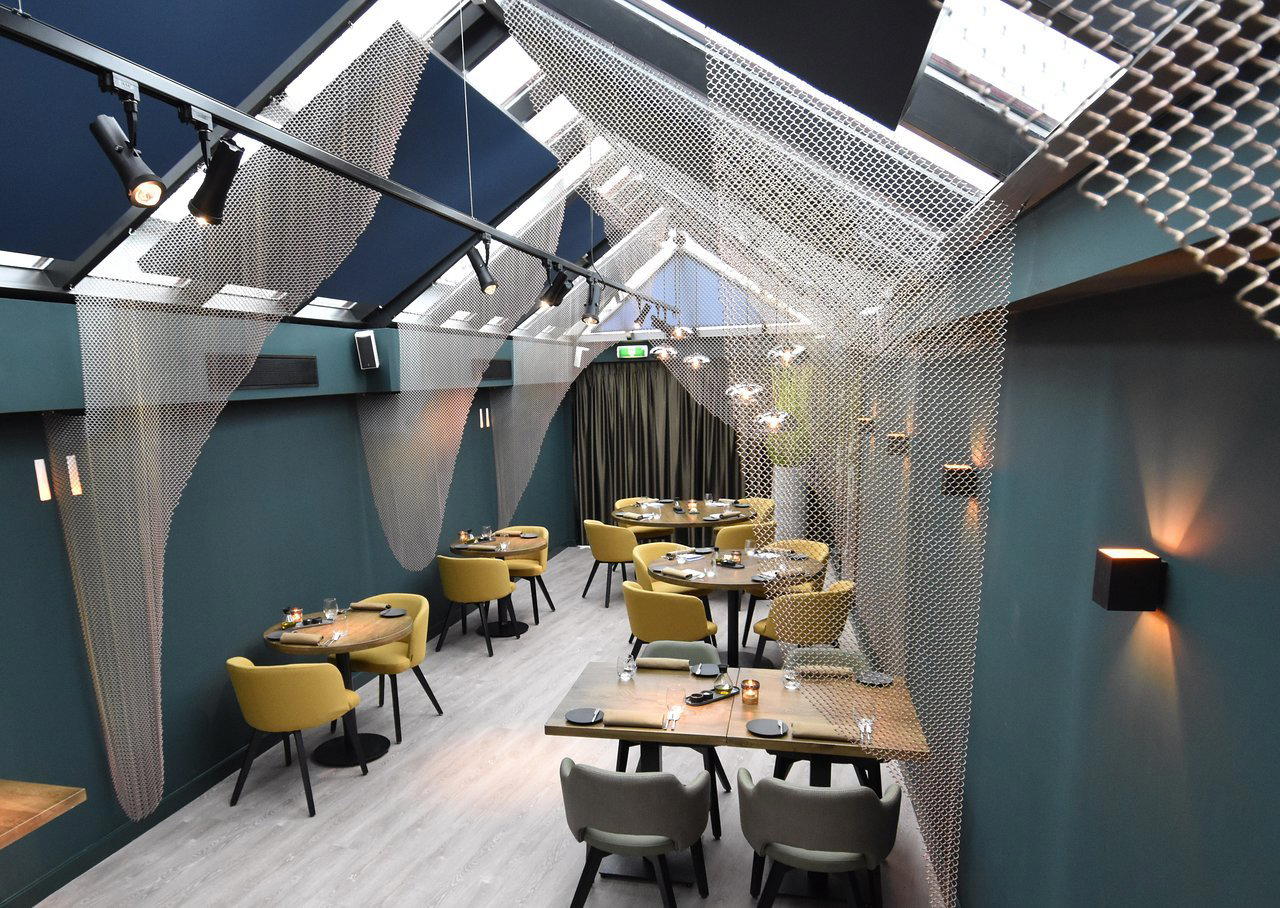
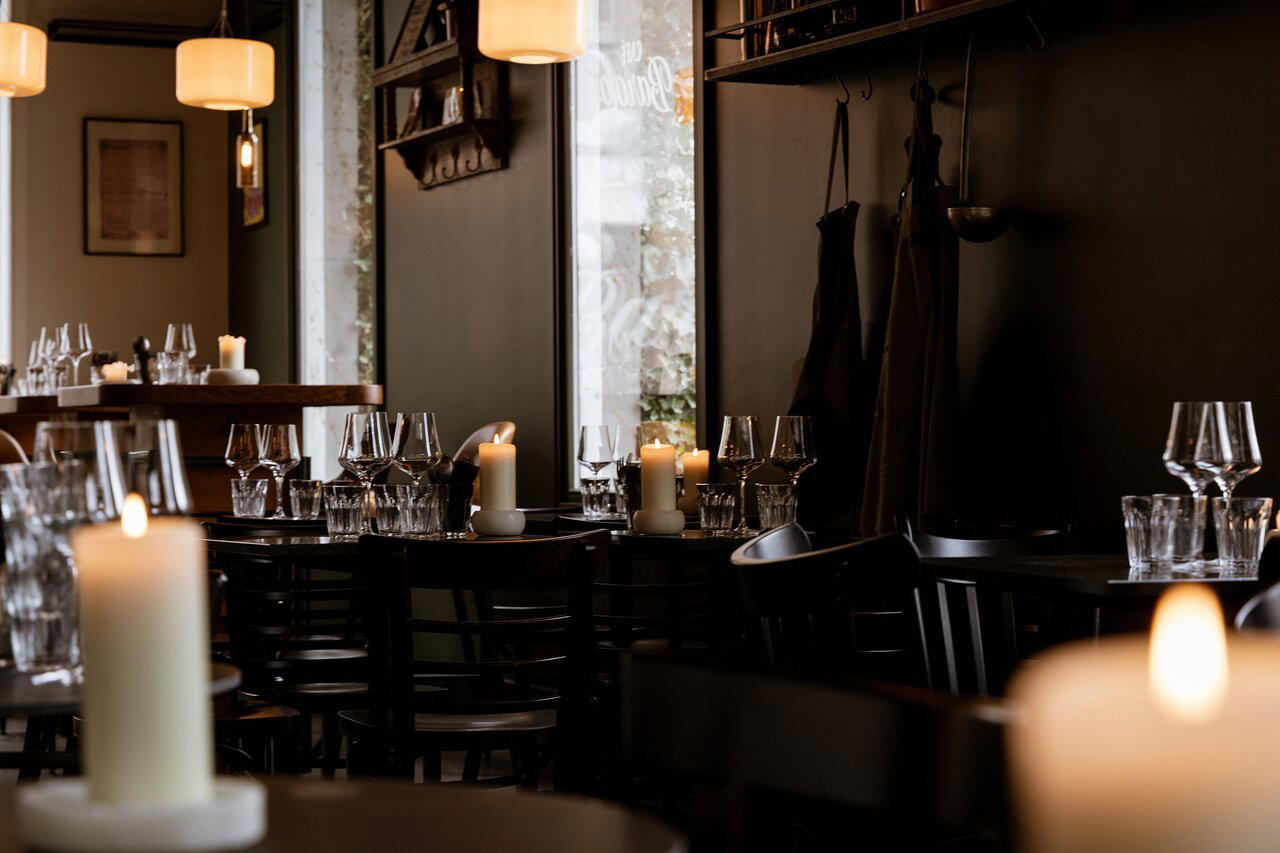
Modern, refined interior with a relaxing atmosphere; described as sobering and minimalist with a cozy bar area.