Heimatküche
In the small Swabian town of Riedlingen, Heimatküche operates from a straightforward address on Ehinger Strasse with a name that signals its intent directly: home cooking, rooted in place. The kitchen draws on the ingredient traditions of the Upper Danube region, where seasonal produce and regional sourcing shape the menu more than international trend cycles. For travellers moving through Baden-Württemberg, it offers a grounded alternative to the destination dining circuit.
Pearl is the En Primeur Club membership app — saves, bookings, and concierge access live there. Same editors, same standards.
- Address
- Ehinger Str. 12, 88499 Riedlingen, Germany
- Phone
- +494973732882
- Website
- tressbrueder.de
- Directions
- Get directions
 Saves & bookings on Pearl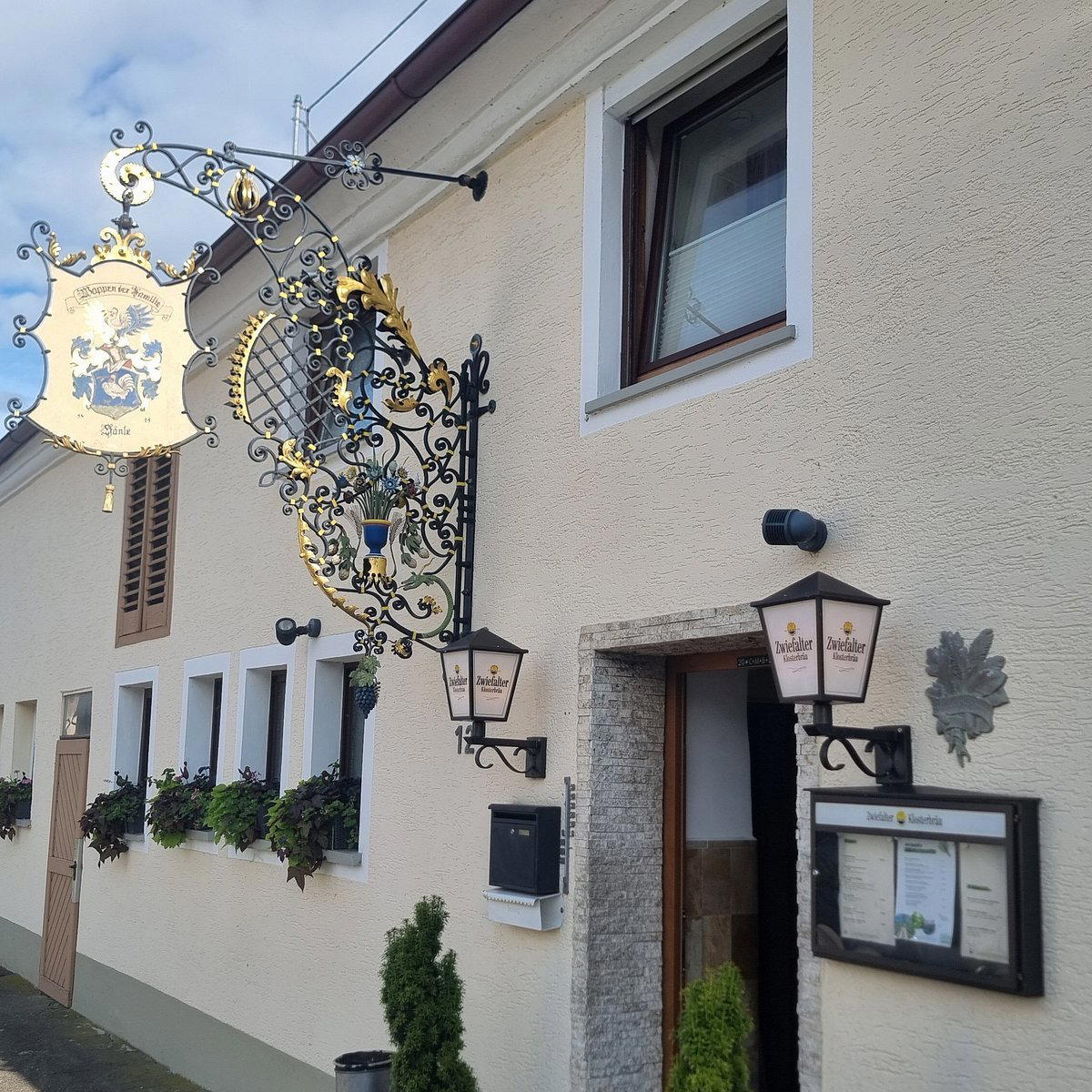
Where the Danube Bends and the Larder Stays Local
Small-town Swabia has a particular relationship with its food. In the villages and market towns strung along the Upper Danube between Sigmaringen and Ulm, the kitchen has historically been shaped not by culinary fashion but by what the surrounding fields, forests, and farms could reliably provide. Riedlingen sits squarely in that tradition: a compact medieval town of roughly ten thousand, little visited by international travellers, yet surrounded by the kind of agricultural infrastructure that larger cities spend considerable effort importing. Heimatküche, on Ehinger Strasse 12, takes its cue from that context. The name translates literally as "home kitchen," and in a region where the word Heimat carries weight that goes well beyond nostalgia, that framing is a statement of culinary intent.
The Sourcing Argument Behind the Name
Across Germany's fine-dining tier, the sourcing conversation has become almost obligatory. Restaurants from Aqua in Wolfsburg to JAN in Munich frame their menus partly through provenance, and the vocabulary of local and seasonal has migrated from farm-to-table manifestos into mainstream restaurant copy. What distinguishes venues that actually build their identity around sourcing from those that deploy it as marketing language is usually legible in the menu's specificity and in the degree to which the kitchen commits to ingredients that are difficult, seasonal, or unglamorous.
The Upper Danube region gives any committed kitchen real material to work with. Baden-Württemberg produces Swabian Alb lentils, a geographically protected variety with a particularly thin skin and earthy depth that has anchored regional cooking for generations. The surrounding countryside yields game through autumn and winter, freshwater fish from the Danube itself, and the kinds of root vegetables and heritage grain varieties that form the backbone of serious regional German cooking. A kitchen named Heimatküche in this specific geography is implicitly making a claim about which larder it draws from, and those claims are most honestly read through what appears on the plate in any given week rather than through a fixed menu description.
This places Heimatküche in a different competitive conversation from the Baden fine-dining properties that attract international attention, restaurants like Schwarzwaldstube in Baiersbronn or the technically elaborate formats represented by CODA Dessert Dining in Berlin. Those venues operate within award structures and price tiers that carry their own logic. A kitchen leaning into Heimat and regional sourcing in a small Swabian town is arguing for a different set of values, one where the measure is coherence with place rather than elevation above it.
The Character of the Room and the Town
Riedlingen's old town centre is compact enough that Ehinger Strasse is walkable from most of it. The address itself does not sit in a destination quarter or a hotel lobby; it is on a town street, which is itself an editorial choice in a country where serious restaurants increasingly anchor themselves to resort properties or urban gastronomic districts. For comparison, consider how venues like Waldhotel Sonnora in Dreis or ES:SENZ in Grassau use a hotel or spa infrastructure as both physical setting and marketing frame. A standalone address in a market town implies a different relationship with its community: the regulars matter as much as the occasional visitor, and the kitchen has to earn its place week by week rather than drawing on destination-driven footfall.
That dynamic shapes the atmosphere. German small-town restaurants of genuine quality tend to operate with less ceremony than their urban or resort counterparts, without the formality of service scripts and sommelier theatre that surrounds something like Vendôme in Bergisch Gladbach. The room at Heimatküche's Ehinger Strasse address functions within that register: a Swabian dining room rather than a stage set, where the primary performance is on the plate.
Where Heimatküche Sits in the Broader German Scene
Germany's mid-tier regional restaurant culture is less documented internationally than its Michelin tier, yet it carries much of the country's actual dining character. The award circuit rightly draws attention to places like Restaurant Haerlin in Hamburg, Schanz in Piesport, or Victor's Fine Dining by Christian Bau in Perl, but the restaurants that sustain German food culture on a daily basis are largely outside that frame. They operate in market towns, serve a mixed clientele of locals and occasional visitors, and derive their authority from consistency and regional knowledge rather than from international press cycles.
Heimatküche sits within that broader category. Without published awards data or a documented price tier, it is not possible to make direct comparisons to starred properties. What the name and address do suggest is a kitchen positioning itself as a faithful interpreter of its immediate region, which in Swabia means an alignment with hearty, ingredient-forward cooking that has historical depth. Swabia's culinary tradition, while less celebrated internationally than Bavaria's or the Rhine's, has genuine claims: the Maultaschen tradition, the lentil-with-Saitenwurst pairings, the Zwiebelrostbraten and its variations are not mere comfort food but a codified regional cuisine with specific technique and seasonal logic.
Visitors moving through the Upper Danube corridor on their way between Stuttgart and the Bavarian border, or between the Black Forest and Lake Constance, will find more dramatic dining spectacles elsewhere. Ammolite in Rust, Bagatelle in Trier, or further afield at the level of ATAMA by Martin Stopp in Sankt Ingbert and AUGUST in Augsburg represent the kind of technically ambitious cooking that attracts destination diners. Heimatküche argues for something different: that the region itself, rendered honestly on the plate, is a sufficient proposition. For a full picture of what Riedlingen offers, see our full Riedlingen restaurants guide.
Planning a Visit
Riedlingen is accessible by regional rail from Ulm and from the Sigmaringen direction, with the station a short walk from the town centre and Ehinger Strasse. As with most independent regional restaurants in Baden-Württemberg, it is worth contacting the kitchen directly to confirm current opening days before travelling, particularly if visiting midweek or outside peak season. No booking platform or phone number is currently listed in public records for Heimatküche, so direct contact via the address or any forthcoming website is the practical route. Visitors combining the stop with broader Swabian Alb exploration, or with the wine and food circuit that runs through this part of Baden-Württemberg, will find the detour coherent. Those travelling specifically for high-production fine dining should look to the properties referenced above. Those arriving with appetite for what a specific place actually produces, cooked by a kitchen that has chosen to commit to that place by name, will find Heimatküche an honest account of where it is.
How Heimatküche Riedlingen compares with similar nearby venues.
| Venue | Cuisine | Price |
|---|---|---|
| ROSE | Organic | €€ |
| Restaurant 1950 | Regional Cuisine | €€€€ |
| Klebers | International | €€€ |
Continue exploring
More in Riedlingen
Restaurants in Riedlingen
Browse all →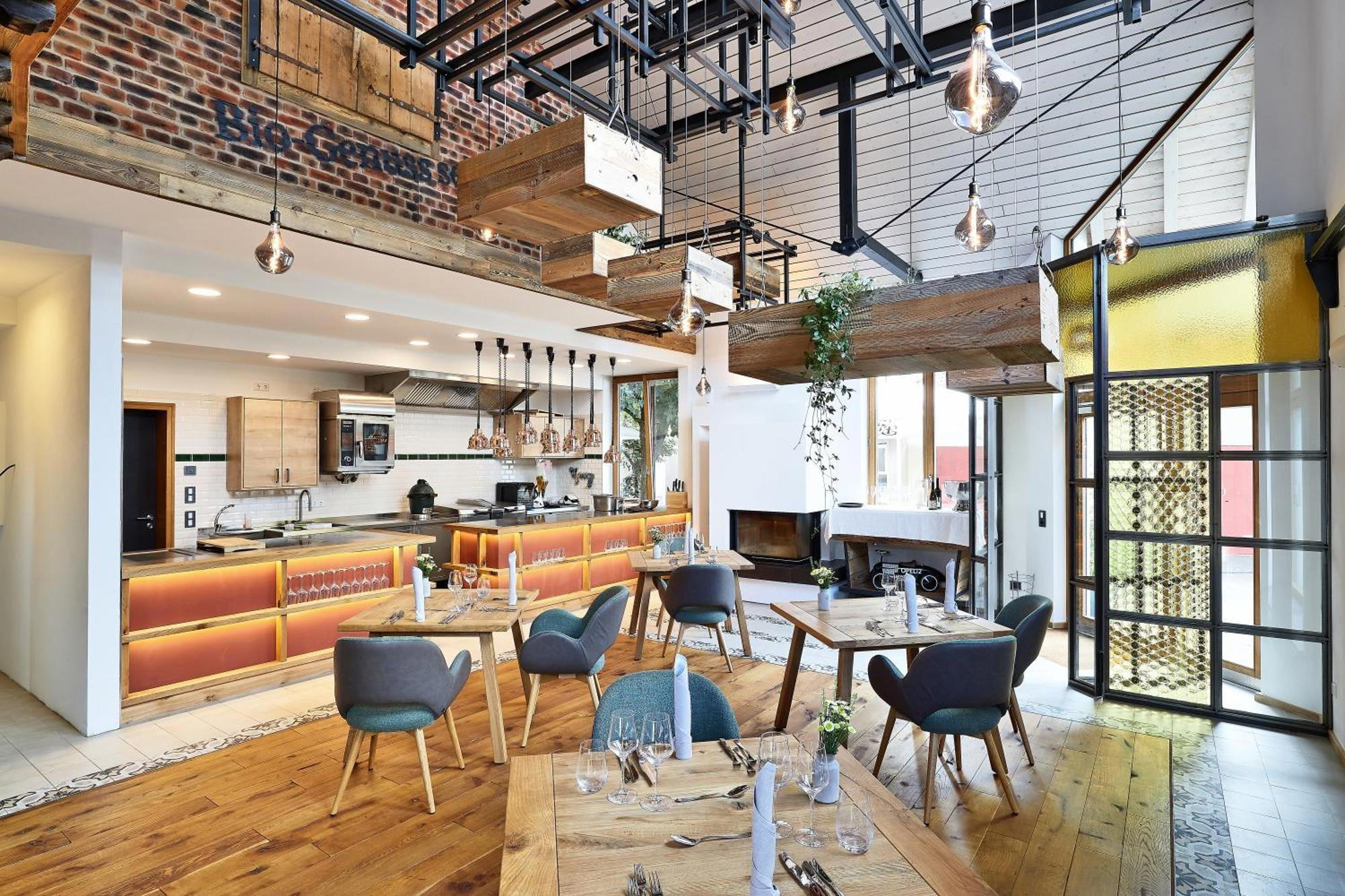
Hotels in Riedlingen
Browse all →

At a Glance
- Cozy
- Rustic
- Classic
- Family
- Casual Hangout
- Group Dining
- Beer Program
- Organic
- Local Sourcing
Current opening hours
- Monday
- Closed
- Tuesday
- Closed
- Wednesday
- 11:30 AM–9 PM
- Thursday
- 11:30 AM–9 PM
- Friday
- 11:30 AM–9 PM
- Saturday
- 11:30 AM–9 PM
- Sunday
- 11:30 AM–8 PM
Hours can change for holidays and private events. Last verified .
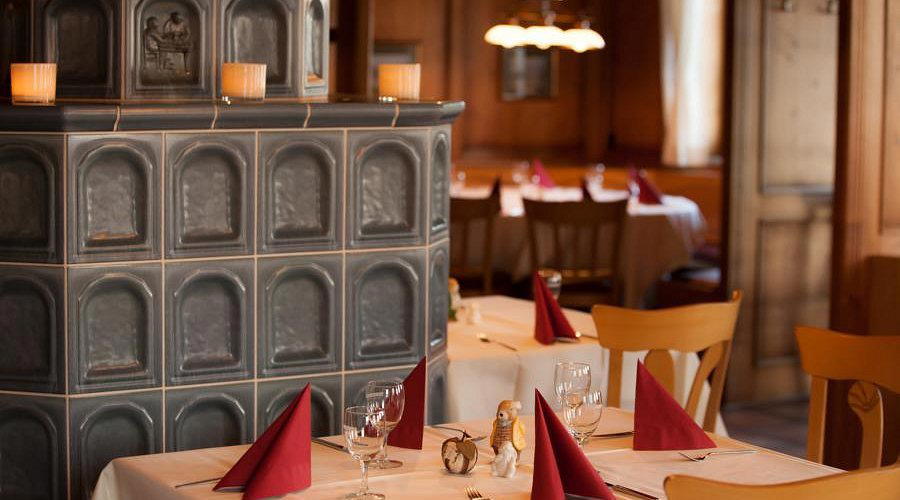
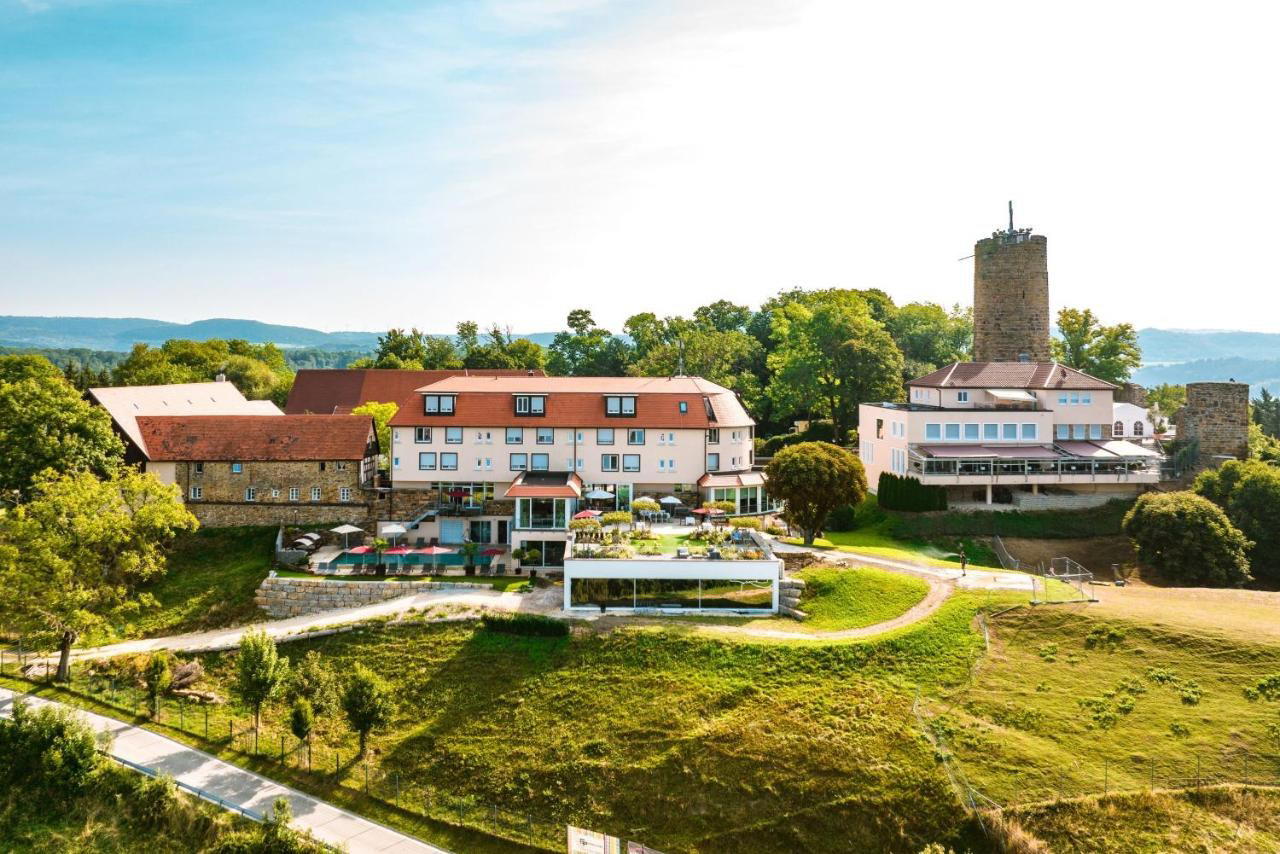
Cozy and homey with a mix of old and new elements, creating a comfortable dining environment.
Know Before You Go
- Getting there
- Ehinger Str. 12, 88499 Riedlingen, Germany