Esszimmer

Michelin Bib Gourmand
Our verdict
Housed inside a fitness centre on the outskirts of Mittelbiberach, Esszimmer reframes what a regional German restaurant can look like. The kitchen works with locally hunted and seasonally sourced ingredients, presenting them as tapas-style sharing plates rather than conventional courses. The result is an informal, convivial format that sits apart from the fine-dining conventions that dominate Germany's most decorated tables.

Pearl is the En Primeur Club membership app, where members save venues, book tables and use the concierge.
The menu
What to order
- Arancini with burrata and mushrooms
- Samosa with venison
- Spelt flatbread
A Different Entry Point to Regional German Cooking
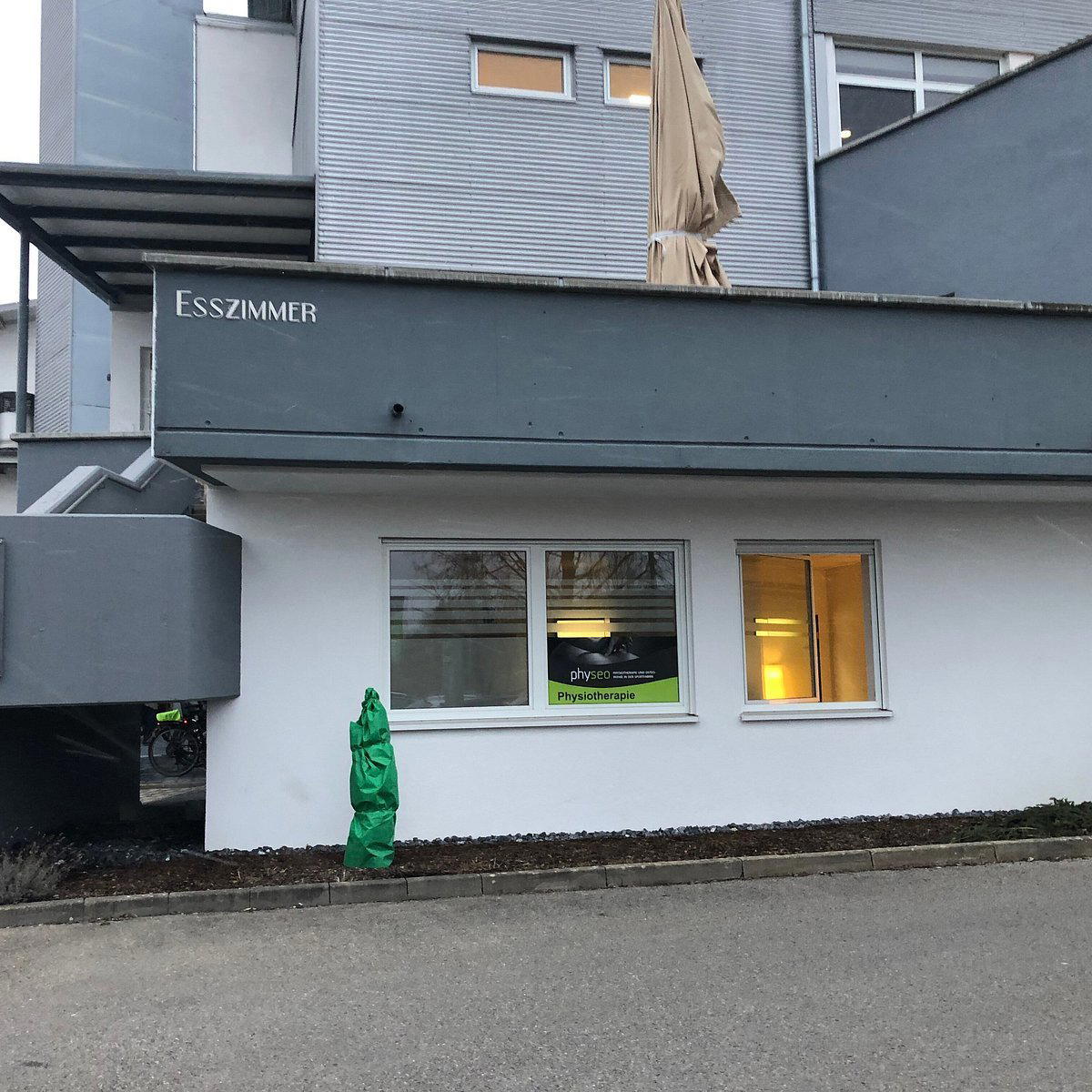
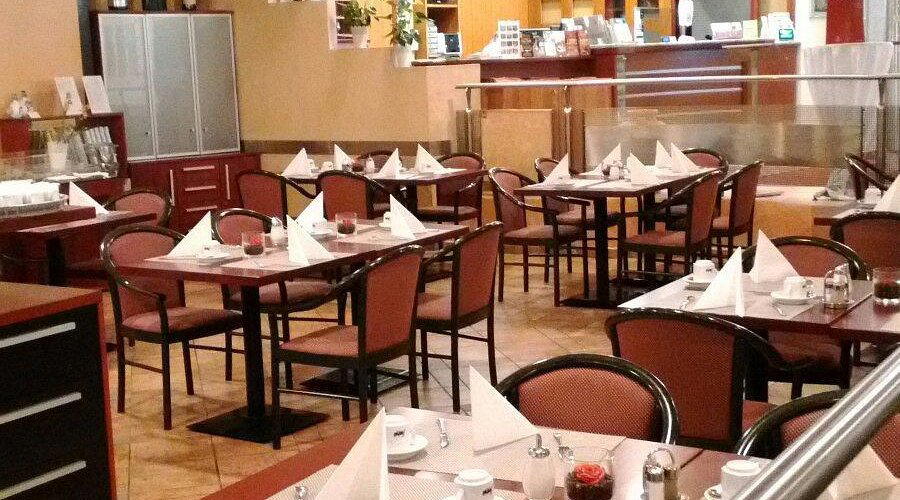
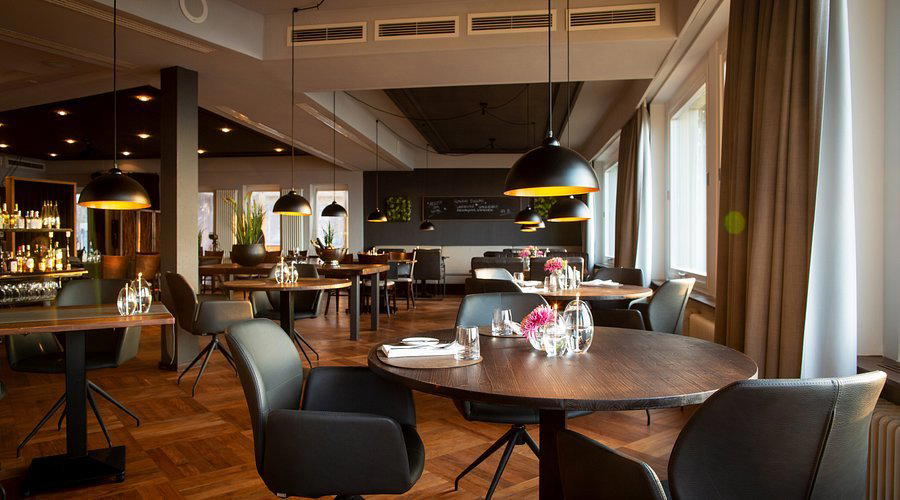
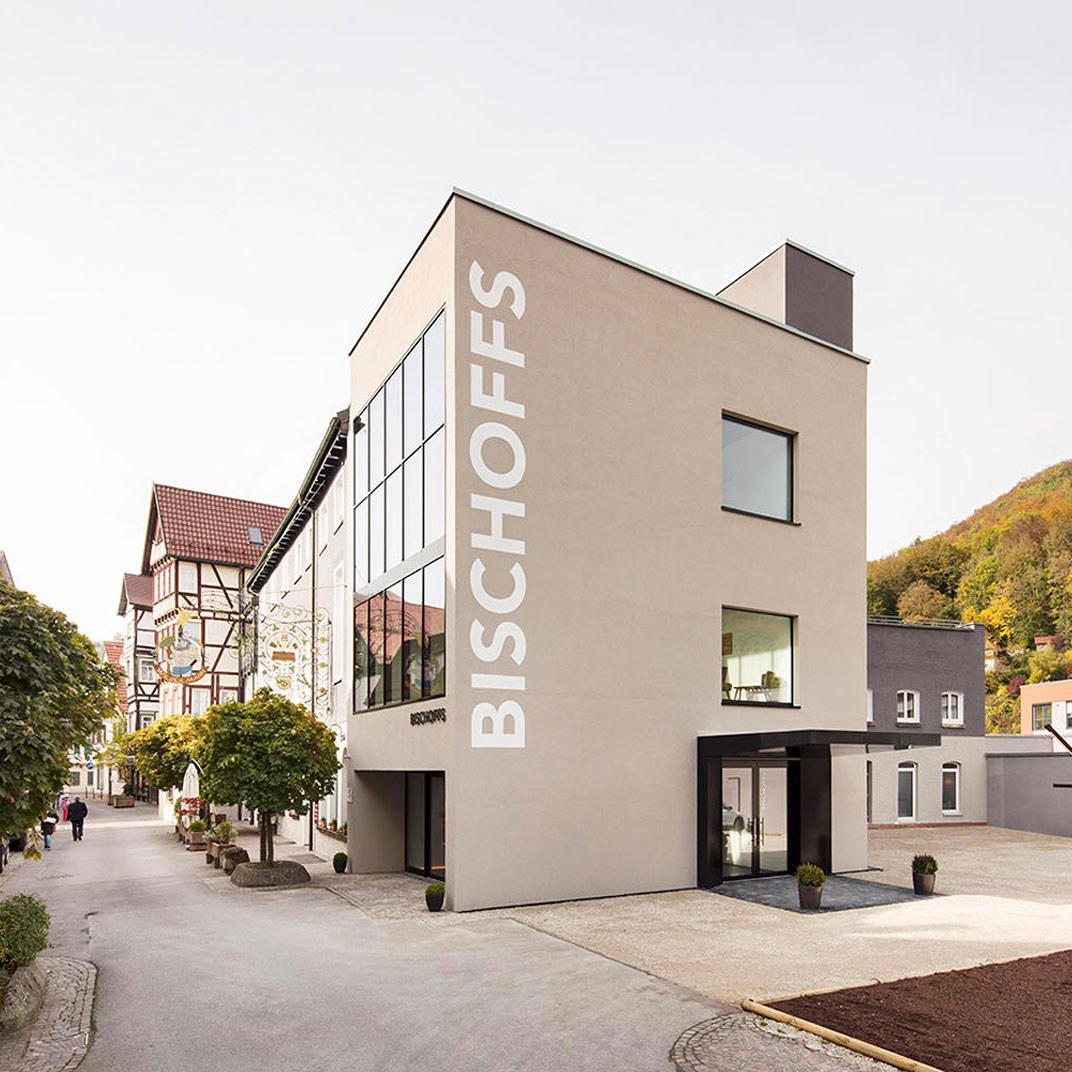
Germany's restaurant conversation tends to orbit a familiar axis: classically structured tasting menus, French technique applied to Central European ingredients, and the kind of formal service architecture that defines places like Schwarzwaldstube in Baiersbronn or Vendôme in Bergisch Gladbach. The setting alone signals the departure: the restaurant occupies a fitness centre a short distance from the town centre, in a building most diners would not instinctively associate with considered cooking. That mismatch is precisely the point. The sleek modern interior, finished in warm hues and staffed by a team that manages to be both professional and genuinely relaxed, resets expectations before a plate arrives.
For a broader look at where Esszimmer sits within the local dining picture, see our full Mittelbiberach restaurants guide.
The Sourcing Logic Behind the Menu
The kitchen's organising principle is sustainability applied through regionality and seasonality, rather than as a marketing label. This is a meaningful distinction in Upper Swabia, a part of Baden-Württemberg where agricultural land, forests, and small-scale producers are close enough to make genuine supply-chain transparency achievable. The venison used in the samosa here is locally hunted, which places it in a supply chain that most urban restaurants with rural-themed menus cannot credibly replicate. The spelt flatbread signals cereal sourcing tied to the region's grain traditions rather than a generic artisan-bakery aesthetic.
This kind of provenance-led approach connects Esszimmer to a broader movement in German regional cooking, where chefs working outside the major metropolitan centres have leaned into the advantage of proximity. The contrast with, say, the more technically elaborate sourcing programmes at Aqua in Wolfsburg or the hyper-seasonal framework at ES:SENZ in Grassau is instructive: Esszimmer is not in the business of haute cuisine transformation. It is in the business of letting traceable ingredients speak through a format designed for sharing rather than individual contemplation.
Format as Editorial Statement
The sharing-plate format is not incidental here; it is structural. Dishes arrive at the centre of the table, and guests mix and match across vegetarian, meat, and fish options as the meal unfolds. This puts the kitchen's sourcing range on simultaneous display rather than sequencing it through a fixed narrative. Arancini stuffed with burrata and mushrooms sit alongside samosa filled with locally hunted venison, sweetcorn, and mint lassi. The spelt flatbread with accompanying dips functions as the table's anchor, the dish that holds the meal's pacing in place.
This format has precedent in the broader European shift toward convivial, mid-tempo dining that prioritises interaction over ceremony. It belongs to the same cultural current as the informal sharing-focused restaurants that have taken hold in cities from Berlin to Lisbon, though Esszimmer grounds the concept in a specifically regional ingredient vocabulary rather than a globally influenced one. The dessert selection follows the same logic: sweet tapas, including a salted caramel crème brûlée, close the meal without forcing a formal end to the table's rhythm.
For context on how dessert-as-format has been pushed to its conceptual limit elsewhere in Germany, CODA Dessert Dining in Berlin represents the opposite end of the spectrum: a fully dessert-focused tasting menu that treats sugar as seriously as a three-star savoury kitchen would treat protein.
Where Esszimmer Sits in the German Regional Picture
Upper Swabia does not feature prominently in Germany's fine-dining conversation, which is dominated by names concentrated in Munich, Hamburg, Berlin, and the Black Forest corridor. Restaurants like Restaurant Haerlin in Hamburg, Schanz in Piesport, and Victor's Fine Dining by Christian Bau in Perl operate at a price tier and format complexity that places them in an entirely different competitive set. Esszimmer does not compete in that space, and evidently has no interest in doing so.
What it represents instead is a model that other mid-sized German towns have struggled to produce: a restaurant with a clear identity, a coherent sourcing philosophy, and a format that is neither a traditional Gasthaus nor a tasting-menu destination, but something in between that functions on its own terms. That clarity of positioning, in a country where the middle tier of dining can be diffuse and formulaic, is itself a form of distinction.
For international comparisons at the other extreme of the formality spectrum, Le Bernardin in New York City and JAN in Munich illustrate how different the ambitions and execution of a regional-ingredient philosophy look when applied at fine-dining scale. Waldhotel Sonnora in Dreis and Bagatelle in Trier offer additional points of reference for how rural German restaurants occupy different positions on the formality axis. Emeril's in New Orleans demonstrates, in a different national context, how a regional-produce identity can anchor a restaurant across decades. The fitness-centre setting means the entrance and car park are functional rather than atmospheric, but the interior reorients that quickly. For those staying nearby, our Mittelbiberach hotels guide covers local accommodation options. Visitors wanting to extend an evening in the area can also consult our Mittelbiberach bars guide, our Mittelbiberach wineries guide, and our Mittelbiberach experiences guide for a fuller picture of what the region offers. Phone and online booking details are not publicly listed in the sources available to us; arriving with a reservation made through direct contact is advisable, particularly for weekend evenings when the sharing-plate format tends to attract larger groups.
Frequently asked questions
Is Esszimmer child-friendly?
The sharing-plate format works reasonably well for families with older children: dishes arrive in the centre of the table, and diners mix and match across vegetarian, meat, and fish options at their own pace. The atmosphere at Ziegeleistraße 37 is relaxed rather than formal, which reduces the pressure of a structured multi-course progression. Younger children who are particular eaters may find the shared format less straightforward than an à la carte menu.
What's the vibe at Esszimmer?
Esszimmer occupies its own category in Mittelbiberach: a sleek, modern room done in warm hues, housed inside a fitness centre on the edge of town, with friendly and professional service that leans casual without feeling informal. It is not a traditional Swabian Gasthaus, nor a stiff fine-dining room, the shared-table format and sustainability-driven menu give it the feel of a considered neighbourhood restaurant that happens to be operating in an unexpected address.
Does Esszimmer have a Michelin star or similar recognition?
Esszimmer has received recognition including: With its sleek, modern interior done out in warm hues, and friendly, professional waitstaff, this restaurant housed in a fitness centre a little out of town is very inviting. The regional and seasonal cuisine is prepared with sustainability….
What's the signature dish at Esszimmer?
The spelt flatbread with dips functions as the closest thing to a through-line on the menu, it appears as a consistent reference point across the sharing format. Beyond that, the kitchen rotates dishes according to season and regional sourcing, with items like arancini stuffed with burrata and mushrooms, and venison samosa with sweetcorn and mint lassi representing the mix-and-match style. Dessert follows the same format, with sweet tapas such as salted caramel crème brûlée closing the meal.
In Context: Similar Options
| Venue | Cuisine | Price | Awards | Notes |
|---|---|---|---|---|
| EsszimmerThis venue (the venue you are viewing) | Modern Regional German Tapas | $50–100 | Michelin Bib Gourmand | Not listed |
| Aqua | Contemporary German, Italian/Japanese, Creative | Not listed | Michelin 3 Star | Not listed |
| Schwarzwaldstube | Modern French Fine Dining | $150–200 | 3 Michelin Stars · World's 50 Best #47 | French, Classic French |
| CODA Dessert Dining | Dessert-Inspired Fine Dining | $200–300 | 2 Michelin Stars · World's 50 Best #79 | Creative |
| Vendôme | Modern German Haute Cuisine | $200–300 | 2 Michelin Stars · World's 50 Best #47 | Modern European, Creative |
| Tantris | Modern French, French Contemporary | Not listed | Michelin 2 Star | Not listed |
Recognition history
Dated appearances from independent guides and award organizations, with the underlying list record or original source where available.
Michelin Bib Gourmand
Michelin
Continue exploring
More in Mittelbiberach
Restaurants in Mittelbiberach
All restaurants in Mittelbiberach →
Bars in Mittelbiberach
Browse all →


Details
- Modern
- Elegant
- Cozy
- Sophisticated
- Date Night
- Group Dining
- Family
- Special Occasion
- Open Kitchen
- Local Sourcing
- Sustainable Seafood
- Small Plates
- A La Carte
- Vegetarian Friendly
Current opening hours
- Monday
- Closed
- Tuesday
- 6–10 PM
- Wednesday
- 6–10 PM
- Thursday
- 6–10 PM
- Friday
- 6–10 PM
- Saturday
- 5:30–10 PM
- Sunday
- Closed
Hours can change for holidays and private events. Hours as of .
Sleek modern interior in warm hues with stylish, inviting atmosphere.