Gaststätte Krone occupies a address on Kronengasse in Ulm's historic centre, placing it within easy reach of the Münster and the dense network of lanes that define the old town's character. As one of Ulm's traditionally rooted addresses, it sits at a different point on the city's dining spectrum from contemporary operators like bi:braud or the Modern French positioning of Seestern, worth understanding before you book.
Pearl is the En Primeur Club membership app — saves, bookings, and concierge access live there. Same editors, same standards.
- Address
- Kronengasse 4, 89073 Ulm, Germany
- Phone
- +497311400874
- Website
- krone-ulm.de
- Directions
- Get directions
 Saves & bookings on Pearl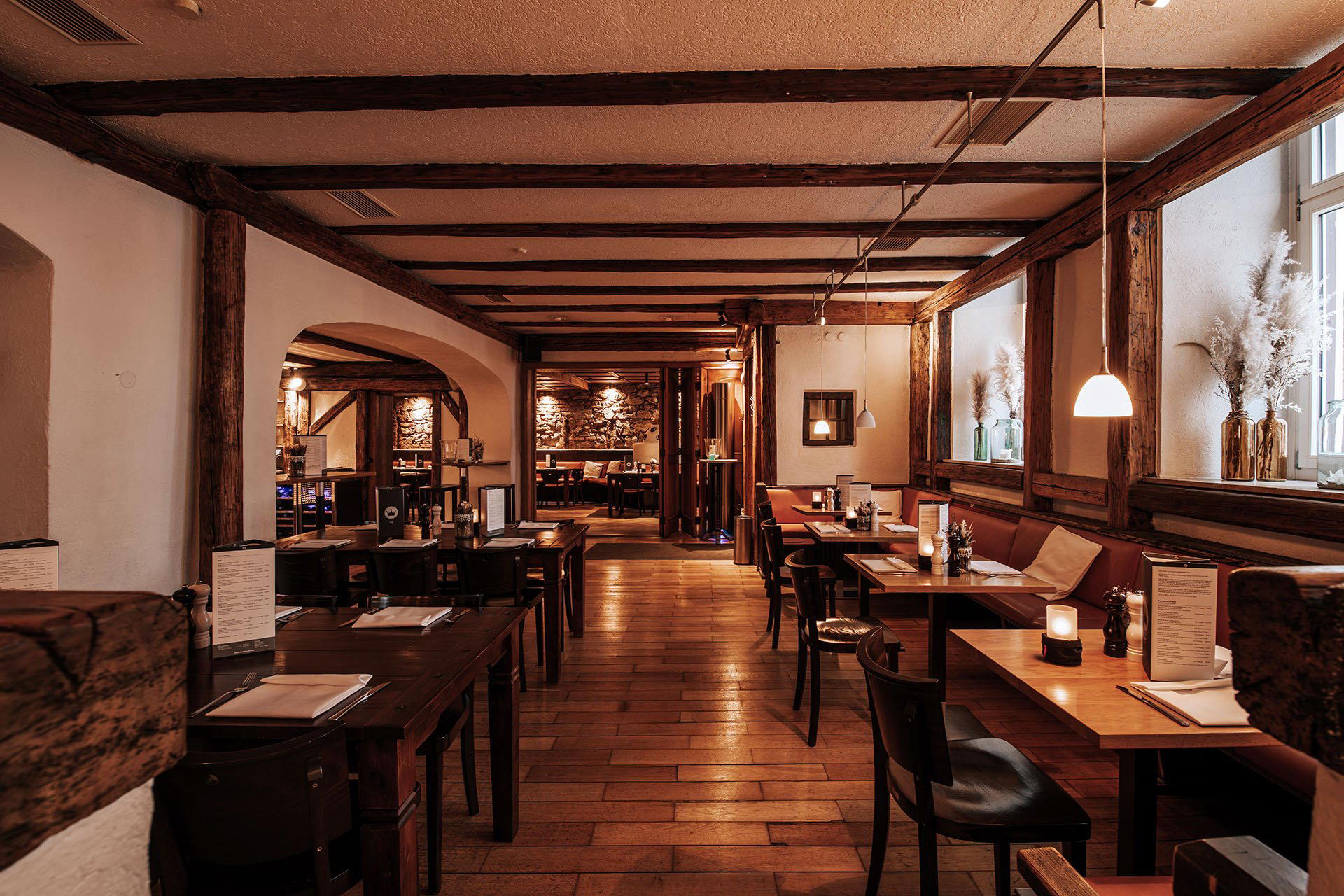
Kronengasse and the Logic of Ulm's Old Town Dining
Ulm's Altstadt operates on a compressed geography. The Münster's spire, the tallest church tower in the world at 161.5 metres, anchors the city's grid, and the streets that radiate outward from it carry a density of eating and drinking addresses that belies the city's mid-sized population of around 130,000. Kronengasse sits within this cluster, a short lane that connects the old town's pedestrian core to the Donau's edge. An address here places any venue inside a particular kind of Ulm experience: one shaped by foot traffic from the Fischerviertel, by day-trippers arriving via the main station, and by locals who still treat the Altstadt as a genuine neighbourhood rather than a tourist corridor.
Gaststätte Krone is a traditional Swabian German restaurant in Ulm, Germany, at Kronengasse 4, and it is priced at about $25 per person. That geography matters when reading Gaststätte Krone at Kronengasse 4. The term Gaststätte carries specific weight in German dining culture. It sits below the register of a Restaurant in formality, below a Gasthof in implied rurality, and closer to the civic everyday: a place where regulars eat lunch, where portions are calibrated for appetite rather than theatre, and where the room functions as a social commons rather than a stage. In a city where Seestern operates at the €€€€ tier with a Modern French framework and bi:braud pursues a Contemporary format at €€€, Krone represents a categorically different proposition, traditional, neighbourhood-anchored, and priced against a local rather than a destination dining audience.
What the Gaststätte Format Means in Practice
Across southern Germany, the Gaststätte model has proved more durable than observers predicted two decades ago. Where metropolitan centres saw a culling of mid-tier traditional houses in favour of concept-driven openings, Swabia retained a density of these establishments, partly because Swabian cuisine has a genuine identity worth defending, and partly because the regional economy sustains a lunch culture that keeps kitchens viable without depending on evening covers alone.
Swabian cooking, for visitors unfamiliar with the regional dialect of German cuisine, has a specific grammar. Maultaschen, pasta parcels filled with meat, spinach, and herbs, historically a Lenten workaround and now a protected regional product, appear in broth or pan-fried with onions and egg. Spätzle, the egg-based soft noodle, functions as the default starch, whether as Käsespätzle (baked with cheese and topped with roasted onions) or alongside Zwiebelrostbraten, the sliced roast beef with caramelised onion that anchors many Swabian menus. These dishes are not arranged for visual drama; they are built for satiation, and they taste of a cooking tradition that predates the language of modern restaurant criticism entirely.
Ulm sits at the Swabian-Bavarian interface, which means menus here occasionally cross into Bavarian territory, Leberknödelsuppe, liver dumpling soup, or roast pork preparations that shade toward Munich's vernacular rather than Stuttgart's. For visitors building a fuller picture of the German dining spectrum, the contrast with destination-format houses like Schwarzwaldstube in Baiersbronn or JAN in Munich is instructive: the same regional ingredients, entirely different intentions.
Placing Krone in Ulm's Current Dining Map
Ulm's dining scene has diversified considerably in the past decade. The arrival of bi:braud and the sustained presence of Seestern established an upper tier that competes with mid-sized German city standards rather than just local ones. 100 Grad Restaurant and Del Tufo extend the range further, as does the Design Hotel Restaurant Löwen Ulm. That diversification creates the conditions in which a traditional Gaststätte either reinvents itself or holds its position by serving a need the newer openings do not address.
The visitors most likely to find Krone useful are those spending more than a single day in Ulm, enough time to eat across formats, and those for whom the new-wave contemporary register of many current European restaurant openings is less interesting than a direct encounter with the civic, everyday version of German eating. The Kronengasse location makes it a natural stop when walking the Altstadt: the Münster is a few minutes north, the Fischerviertel and the Danube bank are a few minutes south, and the lane itself is part of the old town fabric rather than a commercial strip.
Planning a Visit
Gaststätte Krone is recommended for reservations. Lunch and dinner service follow the venue's posted hours. A visit to Krone requires none of that planning infrastructure, which is itself part of the format's value. Krone belongs to none of those categories, and that clarity of category is part of what makes it readable as an option.
The Minimal Set
Comparable venues nearby, for context on price, style, and recognition.
| Venue | Cuisine | Price | Notes |
|---|---|---|---|
| Gaststätte KroneThis venue — the venue you are viewing | Not listed | $$ | Not listed |
| Köz Mangal Ulm | Not listed | $$ | Söflinger Straße, Authentic Turkish Charcoal Grill |
| 100 Grad Restaurant | Modern Regional German | $$ | Not listed |
| Edda Brasserie | Not listed | $$$ | Stadtmitte, Modern German-French Brasserie |
| Del Tufo | Not listed | $$ | :null, Authentic Neapolitan Pizza |
| KOBÉS "Burger & Steak" Restaurant #ulm #halal | Not listed | $$$ | Söflingen, Premium Halal Burgers & Steaks |

At a Glance
- Classic
- Rustic
- Cozy
- Well Known
- Casual Hangout
- Group Dining
- Family
- Business Dinner
- Historic Building
- Standalone
- Beer Program
- Local Sourcing
Current opening hours
- Monday
- 5–10 PM
- Tuesday
- 5–10 PM
- Wednesday
- 5–10 PM
- Thursday
- 5–10 PM
- Friday
- 5–10 PM
- Saturday
- 5–10 PM
- Sunday
- 11:30 AM–2 PM, 5–8 PM
Hours can change for holidays and private events. Last verified .
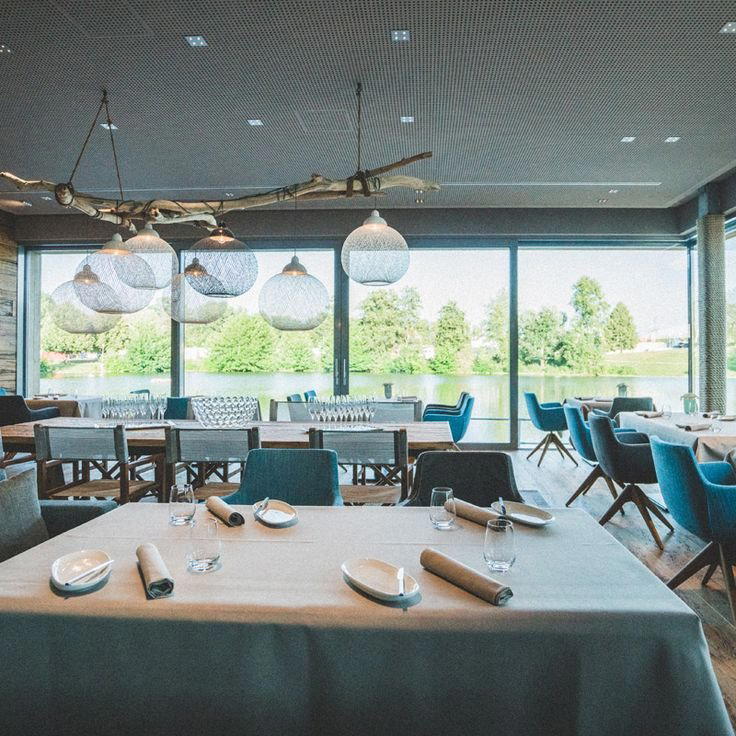
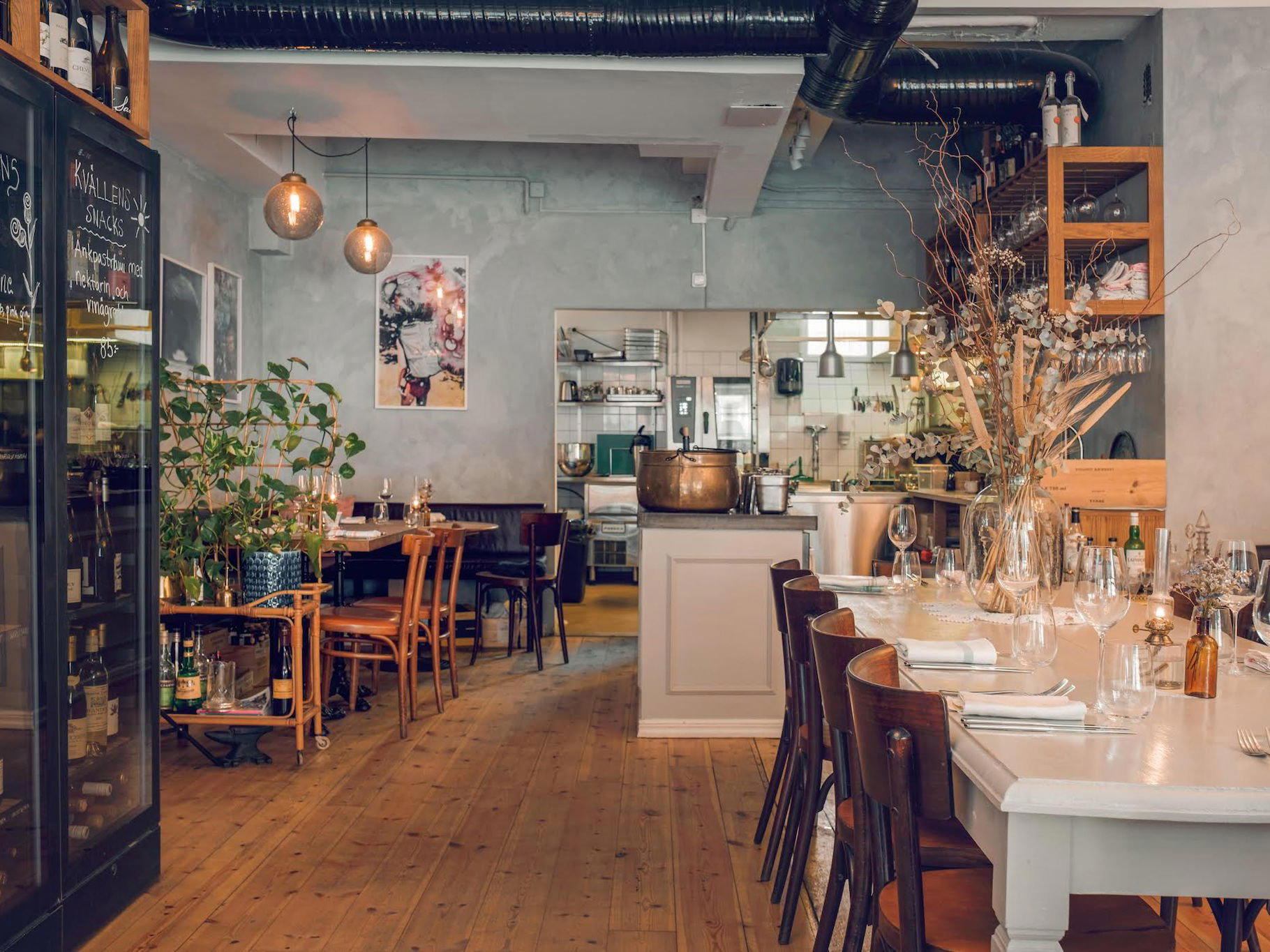
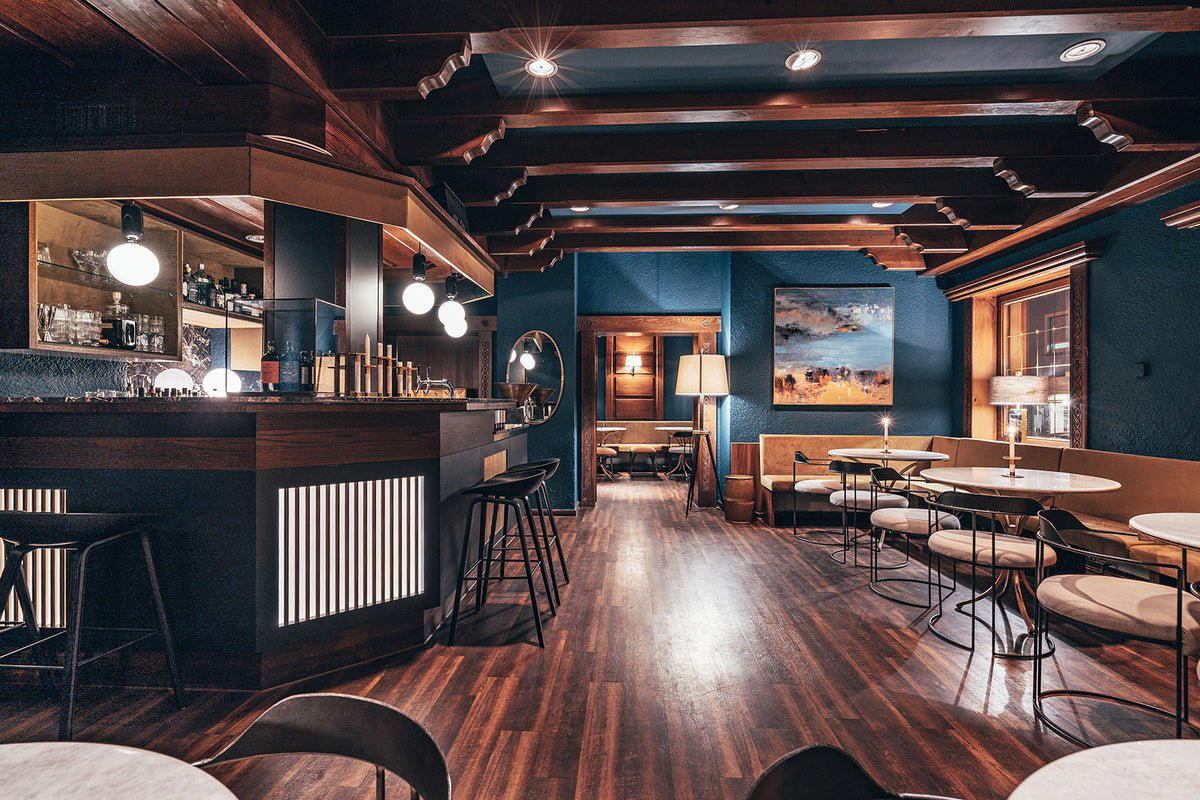
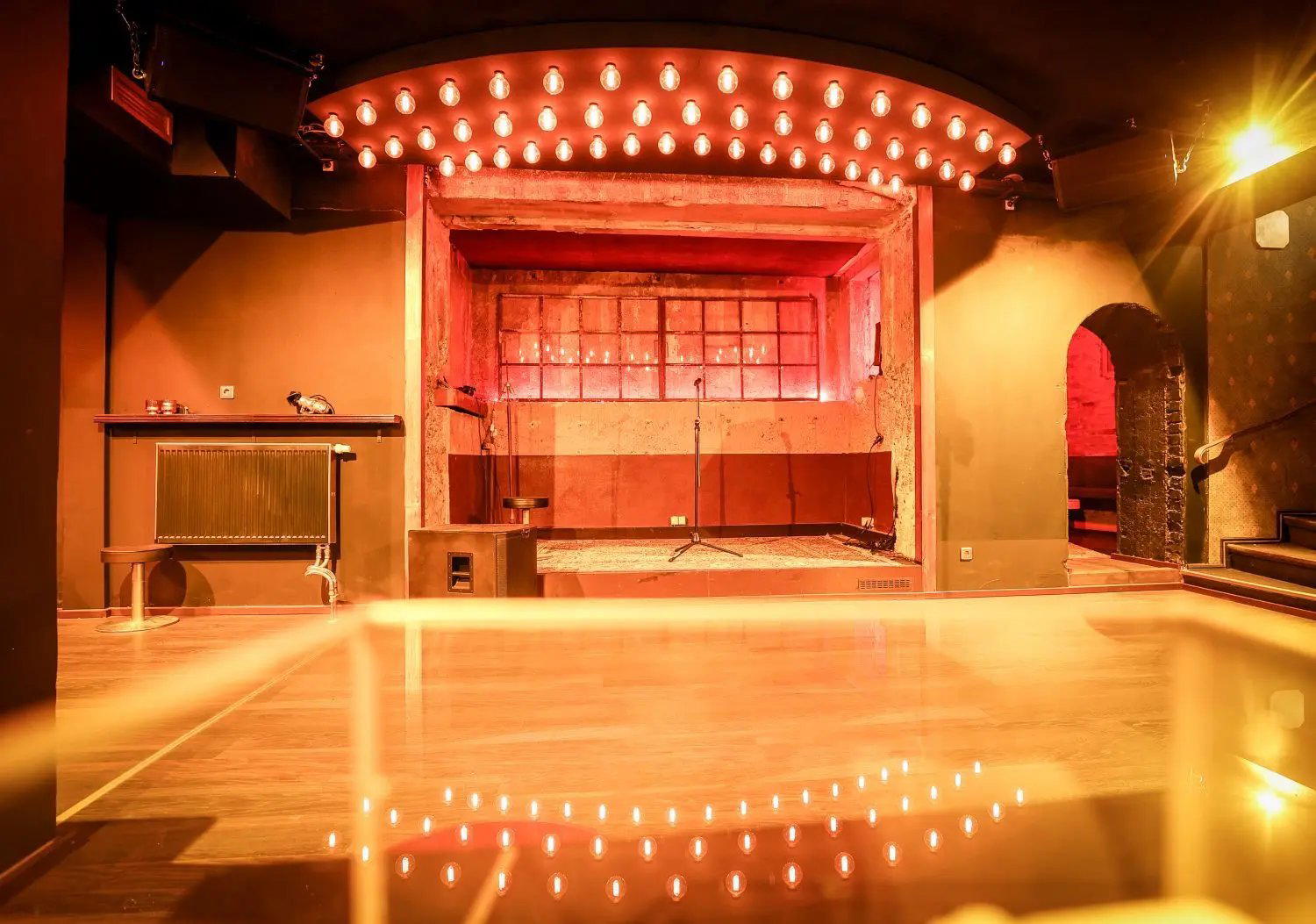
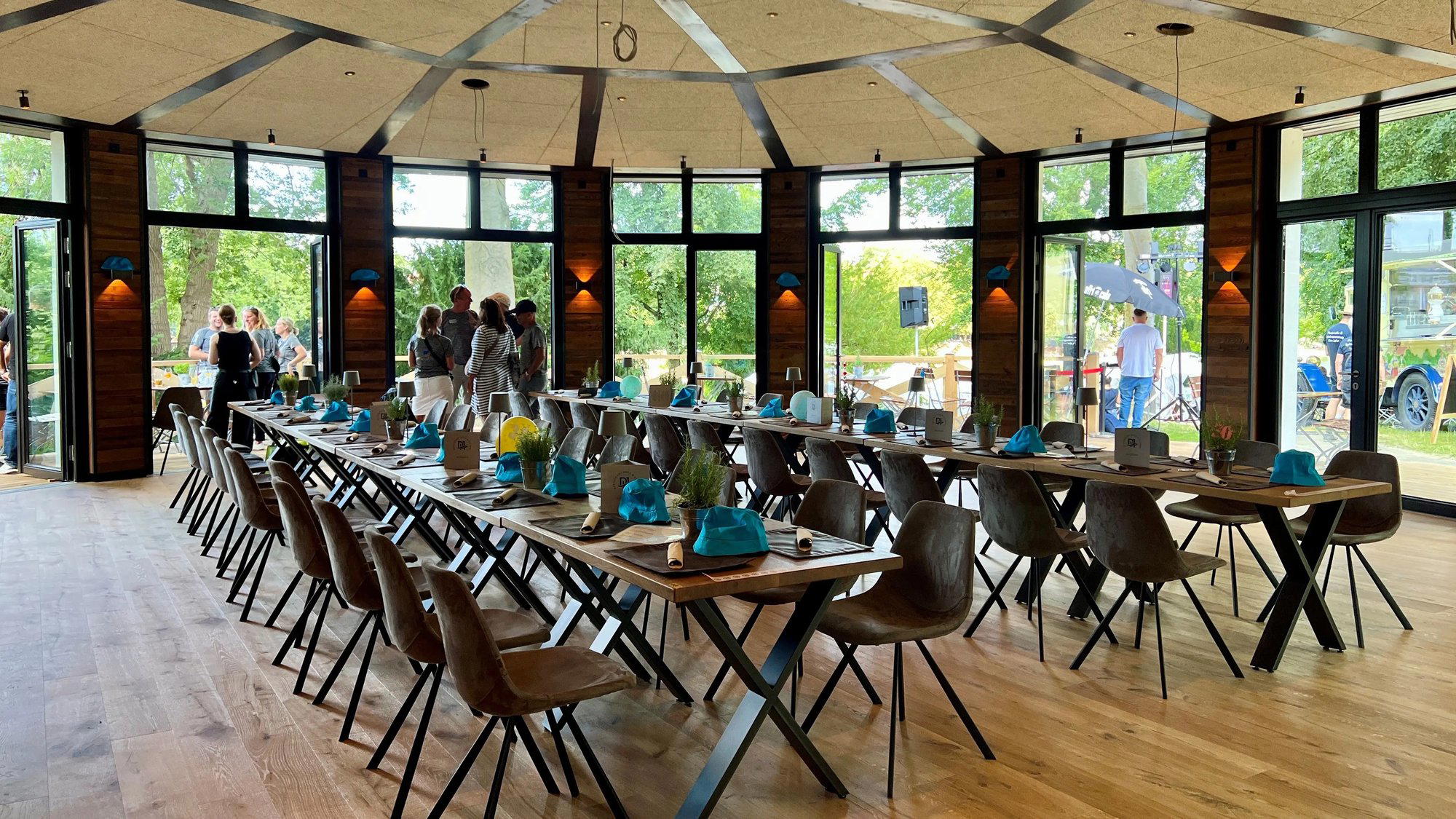
Warm, welcoming atmosphere with historic charm; traditional German pub setting with attentive service and regional character.