
Michelin Bib Gourmand
Our verdict
A Michelin Bib Gourmand recipient in 2024 and 2025, ROSE in Hayingen serves organic cuisine at accessible mid-range prices on the Swabian Alb. Plan ahead, as tables in small-town destination kitchens of this calibre fill quickly.

Pearl is the En Primeur Club membership app, where members save venues, book tables and use the concierge.
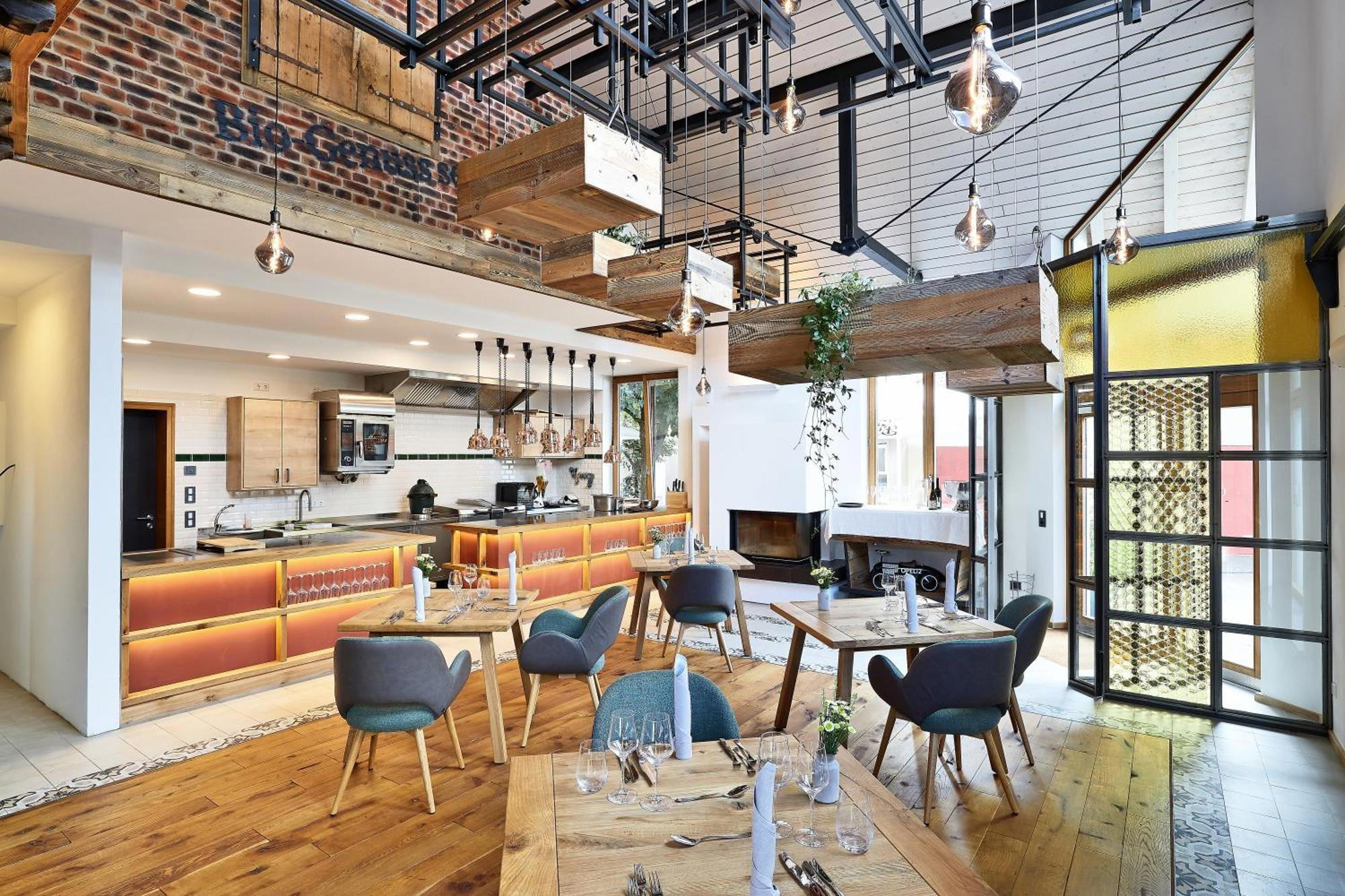
Organic Cooking on the Swabian Alb: Where Provenance Is the Starting Point
The Swabian Alb is not the region most diners think of first when plotting a German food itinerary. That instinct tends toward Munich's Michelin corridor, the Black Forest's classic-French tradition anchored by places like Schwarzwaldstube in Baiersbronn, or the urban creative scenes of Berlin or Hamburg. Yet the Alb's plateau landscape and its culture of precise, ingredient-focused cooking have quietly produced a category of restaurant that operates well outside those metropolitan reference points. ROSE, on Aichelauer Strasse in Hayingen, is one of the cleaner examples of that category.
The broader shift toward organic sourcing in German restaurant cooking has moved in two directions simultaneously. At the high end, kitchens like Aqua in Wolfsburg or Vendôme in Bergisch Gladbach treat provenance as one layer inside a technically elaborate proposition. At the accessible end, a smaller group of restaurants has made organic sourcing the organising principle of the entire kitchen, letting the ingredient lead rather than technique. ROSE sits firmly in the second camp, and that positioning is what earns it Michelin attention at the Bib Gourmand level rather than the star tier.
What the Bib Gourmand Signal Actually Means Here
Michelin's Bib Gourmand designation, awarded consecutively to ROSE in 2024 and 2025, marks restaurants where the inspectors find cooking of genuine quality at prices below the fine-dining threshold. In practical terms for this region, that means the kitchen is doing something credible enough to sustain Michelin scrutiny two years running without the price architecture of a starred house. The €€ price range situates ROSE well below the €€€€ tier occupied by much of Germany's Michelin-starred restaurant community, making it a different proposition from Restaurant Haerlin in Hamburg or ES:SENZ in Grassau, even if the ingredient seriousness draws a comparable level of care.
Volume and score together suggest a kitchen that holds its standard across a wide range of diners, not merely specialists or destination-seekers. That consistency is harder to maintain in small rural operations, where seasonal ingredient availability and lean kitchen teams put pressure on the menu in ways that urban restaurants with deep supplier networks rarely face.
Organic Cuisine as Cultural Position, Not Marketing Label
In Germany, the organic movement in food carries specific cultural weight that differs from its Anglophone equivalent. The country's certified organic sector (governed by EU regulations and domestic Bioland, Naturland, and Demeter frameworks) represents one of the largest and most mature in Europe, and in Baden-Württemberg in particular, the proximity of smaller farms to restaurant kitchens has made direct-sourcing relationships both practical and, for a certain category of restaurateur, a point of identity. ROSE's classification under organic cuisine is not a marketing overlay on a conventional menu; it reflects a sourcing commitment that shapes what appears on the plate and in what quantity, and at what time of year.
This connects ROSE to a wider European movement in which organic sourcing and low-intervention cooking intersect. Across the border, restaurants like Archibald De Prince in Luxembourg and Barge in Brussels have built comparable programs around certified sourcing and seasonal constraint. What distinguishes the German version of this tradition, particularly in Baden-Württemberg, is the density of Swabian agricultural culture around it: a long history of thrift and precision in rural cooking that predates the contemporary organic movement and gives it a different character than the same approach might carry in a capital city.
Finding ROSE: Hayingen in Context
Hayingen sits in the Münsingen district of the Swabian Alb, roughly between Reutlingen and Ulm. The town is not a conventional food destination, and that is part of the point. Reaching ROSE requires intention: it is not a restaurant you pass on the way to somewhere else. Diners prepared to drive into the Alb find a restaurant operating in a register that urban kitchens rarely replicate, where the relationship between landscape, farm, and kitchen is geographic rather than aspirational.
For those building a broader Baden-Württemberg itinerary, Hayingen sits within reach of the regional dining context covered in our full Hayingen restaurants guide. Accommodation options in the area are covered in our Hayingen hotels guide, with further local context in our guides to bars, wineries, and experiences in the area. Within Hayingen itself, Restaurant 1950 provides a regional-cuisine alternative that rounds out a short stay.
For reference points elsewhere in Germany's organic and quality-casual tier, JAN in Munich represents what this ethos looks like inside a major city, while CODA Dessert Dining in Berlin and Schanz in Piesport illustrate how formally distinct the upper creative tier remains from what ROSE is doing. At the far end of that spectrum, Victor's Fine Dining by Christian Bau in Perl and Waldhotel Sonnora in Dreis anchor the rural fine-dining category that ROSE does not attempt to compete with, a distinction that speaks to deliberate positioning rather than a gap in ambition.
Planning Your Visit
ROSE sits at Aichelauer Str. 6, 72534 Hayingen. The €€ price range makes it one of the more accessible Bib Gourmand addresses in the region, and given that the Michelin recognition is now in its second consecutive year, forward planning is advisable.
Frequently asked questions
What part of town is ROSE in?
ROSE is located at Aichelauer Str. 6, 72534 Hayingen, Germany, Hayingen.
Do they take walk-ins at ROSE?
A restaurant with consecutive Bib Gourmand recognition in 2024 and 2025 in a small Swabian town of Hayingen tends to fill tables quickly once Michelin attention lands, the €€ price point amplifies that demand. Contacting the venue directly before arriving is the practical approach.
Budget and Context
| Venue | Cuisine | Price | Awards | Notes |
|---|---|---|---|---|
| ROSEThis venue (the venue you are viewing) | Organic Farm-to-Table German | $30–50 | Michelin Bib Gourmand | Not listed |
| Schwarzwaldstube | Modern French Fine Dining | $150–200 | 3 Michelin Stars · World's 50 Best #47 | French, Classic French |
| Aqua | Not listed | Not listed | Michelin 3 Star | Contemporary German, Italian/Japanese, Creative |
| CODA Dessert Dining | Dessert-Inspired Fine Dining | $200–300 | 2 Michelin Stars · World's 50 Best #79 | Creative |
| Tantris | Modern French, French Contemporary | Not listed | Michelin 2 Star | Not listed |
| Vendôme | Modern German Haute Cuisine | $200–300 | 2 Michelin Stars · World's 50 Best #47 | Modern European, Creative |
Recognition history
Dated appearances from independent guides and award organizations, with the underlying list record or original source where available.
Michelin Bib Gourmand
Michelin
Full recognition history (3 entries)
Michelin Bib Gourmand
Michelin
Michelin Bib Gourmand
Michelin


Continue exploring
More in Hayingen
Restaurants in Hayingen
All restaurants in Hayingen →
Bars in Hayingen
Browse all →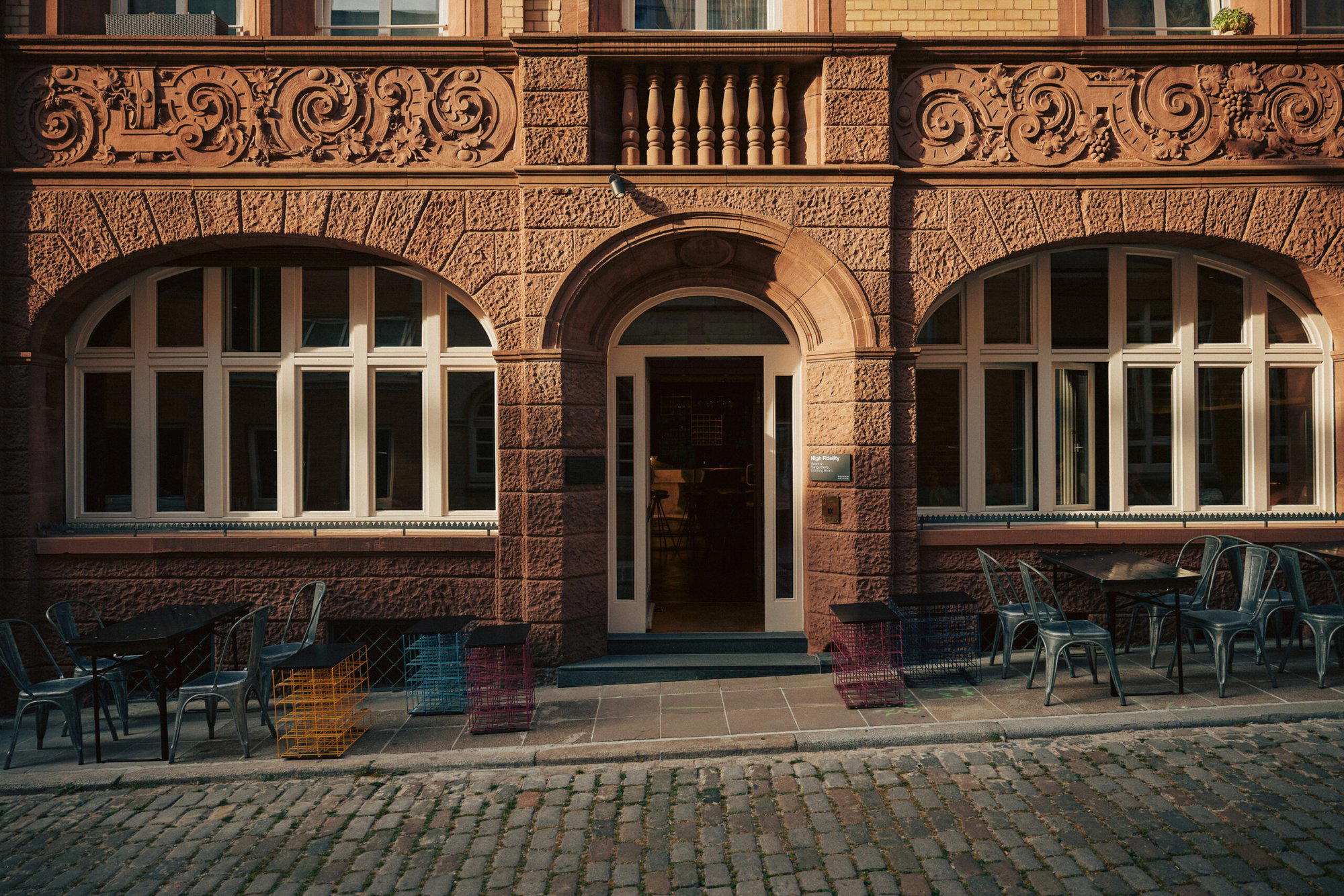

Details
- Rustic
- Cozy
- Scenic
- Quiet
- Group Dining
- Family
- Celebration
- Special Occasion
- Terrace
- Garden
- Open Kitchen
- Private Dining
- Extensive Wine List
- Natural Wine
- Beer Program
- Farm To Table
- Organic
- Biodynamic
- Local Sourcing
- Garden
- A La Carte
- Family Style
- Demeter Certified Wines
- Organic Beer
- Vegetarian Friendly
- Vegan Options
- Gluten Free Options
- Organic Focus
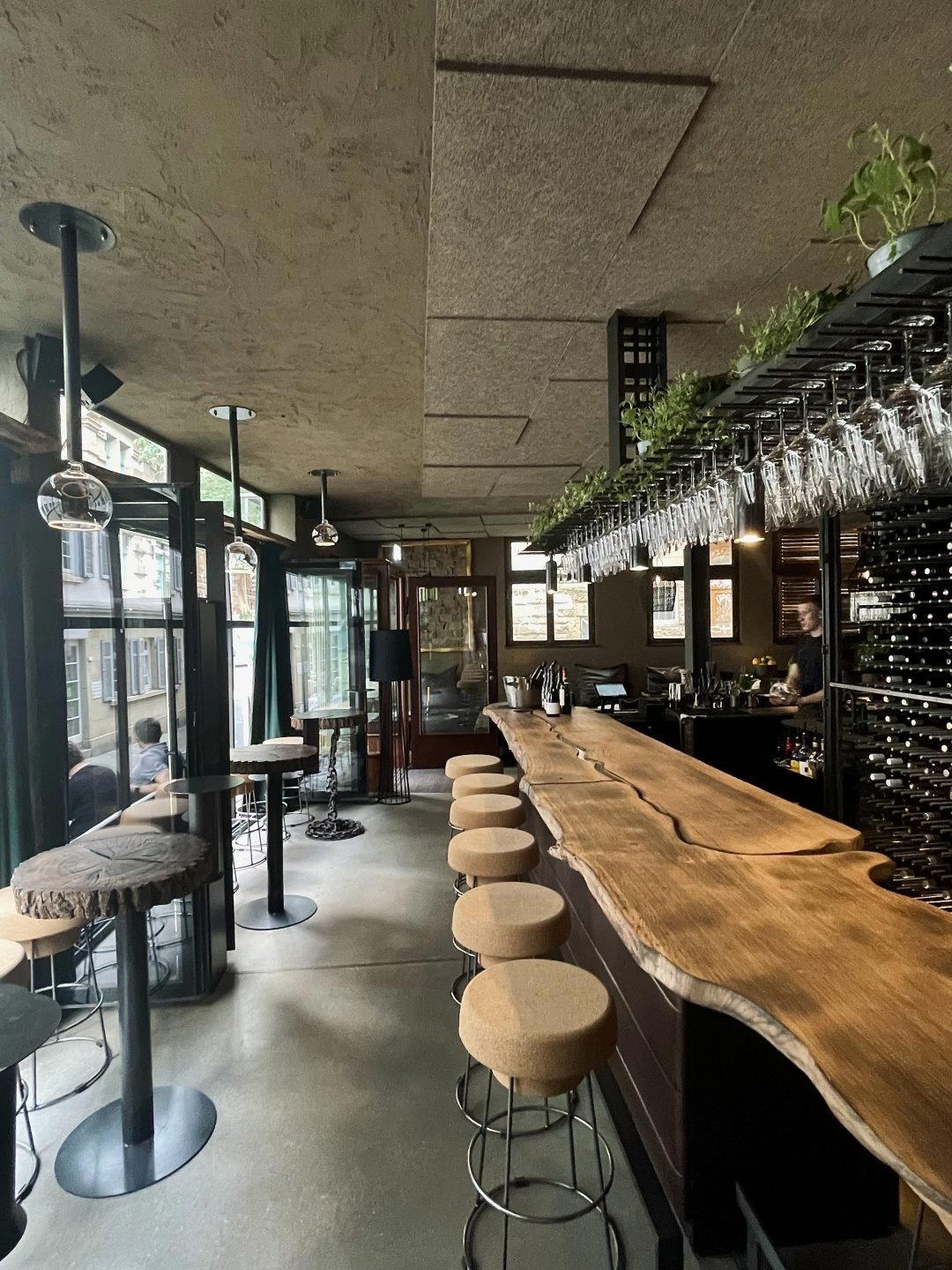
Warm, natural, and intimate with terrace seating under a chestnut tree; emphasizes connection to nature and sustainable farming heritage dating to 1950.