HEAT sits on Wehlistraße in Vienna's second district, occupying a corner of the city where industrial character meets an emerging dining scene. The address alone marks it as a departure from the Innere Stadt fine-dining circuit, and that distance from the centre shapes everything about how the restaurant reads — in format, atmosphere, and expectation.
Pearl is the En Primeur Club membership app — saves, bookings, and concierge access live there. Same editors, same standards.
- Address
- Wehlistraße 291, 1020 Wien, Austria
- Phone
- +436703566500
- Website
- heat.restaurant
- Directions
- Get directions
 Saves & bookings on Pearl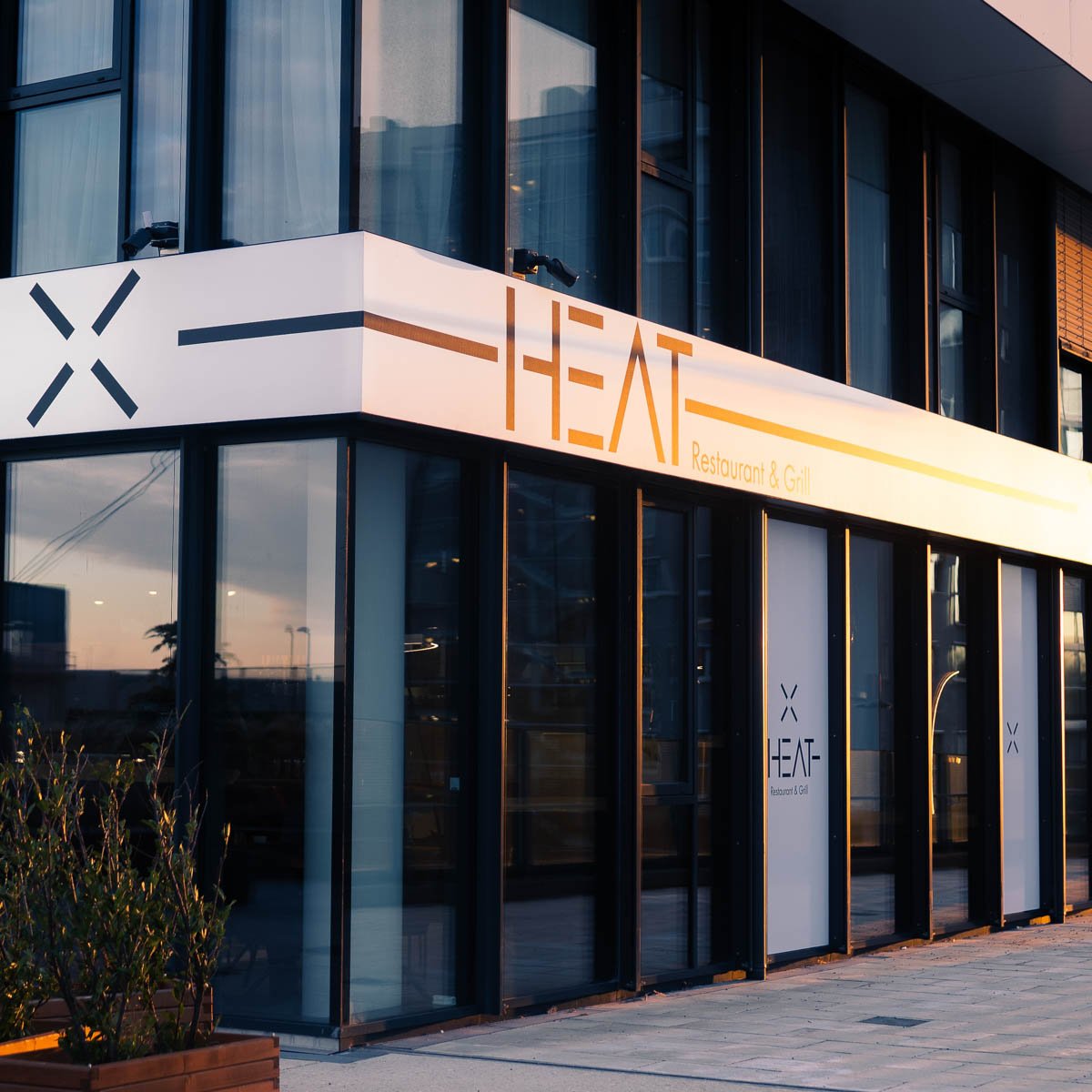
Beyond the Ringstrasse: Vienna's Second District and the Case for Dining Further Out
Vienna's fine-dining conversation has long been anchored by the first district and the Stadtpark corridor, where addresses like Steirereck im Stadtpark and Konstantin Filippou set the reference points for what serious cooking in this city looks like. That concentration makes sense historically, but it has also produced a certain predictability of neighbourhood, price tier, and guest profile. The second district, the Leopoldstadt, and the stretch of Wehlistraße running toward the Prater represent a different kind of proposition: fewer assumptions, more room to define what a dining room can be on its own terms.
HEAT, at Wehlistraße 291, plants itself in that territory. The address is not a liability dressed up as authenticity; it is a structural choice that puts distance between this kitchen and the conventions that cluster around Vienna's tourist-facing dining belt. Whether that distance translates into a distinctly different experience is the more interesting question, and it is one that the city's growing appetite for off-centre dining has made worth asking.
The Lunch-to-Dinner Arc: How the Hours Shape the Room
In cities where restaurant culture is maturing past its fine-dining peak, the divide between lunch and dinner service has become one of the more instructive indicators of how a kitchen actually operates. Lunch tends to reveal the bones: what the kitchen can do at pace, which dishes survive repetition, and whether a room functions without the theatrical cover of low lighting and a full wine service. Dinner, by contrast, allows for extension, for longer menus, for the kind of pacing that transforms eating into something closer to an event.
Vienna has followed a version of this pattern. At the €€€€ tier — occupied by peers like Amador, Mraz & Sohn, and Doubek — lunch formats have become a meaningful point of differentiation. Some kitchens offer abbreviated menus at reduced price points to widen access; others run the same programme across both services, treating lunchtime as simply another sitting. The logic behind each approach says something specific about a restaurant's identity and commercial priorities.
For a venue on Wehlistraße, the lunch dynamic carries additional weight. A location outside the central tourist circuit means the lunchtime audience skews local and professional rather than visitor-driven. That shifts what a midday menu needs to deliver: efficiency without sacrificing character, a format that respects the guest's return to work without reducing the kitchen to canteen logic. The evening service, freed from those constraints, can expand into something with more ceremony. Whether HEAT uses that structural divide to do genuinely different things across its day is part of what makes the address worth watching.
The Broader Austrian Context: A Country Taking Its Regional Kitchens Seriously
Vienna does not operate in isolation from the wider Austrian fine-dining conversation. The country has produced a series of kitchens that have earned serious international attention, often in locations that require deliberate travel to reach. Döllerer in Golling an der Salzach has built a programme around Alpine ingredient sourcing that has few direct equivalents in the German-speaking world. Obauer in Werfen has operated across multiple decades with a consistency that most urban kitchens struggle to match. Ikarus in Salzburg runs a rotating guest-chef model that makes it structurally unlike anything else in the country.
The Tyrolean and Vorarlberg circuits add further texture. Griggeler Stuba in Lech, Gourmetrestaurant Tannenhof in Sankt Anton am Arlberg, and Schwarzer Adler in Hall in Tirol each occupy distinct positions within a regional cooking tradition that draws heavily on Alpine produce and a hospitality culture shaped by decades of high-end mountain tourism. Further east, Landhaus Bacher in Mautern an der Donau and Kräuterreich by Vitus Winkler in Sankt Veit im Pongau demonstrate that serious cooking in Austria is distributed across the country rather than concentrated in its capital.
Against that backdrop, Vienna venues have to make an argument not just for their cooking but for their relevance within a national conversation that increasingly values regional specificity over metropolitan prestige. Ois in Neufelden and Restaurant 141 by Joachim Jaud in Mieming are among the addresses that have shifted the gravity of that conversation outward. HEAT, by virtue of its non-central Viennese address, sits at an interesting midpoint in that tension.
Placing HEAT in Vienna's Current Dining Map
Vienna's €€€€ tier is defined by a handful of addresses that have accumulated Michelin recognition, consistent press attention, and reservation pressure over time. Newer or less-documented addresses enter that conversation at a disadvantage in terms of verifiable track record, but with the corresponding advantage of lower expectation and more room to surprise.
HEAT's position on Wehlistraße places it outside the primary cluster and, by extension, outside the default itinerary of a visitor working through Vienna's established fine-dining hierarchy. That is not a dismissal; for a certain kind of reader, one who has already covered Vienna's central dining circuit and is looking for what sits beyond it, an address like this carries specific appeal. The international comparison is instructive: in cities like New York, where Le Bernardin and Atomix anchor the high end, particularly interesting next-tier conversations often happen in rooms that are harder to locate and less immediately legible from the outside.
Know Before You Go
| Address | Wehlistraße 291, 1020 Wien, Austria |
|---|---|
| District | Leopoldstadt / 2nd District |
| Price Range | |
| Reservations | |
| Website | Not listed, search current listings for contact details |
| Hours | Not confirmed, verify before visiting |
Comparable Options
A quick peer reference to anchor this venue in its category.
| Venue | Cuisine | Price |
|---|---|---|
| HEATThis venue — the venue you are viewing | This venue | Not listed |
| Steirereck im Stadtpark | Creative | €€€€ |
| Konstantin Filippou | Modern European, Modern Cuisine | €€€€ |
| Mraz & Sohn | Modern Austrian, Creative | €€€€ |
| Silvio Nickol Gourmet Restaurant | Modern Cuisine | €€€€ |
| APRON | Austrian, Creative | €€€€ |
Continue exploring
More in Vienna
Restaurants in Vienna
Browse all →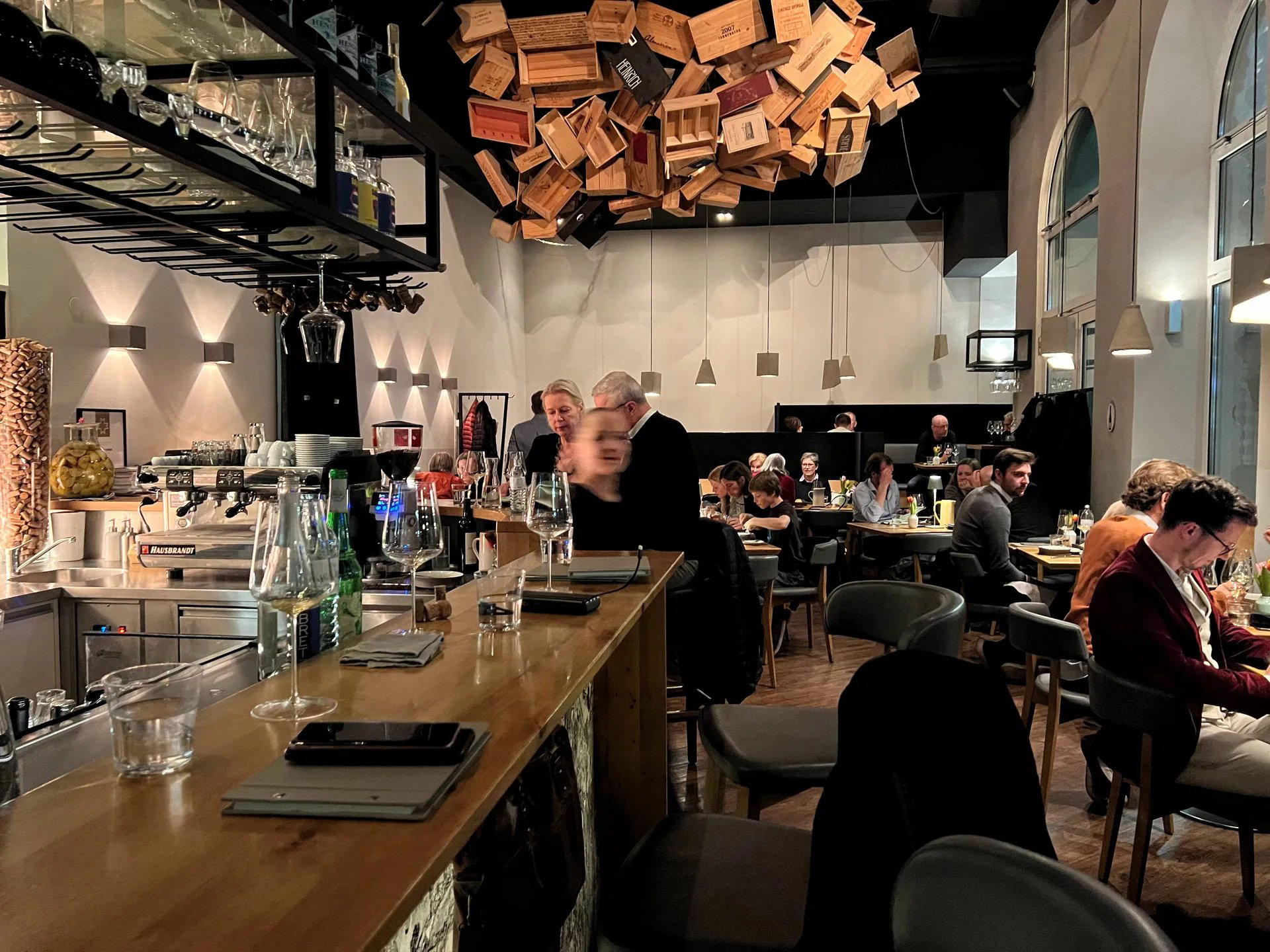
Bars in Vienna
Browse all →

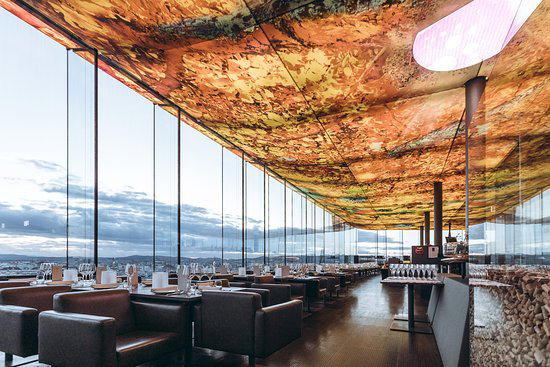
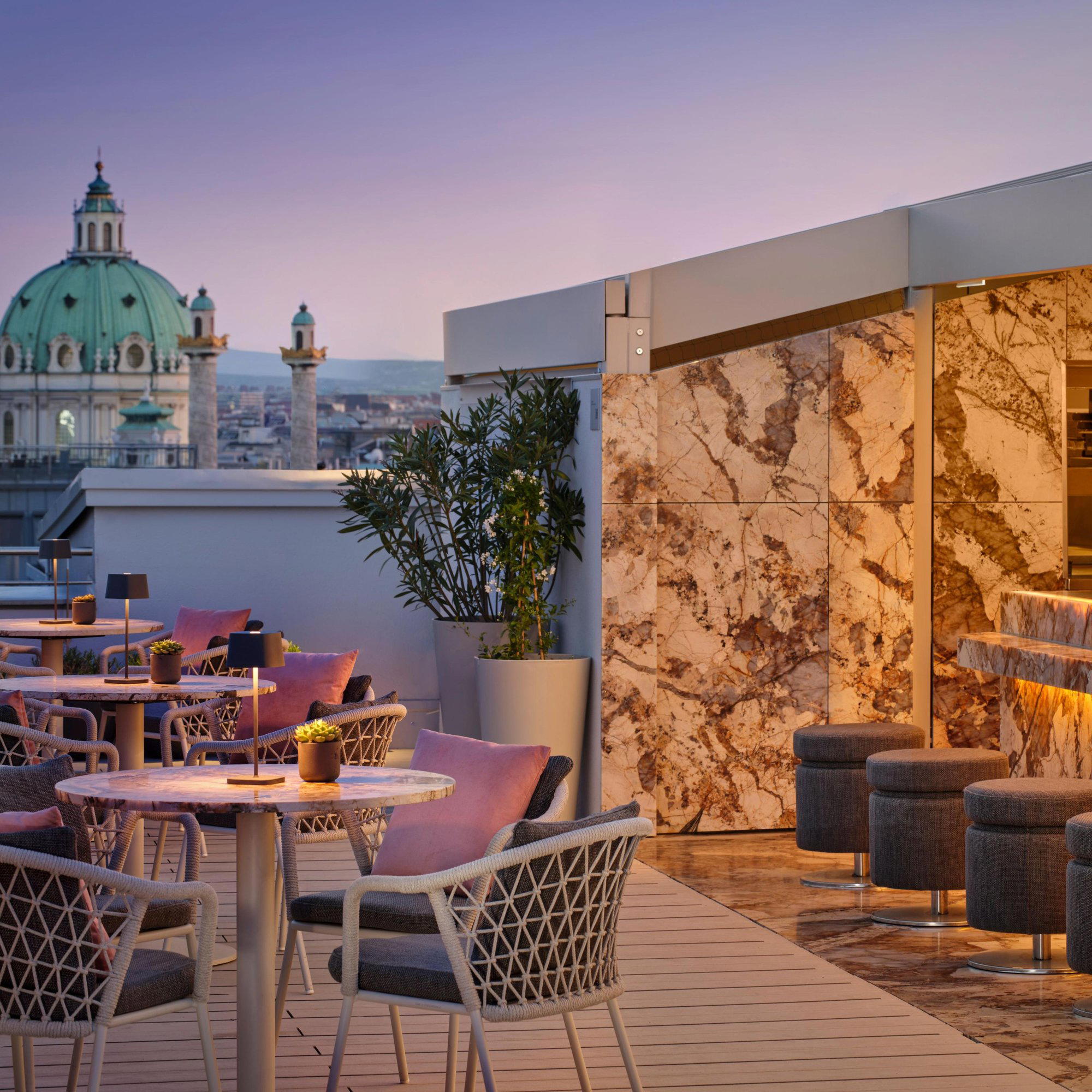
Hotels in Vienna
Browse all →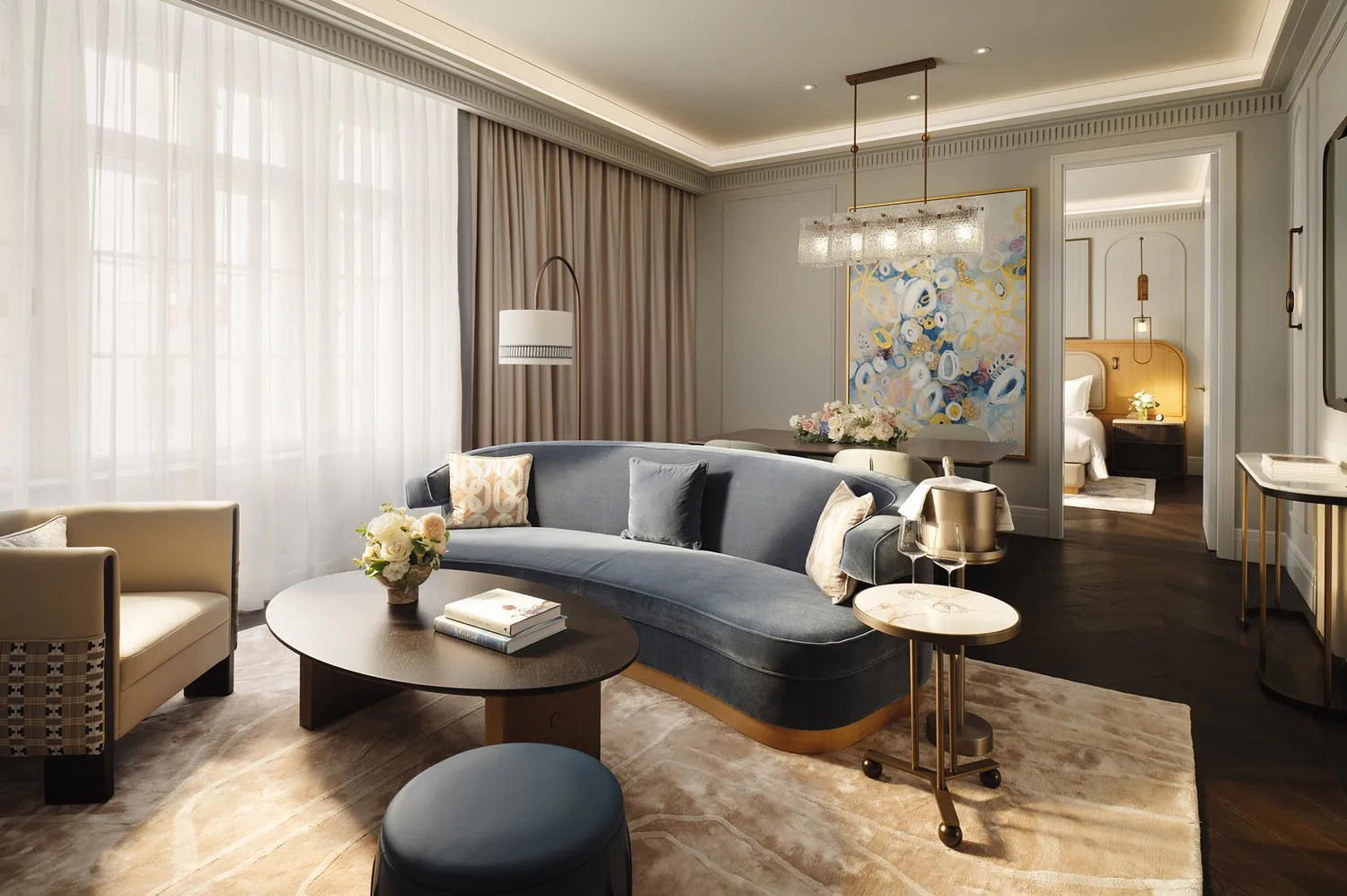
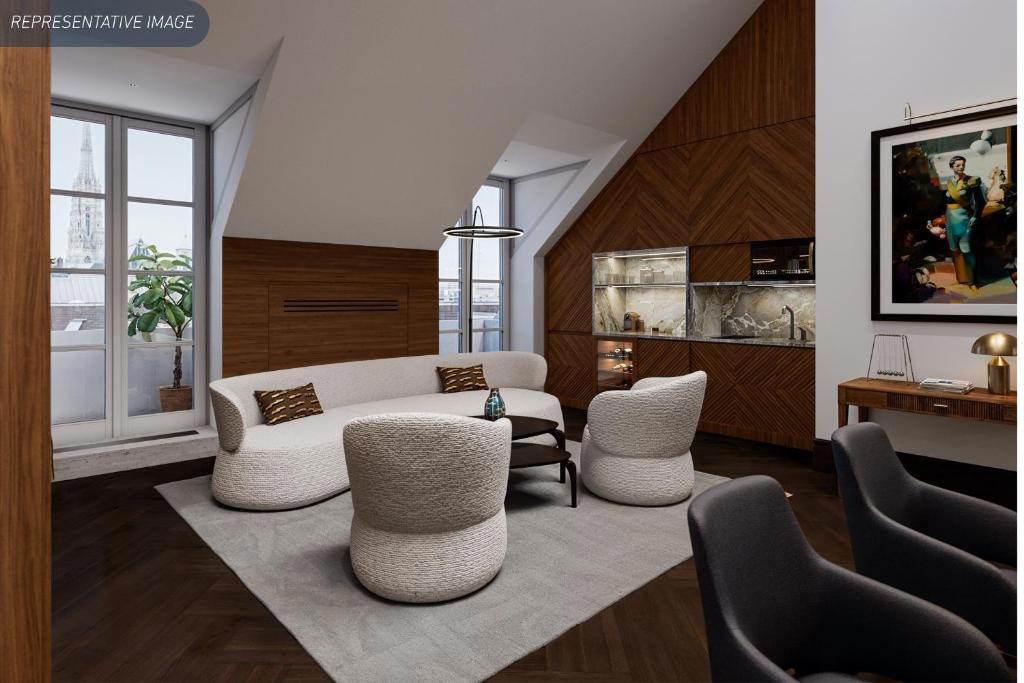
At a Glance
- Modern
- Trendy
- Cozy
- Date Night
- Casual Hangout
- Brunch
- Waterfront
- Open Kitchen
- Organic
- Waterfront
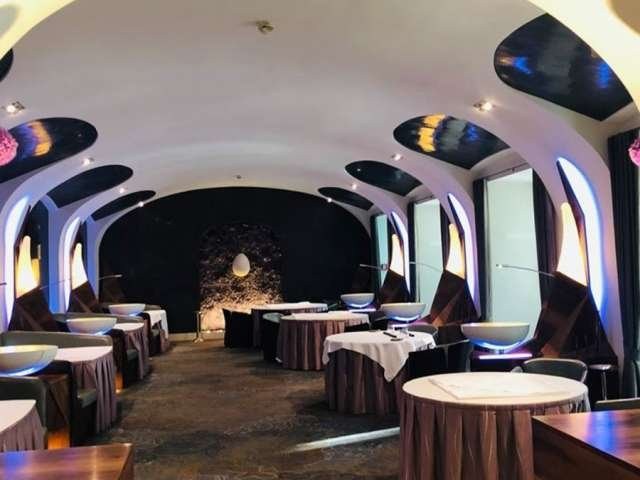
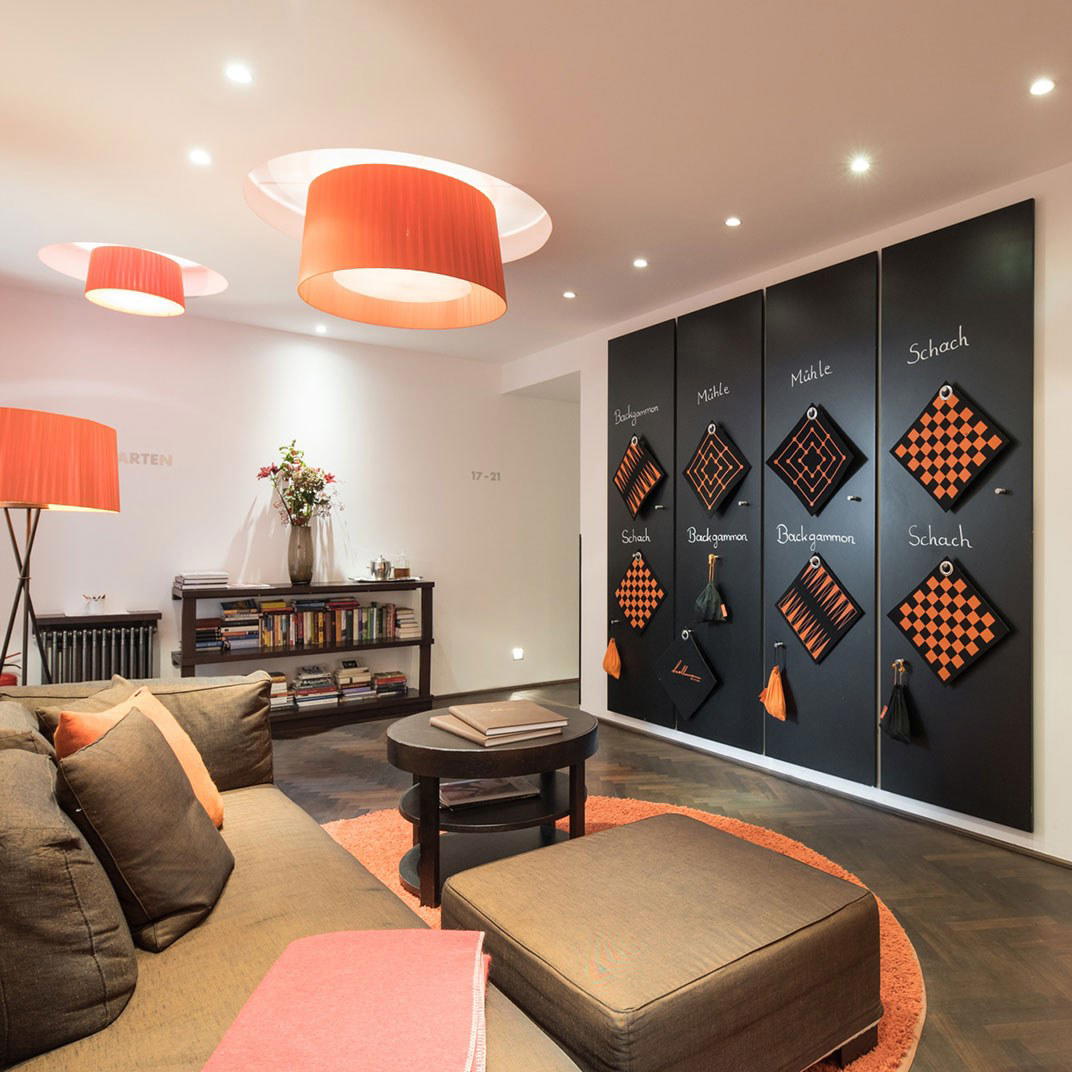
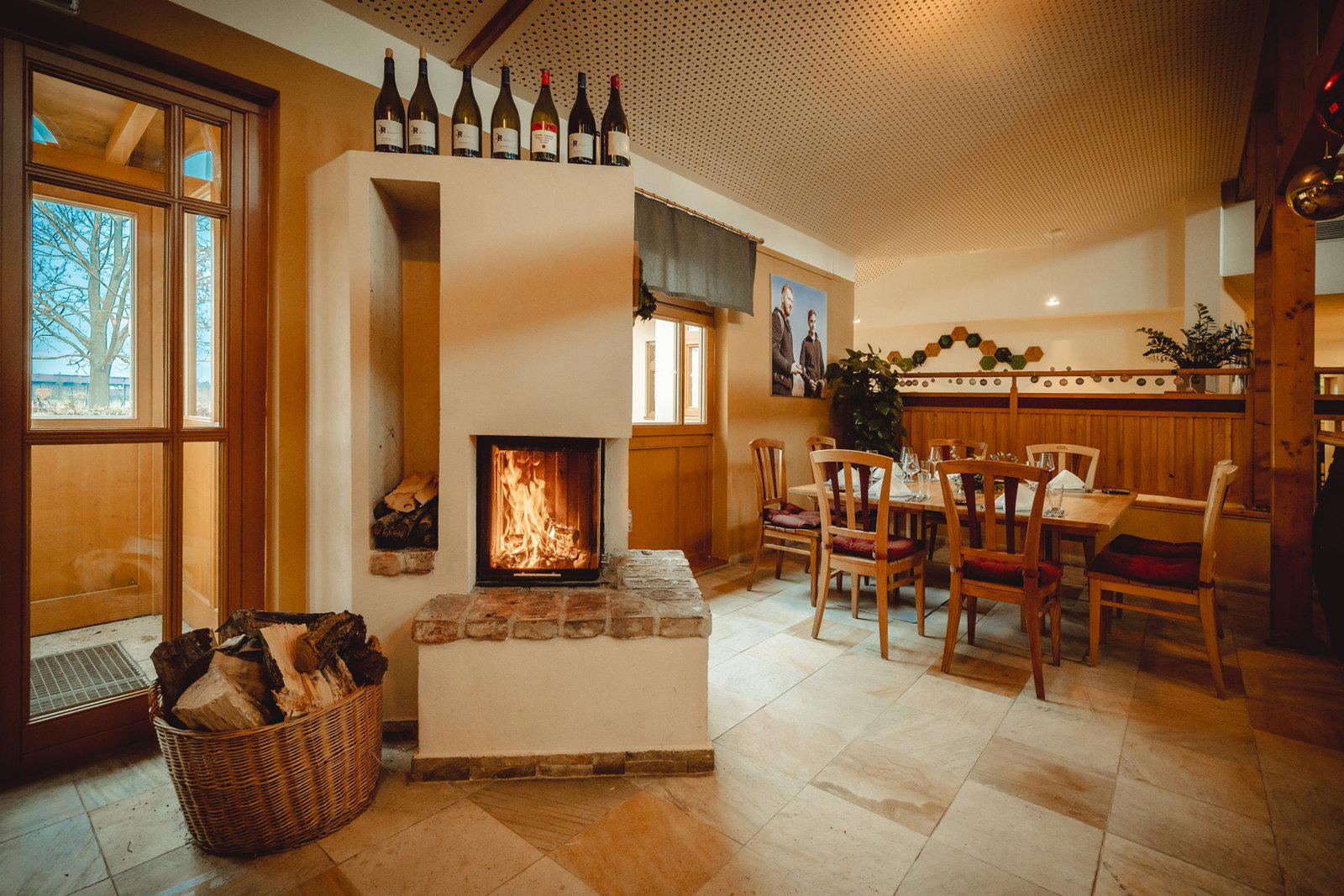
Stylish modern interior with cozy wooden tables, charming lighting, and urban flair creating a sophisticated yet relaxed atmosphere.