
Gault & Millau Türkiye 1 Toque
Our verdict
Havuş Lokantası sits in Bakırköy's Ataköy district, positioning itself within Istanbul's broader lokanta tradition of straightforward, ingredient-led cooking. The neighbourhood draws a local crowd rather than tourists, which tends to keep menus honest and sourcing practical. For visitors oriented toward everyday Turkish cooking over fine-dining theatrics, Bakırköy offers a grounded alternative to the city's European-side restaurant circuit.

Pearl is the En Primeur Club membership app — saves, bookings, and concierge access live there. Same editors, same standards.
- Address
- Kısım Mah, Ataköy 2-5-6, Yalı, Rauf Orbay Cd. Kapı No-4 İç Kapı No-7, 34158 Bakırköy/İstanbul, Türkiye
- Phone
- +905334913479
- Hours
- Mon ClosedTue–Sun 9 AM–10 PM
- Website
- havus.com.tr
- Directions
- Get directions
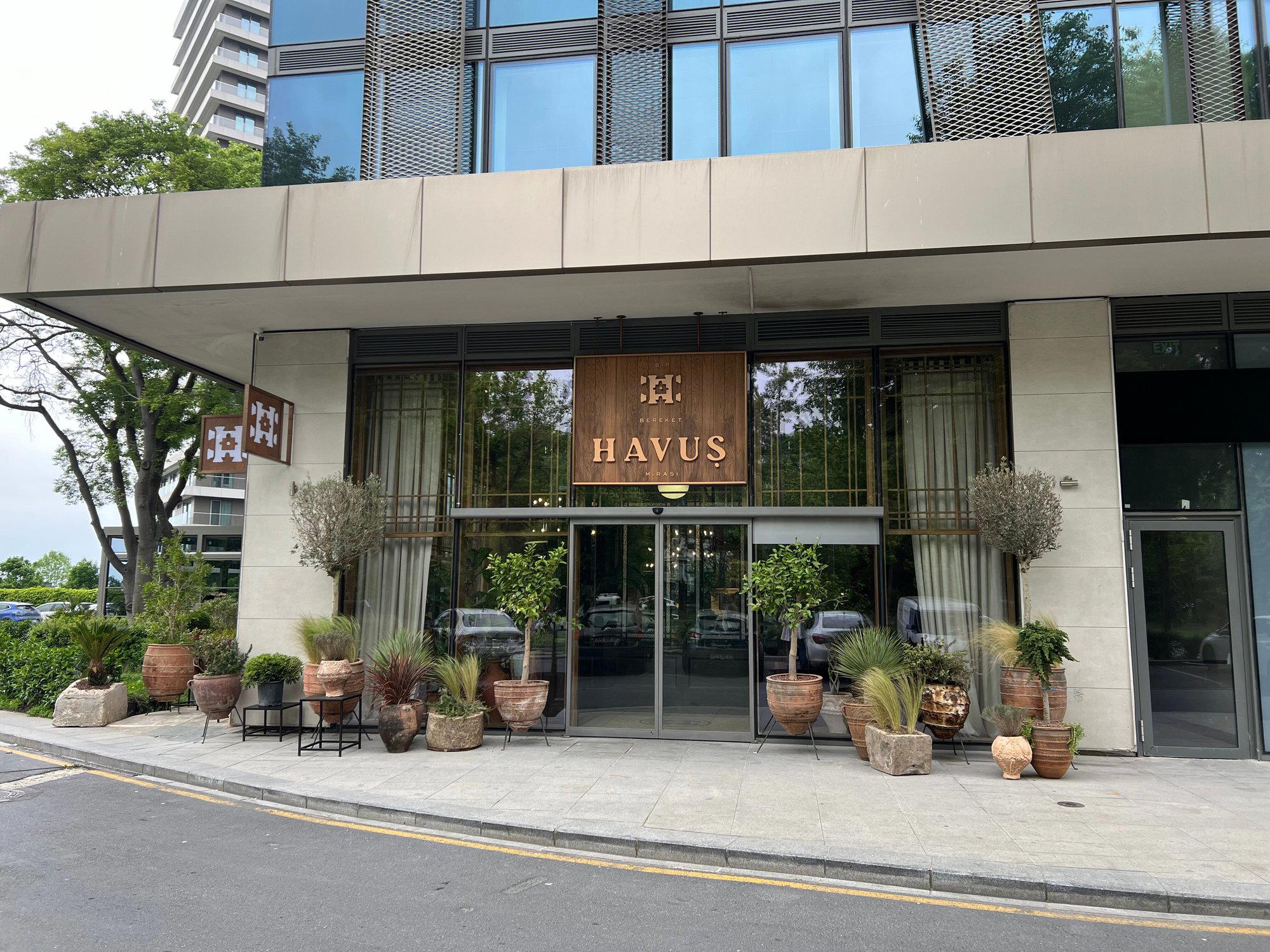
Bakırköy and the Lokanta Tradition
The lokanta format is one of Turkish dining culture's most durable inventions: a midday-anchored, counter-service or tray-service operation built around a rotating slate of ready-cooked dishes. Where Istanbul's higher-profile restaurant scene on the European side has shifted toward tasting menus and modern reinterpretation (venues like Turk Fatih Tutak in Istanbul occupy the ₺₺₺₺ bracket with modern Turkish menus designed for international recognition), the lokanta holds a completely different position. It is, almost by definition, a place where the food's credibility comes from sourcing and daily production, not from kitchen technique performed at the pass.
Bakırköy, on Istanbul's western European shore, sits outside the conventional tourist corridor. Visitors who orient themselves around Beyoğlu, Galata, or the historic peninsula rarely cross into Bakırköy with dining as the purpose. That geographic remove has consequences for what restaurants here are and are not: they serve a resident population, they price for regular use, and they have little structural incentive to perform for an audience that won't return. The Ataköy sub-district, where Havuş Lokantası is located on Rauf Orbay Caddesi, is a dense residential zone close to the Marmara shoreline, an area shaped more by apartment blocks and commuter patterns than by hospitality infrastructure.
Ingredient Sourcing and the Lokanta Contract
The editorial logic of the lokanta format is almost entirely ingredient-driven. Unlike a restaurant that can mask mediocre sourcing through technique, saucing, or presentation, the lokanta presents food that has been cooked hours before service and kept warm in a bain-marie or covered tray. Under those conditions, the quality of what was purchased at the market that morning becomes the ceiling for what the dish can achieve. There is nowhere to hide.
This is why sourcing discipline matters disproportionately in this category. The Turkish lokanta at its most credible operates on a short, seasonal rotation: what appears in the trays on a Tuesday in November will differ from what appears in March, not because a chef is being creative, but because the available produce has changed. This seasonal fidelity is what separates a lokanta operating with integrity from one coasting on frozen inputs and repetitive menus. Across Turkey, the format has regional expressions worth tracking: Hiç Lokanta in Urla operates within Izmir's Aegean produce tradition, while Narımor in Izmir draws on similar Aegean sourcing logic at a different price point. In Istanbul's own culinary history, Asitane in Fatih has documented Ottoman-era ingredient research as the basis for its menu, a very different operation but one that also foregrounds provenance as a credibility signal.
For Havuş Lokantası, the Ataköy address places it within reach of the Bakırköy market network, and the surrounding neighbourhood's demographic profile (year-round residents rather than seasonal visitors) creates the repeat-customer pressure that historically keeps lokanta sourcing accountable. Regulars notice when quality drops. That accountability loop is structural to the format.
Bakırköy Against Istanbul's Wider Restaurant Geography
Istanbul's dining hierarchy has consolidated around a handful of high-visibility neighbourhoods. The fine-dining circuit clusters in Karaköy, Beyoğlu, and parts of the Bosphorus waterfront; the recognisable street-food addresses (like Dürümzade in Beyoglu for dürüm) operate in tourist-accessible zones. Bakırköy sits outside both circles. That positioning means visitors who make the trip are almost always doing so because they live nearby or because they have a specific reason to go, not because the neighbourhood appears in standard city guides.
This parallels a broader pattern visible in Turkish cities outside Istanbul. In Gaziantep, Kocak Baklava operates within a city whose food reputation draws specialist visitors; in Adana, Ciğerci Mahmut represents a category (offal grilling) that is entirely local in orientation. The common thread is that restaurants serving residential populations in non-touristic zones tend to price and perform differently from their city-centre or internationally visible counterparts. Havuş Lokantası fits that pattern.
For context on what the top end of the Istanbul and Turkish restaurant market looks like by comparison: Maçakızı in Bodrum and venues in the ₺₺₺₺ modern Turkish tier represent a completely different proposition, one built around experience design and international recognition signals. Havuş Lokantası's value, if the lokanta format holds true to form here, would be orthogonal to that tier rather than competing with it.
Planning a Visit
Havuş Lokantası is located at Kısım Mah, Ataköy 2-5-6, Yalı, Rauf Orbay Caddesi, Kapı No-4 İç Kapı No-7, in Bakırköy. The Ataköy address is reachable from central Istanbul via the Marmaray rail line to Bakırköy station or the E-5 highway by car. Lokantas conventionally run on a lunch-primary schedule, with trays often depleted by mid-afternoon; arriving before 13:00 gives the widest selection of the day's cooked dishes. For context on what else the Bakırköy area offers, see our full Bakırköy restaurants guide, which covers venues including Ceres and Nathan's Famous.
For reference points on ingredient-led sourcing elsewhere in Turkey, Kartepe Organic Foods in Kartepe takes an explicit certification approach to provenance, while Kritikos Meyhane in Mudanya operates within the Bursa region's Aegean-adjacent produce supply. Casa Lavanda in Sile and Bayramoğlu Döner in Beykoz represent further points on Istanbul's outer-district dining map, each oriented toward a local rather than visitor audience. International reference points for sourcing-driven credibility in a completely different price tier include Le Bernardin in New York City and Atomix in New York City, both of which make ingredient provenance central to their editorial identity, though through entirely different structural means. Kısmet Etliekmek ve Lahmacun Salonu in Karaman offers a useful Anatolian comparison point for the kind of regional specificity that keeps a lokanta format honest.
Frequently asked questions
Is Havuş Lokantası child-friendly?
The lokanta format is structurally accommodating for families. Counter and tray-service operations in Bakırköy tend to be casual, fast-moving, and free of the formality that makes fine dining difficult with children. The Ataköy address on Rauf Orbay Caddesi is a residential-commercial area where family lunch traffic is the norm rather than the exception.
What should I expect atmosphere-wise at Havuş Lokantası?
Lokantas in Bakırköy operate on a workaday rhythm — the room fills fast at midday, turns over quickly, and quiets by mid-afternoon. Expect communal seating or close-set tables, the organised movement of trays, and a clientele that leans local. It is functional and unfussy, which in this format is precisely the point.
How does Havuş Lokantası fit into Bakırköy's dining scene compared to central Istanbul?
Bakırköy sits on Istanbul's European coastal fringe, removed from the high-visibility dining corridors of Karaköy and Beyoğlu. Havuş Lokantası, located in the Ataköy district on Rauf Orbay Caddesi, represents the kind of neighbourhood-rooted cooking that central Istanbul's tourist circuit rarely surfaces. For visitors willing to take the metro or coastal road west, it offers the lokanta format in its most local, unmediated form.
What dish is Havuş Lokantası famous for?
Lokantas in this part of Istanbul typically anchor their daily menu around seasonal braised meats, pulse dishes, and stuffed vegetables — what is served depends on what was sourced that morning. Visiting at opening gives the widest choice before pans begin to empty.
Where exactly is Havuş Lokantası?
Havuş Lokantası is located at Kısım Mah, Ataköy 2-5-6, Yalı, Rauf Orbay Cd. Kapı No-4 İç Kapı No-7, 34158 Bakırköy/İstanbul, Türkiye, Bak Rkoy.
Should I book Havuş Lokantası in advance?
Traditional lokantas in Bakırköy do not typically operate a reservation system — arrival time governs your options more than advance booking. For the broadest selection, arriving at or near the midday opening is advisable. No phone or booking contact is currently listed for Havuş Lokantası.
A Quick Peer Check
Comparable venues nearby, for context on price, style, and recognition.
| Venue | Cuisine | Price | Awards | Notes |
|---|---|---|---|---|
| Havuş LokantasıThis venue — the venue you are viewing | Traditional Turkish & Ottoman Cuisine | $20–30 | Gault & Millau Türkiye 1 Toque | Not listed |
| nathan's Famous | American Hot Dogs | $10–20 | Not listed | Bakırköy |
| Ceres | Hotel Dining | Not listed | Not listed | Bakirkoy |
| Dürümcü Musa Usta Taşoluk | Turkish Dürüm and Kebap | $10–20 | Not listed | Arnavutköy |
| HuQQabaz Mall of İstanbul | Turkish Grill & Shisha | Not listed | Not listed | Basaksehir |
| Helvetia | Turkish Home-style Mezes | $10–20 | Not listed | Asmali Mescit |
Recognition history
Dated appearances from independent guides and award organizations, with the underlying list record or original source where available.
Gault & Millau Türkiye 1 Toque
Gault & Millau · Gault & Millau Türkiye 2026 - 1 Toque
Details
- Modern
- Classic
- Cozy
- Family
- Group Dining
- Casual Hangout
- Open Kitchen
- Local Sourcing
- A La Carte
- Family Style
Current opening hours
- Monday
- Closed
- Tuesday
- 9 AM–10 PM
- Wednesday
- 9 AM–10 PM
- Thursday
- 9 AM–10 PM
- Friday
- 9 AM–10 PM
- Saturday
- 9 AM–10 PM
- Sunday
- 9 AM–10 PM
Hours can change for holidays and private events. Last verified .
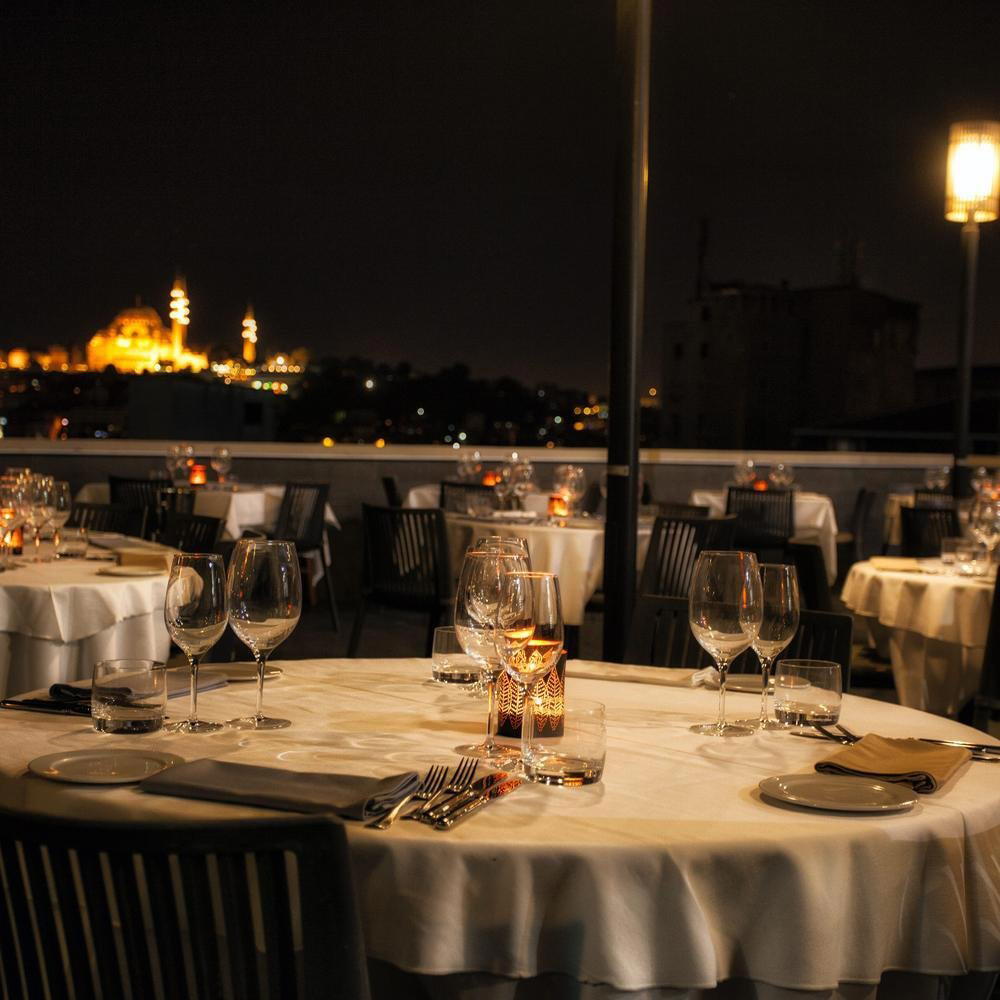
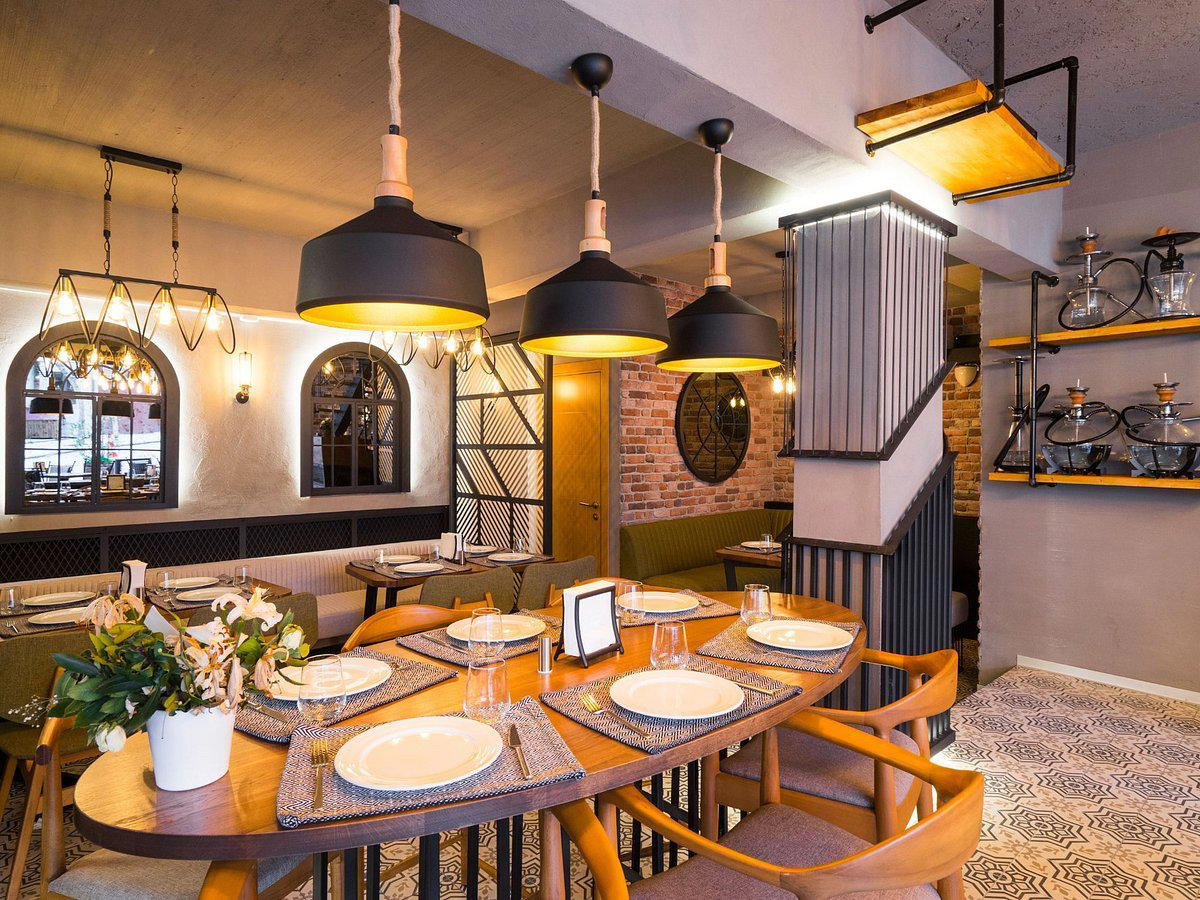
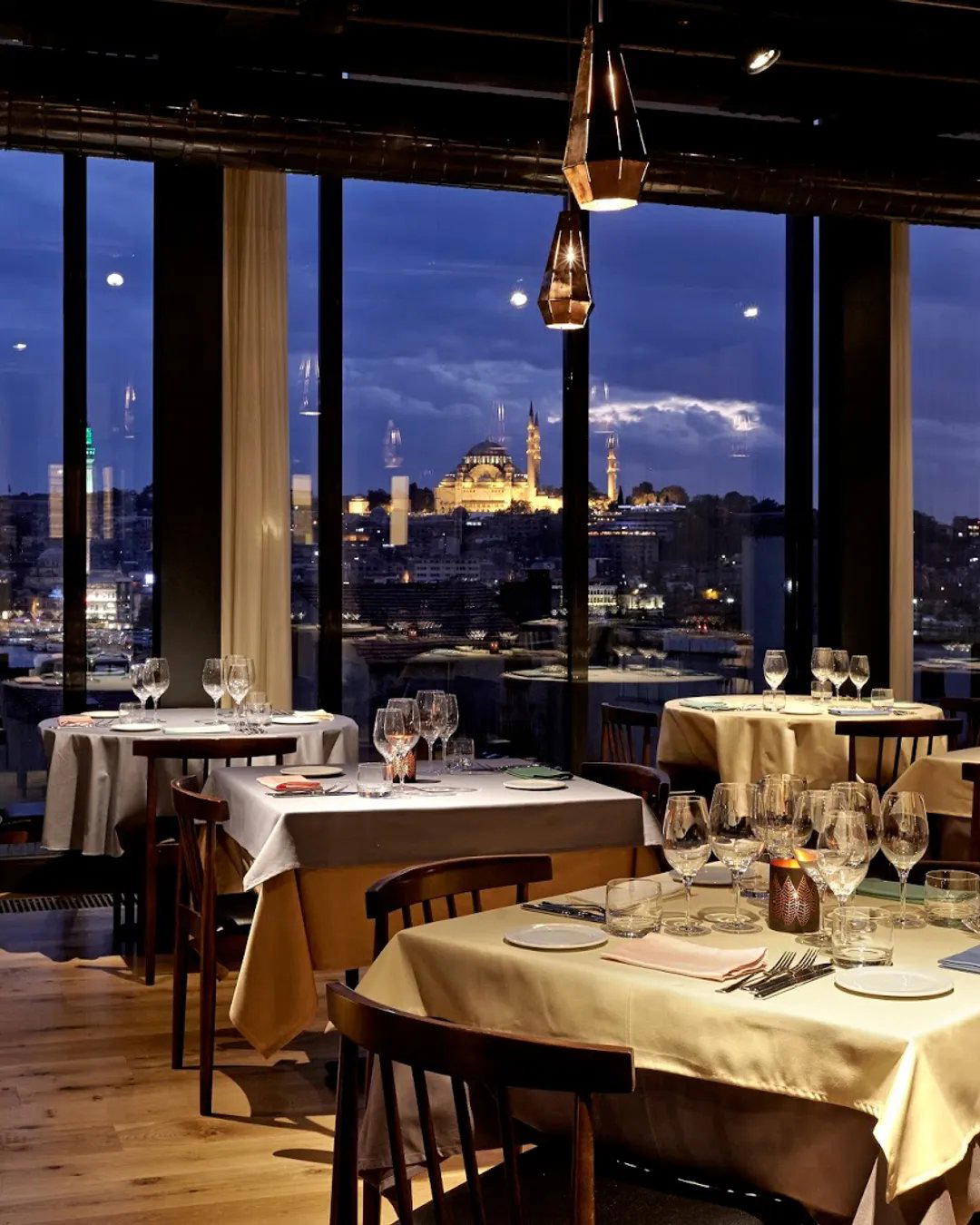
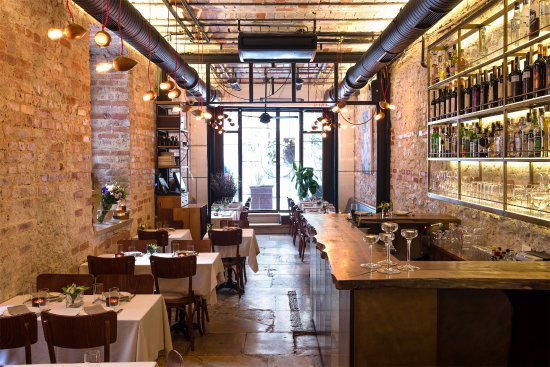
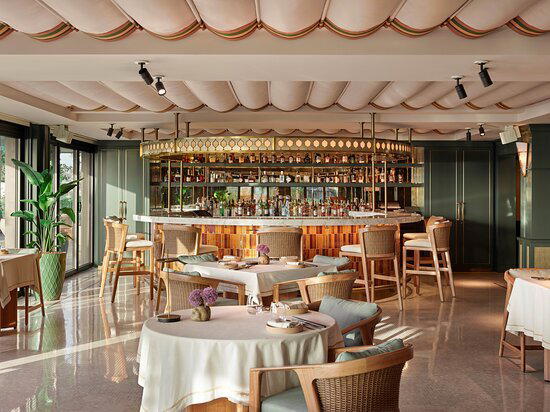
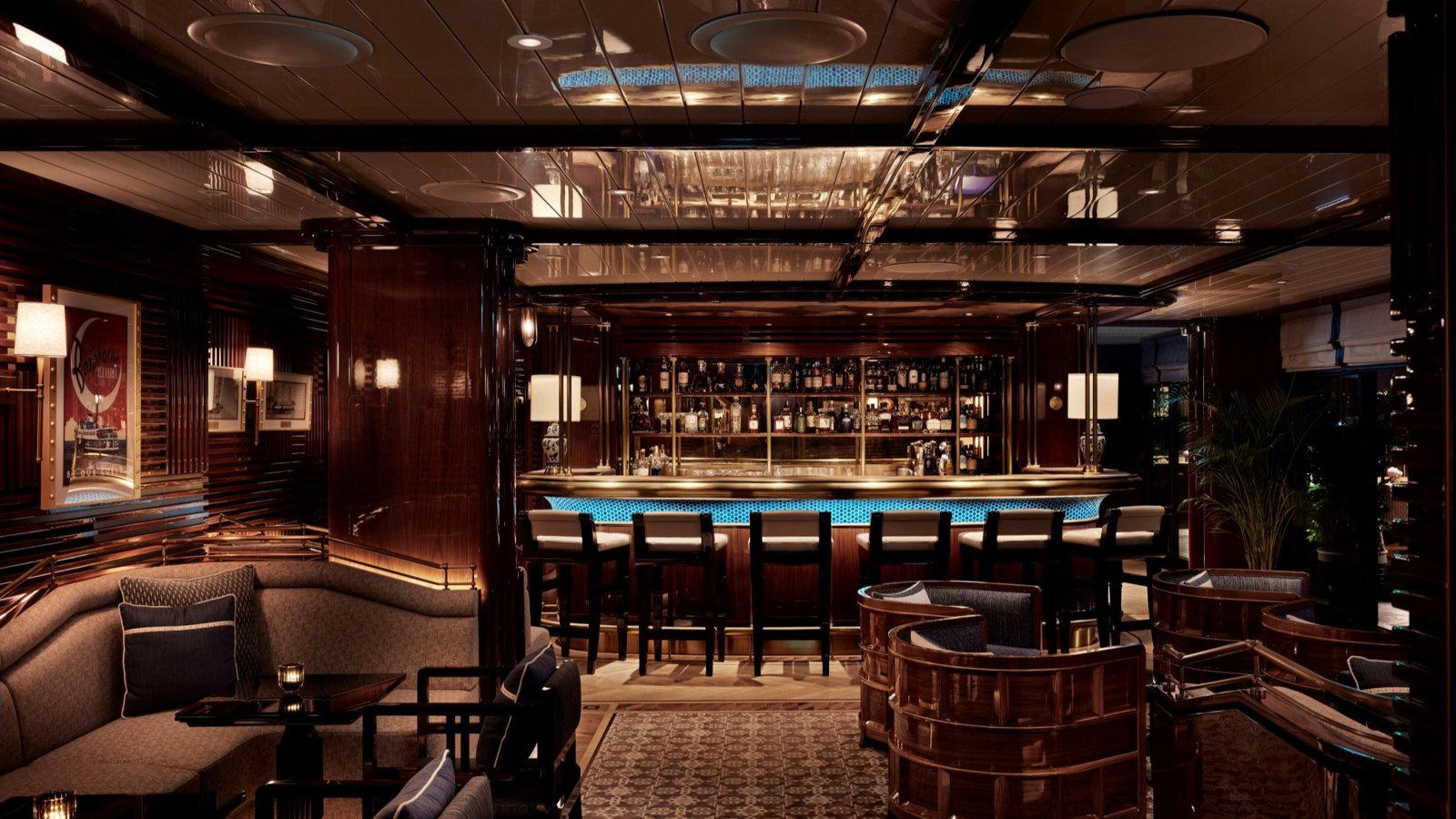
Modern and stylish ambiance featuring intricate silk carpets, 18th-century Baccarat chandeliers, handcrafted wooden appliques, and greenery.