On the far northwestern edge of Istanbul, in the working Arnavutköy district of Taşoluk, Dürümcü Musa Usta represents a category of street-food institution that the city's centre rarely produces: a specialist dürüm counter whose reputation travels by word of mouth rather than by guidebook. The ritual here is direct, unhurried, and built around a single format done with long-practised precision.
Pearl is the En Primeur Club membership app — saves, bookings, and concierge access live there. Same editors, same standards.
- Address
- Mustafa Kemal Paşa, Kazım Karabekir Cd. No:195, 34275, 34275 Arnavutköy/İstanbul, Türkiye
- Phone
- +90 212 597 00 14
- Website
- durumcumusausta.com.tr
- Directions
- Get directions
 Saves & bookings on Pearl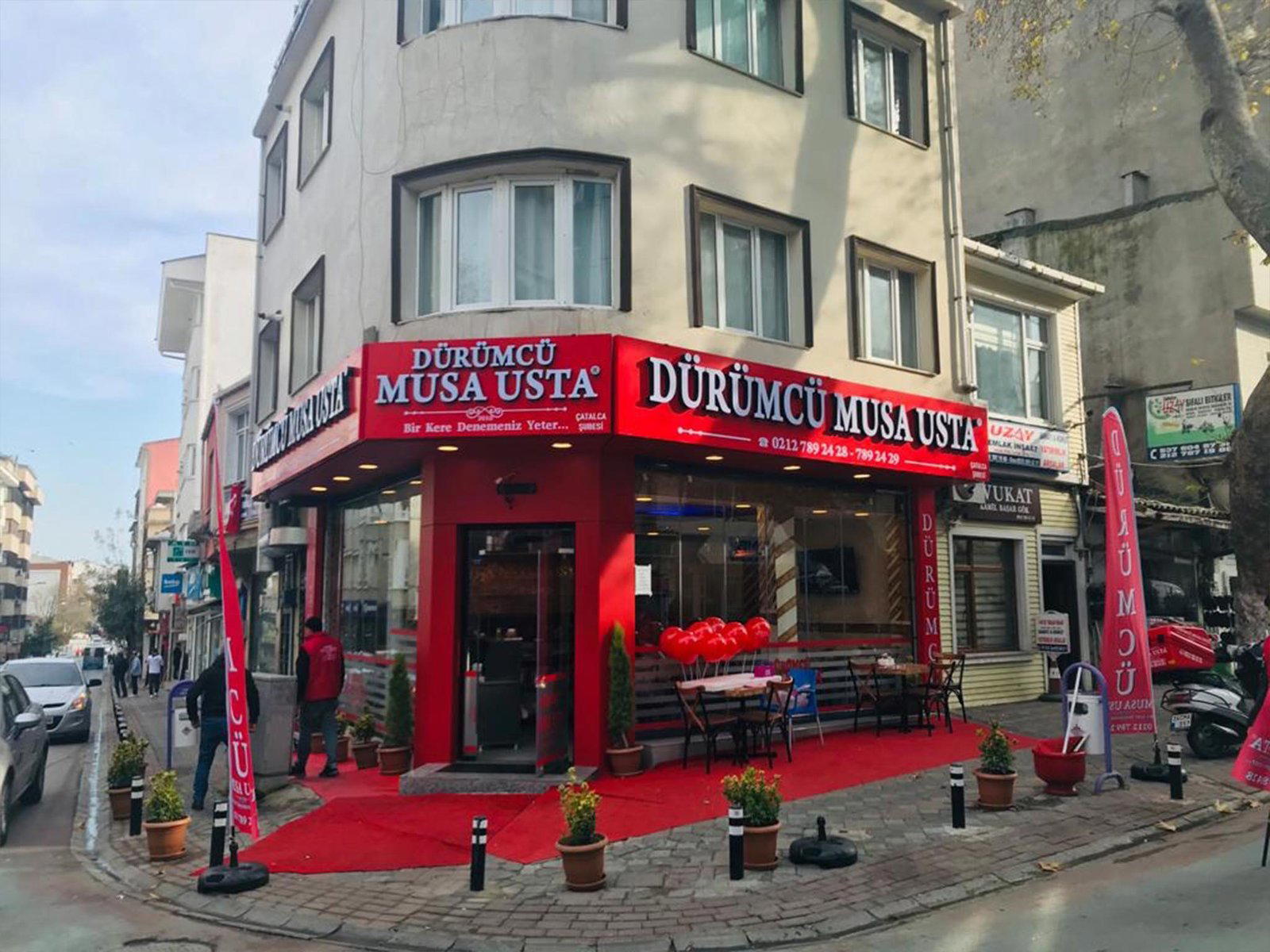
At the Edge of the City, at the Centre of a Tradition
Istanbul's most discussed restaurants in 2024 occupy a narrow band of the city: Beyoğlu rooftops, Karaköy wine-forward kitchens, and Nişantaşı tasting menus. Dürümcü Musa Usta Taşoluk exists in a different register entirely. It sits on Kazım Karabekir Caddesi in the Taşoluk neighbourhood of Arnavutköy, a predominantly residential, working-class district in Istanbul's far northwest that most visitors never reach. The distance from the city's gastro-tourism circuit is not incidental, it is part of what keeps this kind of address functioning as a local institution rather than a managed dining destination.
The dürüm tradition in Turkey is not a simplified version of something more elaborate. It is its own discipline: the quality of the bread, the sourcing and seasoning of the meat, the balance of charcoal heat and wrapping tension, the temperature at which it reaches the customer. A specialist dürüm counter, when it earns a neighbourhood reputation over years, does so because those variables have been brought under consistent control. That consistency, repeated across thousands of transactions, is the credential.
The Ritual of Ordering, Waiting, and Eating
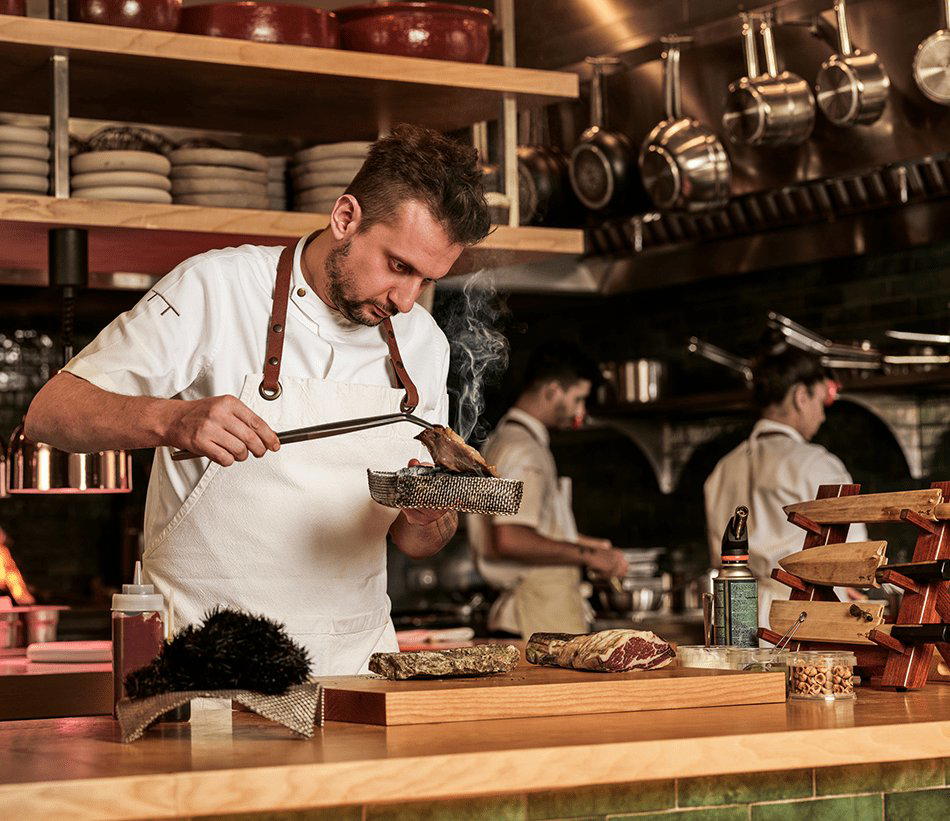
The format at a counter like Dürümcü Musa Usta is built around a specific sequence, and understanding that sequence makes the visit make sense. You do not sit down and receive a menu. You assess what is being prepared at the grill, place your order at the counter, and wait at close range while the work happens in front of you. This proximity is deliberate in Turkish street-food culture: it allows the customer to see that the bread is fresh, that the meat is carved or portioned from the correct preparation, and that nothing has been sitting idle. The handover, dürüm wrapped in paper, handed across a counter, is the conclusion of a short but precise ritual that Turkish cities have been performing in variations for generations.
Eating on site, if seating is available, tends to be brisk and communal. The food is designed to be eaten immediately; the structural integrity of the wrap, the heat of the filling, and the texture of the lavash or yufka all degrade within minutes. This is not a place to linger over a two-hour meal. It is a place to eat with focus, at the pace the food demands. Venues of this type across Istanbul, from the köfte counters of Fatih to the midye stands of Karaköy, operate on the same implicit social contract: arrive, order, eat, move on. The transactional speed is not rudeness; it is the form.
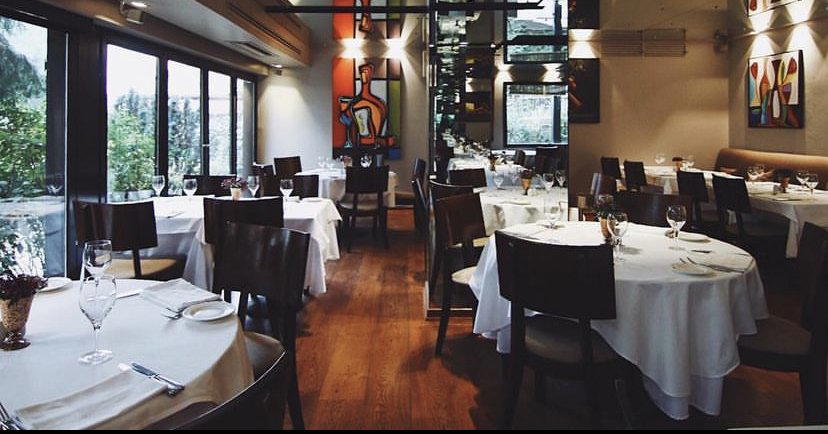
That directness sits at some distance from the curated pace of Istanbul's tasting-menu tier, where Arkestra and Casa Lavanda structure meals across multiple courses and deliberate intervals. Both modes are legitimate expressions of how Istanbul eats, they simply operate in different registers, serving different needs, at different price points.
Taşoluk and the Outer Districts
Reaching Taşoluk requires deliberate effort. The neighbourhood falls within the Arnavutköy district, which borders the northwestern edge of the city near the Third Bridge corridor. It is not on a tourist transit route, and there is no metro station within short walking distance. Most visitors who arrive here do so by car or by the minibus and bus connections that serve the residential population. That logistical friction is, in practice, a filter: the clientele at an address like this is weighted toward regulars who live or work in the area, not toward first-time visitors working through a list.
This geographic pattern repeats across Istanbul's outer districts. Some of the city's most sustained local reputations belong to addresses that sit well outside the centre. Neighbourhood specialists in Bağcılar, Sultanbeyli, or Arnavutköy sustain themselves on local loyalty rather than tourist footfall. The outer-district address, for this category of venue, is not a liability. It is often the condition that makes the thing work.
A Broader Map of Turkish Street Eating
The dürüm counter represents one node in a wider network of specialist Turkish street-food formats, each with its own geographic heartland and its own conventions. Seafood grills line the Aegean and Aegean-adjacent coastlines, from Mezegi in Fethiye to Ahãma in Göcek. Anatolian regional cooking finds its own expressions further inland, at places like Aravan Evi in Ürgüp or Nahita Cappadocia in Nevsehir. Turkey's food identity is not a single thread, it is a series of regional specialisms, each with its own technique and its own codes of service.
The dürüm counter belongs in that broader picture. It is not a lesser version of fine dining, any more than a bowl of ramen at a standing Tokyo counter is a lesser version of kaiseki. Both are legitimate, practised forms that have developed their own internal standards over time. The comparison is not idle: high-format restaurants represent one end of a spectrum of how cities feed themselves with discipline and intent. Dürümcü Musa Usta Taşoluk represents another point on that same spectrum.
Planning a Visit
The address operates on a counter-service basis. The approach is to arrive, assess what is being prepared, and order in person. Given that the venue is located on Kazım Karabekir Caddesi (No. 195) in Taşoluk, practical access is by car or by the bus routes that serve the Arnavutköy residential corridor. Going midweek rather than at peak weekend lunch hours may reduce any queue, though the counter-service model is designed to move quickly.
In Context: Similar Options
Comparable venues nearby, for context on price, style, and recognition.
| Venue | Cuisine | Price | Notes |
|---|---|---|---|
| Dürümcü Musa Usta TaşolukThis venue — the venue you are viewing | Turkish Dürüm and Kebap | $$ | Not listed |
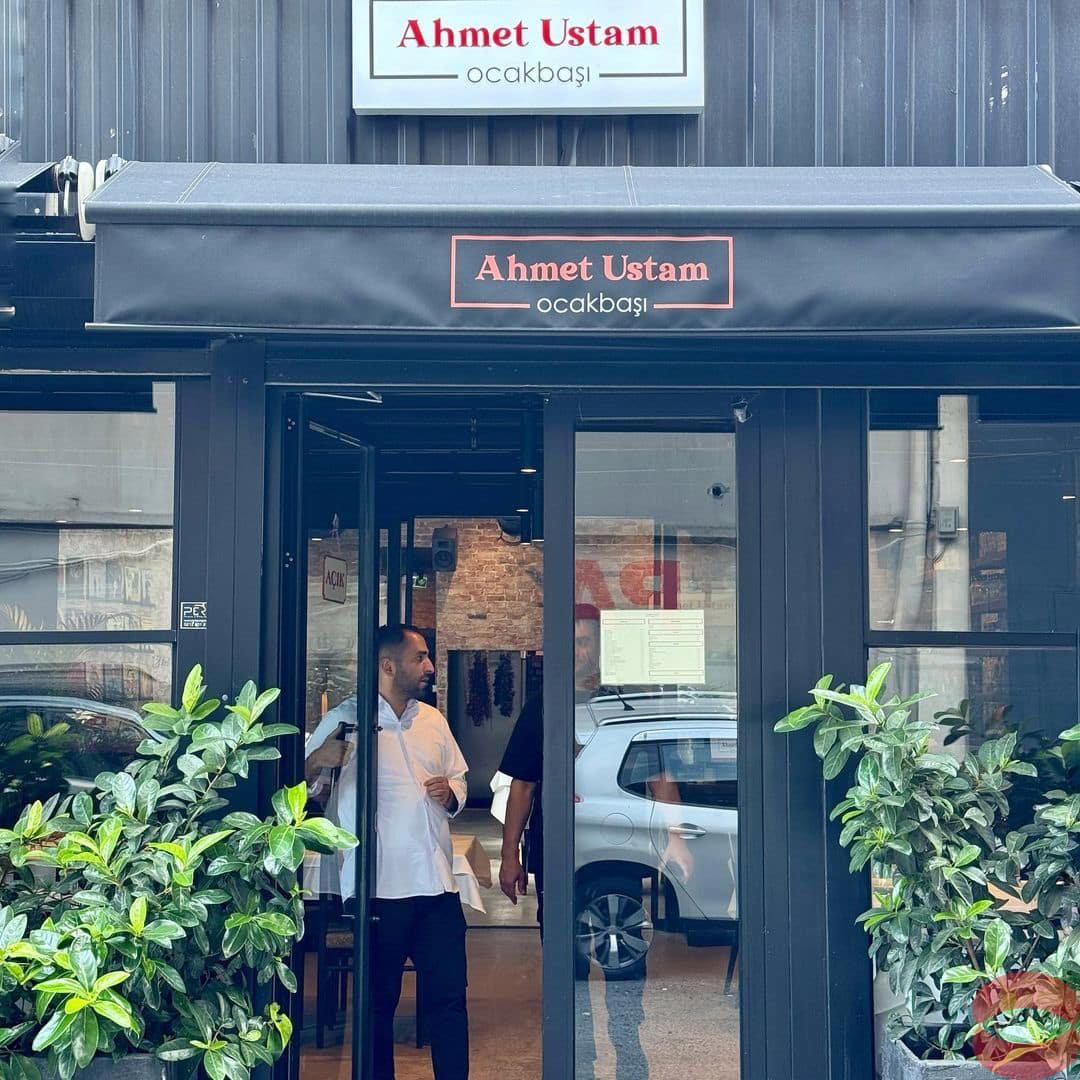
| Hala | Authentic Anatolian Turkish | $$ | Tomtom |
| Lades 2 Menemen | Traditional Turkish Menemen | $$ | Beyoğlu |
| Last Ottoman Cafe & Restaurant | Authentic Turkish Ottoman Cuisine | $$ | Hocapasa |
| Akar Lokantası | Traditional Turkish Offal | $$ | Karagumruk |
| Seher Restaurant | Authentic Turkish Kebabs and Testi | $$ | Hocapasa |
At a Glance
- Casual Hangout
Current opening hours
- Monday
- 8:30 AM–1 AM
- Tuesday
- 8:30 AM–1 AM
- Wednesday
- 8:30 AM–1 AM
- Thursday
- 8:30 AM–1 AM
- Friday
- 8:30 AM–1 AM
- Saturday
- 8:30 AM–1 AM
- Sunday
- 8:30 AM–1 AM
Hours can change for holidays and private events. Last verified .
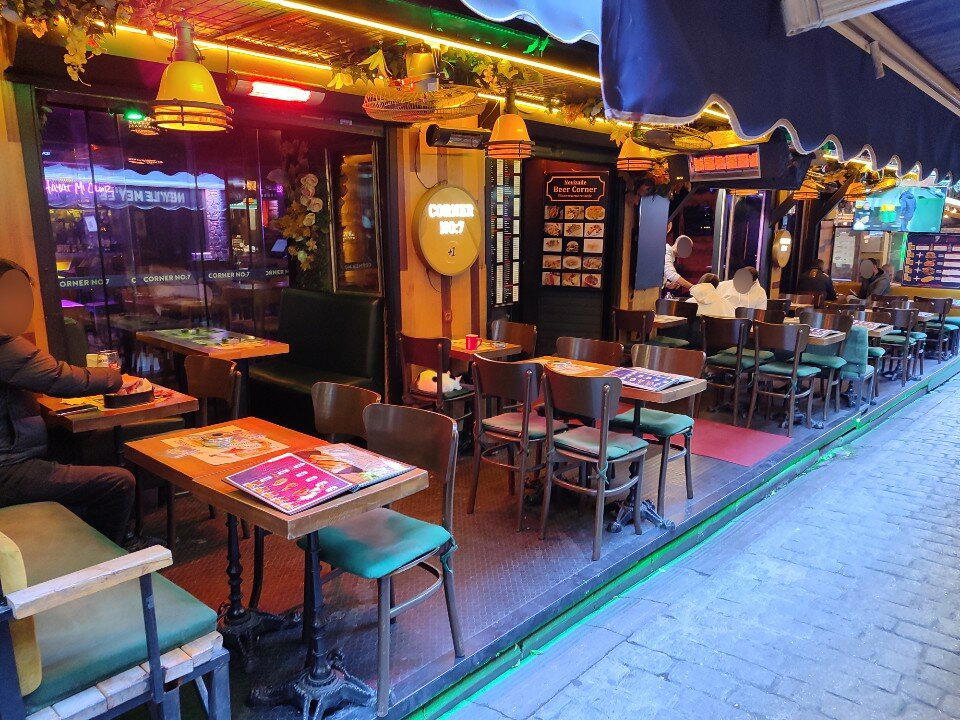
Casual street-side eatery with a focus on grilled meats and quick service.