
Tabelog 100 #59
Our verdict
Hatsuda places Kyoto yakiniku in a quieter Sakyo Ward register: a house-restaurant setting, counter seating, and recognition on Tabelog’s Yakiniku WEST 100 selection give it a different rhythm from central-city beef rooms. The useful lens is planning, not spectacle: reservations are available, the room is finite, and the JR Kyoto Isetan bento creates a separate daytime access point for travellers moving through the station.

Pearl is the En Primeur Club membership app, where members save venues, book tables and use the concierge.
Approaching a Kyoto yakiniku dinner away from the busiest visitor circuits changes the tempo before the grill is lit. It asks for a more deliberate itinerary: fewer accidental walk-ins, more diners who have chosen beef as the point of the evening. Hatsuda therefore reads less as a casual afterthought than a planned Kyoto meal, where the restaurant’s reputation and category matter as much as the moment the grill is lit.
Kyoto’s dining reputation is often filtered through kaiseki, tea rooms, tofu, and temple-adjacent restraint, but its beef culture has its own hierarchy. Yakiniku here ranges from everyday grill rooms and convenient casual options to more destination-minded meals where pacing and heat shape the evening. Hatsuda belongs to that latter conversation by recognition rather than noise: selection for Tabelog’s 2025 Hyakumeiten list places it among a noted group, not merely against everyday barbecue rooms.
Kyoto yakiniku with a reservation-first rhythm
The planning question is the useful way to understand this table. In a city where travellers often underestimate how quickly recognised dining rooms fill during cherry blossom weeks, autumn foliage, and long weekends, a place like Hatsuda is best treated as a dinner anchor. Yakiniku may seem casual beside counter sushi or kaiseki, but a recognised Kyoto grill room behaves differently from a fallback stop. Treat it as a fixed dinner plan, not a backup after sightseeing.
That planning mindset separates it from Kyoto’s lower-cost casual-dining circuit. Comparison venues such as Ramen Touhichi, GOKKEI Ichijouji honten, Jukou Gundan, and Chuka Soba Takayasu show the city’s everyday-dining pull, where queues and fast turnover define value. A yakiniku dinner at this level asks for another commitment: a longer table, shared ordering, and a bill shaped by beef selection rather than one bowl. The distinction is not formality for its own sake; it is the difference between eating efficiently and building an evening around the grill.
The 2025 Tabelog Hyakumeiten selection is the clearest public trust signal and helps decode the competitive set. Kyoto has restaurants that perform for visitors through architecture, ceremony, or views; this category performs through meat, heat, and the confidence to let diners participate. Hatsuda’s appeal sits in that directness: a meal where conversation, cooking, and the pace of the grill are part of the same experience.
The bento side explains why locals know the name
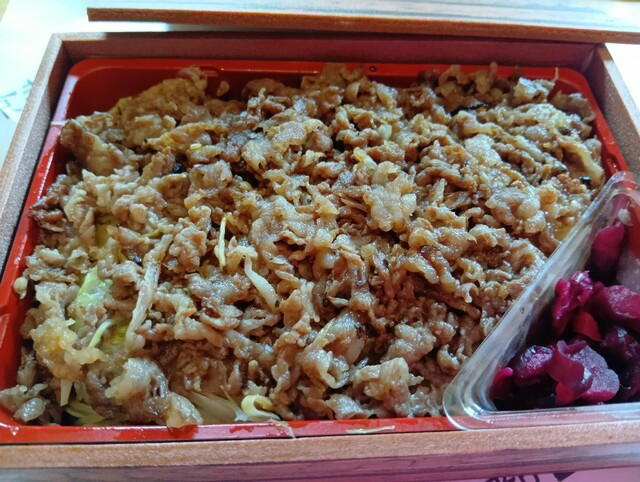
Hatsuda’s identity is not confined to dinner. Its listed categories include both yakiniku and bento, which gives the name a second context within Kyoto’s highly developed prepared-food culture. Bento is serious dining infrastructure in Japan, serving commuters, gift buyers, hotel guests, and train travellers who want precision without a seated meal. That additional category gives the restaurant a practical presence beyond the main grill-room idea.
That dual format is instructive. Many premium restaurants extend their names through packaged goods, but bento culture in Kyoto is not a diluted souvenir category. It is demanding because rice, fat, seasoning, and texture must still make sense away from the table. For travellers, the bento side is not a substitute for the grill-room evening; it is a different use case. One belongs to a planned dinner, the other to a more portable Kyoto meal.
The food frame is equally grounded: Hatsuda is listed for yakiniku and bento, a pairing that fits the way beef can move between a live grill and a composed lunch box. Yakiniku keeps the meal close to Japanese grill traditions, while bento reflects a more practical, portable expression of the same name. Kyoto’s stronger casual and premium dining rooms often work across those expectations without turning the experience into a single-note performance.
How to place it in a Kyoto itinerary
The strongest case for Hatsuda is not that it replaces Kyoto’s ceremonial dining, but that it widens the city’s dinner map. Visitors who spend every night around the most familiar areas miss how much serious eating happens elsewhere in the city. Hatsuda rewards diners willing to plan around dinner and keep the meal as the anchor rather than an afterthought.
It also works as a counterpoint to a Kyoto schedule heavy on temples and set-course meals. Kaiseki can demand concentration; ramen can be brisk; yakiniku lands between them, with shared pacing and enough structure to feel intentional. The key is to match the meal to the evening: this is better approached as a planned beef dinner than as a quick stop squeezed between activities.
For broader Kyoto planning, compare this stop with other Kyoto dining rooms across different formats and moods. The wider city rails are useful too: Our full Kyoto restaurants guide, Our full Kyoto hotels guide, Our full Kyoto bars guide, Our full Kyoto wineries guide, and Our full Kyoto experiences guide. For beef, grill, and Japanese casual-dining comparisons beyond Kyoto, consider the broader landscape of unnamed grill rooms, bento specialists, casual counters, and Japanese dining rooms in other cities.
The editorial read is clear: this is a Kyoto yakiniku reservation for travellers who want beef culture without defaulting to the most obvious tourist circuit. Its Tabelog recognition, bento identity, and Kyoto setting make planning more deliberate, and that is the point. Put it on a night when dinner can carry the evening, not when the schedule is overloaded.
Frequently asked questions
Does Hatsuda work for a family meal?
It can, especially for a group that wants a planned Kyoto yakiniku dinner. The venue’s Tabelog Hyakumeiten recognition in 2025 makes it better treated as a deliberate meal than a casual backup.
What should I expect atmosphere-wise at Hatsuda?
Expect a Kyoto yakiniku restaurant also listed in the bento category. Its Tabelog Hyakumeiten selection in 2025 is the main public recognition to note.
What does dinner at Hatsuda typically cost?
Pricing at Hatsuda is listed as JPY 8,000 - JPY 9,999.
What are the opening hours for Hatsuda?
Specific opening hours are not provided here; confirm directly with Hatsuda before planning your visit.
What part of town is Hatsuda in?
Kyoto.
Style and Standing
Comparable venues by cuisine and category.
| Venue | Cuisine | Price | Awards | Notes |
|---|---|---|---|---|
| HatsudaThis venue (the venue you are viewing) | Kyoto-style Yakiniku & Wagyu Bento | $50–100 | Tabelog 100 #59 | Not listed |
| Pass The Baton | Japanese Tea Room / Cafe | $20–30 | Not listed | Gion |
| Uzura Ya Kyoto ・ shijo | Traditional Yakitori Counter | $50–100 | Tabelog 100 #81 | Higashiyama |
| Shokudo Miyazaki | Refined Kyoto Omakase | $50–100 | Not listed | Kiyamachi |
| Sakaba Ikura Mokuzai | Japanese stand-up izakaya bar | $50–100 | Tabelog 100 #57 | Kamigyō |
| Matsumoto | Japanese Soba and Sake Bar | $30–50 | Tabelog 100 #90 | Nakagyō |
Recognition history
Dated appearances from independent guides and award organizations, with the underlying list record or original source where available.
Tabelog 100 #59 · No. 59
Tabelog · Tabelog 100 - Yakiniku - WEST - 2025
Continue exploring
More in Kyoto
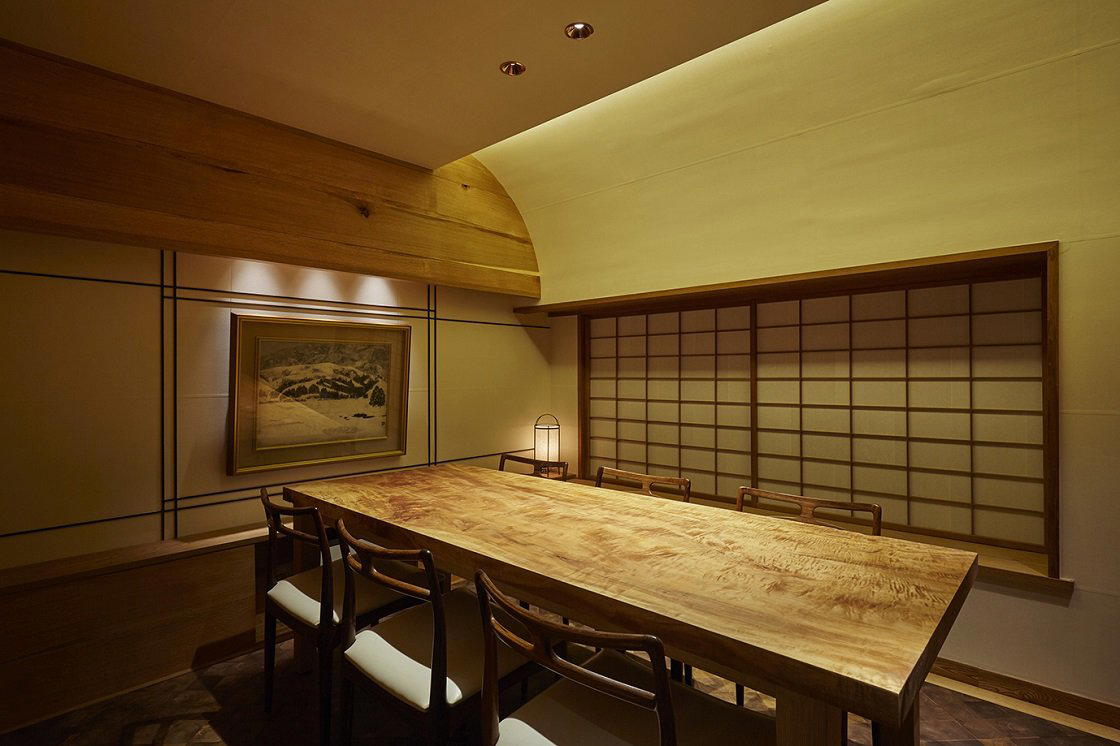
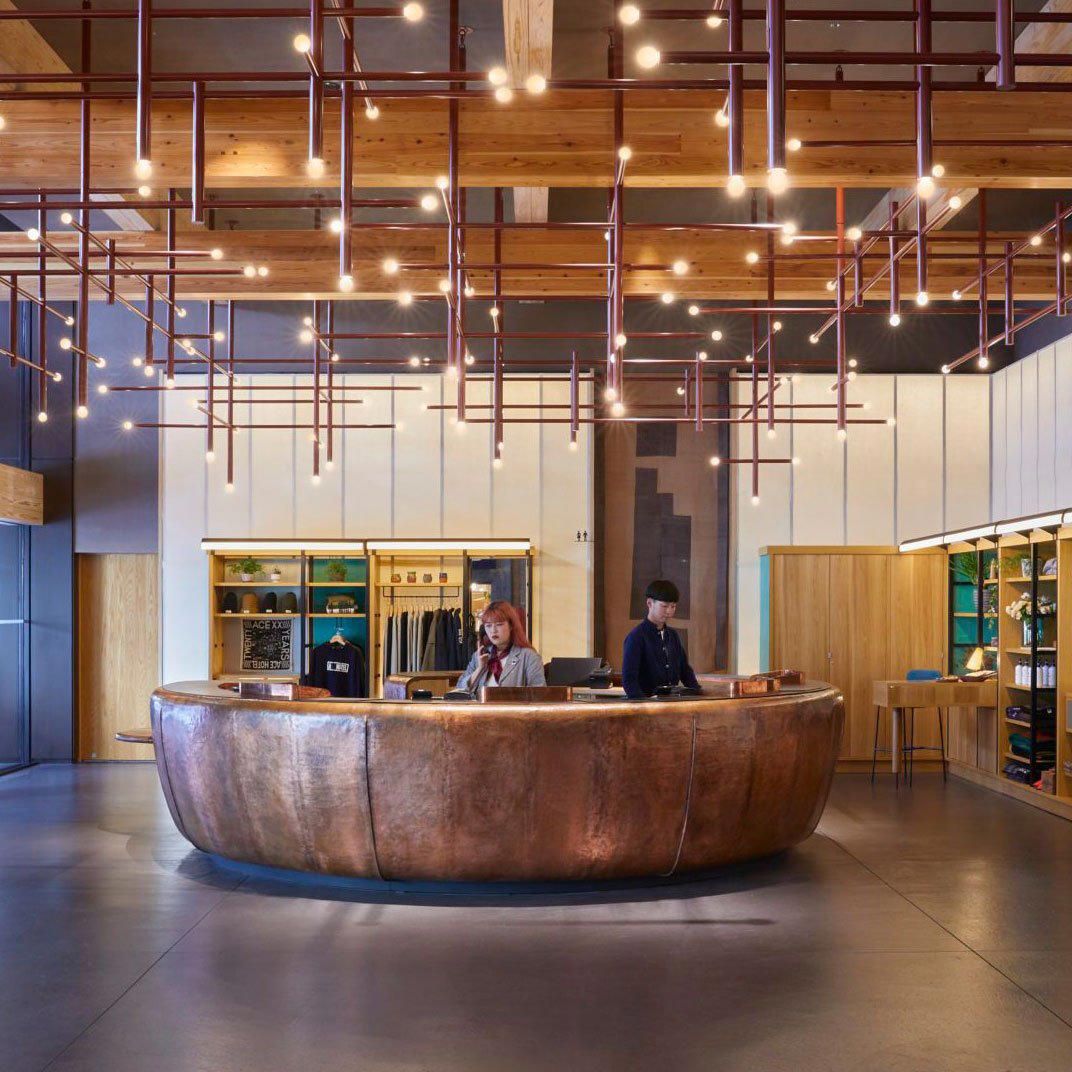
Restaurants in Kyoto
All restaurants in Kyoto →
Bars in Kyoto
All bars in Kyoto →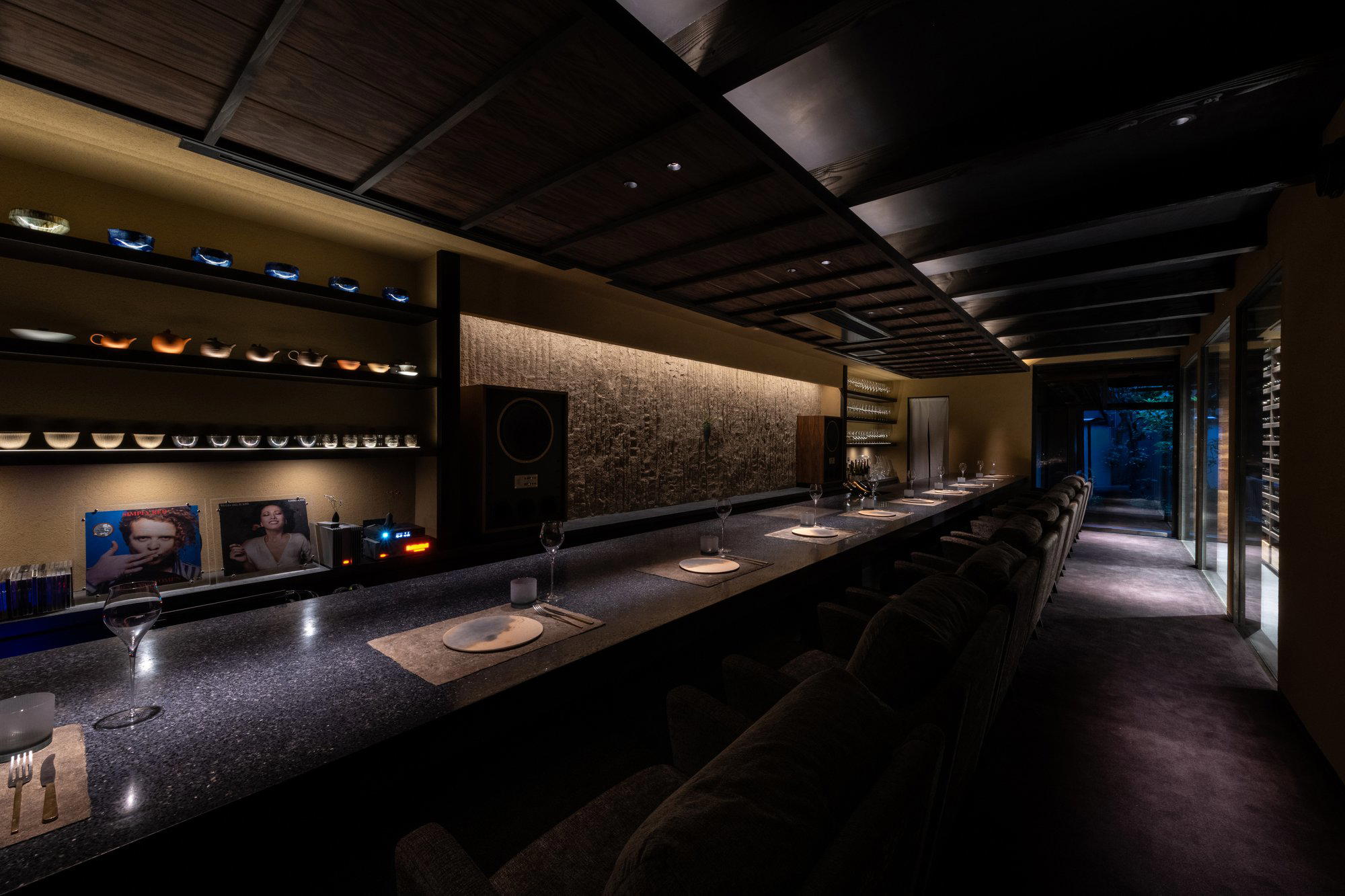
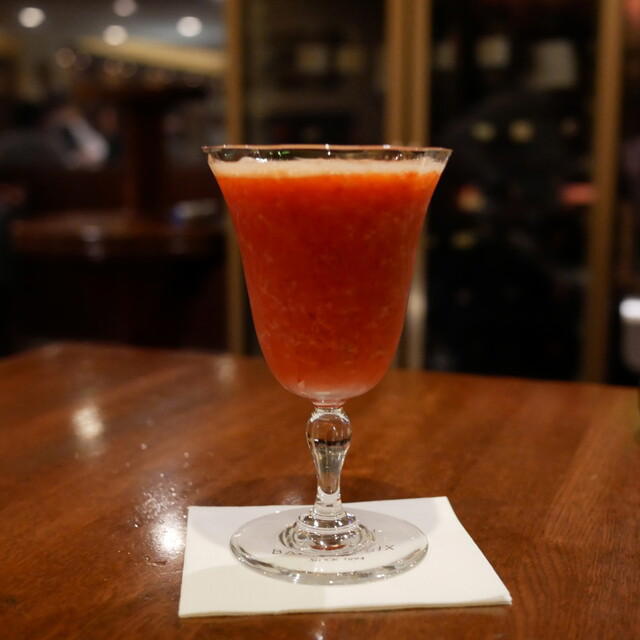
Hotels in Kyoto
All hotels in Kyoto →
Wineries in Kyoto
Browse all →
Details
- Lively
- Cozy
- Classic
- Group Dining
- Family
- Casual Hangout
- After Work
- Celebration
- Standalone
- A La Carte
- Family Style
- Counter Dining
- Shochu
- Wine
Current opening hours
- Monday
- Closed
- Tuesday
- 5–10 PM
- Wednesday
- 5–10 PM
- Thursday
- 5–10 PM
- Friday
- 5–10 PM
- Saturday
- 5–10 PM
- Sunday
- 5–10 PM
Hours can change for holidays and private events. Hours as of .