Hasaki
Hasaki has held its ground on East 9th Street in the East Village since the mid-1980s, making it one of New York's more enduring Japanese restaurants in a neighbourhood that has cycled through dozens of openings and closures. The kitchen operates on a traditional sushi and Japanese izakaya format, and the room draws a loyal local following that spans decades of repeat visits.
Pearl is the En Primeur Club membership app — saves, bookings, and concierge access live there. Same editors, same standards.
- Address
- 210 E 9th St, New York, NY 10003
- Phone
- +12124733327
- Website
- hasakinyc.com
- Directions
- Get directions
 Saves & bookings on Pearl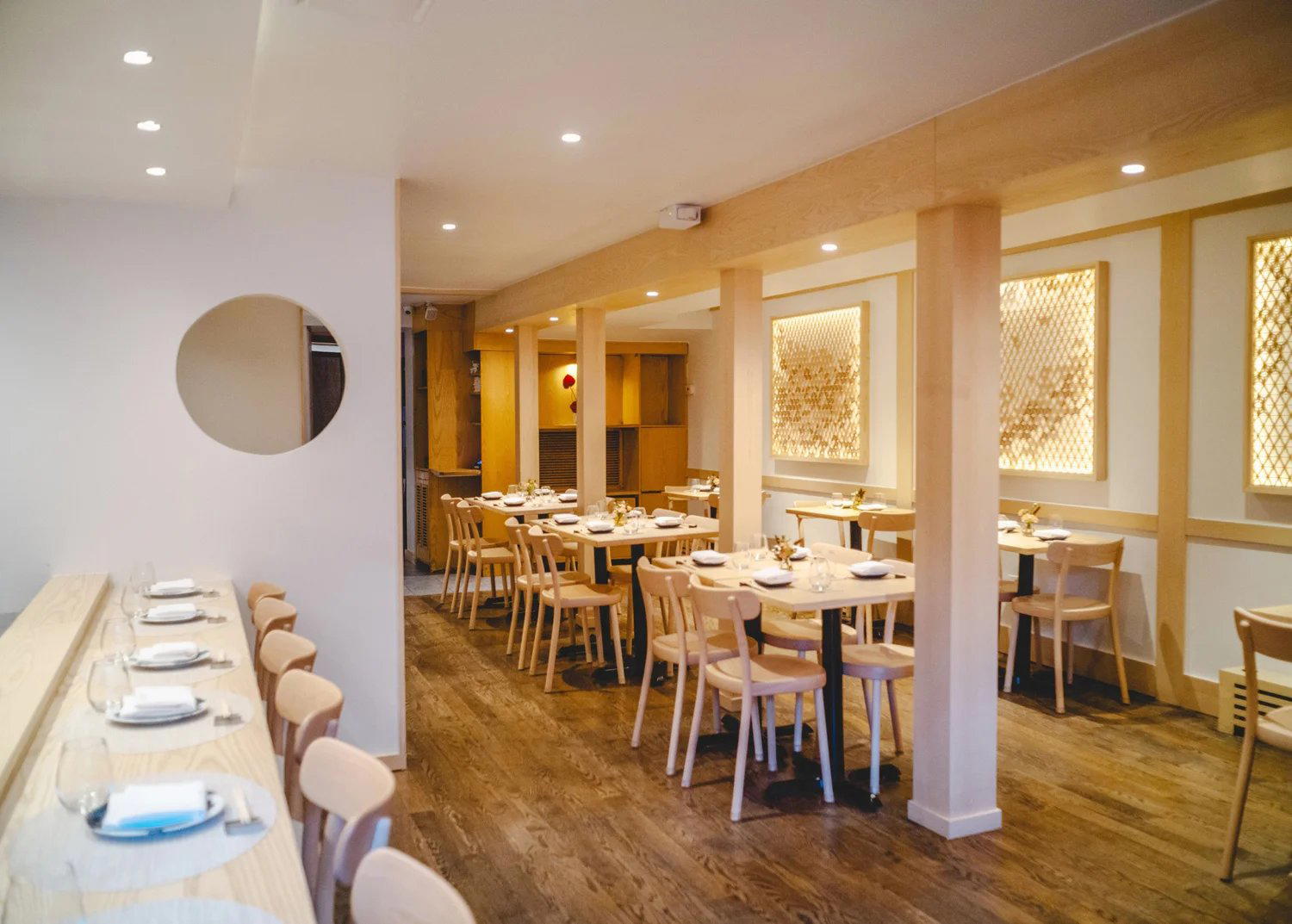
East Village Sushi, Measured Against Four Decades of Change
East 9th Street between Second and Third Avenues has never been a destination dining corridor in the way that the West Village or Tribeca became during New York's fine-dining expansion of the 2000s. The East Village developed its restaurant identity differently: through density, longevity, and neighbourhood loyalty rather than tasting-menu spectacle. That context matters when reading Hasaki at 210 E 9th St, a casual Edomae-Style Sushi & Sashimi restaurant in New York City. In a city where Japanese restaurants now span the full range from $30 prix-fixe lunch counters to omakase rooms priced above Masa, Hasaki occupies a middle register that the neighbourhood itself shaped.
The Room and What It Signals
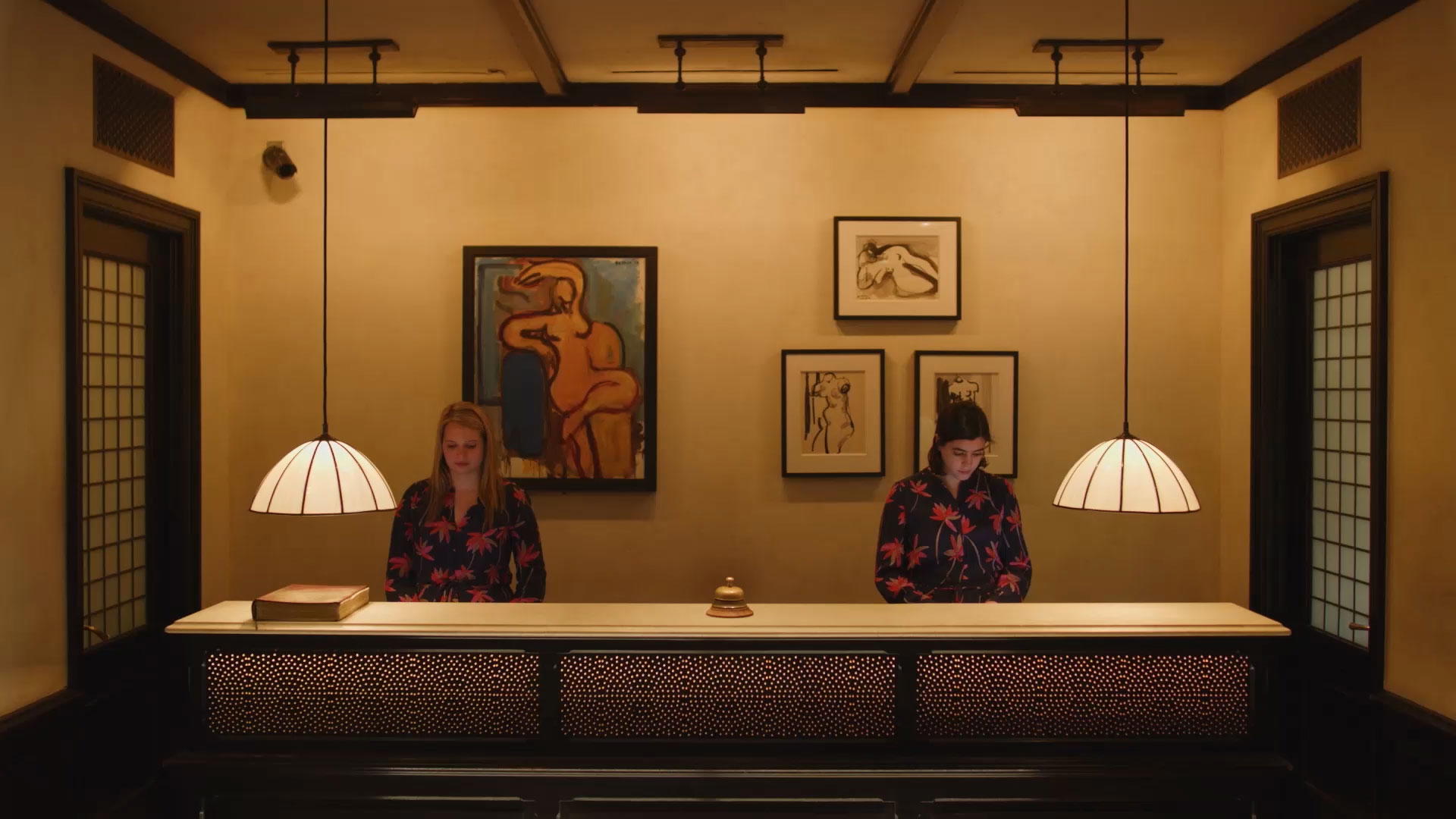
The physical environment at Hasaki reads as a deliberate counter to the design-forward Japanese openings that have defined Manhattan's more recent sushi scene. Where newer omakase counters in Midtown and the Upper East Side invest heavily in spare minimalism and curated ceramics, the East Village format here leans toward the functional warmth of a neighbourhood anchor: dim lighting, a sushi counter facing an open kitchen, and a dining room that fills with returning regulars rather than first-time seekers of spectacle. This is not a space that performs exclusivity. It is a space that performs consistency, which is a different, and in some respects harder, thing to sustain across four decades in New York.
That longevity places Hasaki in a specific peer group: Japanese restaurants that predated the omakase boom and built their reputation on reliable execution at accessible price points rather than on destination-dining architecture. The comparison set is not Masa or the Michelin-starred progression counters; it is the broader category of neighbourhood Japanese that has survived gentrification, pandemic disruption, and the arrival of better-funded competitors by holding a loyal customer base through quality and price discipline.
Japanese Dining in New York: Where Hasaki Sits on the Spectrum
New York's Japanese restaurant market has bifurcated sharply over the past fifteen years. At the high end, counter-format omakase rooms with chef-to-guest ratios resembling private dining have pushed per-head prices well past $300, competing on prestige signals in the same tier as Le Bernardin or Per Se for wallet share. At the accessible end, fast-casual and conveyor-belt formats have expanded rapidly. The middle ground, where sit-down neighbourhood sushi restaurants operate with full menus, sake lists, and tableside service, has thinned. Hasaki holds that middle ground in the East Village.
This positioning matters for understanding what the room offers. Diners who want the theatre of a curated omakase sequence or the competition-level raw sourcing of the city's leading tiers should look at the dedicated omakase counters. Diners who want to eat well, drink sake or Japanese whisky from a considered list, and do so without a three-month reservation lead time are the audience Hasaki has served consistently. For context on what the wider New York Japanese dining scene covers, our full New York City restaurants guide maps the category from the neighbourhood level to the Michelin tier.
The Wine and Drinks List: Curation Over Volume
For a neighbourhood Japanese restaurant of Hasaki's vintage, the approach to drinks is worth examining specifically. The category of East Village Japanese dining, historically, was not distinguished by deep cellar programs. Sake was functional, beer was cold, and wine was an afterthought. The shift in New York's broader drinking culture over the past decade, driven in part by restaurants like Atomix and Jungsik New York treating Korean and Japanese ingredient traditions as serious pairing frameworks, has raised the baseline expectation for what a Japanese restaurant's drinks program should offer.
Hasaki's drinks list operates in this context. What the restaurant's market position implies is a sake selection weighted toward approachability and breadth rather than rare allocation bottles, paired with the kind of Japanese whisky and beer selections that have become standard at mid-range Japanese restaurants in Manhattan. The relevant editorial point is that the East Village's dining culture has always favoured depth over display: the leading drinks lists in this neighbourhood have tended to be shorter and more considered than those at larger Midtown rooms, and that philosophy suits a restaurant of Hasaki's scale.
For reference points on how American fine-dining restaurants at the premium tier handle beverage curation, the sommelier programs at Single Thread Farm in Healdsburg and Blue Hill at Stone Barns in Tarrytown offer instructive contrasts in how regional identity and seasonal sourcing can anchor a drinks program with editorial clarity.
Longevity as a Trust Signal
In New York's restaurant market, operating for multiple decades in a single location is itself a form of credentialing. Sustained operation makes customer retention a useful measure of consistency. Restaurants like Emeril's in New Orleans or Bacchanalia in Atlanta carry institutional weight in their respective cities precisely because longevity signals that the kitchen and front-of-house have held a standard across changing economic conditions. Hasaki occupies an equivalent position within the East Village specifically: not a newcomer making claims, but an address with an established record.
That record also means the restaurant's reputation does not rest on a single chef's biography or a single season's menu. The East Village has always been a neighbourhood where restaurants earn their following incrementally, visit by visit, rather than through a single high-profile opening. That is the model Hasaki represents.
Planning Your Visit
Hasaki is located at 210 E 9th Street, New York, NY 10003 in the East Village. The address is accessible from the L train at First Avenue or the 6 train at Astor Place, two stops that bracket the neighbourhood's dining strip on foot. Current hours are Tuesday through Saturday, 5:30 to 9:30 PM. Reservations are recommended. Dress: Neighbourhood casual is the norm. Budget: About $60 per person.
Cuisine and Recognition
Comparable venues nearby, for context on price, style, and recognition.
| Venue | Cuisine | Price | Notes |
|---|---|---|---|
| HasakiThis venue — the venue you are viewing | Edomae-Style Sushi & Sashimi | $$$ | Not listed |
| Sushi Damo | Modern Japanese Sushi & Omakase | $$$ | Upper West Side-Lincoln Square |
| Odo East Village | Kaiseki Izakaya | $$$ | East Village |
| Umiya Sushi | All-You-Can-Eat Sushi Buffet | $$$ | Long Island City-Hunters Point |
| Kizuna | Japanese Omakase | $$$ | Upper East Side-Lenox Hill-Roosevelt Island |
| ChikaLicious | Japanese-Influenced Dessert Tasting Menu | $$$ | Greenwich Village |
Continue exploring
More in New York City
Restaurants in New York City
Browse all →
Bars in New York City
Browse all →

Hotels in New York City
Browse all →






At a Glance
- Classic
- Cozy
- Intimate
- Casual Hangout
- Solo
- Group Dining
- Special Occasion
- Chefs Counter
- Garden
- Standalone
- Sake Program
- Local Sourcing
- Sustainable Seafood
- Garden
Current opening hours
- Monday
- Closed
- Tuesday
- 5:30–9:30 PM
- Wednesday
- 5:30–9:30 PM
- Thursday
- 5:30–9:30 PM
- Friday
- 5:30–9:30 PM
- Saturday
- 5:30–9:30 PM
- Sunday
- Closed
Hours can change for holidays and private events. Last verified .
Cozy and serene with a beautifully renovated space featuring a garden, creating an intimate neighborhood atmosphere that feels like a local food fabric staple.