Harry Caray's
Harry Caray's at 33 W Kinzie Street is Chicago's most recognizable baseball-themed steakhouse, trading in the city's deep tradition of prime beef and big-room hospitality. Where River North's dining scene has trended toward tasting menus and chef-driven formats, this address holds the older model: a steakhouse built around provenance, volume, and the particular ritual of a great Chicago steak.
Pearl is the En Primeur Club membership app — saves, bookings, and concierge access live there. Same editors, same standards.
- Address
- 33 W Kinzie St, Chicago, IL 60654
- Phone
- +13128280966
- Website
- harrycarays.com
- Directions
- Get directions
 Saves & bookings on Pearl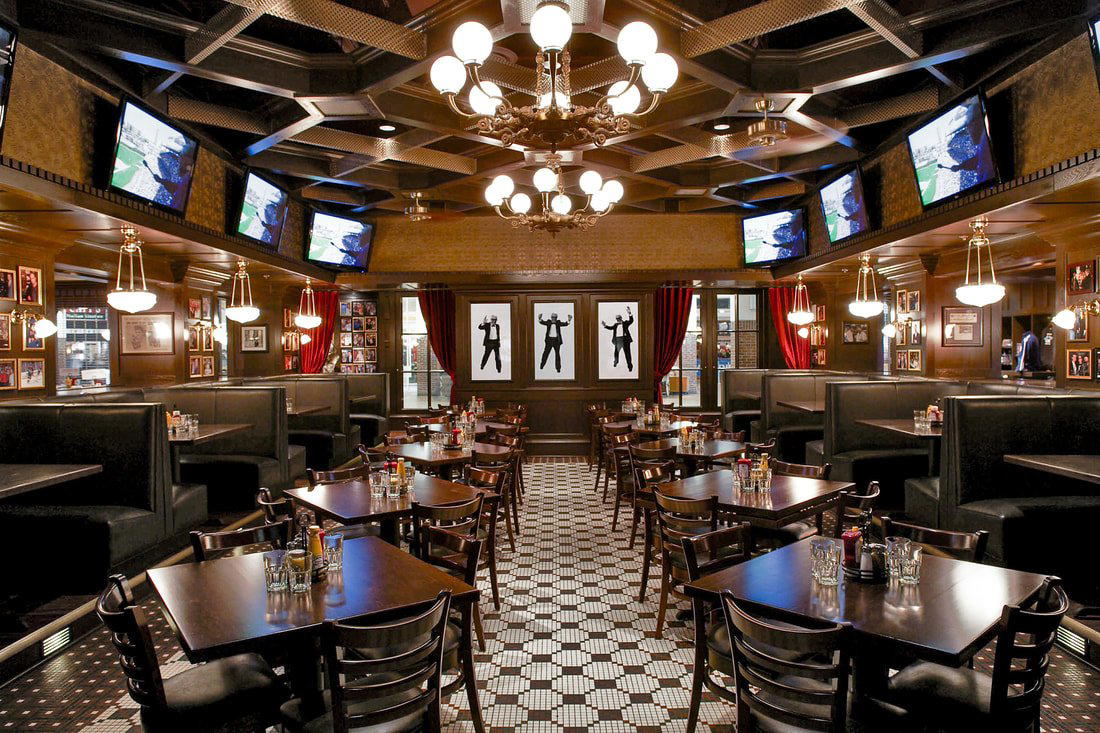
A River North Address With a Long Shadow
River North in Chicago runs two distinct tracks. One is the city's most competitive corridor for ambitious tasting menus, where Alinea, Smyth, and Oriole occupy the leading rung of progressive American cooking. The other is a parallel world of large-format American dining rooms built on beef, sport, and a civic sense of occasion that predates the chef-driven era by decades. Harry Caray's at 33 W Kinzie Street belongs to that second tradition, and it operates with the confidence of a room that has never needed to explain its premise.
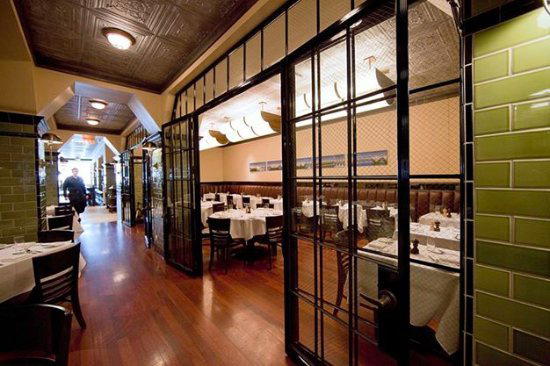
Approaching the building, the signage and memorabilia visible through the windows telegraph the register immediately: this is a steakhouse in the old Chicago mold, where the dining room is large enough to hold a crowd and the walls carry the weight of local baseball history. That physical context matters. Chicago's steakhouse culture developed alongside the city's meatpacking legacy, and addresses like this one exist as living documents of a sourcing tradition that defined the Midwest's culinary identity long before farm-to-table became a marketing category.
What Chicago's Steakhouse Tradition Actually Means
The Midwest's claim on prime beef is structural rather than promotional. Chicago sat at the center of the American meatpacking industry for well over a century, and the steakhouse format that emerged from that geography carries specific expectations: dry-aged beef from defined provenance, large portion architecture, and a kitchen that treats the cut as the feature rather than a component. These are different priorities from the sourcing philosophies at play at, say, Blue Hill at Stone Barns, where ingredient sourcing is inseparable from regenerative farming practice, or Single Thread Farm in Healdsburg, where provenance extends to the farm behind the restaurant itself. The Chicago steakhouse tradition asks a different question: where does this specific animal come from, how was it aged, and can the kitchen stay out of its way?
That question sits at the center of Harry Caray's identity. The address has operated under the banner of one of Chicago's most recognizable sports figures, and the institutional weight of that association has kept it in a comparable set that includes other large-format beef-focused rooms in the city. For a visitor building a Chicago dining itinerary, the relevant comparison is not Next Restaurant or Kasama, which operate on entirely different culinary logic, but rather other rooms where the sourcing of the beef is the primary editorial statement.
Ingredient Sourcing as the Organizing Principle
In the American steakhouse tier, ingredient sourcing has become the primary differentiator between addresses. USDA Prime certification, which covers only the leading percentage of graded beef by marbling score, is the floor-level credential in rooms charging at this level. Above that, the conversation shifts to breed specificity, ranch relationships, and aging protocols. Dry-aging in-house, as opposed to wet-aging in vacuum seal, produces a fundamentally different product: concentrated flavor, altered texture, and a cost structure that filters toward dining rooms with the volume and storage capacity to support it.
Harry Caray's operates in a market where those sourcing decisions are visible and expected. A Chicago diner eating beef at this price point and in this format is reading the menu for provenance signals in the same way a guest at The French Laundry in Napa reads for garden-sourced produce, or a guest at Le Bernardin in New York reads for sustainable seafood sourcing. The questions are disciplinarily different, but the underlying expectation, that a premium address should be able to tell you exactly where its primary ingredient came from, is consistent across the tier.
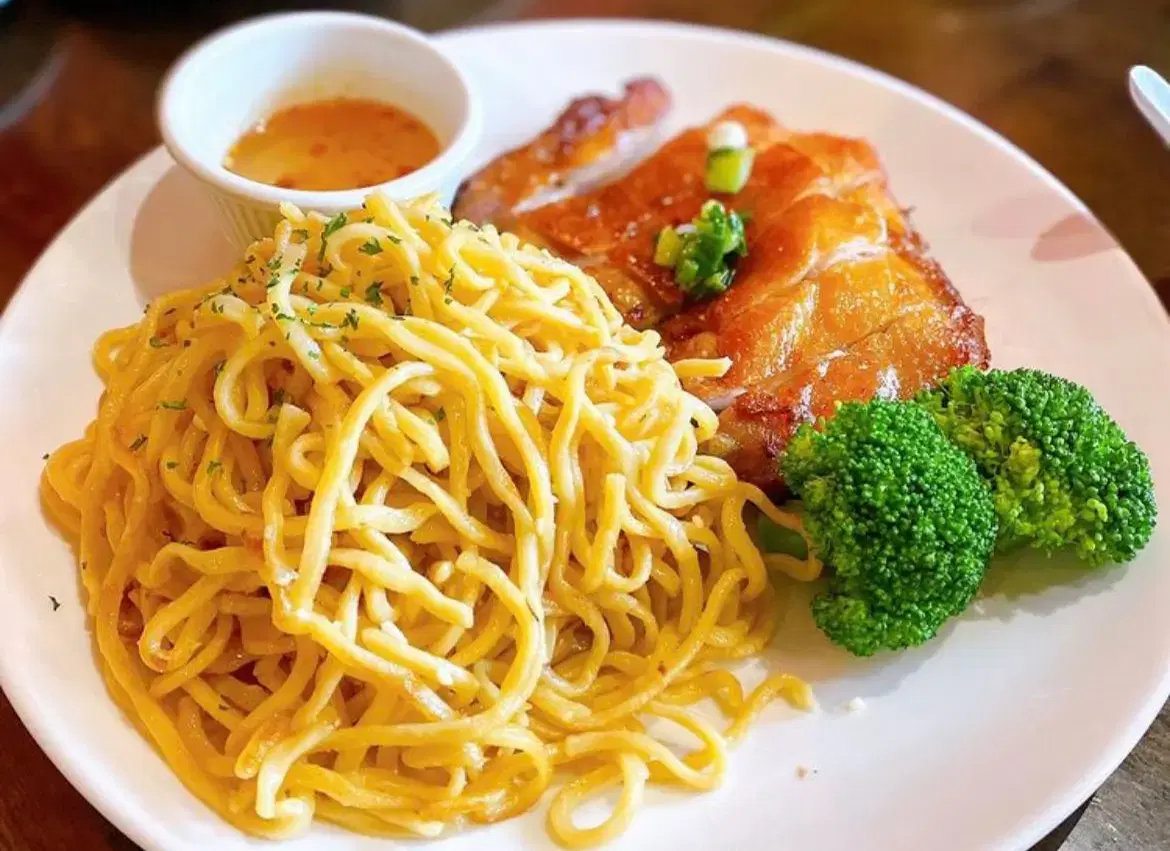
For visitors approaching the room from that frame, the steak is the argument. Accompaniments, wine program depth, and the dining room atmosphere are the supporting structure rather than the point. This is a different architecture from the way Providence in Los Angeles constructs its sourcing narrative around California seafood, or the way Addison in San Diego treats hyper-regional produce as the organizing principle of the menu. The steakhouse format concentrates authority in a single protein category and asks to be judged on that ground.
The Room as a Dining Destination in Its Own Right
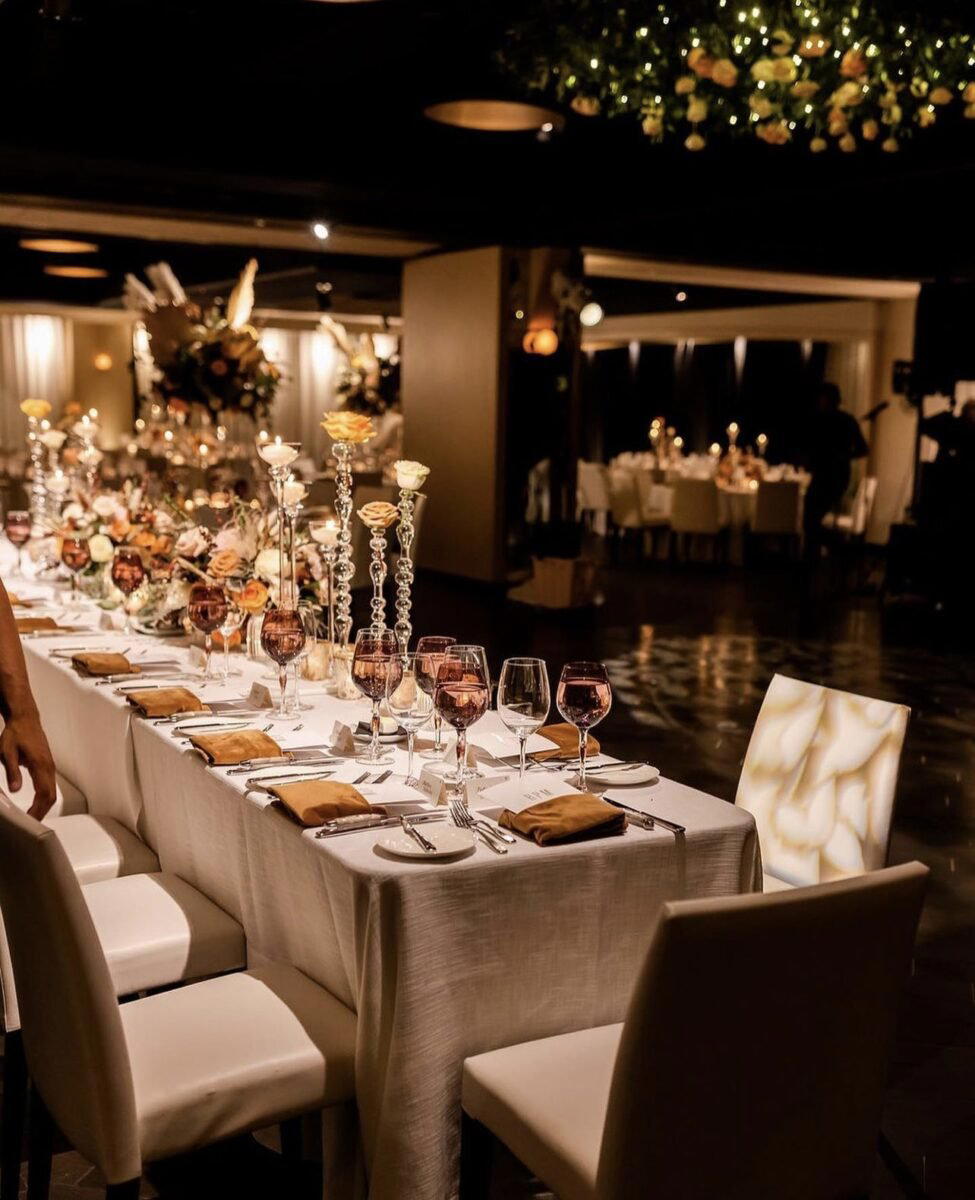
Large American dining rooms of this type serve a social function that smaller tasting menu formats do not. The capacity to host a group of twelve, to accommodate a pre-game dinner, to function as a reliable option for a business table or a birthday celebration without requiring weeks of advance booking, represents a form of hospitality infrastructure that River North's more lauded rooms cannot provide at the same scale. Where Atomix in New York City or Emeril's in New Orleans operate with specific format constraints, the large steakhouse format is deliberately unbounded in its social range.
The memorabilia and baseball context at the restaurant also place it in a category of dining room where the environment itself carries historical content. That is not the same as fine dining atmosphere, and conflating the two would be a category error. The room is designed to tell a Chicago story through its walls in a way that is legible to a first-time visitor and cumulative for a regular. That mode of hospitality is closer to what Bacchanalia in Atlanta provides through its own long-standing civic identity, or what The Inn at Little Washington accomplishes through decades of accumulated reputation in its region, than it is to the controlled sensory environments of the tasting menu tier.
For travelers assembling a picture of Chicago's dining range, the restaurant sits inside a city that can take a diner from a twelve-course progressive tasting menu to a room built entirely around a half-pound bone-in ribeye within a few city blocks. That range is part of what defines the River North corridor, and understanding it means treating each format on its own terms rather than forcing them into the same evaluative frame.
A Minimal comparable set
Comparable venues nearby, for context on price, style, and recognition.
| Venue | Cuisine | Price | Notes |
|---|---|---|---|
| Harry Caray'sThis venue — the venue you are viewing | River North, Italian Steakhouse | $$$ | Not listed |
| Piccolo Sogno | River West, Rustic Italian | $$$ | Not listed |
| Formento’s Italian Steakhouse | West Loop, Italian Steakhouse | $$$ | Not listed |
| Deliz | Not listed | $$$ | Bucktown / Wicker Park, Italian Steakhouse |
| Pizza Lobo | West Loop, New York-Style Pizza | $$ | Not listed |
| Vino & | River North, Italian Wine Bar | $$$ | Not listed |

At a Glance
- Lively
- Well Known
- Energetic
- Classic
- Group Dining
- Celebration
- Business Dinner
- Special Occasion
- Historic Building
- Craft Cocktails
- Beer Program
Current opening hours
- Monday
- 11:30 AM–12 AM
- Tuesday
- 11:30 AM–12 AM
- Wednesday
- 11:30 AM–12 AM
- Thursday
- 11:30 AM–12 AM
- Friday
- 11:30 AM–12 AM
- Saturday
- 11:30 AM–12 AM
- Sunday
- 11:30 AM–12 AM
Hours can change for holidays and private events. Last verified .
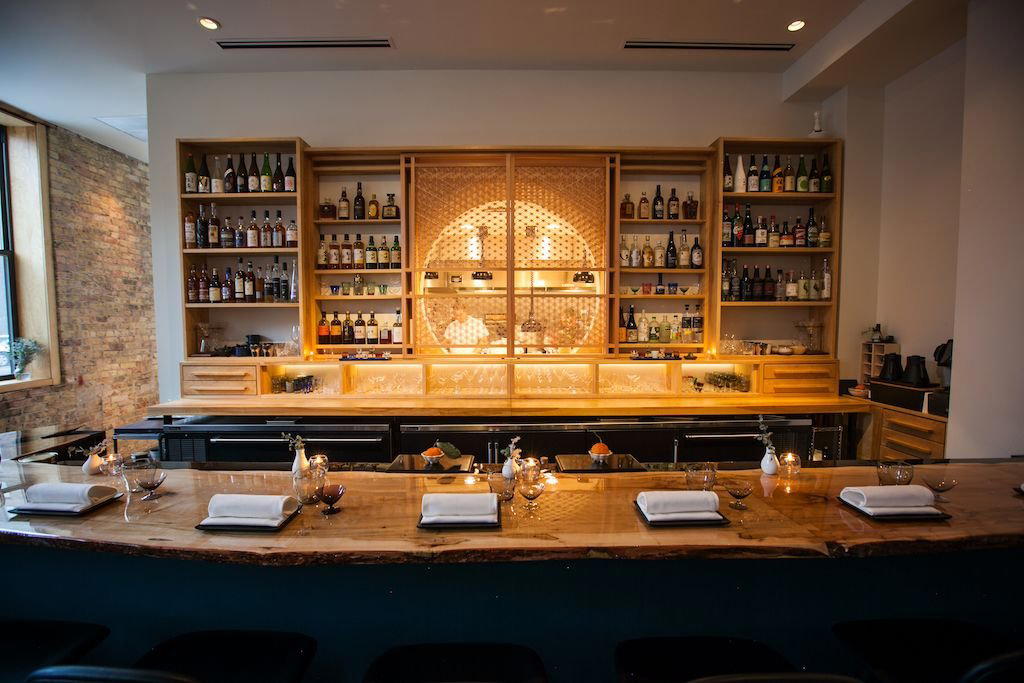
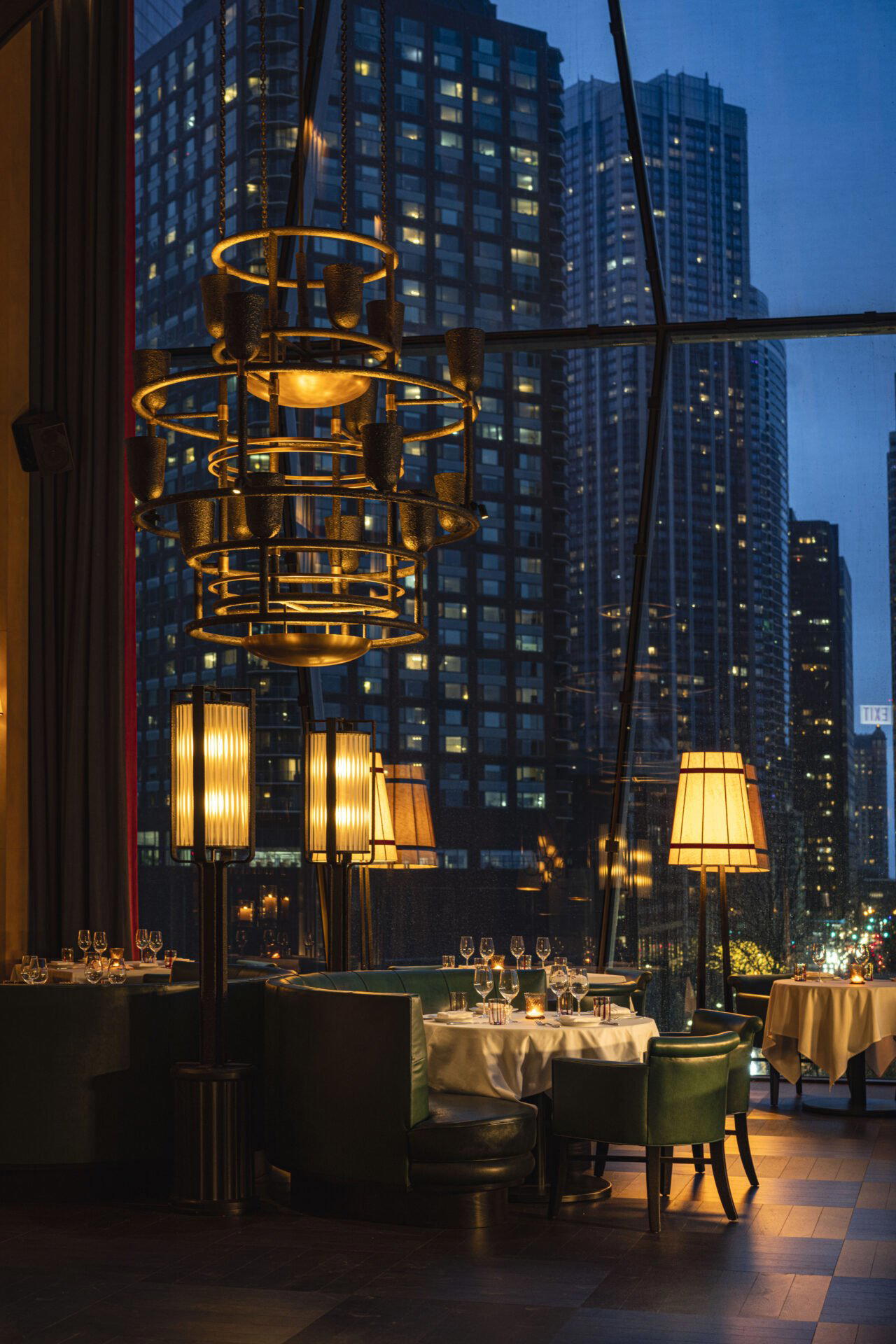
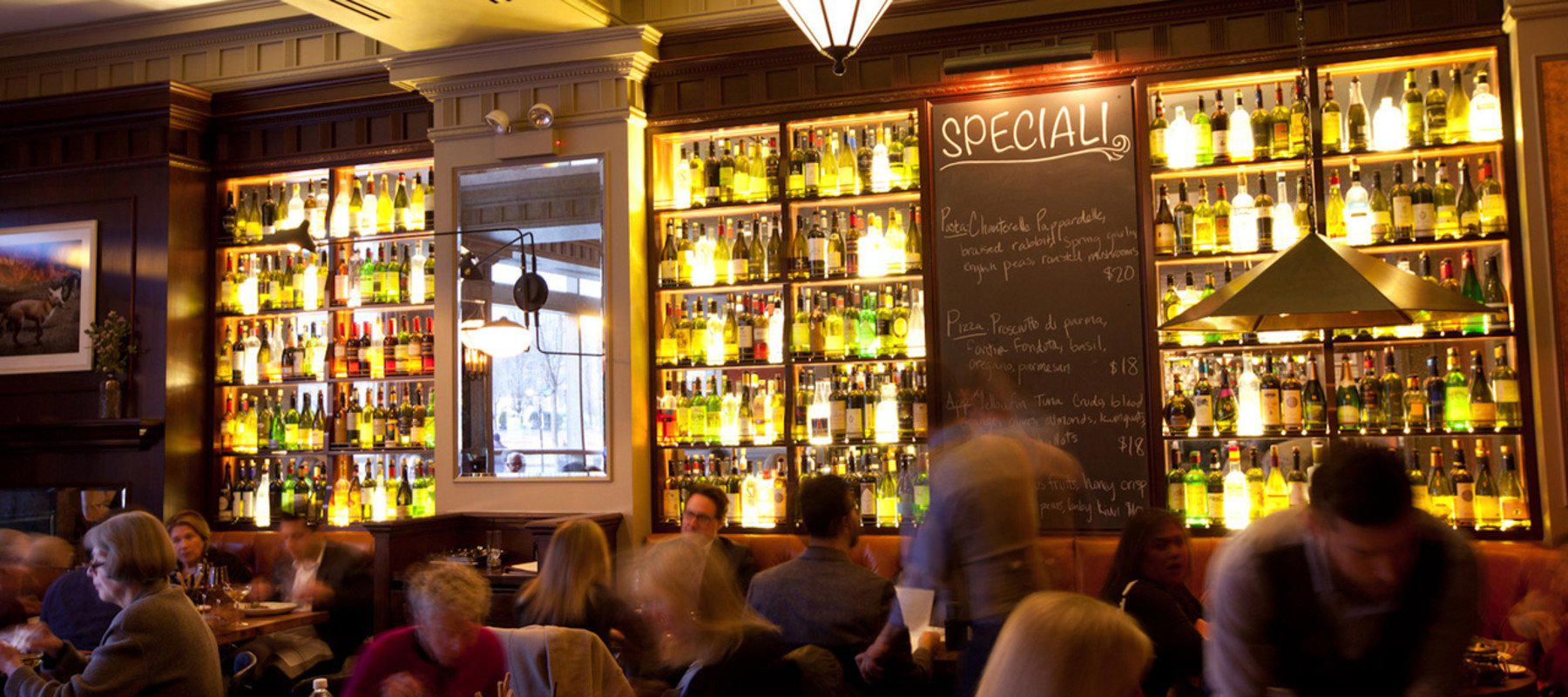
Sophisticated high-energy atmosphere with warm welcoming vibes, sports memorabilia, and plasma-packed bar for watching games.