

Tabelog Bronze #96
Our verdict
Haramasa belongs to Tokyo’s serious kaiseki tier: intimate, seasonal, and judged on cadence as much as luxury. Chef Shotaro Hara’s Yotsuya dining room carries repeated Tabelog Bronze recognition and a place in the 2025 Tabelog 100 for Japanese cuisine in Tokyo, putting it in conversation with the city’s disciplined modern kappo and kaiseki counters rather than casual Japanese dining.

Pearl is the En Primeur Club membership app, where members save venues, book tables and use the concierge.
Yotsuya’s restaurant rhythm is quieter than Ginza’s and less performative than Roppongi’s. The approach to a serious Japanese counter here tends to feel urban and residential at once: apartment towers, side streets, office workers, and dining rooms that expect guests to understand the value of restraint. That context matters for kaiseki. The format is not built around a single dish or visual crescendo; it is a sequence of season, temperature, texture, and pacing, where the meal’s authority comes from control rather than spectacle.
Haramasa sits inside that Tokyo grammar. Its recognition profile is not incidental: Tabelog Bronze in 2026, with earlier Bronze listings from 2020 through 2025 and Silver in 2018, plus selection for Tabelog 100 Japanese cuisine Tokyo in 2021, 2023, and 2025. Opinionated About Dining also placed it in its 2026 Japan Top Restaurants Recommended list. In a city where kaiseki competes with sushi counters, tempura rooms, and French-influenced tasting menus for the same serious diners, that pattern of repeat recognition signals consistency rather than a single moment of attention.
Kaiseki in Tokyo is judged by sequence, not spectacle
The appeal of kaiseki in Tokyo has shifted from ceremonial formality toward sharper, smaller dining rooms where the old structure is preserved but the room feels less museum-like. The discipline remains: seasonal produce, changes in vessel and temperature, a progression that moves from lightness to depth and back again, and an insistence that the diner reads the meal as composition rather than collection. That makes the category harder to summarize than sushi or yakiniku, but also more rewarding for diners who care about rhythm.
Chef Shotaro Hara is the named figure here, but the stronger editorial point is the restaurant’s placement within Tokyo’s Japanese cuisine hierarchy. A Tabelog score above 4.2 in 2026, combined with repeated Bronze awards, places Haramasa in a competitive tier where local diner consensus and award recognition overlap. That is a useful signal in Tokyo, where international guide visibility can miss rooms that Japanese diners follow closely.
Within the city’s kaiseki field, comparison is less about identical formats than degrees of formality and expression. Seika Kobayashi and Tsujitome represent more classical poles of the conversation; Tadenoha and Ichita いち太 sit in adjacent territory where seasonality and counter proximity shape the meal; Aoyama Jin is another Tokyo reference point for diners mapping contemporary kaiseki and Japanese cuisine at a serious level. Haramasa’s position is closer to the cultivated middle of that set: polished enough for occasion dining, compact enough to keep the meal focused.
Yotsuya gives the meal a different register
Tokyo’s luxury dining districts carry different expectations. Ginza often frames high-end meals through status and ritual; Aoyama through design and discretion; Akasaka through political and corporate polish. Yotsuya gives Japanese cuisine a more local, less theatrical setting. That does not make the cooking casual. It changes the temperature of the experience. The room can be read as part of a broader pattern in Tokyo dining: serious restaurants operating away from the city’s obvious luxury corridors, where reputation travels through reservation platforms, repeat diners, and domestic award systems.
The venue’s scale reinforces that point. With 22 seats and private rooms for small groups, the format is intimate without being an ultra-minimal counter-only proposition. That matters for kaiseki because the meal’s pacing needs space: enough attention to preserve sequence, enough flexibility to accommodate conversation. Dinner seating is timed, and the counter can fill before other options appear, which indicates that regulars and informed diners understand where the value of the room lies. For two-person private-room dining, the surcharge creates a different equation: privacy over counter proximity.
There is also a practical distinction in the price tier. Published guidance puts lunch in the JPY 10,000 to JPY 14,999 band and dinner in the JPY 20,000 to JPY 29,999 band, with a 10 percent service charge. In Tokyo kaiseki terms, that is serious but not at the extreme end of the category. The better way to read the pricing is through awards density: repeated Tabelog recognition at this spend level makes it attractive for diners who want a high-confidence Japanese meal without moving into the city’s highest ceremonial bracket.
How it fits a Tokyo dining itinerary
For visitors building a Tokyo restaurant plan, Haramasa works less as a trophy booking than as a calibration point. It helps explain how Japanese diners evaluate kaiseki beyond the international checklist: durability of recognition, category-specific ranking, room size, and the way a meal holds seasonal logic across multiple courses. It is the kind of reservation that pairs well with a broader itinerary covering sushi, tempura, wagashi, cocktail bars, and a hotel with strong concierge support, because kaiseki benefits from context rather than isolation.
Diners comparing Japanese cuisine rooms in Tokyo can use it alongside Ajihiro, Akasaka Asada, Akasaka Ogino, and Aoyama Jin to understand how formality, neighborhood, and format alter the same broad category. A more general Tokyo dining map should also account for lighter or cross-category stops such as Bulgari Cafe II, then widen through Our full Tokyo restaurants guide, Our full Tokyo hotels guide, Our full Tokyo bars guide, Our full Tokyo wineries guide, and Our full Tokyo experiences guide.
The wider Japanese context is useful too. Kyoto’s kaiseki tradition has a different center of gravity, which makes Ankyu, Kaiseki in Kyoto and [ki:] in Kyoto helpful counterpoints, while Araya Totoan, Kaiseki in Kaga points toward regional expression outside the capital. For readers tracking Japan beyond Tokyo’s fine-dining core, the national spread can run from -Grilled beef Sukiyaki- KAMAKURA TANUKIAN 鎌倉 たぬき庵 in Kamakura to.cafe in Osaka.know in Kumamoto, (Shoku) Vietnam in Kawasaki, and [Curry Senmon Ten] Maruyama Kyoju. in Sapporo. Haramasa’s role in that wider map is precise: a Tokyo kaiseki room where repeated domestic recognition, compact scale, and Yotsuya’s quieter dining culture meet.
Frequently asked questions
What kind of setting is Haramasa?
Haramasa is a 22-seat kaiseki restaurant in Yotsuya, Tokyo, with private rooms for 2, 4, and 6 guests. It serves lunch and dinner, and Tabelog notes a 10% service charge, which places it in a formal Tokyo dining bracket rather than a casual one.
Who is the chef at Haramasa?
The chef associated with Haramasa is Shotaro Hara.
What type of food is Haramasa known for?
Haramasa serves Kaiseki cuisine.
What are the opening hours for Haramasa?
Hours at Haramasa: Hours: Monday 12–2 pm, 6 pm–12 am Tuesday 12–2 pm, 6 pm–12 am Wednesday 12–2 pm, 6 pm–12 am Thursday 12–2 pm, 6 pm–12 am Friday 12–2 pm, 6 pm–12 am Saturday 12–2 pm, 6 pm–12 am Sunday Closed.
How do I find Haramasa?
Haramasa is located in Tokyo.
What do critics highlight about Haramasa?
The clearest signals are its repeated Tabelog Bronze awards from 2020 through 2026 and its selection for Tabelog 100 in Japanese cuisine for Tokyo in 2021, 2023, and 2025. Critics also note the reservation constraints, including a 2 hour 30 minute dining window and the fact that the counter can be fully booked.
A Quick Peer Check
Comparable venues for orientation by cuisine and category.
| Venue | Cuisine | Price | Awards | Notes |
|---|---|---|---|---|
| HaramasaThis venue (the venue you are viewing) | Modern Kaiseki | $200–300 | Tabelog Bronze #96 | Not listed |
| VERT | Japanese Tea-Paired Dessert Omakase | $200–300 | Michelin Plate | Shinjuku |
| Kawada | Traditional Japanese Omakase | $300–500 | Tabelog Bronze #171 | Minato |
| Kizaki | Edomae Sushi Omakase | $200–300 | Tabelog Bronze #187 | Minato |
| Sushiyuu | Traditional Edomae Omakase | $150–200 | Not listed | Minato |
| Mibu | Traditional Kaiseki | $200–300 | Not listed | Chūō |
Recognition history
Dated appearances from independent guides and award organizations, with the underlying list record or original source where available.
Opinionated About Dining Top Restaurants in Japan Recommended
Opinionated About Dining
Tabelog Bronze #96
Tabelog
Full recognition history (6 entries)
Opinionated About Dining Top Restaurants in Japan Ranked #573
Opinionated About Dining
Tabelog 100 #73 · No. 73
Tabelog · Tabelog 100 - Japanese cuisine - TOKYO - 2025
Tabelog Bronze
Tabelog
Opinionated About Dining Top Restaurants in Japan Highly Recommended
Opinionated About Dining
Continue exploring
More in Tokyo
Restaurants in Tokyo
All restaurants in Tokyo →


Bars in Tokyo
All bars in Tokyo →



Details
- Intimate
- Cozy
- Elegant
- Special Occasion
- Business Dinner
- Chefs Counter
- Sake Program
- Tasting Menu
- Counter Dining
Current opening hours
- Monday
- 12–2 PM, 6 PM–12 AM
- Tuesday
- 12–2 PM, 6 PM–12 AM
- Wednesday
- 12–2 PM, 6 PM–12 AM
- Thursday
- 12–2 PM, 6 PM–12 AM
- Friday
- 12–2 PM, 6 PM–12 AM
- Saturday
- 12–2 PM, 6 PM–12 AM
- Sunday
- Closed
Hours can change for holidays and private events. Hours as of .
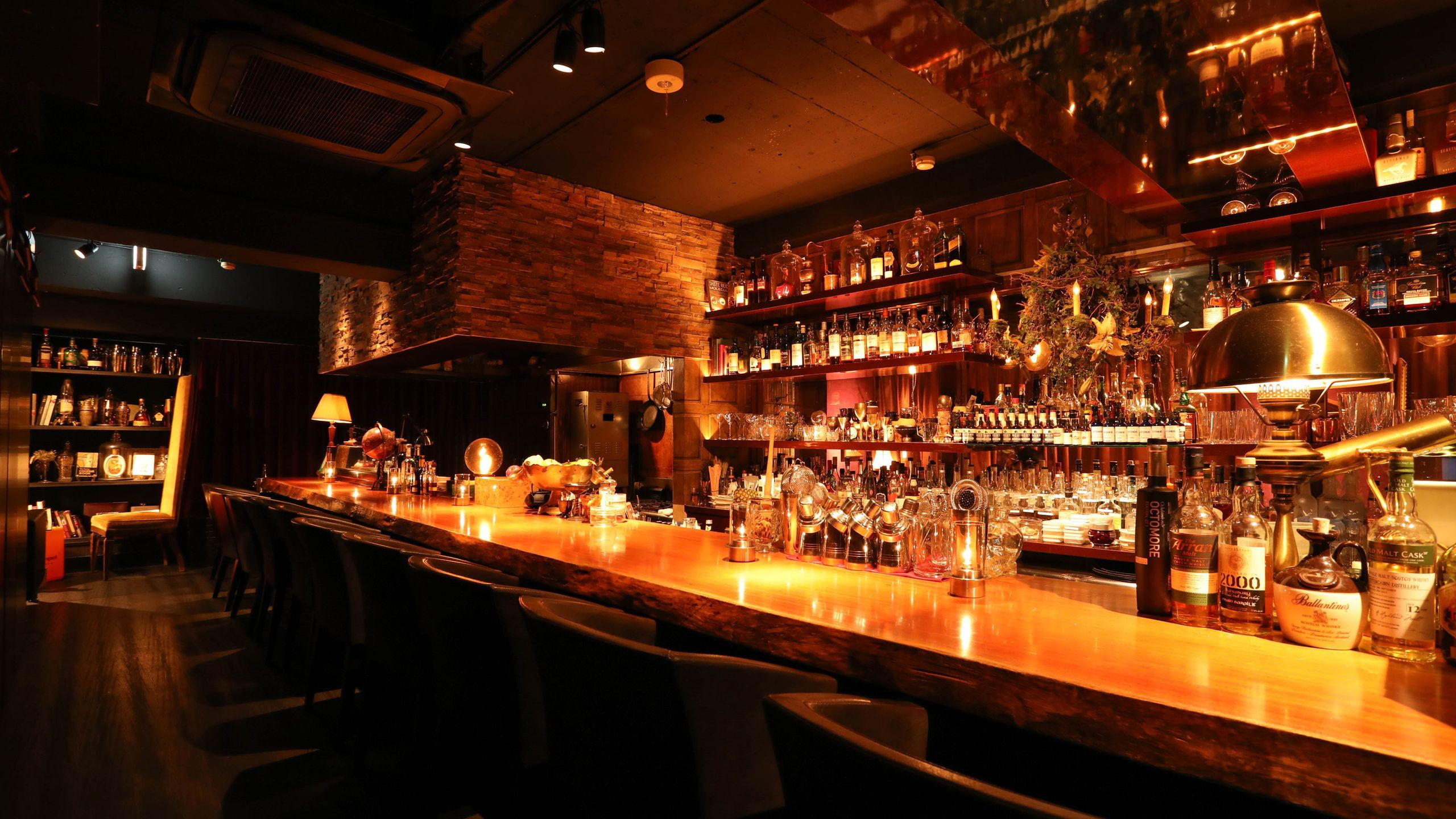
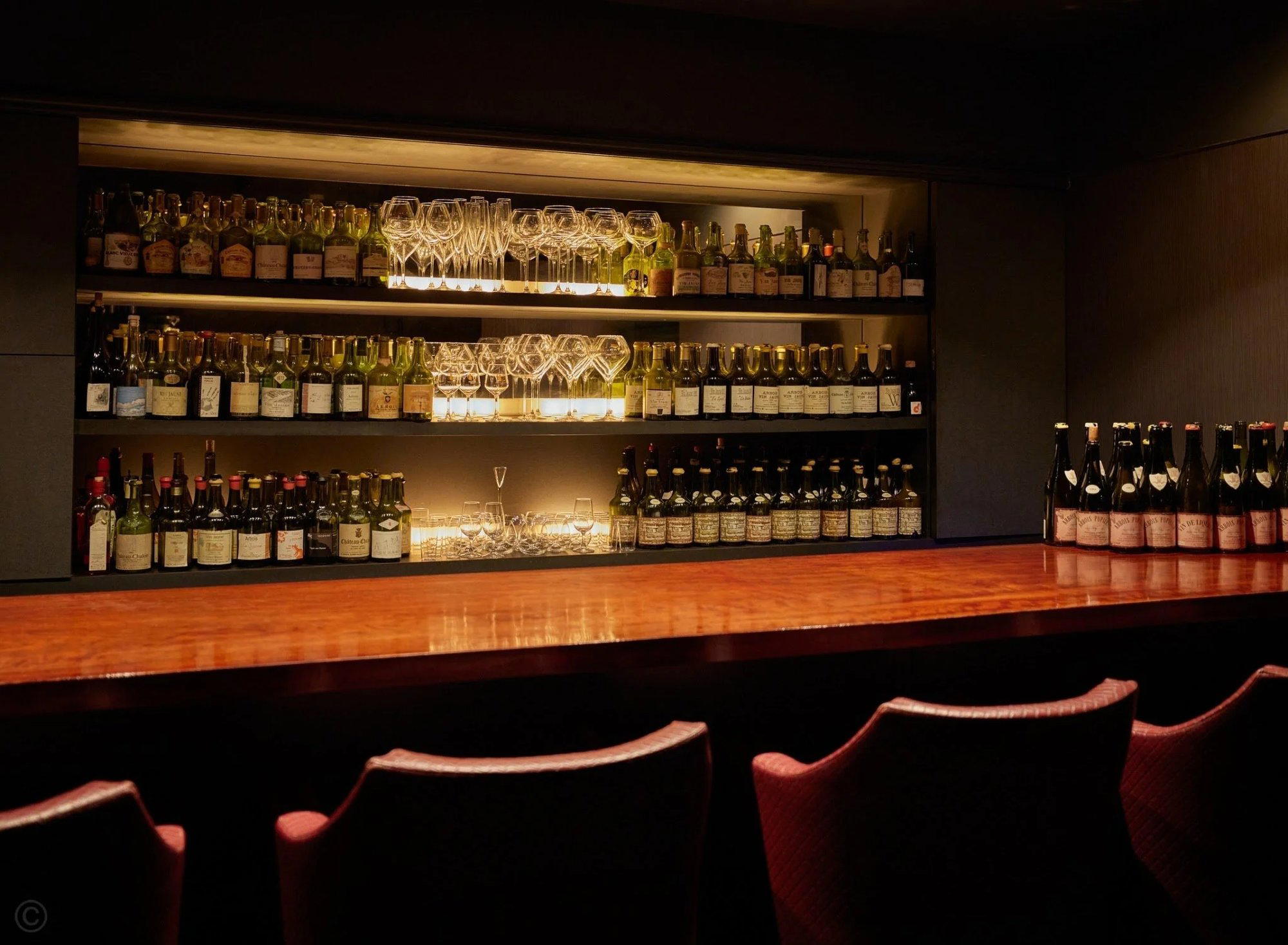
Intimate and inviting with simple, modest decor featuring a light wooden counter that focuses attention on the artistic food presentation.