
Cha Ca La Vong serves Hanoi's defining dish, cha ca, from a address in Cau Giay under the Doan family's direction. Ranked #95, #114, and #137 in Opinionated About Dining's Casual Asia list across three consecutive years, it represents the kind of single-dish institution that Hanoi's street food tradition produces at its most focused. The ritual of cooking at the table is the meal itself.
Pearl is the En Primeur Club membership app — saves, bookings, and concierge access live there. Same editors, same standards.
- Address
- 48 P. Nguyễn Thị Định, Trung Hoà, Cầu Giấy, Hà Nội 100000, Vietnam
- Phone
- +84 979 775 566
- Directions
- Get directions
 Saves & bookings on Pearl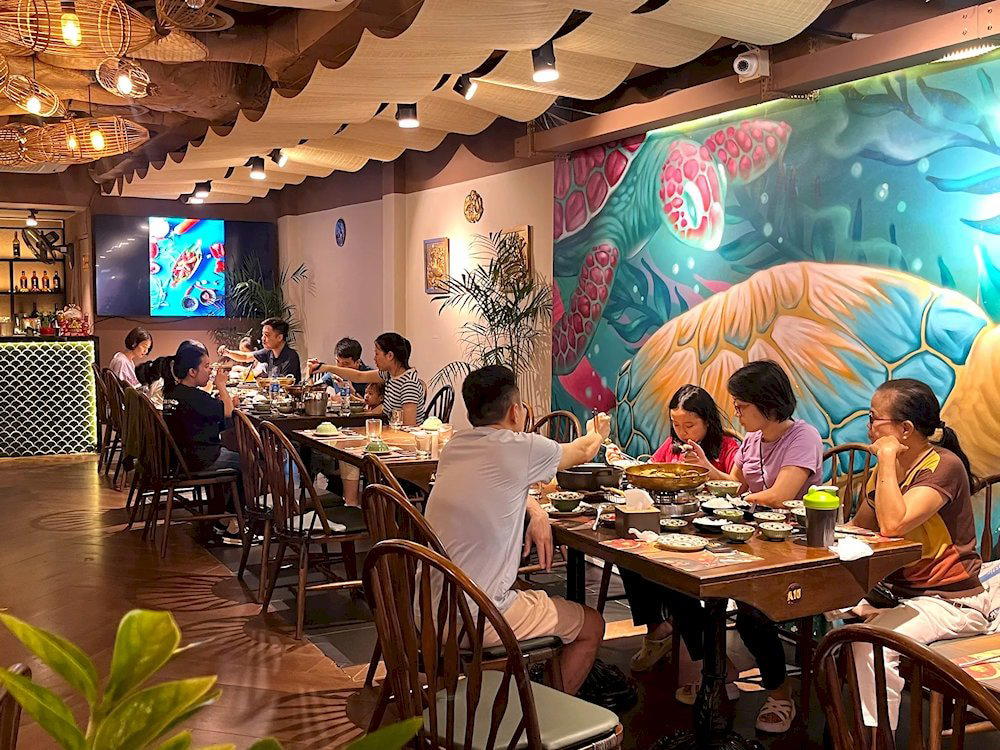
The Discipline of a Single Dish
Hanoi's food culture rewards specialisation in a way that few other cities match. The same family, the same preparation, the same dish, repeated across decades until the repetition becomes the point. Cha ca, the city's turmeric-marinated fish cooked in oil at the table with dill and spring onion, is the clearest expression of that principle. It exists in multiple addresses across the city, but the Doan family's version at Cha Ca La Vong, on Nguyen Thi Dinh Street in Cau Giay, is the one that critics and ranking systems keep returning to: ranked #95 in Opinionated About Dining's Casual Asia list in 2023, #114 in 2024, and #137 in 2025, a consistent regional presence over three consecutive years that signals durability rather than a single good season.
That kind of sustained recognition across a respected ranking system puts Cha Ca La Vong in a small cohort of Hanoi restaurants that register at a regional level without moving up the price bracket or format. For context, Hanoi's Vietnamese dining, represented by addresses like Tầm Vị at the ₫₫ tier, operates on a different register entirely. Gia, the city's Vietnamese Contemporary reference point, approaches the same culinary inheritance with technique-forward plating and a modern tasting structure. Cha Ca La Vong does the opposite: no progression, no innovation, no tasting arc. One dish. It is particularly concentrated argument Hanoi makes for the single-preparation restaurant.
Approaching the Address
The area around Nguyen Thi Dinh in Cau Giay sits west of the Old Quarter, away from the more tourist-dense corridors of Hoan Kiem. This is Hanoi at a lower register of spectacle, with narrower streets and local traffic patterns that shift the atmosphere considerably from the historic centre. The restaurant itself does not announce itself with design ambition. What signals arrival is the smell: turmeric oil and charring dill carry into the street before the entrance comes into view, a sensory cue that functions as its own form of wayfinding.
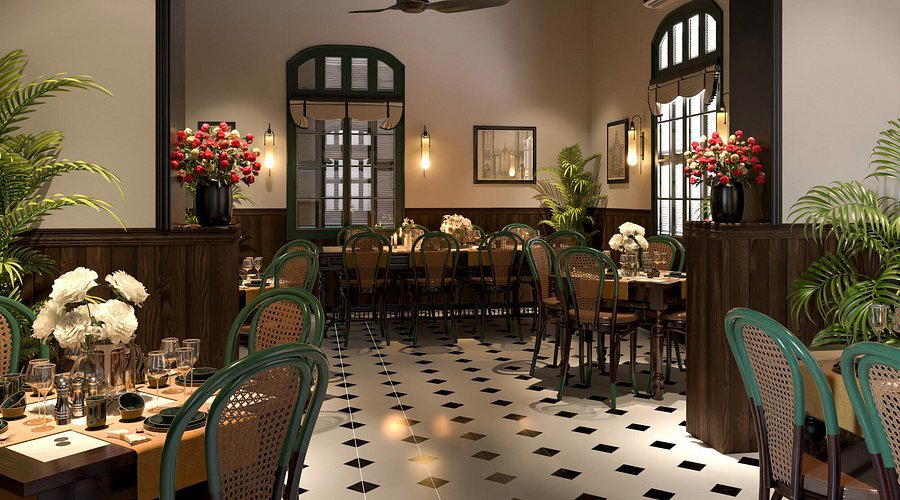
Inside, the room operates with the efficiency of a place that has been doing the same thing for a long time. Tables are close. Seating fills quickly. The cooking apparatus arrives at the table early, and the pace of service reflects the fact that the kitchen's job ends at the tabletop. What happens next is the diner's responsibility.
The Ritual at the Table
The structure of a cha ca meal at this level is its own form of instruction. The fish, marinated in turmeric and galangal, arrives portioned and partially cooked, placed into a sizzling pan of oil at the centre of the table. Dill and spring onion go in next, and the cooking continues in front of you. The sequence matters: too much heat too early and the herbs lose their structure; the right timing produces a textural contrast between the crisped fish and the wilted green that is the whole point of the preparation.
Accompaniments are fixed: rice vermicelli, roasted peanuts, shrimp paste, and fresh herbs. The diner assembles each mouthful rather than receiving a finished plate. This is the defining characteristic of the format, and the one that separates cha ca from most other Vietnamese restaurant categories. The kitchen produces components; the table produces the meal. That dynamic inverts the usual restaurant logic, where expertise is concentrated at the back of house, and places the act of eating itself inside the expertise chain.
For diners accustomed to the contemporary tasting formats offered at addresses like Hibana by Koki or the progressive Vietnamese menus at A Bản Mountain Dew, the cha ca ritual requires a different posture. There is no orchestrated sequence of courses, no explanation from a server about the philosophy behind each element. The format is pre-philosophical. It predates the idea that restaurants should narrate themselves.
Where It Sits in the Hanoi Street Food Tier
Hanoi's street food category has become complex enough that OAD's Casual Asia list now provides one of the more useful external frameworks for sorting it. At the lower price point, addresses like 1946 Cua Bac operate in the single-dish or short-menu Vietnamese tradition, appealing primarily to local and repeat visitors rather than the international circuit. The restaurant occupies a similar price positioning, though the OAD recognition places it alongside casual venues from across the region, including noted street food addresses in other Vietnamese cities. For comparison, Anan Saigon in Ho Chi Minh City represents a street food format that has been reinterpreted for a more international audience, with a price tier and presentation that reflects that adjustment. The restaurant has not made that adjustment. The format remains oriented toward the preparation rather than the presentation.
That positioning also means expectations should be set accordingly. The room is not designed for lingering. The meal has a clear arc: arrival, assembly, consumption, departure. Diners looking for a long, wine-paired evening in the Vietnamese Contemporary register that Gia or similar addresses provide should look elsewhere in the Hanoi dining ecosystem. For those, our full Hanoi restaurants guide maps the full price and format range, including where venues like Cha Ca La Vong connect to the broader picture of the city's eating.
Planning the Visit
The restaurant sits on Nguyen Thi Dinh Street in the Trung Hoa area of Cau Giay district. The address is removed from the Old Quarter tourist cluster, which means the crowd composition skews local more than many comparable Hoan Kiem addresses. Visiting without a reservation and arriving early in the service window is the practical approach, particularly for dinner. The meal format is compact enough that table turnover is faster than at multi-course establishments.
For further orientation in the city, cover the surrounding options. Vietnam's broader restaurant tier, from La Maison 1888 in Da Nang to Akuna in Ho Chi Minh City, provides useful framing for where Hanoi's street food tradition fits within the national dining picture.
Price and Recognition
Comparable venues nearby, for context on price, style, and recognition.
| Venue | Cuisine | Price | Awards | Notes |
|---|---|---|---|---|
| Cha Ca La VongThis venue — the venue you are viewing | Vietnamese Street Food | $$ | Not listed | Not listed |
| Maison 1929 | Hoan Kiem, Modern Vietnamese | $$ | Michelin Plate | Not listed |
| Phở Gà Châm (Yen Ninh Street) | Not listed | $$ | Michelin Plate | Ba Dinh, Authentic Chicken Phở (Phở Gà) |
| Backstage | Not listed | $$$ | Michelin Plate | Hoan Kiem, Modern Northern Vietnamese Fine Dining |
| 19 P. Ngũ Xã | Not listed | $$ | Not listed | Ba Dinh, Traditional Vietnamese Pho Rolls |
| Chả Cá Anh Vũ (Dong Da) | Dong Da, Traditional Hanoi Chả Cá | $ | Michelin Plate | Not listed |
Recognition history
Dated appearances from independent guides and award organizations, with the underlying list record or original source where available.
Opinionated About Dining Casual in Asia Highly Recommended
Opinionated About Dining
Opinionated About Dining Casual in Asia Ranked #137
Opinionated About Dining
Opinionated About Dining Casual in Asia Ranked #114
Opinionated About Dining
Opinionated About Dining Casual in Asia Ranked #95
Opinionated About Dining

At a Glance
- Classic
- Rustic
- Well Known
- Cozy
- Casual Hangout
- Special Occasion
- Historic Building
Current opening hours
- Monday
- 10:30 AM–2 PM, 5:30–9:30 PM
- Tuesday
- 10:30 AM–2 PM, 5:30–9:30 PM
- Wednesday
- 10:30 AM–2 PM, 5:30–9:30 PM
- Thursday
- 10:30 AM–2 PM, 5:30–9:30 PM
- Friday
- 10:30 AM–2 PM, 5:30–9:30 PM
- Saturday
- 10:30 AM–2 PM, 5:30–9:30 PM
- Sunday
- 10:30 AM–2 PM, 5:30–9:30 PM
Hours can change for holidays and private events. Last verified .
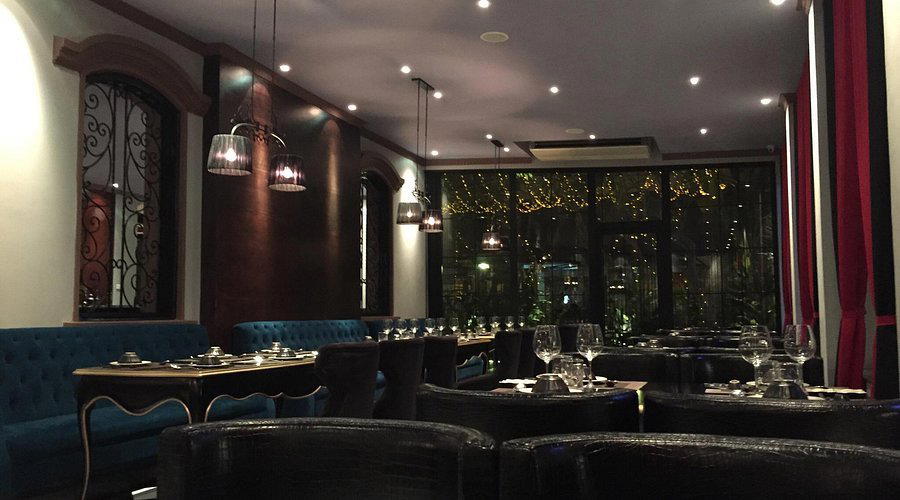
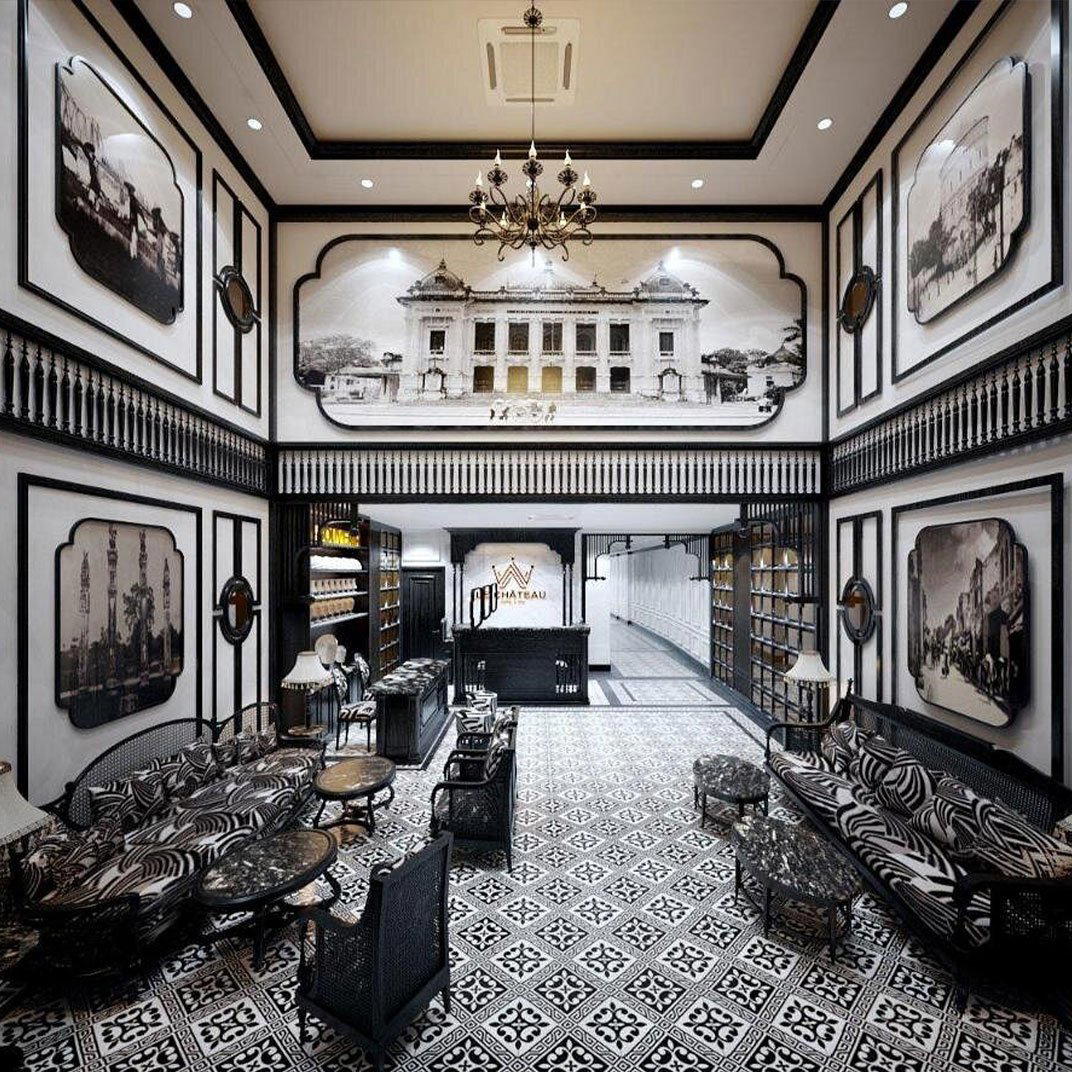
Timeworn nostalgic ambiance with traditional Vietnamese decor and compact indoor seating.