Hachi Grill Ampera sits on Jl. Ampera Raya in South Jakarta's Ragunan district, drawing a neighbourhood crowd that returns on habit rather than hype. The address places it squarely in residential South Jakarta, away from the central dining corridors that tend to dominate food coverage. For visitors mapping a meal around the Ragunan area, it represents a practical, locally anchored option.
Pearl is the En Primeur Club membership app — saves, bookings, and concierge access live there. Same editors, same standards.
- Address
- Jl. Ampera Raya No.19C, Ragunan, Ps. Minggu, Kota Jakarta Selatan, Daerah Khusus Ibukota Jakarta 12560, Indonesia
- Phone
- +6282299119957
- Website
- hachigroup.id
- Directions
- Get directions
 Saves & bookings on Pearl
South Jakarta's Quiet Grill Circuit
South Jakarta's dining identity has always operated at a remove from the mall-anchored restaurant clusters of Sudirman and Thamrin. In neighbourhoods like Ragunan and Ps. Minggu, the restaurants that last tend to earn their place through repetition rather than publicity. Regulars drive the same route on the same evenings; they order without consulting the menu; they know which table catches the evening air. Hachi Grill Ampera is a Japanese Yakiniku & Shabu-Shabu All-You-Can-Eat restaurant on Jl. Hachi Grill Ampera, on Jl. Ampera Raya, occupies that kind of position in its stretch of South Jakarta.
The Ampera corridor itself runs through a residential belt that connects the zoo district around Ragunan to the broader Pasar Minggu area. It is not a street that draws destination diners from across the city the way that Kemang or Senopati do. What it draws instead is a consistent local clientele for whom proximity and familiarity carry more weight than novelty. That dynamic shapes what a grill restaurant in this location needs to do well: deliver reliable output, session after session, to people who will notice immediately if standards slip.
What the Regulars Come Back For
The regulars' perspective is one honest lens for any neighbourhood grill. In South Jakarta's residential corridors, a restaurant that survives on repeat custom has, by definition, passed a harder test than one propped up by opening-week coverage. Grilled formats have particular traction in Jakarta's middle and upper-residential neighbourhoods because they translate well to group dining, the Indonesian social default. A table of four or six can share from a grill spread in a way that works naturally with the communal eating patterns most Jakartans grow up with.
For context, the grill category across Jakarta ranges from high-specification steakhouse operations like Aged + Butchered Jakarta and Bistecca, which position themselves against international benchmarks in premium cuts and dry-aging programs, down to neighbourhood-scale grill spots that prioritise accessibility and familiarity over technical precision. Hachi Grill Ampera sits in the latter category by location and neighbourhood context, competing within its immediate radius rather than city-wide.
The name signals a Japanese register, which in Jakarta's casual dining segment often means a format that blends grilled proteins with Japanese-inflected seasoning, sauces, or plating conventions. That hybrid approach has genuine local demand: Jakarta diners have absorbed Japanese flavour references deeply enough that they appear across casual formats throughout the city, from yakiniku chains to solo grill counters.
Placing Hachi in Jakarta's Broader Dining Map
Jakarta's restaurant scene has stratified considerably over the past decade. At the leading, venues like August operate with tasting-menu discipline and the kind of sourcing transparency that invites comparison with destinations further afield. Kita Restaurant and Bar in Kecamatan Menteng represents a different slice: the neighbourhood restaurant with enough execution quality to attract a broader audience. Casual formats occupy the widest tier, and within that tier, South Jakarta's residential corridors hold a dense concentration of reliable local operators.
For comparison across Jakarta's broader hotpot and grill category, Chongqing Liuyishou Hotpot in South Jakarta and Hai Di Lao in Central Jakarta represent the chain-format end of communal fire-cooked dining, with standardised systems built for high volume. Neighbourhood grill spots like Hachi operate on a different logic: smaller radius, more personal, calibrated to a clientele that already knows what it wants.
Further afield, Abunawas Restaurant in Kemang offers a point of comparison in the South Jakarta casual dining bracket, though its Kemang address gives it a more cosmopolitan footfall than the Ragunan stretch of Ampera Raya. The difference in location encodes a difference in audience: Kemang pulls from a transient, mixed-expat crowd; Ampera Raya is more resolutely residential Indonesian.
Getting There and Thinking About Timing
Jl. Ampera Raya No.19C sits in the southern reaches of Jakarta, in the Ragunan-Pasar Minggu corridor. The area is accessible from central Jakarta via the TB Simatupang ring road and is a reasonable distance from the Lebak Bulus MRT terminus. By ride-hailing app, particularly practical mode for most visitors, the address is direct to locate. South Jakarta's residential grids can generate significant traffic during evening peak hours, particularly from 17:00 to 20:00 on weekdays, so timing arrival outside that window tends to produce a smoother approach. Weekend evenings in this neighbourhood generally see the steadiest demand from local regulars, which is worth factoring into plans.
Elsewhere in the Region
For readers whose Jakarta visit sits inside a broader Indonesia itinerary, the dining tier changes considerably once you reach Bali. Locavore NXT in Ubud operates at a format and sourcing level that competes with serious restaurants internationally. Bikini Restaurant Bali in Badung and Jungle Fish Bali in Gianyar each represent different expressions of Bali's coastal-casual dining register. Closer to Jakarta, Hwang Fu Dimsum in Tangerang and Agreya Coffee Bogor in Bogor fill out the greater Jakarta metro for day-trip or transit dining. Kunyit Restaurant in Bandung is worth noting for anyone extending to West Java. For a global calibration point, the sustained technical discipline at Le Bernardin in New York City or the multi-course Korean precision of Atomix in New York City represent what formal-dining ambition looks like at its most documented international tier, a useful frame for understanding how far Jakarta's own upper-end has moved in recent years.
Cuisine Context
Comparable venues nearby, for context on price, style, and recognition.
| Venue | Cuisine | Price | Notes |
|---|---|---|---|
| Hachi Grill AmperaThis venue — the venue you are viewing | Japanese Yakiniku & Shabu-Shabu All-You-Can-Eat | $$ | Not listed |
| Kinsuke Ramen | Halal Japanese Ramen | $$ | Pondok Pinang |
| MAISON TATSUYA Teppanyaki PAKUBUWONO | Japanese Teppanyaki | $$$ | Gunung |
| Gurēsu | Modern Japanese Omakase | $$ | Bangka |
| Furusato Izakaya | Traditional Japanese Izakaya | $$ | Karet Teng Sien |
| Mo-Mo-Paradise | Authentic Japanese Shabu-Shabu & Sukiyaki | $$$ | Central Jakarta |

At a Glance
- Casual
- Cozy
- Family
- Group Dining
- Casual Hangout
- Open Kitchen
Current opening hours
- Monday
- 11 AM–9 PM
- Tuesday
- 11 AM–9 PM
- Wednesday
- 11 AM–9 PM
- Thursday
- 11 AM–9 PM
- Friday
- 11 AM–10 PM
- Saturday
- 10 AM–10 PM
- Sunday
- 10 AM–10 PM
Hours can change for holidays and private events. Last verified .
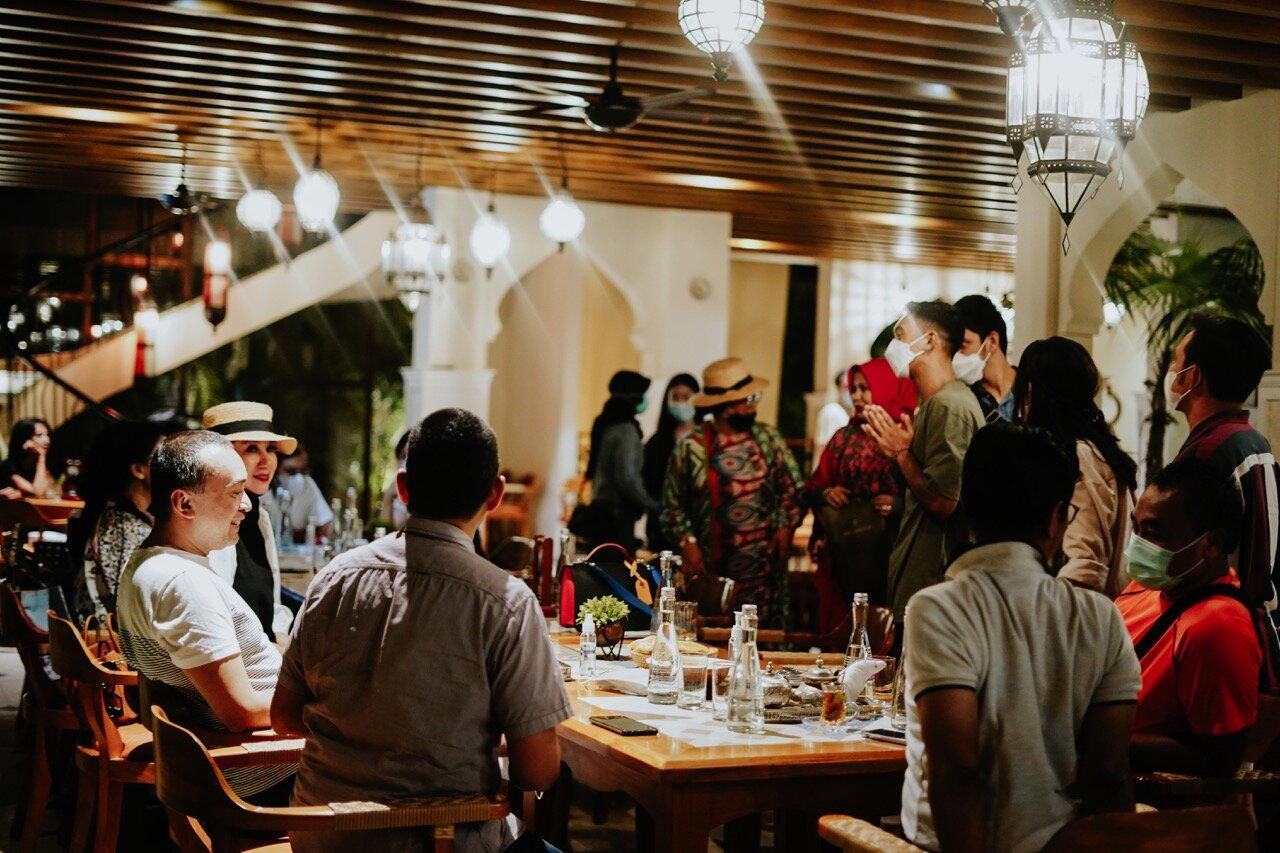
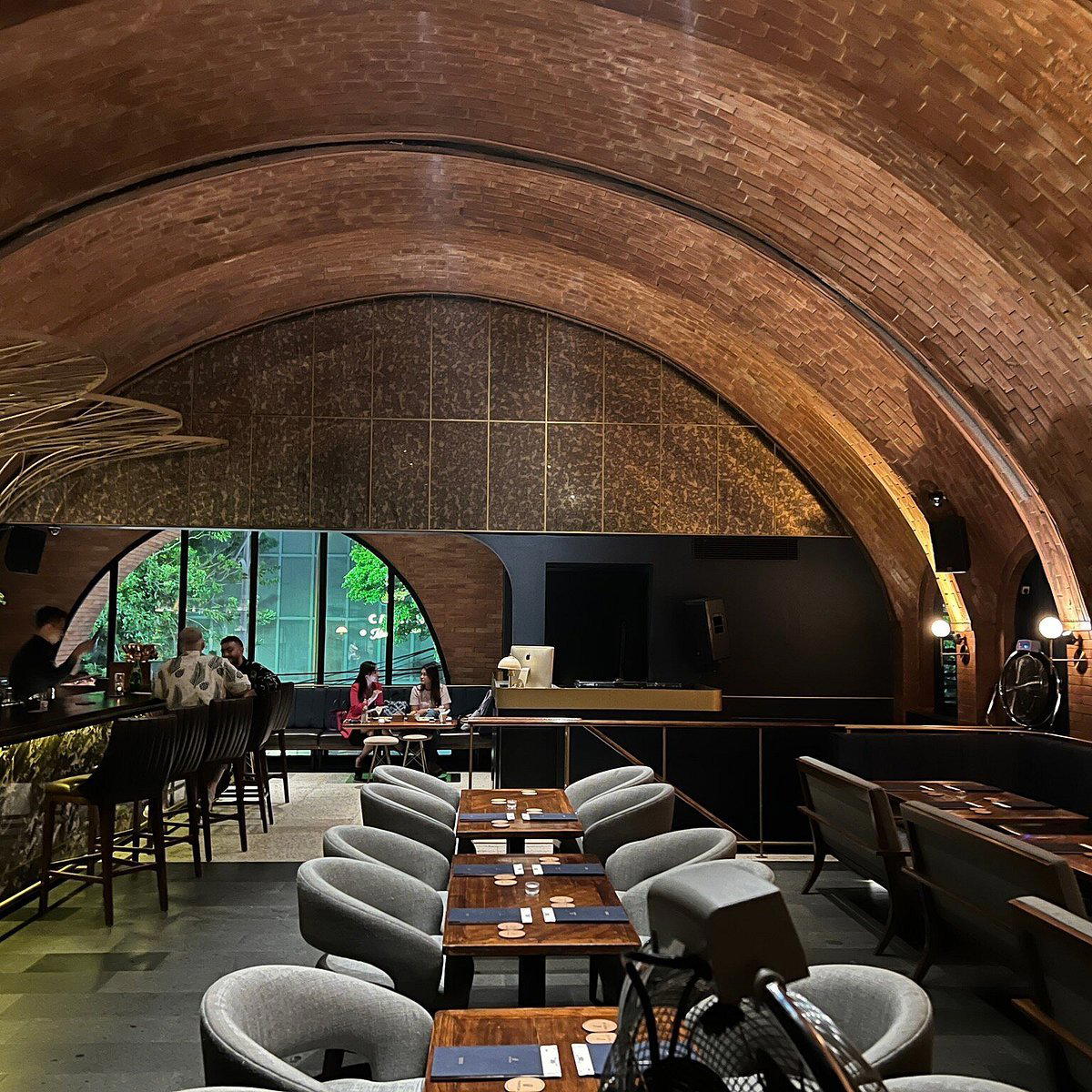
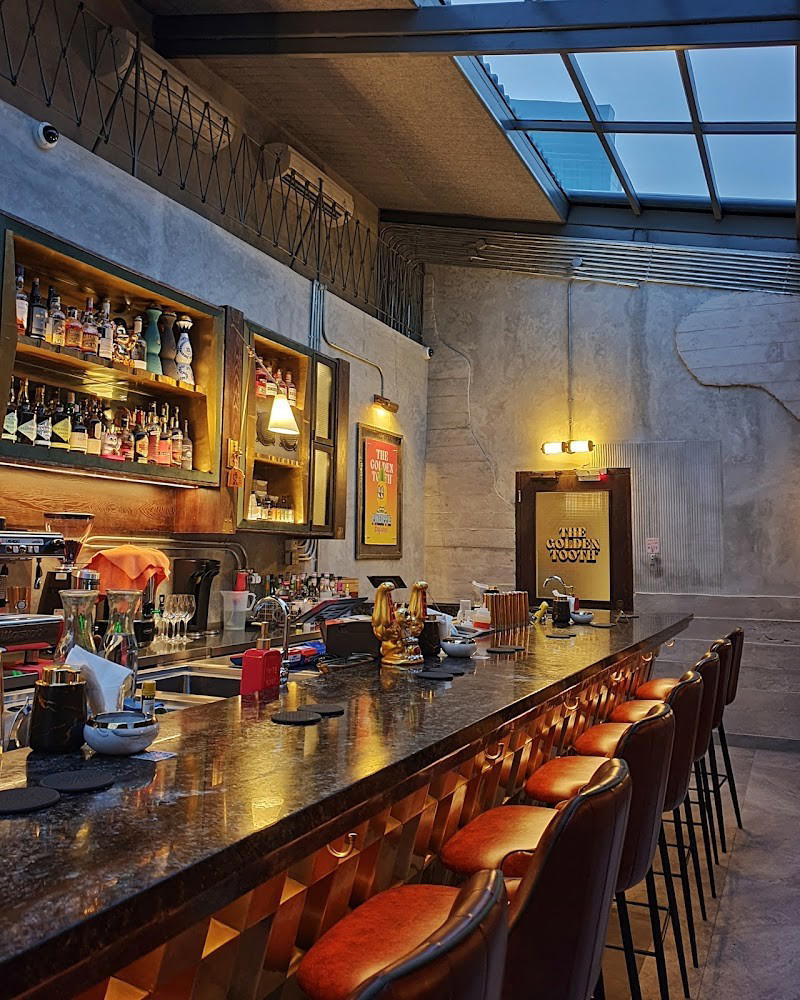
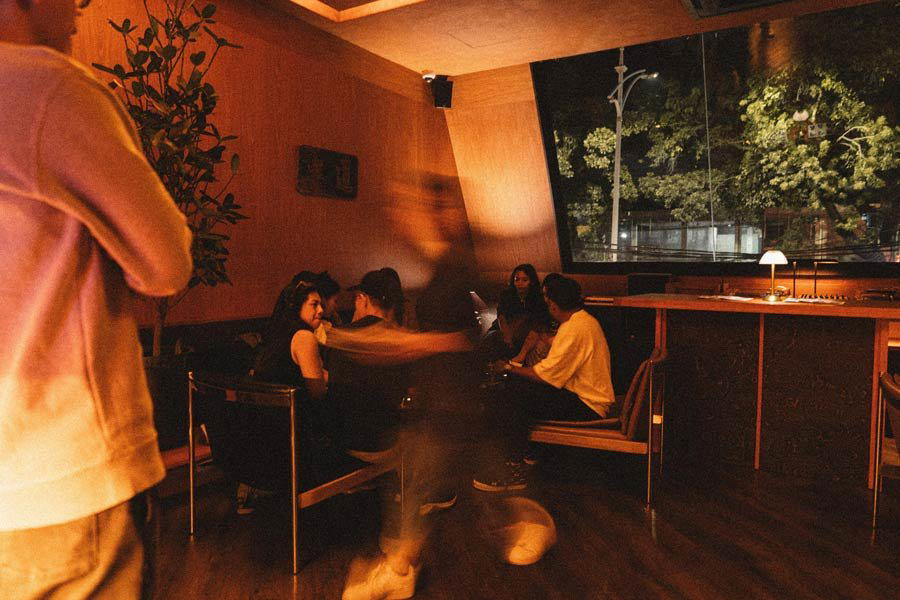
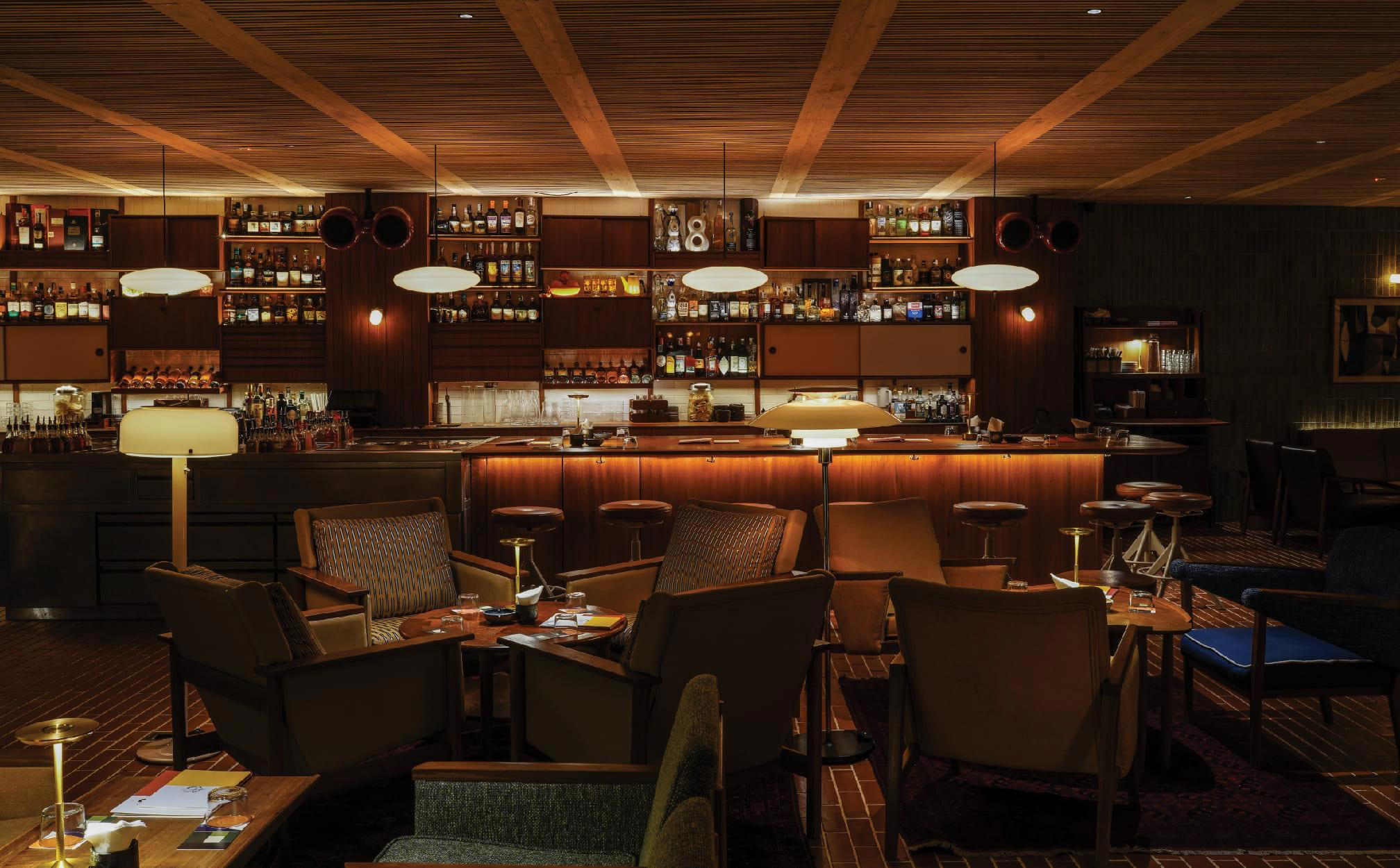
Casual atmosphere with wood-clad walls, lively and family-friendly with ample space.