Patagonia Sur

Chef's Table Featured on Chef's Table
Our verdict
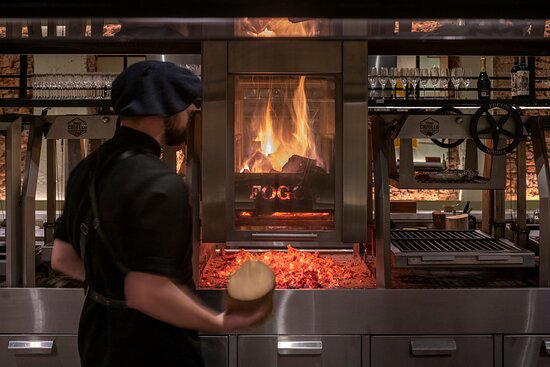
Patagonia Sur in Buenos Aires presents elemental Patagonian Argentine cuisine led by Francis Mallmann. Must-try dishes include Patagonian Lamb Asado, Wood-Fired Sea Bream and Smoked Provoleta with chimichurri. This puerta cerrada experience offers a single nightly seating with theatrical open-fire cooking, rustic plating and the intimacy of a few tables. Featured in Chef's Table, Volume 1, Episode 3, the menu highlights Southern Argentina ingredients—smoke, salt, fat and fire—served with bold textures and pure, savory aromas that make every bite feel immediate and memorable.

Pearl is the En Primeur Club membership app — saves, bookings, and concierge access live there. Same editors, same standards.
- Address
- Rocha 801, C1166 Cdad. Autónoma de Buenos Aires, Argentina
- Phone
- +54 9 11 5567-8373
- Hours
- Mon–Fri 8 AM–1 PMSat–Sun Closed
- Directions
- Get directions
- Booking
- Book on the venue's website
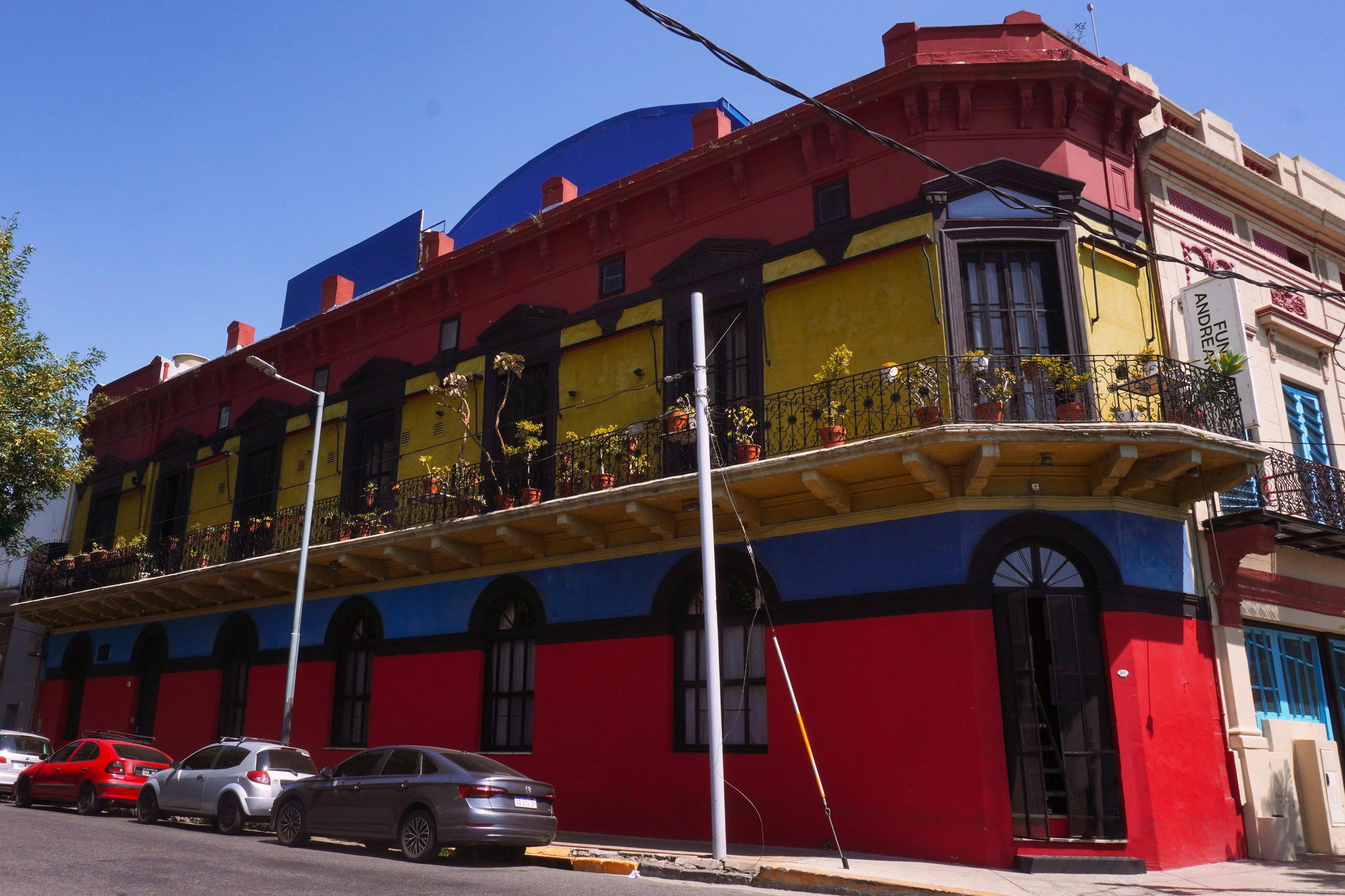
The menu
What to order
- Rib eye with chimichurri
- 7.5 hour lamb
- Empanada
Fire in La Boca: What Patagonia Sur Has Become
La Boca is not where Buenos Aires diners expect to find a reservation that requires months of planning. The neighborhood is famous for Caminito's painted facades, the noise of Boca Juniors match days, and a tourist circuit that rarely intersects with serious eating. That disjunction is part of what makes Patagonia Sur's position in the city so instructive.
Buenos Aires developed its puerta cerrada culture partly as a workaround to licensing restrictions and partly as a counter-movement to the theatrical ostentation of high-end hotel restaurants. What began as intimate supper clubs in private apartments has since fractured into distinct categories: hobbyist tables, serious chef-led projects, and a small number of experiences built around figures with international recognition. Patagonia Sur occupies that last position, and understanding where it sits relative to the city's broader dining evolution requires knowing how the format itself has changed.
From Gaucho Tradition to Global Reference Point
Open-fire cooking is not a technique Francis Mallmann invented; it is a practice rooted in gaucho culture across the Argentine interior, Patagonia, and Uruguay, predating restaurants by centuries. What Patagonia Sur did, over its years of operation, was translate that tradition into a format legible to an international dining audience without hollowing out its directness. The cooking methods, inherited from gaucho practice, involve live fire in several configurations: infiernillo (a vertical double-fire technique), rescoldo (cooking directly in embers), and the parrilla structures familiar to any Argentine asado. These are techniques built for outdoor scale applied within an intimate urban setting, and the tension between their roughness and the controlled environment of a small Buenos Aires dining room is part of what the experience is designed to expose.
The venue's appearance on Chef's Table, Volume 1, Episode 3, on Netflix was a significant inflection point, not just for Patagonia Sur but for how international audiences understood Argentine cooking. Before that broadcast, most foreign visitors arriving in Buenos Aires with dining ambitions were oriented toward the parrilla circuit, with places like Don Julio representing the city's premium end of that tradition. After it, Patagonia Sur entered a different kind of conversation, one that placed Argentine fire cooking alongside the tasting-menu formalism of Le Bernardin or the precision of Atomix in terms of cultural standing, if not format.
How the Experience Has Evolved
The puerta cerrada format is inherently resistant to standardization, and Patagonia Sur has shifted over time in ways that reflect both the demands of its international audience and the instincts of a kitchen defined by fire rather than plating. The theatrical dimension, which was present from the beginning, has become more deliberate as the format matured. A single seating per night for a small number of guests creates conditions where the meal cannot be separated from its social and spatial context. Guests are not being served in sequence; they are being included in something structured around a particular logic of cooking and time.
That evolution places Patagonia Sur in interesting contrast with Buenos Aires's newer generation of creative restaurants. Aramburu represents the city's tasting-menu modernism, a rigorous kitchen building Argentine identity through technique. Trescha operates in a similarly disciplined register. Anafe and Crizia address contemporary Argentine cooking through different lenses of produce and technique. Patagonia Sur is not competing with these places on those terms. The guests arriving at Rocha 801 are not cross-referencing it against neighbourhood bistros; they are measuring it against a different set of expectations entirely.
Patagonian Ingredients in the Capital
The menu at Patagonia Sur is framed around Patagonian ingredients, a regional sourcing logic that carries genuine weight given the distance between Buenos Aires and the territories it references. Patagonia's larder, lamb from the steppe, river fish, native herbs and roots from the Andean foothills, is not easily reproduced in Buenos Aires's warmer, wetter climate. Bringing those ingredients into a La Boca kitchen and cooking them over fire is an act of translation that connects the capital to a geography most of its residents experience only as vacation terrain. For context on what that Patagonian south looks like as a hospitality destination, EOLO in El Calafate represents one interpretation of that regional character in situ.
Argentina's broader range of fire-forward and regionally-grounded eating extends across multiple provinces. Azafrán in Mendoza anchors itself in the wine country's produce. La Bamba de Areco engages with gaucho tradition through estancia culture. Cavas Wine Lodge in Alto Agrelo sets serious cooking against a vineyard backdrop. Awasi Iguazu and El Colibri in Santa Catalina each represent how Argentine hospitality uses landscape and raw-material cooking as organizing principles. Patagonia Sur is the Buenos Aires expression of that wider tradition, compressed into a closed-door format that prioritizes depth over scale.
Planning a Visit
Reservations at Patagonia Sur are essential and should be pursued well in advance of any Buenos Aires trip. The single-seating structure means capacity is fixed and there is no second sitting to fall back on. Given the venue's global profile following the Chef's Table feature, demand from international visitors runs consistently high. The La Boca location is a 15-to-20-minute taxi or rideshare ride from Palermo and Recoleta, the neighborhoods where most international visitors stay. The area around Rocha 801 is not pedestrian-friendly at night in the way that Palermo Soho or San Telmo are, so arriving by car is the practical approach. For a wider view of what Buenos Aires offers across categories, the full Buenos Aires restaurants guide covers the city's range, while the hotels guide, bars guide, wineries guide, and experiences guide provide useful context for building a full itinerary.
Frequently asked questions
What do people recommend at Patagonia Sur?
Should I book Patagonia Sur in advance?
What has Patagonia Sur built its reputation on?
Peers in This Market
Comparable venues nearby, for context on price, style, and recognition.
| Venue | Cuisine | Price | Awards | Notes |
|---|---|---|---|---|
| Patagonia SurThis venue — the venue you are viewing | Patagonian Argentine | $150–200 | Chef's Table Featured on Chef's Table | Not listed |
| Vini | Natural Wine Bar with Small Plates | $20–30 | Star Wine List | Palermo |
| Horta | Contemporary Seasonal | Not listed | Michelin Plate | Villa Crespo |
| La Bumon | Wine-focused Fine Dining | Not listed | Not listed | Once |
| Fico | Contemporary Market-Driven Fine Dining | $50–100 | Michelin Plate | Villa Crespo |
| Águila Pabellón | Contemporary Argentine | $50–100 | Michelin Plate | Palermo |
Recognition history
Dated appearances from independent guides and award organizations, with the underlying list record or original source where available.
Chef's Table Featured on Chef's Table
Chef's Table
Continue exploring
More in Buenos Aires
Restaurants in Buenos Aires
Browse all →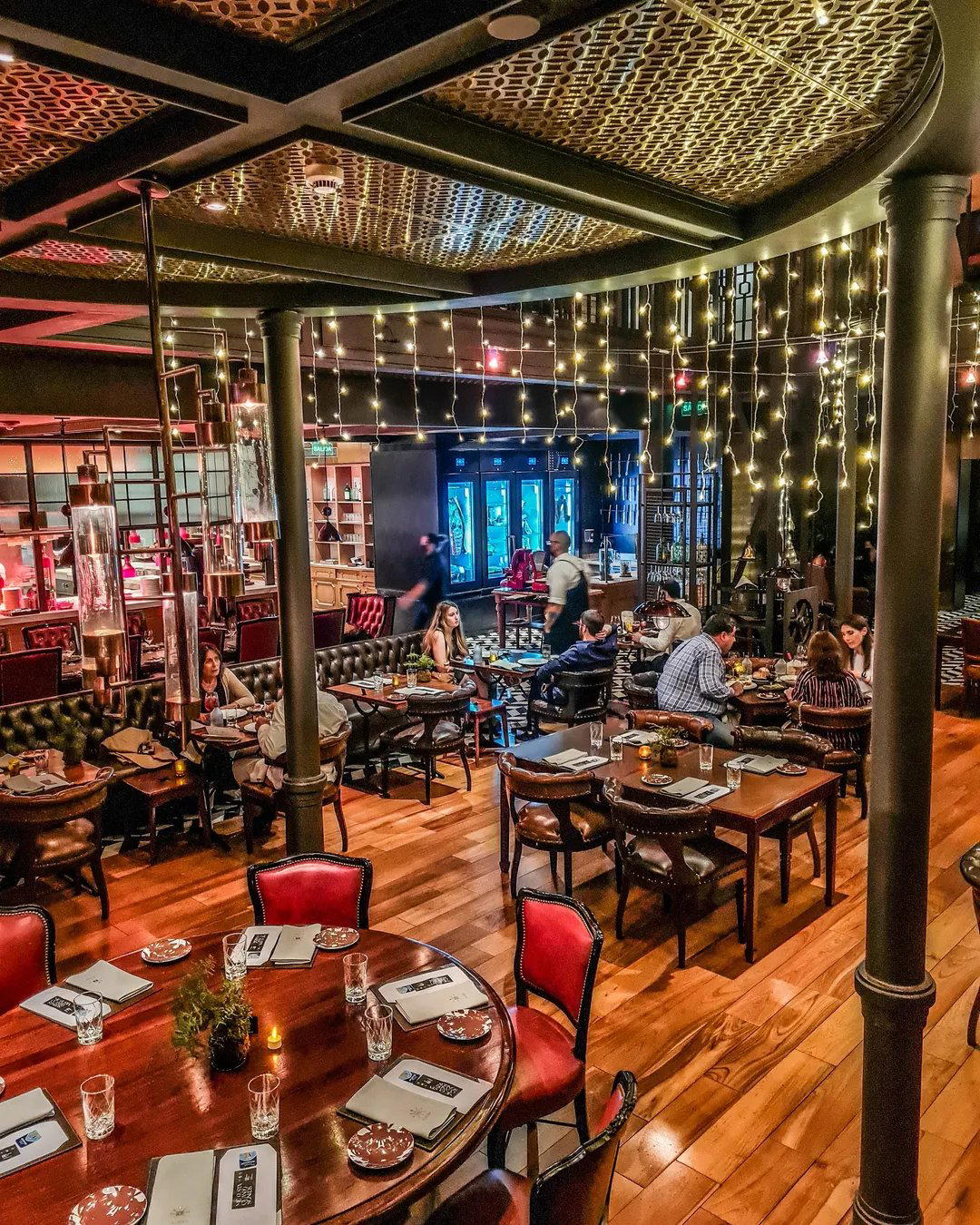
Bars in Buenos Aires
Browse all →
Hotels in Buenos Aires
Browse all →
Wineries in Buenos Aires
Browse all →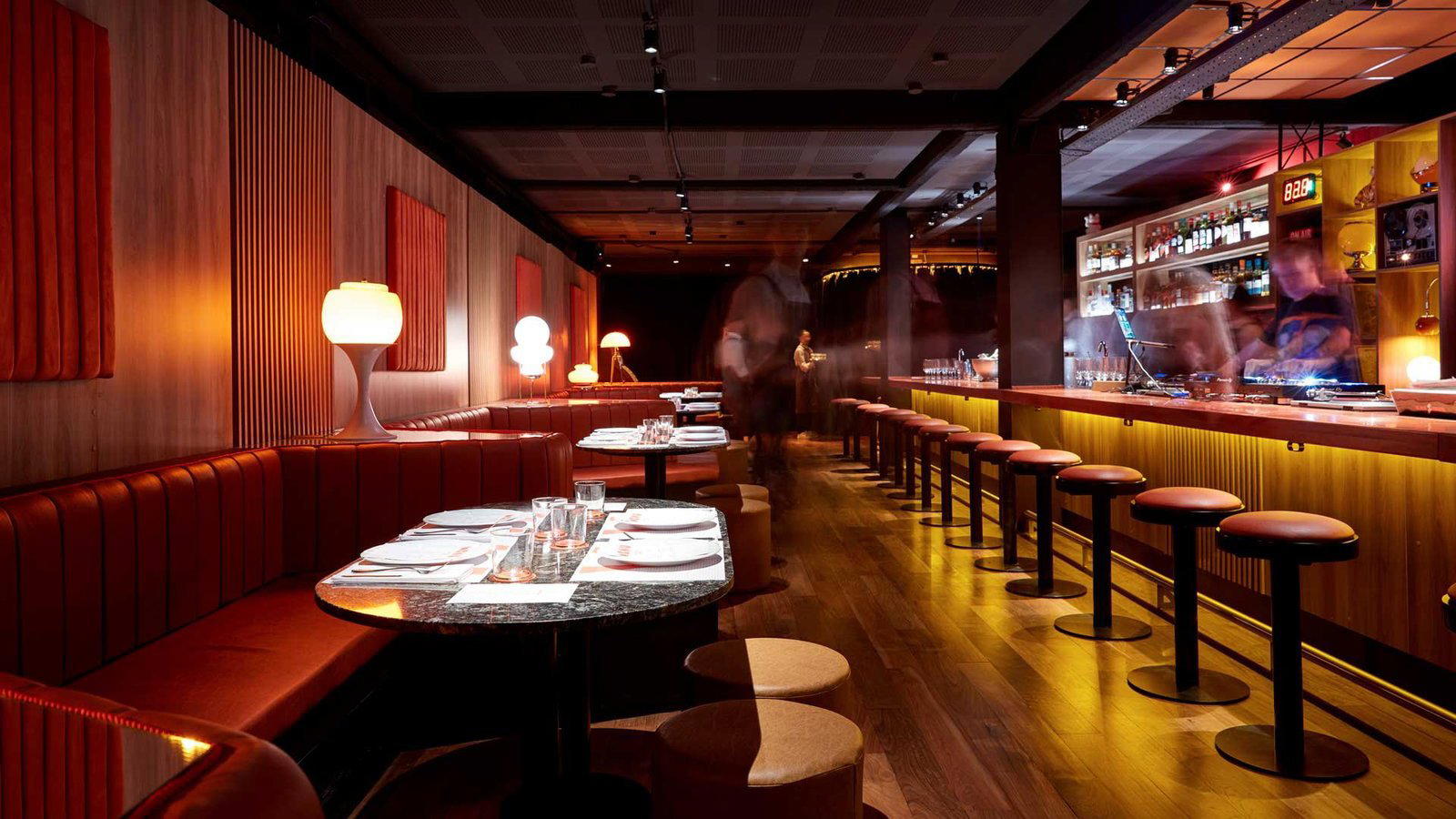
Details
- Intimate
- Elegant
- Rustic
- Cozy
- Special Occasion
- Date Night
- Celebration
- Standalone
- Extensive Wine List
- Local Sourcing
- Tasting Menu
- Vegetarian Friendly
Current opening hours
- Monday
- 8 AM–1 PM
- Tuesday
- 8 AM–1 PM
- Wednesday
- 8 AM–1 PM
- Thursday
- 8 AM–1 PM
- Friday
- 8 AM–1 PM
- Saturday
- Closed
- Sunday
- Closed
Hours can change for holidays and private events. Last verified .
Warm, home-like atmosphere in a beautifully remodeled historic townhouse with precise decor, delicate crystal, and a quiet, formal setting.