hakubai
Hakubai at 66 Park Avenue brings a measured Japanese kaiseki tradition to Midtown Manhattan, operating inside the Kitano Hotel in a dining room that rewards patience and sequencing over spectacle. The meal unfolds course by course in a register closer to Kyoto than to the high-volume omakase counters dominating current New York Japanese dining conversation. For those tracing the city's quieter vein of Japanese hospitality, Hakubai occupies a distinct position.
Pearl is the En Primeur Club membership app — saves, bookings, and concierge access live there. Same editors, same standards.
- Address
- 66 Park Ave, New York, NY 10016
- Phone
- +12128857111
- Website
- hakubainyc.com
- Directions
- Get directions
 Saves & bookings on Pearl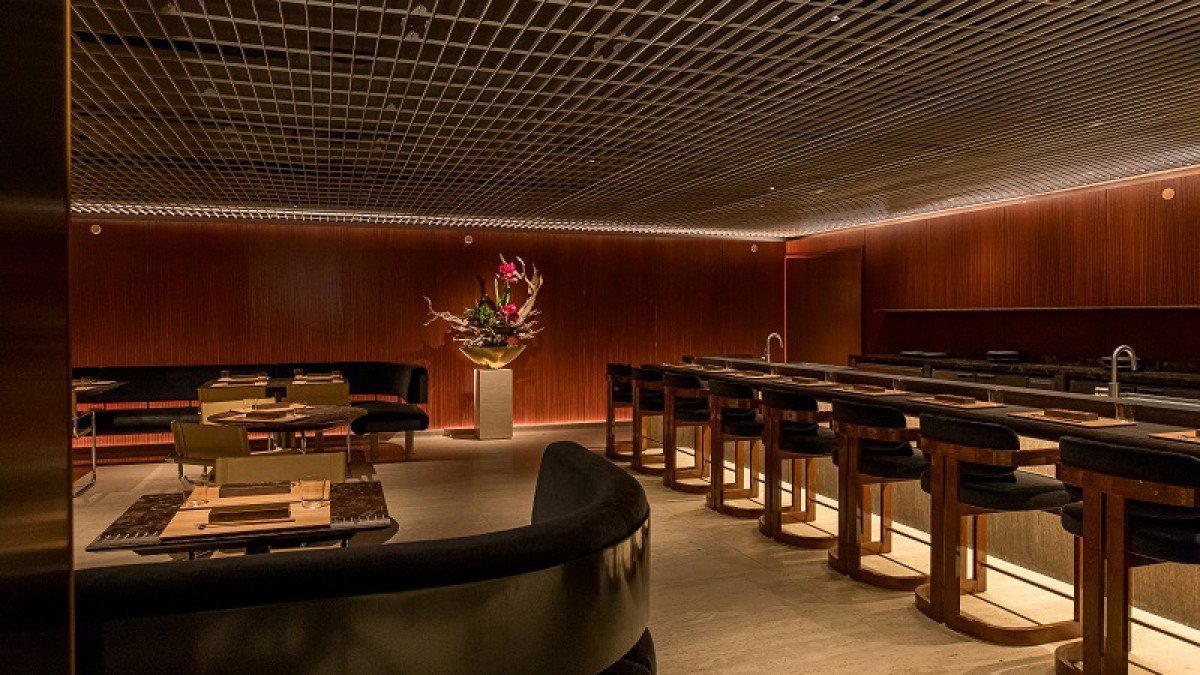
The Room Before the Meal
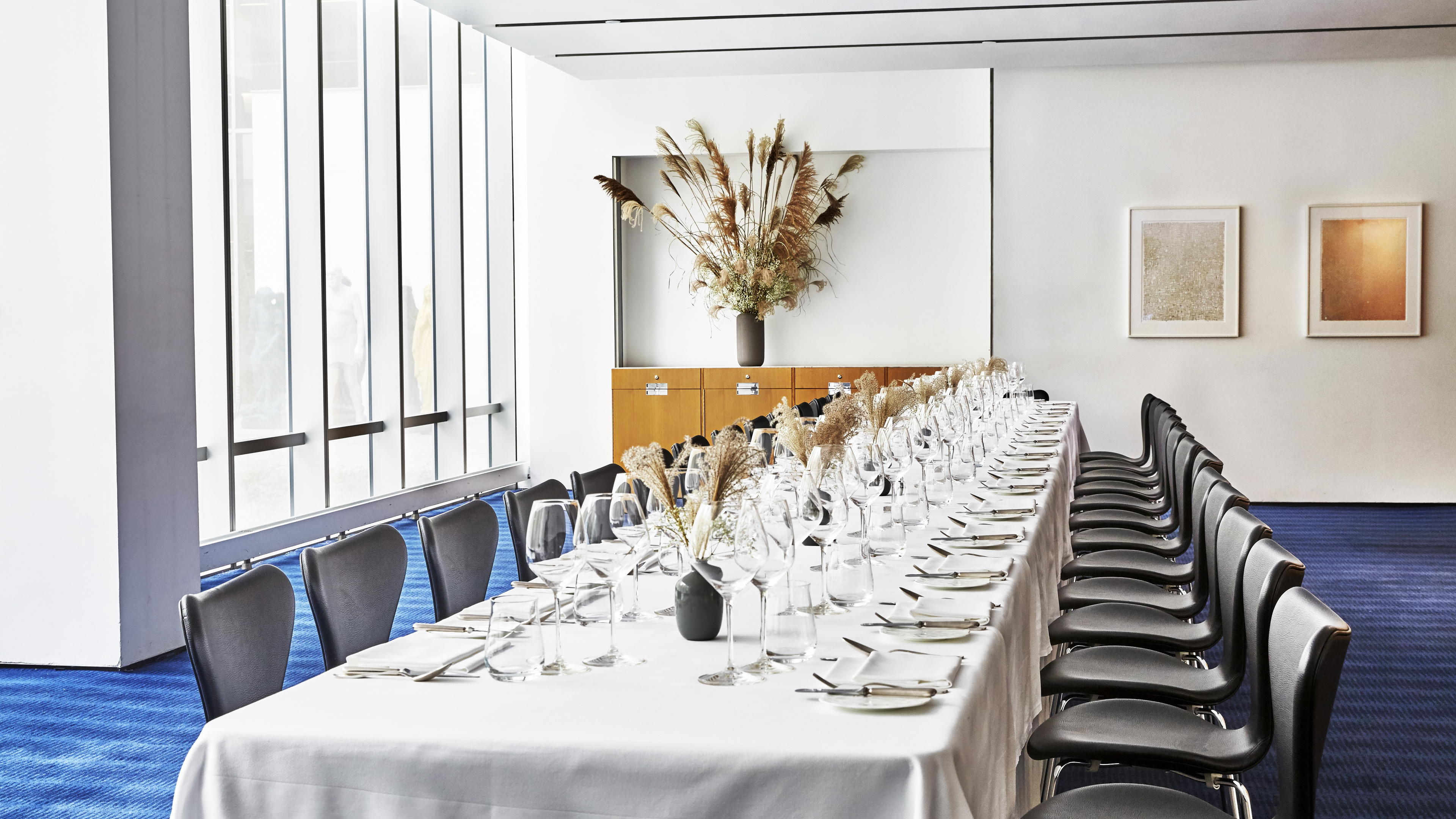
Midtown Manhattan's Park Avenue corridor is not where most diners expect to find the kind of stillness that kaiseki requires. The blocks between Grand Central and Murray Hill run on hotel lobbies, midday power lunches, and the churn of commuter traffic. Yet inside the Kitano Hotel at 66 Park Avenue, Hakubai operates in a formal Japanese kaiseki register in New York City. The dining room applies the spatial logic of a Japanese inn: low light, considered arrangement, a deliberate quieting of pace. Before a single course arrives, the environment is already making an argument about how this meal should be read.
That argument matters because kaiseki, the multi-course Japanese culinary form rooted in Kyoto temple tradition, is as much about sequence and setting as it is about individual dishes. The form predates modern tasting menus by centuries, and its logic, small courses ordered by cooking method, ingredient season, and textural contrast, is among the more disciplined meal structures in any culinary tradition. In New York, kaiseki exists at the edges of the Japanese dining conversation, which is dominated by omakase sushi counters and izakaya concepts. Hakubai positions itself in that quieter corner.
Where Kaiseki Sits in New York's Japanese Dining Hierarchy
New York's Japanese dining tier has consolidated around a handful of formats. At the upper end, omakase sushi counters like Masa occupy a price bracket that prices against global peer counters rather than the city's broader restaurant market. Below that, a second tier of serious Japanese cooking, ramen-adjacent, izakaya, or modern fusion, spreads across multiple neighbourhoods. Kaiseki, which requires neither the theatre of sushi counter interaction nor the casual approachability of shared plates, occupies a smaller and more demanding niche. It asks the diner to surrender to a structure they did not design.
Hakubai's position inside a hotel property also places it in a specific sub-category. Hotel dining in New York has a complicated reputation: some of the city's most serious restaurants operate inside hotel buildings (the dining programs at properties near Columbus Circle and in Midtown demonstrate that hotel address does not determine quality), while others trade on address and foot traffic rather than culinary depth. Hakubai's kaiseki format, aligned with the Kitano's broader positioning as a Japanese-owned property with a particular hospitality philosophy, signals that the kitchen's primary audience is the format itself rather than hotel guests looking for convenience.
The Progression: How a Kaiseki Meal Reads
Understanding what to expect from Hakubai means understanding how kaiseki sequencing works in practice. A traditional kaiseki meal moves through a defined architecture: sakizuke (an opening bite, the equivalent of an amuse-bouche but more restrained), hassun (a seasonal platter that establishes the meal's primary ingredient theme), a series of cooked preparations, grilled, simmered, steamed, fried, each isolating a different technique, and a closing rice course with pickles and miso. The arc is not about escalation toward a grand finale. It is about variation and balance across the full length of the meal.
This structure contrasts with the progression logic at French tasting-menu restaurants like Le Bernardin or Per Se, where courses tend to build in richness and intensity toward a protein centerpiece before releasing into dessert. Kaiseki distributes attention differently: the rice course that closes a meal is treated with the same seriousness as the grilled fish course that precedes it. For diners accustomed to French-influenced tasting structures, this rebalancing can feel disorienting at first and then, usually by the middle of the meal, genuinely clarifying.
Within New York's broader multi-course dining scene, this sequencing philosophy gives Hakubai a distinct identity. Ambitious Korean tasting programs like Atomix and Jungsik New York each adapt traditional formats through contemporary technique, but both read as modernist projects. Kaiseki at Hakubai adheres more closely to the traditional form, which makes it a rarer proposition in the city.
Seasonality as the Engine
Kaiseki's organizing principle is the Japanese seasonal calendar, and that principle should inform when you book as much as where you sit. The form tracks seasonal ingredients with a precision that most Western tasting menus approximate but rarely match structurally. The hassun platter, which establishes each meal's seasonal reference point, shifts with what is available and appropriate: spring brings bamboo shoot and cherry blossom references; autumn moves toward mushroom and root preparations; winter emphasizes warming techniques and preserved ingredients. A meal in March and a meal in October at the same kaiseki restaurant are, architecturally, different meals.
This seasonal discipline connects Hakubai to a broader tradition of ingredient-first cooking that also drives programs at properties like Blue Hill at Stone Barns in Tarrytown or Single Thread Farm in Healdsburg, where the agricultural calendar governs the kitchen's decisions. The mechanism differs, but the underlying conviction that the time of year should determine what appears on the plate connects these programs across their different culinary languages.
Hakubai in the Context of Midtown's Premium Dining
Midtown Manhattan supports a dense concentration of premium dining: French flagships, multi-star tasting counters, hotel restaurants with serious culinary ambitions. The neighbourhood also generates a particular kind of diner, business travelers, pre-theater guests, anniversary dinners, who may approach Hakubai with different expectations than the kaiseki-literate diner arriving specifically for the format. This is worth noting not as a criticism of the venue but as context for what the experience rewards. Kaiseki is a format that returns more to diners who arrive knowing what its sequencing is attempting.
For those mapping a longer New York itinerary across the city's serious dining tier, Hakubai occupies a position that none of the obvious alternatives fill: not the sushi counter intensity of Masa, not the French-rooted authority of Per Se, not the modernist Korean ambition of Atomix. It is the city's clearest access point to kaiseki in a formal setting, which is a specific proposition with a specific audience.
Planning Your Visit
Hakubai is located at the Kitano Hotel, 66 Park Avenue, at the corner of 38th Street in Murray Hill. The address sits a short walk from Grand Central Terminal, which makes it accessible from most of Midtown and reachable from both the 4/5/6 and 7 subway lines. Reservations: Advance booking is advisable; kaiseki dining rooms tend to operate at limited capacity and are structured around set-course timing, so last-minute availability is uncommon. Dress: Formal attire is expected. Budget: Expect about $150 per person.
Cost Snapshot
Comparable venues nearby, for context on price, style, and recognition.
| Venue | Cuisine | Price | Notes |
|---|---|---|---|
| hakubaiThis venue — the venue you are viewing | Not listed | $$$$ | Not listed |
| Sushi Yoshitake | Midtown, Edomae Omakase | $$$$ | Not listed |
| Zuma New York | Not listed | $$$$ | Midtown-Times Square, Modern Japanese Izakaya |
| Tachi | Not listed | $$$$ | Hell's Kitchen, Traditional Japanese Omakase |
| Morimoto | Not listed | $$$$ | Chelsea-Hudson Yards, Contemporary Japanese |
| E Broadway | Not listed | $$$$ | Chinatown-Two Bridges, Japanese Yakitori Omakase |
Continue exploring
More in New York City
Restaurants in New York City
Browse all →
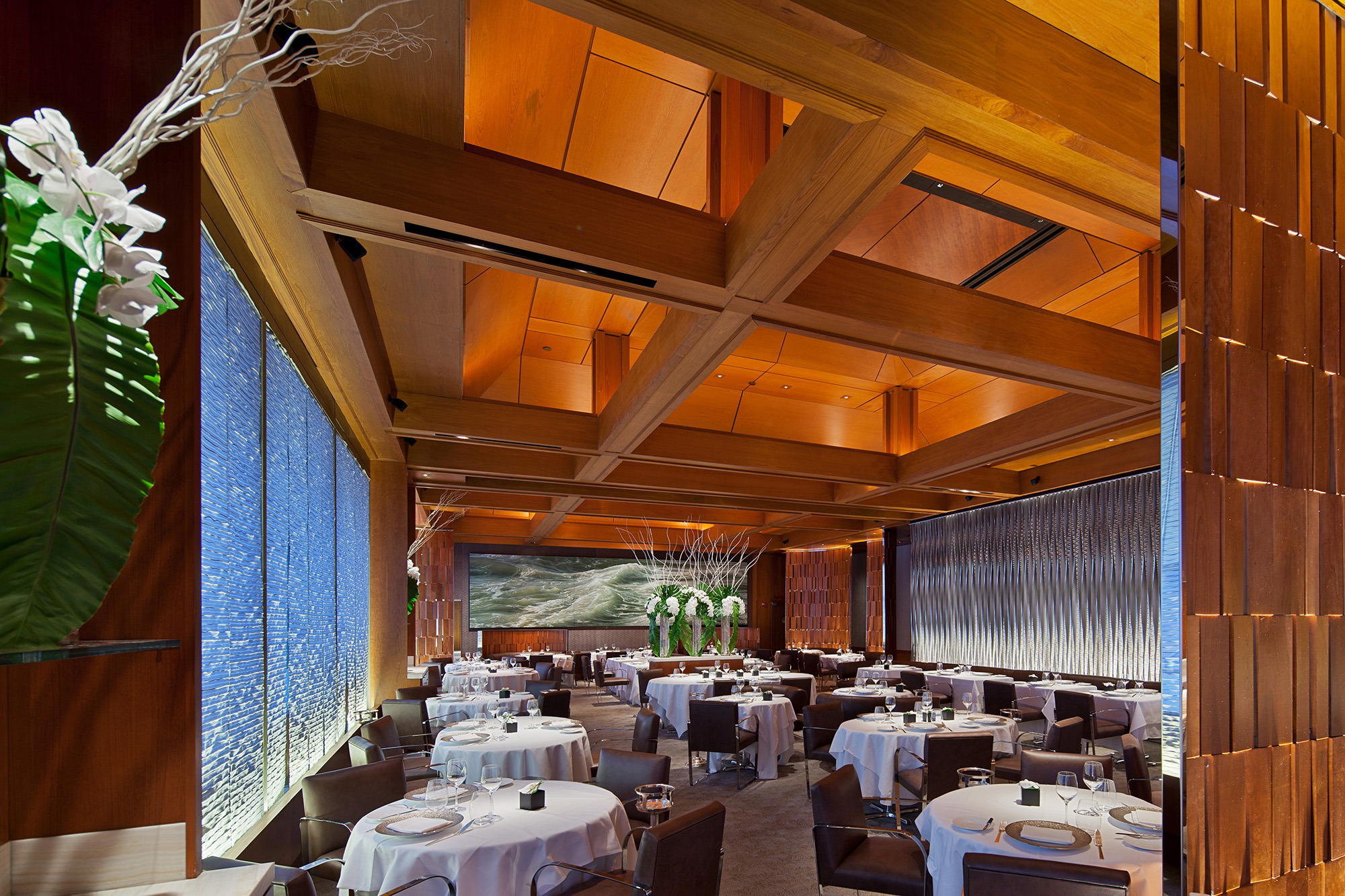
Bars in New York City
Browse all →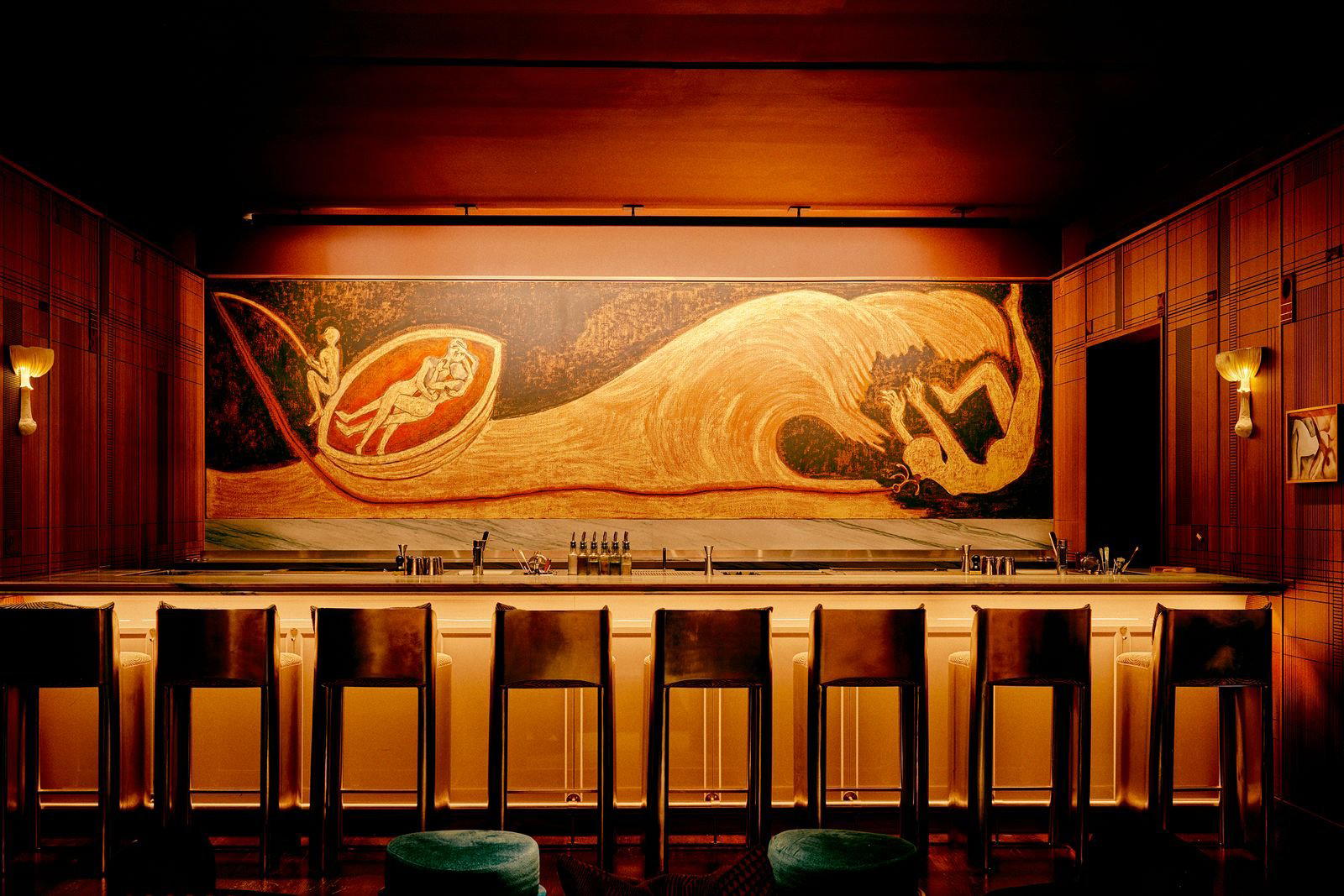
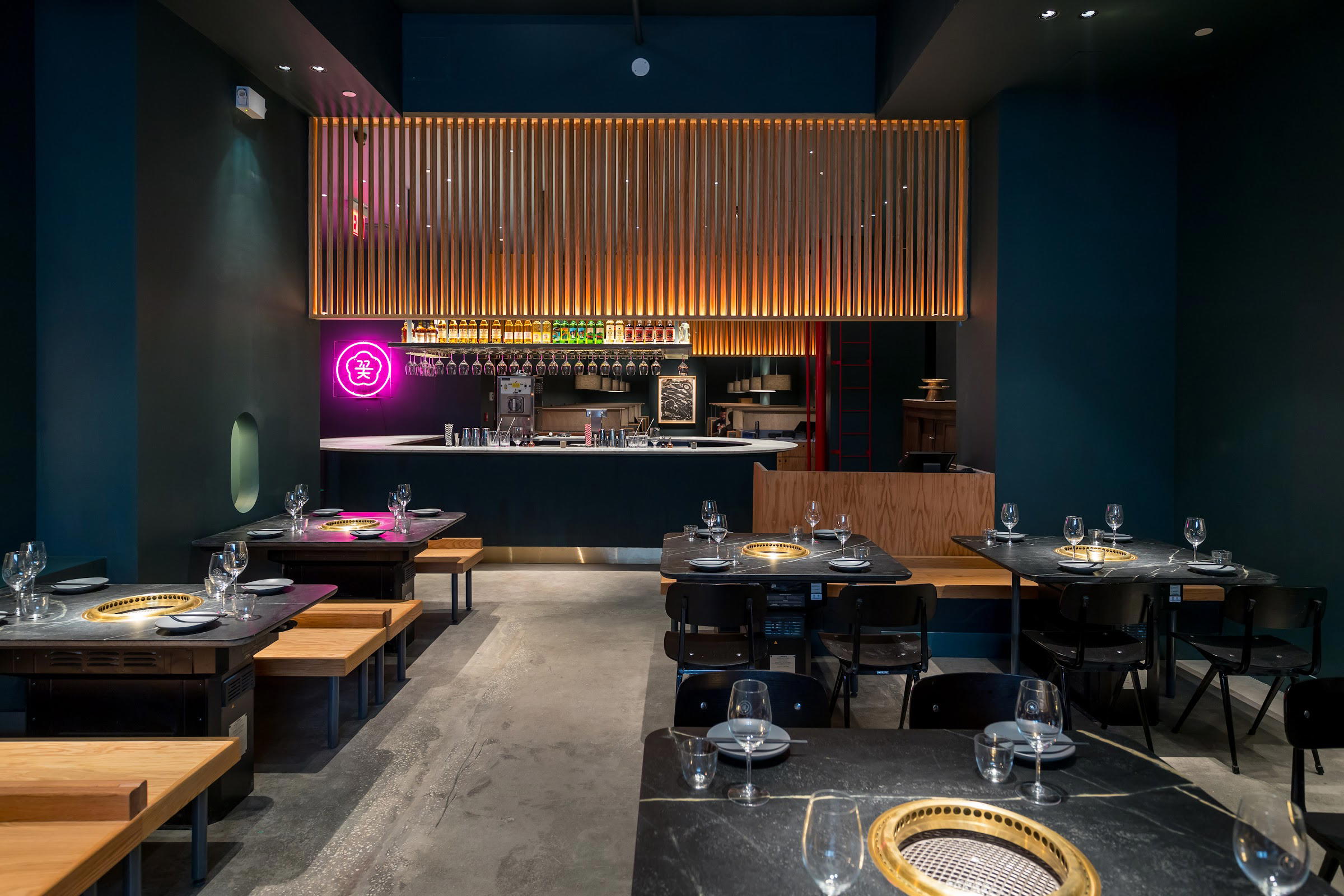
Hotels in New York City
Browse all →





At a Glance
- Elegant
- Intimate
- Sophisticated
- Classic
- Date Night
- Business Dinner
- Special Occasion
- Celebration
- Private Dining
- Hotel Restaurant
- Chefs Counter
- Sake Program
- Sommelier Led
Current opening hours
- Monday
- Closed
- Tuesday
- 5:30–10 PM
- Wednesday
- 5:30–10 PM
- Thursday
- 5:30–10 PM
- Friday
- 5:30–10 PM
- Saturday
- 5:30–10 PM
- Sunday
- Closed
Hours can change for holidays and private events. Last verified .
Refined and transportive with traditional Japanese aesthetics; features tatami-bedecked private rooms and a main dining area with sparse, elegant furnishings despite noted unflattering fluorescent lighting.