Morimoto
Morimoto occupies a significant address in Chelsea's West Side at 88 10th Avenue, where Japanese technique meets the ambitions of New York's premium dining corridor. The restaurant sits in a comparable set that includes the city's most demanding Japanese and contemporary fine-dining rooms, and it draws on a culinary lineage that positions it against counters like Masa in the upper tier of the city's Japanese dining conversation.
- Address
- 88 10th Ave, New York, NY 10011
- Directions
- Get directions
Chelsea's West Side and What It Asks of a Restaurant
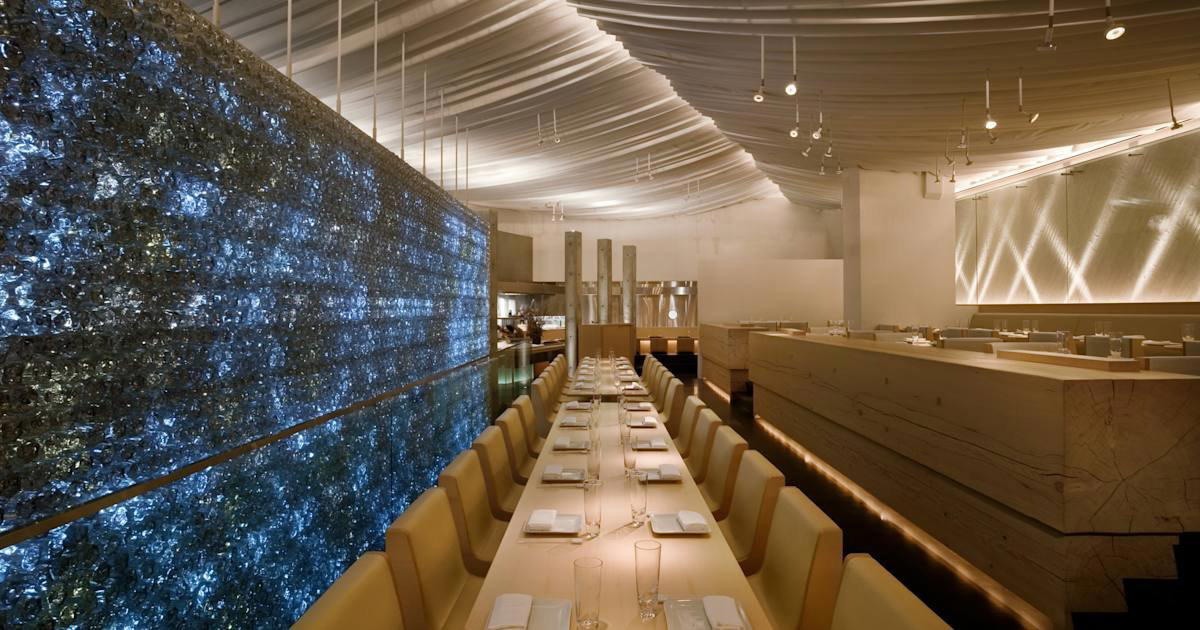
The stretch of 10th Avenue running through Chelsea is not where New York's fine-dining scene began, but it is where a significant portion of it landed when the High Line changed the calculus of the neighbourhood. The western edge of Chelsea attracted large-format, design-conscious restaurants that needed space and footprint the older dining districts could not offer. Morimoto, at 88 10th Avenue, is part of that westward migration: an address that signals ambition, scale, and a certain deliberate distance from the cramped theatre of Midtown's dining rooms. Arriving here from the street, the scale registers before anything else. This is not an intimate counter; it is a room built to hold its own against a neighbourhood that now attracts serious architectural and hospitality investment alongside its gallery and market traffic.
That neighbourhood context matters when placing Morimoto in the wider map of New York's Japanese dining. The city's Japanese category has stratified considerably over the past decade. At one end, Masa operates at the upper limit of the omakase format, with pricing and exclusivity that place it in a category almost apart from the rest. Below that, a range of counter-led rooms and chef-driven Japanese concepts compete on technique, lineage, and format. Morimoto occupies a different register: a Japanese-influenced kitchen operating at a scale and format closer to the contemporary American fine-dining model than to the intimate counter tradition. Understanding that positioning is the starting point for any honest assessment of what the restaurant is and what it is not.
Japanese Technique Inside a New York Fine-Dining Frame
The Japanese-American dining model that Morimoto represents has a particular history in New York. It emerged from a moment when cross-cultural technique was a genuine editorial story, when Japanese knife discipline and ingredient sensitivity arriving inside an American dining room felt like a category shift rather than a menu style. That moment has passed in some respects: the city's dining scene now includes Atomix, which has absorbed Korean tradition into a tasting-menu format of considerable rigour, and any number of kitchens that treat Asian culinary traditions with serious technical intent. The question for a Japanese-influenced room of Morimoto's scale is whether the technique holds at volume, and whether the room's format still carries editorial weight in a city where the fine-dining conversation has moved in multiple directions simultaneously.
Peer comparisons are instructive here. Le Bernardin demonstrates what it looks like when a large-format, serious kitchen sustains technique and precision across decades at high volume, a French seafood room that has held its competitive position through discipline rather than reinvention. Eleven Madison Park and Per Se represent the tasting-menu end of New York's premium dining, where format and ceremony carry as much weight as individual dishes. Morimoto operates in a space between these models: neither the pure counter intimacy of the omakase tradition nor the full ceremony of the tasting menu, but a à la carte and sharing-format room where Japanese flavour logic and technique underpin a more accessible dining structure.
That in-between position is not a weakness. It is a choice, and it places the restaurant in a comparable set that extends well beyond New York. The Japanese-inflected contemporary restaurant format appears across the American dining scene, from Providence in Los Angeles to kitchens that draw on Asian technique while maintaining a Western service framework. What distinguishes the stronger entries in this category is the degree to which the Japanese culinary logic actually disciplines the kitchen rather than simply decorating a menu with miso glazes and ponzu.
The Neighbourhood as Context for the Room
Chelsea in 2024 is a neighbourhood that contains multitudes without resolving them particularly neatly. The gallery district to the east, the food market activity drawing significant tourist and local traffic, and the High Line's architectural ambition overhead have collectively produced a dining scene that skews toward scale, design investment, and a tourist-aware clientele that does not preclude serious eating but does create different pressures than, say, the concentrated local market that sustains a neighbourhood restaurant in the West Village. Morimoto's address at 88 10th Avenue puts it squarely in that milieu.
The advantage of this position is visibility and foot traffic from a clientele that arrives already oriented toward spending and experience. The challenge is that Chelsea's dining rooms must work harder to earn the kind of word-of-mouth loyalty that builds a regular local following. The restaurants that have managed this balance well in New York tend to be those that use the physical scale of their rooms to deliver something that a smaller venue could not: a kitchen capable of handling volume without losing precision, or a design investment that makes the room itself part of the evening's argument. Whether Morimoto's room delivers at that level is a question of which visit you happen to have on which night, a reality that applies to any large-format serious restaurant, from Smyth in Chicago to Blue Hill at Stone Barns outside the city.
Morimoto sits in a distinct category within that map, Japanese-influenced, high-volume, Chelsea-located, and knowing what you are selecting it for matters more than it might at a smaller, more single-minded room. Those with interest in how other ambitious chefs have built chef-driven restaurant identities that travel across markets will find relevant reference points at Emeril's in New Orleans and The French Laundry in Napa, both of which move through the relationship between a named culinary identity and a dining room that operates at commercial scale.
Planning a Visit
Morimoto is located at 88 10th Avenue in Chelsea. Reservations are recommended. Reservations are advisable, particularly for weekend evenings when Chelsea's dining pressure concentrates. The format is suited to groups looking for a shared-format meal within New York's Japanese dining options, positioned between the austerity of the omakase counter and the ceremony of the full tasting-menu room.
At a Glance
Comparable venues nearby, for context on price, style, and recognition.
| Venue | Cuisine | Price | Notes |
|---|---|---|---|
| MorimotoThis venue — the venue you are viewing | Not listed | $$$$ | Not listed |
| Kaiyo Omakase | Not listed | $$$$ | Long Island City-Hunters Point, Japanese Omakase |
| Sushi Yoshitake | Midtown, Edomae Omakase | $$$$ | Not listed |
| Sake No Hana | Not listed | $$$$ | SoHo-Little Italy-Hudson Square, Modern Japanese Izakaya |
| Nikutei Futago | Not listed | $$$$ | SoHo-Little Italy-Hudson Square, Osaka-style A5 Wagyu Yakiniku Tasting |
| Zuma New York | Not listed | $$$$ | Midtown-Times Square, Modern Japanese Izakaya |
Continue exploring
More in New York City
Restaurants in New York City
Browse all →
Bars in New York City
Browse all →
Hotels in New York City
Browse all →




At a Glance
- Modern
- Trendy
- Sophisticated
- Well Known
- Date Night
- Special Occasion
- Business Dinner
- Open Kitchen
- Design Destination
- Sake Program
- Craft Cocktails
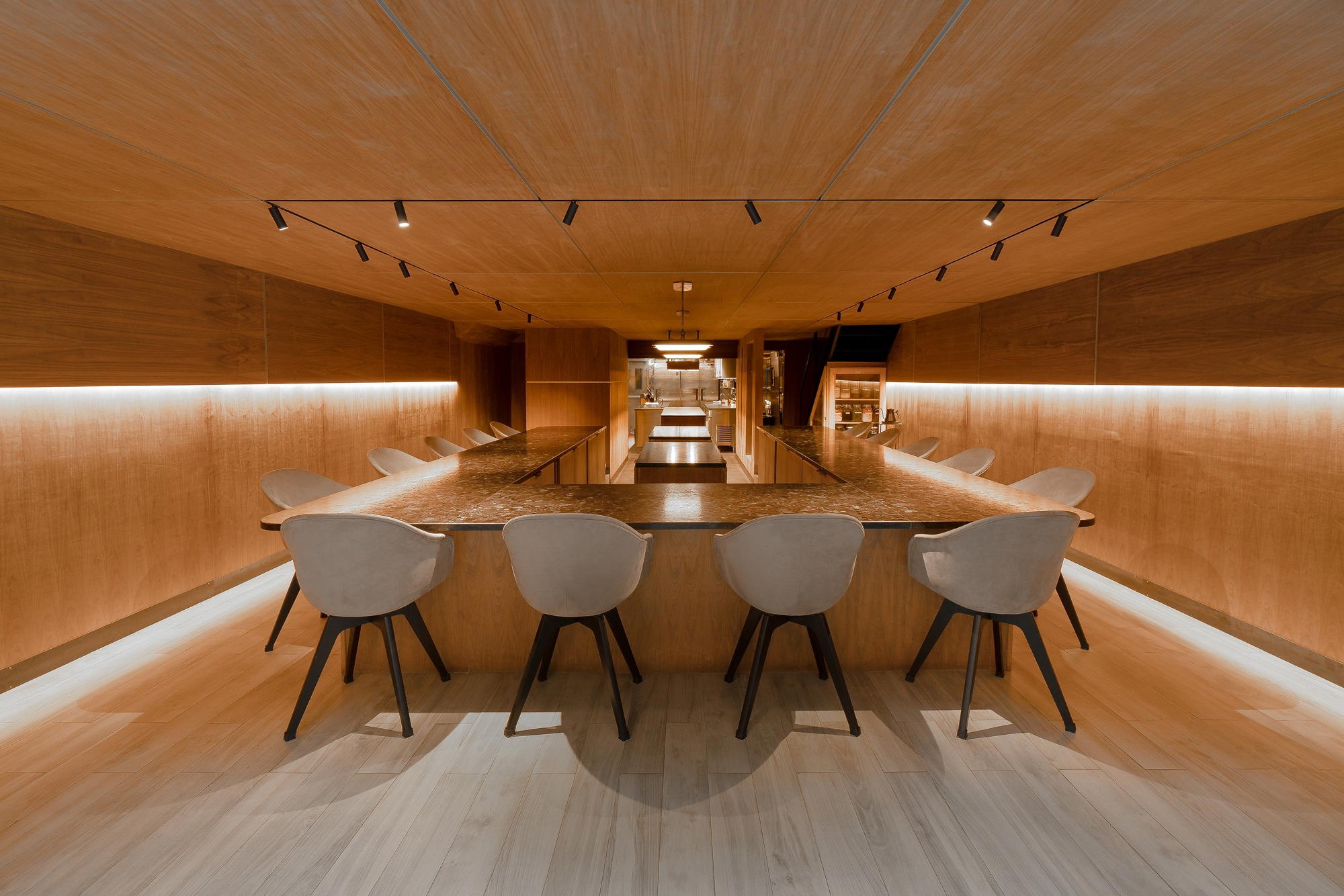
Trendy and energetic atmosphere with an open exposition kitchen allowing diners to watch the chefs at work.