
Hakata Gion Tetsu Nabe sits in Fukuoka’s gyoza-and-izakaya lane rather than its ramen spotlight. Its draw is the local iron-pan dumpling format, backed by Tabelog 100 Dumplings selections in 2019, 2021, and 2024, with a large, mixed seating room that explains why regulars treat it as an easy repeat stop rather than a special-occasion performance.
Pearl is the En Primeur Club membership app — saves, bookings, and concierge access live there. Same editors, same standards.
- Address
- 2-20 Gionmachi, Hakata Ward, Fukuoka, 812-0038, Japan
- Phone
- +81 92-291-0890
- Website
- tetsunabe.co.jp
 Saves & bookings on Pearl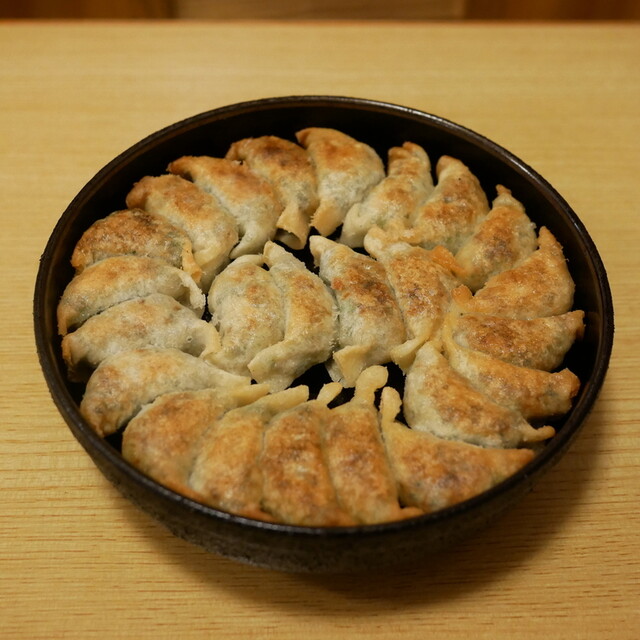
Gion’s evening dining rhythm is less polished than Tenjin’s department-store floors and less theatrical than the yatai circuits along the river. The appeal is practical: small plates, beer-friendly cooking, quick decisions, and rooms where office groups, families, and visiting eaters can read the format without a script. Hakata Gion Tetsu Nabe belongs to that tradition. The name points to the iron-pan gyoza style associated with Hakata, a genre built for repetition rather than ceremony.
Fukuoka is often reduced to tonkotsu ramen by outsiders, but the city’s low-cost dining culture is wider and more social than a bowl-at-the-counter itinerary suggests. Gyoza houses, udon shops, yakitori counters, and izakaya-style rooms form the everyday grid. In that grid, dumplings work as a bridge food: enough of a destination to anchor the night, casual enough to fold into drinks and second stops. For a broader read on how the city eats, Our full Fukuoka restaurants guide is the better starting map, with drinking, hotel, wine, and activity context in Our full Fukuoka bars guide, Our full Fukuoka hotels guide, Our full Fukuoka wineries guide, and Our full Fukuoka experiences guide.
Iron-pan gyoza as a repeat habit, not a tasting-menu event
The regulars’ logic here is easy to understand: gyoza, izakaya drinks, and a room large enough to absorb different kinds of groups. The venue is categorized as dumpling and izakaya, with sake, shochu, wine, and cocktails listed, which places it closer to a democratic evening table than to a narrow specialist counter. That matters in Fukuoka, where some of the strongest eating is not expensive but habitual, the kind of cooking locals return to because it solves dinner cleanly.
The recognition gives that everyday format a sharper edge. Hakata Gion Tetsu Nabe was selected for Tabelog 100 Dumplings in 2019, 2021, and 2024, and carries a Tabelog score of 3.54. Those are not luxury signals; they are category signals. They say the dumpling format has enough consistency and local pull to register inside a national gyoza conversation, while the experience remains grounded in the city’s casual izakaya economy.
That combination is what separates it from more formal Fukuoka meals. Daitou en Honten and Aji Dokoro Taro Gen Sougyou ten sit in a higher dinner-spend bracket, while Shinshu Soba Murata and Karo No Uron represent different low-commitment traditions: soba and udon rather than dumplings. Asahi Ken Ekimae honten overlaps more closely in the gyoza-and-drinks zone, but the Tabelog 100 Dumplings history gives Hakata Gion Tetsu Nabe a clearer national category marker. The decision is less about chasing prestige than choosing the correct food language for the night.
A room built for counter seats, tables, and tatami regulars
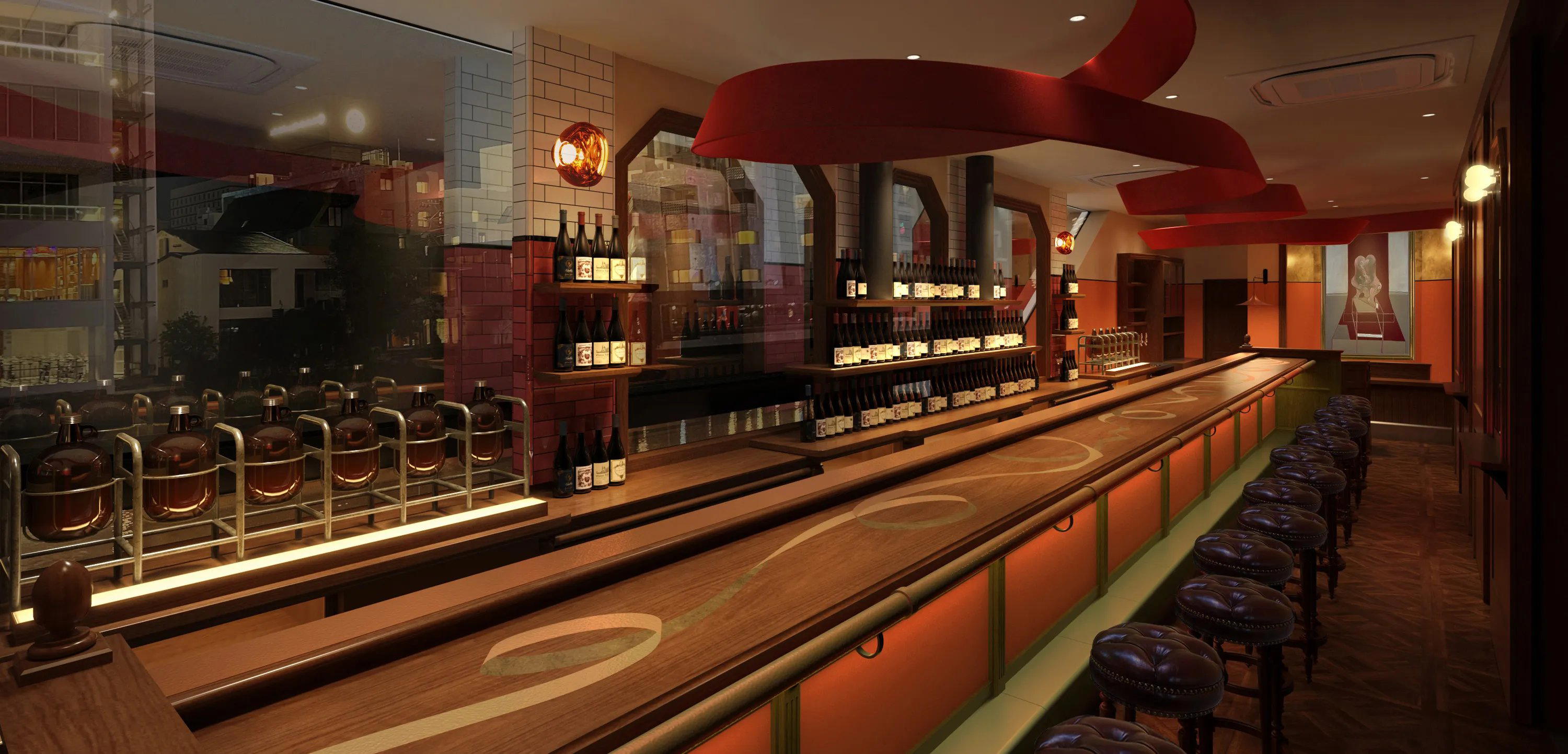
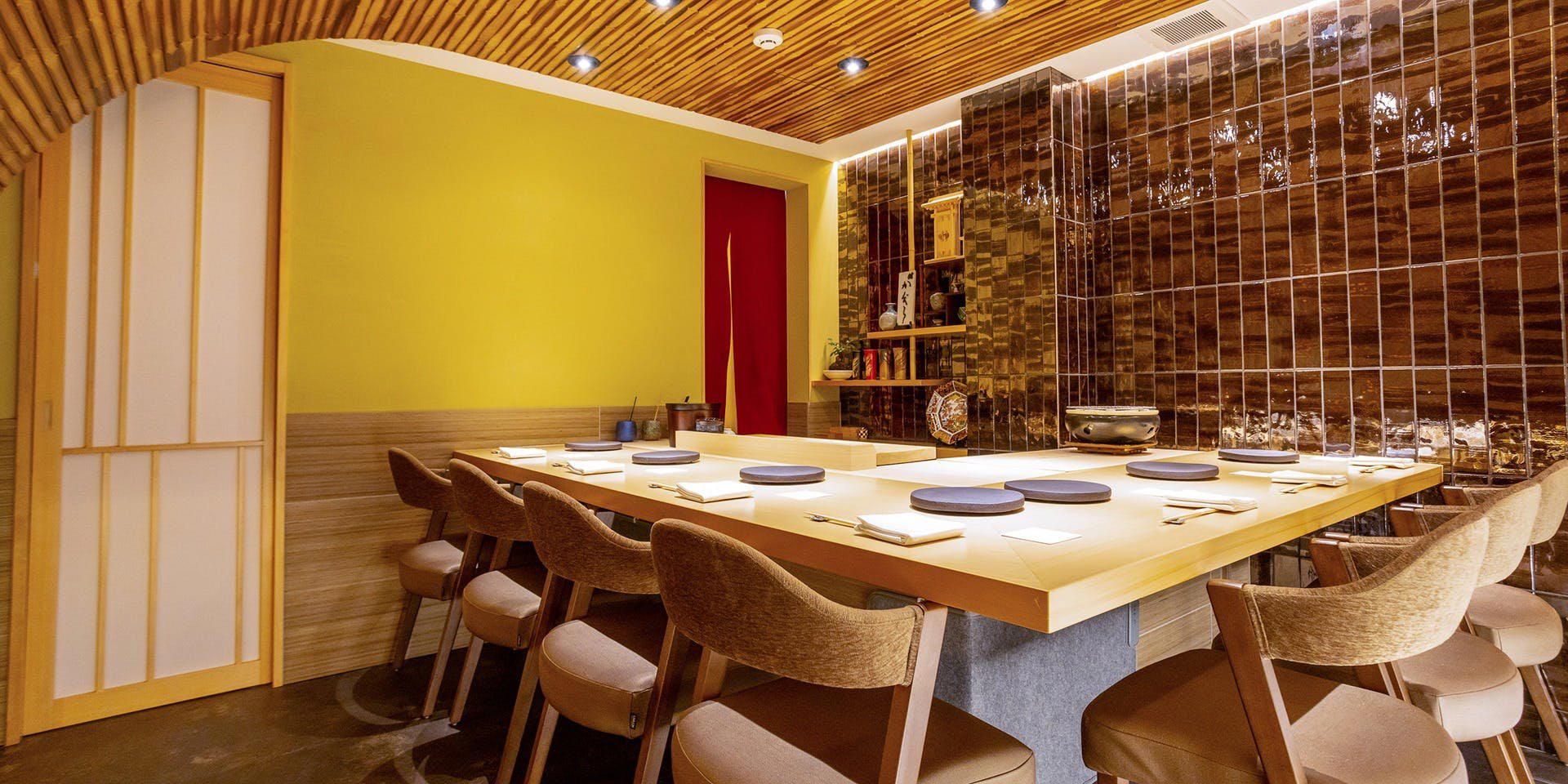
The seating layout explains part of the loyalty. The room is listed at 120 seats, with counter seats in front, table seating in the middle, and tatami seating in the back. In Japanese casual dining, that is not a minor architectural note. It means the same address can serve solo eaters, after-work pairs, family groups, and friends settling in for a longer izakaya-style run. The format is flexible without becoming vague.
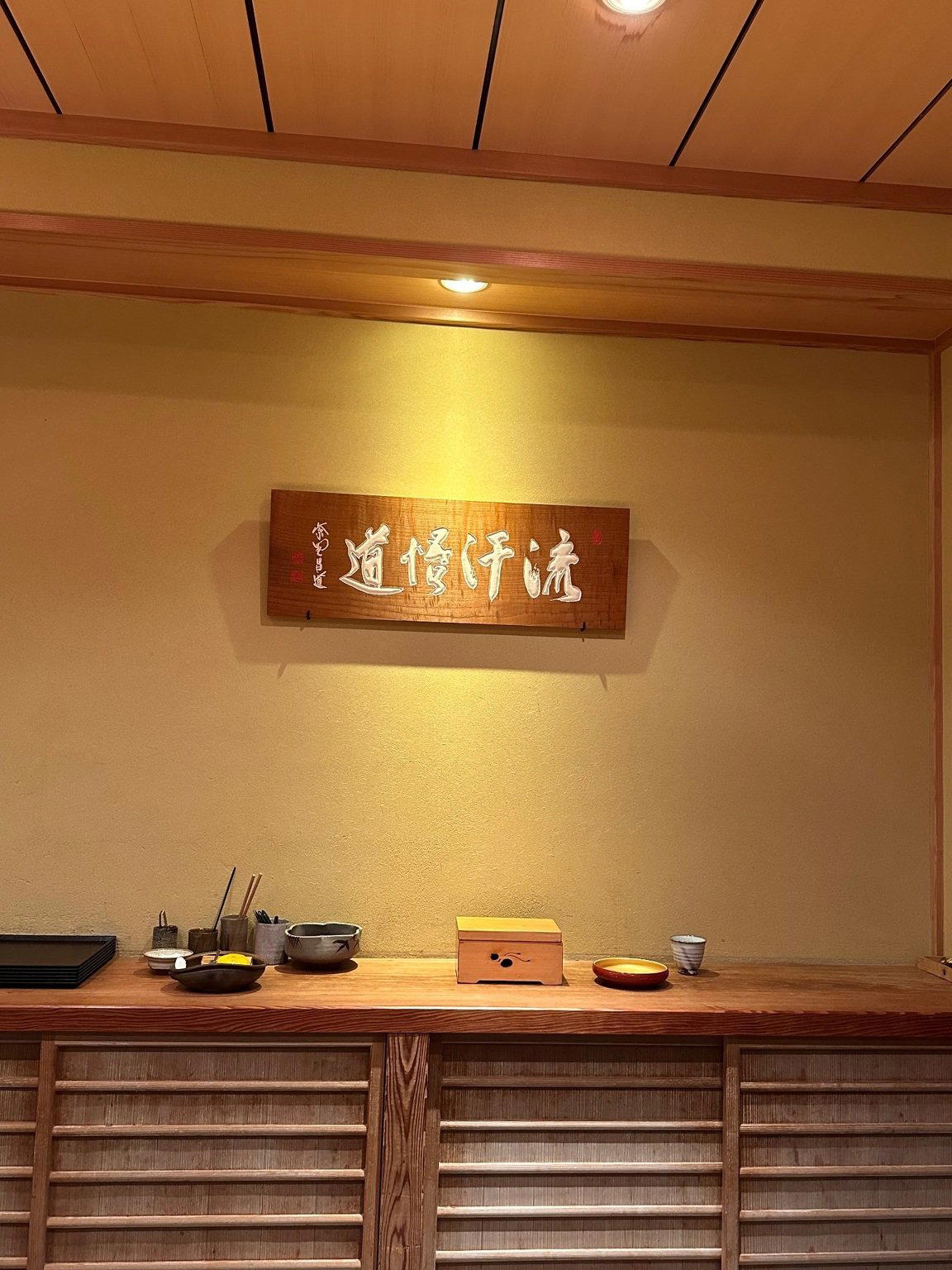
There is also a useful discipline to the house rules. The restaurant is non-smoking, private rooms are unavailable, and photography is prohibited inside because celebrity photos line the walls. That last point shapes the experience more than it may sound. In a city where casual restaurants can become social-media targets, a no-photography rule pushes attention back toward eating, talking, and ordering at the pace of the room. Take-out gyoza is listed for parties of two or more, which reinforces the regulars’ view of dumplings as a household food as much as a dining-out object.
For travelers building a Fukuoka eating day, this is the evening counterweight to other local genres. Curry specialists such as Afterglow and South Indian cooking at 106 South Indian Fukuoka tenjin ten show the city’s appetite for spice beyond ramen. Fish-centered comfort appears at Aji Furai Shokudo Kaba, while tonkatsu and set-meal instincts sit behind Aji no Katsueda. For a more traditional Japanese dinner register, Aji Dokoro Taro Gen Sougyou ten points in a different direction. The value of the gyoza stop is that it does not compete with those meals; it gives the itinerary a local, low-friction anchor.
How it fits into a wider Japan itinerary
Fukuoka rewards diners who resist the single-dish checklist. The city’s pleasure is cumulative: dumplings one night, udon another, a spice lunch, a fish-fry set, a late drink. The restaurant belongs in that sequence because it compresses Hakata’s sociable side into a format that is easy to read: dumplings, drinks, mixed seating, and a national dumpling-list credential without a luxury posture.
That makes it especially useful for travelers comparing casual Japanese formats across cities. Kamakura’s grilled beef sukiyaki at -Grilled beef Sukiyaki- KAMAKURA TANUKIAN 鎌倉 たぬき庵 in Kamakura, Tokyo’s charcoal-and-tuna izakaya lane at. 鮪と炭火焼き うお炭 秋葉原店 in Tokyo, Osaka café culture at.cafe in Osaka, Kumamoto’s contemporary dining at.know in Kumamoto, Kawasaki’s Vietnamese cooking at (Shoku) Vietnam in Kawasaki, and Sapporo curry at [Curry Senmon Ten] Maruyama Kyoju. in Sapporo all show how category-specific restaurants define a city more honestly than generic fine dining does. Even outside Japan, Japanese casual forms travel well: Jōdo Saké Bar in Los Angeles and Onigiri Time in Pasadena underline how sake-bar and rice-ball formats carry cultural memory through small, repeatable rituals.
The editorial case is simple. This is not the place to look for chef mythology or a long tasting structure. It is a Fukuoka dumpling room with documented Tabelog 100 Dumplings recognition, a scale that welcomes repeat use, and a format that fits how locals actually eat after dark. In a city too often summarized by ramen, that makes the address more revealing than another bowl on a tourist route.
A Credentials Check
Nearby venues at a similar price tier for orientation.
| Venue | Cuisine | Price | Notes |
|---|---|---|---|
| Hakata Gion Tetsu NabeThis venue — the venue you are viewing | Hakata izakaya & iron-pan gyoza | $ | Not listed |
| Miyake | Traditional Hakata Udon | $ | Hakata |
| Kamakiri Udon | Casual Udon Noodle Bar | $ | Chūō |
| Hakata Gomasaba Ya | Fukuoka seafood shokudo & gomasaba specialist | $ | Chūō |
| Bomber Kitchen Yakuin honten | Japanese-style Western set meals (yoshoku) | $ | Chūō |
| Kiharu no Gomasaba ya | Mackerel-focused Japanese Izakaya | $$ | Chūō |
Recognition history
Dated appearances from independent guides and award organizations, with the underlying list record or original source where available.
Tabelog 100 #94 · No. 94
Tabelog · Tabelog 100 - Dumplings - 2024
At a Glance
- Lively
- Cozy
- Classic
- Energetic
- Casual Hangout
- After Work
- Group Dining
- Solo
- Standalone
- Beer Program
- Sake Program
Current opening hours
- Monday
- 5–10:30 PM
- Tuesday
- 5–10:30 PM
- Wednesday
- 5–10:30 PM
- Thursday
- 5–10:30 PM
- Friday
- 5–10:30 PM
- Saturday
- 5–10:30 PM
- Sunday
- Closed
Hours can change for holidays and private events. Last verified .