
Bomber Kitchen Yakuin honten puts Fukuoka’s yoshoku tradition into a compact cafeteria format in Yakuin, with Tabelog 100 Yoshoku WEST 2025 recognition giving it weight beyond a casual neighbourhood meal. The appeal is not luxury theatre; it is the Japanese-Western canon served at everyday scale, with a small room, counter seating, and a city crowd that treats yoshoku as comfort food rather than novelty.
Pearl is the En Primeur Club membership app — saves, bookings, and concierge access live there. Same editors, same standards.
- Address
- 2 Chome-2-18 Yakuin, Chuo Ward, Fukuoka, 810-0022, Japan
- Phone
- +81 92-732-3116
- Website
- bomberkitchen.org
 Saves & bookings on Pearl
Yakuin has a quieter rhythm than Fukuoka’s station districts: residential blocks, small dining rooms, and restaurants that depend less on spectacle than on repeat local use. In that setting, yoshoku makes particular sense. The form grew from Japan’s long adaptation of Western cooking into something domestic, rice-friendly, and deeply local: cutlets, sauces, omelette rice, fried seafood, hamburger steak, cafeteria plates, and set-meal logic rather than European dining ceremony. Bomber Kitchen Yakuin honten belongs to that everyday lineage, but its Tabelog 100 Yoshoku WEST 2025 selection pushes it into a more selective conversation than its casual format first suggests.
Fukuoka yoshoku without the ceremony of fine dining
Fukuoka’s premium dining image often tilts toward sushi counters, tempura rooms, yakitori, and high-spend Chinese tasting formats. The comparison is useful because yoshoku works by different rules. A meal here is not competing with the controlled pacing of Sushi to Amakusa Daio Amane, the oil-temperature precision of Tempura Tenko, or the skewer discipline of Yakitori Mako. It sits in a lower-cost, higher-frequency category where the measure is consistency, portion logic, and the comfort of Japanese-Western cooking translated for daily use.
That is why the Tabelog recognition matters. Tabelog’s Hyakumeiten lists tend to surface categories that Michelin-style coverage can underrepresent, especially formats built around casual meals rather than tasting menus. Selection for Yoshoku WEST in 2025 places Bomber Kitchen Yakuin honten among a regional group judged within its own food culture, not against French dining rooms or omakase counters. The same page history also notes selection in the set-meal category in 2021, a useful signal because yoshoku and teishoku overlap in how diners actually use them: plates built around rice, protein, sauce, sides, and speed.
For a wider read on how the city balances specialist counters with everyday rooms, use Our full Fukuoka restaurants guide. Fukuoka rewards this kind of range. Aji no Katsueda and Aji no Katsueda speak to the city’s practical lunch culture, while Aji Furai Shokudo Kaba shows how a narrow fried-fish focus can carry a room. The point is not that these places do the same thing; it is that Fukuoka gives serious attention to formats that other cities might dismiss as merely casual.
A small-room format built for repeat meals
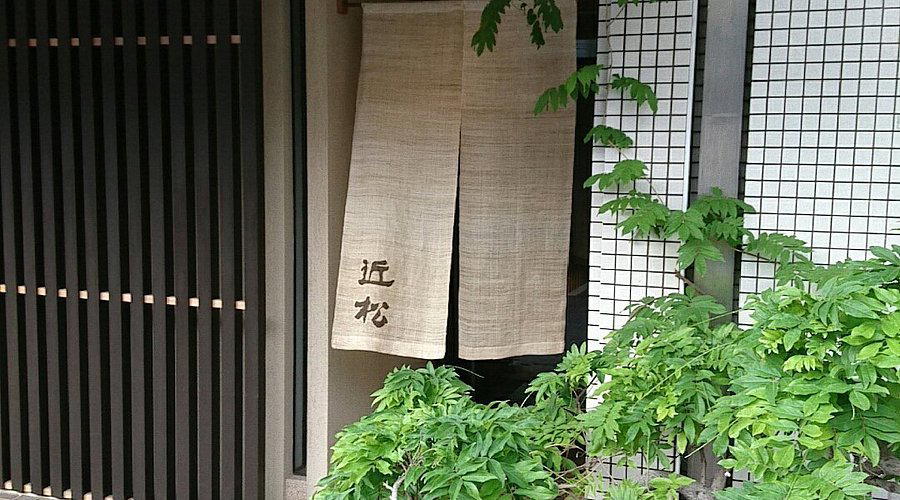
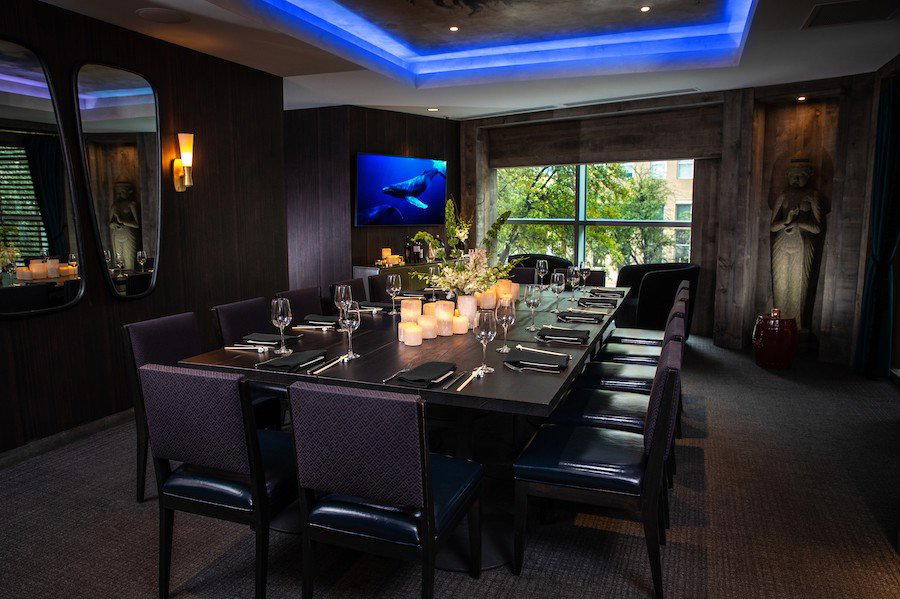
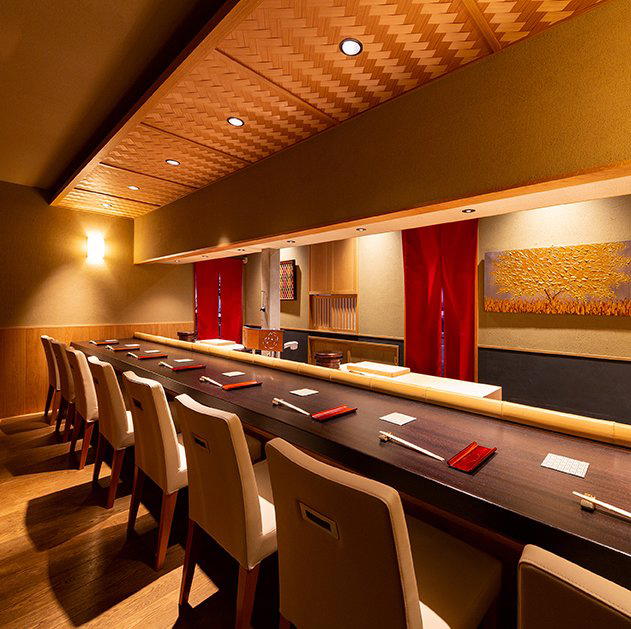
The room is compact, with 18 seats split between counter places and a few tables. That scale shapes the experience more than any chef biography would. Counter seating makes yoshoku feel closer to a working kitchen than to a Western dining room; tables allow the cafeteria side of the format to function for friends and families. The venue is non-smoking, with a smoking area outside, and the setting is listed as family friendly with children welcome. In Japan, that combination is significant: the cuisine may carry Western names, but the social pattern is closer to a neighbourhood shokudo than a formal restaurant.
Yoshoku’s cultural weight comes from its ability to absorb foreign technique without preserving foreign etiquette. It is Western-derived food that has become Japanese through repetition: served with rice, built around sauces adjusted to local taste, and ordered by office workers, families, students, and solo diners without needing an occasion. Bomber Kitchen Yakuin honten’s cafeteria classification is therefore not a downgrade. It is part of the genre’s credibility. A polished yoshoku room that forgot its everyday function would miss the point.
Fukuoka’s dining map gives travellers multiple ways to understand this middle ground. 106 South Indian Fukuoka tenjin ten and Afterglow show the city’s appetite for spice-driven cooking, while Aji Dokoro Taro Gen Sougyou ten occupies a different register of local eating. Taken together, these addresses make clear that Fukuoka’s dining strength is not only in expensive counters. It is also in small places that sharpen familiar formats until they become destination meals for people who care about category detail.
How to place it in a Fukuoka itinerary
This is the kind of restaurant that fits better into a city itinerary than into a destination-dining schedule. Yakuin Odori puts it away from the strongest tourist pull of Hakata and Tenjin, yet close enough to fold into a day built around central Fukuoka. The neighbourhood suits travellers who want a meal that explains how locals eat when they are not staging a special night out. For hotels, bars, and broader planning around the city, keep Our full Fukuoka hotels guide, Our full Fukuoka bars guide, Our full Fukuoka wineries guide, and Our full Fukuoka experiences guide alongside the restaurant shortlist.
Travellers building a Japan food route should treat this as a category lesson rather than a trophy stop. Yoshoku in Fukuoka is not the same proposition as curry in Sapporo at [Curry Senmon Ten] Maruyama Kyoju. in Sapporo, Vietnamese cooking in Kawasaki at (Shoku) Vietnam in Kawasaki, or café culture at.cafe in Osaka. It is another example of Japan’s talent for localizing outside influences until the adapted form becomes its own standard.
For contrast, higher-formality and regional-reference meals elsewhere in Japan read differently: -Grilled beef Sukiyaki- KAMAKURA TANUKIAN 鎌倉 たぬき庵 in Kamakura. 鮪と炭火焼き うお炭 秋葉原店 in Tokyo, and.know in Kumamoto each sit in different urban and culinary registers. Across the Pacific, Jōdo Saké Bar in Los Angeles and Onigiri Time in Pasadena show how Japanese food categories shift again when translated abroad. The restaurant is valuable because it keeps the focus inside Japan: a small Fukuoka room, a recognized yoshoku category, and a meal style that explains everyday appetite with more precision than another luxury counter would.
Pricing, Compared
Comparable venues to calibrate price, style, and recognition.
| Venue | Cuisine | Price | Notes |
|---|---|---|---|
| Bomber Kitchen Yakuin hontenThis venue — the venue you are viewing | Not listed | $ | Not listed |
| GARAM | Not listed | $ | Chūō, Japanese Kashmir-style curry counter |
| Tempura Dokoro Hirao Honten | Hakata, Casual Tempura Specialist | $ | Not listed |
| Tempura Dokoro Hirao Daimyou ten | Chūō, Casual Tempura Specialist | $ | Not listed |
| Hakata Gomasaba Ya | Not listed | $ | Chūō, Fukuoka seafood shokudo & gomasaba specialist |
| Yakitori Inada | Hakata, Traditional Yakitori & Izakaya | $$ | Not listed |
Recognition history
Dated appearances from independent guides and award organizations, with the underlying list record or original source where available.
Tabelog 100 #22 · No. 22
Tabelog · Tabelog 100 - Yoshoku - WEST - 2025
At a Glance
- Lively
- Cozy
- Solo
- Casual Hangout
- After Work
- Family
- Group Dining
- Standalone
Current opening hours
- Monday
- 11:30 AM–3:30 PM, 5:30–9 PM
- Tuesday
- 11:30 AM–3:30 PM, 5:30–9 PM
- Wednesday
- 11:30 AM–3:30 PM, 5:30–9 PM
- Thursday
- 11:30 AM–3:30 PM, 5:30–9 PM
- Friday
- 11:30 AM–3:30 PM, 5:30–9 PM
- Saturday
- 11:30 AM–3:30 PM, 5:30–9 PM
- Sunday
- 11:30 AM–3:30 PM, 5:30–9 PM
Hours can change for holidays and private events. Last verified .