
Tabelog 100 #47
Our verdict
Nagoya’s yakiniku culture rewards small rooms, careful sourcing, and a grill-side rhythm that feels closer to counter dining than casual barbecue. Gyutei belongs in that category: an 18-seat Higashi Ward address with Tabelog 100 Yakiniku EAST selections across multiple years and a format built for diners who care about beef quality, pacing, and smoke management as much as spectacle.

Pearl is the En Primeur Club membership app, where members save venues, book tables and use the concierge.
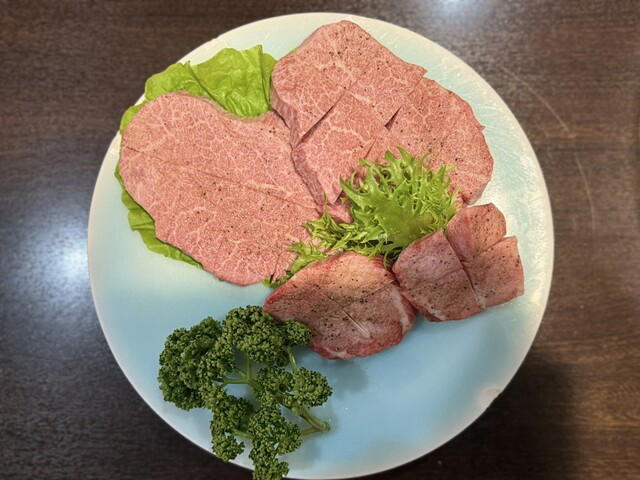
Approaching a serious yakiniku restaurant in Nagoya, the first signal is usually restraint: a grill-centred meal, close attention to timing, and service that assumes diners understand appetite versus sequencing. Gyutei fits that grammar. The experience feels focused enough for heat and pacing to matter, with the central proposition kept plain: Japanese BBQ is the point, and control is part of the craft.
Nagoya’s premium dining conversation often favours sushi counters, kappo rooms, and Italian kitchens with deep wine lists, yet yakiniku occupies a different lane. It is less formal than kaiseki and less performative than high-end omakase, but the margin for error is narrow. Cooking happens at the table, so ingredient choice, cut selection, and pacing matter more than elaborate plating. Gyutei’s Tabelog Hyakumeiten recognition in 2025 places it among vetted specialist yakiniku restaurants, not everyday grill houses.
Yakiniku in Nagoya is about sourcing discipline, not just grill heat
At this level, yakiniku is a sourcing conversation before a cooking style. Japan’s grill culture has trained diners to read fat, texture, and portion size precisely; too much richness can flatten a meal, while under-seasoned leaner cuts expose weak buying. Serious rooms solve that tension through sequencing: richer pieces in smaller waves, leaner or more textural items to reset the palate, and drinks that keep the meal from turning heavy.
That sourcing-led approach explains why a focused yakiniku restaurant can compete with more formal dining formats in Nagoya. Sushi Isao sits in a premium sushi lane, while Kappo Hosono works through another grammar of Japanese cooking. Bottegon and Baci draw premium diners toward Italian technique, and Toriryori Jun works a tighter poultry-focused lane. Against that mix, Gyutei’s appeal is specific: it asks diners to value yakiniku selection and grill management over ceremony.
The Tabelog Hyakumeiten recognition matters because yakiniku is crowded, with reputations built through repeat local use rather than international visibility. Its 2025 listing gives Gyutei a clear quality signal, supported by a Tabelog score of 3.68. It does not make the room a luxury performance; it confirms credibility in a format where inconsistency is easy to notice.
A focused format changes how the meal feels
Dining format is part of the yakiniku logic. A focused restaurant in this category does not need to act like a large barbecue hall. The best versions tighten pacing and suit diners who want concentration rather than a long, loose evening built around volume. The atmosphere is best understood as shared and purposeful, not showy or sprawling.
Nagoya’s dining geography also matters. The city has a calmer restaurant rhythm away from its louder nightlife patterns, and it rewards destination dining: people come for a specific counter, grill, or dining room, then leave rather than drift between venues. Gyutei’s identity is that of a specialist Nagoya restaurant, not a passing-footfall stop.
The drink structure should follow the food. Sake, shochu, wine, and other pairings can suit salt, smoke, and fat when handled with restraint. Breadth is not the point. In yakiniku, the drink list works only if it handles char, rendered fat, and repeated small portions without overwhelming the table.
For readers mapping a wider Nagoya itinerary, the city’s range is broader than one category. The central restaurant grid includes small independent rooms, specialist counters, and hotel-adjacent all-day formats. For the wider city edit, use Our full Nagoya restaurants guide, with parallel planning through Our full Nagoya hotels guide, Our full Nagoya bars guide, Our full Nagoya wineries guide, and Our full Nagoya experiences guide.
Who should choose this grill counter
Gyutei is strongest for diners who want yakiniku as a specialist meal rather than a casual add-on between plans. The award signal and price band point toward a focused dinner where value sits in selection, pacing, and concentration. It is less suitable for diners wanting a sprawling menu, late-night party atmosphere, or a setting where children can move freely.
The smarter comparison is not with every grill restaurant in Nagoya, but with the city’s other premium specialist meals. A sushi counter narrows attention through rice, fish, temperature, and chef timing. A kappo room uses seasonality and knife work. A yakiniku specialist shifts part of the cooking responsibility to the diner while keeping the hard decisions upstream: which cuts, in what order, with what seasoning, and at what richness. That makes the format more interactive, not less serious.
Visitors extending a Japan dining circuit can read Gyutei alongside other meat, charcoal, and casual-specialist formats across the country, without needing to force direct one-to-one comparisons. For overseas pairings, other narrow Japanese-influenced formats show how focused food and drink ideas can travel without copying the full restaurant model.
The editorial verdict is clear: choose Gyutei when the night calls for yakiniku, grill craft, and a restaurant focused enough to make each round feel accountable. Nagoya has flashier ways to spend a dinner, but this is the more disciplined yakiniku lane, built around the category rather than decoration.
Frequently asked questions
Is Gyutei a family-friendly restaurant?
Gyutei is best approached as a focused yakiniku restaurant in Nagoya rather than a loose, high-movement family setting. Mixed groups may still find it workable if everyone is comfortable with a grill-centred meal.
How would you describe the vibe at Gyutei?
Gyutei is a focused yakiniku restaurant in Nagoya, so the mood is more purposeful than sprawling. Its Tabelog Hyakumeiten 2025 recognition points to a serious dinner spot rather than a casual barbecue hall.
Is Gyutei expensive?
Pricing at Gyutei is listed as JPY 10,000 - JPY 14,999.
What time does Gyutei open and close?
Current opening hours are not provided here; check directly with Gyutei before planning your visit.
How do I find Gyutei?
Gyutei is located in Nagoya.
Comparable Spots, Quickly
Comparable venues for context, by category and price tier.
| Venue | Cuisine | Price | Awards | Notes |
|---|---|---|---|---|
| GyuteiThis venue (the venue you are viewing) | High-end Wagyu Yakiniku | $50–100 | Tabelog 100 #47 | Not listed |
| Chisouan Hijiri | Traditional Kyoto-style kaiseki | $50–100 | Tabelog 100 #96 | Higashi |
| Teppan Izumi ~Sankai~ | Teppanyaki Steakhouse | Not listed | Not listed | Higashi |
| 雪月花たなかさとる | Modern Japanese Yakiniku | $200–300 | Tabelog Bronze #398 | Naka |
| Cutlet Matsumura | Modern Tonkatsu | $20–30 | Tabelog 100 #5 | Nakamura |
| Sen Kame | Traditional Yakitori & Izakaya | $30–50 | Tabelog 100 #5 | Naka |
Recognition history
Dated appearances from independent guides and award organizations, with the underlying list record or original source where available.
Tabelog 100 #47 · No. 47
Tabelog · Tabelog 100 - Yakiniku - EAST - 2025
Continue exploring
More in Nagoya





Details
- Cozy
- Elegant
- Intimate
- Date Night
- Business Dinner
- Group Dining
- Special Occasion
- After Work
- Standalone
- Sake Program
- Extensive Wine List
- A La Carte
- Counter Dining
- Sake
- Shochu
- Wine
Current opening hours
- Monday
- 5–9 PM
- Tuesday
- Closed
- Wednesday
- 5–9 PM
- Thursday
- 5–9 PM
- Friday
- 5–9 PM
- Saturday
- 5–9 PM
- Sunday
- 5–9 PM
Hours can change for holidays and private events. Hours as of .
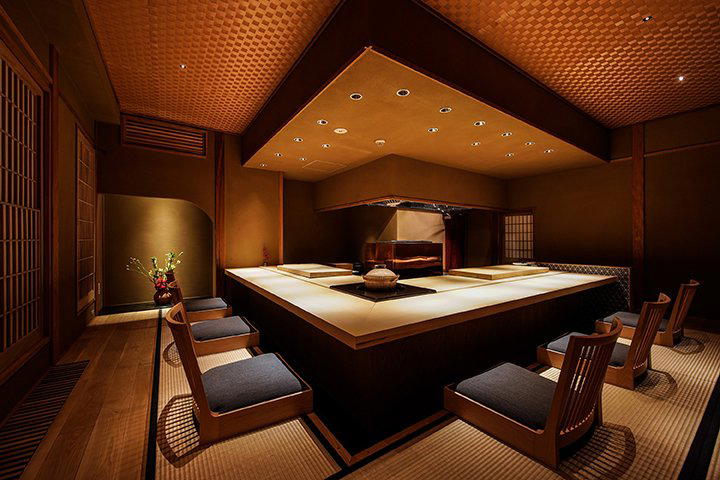
An intimate, non-smoking yakiniku hideaway with only 18 seats, relaxed spacing, counter and table seating, and a calm, quietly elegant atmosphere suited to lingering over high-quality Wagyu.