
Tabelog 100 #5
Our verdict
Sen Kame places Nagoya yakitori inside the ritual of a compact grill room: counter seats, tables, tatami and sunken seating, with chicken skewers and izakaya drinking culture carrying the meal. Its repeated Tabelog Yakitori 100 selections from 2018 through 2025 give it a clear credibility signal in the city’s mid-priced dinner bracket.

Pearl is the En Primeur Club membership app, where members save venues, book tables and use the concierge.
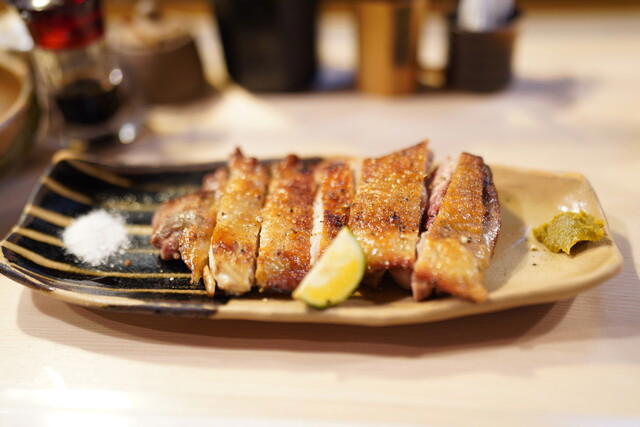
The menu
What to order
- Yakitori skewers
- Nagoya Cochin chicken yakitori
In Nagoya, the yakitori ritual starts before the first skewer lands. Diners step into a focused room and submit to smoke, pacing and shared drinking rather than the sprawl of a general izakaya. Nagoya’s eating culture is dense with miso, grilled meats, late drinking and station-area convenience, but its yakitori rooms demand narrower attention: sequence, heat, salt, tare, pauses, another pour, another skewer.
Yakitori is often misread as casual food upgraded by premium ingredients. At serious counters, the hierarchy is grill control, cut selection, timing and the ability to hold a room’s pace. Sen Kame belongs to that discipline, working in the yakitori, chicken-dish and izakaya category rather than the tasting-menu theatre that defines much of Japan’s high-end dining conversation. For travellers, the distinction is useful: this dinner is built on repetition and calibration, not surprise courses or chef biography.
A Nagoya yakitori room built around pacing, not spectacle
In Nagoya, restaurants often serve office diners who know the city’s drinking routes and visitors using central Japan as a base between Tokyo, Kyoto and the Chubu region. Yakitori fits that geography: quick or extended, counter-led or table-led, austere or tavern-like. The better rooms need little narrative; they rely on skewer-by-skewer grammar.
Sen Kame’s format states that middle ground. The room suits diners who want the grill to set cadence, while the broader izakaya frame keeps the evening conversational. It is the kind of meal where pacing matters as much as ordering, and where the atmosphere sits closer to a skilled tavern than to a formal destination dining room.
The recognition sharpens the point. Selection for the 2025 Tabelog Yakitori list places the restaurant in a visible yakitori category while keeping it outside the luxury-price bracket of many destination counters. Tabelog’s 3.69 score is another useful Japan signal, where small numerical differences often matter more than visitors used to inflated rating systems expect.
Within Nagoya, price tier also tells a story. Sen Kame sits at JPY 6,000 to JPY 7,999 for dinner, aligning with Alan. as part of the city’s serious dining map, while other Nagoya names such as takumi and Sugimoto Honten point to the wider range of local spending and formats. These are not cuisine equivalents; they show where this dinner lands in Nagoya’s restaurant landscape. For a wider city read, use Our full Nagoya restaurants guide alongside the hotel, bar, winery and experience context in Our full Nagoya hotels guide, Our full Nagoya bars guide, Our full Nagoya wineries guide and Our full Nagoya experiences guide.
The etiquette is simple: follow the grill, then let the drinking culture do its work
Yakitori rewards diners who accept its logic. The meal moves through small choices rather than one grand order: salt or sauce, leaner cuts or richer ones, another round of skewers or a shift to side dishes. Nagoya’s izakaya culture adds the social layer, giving the evening its rhythm without turning it formal. This room needs no cocktail-bar choreography; it needs a table willing to keep time with the grill.
The shared-room feeling is part of the experience. Yakitori draws energy from smoke, conversation and service moving together. The focus stays on grilled chicken and the izakaya setting, not on spectacle or a heavily narrated menu.
For readers mapping Japanese dining beyond Nagoya, the contrast is instructive. Other Japanese dining rooms use different vocabularies: simmering, beef, seafood, charcoal, cafe culture or tightly focused comfort food. Smaller genre pieces across Japan show how narrow formats can reveal more about a city than catch-all dining rooms.
That is the right lens for Sen Kame. Its value is not representing all Nagoya dining, but capturing a specific evening custom: a Nagoya yakitori room where the grill dictates pace, drinks support the sequence, and the meal stays in a price band locals understand. For travellers building a Nagoya restaurant route, it pairs conceptually with other city dining, not because formats match, but because the city rewards moving between specialized rooms rather than chasing one grand statement.
Who should put it on a Nagoya dining plan
This is a strong fit for diners who understand yakitori as a craft meal, not a snack before drinks. It suits pairs or small groups comfortable with chicken-led ordering, shared pacing and an izakaya-adjacent atmosphere. Focused diners will get the most from following the grill’s rhythm, while social diners can still treat the meal as part of a broader Nagoya evening.
It is less suited to diners seeking a long luxury tasting menu, a vegetarian-led meal, or a venue where every detail is mediated through an English-language digital presence. For travellers continuing beyond Japan, comparison across focused formats helps: narrow dining specialists elsewhere may show how single-category discipline travels, but Nagoya’s version remains tied to the cadence of the grill room.
Frequently asked questions
What's the pricing like at Sen Kame?
Pricing at Sen Kame is listed as JPY 6,000 - JPY 7,999.
Where do I go for Sen Kame?
Sen Kame is located in Nagoya.
How far ahead should I plan for Sen Kame?
Planning ahead is sensible, especially for a prime dinner slot in Nagoya.
What is Sen Kame known for?
Sen Kame is a yakitori, chicken dishes, and izakaya address in Nagoya that was selected for Tabelog Yakitori 2025. The price range runs from JPY 6,000 to JPY 7,999, which puts it in a strong value tier for an award-listed yakitori room.
Is Sen Kame good for vegetarians?
The kitchen is centered on yakitori and chicken dishes, so it is built around poultry rather than vegetarian cooking. Diners looking for a vegetarian-led meal should check directly before booking.
Is Sen Kame child-friendly?
Those details are not published. It suits adults and small groups better than children’s dining. Check the venue's official channels for the latest details.
Category Peers
Comparable venues at a glance for context.
| Venue | Cuisine | Price | Awards | Notes |
|---|---|---|---|---|
| Sen KameThis venue (the venue you are viewing) | Traditional Yakitori & Izakaya | $30–50 | Tabelog 100 #5 | Not listed |
| Yagumo | Traditional Nagoya Shabu-shabu & Sukiyaki (Mingei Kappo) | $50–100 | Tabelog 100 #38 | Higashi |
| 吉い | Seasonal Japanese Kaiseki | $100–150 | Not listed | Naka |
| Senkun'an | Japanese Teppanyaki Steakhouse | Not listed | Tabelog 100 #54 | Meitō |
| Yanagiyanishiki | Gifu Regional Cuisine | $100–150 | Not listed | Naka |
| Masaka | Traditional Yakiniku (Japanese BBQ) | $50–100 | Tabelog 100 #58 | Naka |
Recognition history
Dated appearances from independent guides and award organizations, with the underlying list record or original source where available.
Tabelog 100 #5 · No. 5
Tabelog · Tabelog 100 - Yakitori - EAST - 2025
Continue exploring
More in Nagoya
Details
- Cozy
- Classic
- Intimate
- Date Night
- Group Dining
- Solo
- After Work
- Chefs Counter
- Standalone
- Sake Program
- Beer Program
- A La Carte
- Counter Dining
- Small Plates
- Sake
- Beer
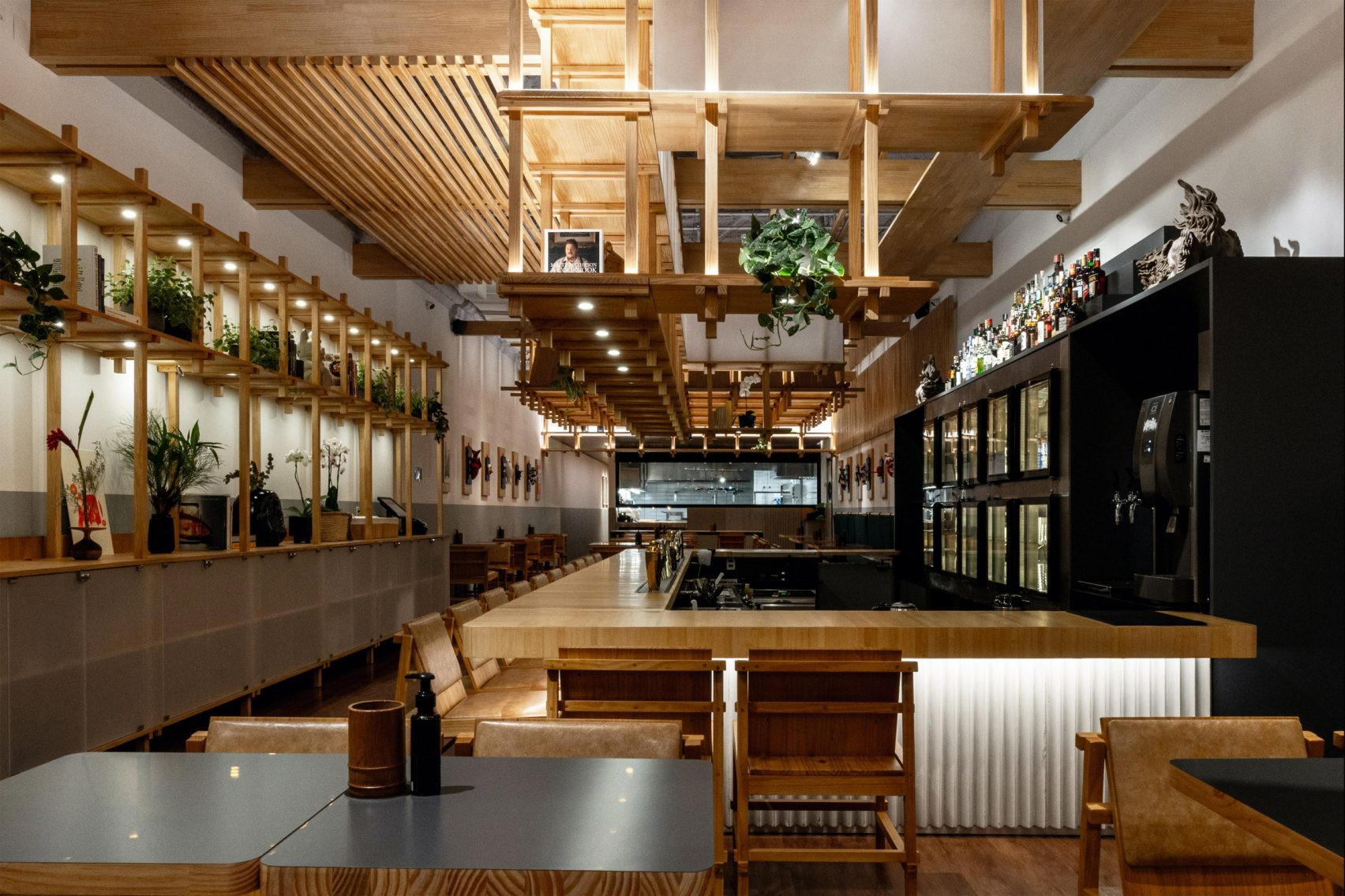
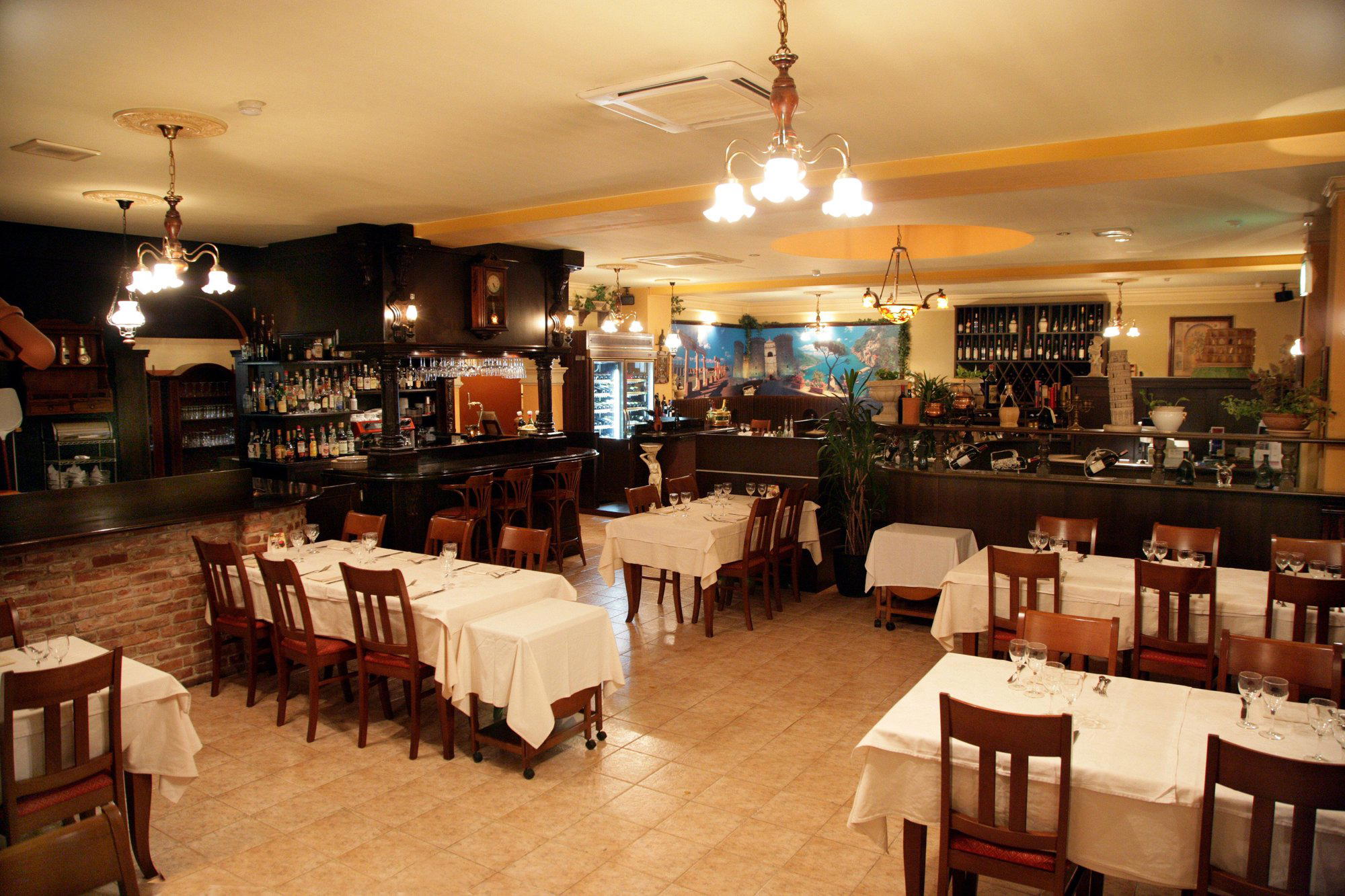
Warm, low-lit yakitori-izakaya atmosphere with an 8-seat counter facing the grill and simple tables in a compact room, creating an intimate, casual neighborhood feel.