Santo Paladar occupies a corner of Sant Andreu, one of Barcelona's quieter residential districts, where the dining register is set more by neighbourhood habit than destination ambition. The address on Rambla de Fabra i Puig places it outside the gravitational pull of the Eixample restaurant corridor, which tells you something about what kind of meal to expect and who it's made for.
Pearl is the En Primeur Club membership app — saves, bookings, and concierge access live there. Same editors, same standards.
- Address
- Santo Paladar Restaurant, Rambla de Fabra i Puig, 33, Sant Andreu, 08030 Barcelona, Spain
- Phone
- +34935631119
- Website
- santopaladar.es
- Directions
- Get directions
 Saves & bookings on Pearl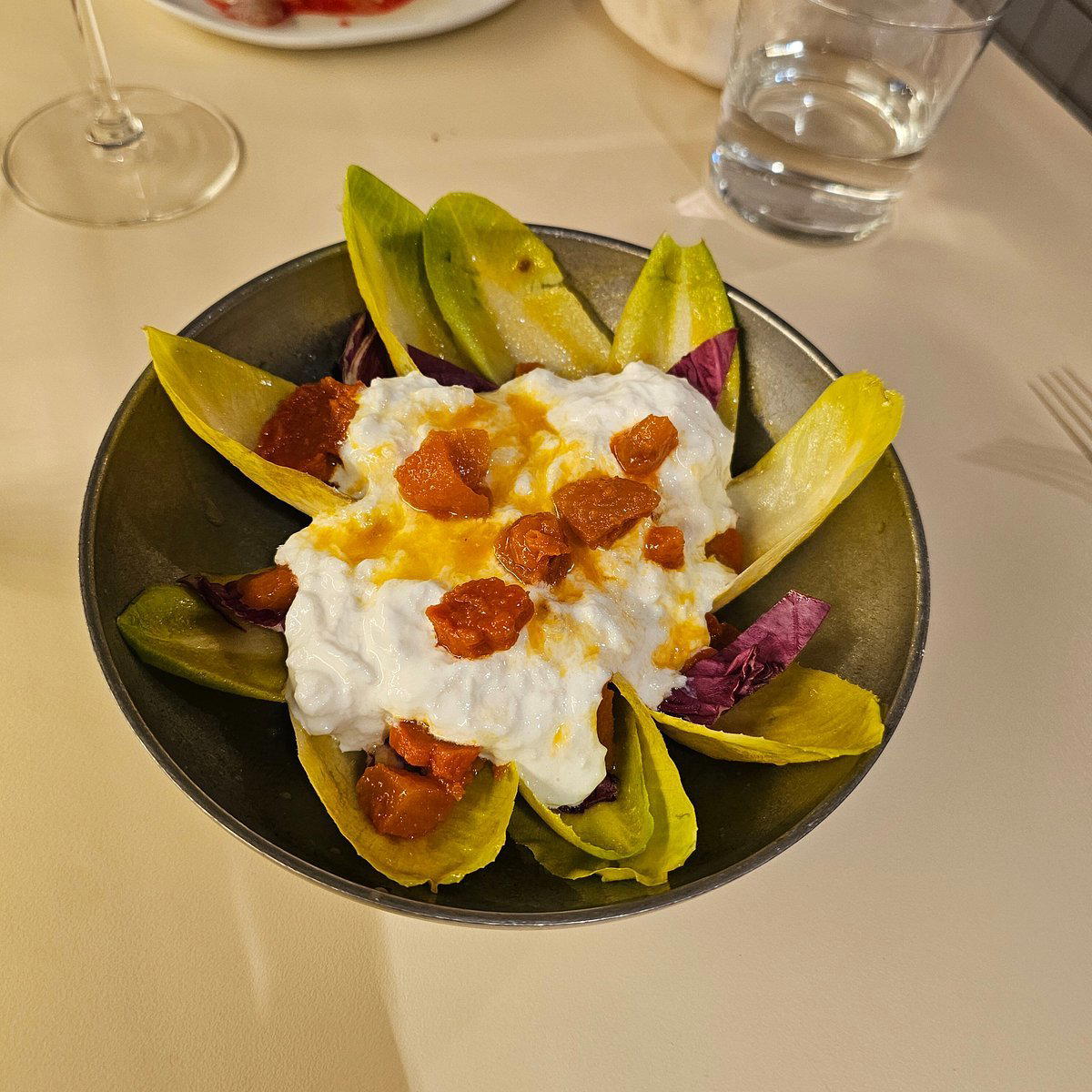
Sant Andreu and the Dining Districts That Don't Perform
The Eixample corridor between Provença and Aragó concentrates the city's Michelin-flagged creative dining, from Cocina Hermanos Torres and Lasarte to the progressive tasting-menu format that Disfrutar and ABaC have made internationally familiar. But Barcelona also has a parallel dining culture running through its older residential barris. Sant Andreu belongs firmly to that second category. It is a working-class district that industrialised early, retained its village-scale street plan, and has spent the last two decades attracting residents priced out of Gràcia and Poblenou without losing its neighbourhood identity in the process. Restaurants here are not destinations in the international sense. They are, in especially useful meaning among the phrase, local.
Santo Paladar sits on Rambla de Fabra i Puig, the district's central tree-lined promenade, at number 33. The rambla format, narrower and less trafficked than Las Ramblas but organised around the same pedestrian logic, gives the address a specific urban character: it is a place people walk past daily, which means a restaurant there builds its audience through repetition and trust rather than discovery and novelty. That context matters when reading what a place like this is doing and for whom.
The Physical Container: What the Space Signals
The editorial angle most relevant to Santo Paladar is architectural rather than gastronomic. Spain's residential-barri dining tradition produces interiors that are legible rather than theatrical: tiled floors, practical table spacing, light that comes from windows facing the street rather than from curated overhead design. The absence of a designed atmosphere is itself a position. It says that the room is built for people who already know why they've come, not for people who need to be convinced by the decor.
This contrasts sharply with the spatial approach at Barcelona's upper creative tier, where the room is part of the argument. Enigma, for instance, routes diners through a sequence of spaces as a deliberate narrative device. That kind of architecture carries a price and a set of expectations with it. The neighbourhood model inverts the equation: the room recedes and the cooking (or the wine list, or the hospitality rhythm) carries more of the weight, with less staging to compensate for it.
The rambla position specifically shapes the visual relationship between interior and exterior. Rambla de Fabra i Puig is designed for lingering: the central walkway, mature trees, and bench seating create a pace of life that feeds into how restaurants on it tend to operate. Meals extend. Tables turn slowly. The rhythm is set by the street, not by a front-of-house system optimised for covers.
Where Santo Paladar Sits in the Broader Spanish Dining Picture
Spain's restaurant culture at the upper end is among the more concentrated in Europe. El Celler de Can Roca in Girona, Arzak in San Sebastián, Mugaritz in Errenteria, Azurmendi in Larrabetzu, Martin Berasategui in Lasarte-Oria, Quique Dacosta in Dénia, Aponiente in El Puerto de Santa María, Ricard Camarena in València, Atrio in Cáceres, and DiverXO in Madrid form a peer cluster that is recognised internationally and priced accordingly. Barcelona's own contribution to that tier is well-documented. But below it, in the middle and neighbourhood register, is where Spanish dining has always been structurally strong: a culture of cooks making ingredient-led food for a local clientele, without the infrastructure (or the budget) of the tasting-menu format.
The restaurant operates in that register. The Sant Andreu address puts it at some remove from the tourist-facing parts of the city, which is a functional filter: the room self-selects for residents and for visitors who have done enough research to look beyond the Gothic Quarter and the Born. Internationally, the closest comparison model would be the kind of address that functions as a neighbourhood anchor, something along the lines of what Le Bernardin in New York represents at the upper end of its tier, but applied to a completely different price point and ambition level, or what Atomix in New York does in terms of building a specific, committed audience, but through neighbourhood loyalty rather than counter-format exclusivity.
Reading the Address as Context
Rambla de Fabra i Puig is not a thoroughfare that appears in most Barcelona restaurant guides. That is partly because Sant Andreu resists the shorthand that makes districts legible to international audiences quickly: it has no single monument, no one market, no architectural set piece that functions as a hook. What it has is the texture of a district that has been inhabited continuously for a long time, with the resulting accumulation of specific, local commercial life. Butchers that have been in the same family for decades, bars that open at seven in the morning and close after lunch, and restaurants whose regulars are counted in years rather than visits.
A restaurant at this address is making an implicit argument about its audience. It is not placed to intercept foot traffic from the Sagrada Família or to appear in the window of a hotel concierge recommendation. It is placed to serve Sant Andreu, which means it is assessed by a different and in some ways more demanding standard: the standard of people who will come back every week and who have no patience for a restaurant performing a version of itself for an audience that isn't there.
For visitors, that changes the calculus.
Planning Your Visit
Address: Rambla de Fabra i Puig, 33, Sant Andreu, 08030 Barcelona. Getting there: Sant Andreu Comtal (L1) is the closest metro stop, with Fabra i Puig (L1) also walkable. Reservations: Recommended. Dress: Business casual. Budget: About $42 per person.
- Truffle and oxtail ravioli
- Oyster with bacon, sauerkraut and potato dashi
- Oxtail and celery with balsamic
- Pork belly with smoked carrot and blue cheese
- Duck breast with plum and beetroot
- Sep Mushroom tart
Quick Comparison
Comparable venues nearby, for context on price, style, and recognition.
| Venue | Cuisine | Price | Notes |
|---|---|---|---|
| Santo PaladarThis venue — the venue you are viewing | Modern Mediterranean Gastropub | $$$ | Not listed |
| Rooftop Garden | Modern Mediterranean Tapas | $$$ | la Dreta de l'Eixample |
| Público | Modern Mediterranean Market Grill | $$$ | l'Antiga Esquerra de l'Eixample |
| Impar | Mediterranean Fusion Tapas | $$$ | la Maternitat i Sant Ramon |
| Del Claris Terrace | Innovative Modern Mediterranean | $$$ | la Dreta de l'Eixample |
| Casa Mathilda | Barcelona | Mediterranean Tapas | $$$ | la Dreta de l'Eixample |
Continue exploring
More in Barcelona
Restaurants in Barcelona
Browse all →
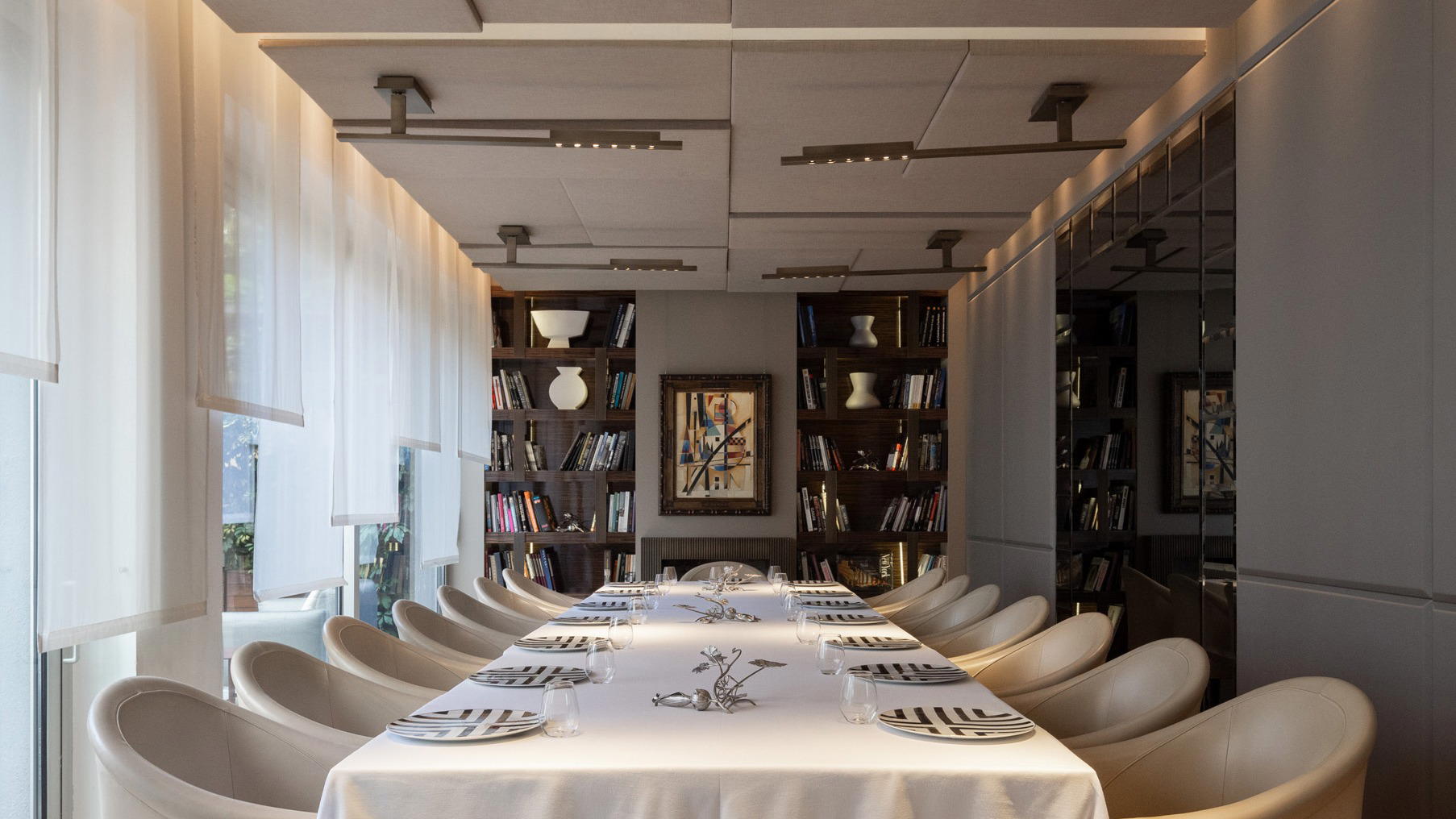
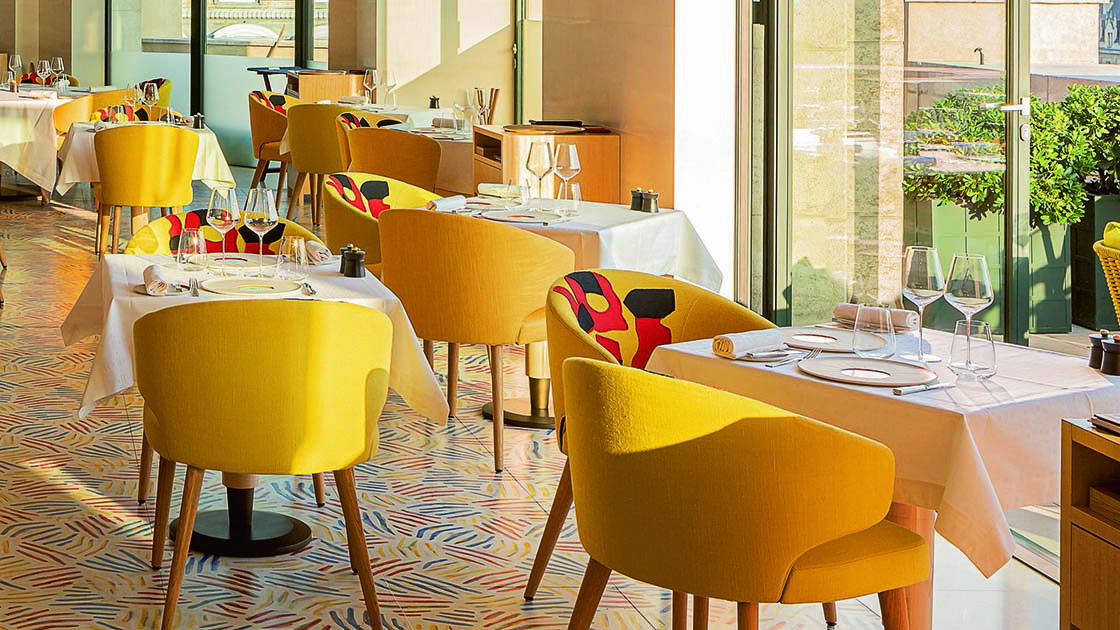
Bars in Barcelona
Browse all →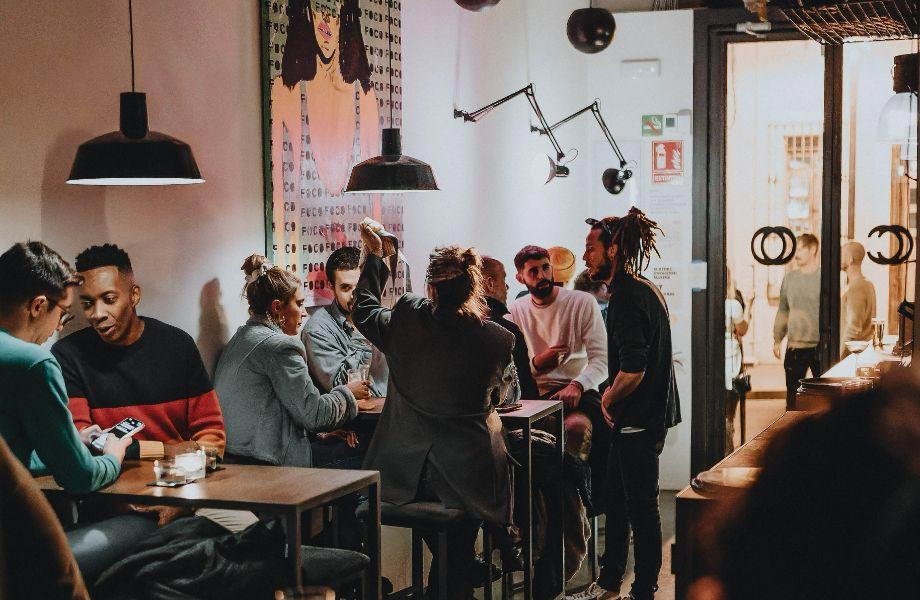
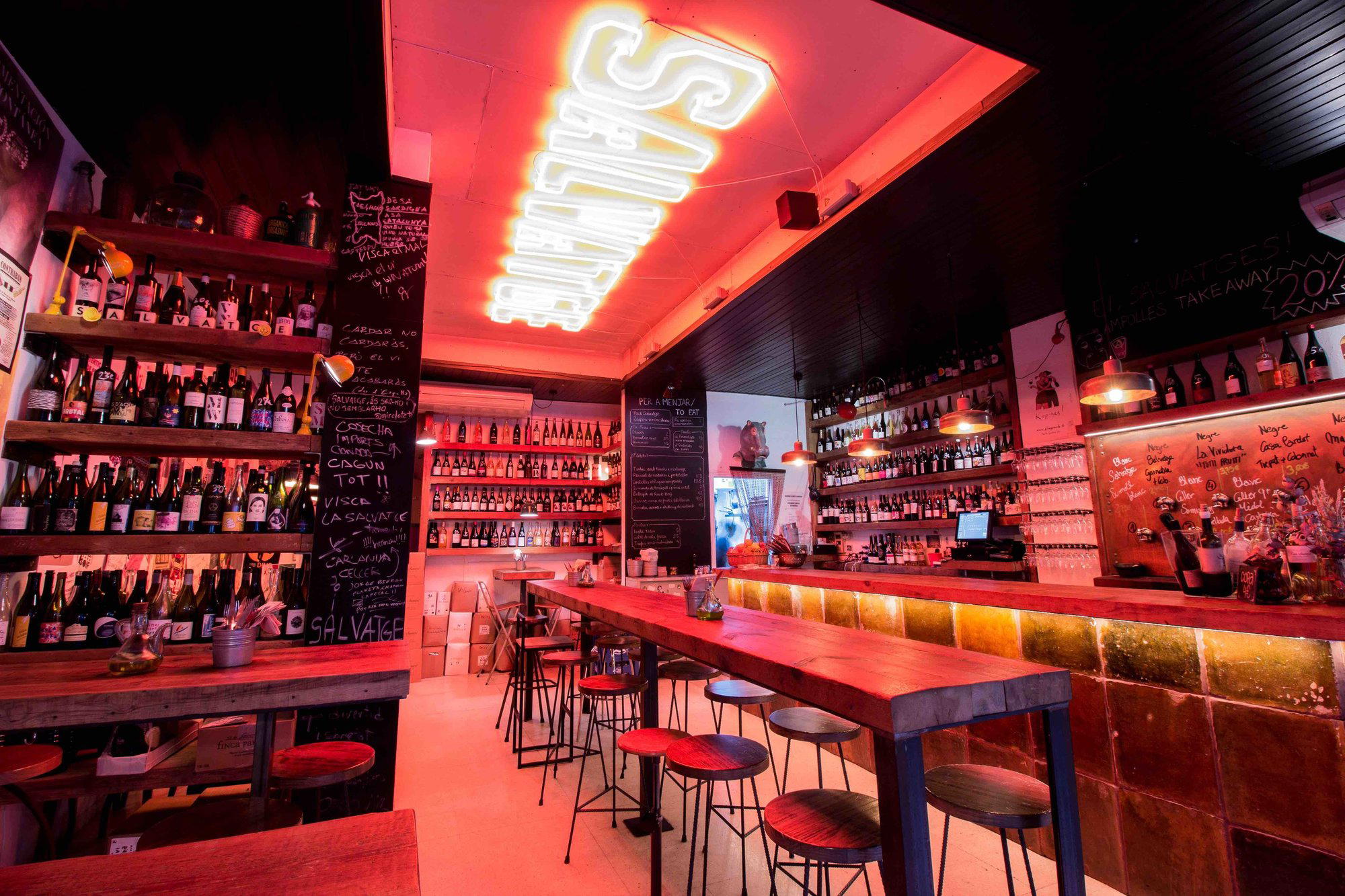
Hotels in Barcelona
Browse all →
At a Glance
- Modern
- Intimate
- Sophisticated
- Date Night
- Special Occasion
- Celebration
- Open Kitchen
- Terrace
- Standalone
- Natural Wine
- Craft Cocktails
- Local Sourcing
Current opening hours
- Monday
- 12:30–4:30 PM, 7–11 PM
- Tuesday
- Closed
- Wednesday
- Closed
- Thursday
- 12:30–4:30 PM, 7–11 PM
- Friday
- 12:30–4:30 PM, 7–11:30 PM
- Saturday
- 12:30–4:30 PM, 7 PM–12 AM
- Sunday
- 12–6 PM
Hours can change for holidays and private events. Last verified .
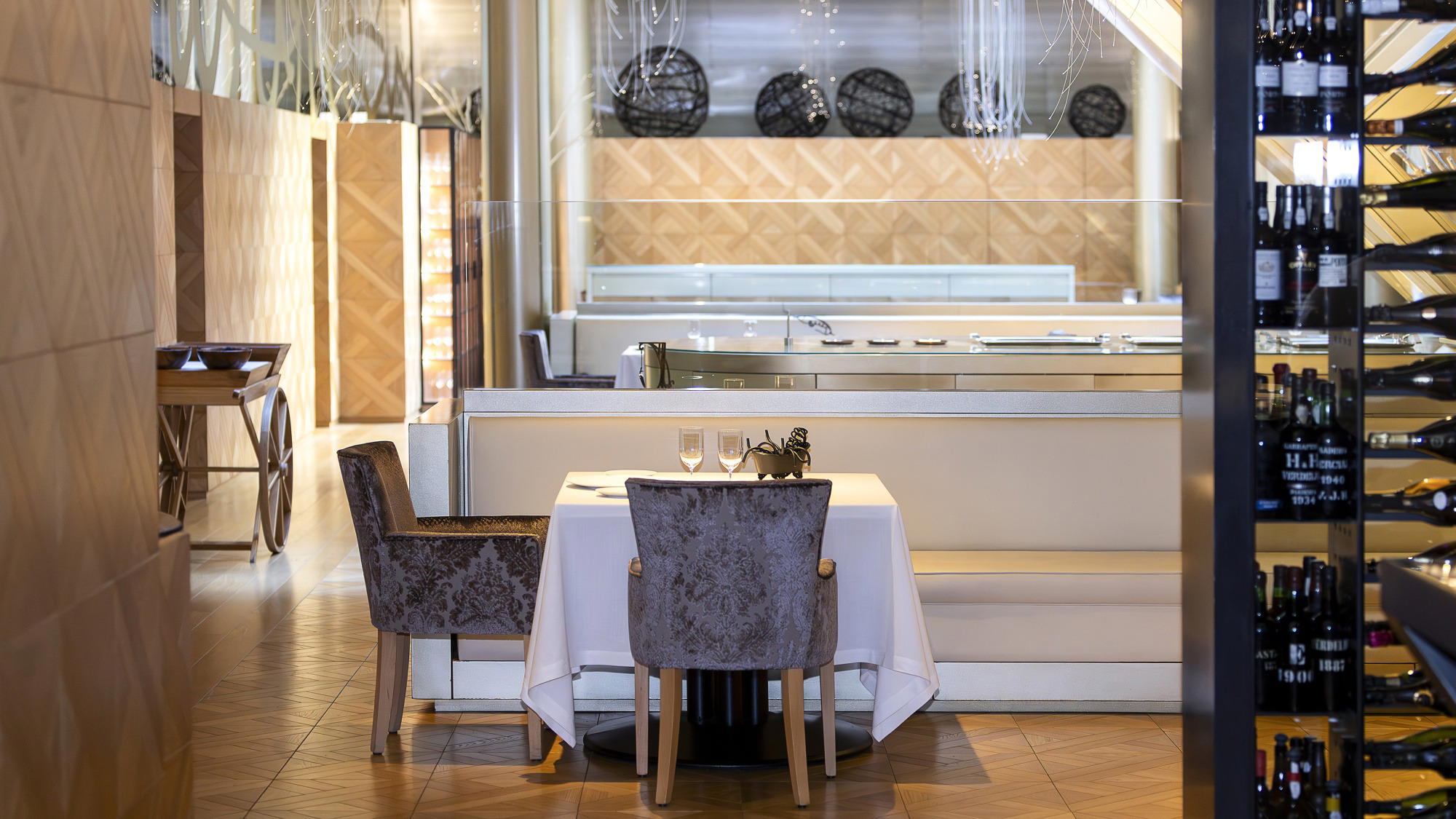
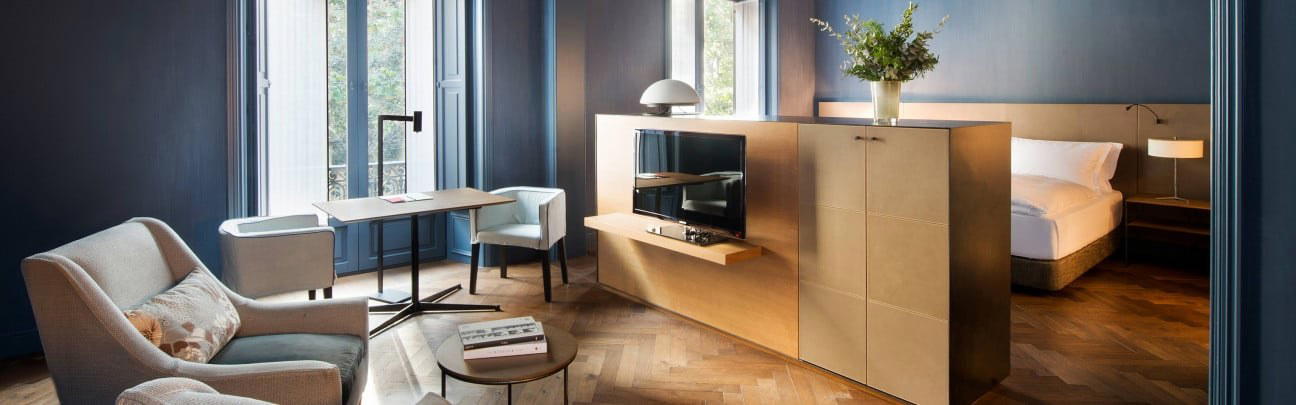
Modern minimalist interior with warm, comfortable décor; intimate neighborhood bistro atmosphere with open kitchen visibility and tableside service elements.